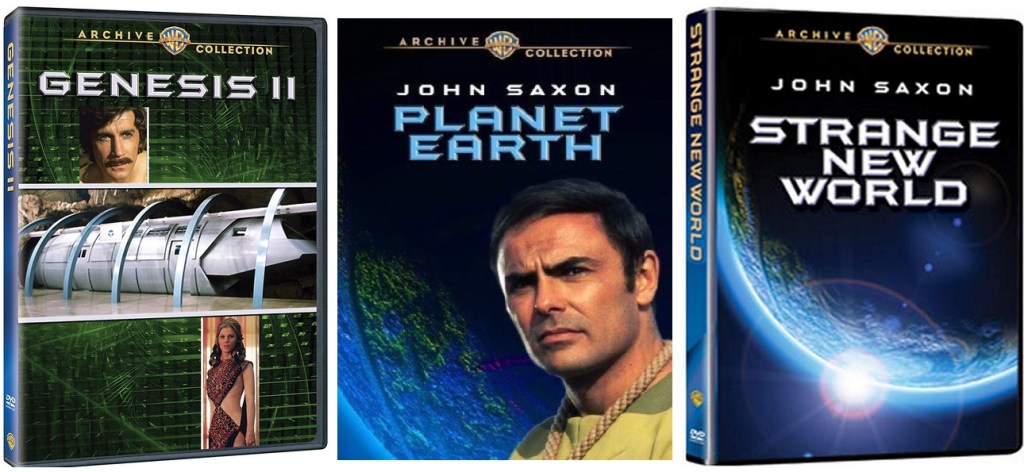
Genesis II (1973), Planet Earth (1974), and Strange New World (1975)

Okay. Let’s get this out of the way: This is the movie were you video fringe horndogs lose it over Mariette Hartley (as Lyra-A) in a two-piece bikini sporting two belly buttons (a dual circulatory system with two hearts) as a (network censored) “dominatrix” who breeds men for an oppressive, feminist regime.

Gulp.

Yes. Mariette Hartley: We’re talking Zarabeth in the Star Trek: TOS episode “All Our Yesterdays” where she cracked Spock’s emotionless Vulcan shell. She mixed it up with Gary Lockwood as Lisa Karger in Earth II (another failed TV movie pilot-to-series). She tempted Charlton Heston as Harriet Stevens in Skyjacked. She gave Dr. David Bruce Banner butterflies as Dr. Carolyn Fields in The Incredible Hulk. Yes. Mariette Hartley, with a resume of too many popular TV series to mention, all the way out to Fox TV’s 2018 hit series 9-1-1 as Patricia Clark.

Just one look at Mariette in Genesis II and you’ll forget all about the über-cool Sub-Shuttle that we all came for (and not a bogus CGI model . . . but a non-operational, full-sized prop pulled on a long-cable by an off-camera semi-truck) that pulls into a carved-out-of-the mountain sub-station (which Elon Musk has since pinched for his next millionaire-toy project). Oh, and did you notice the sterile, ultramodern-styled city looks suspiciously like the city in Conquest of the Planet of the Apes (20th Century Fox’s “Century City”)? And did you notice how many times the Sub-Shuttle footage was recycled in ‘70s sci-fi television?
Anyway . . . times were hard for ex-Star Trek creators.

In 1974, after the go-to-series failure with Genesis II, Gene Roddenberry developed another TV movie/series pilot with The Questor Tapes (1974). A thinly veiled reworking of the Gary Seven character and plot from the Star Trek: TOS episode “Assignment: Earth,” it was intended as a vehicle for Leonard Nemoy’s return to weekly television. The end product starred Robert Reed-doppelganger Robert Foxworth (1979’s Prophecy) who portrayed an android with incomplete memory tapes — in a pseudo The Fugitive storyline — searching for its creator and purpose (that also sounds like V’ger from Star Trek: TMP).

Then, after the additional go-to-series failures of the Genesis II reboots Planet Earth and Strange New World produced in the wake of The Questor Tapes, Roddenberry tried again — by jumping on the ‘70s “occult detective” sub-genre with 1977’s Spectre — by reworking another Star Trek element: the contemptuous friendship between Spock and Dr. Leonard McCoy, itself a homage to the relationship between Sherlock Holmes and Dr. Watson. Spectre starred Robert Culp (The Gladiator) as William Sebastian, a criminologist and occult expert assisted by Gig Young (1978’s Game of Death with Bruce Lee) as Dr. Hamilton. (If you care: Other shows in the ‘70s occult TV movie-to-series subgenre include The Sixth Sense with Gary Collins of Hanger 18 and Killer Fish, Roy Thinnes of Satan’s School for Girls in The Norliss Tapes, and the most-successful of the pack: Darren McGavin of Dead Heat and the post-apoc dropping Firebird 2015 A.D in Kolchak: The Night Stalker.)

Genesis II stars Alex Cord (who also journeyed into a “fucked up future” in Chosen Survivors) in the “future world” of 1979 as NASA scientist Dylan Hunt. Of course, he opens the post-apocalyptic proceedings with that all-too-familiar apocalypse (or psychological horror) cliché: “My name is Dylan Hunt. My story begins the day on which I died.” So goes the story a “20th Century Boy” (T Rex, anyone?) thrown forward in time by a suspended-animation earthquake-accident that damages his New Mexico/Carlsbad Caverns-housed “Project Ganymede” system for astronauts on long-duration spaceflights.

And we flash forward to the year 2133.

An archeological team of PAX (Latin for “peace”) descendants from the NASA personnel that lived-worked-were trapped in the Carlsbad installation when World War III (aka “The Great Conflict” because, well, the docile hoards of all post-apoc futures never seem to be able to preserve or retain a basic semblance of American history) broke out, discover Hunt’s buried chamber. And while they can’t seem to “remember” World War III, the PAX are smart enough to construct a subterranean rapid transit system utilizing a magnetic levitation rail operated inside a “vactrain-tunnel network” that spans the globe and saves the masses from air transportation attacks.

Anyway, here’s where Mariette Hartley comes in.

Lyra-A oversees the all-female totalitarian regime known as the mutated (natch) Tyranians that rule the lands once known as Arizona and New Mexico. In addition to their increased physical abilities, you can always spot a Tyran by their nifty, dual navels — that they seem to love to show off. (Schwing! Thank you, Gene!) Not that the wussy PAX-rats would do anything when they spot a Tyran: they let themselves be enslaved.

Lyra-A, in a grand alien fashion of the Star Trek variety, is enraptured by Roddenberry’s “Buck Rogers” and wants to harness Hunt’s knowledge of (among other things) nuclear power systems to fix the Tyranians’ dead power plant. But apoc-bitch Lyra-A double crossed him: it’s a ploy to reactivate a nuclear missile system to destroy the PAX. As a result, Hunt goes into Moses-mode (see the apoc-romps No Blade of Grass, Ravagers) and leads a revolt of the enslaved, sabotages the nuclear device, and destroys the reactor.

Sound pretty cool, right?

Airing to high ratings in March 1973 and encouraged by the network brass, Roddenberry worked up a 20-episode first season on the adventures of Alex Cord’s post-nuc Moses. Then CBS-TV dropped the bomb: they passed over Genesis II and gave the timeslot to another competing post-apoc series: the short-lived and low-rated Planet of the Apes.

Those mothballed Genesis II episodes featured recycled ideas from Star Trek: TOS and fueled the later Star Trek movies — with stories about suspended animation soldiers from the past (“Khan!!!”), a London ruled by King Charles X; NASA “evolved” computers and equipment left on Jupiter’s Ganymede returning to Earth in search of their “God” (“The Changeling” and the annoying Persis Khambatta-V’ger non-sense from Star Trek: TMP); men turned into breeders and domesticated pets (reworked for the second pilot, Planet Earth); the ol’ catapulted-through-a-time-continuum back to 1975 gaffe (“Tomorrow and the Stars,” an episode from Star Trek: Phase II, the proposed-failed post-Star Wars reboot), and a creepy priesthood who enslaves the masses via electricity used as a “God” (“Return of the Archons” from ST: TOS).

The reason the network passed on Genesis II: The series was “too philosophical” and Alex Cord’s portrayal was “too dark and brooding.” They wanted another handsome and charmingly arrogant Captain James T. Kirk. So Roddenberry and Warner Bros. rebooted Dylan Hunt into an action-driven and conflict seeking Kirk-like character embodied by John Saxon.

Cue for Planet Earth.

Now Dylan was one of three cryogenically-frozen astronauts who return to Earth to reestablish the PAX organization that sent them into space. And while we lost Mariette Hartley, we gained the equally fetching Diana Muldaur (again, from Cord’s Chosen Survivors), who rules the Amazonian, male-enslaving “Confederacy of Ruth,” along with cherished character actors Bill McKinney (Deliverance, Cannonball) and Gerritt Graham (Phantom of the Paradise, Used Cars) as “impotent males” in recurring roles.

This time, instead of CBS, ABC aired the Warner Bros. produced program in April 1974.

The network passed.

Cue a Strange New World.

To creative and legal reasons lost to the test of time, Warner Bros., who now owned the intellectual rights, reworked the premise a third time as Strange New World (pinching the title from Star Trek’s opening monologue) — sans Roddenberry’s involvement — dumped the PAX and Tyranians, and retained John Saxon as the same Kirk-like character, now known as Captain Anthony Vico, who returns from a suspended animation space trip with two other astronauts (as in Planet of the Apes TV series that screwed Genesis II in the first place).

The movie aired in July 1975.

The network passed.

And with that, between Roddenberry’s vision, and the failure of the Planet of the Apes TV series (episodes were cut into overseas theatrical and telefilms), the small screen’s attempt to jump on the major Hollywood studios’ post-apocalyptic bandwagon was over. Thus, us wee lads and lassies gathered around the TV on Saturday mornings and settled for Filmation’s Ark II, whose 15 episodes (it seems it had more episode and was on much longer), aired in 1976, then reran in 1977, then again in 1978. And that kiddie-apoc series stopped production because the network “wanted Star Wars” (and not a TV knockoff of 1977’s Damnation Alley). So Ark II was reworked and repurposed (the same “universe,” so to speak) as Space Academy and Jason of Star Command (Sid Haig, rules!).

There was also another, similar attempt at the Genesis II concept with, ironically, another Star Trek: TOS alum: Glenn Corbett (warp-drive creator Zefram Cochrane in 1967’s “Metamorphosis”). As with Roddenberry’s The Questor Tapes, The Stranger (1973) was another failed TV movie-to-series sci-fi twist on the ‘60s runaway TV hit, The Fugitive. This time, instead of returning to a post-apocalyptic society, our astronaut (Hey, Sam . . . he’s named “Stryker”!) returns to a totalitarian “twin” Earth run by the “The Perfect Order.” (And if it all sounds a bit like 1969’s Journey to the Far Side of the Sun by Gerry and Sylvia Anderson of the fellow-failed, post-Star Trek series UFO and Space: 1999 . . . then it probably is: both series were movie-rebooted in the post-Star Wars universe as Invasion: UFO and Destination Moonbase Alpha, respectively.)

But wait . . . all was not lost with Genesis II.

Roddenberry’s widow, Majel Barrett (Nurse Christine Chapel in Star Trek: TOS and Lwaxana Troi on Star Trek: TNG and DSN) produced one of Roddenberry’s old pre/post-Star Trek dystopian-apocalyptic concepts, Andromeda (itself recycling from Genesis II and Planet Earth), a Canadian series that ran from 2000 to 2005 and aired in syndication on U.S television.

VHS rips of Genesis II and Strange New World can be enjoyed for free on You Tube, while Vudu has official, affordable streams of Genesis II and Planet Earth. For whatever “legal” reasons, no streaming platform offers Strange New World. However, copies of all three are widely available on DVD courtesy of Warner Home Video’s Warner Archive Collection.

You say you’re still jonesin’ for a fix of the “Big Three”-over-the-air U.S television network movies from the good ol’ days before the VHS and cable television boom? Then check out B&S Movies’ tributes of “Lost TV Week,” “Week of Made for TV Movies,” “Sons of Made for TV Movies Week,” and “Grandson of Made for TV Movie Week.” 

About the Author: You can read the music and film reviews of R.D Francis on Medium and learn more about his work on Facebook.
The Prodigal Planet (1983)

Remember our friend David? Well, he didn’t die at the end of Image of the Beast. No, he’s back and ready to battle the forces of UNITE one more time. He’s rescued by Connie, an Antichrist agent pretending to be a double agent for the Believers’ Underground, who hopes that David can lead them to the hidden base of the Believers. Meanwhile, Armageddon and the Second Coming are on the way and everyone’s going to die and pay for their sins.

This might be my favorite of the four films in this series, as now we’ve entered pure post-apoc territory, with leukemia and facial lesion-having mutants called the Doomsday People wandering the wasteland wearing monks robes, David playing matador with helicopters and a character who does a child’s voice that is not unlike Christian icon Lil’ Markie (trust me, it’s best if I don’t link you to him, let him be the nightmare that only I live).

We also learn that Mark gave up on God after his brother tried to race a train and his car got hit by it. So there’s that.

This movie is packed with sermons, songs that bleed over the dialogue and long explanations of Biblical prophecy. In short, everything you’ve come to expect and more from this series. It also has David watch some ICBMs decimate the forces of UNITE and say, “It’s hard to believe God could use something that hideous for good, but he’s done it before.”

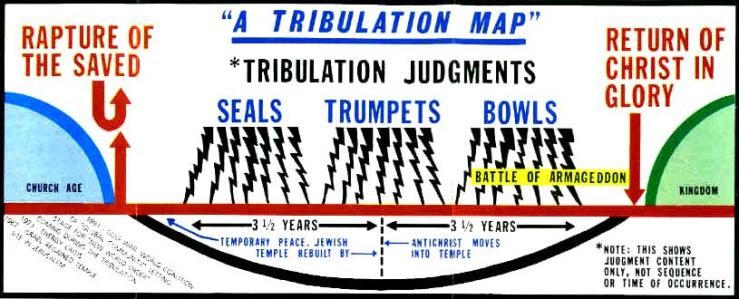
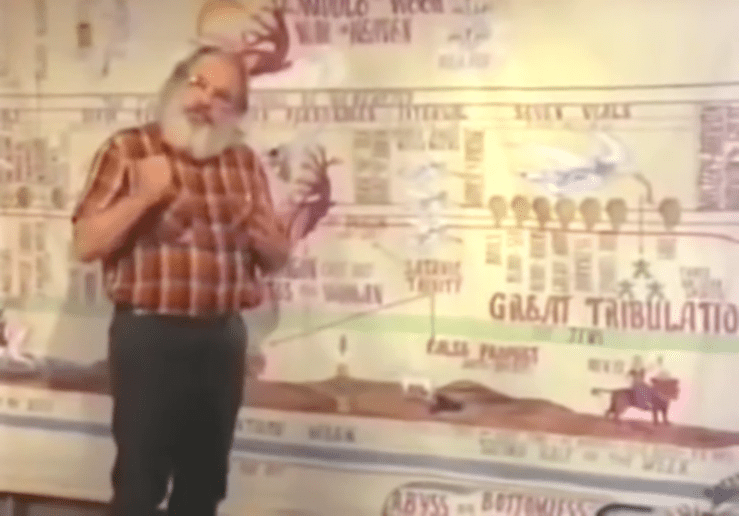
Turner also shows back up and he’s brought his maps of the End Times that we’ve all come to know, love and paint on to our own walls. I have no idea how we’re going to sell this house now that I’ve made the guest room into a mural with the different signs of Armageddon, but that’s our real estate agent’s problem.

Connie has to be the best character in this film, as she suddenly breaks into a mall and loots it for clothes a full year before Night of the Comet and then busts out some insane disco dancing moves for no reason at all. Also, everyone continually mentions how gorgeous she is in this movie. I don’t want to be rude, but she’s the most attractive woman I’ve ever seen in an Armageddon Christian movie and that’s no compliment.

In Marilyn Manson’s book The Long Road Out of Hell, he says “I was thoroughly terrified by the idea of the end of the world and the Antichrist. So I became obsessed with it, watching movies like A Thief in the Night, which described very graphically people getting their heads cut off because they hadn’t received 666 tattoos on their forehead.” Therefore, this movie had the exact opposite effect that everyone wanted it to have, at least for one very special boy.

Finally, Jerry, who has been the porn mustached bad guy of all of these films, sits crying on the floor as nukes go off all around him. B-roll footage plays and the world finally, mercifully, ends.

You can watch this for free on Amazon Prime or Archive.org, or the You Tube Christian Movies portal. There’s even an official website if you want to learn more. Please want to learn more.

The Terror Within (1989)

There’s a subset of maniacs who want to see movies where women are impregnated by aliens and give messy and brutal birth to them. Trust me, there’s no other way Inseminoid and Galaxy of Terror would all come up with the same concept if there wasn’t a willing audience for this sort of thing.

Now you can add The Terror Within, a movie that doesn’t just have alien assault — well, mutant in this case — but bloody births and abortions, too. It’s basically a family night film ready to entertain one and all.

After the end of the world, the human survivors battle what they call gargoyles, which are really mutant humans. The few normal people left alive are looking for a cure and are working at labs, like the ones in Mojave and Rocky Mountain.

An injured girl named Karen is brought back to civilization, but she quickly gives birth to the spawn of one of these creatures. Think Alien — as this movie quickly moves to rip that off, a switcheroo when you were expecting Mad Max.

If I’ve learned anything from my lifetime of watching 1980’s VHS movies, its that George Kennedy was married three times — twice to the same woman — and had six kids. At the age of 71, he also adopted one of his grandchildren as his daughter so that he and his fourth wife could legally raise her. I’m telling you these facts to explain why I think George never turned down a role. Seriously, he suffers through some of the worst films ever — UninvitedWackoDeathshipThe Concorde … Airport ’79 and so many more — yet he does it all with a quiet grace. Even when a haunted ghost ship sprays sewage right into his mouth in the aforementioned Deathship, I get the idea he’s thinking, “Do it for my grandkids. Do it for my grandkids.”

Former Miss Teen Hamilton Starr Andreeff plays the victim of one of these beasts. Terri Treas, who was Newcomer Cathy Frankel on the Alien Nation TV series, also appears. And for the ladies, there’s Andrew Stevens, who beyond being the son of Stella Stevens is also the star of all of the many Night Eyes films.

This movie becomes an abortion debate, as one of the characters is pregnant, either by a mutant or her human lover. Either way, she overdoses on drugs to prevent what happens next. Trust me, this is the least nuanced debate on the subject ever, as most abortion related movies don’t star clawed mutants that can’t be killed by flamethrowers yet are susceptible to dog whistles.

You can watch this on Tubi. Or you can get it on a double disc with Dead Space from Shout! Factory.

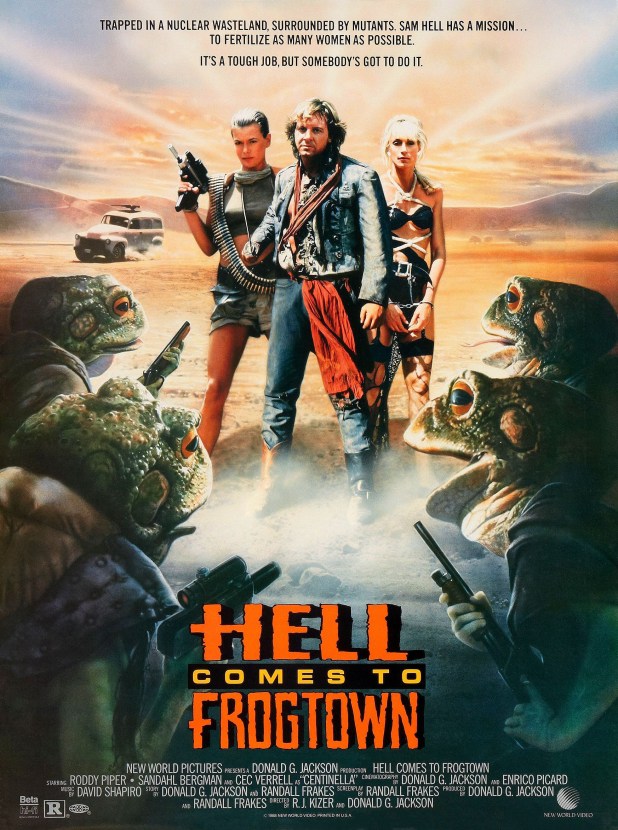
Hell Comes to Frogtown (1988)

Donald G. Jackson sure made a lot of post-apocalyptic films. Roller Blade, Roller Blade Warriors: Taken by ForceThe Rollerblade SevenThe Legend of the Rollerblade SevenReturn of the Rollerblade Seven and three different movies in the Helltown series. He also made I Like To Hurt People, a movie all about pro wrestling. These things would all come together to create this film, where “Rowdy” Roddy Piper plays Sam Hell, the last fertile man on Earth.

In the post-apocalyptic wasteland of this film, atomic fallout has led to men and women being unable to breed. The government seeks out those that can make children and uses them to keep the human race alive. Meanwhile, frogs have become able to walk and talk like humans, all while falling for human women.

Sam Hell (Piper) has been located by the government as they followed the trail of pregnant women left in his wake. They wanted to use him to breed their collection of fertile women, but it turns out that the frogs took all of them. So now, he must use his fighting skills to break into Frogtown and rescue the women, then knock every single one of them up.

The team behind this operation — Spangle (Sandahl Bergman, who was also in the near-perfect post-apoc film She) and Centinella (Cec Verrell, Hollywood Vice Squad) — outfits Hell with a codpiece that will cause his junk to explode if he tries to run off.

Of course, hijinks ensue. A Frog lady named Arabella (Kristi Somers, Savage StreetsGirls Just Want to Have Fun) falls for Hell. Spangle is drugged and ensures the Dance of the Three Snakes for the Frog leader Commander Toty. And Nicholas Worth — serial killer and necophilliac Kirk Smith from Don’t Answer the Phone — shows up as a Frog who tortures Hell.

This film is worlds better than I ever imagined that it could be. The part of Sam Hell was written with Tim Thomerson in mind, but New World wanted Daniel Stern. The final two actors considered for the role came down to Piper and Ed Marinaro. I think they made the right choice.

You can get this from Vinegar Syndrome, who have a features packed blu ray they’ve just released that I’ve gotta get.

The Atomic Dust Bin: 10 Post-Apocalyptic Films You Never Heard Of: Part 1

Courtesy of the Italian and Philippine film industries creating a post-apocalyptic cottage industry — the ‘80s pasta-apocalypse — with their seemingly endless replications of the futuristic-western visions of George Miller’s Mad Max and John Carpenter’s Escape from New York, along with Charlton Heston’s The Omega Man and Soylent Green initiating a post-apoc boom in the ‘70s, there’s enough movies to keep us busy until, well, the real apocalypse arrives.

So, in B&S Movies’ quest to chronicle all of those “futures” for future generations, here’s our first part of 10 quick reviews of the flotsam and jetsam collected in our atomic dustbin.

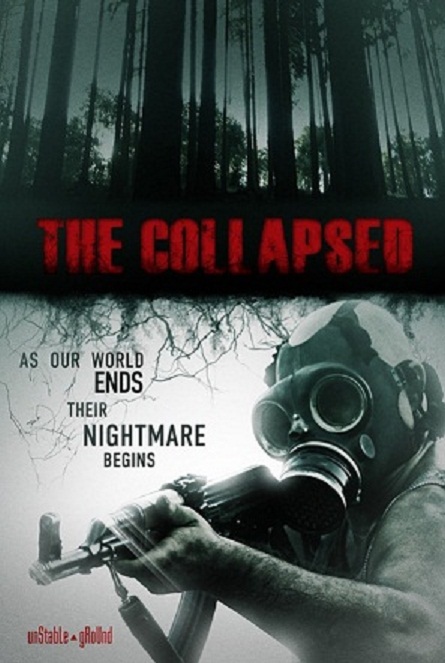
The Collapsed (2011) aka Crazy World

In this mediocre, low-budget Canadian entry with Asylum Studio-like vibes, it’s the first day after our present-day end, with the usual, violent societal breakdown caused by an “undetermined event.” A family escapes the city, only to become woodland stalking victims. Trailer

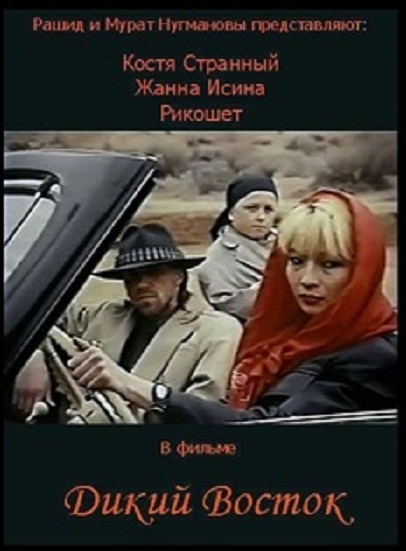
Dikiy Vostok (1993) aka The Wild East

This excellent Russian/Kazakhstan-produced film concerns a group of circus dwarves and performers who set up a peaceful village in the post-new world, only to be besieged by bandits; they hire a gang of eclectic gunfighters to protect them in this interesting take on The Seven Samurai. Full Movie/Eng Sub

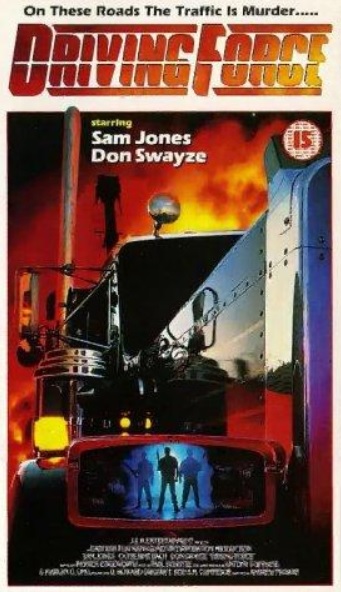
Driving Force (1989)

This low-budget-too-late Filipino Mad Max replication slop (killed by too much talky-drama) set in our not-too-far-ahead present day concerns rival breaker (tow truck) companies — the Black Knights and the Destroyers — battling on the “future” lawless roads for salvage rights. A lone breaker driver (instead of a police Interceptor), Sam Jones (Flash Gordon), protects “industrialist” Catherine Bach (TV’s The Dukes of Hazzard) and stands against the brother of Patrick Swayze, Don, a slobbering maniac who drives people off the road and salvages their cars. If you want to see Mad Max as an unemployed single dad with an annoying kid and battling her grandparents for custody — yes, ripped off from Stallone’s Over the Top — then this is your movie. Full Movie

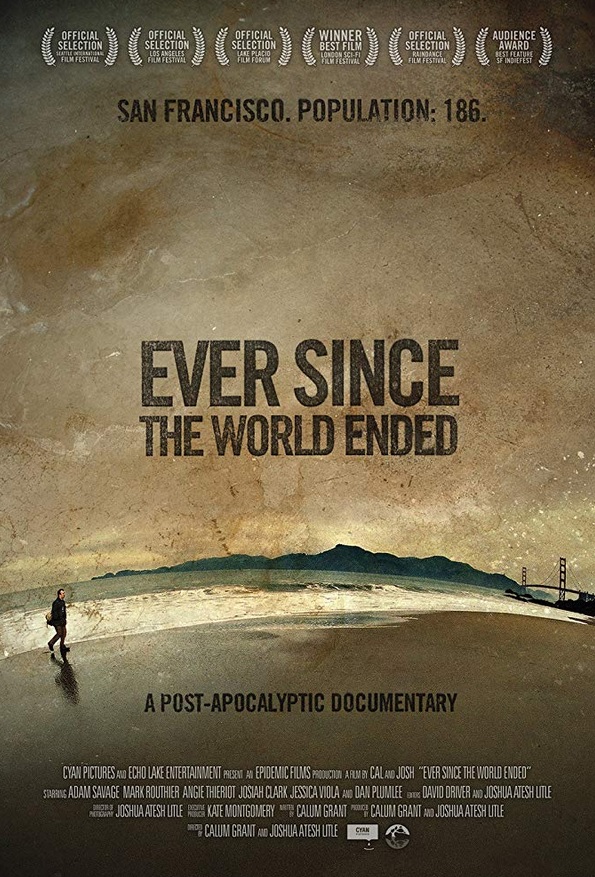
Ever Since the World Ended (2001)

This intriguing, low-budget mockumentary — refreshingly devoid of Mad Max dressings, Armageddon hysterics, and zombie goo — is set twelve years after the plague; a filmmaker documents the physical and psychological effects experienced by San Francisco’s 186 survivors. They’re just regular, non-tech folk — no warriors, no saviors, or crazies — coping in a now silent world. Trailer

Hunting Grounds (2008) aka Zombie Hunters

This not-awful-just-mediocre award-winning canux flick has a few unique touches — killed by an Asylum Studios’ zombie vibe. After an “ecological collapse,” nature is banned for human enjoyment, with Québécois (and other cities) confined to “sealed cities.” Bored with virtual reality hunting for sport, a group of hunters break out for a real hunt. They soon discover a military-created zombie outbreak in the environs — and a nasty cyborg-zombie in a battle exo-skelton. Trailer

The Killing Edge (1984)

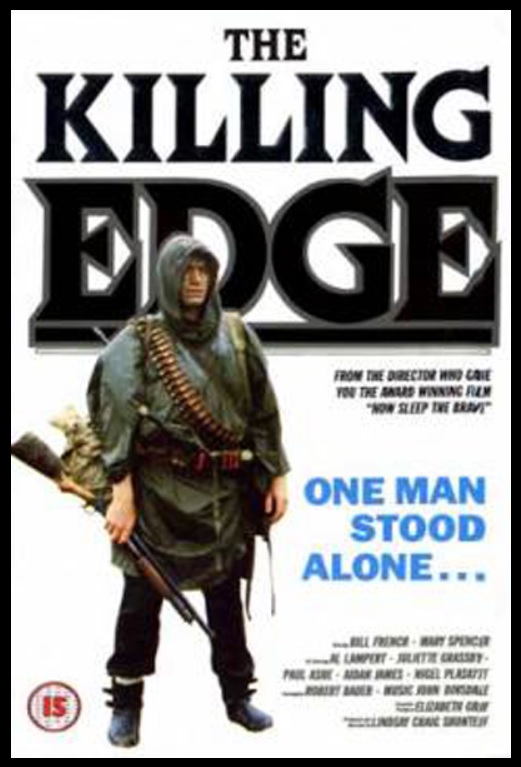
Another apocalypse — this one set in the present-day UK (rumored to have been shot-on-video in 1984 but not released on home video until 1988) — reminds of the later The Survivalist and Survival Zone, but it’s actually all non-action talk of the Survival 1990 variety set in the low-budget woods. When a run-of-the-mill family man hoofs home in the first days after a nuclear war, he finds his wife and child — soon murdered — in the clutches of rogue army unit, The Terminators (yuk-yuk, don’t sue, Mr. Cameron); he sets out for spaghetti western revenge. (We’ve reviewed another of director Lindsay Shonteff’s mid-’80s shot-on-video junkfests, the giallo hopeful known as Lipstick and Blood. We’ve since done a more, complete overview of ol’ Lind’s career — including review links ‘o plenty to the Shonteff canons — within our review of the robbery-gone-bad tedium that is The Fast Kill.) Trailer

Lunar Cop (1995) aka Solar Force

Boaz Davidson (The Last American Virgin) directs Michael Pare (Eddie and the Cruisers) in a $4 million-produced script written by Michael’s brother, Terrance. Michael is a “moon cop” sent down to battle the Earth’s road warrior hoards — led by requisite screen baddy, Billy Drago (Invasion USA) — and stop the production of a deadly serum that will kill mankind. A pedestrian romp that couldn’t call itself Omega Cop, as that title was already taken to chronicle the karate apocalypse. Trailer

Terminus (1987)

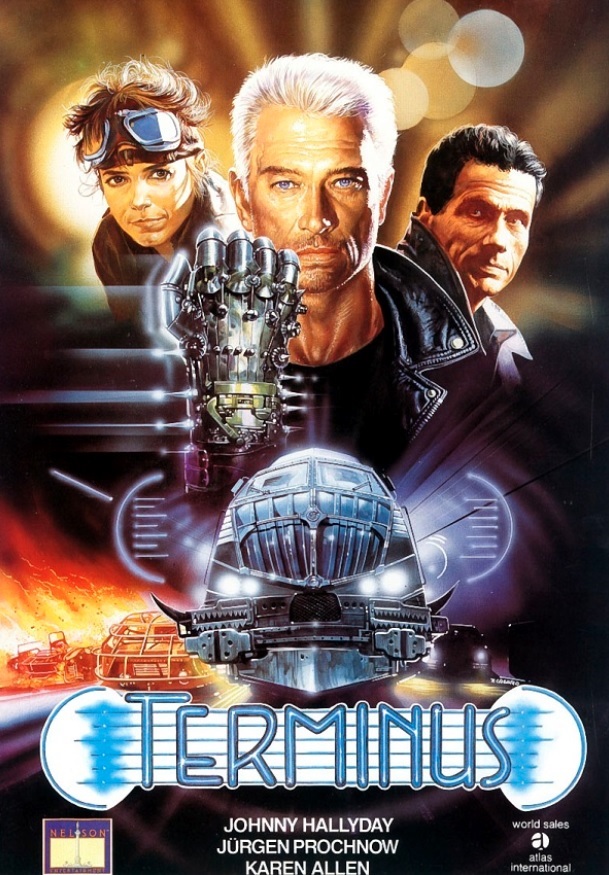
Iconic French-Euro musician Johnny Hallyday jumps into the Mad Max battle tanker, along with Karen Allen (Raiders of the Lost Ark) and Jurgen Prochnow (Das Boot; the German apoc’er Operation Ganymed), in France’s very entertaining, big-budget knockoff of Death Race 2000 — and reminds one of that picture’s later, 2008 reboot. A genetically-engineered child genius creates a post-apocalyptic European sport where a driver of a 2001-Hal computerized truck must race across the country to an established terminus (the end of a railroad or other transportation route) and not be stopped by other vehicles. Trailer

The Trigger Effect (1996)

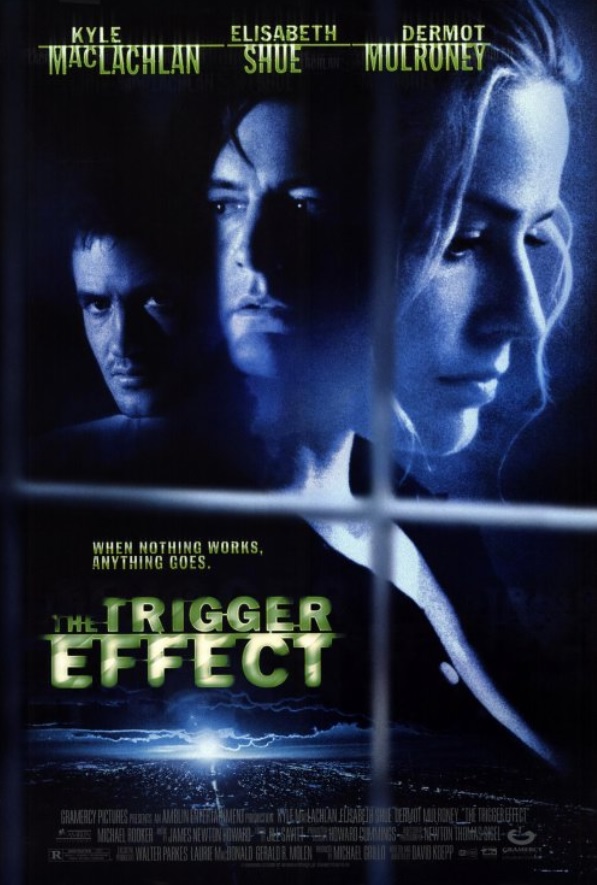
This directing debut for screenwriter David Koepp (Jurassic Park, War of the Worlds), with an assist from Kyle MacLachlan, Dermot Mulroney and Elisabeth Shue, is pleasantly devoid of the usual, major studio Armageddon hysterics. In a not-awful-just mediocre world that leans heavily on the “love triangle” aspects of 1958’s The World, The Flesh, and the Devil (but the press indicates this is an expanded version of the 1959 Twilight Zone episode, “The Monsters Are Due”), the trio deals with a mysterious power grid failure that plunges the world into an apoc-darkness that “triggers” anarchy. Trailer

Unknown Beyond (2001) aka Maelstrom Il Figlio dell’attrove

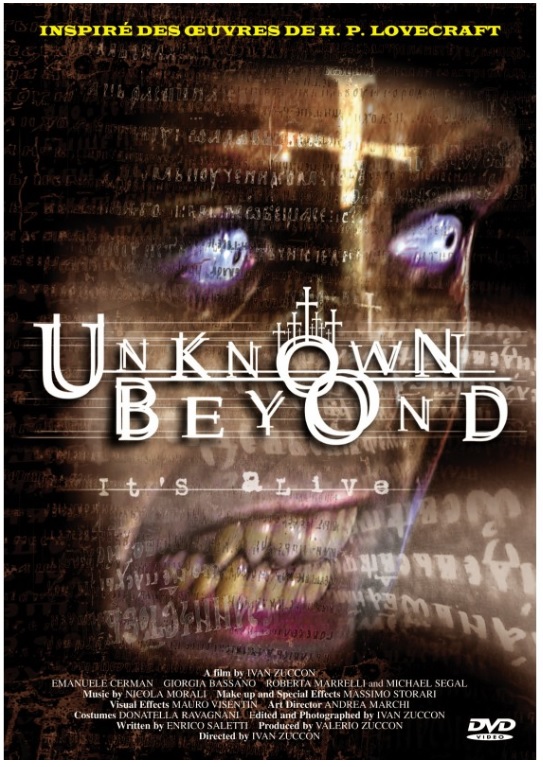
This pretty cool Italian homage to Lucio Fulci’s The Beyond is set in a Lovecraftian apocalypse where the invading The Old Ones — instead of a boring bomb drop or seen-before plague-infected zombies and road warriors — return to Earth and force man underground. Instead of the usual quest for gas, water, and the need to make babies, the survivors search for an ancient grimoire to restore order. Trailer

Be sure to check out B&S Movies’ past “More/Even More Fucked Up Futures,” “10 End of the World Movies We Love,” and “Ten Post-Apocalyptic Vehicles” tribute weeks for more expansive reviews on your favorite post-apocalypse films.

Here’s the list from our September 2019 rally of post-apocalyptic film reviews:

Oh, we’re not done yet,  you uranium-scorched apoc-rat! There’s 10 more apoc-films you never heard of, along with a full list of the remaining films we reviewed for our September Apoc-Month, with “The Atomic Dust Bin: 10 Post-Apocalyptic Films You Never Heard Of: Part 2.”

˟ Reviews by R.D Francis

About the Author: You can read the music and film reviews of R.D Francis on Medium and learn more about his work on Facebook.
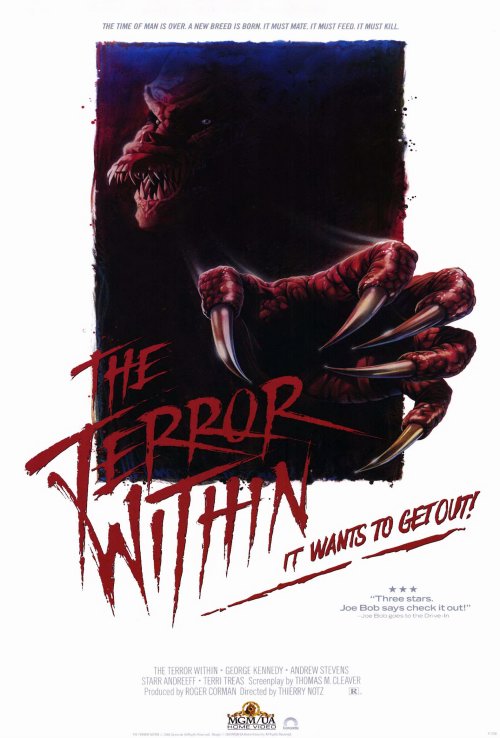
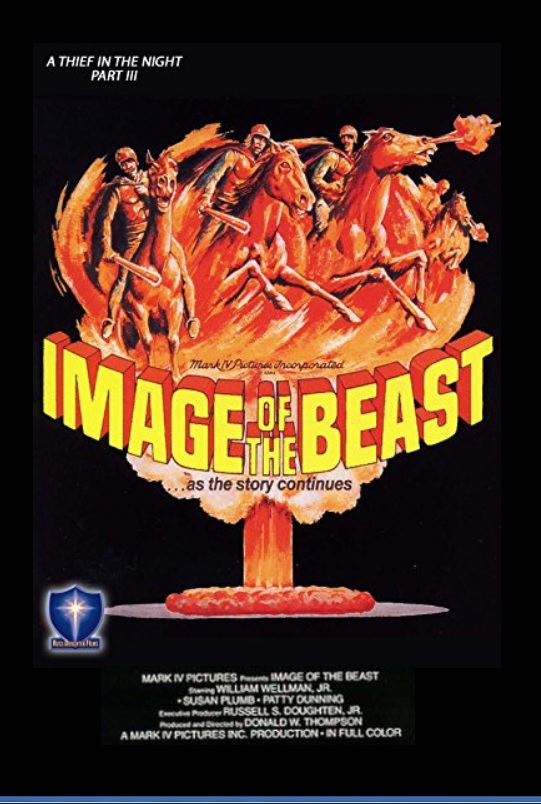
Image of the Beast (1980)

This is the third of a series of films that began all the way back with A Thief In the Night. After two movies that focused on Patty, this movie brings in David, who is a Christian guerrilla battling the UNITE forces. While the first two films just dealt with the beginning of the end times, this one goes all in and goes completely wild, bringing in all manner of sheer lunacy as the Antichrist ruses and God begins to reign his fury on the sinful men and women left behind.

The beginning of this film is probably the tensest of all of the series, as it begins with a young couple shopping for groceries with Patty — remember our old friend Patty who pretty much as a goner in the last two endings? — checks them out. They discuss a Beverly Kay book on Biblical prophecy and computers and how scary it all is before we smash cut back to the end of A Distant Thunder with Patty goes to get her head cut off. Run-on sentence much? Well, with this movie, you have to!

While Patty is waiting to die, an earthquake hits and she’s trapped, all alone, with each tremor of the earth making the blade one step closer to decapitating her. It’s harrowing and well-shot, ending only when Patty gives and begs to be given the Mark and the blade chops her head clean off. The moral of Image of the Beast is such: God is done fooling around.

It’s time for a new hero in this film, who would be Kathy, who joins Leslie and David Michaels, our aforementioned freedom fighter who just killed an officer in self-defense and stole his uniform. They escape in a jeep but Leslie is shot, so our other two heroes and Kathy’s son spend the night sleeping under the car because that’s exactly what you do in the post-Rapture. In the morning, the precocious kid runs right into Reverend Turner (Russell Doughten, the dude behind all of this).

If you missed the last two movies, Turner was Patty’s old pastor who failed to preach the message that God wanted and is now left behind. He’s living a sweet Apocalyptic life, what with his farm, an apple tree and biggest and raddest map of how the end of all things will unfold.

That’s when everyone gets the plan that will take up the bulk of this movie: Fake Marks that work on the gigantic UNITE computer and allow our heroes to eat while they try and hack into said computer. Being that this was made in 1980, a lot of said hacking is done with calculators, pencil and paper. There’s also a subplot of the BUMS (Believers Underground Movement Squad) trying to find the Christians and take them to get their heads cut off. Of course, Jerry and Diane Bradford from the first two movies are in said group of villains.

I wonder — did PreMillenialist Dispensationalism Christians have a convention where they all decided that the UPC code was bad and that guillotines would be the weapon of choice for the UN?

There’s also the hint at the end of this movie that giant locusts have descended on the Earth, which would be awesome to see. And at the end, David sends a kid to his death and walks to the guillotine rather than take the Mark. There’s also a nuke that gets dropped.

My wife tried to watch this with me and when I was telling her how the stories of the Antichrist coming back to life and the prophets being killed and rising from the dead and the talking statue were all really in the Bible, she just left the room rather than deal with the realization that her husband was insane when he was a small child, often highlighting his Bible and looking up the exact passages to try and figure out when the end would come so he would be ready.

You can watch this for free on Amazon Prime or Archive.org, as well as the You Tube Christian Cinema portal. There’s even an official website if you want to learn more.

The People Who Own the Dark (1975)

Not only is it post-apoc month at B&S Movies, Sam’s also reviewed a few Paul Naschy movies for the Drive-In Super Monster-Rama recently held outside of Pittsburgh. And . . . Paul Naschy did a post-apoc movie. Yes, that’s right: Paul Naschy, the King of Spanish Horror, and the post-apocalypse, together, in one film.

The future is officially FUBAR’d.

A recap of the festivities!

For those of you not familiar with the (appreciated) absurdity of Spanish horror, and Paul Naschy’s oeuvre, please join me in a read of my June 2019 review (and mini-career retrospective) for his 1983 film, Panic Beats (based on the exploits of kinky French Knight Gilles de Rais, as embodied in Naschy’s Alaric de Marnac character). That review serves as a primer for my upcoming review of that film’s prequel, 1973’s Horror Rises from the Tomb, part of B&S Movies’ Halloween tribute to Mill Creek’s Pure Terror 50-film box set.

People Dark
That tombstone-credit is a hoot!

The People Who Own the Dark is Naschy’s contribution to the 2nd wave of sci-fi/apocalypse films that ignited during the 1970’s: beginning with Charlton Heston’s The Omega Man (1971; yes, we know we linked the remake) and ending with Richard Harris’s Ravagers (1979). In between, everyone from Hollywood’s A-ListYul Brynner, Bruce Dern, James Caan, Sean Connery, Jackie Cooper, Paul Newman, George Peppard, and Oliver Reedsped off into the radiated sunrise for their post-end-of-the-world romps. If his American counterparts can do it, then why not European cinema’s acting equivalent: the “Lon Chaney” of Spain? So Paul Naschy sort-of-kind-of updated that sexual scamp Alaric de Marnac for the post-apoc age to ask the question: What if the Marquis de Sade existed in the nuclear, Cold War era of the 1970s?

And that’s how we arrive at this trashy horror frolic featuring more cover-model hysterical womenthis time, instead of cobby-web horrorscampering through the first days of the post-WW III apocalypse, adorned in sensible mini-dresses and chunky-strappy sandals (don’t stub a toe, sweetie); a world where make-up never smudges or runs. Amid the absurdity, you’ll discover a thought-proving parable regarding the sociopolitical dynamic between the rich and the poor and the oppressiveness of the Francoist dictatorshipof the Luis Buñuel The Exterminating Angel (1962) subtext-variety. This is a world where elites find themselves trapped in the allegorical hell of The Eagles’ “Hotel California” (You can check out anytime time you like /But you can never leave)mixed with plentiful boobs and soupcon of gore. (Naschy’s “theme” on the corruption of wealthy libertines is also prevalent in Pier Paolo Passolini’s art-horror film statement regarding Italy’s fascist state: Salo, the 120 Days of Sodom (1975). The brutally squeamish (but not gratuitous: there’s a point to it all, really) work also drawls from the infamous exploits of the Marquis de Sade).

The People Who Own the Dark is a shrewd reworking of familiar plots and themes that spooked us before, courtesy of Vincent Price’s The Last Man on Earth (1961), George Romero’s Night of the Living Dead (1968) and, to a lesser degree, those films’ strikingly similar antecedent: John Agar’s rather dull, disembodied-moon-aliens-possess-the-dead classic, Invisible Invaders (1959). Each of these films was, in turn, influenced by the rather obscure, very talky and cheap, but proficient and well-photographed, Five (1951), which was the first post-WW II film to depict a post-atomic war survival parable. In terms of People: a more accurate, influential antecedent would be the exciting meteor-shower-blinds-and-brings-a-plague-of-man-eating-plants fable, Day of the Triffids (1963). This, actor/writer Paul Naschy and Argentine director León Klimovosky’s only “sci-fi” film, is the best of their eight engrossing collaborations (listed at the end of this article).

As with most of Naschy’s films: People appears in multiple, alternate versions: There’s the original, 1976 Spanish-language unedited “nude” and edited “clothed” versions: Ultimo Deseo (The Last Desire). Then there is the VHS-bootlegged version (I watched mine via an old. gray market mail order): Planeta Ciego / Blind Planet, which served as the film’s workingand more accurate“sci-fi” title, later nixed to exploit the film’s sexual side. Those Spanish cuts run at 94-minutes (1:34:00). The shorter American version (1980) released four years later via Cinematic on the U.S Drive-In circuit by director Sean S. Cunningham (Last House on the Left, Friday the 13th), clocks at 80-minutes (1:20:00)with the deceptive title: The People Who Own the Dark. The subsequent U.S-issued Sun Video VHS tapes run at 87-minutes, while the Star Classics VHS print run at 85-minutes. Then, courtesy of the U.S Grindhouse circuit, there are even shorter-choppier, less-pristine versions as result of celluloid wear-and-tear and breakage-splicing through a reel’s multiple shows-travels.

All of these versions became official and bootleg VHS releases in the ‘80s, then DVD-Rs, DVDs, and Blu-rays in the 2000s. The official U.S VHS versions we rented on Sun Video and Star Classics are rare and highly coveted by collectors. The preferred-original, fourteen-minute longer Spanish-language cut (no English-language dubs or subtitles are available) is the more enjoyable, coherent version. That version offers visual exposition involving (Vladmir) Lenin and (Karl) Marx, which offers an additional narrative-push of the film’s deeper meaningsa valuable subtext devoid from the film’s previously noted “influential” antecedents. (And that’s why, in most cases, horror fans proclaim: “Naschy is boring.” In an uncut state: Naschy is always fascinating and entertaining.)

The film was, of course, a critical and box office flop in America, courtesy of a title and artwork that duped film goers into believing they were paying to see an Amicus/Hammer horroresque film replete with hooded monks, Satanic rituals and graveyardsnot a post-atomic parable citing the Marquis de Sade. If only the film retained its original title, more accurate title: Blind Planet.

In this “present day” nuclear holocaust thriller (with just a smidgen of futuristic accoutrements; you’ll know it when you see it: it’s cheap, but a chilling Nazi “death train” analogy) Paul Naschy is Bourne: a debauched, narcissistic military officer (the much-needed foreshadowing of his pigeon target-shooting practice scene by-double-barrel is missing from some prints) who gathers with four other attorney, military, and medical elitist-pigs at a rural chateau doubling as a bordello for a weekend of Marquis deSade-inspired proclivities. The rich playboys descend into the villa’s basement (wearing disfigured, metaphorical monster masques) with the Madame and her five, sheer pastel negligee-clad (complete with two lesbians, natch) prostitutes for a decadent Jess Franco-styled sex romp. Then a massive, earthquake-like explosion rocks the estate. (Bye, Jess Franco. Hello, Omega Man.) They soon discover the chateau’s two maids (one a sex-kitten; the other a stately old woman) have white, glossed-over eyes. The “earthquake” was actually a blinding, nuclear bomb/war (wiping out Madrid) that killed the power and communications grids. They’re stranded in the middle of nowhere, well, stranded in hell. And they’re not so “elite” anymore.

Welcome to Def-Con 1. Cue Amando de Ossorio’s “Blind Dead” siege of Templar monks who kill-by-sound, serving a radioactive helping of Tales from the Crypt-comeuppance to these moral defectives cast in the bowels (of Hell) of the chateau’s wine cellar which, inadvertently, acted as bomb shelter. (Again: Caveat: No monks appear in this movie!)

Of course, we’re in the Naschy universe: Those who relish the Seven Deadly Sins never learn. They’ve determined the only logical thing to do is to drawl weapons and go into the small town outside the chateau—not to help the wailing and wondering blind townsfolk (so much for the Hippocratic Oath, eh, Docs?), but to steal food and loot supplies from “Narcissism are Us.” Oh, and kill a few of the blinded poor souls during the greed-spree.

Yes. The blind townsfolk want blood.

And, not only did the fallout blind them (because of the low-budget, the film could only afford two sets of white sclera lenses to depict “ocular burn”; the rest wear dark glasses or bandages on their eyes); it’s given the townspeople a heightened sense of sound. And, suddenly being thrust into a world of darkness, they’ve snapped and become homicidal.

Pour Bourne and company’s capital vices into that toxic cauldron and you’ve mixed one hell of a post-apoc recipe. The radioactive brew boils over into a nighttime siege at the boarded-up villa (now Bourne and his friends are “blind”) where one of the elites has a mental breakdown and begins his new life as a (metaphorical . . . and nude) slobbering dog. The shocking, well-deserving, downbeat demise of this virtues-void bunch is ripped from the Romero playbook, with images that harkens the disturbing imagery of The Last Man on Earth.

While the initial set-up in meeting each of the ultimately doomed is a bit arduous (but necessary), once The People Who Own the Dark goes “Def-Con,” the film serves non-stop darkness and dread, just like horror movies should: no happy endings. There’s no revelation or spiritual rebirth that makes you a better person on this Judgment Day.


The cast is a who’s who of Spanish-Italian Euro horror cinema featuring familiar members of The Naschy Company of Grand Guignol players: Teresa Gimpera (1973’s Crypt of the Living Dead; 1976’s Secuestro with Naschy), Alberto de Mendoza (1972’s Horror Express; too many gialli to mention), Maria Perschy (1973’s Vengeance of the Zombies with Naschy, 1974’s Beyond the Door, de Ossorio’s 1976 “Blind Dead” entry, The Ghost Galleon), and the lovely Julia Saly (de Ossorio’s 1975 “Blind Dead” entry, Night of the Seagulls and 1975’s Demon Witch Child, and Panic Beats with Naschy).

And it’s well worth the popcorn to seek out Paul Naschy and León Klimovsky’s seven other collaborations: The Universal tributes The Werewolf vs. the Vampire Women (1971) and Dr. Jekyll vs. The Wolfman (1972), Vengeance of the Zombies (1973), Devil’s Possessed (1974), A Dragonfly for Each Corpse (1975; giallo), and Secuestro (1976; crime drama). (You can also enjoy my review of Klimovsky’s The Vampires Night Orgy, part of Mill Creek’s Pure Terror 50-film box set, in November.)

You can watch the longer (clothed) Spanish version on You Tube (no subtitles) and the shorter, 80-minute Anglicized cut on Archive.org (a badly damaged print; a VHS rip). You can purchase Code Red’s 2012-issued DVDs and 2015-issued Blu-rays through Amazon—with many used copies on eBay. There are numerous reviews on the web that explore the various versions and their related technical aspects, ratios, print quality, etc., to assist you in purchasing the version that best suits your entertainment needs. If there was ever a film that requires mainstream distribution streaming on Pluto TV, Vudu, or TubiTV, The People Who Owned the Dark, is it.

Links and more links! You need more Paul Naschy and Lèon Klimovsky?

Then be sure to check out Sam’s reviews of all the films that screened at the recent Drive-In Super Monster-Rama held on September 20 and 21 at Pittsburgh’s Riverside Drive-In—with Naschy’s Frankenstein’s Bloody Terror (1968), Count Dracula’s Great Love (1974), and The Craving (1981), along with Klimovsky’s The Vampires Night Orgy and The Dracula Saga (both 1973). Sam’s previously posted reviews on Naschy’s Seven Murders for Scotland Yard (1971) and The Werewolf and the Yeti (1975).

And that’s all of the Paul n’ Lèon films we’ve done at B&S so far. Let’s hope we did Bill Van Ryn, who is behind the amazing Groovy Doom and Drive-In Asylum, proud. Now there’s a guy who knows his Naschy movies!

Jack Black as Paul Naschy in a Paul Naschy biopic? Hell, yes!

About the Author: You can read the music and film reviews of R.D Francis on Medium and learn more about his work on Facebook.
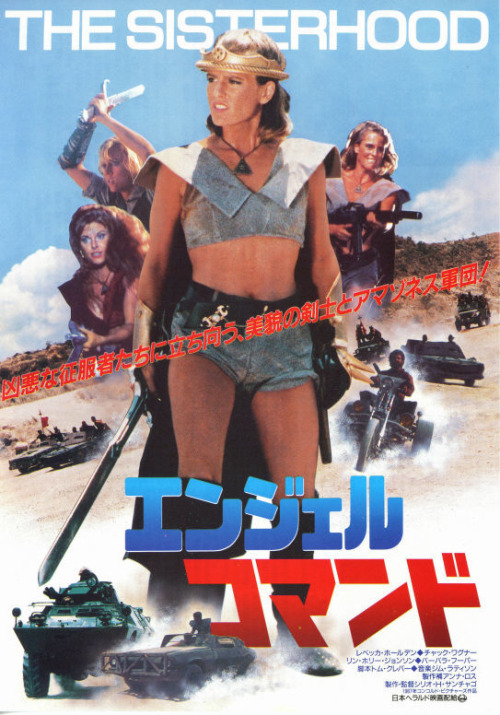
The Sisterhood (1988)

Cirio H. Santiago, so many of your movies have crossed my path. You pretty much owned the market when it came to post-apocalyptic films made in the Phillipines, thanks to movies like Raiders of the SunDune WarriorsEqualizer 2000Wheels of Fire and Stryker. (And we can’t forget the majesty that is Firecracker and the Jaws rip, Demon of Paradise.)

Now, you’ve taken the end of the world to its logical extreme: women against everybody.

We don’t have much time until 2021 AD. That’s when women will be enslaved by men after a nuclear war. Luckily, The Sisterhood will be ready to protect them. They start the movie by kicking the asses of Mikal (Chuck Wagner, who is also in America 3000 and was Automan) and his men.

The Sisterhood also rescues Marya (Lynn-Holly Johnson, For Your Eyes Only), whose family was killed by the aforementioned Mikal. The two members who save her are Alee (former Breck girl Rebecca Holden) and Vera (Barbara Patrick, Lord of Illusions). If her last name seems familiar, that’s because she was Barbara Hooper before getting married to T-1000 himself, Robert Patrick.

Each of the members of this female fighting force have super powers and Marya’s is the abolity to speak with her hawk, making her a distant relative of Marc Singer. Alee can shoot lasers out of her eyes. Vera can heal people with a touch. Throw in the religious nature of the Sisterhood — they’re led by the mysterious ghost known as Reverend Mother — and you have a movie that is the needle in the end of the world haystack.

Now, they must battle their way through a city filled with evil men, ruled by Lord Barak, who is played by Robert Dryer, who caused big issues for Linda Blair in Savage Streets.

During the swordfights in this, Holly-Johnson cut off a stuntman’s finger. Do you now realize the immense pressure and danger people went through to entertain you with these post-apocalyptic pictures?

There’s also a character named Dynamite Willie who keeps the peace at his bar by lighting sticks of dynamite and yelling as loudly as possible. He might be the best part of this movie.

Also, this is one of the lone films where one of the bad guys learns a lesson and changes his ways, which is incredibly forward thinking for a Phillipines made, Roger Corman produced Mad Max ripoff filled with bare breasts and cars with rocket launchers on them.

You can watch this for free on Tubi.

No Blade of Grass (1970)

. . . Cue the obligatory, budget-conscious voice over-photo montage (bellowing smokestacks, animal carcasses, muddy water, etc.) of a ravaged Earth (in the “future” of 1972; again “budget”) as we learn about a disease that devours the Asian continent and lays waste to all members of the grass-grains family, such as corn, rice, wheat, and oats. (Yep, it’s more sterile sci-fi cereal grasses, à la the 2001-inspired Interstellar.) As starvation and cannibalism rip across Africa, Europe, and South America, and encroaches China, the Chinese gas-murder 300 thousand of their citizens in a twisted effort to assure their survival.

A year later . . . 

The philosophical-talk action begins as we meet John Custance (Nigel Davenport; snooty film critics will cite the award-winners A Man for All Season and Chariots of Fire . . . we at B&S Movies prefer the serial-killer romp Peeping Tom, the crazy-ass ant movie Phase IV, A.I.P’s H.G Wells frolic The Island of Dr. Moreau, and Stallone’s Nighthawks) who flees with his family from a devastated London into the mossy-countryside on a quest to an “easily protected valley” that shelters his brother’s farmstead in northern England on the Scottish border. Along the way they battle rogue army officers, his teenaged daughter (as is the case with post-apoc films) is raped by the ubiquitous slobbering idiots who, in the face of an apocalypse, always believe the key to survival is raping women. (Lynn Frederick, star of Hammer Studios’ classic, Vampire Circus (1972), the aforementioned Phase IV, and Pete Walker’s Schizo (1976), stars in her acting debut as the daughter.)

So now, while John is on a spaghetti western quest to avenge the rape of his daughter (like Richard Harris in Ravagers), he becomes a defacto Moses as the leader of the ragamuffins they meet along the way (like Richard Harris in Ravagers). Of course, no apocalypse landscape is complete without some Toecutter-pillaging (Mad Max) mayhem courtesy of a chain-wielding motorcycle gang — complete with red-racing striped, cow-horned helmets. (Piffle. Roger Corman’s laser-blasting Death Machine and Fulci’s Kill Bike hoards would kick their grassy-asses across The English Channel and all the way into Italy for a pasta-zombie barbeque.)

Finally, this sci-fi take on the biblical story of the Exodus reaches “utopia” . . .

That is until John’s brother, David, declares John’s little Red Sea gang is too large to be supported by the valley’s riches. So John declares war on David and mounts a daring night attack to take control of the valley and rebuild . . . a society without grass.

Released early on in the ‘70s post-apocalypse riot-races, beating Charlton Heston’s The Omega Man to the big screen — and most likely put into production by MGM when news hit the trades that Warner Bros. was going into production with their Richard Matheson adaptation — No Blade of Grass, as with most apoc-films of the era (Soylent Green, Damnation Alley, Ravagers, etc.) was based on a successful novel, The Death of Grass, published by British novelist John Christopher in 1956.

The film was directed by Hungarian-born bad-ass Cornell Wilde (Gargoyles, Sharks’ Treasure) who walked away from a career in medicine after aceing his pre-med studies and earning a scholarship to Columbia University — to qualify for a spot on the 1936 Olympic Fencing Team. The dude taught Sir Laurence Olivier to fence for a Broadway production of Romeo and Juliet and, as result; he scored a film contract with Warner Bros. (I wish my life took those shocking, out-of-left-field luck turns.) Forming his own production company, Theodora, Wilde came to produce, write, and direct his pet-project adaptation of Christopher’s novel, a dream that goes back to the days of his first production: the film noir The Big Combo (1955).

“Cornell who?” the younger B&S Movies reader might be saying.

Surely you have seen Cornell Wilde in TV reruns with his notable appearances as a surgeon in the U.S television anthology series Night Gallery (“Deliveries in the Rear”) and, in the highly-rated TV horror film, Gargoyles (1972). Trash cinema lovers of the ‘80s video fringe definitely remember Wilde with his contribution to the ‘70s sharksplotation cycle inspired by Jaws (see our “Bastard Pups of Jaws” week)Shark’s Treasure (1975) — the first of the genre’s rip-offs, which Wilde produced, wrote, directed, and starred. Film buffs of old will fondly remember Wilde from The Naked Prey (1965; another Wilde produce-direct-star effort that we’ll call a pseudo “human death sportprecursor).

Shot for a paltry — well, back then it was a “big budget” — 1.5 million dollars, once again the grassless “future” looks exactly like our present, only with anarchy as the rule of the day . . . with the same ol’ cars, architecture, and weapons. And as with most — well, all — of the novel-to-film adaptations of the apoc-‘70s, the film widely deviates from its source material, in this case, excising the book’s cautionary Communism tale about awry biological warfare experiments in Red China . . . and replacing it with a yawn-inducing environmental message. At least the studio kept the “dying grass” part of the story (and that’s about all they kept).

You can watch No Blade of Grass on YouTube, Amazon Prime, and Google Play. And if it all seems a bit familiar — like Panic in the Year Zero (1962) familiar — that’s because director-actor Ray Milland’s film “borrowed” it’s overall premise and some incidents from John Christopher’s novel.

Not surprising: The uptight British shuddered at the film’s double rape scene (which, I admit, is pretty brutal; what were you thinking, Cornell?), and a rather dark, nasty birth of a stillborn baby, punctuated by lots of shootings and deaths. Thus, in order to receive an “AA” certificate for a UK release, the BBFC cut the sex and violence by 15 minutes — which was restored for us bloody, liberal Americans, sans one and a half minutes of the rape scenes. (How uptight are the Brits? Check out our “Video Nasties” explorations for the UK’s Section 1, Section, 2, and Section 3 “red flag” films. Come take my VHS nasties. I dare ya.)

As is the case with The Ultimate Warrior, Damnation Alley, and Ravagers, No Blade of Grass has wonderful production values and isn’t a total waste of time . . . it’s just that it could be so much better, as it suffers from too much of the “why we’re here and what are we gonna do now” yakity-yak. You won’t be seeing any The Simpsons’ Tree House of Horror tributes to No Blade of Grass, like you did with The Omega Man (Part 1/Part 2), anytime soon. In the end: Where’s Chuck Heston in a silver-football helmet going up against Matthias and his albino-mutants minions when you need ‘em?

And with that: I’ll let my ol’ buddies from North Carolina’s Animal Bag take us out with their grungy tribute to the “Spirits of Grass.”

Smoke ‘em if you got ‘em: we might lose our weed in the next apocalypse.

About the Author: You can read the music and film reviews of R.D Francis on Medium and learn more about his work on Facebook.

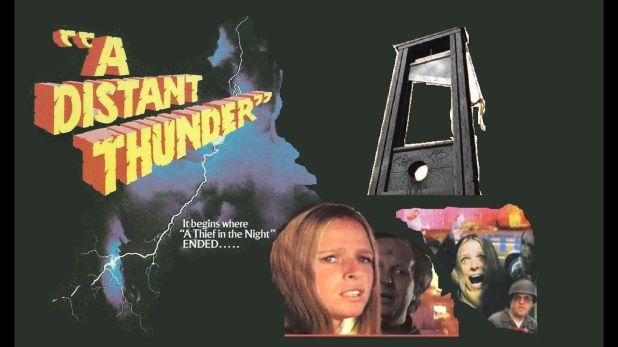
A Distant Thunder (1978)

Remember when Patty jumped off a dam rather than get the Mark of the Beast? Yeah, well six years later, she’s still alive and about to be executed the next morning for refusing to take the Mark.

Even though Patty knows what lies ahead if she takes the Mark, she still can’t believe in a God that would put everyone through the End of All Things.   So what happens next? Where can Patty go to avoid the UN troops, now known as UNITE, who want to kill every Christian who remains faithful?

Patty and two of her friends, Wenda and Sandy Johnson — hide out at Patty’s grandmother’s. Our protagonist has lost her grandmother and husband to the Rapture, but she’s been left behind. Everyone is now against her, from a beggar she helps to her other friends Jerry and Diane.

This movie has descended to the depths of evil formerly reserved for Jack Chick’s tract The Beast. There must have been some meeting of evangelical Christians who decided that the Satanic New World Order would destroy those left behind that still believe in God with guillotines.

There are plenty of things to learn in this movie about prophecy, how the end of the world will all happen, why you shouldn’t believe in UFOs, how credit cards and the Mark of the Beast are the same and different, why authorities on Judiasm don’t get Raptured and Christians do…seriously, this movie will simultanelously frighten and educate you.

Russell Doughten — who also wrote these movies — appears again as Reverend Matthew Turner, a survivalist with an elaborate chart of the exact timing of the end of the world. I love that this character basically tells Patty that it isn’t his fault that he was a bad preacher; it’s her fault for not believing.

Before all this evangelical craziness, Doughten produced and did uncredited direction on The Blob. Yes, really.

Unlike other end of the world theories, like the astounding Ron Ormond film If Footmen Tire You, What Will Horses Do? which thought Communism would bring about Armageddon or Jack Chick blaming the Vatican, Doughten figured the United Nations as the ones who would be behind it all.

You can watch this on Amazon Prime or Archive.org.

Learn more at the official site.