Ten Star Wars Ripoffs

If you grew up in the 1970’s like me, you probably love Star Wars. Or you’re some kind of cynical person who wants everyone to know how cool you are and you pose, constantly telling everyone exactly how much you hate the fact that blockbusters destroyed the artistry in film. Well, arty farty movies are still getting made and so are Star Wars movies. I might even agree with you a bit. But I also like Star Wars. However, I love the ripoffs of the saga even more.

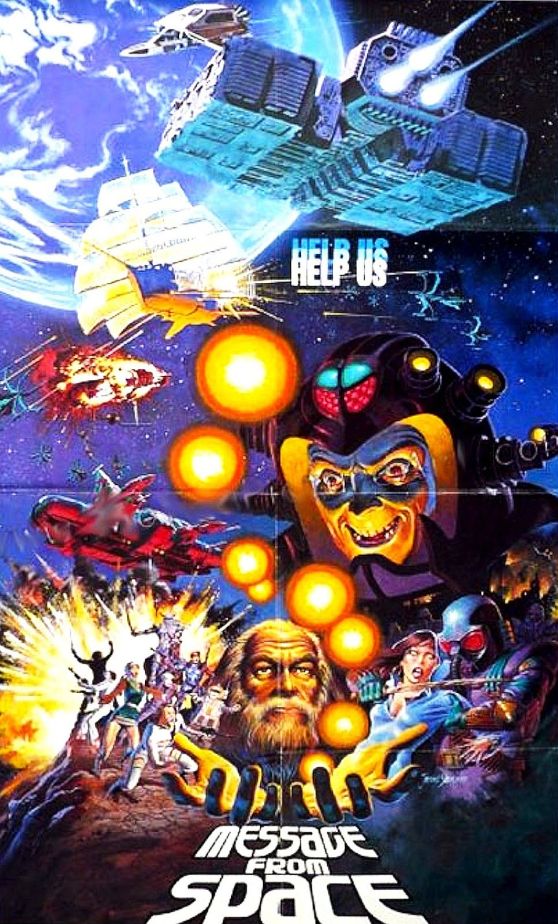
1. Message from Space (1978): Even though it only cost $6 to $7 million dollars — nearly half the budget of Star Wars — Message from Space was still the most expensive movie in Japanese history up until 1980. It’s also the only Star Wars clone with Street Fighter star Sonny Chiba and Vic Morrow in it. It’s also directed by the same guy who made Battle Royale, Kinji Fukasaku, so let that sink in.

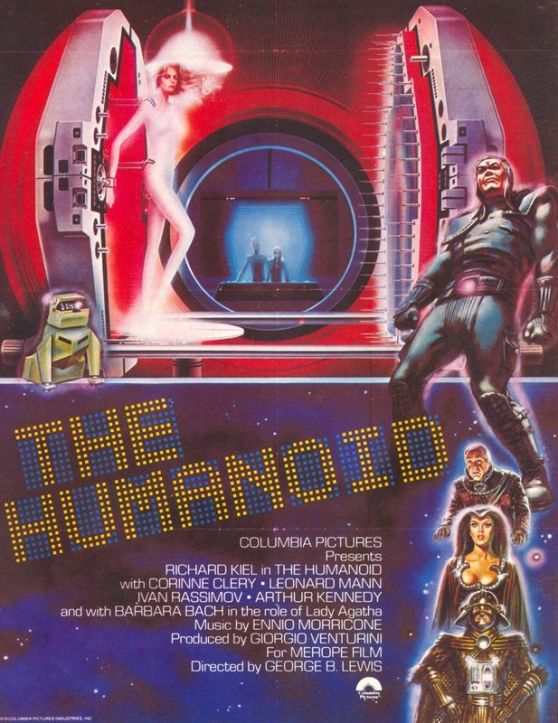
2. The Humanoid (1979): Alan Lado made some awesome giallo like Who Saw Her Die? and Short Night of Glass Dolls before he jumped into the space opera trend, bringing along giallo villain supreme Ivan Rassimov as his Darth Vader, here named Lord Graal. Throw in Richard “Jaws” Kiel, Corinne Clery from Yor Hunter from the Future, Arthur Kennedy from The Living Dead at Manchester Morgue and Ringo Starr’s wife Barbara Bach and you have a delicious concoction of pure nonsense, like a robot dog that pisses so hard that stormtroopers fall through the hole it makes in the floor. Also: the costumes for the fake stormtroopers were reused in Yor Hunter from the Future!

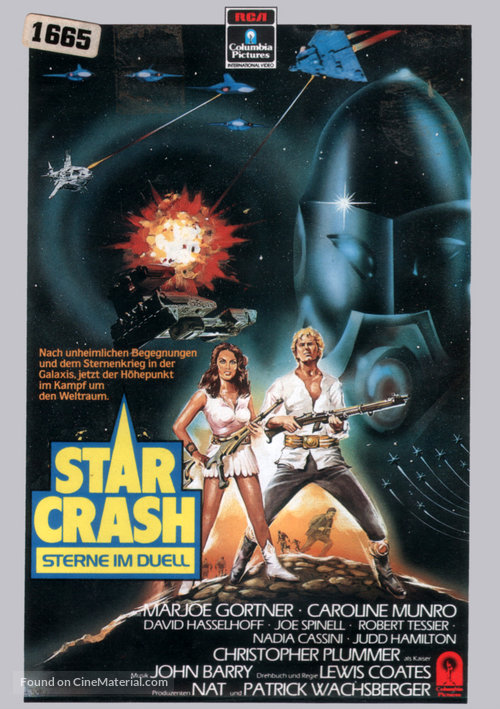
3. Starcrash (1978): Starcrash is the first movie that I ever loved more than the movie it ripped off. I mean, I love Carrie Fisher, but Caroline Munro? Marjoe Gortner over Mark Hamill? What about Joe Spinell, Maniac himself, as Count Zarth Ann, the Darth Vader of this? I mean, does the Death Star turn into a giant fist? Does David Hasselhoff get the Force? Come on. Starcrash forever!

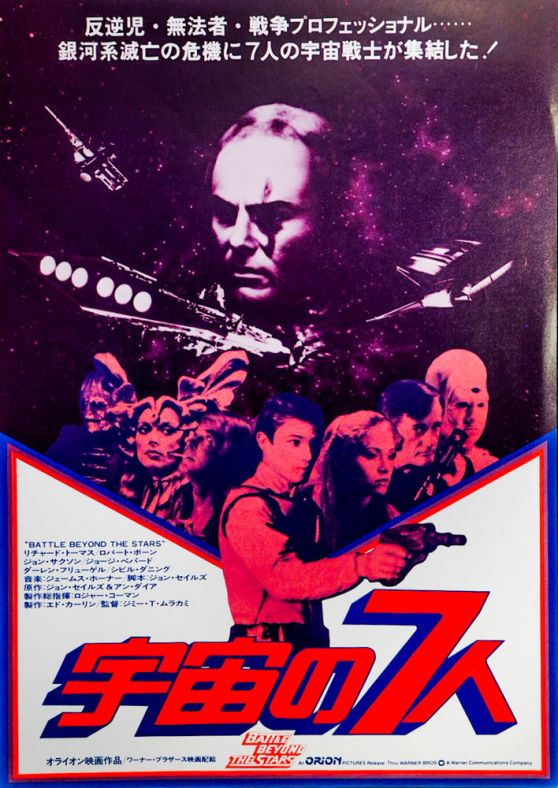
4. Battle Beyond the Stars (1980): On the very same night that I saw Starcrash at the drive-in, I also saw this movie. My life was never the same again. It literally fried my eight-year-old brain. Imagine: The Magnificent Seven in space, with Robert Vaughn playing the exact same part, George Peppard as an even better Han Solo, Sybil Danning as a valkyrie and John Saxon as an evil cyborg. I don’t know if movies ever got this good again.

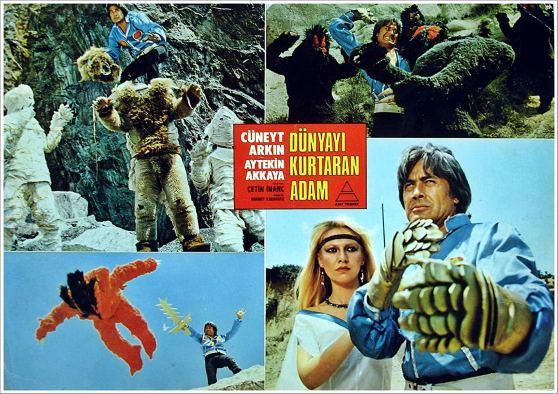
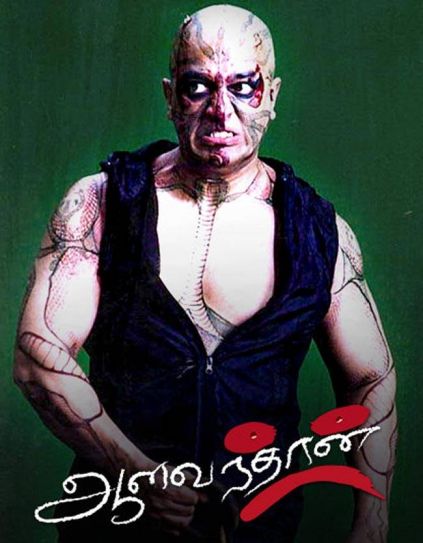
5. Dunyayı Kurtaran Adam (1982): The Man Who Saved the World isn’t afraid to rip off Star Wars By that, I mean literally taking special effects sequences and cutting them out of the actual film and putting them into this movie. Yet it also has zombies, bone soldiers, an evil wizard, and gloves and boots that were made from gold brains and a sword, made so that the hero Murat can karate chop monsters in half.

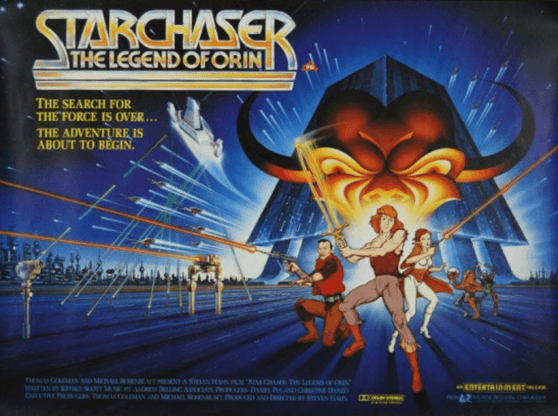
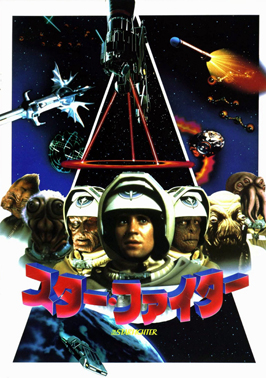
6. Starchaser: The Legend of Orin (1985): One look at that poster and you may say, is this an animated version of Star Wars? No, it’s all about Orin facing an evil overlord named Nexus. There’s also a charming smuggler named Dagg Dibrimi that has nothing to do with anything from Star Wars. Nope.

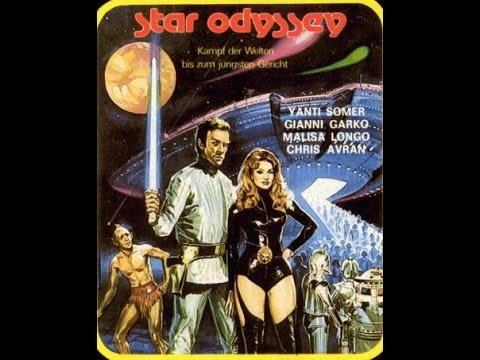
7. Star Odyssey (1979): Alfonso Brescia would go on to direct the absolute baffling artistic sword and sorcery movie Iron Warrior, but before that, he made four Star Wars cover movies in four years (Cosmos: War of the Planets, Battle of the Stars and War of the Robots are the others). This is all about Earth, now called Sol 3, being defended against the forces of Kress and his robot army. It also has Sartana himself, Gianni Garko, in it!

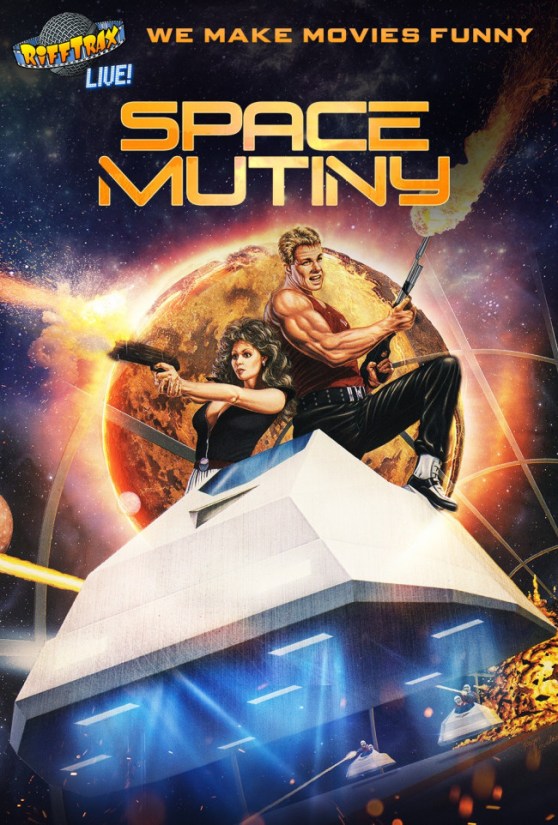
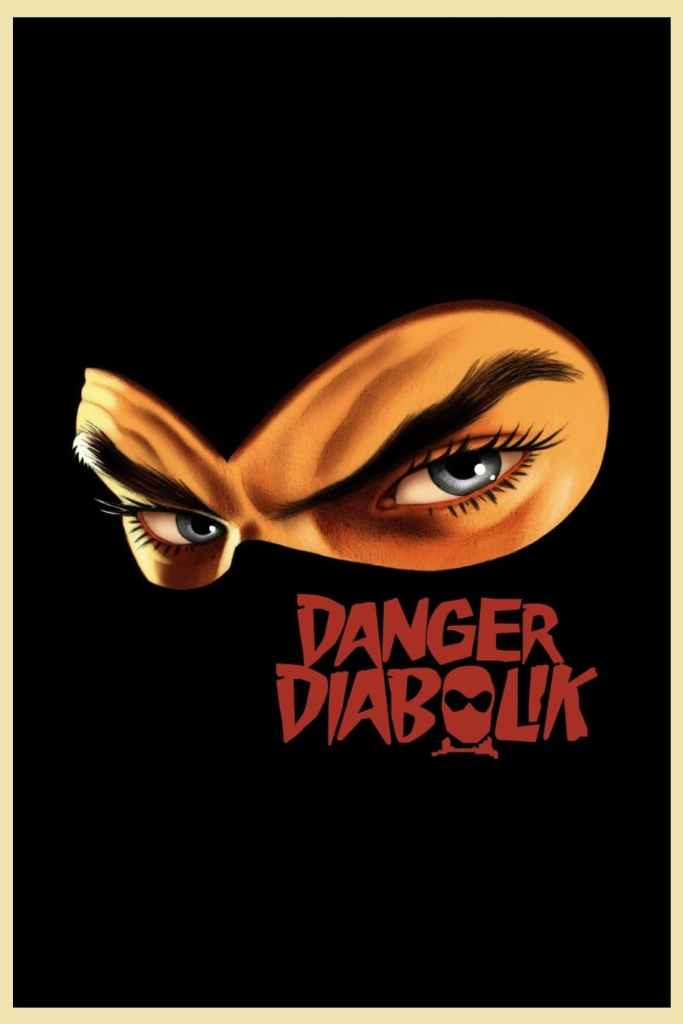
8. Space Mutiny (1988): I originally had The Black Hole on this list, which is a bit of a stretch. Then I watched Space Mutiny, which goes so far to rip off Star Wars that it has a character named Dr. Lea who looks just like Debbie Reynolds instead of Carrie Fisher. That said, any movie that has Danger: Diabolik star John Phillip Law battle Yor Hunter from the Future star Reb Brown is one I’m going to love, even if it steals all of its spaceship shots from Battlestar Galactica and has a climactic final battle with golf carts. And be sure to count all of the “rail kills” throughout the film.

9. The Last Starfighter (1984): Nick Castle went from being Michael Myers to directing this science fiction classic that Gene Siskel referred to as, “a Star Wars ripoff, but the best one.” I mean, did George Lucas have an allusion to The Music Man? Did he get Dan O’Herlihy to play a lizard alien? Nope. He did not.

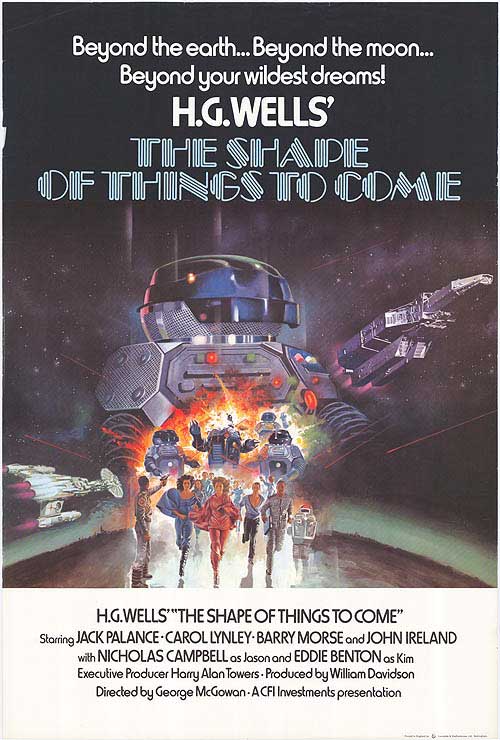
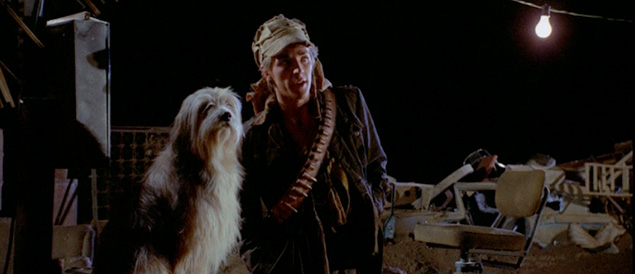
10. H.G. Wells’ The Shape of Things to Come (1979): Don’t go into this thinking that it’s a literary work. This movie only takes the names and title of Wells’ book. Instead, Omus the Space Master — Jack Palance! — battles three kids and their robot dog in space. That said, it’s directed by George McGowan, who also made Frogs.

But wait…isn’t Star Wars itself a ripoff? Or a homage? Or influenced by other movies? You know what that means. It’s bonus round time!

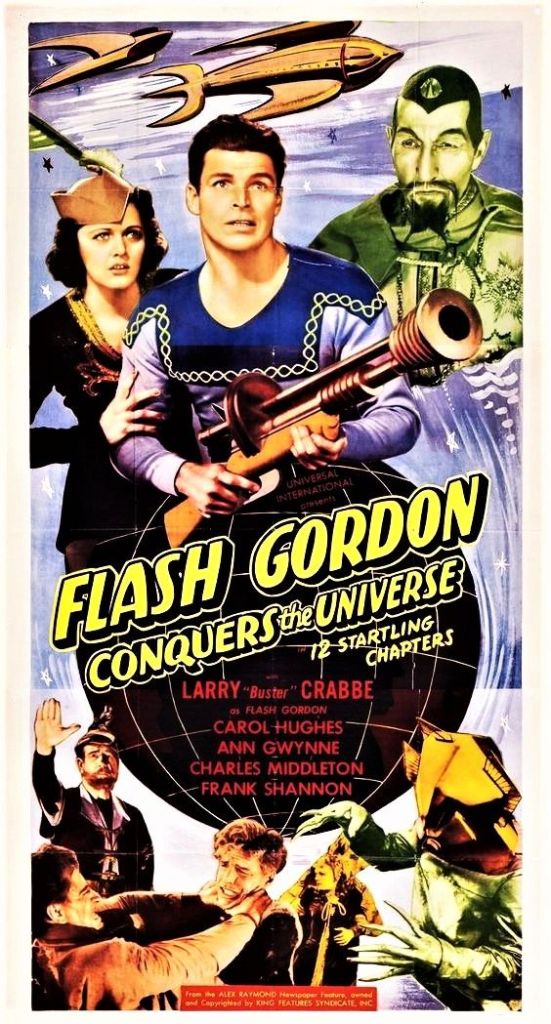
1. Flash Gordon: Supposedly, George Lucas’ original plan was to make a Flash Gordon movie and when he couldn’t get the rights, he wrote his own script. A lot of Flash’s tropes remain in the final mix. And let’s not forget Flash’s cousin, Rocky Jones, Space Ranger!

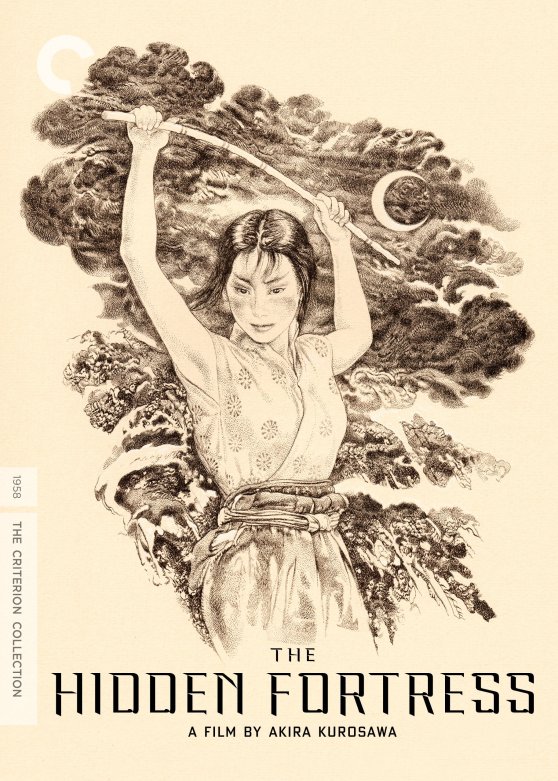
2. The Hidden Fortress: Akira Kurosawa’s classic samurai film starts with two peasants escaping a major battle and arguing, just like C3PO and R2D2 in Star Wars.  There’s also a princess starting a rebellion and turning to an old general for help, who must battle his old protege. And there are also plenty of transitional wipes — decades before Lucas would use them to death. The director claimed that all the moments that are twinned between the two films are a coincidence. So why did he consider Toshiro Mifune — the general in this movie — for the role of Ben Kenobi?

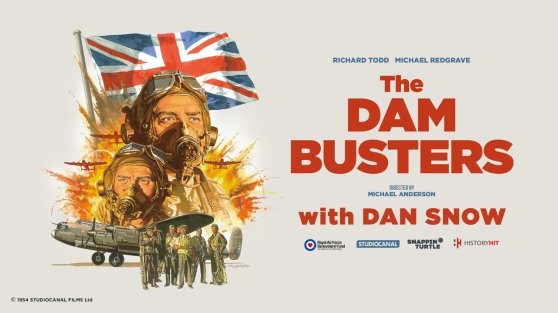
3. The Dam Busters: The final battle against the Death Star wasn’t fully animated yet when George Lucas showed Alan Ladd Jr. the early footage of Star Wars. Instead, the bombing sequence from this movie was used. Much of its dialogue, including lines like “Get set for your attack run!” and “Look at the size of that thing!” were also copied. In a twist: Director Michael Anderson also fronted the Star Wars-inspired Logan’s Run (1976) and The Martian Chronicles (1980).

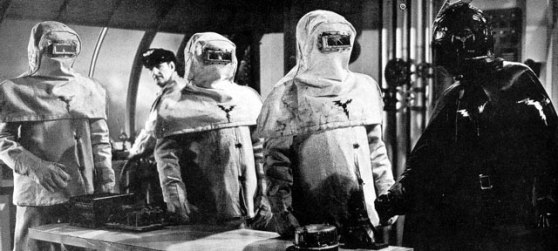
4. The Fighting Devil Dogs: The Lightning and his henchmen look so much like Darth Vader, it has to be more than a coincidence.

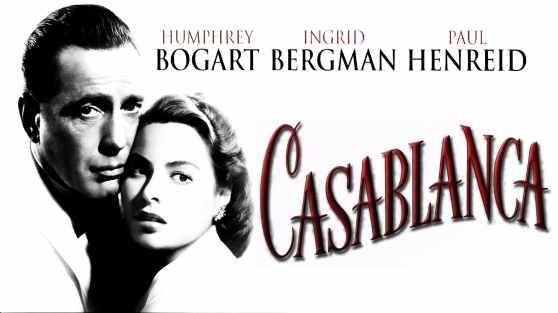
5. Casablanca: You’ll never meet a more wretched hive of scum and villainy than Mos Eisley. Well, except for Casablanca, where Rick’s Cafe American looks pretty much exactly like the cantina. Hey, at least they didn’t do a straight, space opera remake of Casablanca — the way they did with Hitchcock’s 1944 classic, Lifeboat (as Lifepod), not once — but twice — in 1981 and 1993.  (Uh, wait, they did: Pamela Anderson’s Barb Wire, in 1996!)

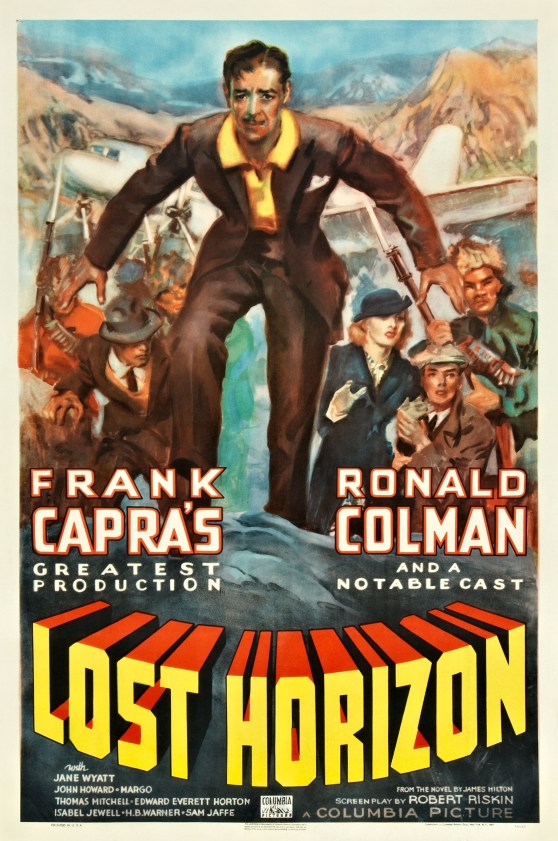
6. Lost Horizon: The High Lama and Yoda speak the exact same way and instead of just dying, they fade away. Hmm…

And finally…

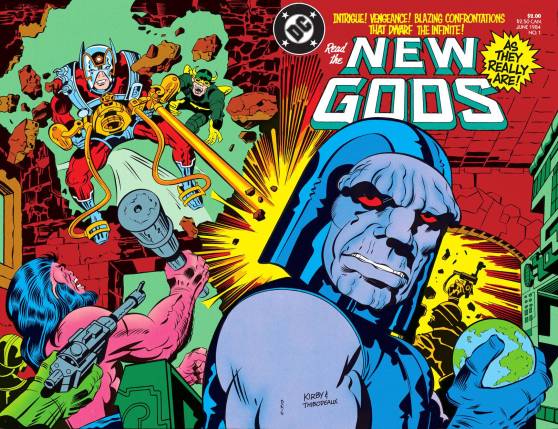
Jack Kirby’s New Gods: Jack Kirby co-created or created most of the Marvel Universe. He didn’t stop there. This gigantic saga — introduced a half-decade before Star Wars — is all about Orion learning how to use The Source before going into the final battle against the man he just learned is his father, Darkseid. George Lucas was even told how close his story was to this and shrugged it off. For Kirby, it was just another galling slight in a lifetime full of them. Adding insult to injury, Darth Vader also looks like another Kirby creation, Dr. Doom.

Frank Zappa’s son, Ahmet, was interviewed about the friendship between Kirby and his father, which seems like one hell of a strange pairing. “Jack confided in Frank that he felt like the stories he created helped shape the Star Wars saga, that he saw direct parallels between his characters and the movie’s story arcs… He told my dad stuff like, “Darth Vader was Doctor Doom and the Force is the Source” and that George Lucas ripped him off.”

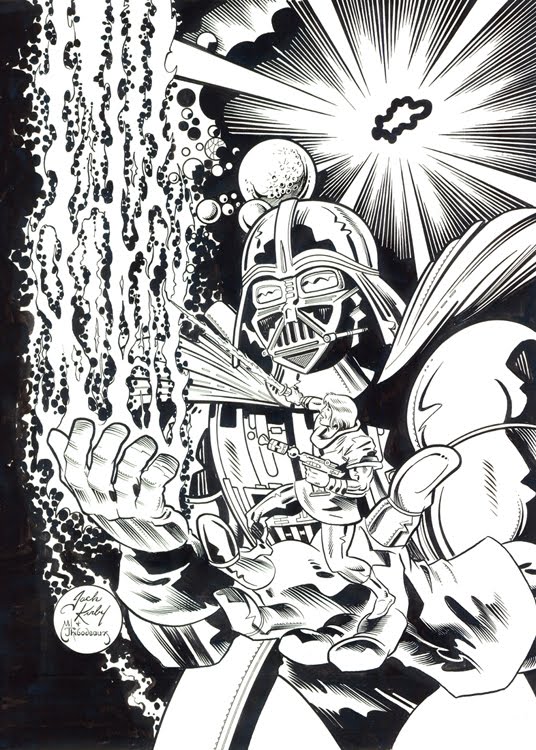
Kirby only drew a Star Wars illustration once for a trading card. Here it is — and it’s every bit as amazing as you hope that it will be.

Thanks for reading all about Star Wars, its ripoffs and influences. Did we miss any? Let us know.

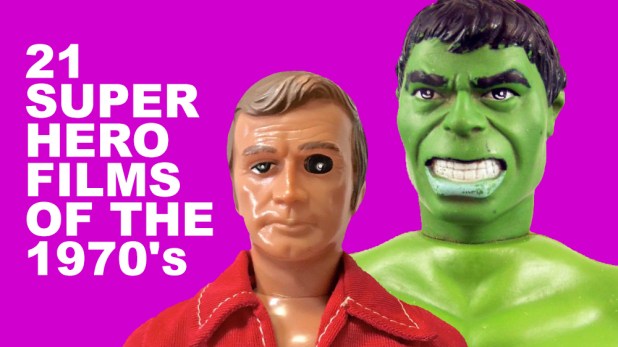
21 Superhero Films of the 1970’s

As I was leaving the second Guardians of the Galaxy film, someone was complaining about the writing and I was gobsmacked. Today’s audiences have grown too accustomed to getting exactly what they want out of superhero films, getting to see the exact characters make a seamless leap from printed page to movie screen. Not to be an old man screaming on my yard, but if they’d seen the 1970’s heroes, they’d be singing a very different tune.

That’s why I’ve decided to call out several of the 1970’s superhero movies so you young whippersnappers can see exactly how ridiculous it was.

1. Spider-Man: Stan Lee had always had plans of getting the Marvel characters onto the big and small screen. After several cartoon series that featured incredibly limited animation, Spider-Man was able to be part of PBS’ next level of Sesame Street, The Electric CompanySpider Super Stores pitted the hero against all manner of villains, including a young Morgan Freeman playing Count Dracula. While no Marvel villains appeared on the show, the kid-friendly tie-in comic even had Spidey battle Thanos.

Lee then sold the rights to producer Daniel R. Goodman, who sold the show to CBS. They clashed almost immediately, with Lee telling Marvel’s teen magazine Pizzazz that the results were too juvenile. An initial 90-minute movie did well as did the two seasons of the show, but no one had learned that having younger demographics is positive. Not wanting to be seen as the “superhero” network (they were also airing The Incredible Hulk, Wonder Woman and TV movies for Captain America and Dr. Strange), CBS canceled the show despite good ratings.

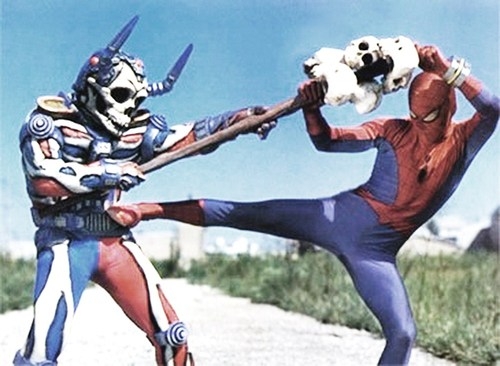
Also, in 1978, Toei — the makers of Kamen Rider — would bring Spider-Man to Japan and place him into his own series where he’d become young motorcyclist Takuya Yamashiro, who uses his spider powers and a giant robot named Leopardon to battle Professor Monster and his evil Iron Cross Army. It’s exactly as amazing and baffling as it sounds.

2. The Incredible HulkStarting in 1977 with a two-hour TV movie before an eighty episode series run (and three more TV movies in the 1980’s that were backdoor pilots for Daredevil and Thor), The Incredible Hulk is perhaps the most successful of all the 70’s heroes. A riff on The Fugitive, this show is effortlessly summed up by its opening narration:

“Dr. David Banner—physician, scientist…searching for a way to tap into the hidden strengths that all humans have. Then an accidental overdose of gamma radiation alters his body chemistry. And now, when David Banner grows angry or outraged, a startling metamorphosis occurs. The creature is driven by rage and pursued by an investigative reporter.

Banner: “Mr. McGee, don’t make me angry. You wouldn’t like me when I’m angry.”

The creature is wanted for a murder he didn’t commit. David Banner is believed to be dead. And he must let the world think that he is dead until he can find a way to control the raging spirit that dwells within him.”

Coolest of all, both creators of the Hulk — Stan Lee and Jack Kirby — got to appear on the show.

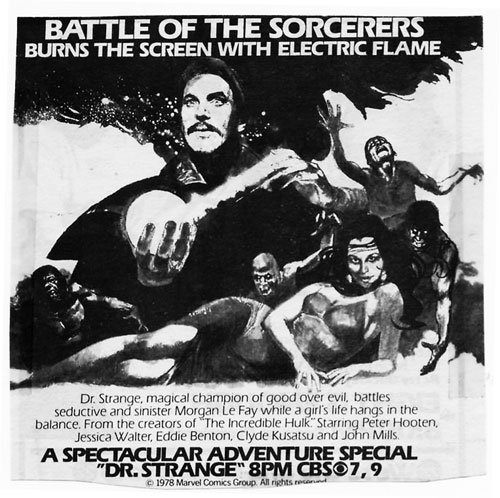
3. Dr. StrangeBefore he became part of the Marvel Cinematic Universe, Dr. Strange was in this 1978 made-for-TV movie that was also a backdoor pilot. Lee served as a creative consultant and Peter Hooten (Night Killer2020 Texas Gladiators) as the sorcerer supreme. It’s packed with TV stars, like Michael Ansara and Ted Cassidy, and features future Arrested Development matriarch Jessica Walter as the villainous Morgana Le Fay. Unfortunately, it aired against Roots and got vanquished in the ratings.

4. Captain America: In 1979 and 1989, Reb Brown (who of course is Yor, Hunter from the Future) would wear the winged mask and carry the shield of Cap for two TV movies. As with many 1970’s adaptions, the actual story of Cap is played with fast and loose, as this modern version is the son of the original. The costume is also totally ridiculous, but at least Christopher Lee shows up as the villain.

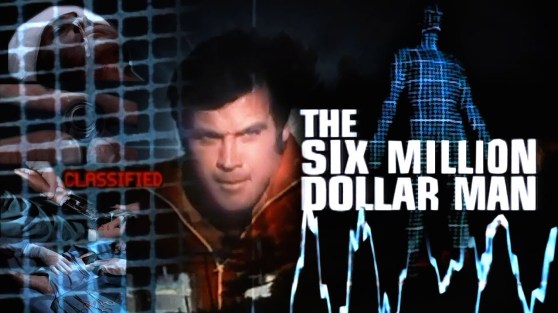
5. The Six Million Dollar Man: Based on the Martin Caidin novel Cyborg, this TV series started with three pilot films in 1973 — the 70’s were through if anything — and expanded to five seasons that took it through 1978. There was also a spin-off, The Bionic Woman, and three TV movies that ran between 1987 and 1994.

The show begins with this voice-over: “Steve Austin, astronaut. A man barely alive. Gentlemen, we can rebuild him. We have the technology. We have the capability to make the world’s first bionic man. Steve Austin will be that man. Better than he was before. Better…stronger…faster.”

Strangely enough, Dusty Springfield sang the original title theme, which wasn’t used for the series.

I can’t really explain how huge this show was in my childhood. The toys, the comics, the record…it had it all. There have been plans to remake it for decades that have yet to happen.

6. The Gemini Man: This show ran so quickly in 1976 that you may have missed it. After all, it was only 5 episodes of 11 that made it to the air. However, it was a much bigger deal in England, which got this Power Record (it came out in America, because I listened to it constantly) and a comic book. It was a replacement for the previous season’s Invisible Man, which had special effects that were way too expensive.

7. Exo-ManIron Man may have not made it to TV, but Exo-Man did. Only a few maniacs like me remember it — many fell asleep during its airing. That’s because there are no superheroics until nearly an hour into the movie.

8. Shazam!: Shazam owned Saturday mornings from 1974 to 1976 as he rolled through the U.S. in a mobile RV and righted wrongs. This show was so important to me — its other segment, Isis, perhaps less so — that my mother made me my own Shazam shirt that I wore constantly. Yes, we had no mass-marketed geek clothing in the mid 1970’s. You have no idea just how hard it was to find comic book stuff other than iron-ons.

Isis was the female side of the show, which was about a schoolteacher who found an Egyptian amulet that transformed her into the goddess Isis. This is the kind of superheroes we got in 1976 and to quote Dana Carvey’s grumpy old man, “We liked it.”

9. The Man from Atlantis: Before he was on Dallas, Patrick Duffy was Mark Harris, the last surviving Atlantean, a man with webbed hands and feet, as well as gills and super strength. After joining the Foundation for Oceanic Research, he soon battled supervillain Mr. Schubert (Victor Buono). The first season was simply four TV movies that ran in 1977, while the series only lasted thirteen episodes against Happy Days and Laverne and Shirley. However, the show was a hit everywhere else in the world, particularly in China where it was the first American series that ever aired there.

10. Wonder Woman: Hollywood had been trying to get Wonder Woman on the air since Batman producer William Dozier tried to sell a series. ABC tried again in 1974 with a pilot featuring Cathy Lee Crosby as the titular heroine before finding success with Linda Carter in the role a season later. After two seasons on ABC set in World War II, it moved to CBS where it ran for two more modern day seasons. There was also an attempt to spin-off Debra Winger as Wonder Girl that never happened.

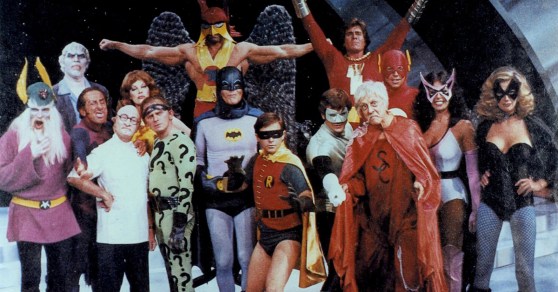
11. DC Superheroes:  We didn’t have the internet in 1979, only TV Guide, a publication that your seven-year-old author read religiously. On January 18 and 25 of that year, Hanna-Barbera created a live-action version of their Super Friends cartoon with these two specials. The first episode, The Challenge, was similar to the 1960’s Batman, even bringing back Adam West and Burt Ward. It did that series one better by also bringing in Flash, Green Lantern, Hawkman, Captain Marvel, Huntress and Black Canary. You can’t imagine my excitement, which only increased once I learned that there would be another special the very next week. That show, The Roast, ruined my childhood dreams in one hour. Instead of heroics, the heroes appear on a roast emceed by Ed McMahon, with characters not from the comics and way too much silliness than my pre-teen mind was prepared for.

12. Electra Woman and Dyna Girl: Lori and Judy, reporters for Newsmaker magazine, are really Electra Woman and Dyna Girl, who battle Pharaoh and Cleopatra, the Sorcerer, Glitter Rock, Ali Baba, Spider Lady and the Empress of Evil. Deidre Hall would go on from this to become quite the soap opera star. It was part of The Krofft Supershow, which allowed the maniacal brother duo of Sid and Marty Krofft free reign to do pretty much whatever they wanted. It also had two other superheroic style shows: Wonderbug and Bigfoot and Wildboy, which ended up spinning off into its own series, where they would battle zombies and vampires.

13. Superman: Probably the reason for so many late 1970’s superhero TV shows is this blockbuster, one of the biggest successes of the 1970’s. Launching the career of Christopher Reeve (who was weight trained for this film by David Prowse, who played Darth Vader), this movie had just about every kid out there putting on a cape and attempting to fly. Interestingly enough, while filming this movie, Richard Donner also created about 75% of the 1980 sequel.

14. Doc SavageProducer Geroge Pal worked for years to get a Doc Savage movie made and this was the result, a big bombastic film that sadly never got a sequel.

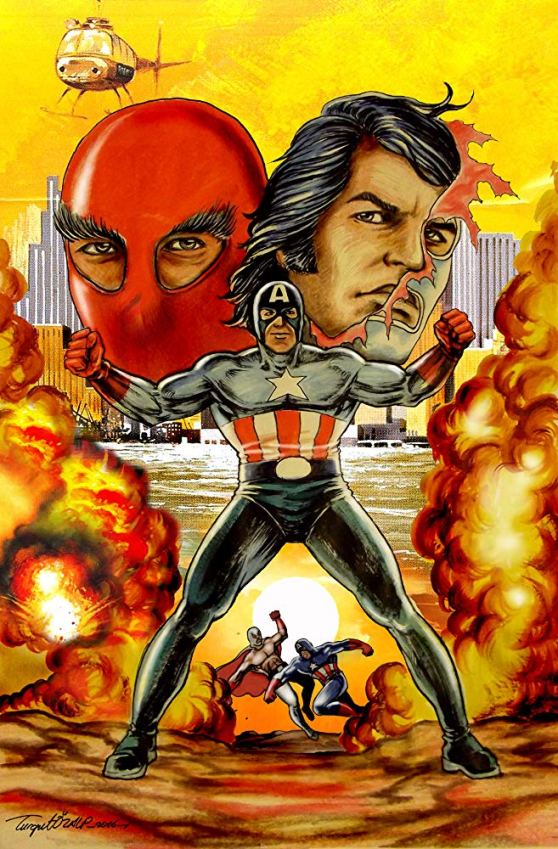
15. 3 Giant MenSanto and Captain America team up to battle criminal mastermind Spider-Man, who has monstrous eyebrows and feeds women to outboard motors. Yes, this is a real movie. Yes, it’s as awesome as it sounds.

16. HydrozagadkaThis 1971 Polish movie is a Communist parody of the American ideals glorified in Superman. It’s all about a water supply crisis that can only be solved by a hero named Ace.

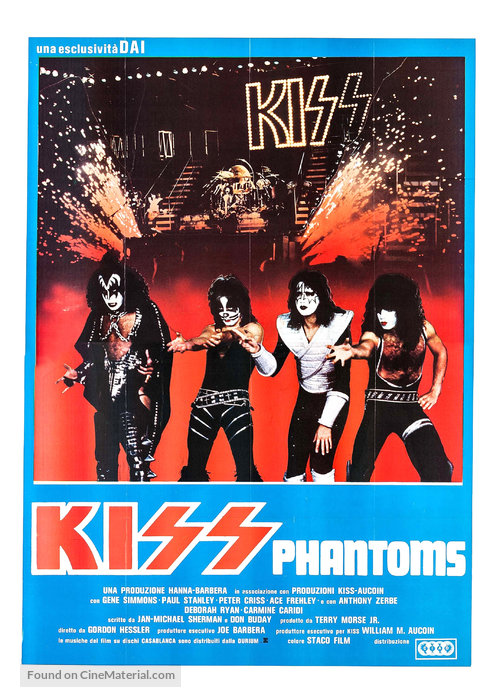
17. KissIf Kiss can be rockstars, why can’t they be superheroes? That was the idea in this Hana-Barbera produced TV movie, which even had them battle robot werewolves. Shout it out loud indeed.

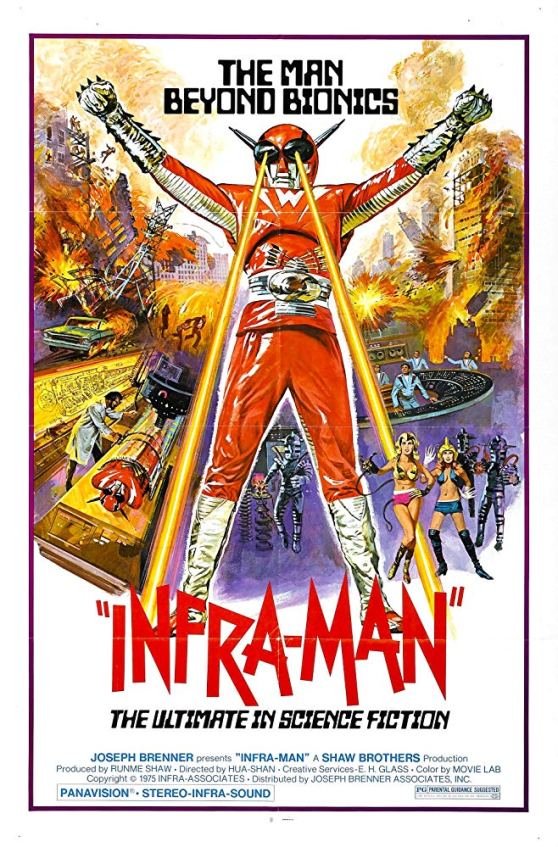
18. Infra-Man: Promising even more than bionics, this Shaw Brothers cover version of Ultraman must truly be seen to be believed. Come to think of it, Ultraman played on U.S. TV a lot in the 1970’s, but actually started here way back in 1966.

19. Abar The First Black SupermanWhen a black scientist moves to a racist neighborhood, he does what any of us would do. He creates a formula that turns his bodyguard into a superhero.

20. Friday FosterThis 1975 blaxploitation film was based on a newspaper strip and stars Pam Grier as an ex-model investigative journalist looking into a conspiracy to eliminate black leaders.

21. Supersonic ManKronos is an alien who comes to Earth to help us with our problems in this 1979 Spanish movie. One of those problems? Cameron Mitchell.

Strangely enough, David Bowie’s wife Angie at one point tried to push for a Black Widow movie, even taking her own photos in costume along with Ben Carruthers dressed as Matt Murdock’s alter ego.

I also want to point out this amazing artwork by Dusty Abell, which shows fifty of the best 1970’s TV science fiction and superhero characters.

Who did we miss? Let us know!

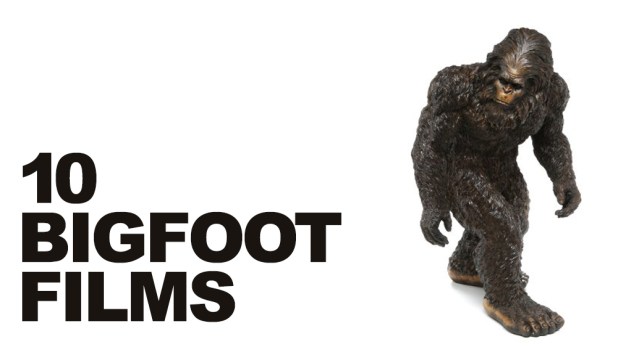
Ten Bigfoot films

I love Bigfoot so I was really excited when my friend Jennifer Upton suggested this next top ten list. Whether you call him Sasquatch, skunk ape or abominable snowman, there are plenty of names. And at least ten films that feature him as a protagonist.

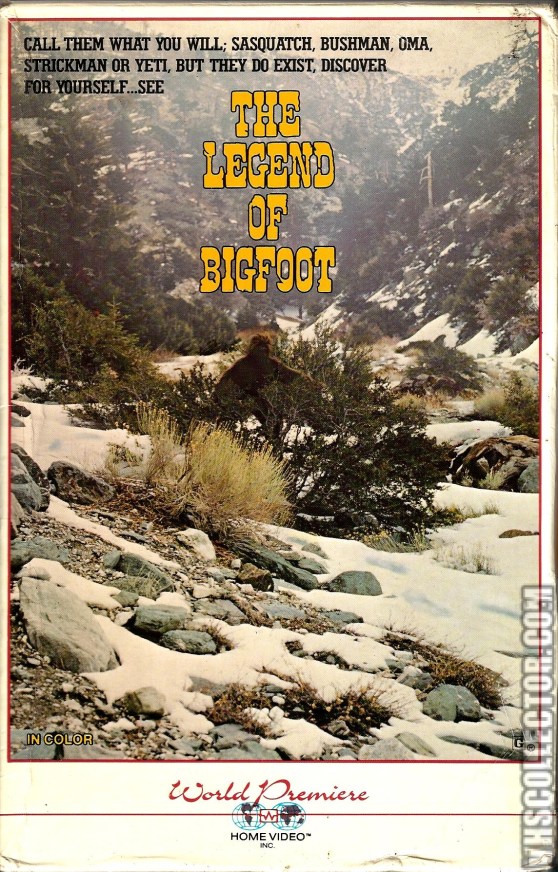
1. The Legend of Bigfoot (1976): A movie so weird we reviewed it twice on our site, this film follows Ivan Marx, a self-proclaimed Bigfoot expert as he hunts the creature. He comes across as the Earl Warren of the Bigfoot world, wildly rambling about his insane journeys across the US. It’s captivating.

2. The Legend of Boggy Creek (1972): Charles B. Pierce was the master of deep south true life crazy films like The Town That Dreaded Sundown. Here, he gets people who really met the Folke Monster and have them reenact their nightmarish experiences. There’s no other Bigfoot movie quite like this one and there never will be.

3. Night of the Demon (1980): I’ll admit it: I love this ramshackle piece of shit movie more than just about any other one on this list. From the ad copy of “those horror stories that you heard about the forest…they’re all true!” to the deranged ending where Bigfoot becomes the best slasher villain ever and murders almost every character in the movie in excruciating detail, this nonsensical film has my heart. I mean, Bigfoot literally rips a guy’s dick off.

4. Harry and the Hendersons (1987): If the murderous Bigfoot in the film above is too much, there’s always the happy go lucky Henry who lives with the Hendersons. Rick Baker’s makeup created a creature that was close to humanity while still having its own monstrous side.

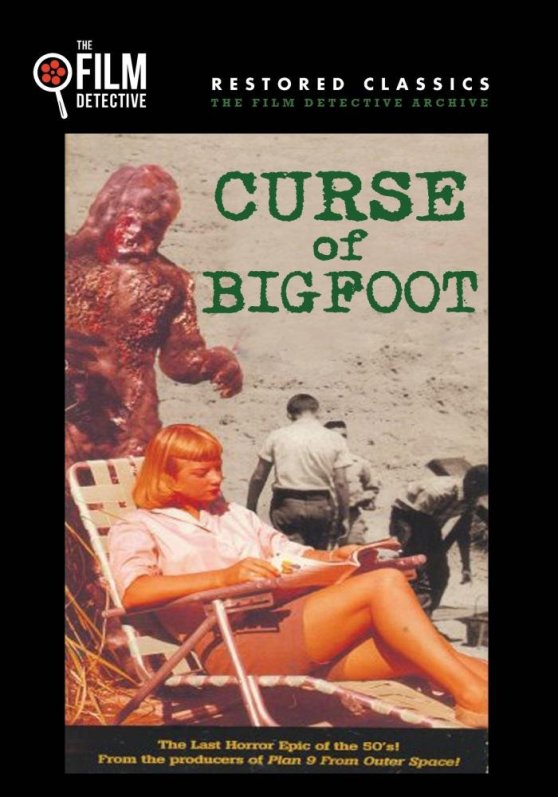
5. Curse of Bigfoot (1975): When people ask me what the worst movie that I’ve ever seen is, this is the one I should mention. It’s not even a full movie, barely clocking in at around an hour and made up mostly of footage a completely different movie — a student film made in 1958 called Teenagers Battle the Thing — which is about a mummy. Not even Bigfoot.

6. Bigfoot (1970): John Carradine, bikers, Joi Lansing, Haji from the Russ Myer movies and one crazy soundtrack. That’s all the nice things I have to say about this movie. But hey — it does have Bigfoot getting blown up real good!

7. Cry Wilderness (1987): What if the team that made Night Train to Terror made a Bigfoot movie? How weird would it get? The answers to those two questions are they totally did and it’s totally fucking insane, packed with B-roll footage, Native American mysticism and a visible zipper on the Bigfoot suit.

8. Snowbeast (1977): In the same way that Jaws was ripped off and turned into Grizzly, this made-for-TV movie posits Bigfoot attacking a ski resort. Also, for some reason, the monster decides to interrupt a pageant rehearsal. I have no idea why.

9. The Mysterious Monsters (1975): There are plenty of movies that use the Patterson-Gimlin footage (you can read all about it in the book The Weirdest Movie Ever Made by Phil Hall), but how many have Peter Graves utterly bullshitting you from the moment the movie begins? Just one. This is it.

Every time I post one of these lists, I get bombarded by people who have favorites that I missed. So hey — share them in the comments. I try to keep these to ten movies and there have been a ton of Bigfoot movies. I left out Creature from Black Lake, 2002’s Barry Williams and Danny Bonaduce starring Bigfoot, the Paul Naschy film The Werewolf and the Yeti, 2015’s Bigfoot: The Movie which was shot in my hometown and A Wish for Giants, where Bigfoot grants a Make A Wish request. Then there’s the recently released The Man Who Killed Hitler and Then the Bigfoot, Abominable, ExistsSmallfootWillow CreekStrange WildernessSuburban SasquatchLetters from the Big Man, two Boggy Creek sequels, American Bigfoot (the second Bobcat Goldthwait directed Bigfoot movie in this paragraph) and so many more. So it was hard to pick the final movie.

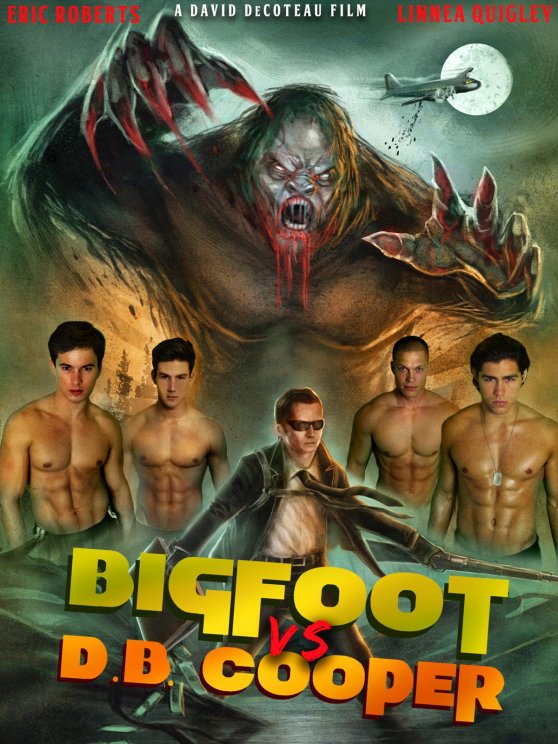
10. Bigfoot vs. D.B. Cooper (2014): This isn’t so much a Bigfoot movie as it is a beefcake exhibition of shirtless young men as they explore their bodies, themselves and then death as Bigfoot comes for each of them. Oh yeah — D.B. Cooper, the voices of Eric Roberts and Linnea Quigley and some poorly made CGI stock footage all come into play. Truly for only the most insane of Bigfoot movie lovers.

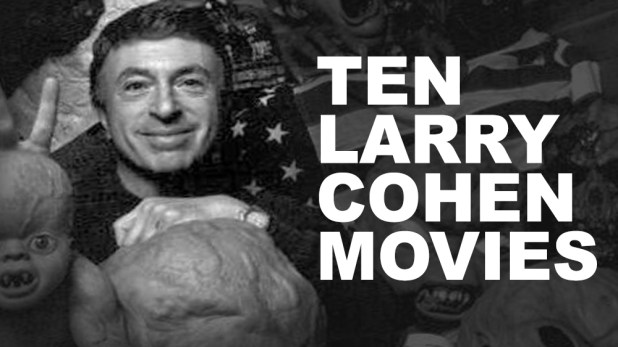
Ten Larry Cohen films

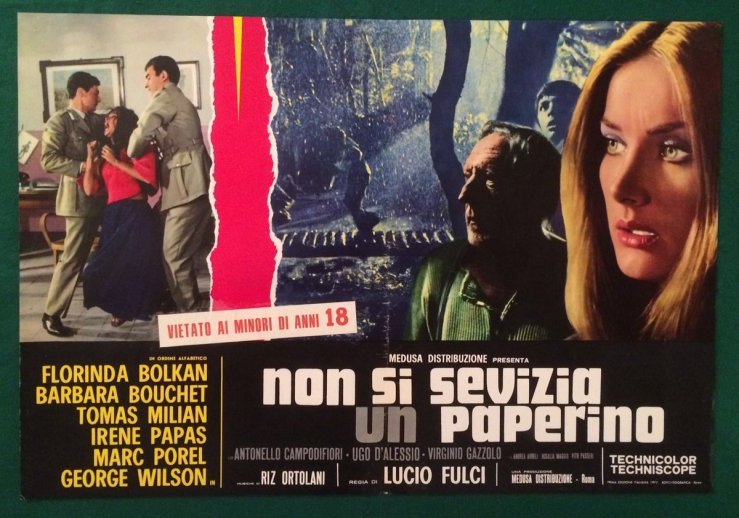
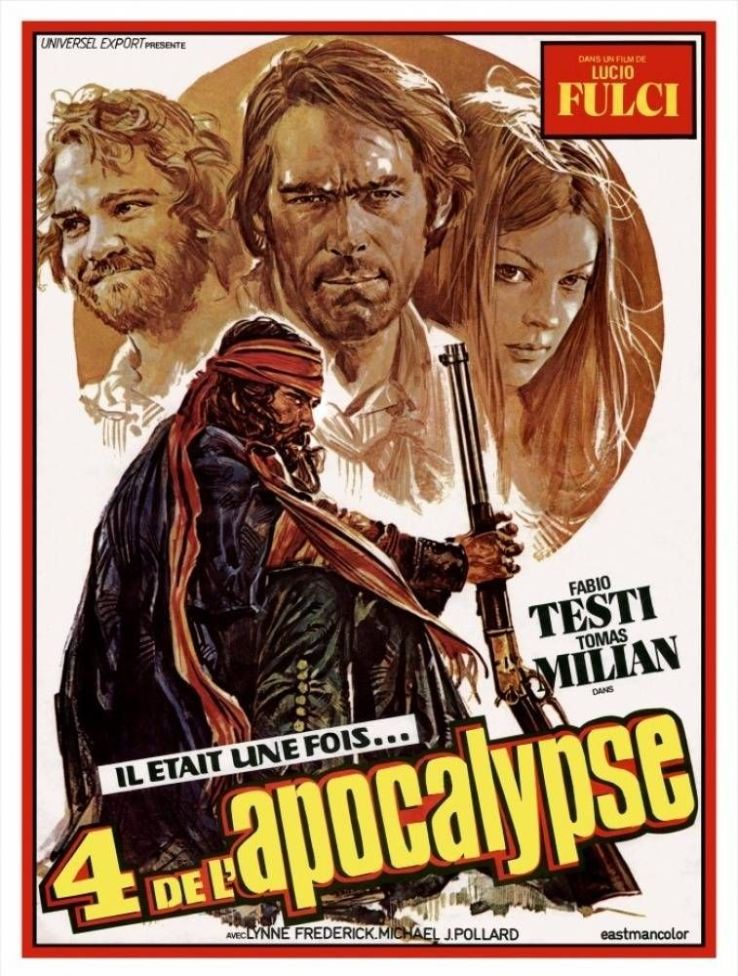
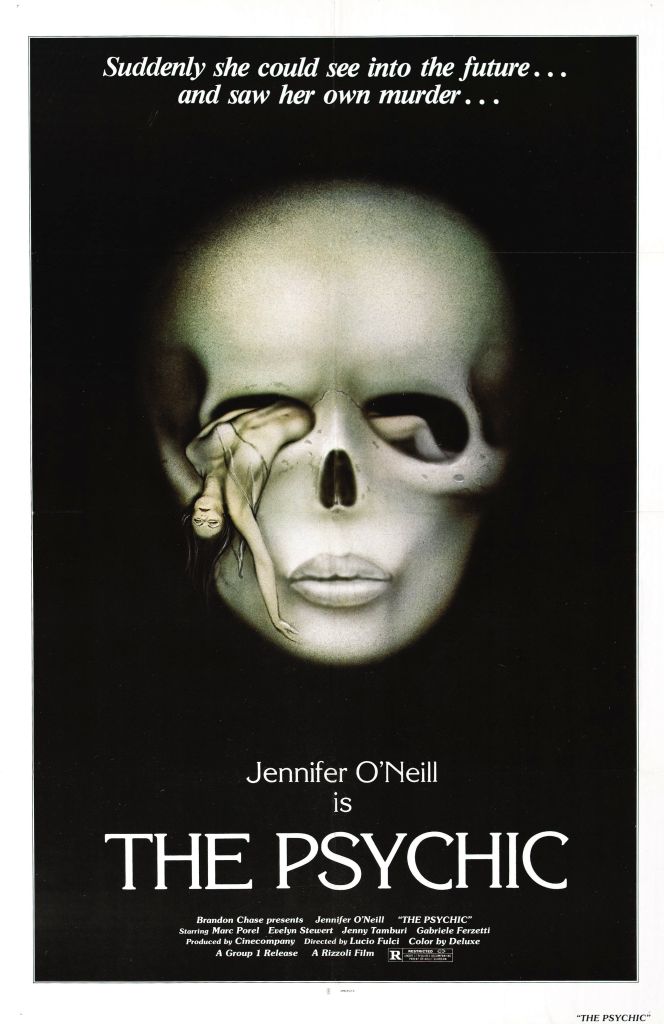
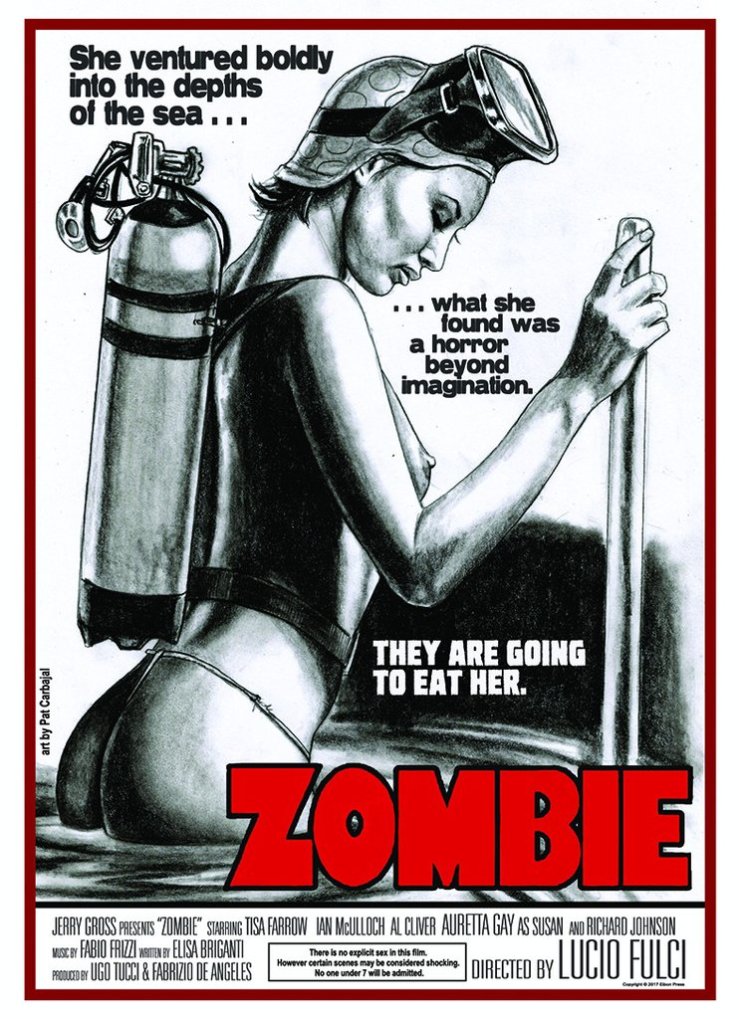
We’ve done retrospectives on the films of Lucio Fulci, Mario Bava and Sergio Martino, but now it’s time to go stateside and concentrate on perhaps the finest horror and exploitation film auteur that America ever produced, Larry Cohen.

larry

Cohen was born in Manhattan but raised in the Bronx, where he became a film buff, loving double features of hard-boiled gangster flicks and film noir movies. He started in career at NBC in the 1950’s before writing episodes of The Defenders and The Fugitive. After working on several other shows, he developed his own series, The Invaders.

By the 1970’s, he was still writing for shows like Columbo, but had started to make his own films. Starting with Bone and taking advantage of the blacksploitation trend with Black Caesar and Hell Up In Harlem, Cohen would finally settle into the horror genre for much of the 70’s and 80’s. Afterward, many of Cohen’s credits were for screenplays, such as Maniac Cop, Phone Booth and Cellular.

There’s nothing quite like a Larry Cohen movie. His characters have their own way of talking, action happens pretty much non-stop and even the most outlandish of concepts have a very human heart.

Keep in mind these movies are ranked in no particular order. If your favorite isn’t on the list, tell me why it should be! I’m always interested in what others think.

1. Bone (1972): Despite this being Cohen’s first feature, it’s one filled with explosive menace and unflappable confidence in equal measure, helped by Yaphet Kotto’s incredible acting abilities. A rich couple who is anything but rich comes into conflict with a man who is a literal force of nature and everyone must confront who and what they are.

2. Black Ceasar (1973): Originally written for Sammy Davis Jr., this remake of 1931’s Little Caesar — a film that Cohen probably saw in the theater as a kid — tells the story of Tommy Gibbs (Fred Williamson) rising up from a kid who gets beat by the police to the head of Harlem’s black crime families, complete with a soundtrack by James Brown. It would be followed later that same year with Hell Up In Harlem.

3. It’s Alive (1974): Dumped into theaters and nearly forgotten, Cohen was able to convince a new team of executives at Warner Brothers three years after this film’s original release to bring it back. They did and it was a smash. If you have any fear of starting a family, this tale of monster children is not the one to watch, nor are any of the sequels.

4. God Told Me To (1976): Pre-millennial tension. Serial killer mania. Religious fervor. Ancient astronauts. And a police procedural. No one does high concept better than Cohen, here creating the tale of multiple murders with one connection: every killer says that “God told me to.”

5. Q (1982): A winged serpent god and Aztecs cults that worship her are set loose in New York City, all while Michael Moriarty robs banks, plays jazz and pisses all over the days of cops David Carradine and Richard Roundtree. Within the first two minutes of this one, a window washer has been beheaded and another man skinned alive. It doesn’t slow down from them.

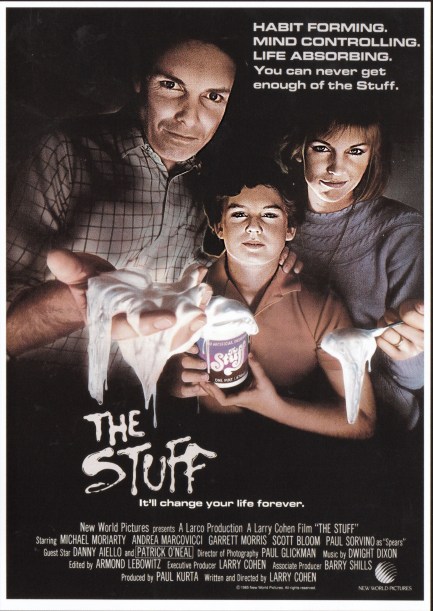
6. The Stuff (1985): The ultimate in Cohen’s high concepts: there’s a dessert that doesn’t get you fat, except it’s from space and will make you go insane and then kill you. Michael Moriarty again shows why he’s one of the best actors to ever do horror in this movie that ruthlessly lampoons America’s consumer culture.

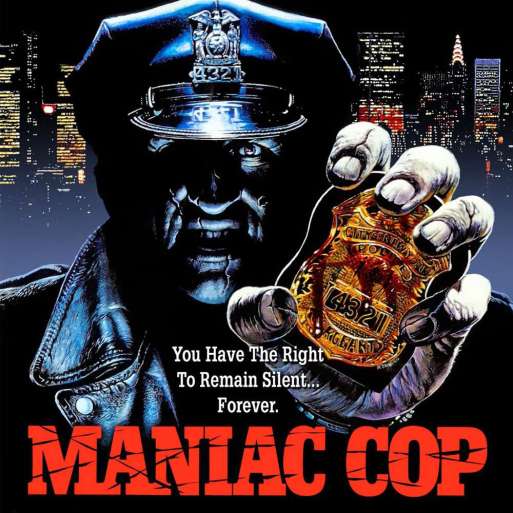
7. Maniac Cop (1988): While Larry Cohen didn’t direct this (William Lustig is responsible), he did write the script. I totally wish he had, as the results would have been much better. That said — this is a great concept that worked for this movie and two sequels, all written by Cohen.

8. Wicked Stepmother (1989): Did you know Larry Cohen wrote and directed the last film Bette Davis was ever in? Yep. And she dropped out during filming, so if the results make little to no sense, so what? It’s goofy 80’s fun packed with black magic and special guest stars.

9. The Ambulance (1990): A comic book artist falls in love with a woman who is picked up by an ambulance and never seen again. Again, the idea of a vehicle which usually helps you instead taking you to a dark place is another high concept that gets developed by this gifted auteur.

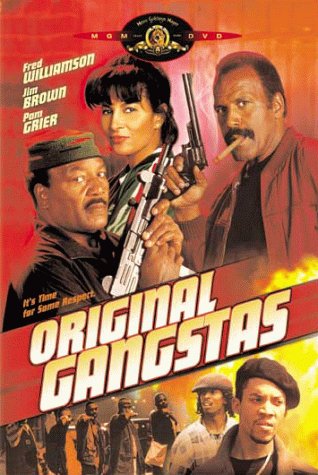
10. Original Gangsters (1990): I love the pitches for Cohen’s movies. Get this one: When a street gang called the Rebels gets out of control, its original members — played by blacksploitation stars of the 70’s like Jim Brown, Fred Williamson, Pam Grier, Richard Roundtree and Ron O’Neal — must come back to make things better.

I’ve skipped a few films, like Cohen’s Masters of Horror segment Pick Me Up, the last thing he directed, as well as Return to Salem’s LotDeadly Illusion, Full Moon HighPerfect Strangers and Special Effects. And I also didn’t get to other movies he wrote like Phone BookCaptivity, Uncle Sam, his remake script for Abel Ferrara’s Body Snatchers remake and so many more films.

If you want to learn more about Cohen, I recommend the documentary King Cohen, where he tells his story in his own words. If you love creativity, this is a must watch.

The 95 films on the Church of Satan film list

Originally compiled for Blanche Barton’s The Church of Satan — as approved by Magus Anton Szandor LaVey —  the Church of Satan’s recommended film list is made up of films that LaVey enjoyed or felt exemplified Satanism.

As Magus Peter H. Gilmore, High Priest of the Church of Satan, explained to our site earlier his week, the Church has no official position on various artforms, since the basis of the Church’s philosophy is individualism. This allows members to have their own personal lists as well as reasons why they feel these movies are on the film list.

We’ve been covering several of these films this week, but the list format allows us to share films that we’ve also covered in the past here on our site.

1. The Abominable Dr. Phibes (1971): The first of two of the Dr. Phibes films, this revenge feature not only boasts Vincent Price as a Satanic superhero, but also an opening of musical numbers and clockwork androids with the main character not saying a word until nearly half an hour into the movie.
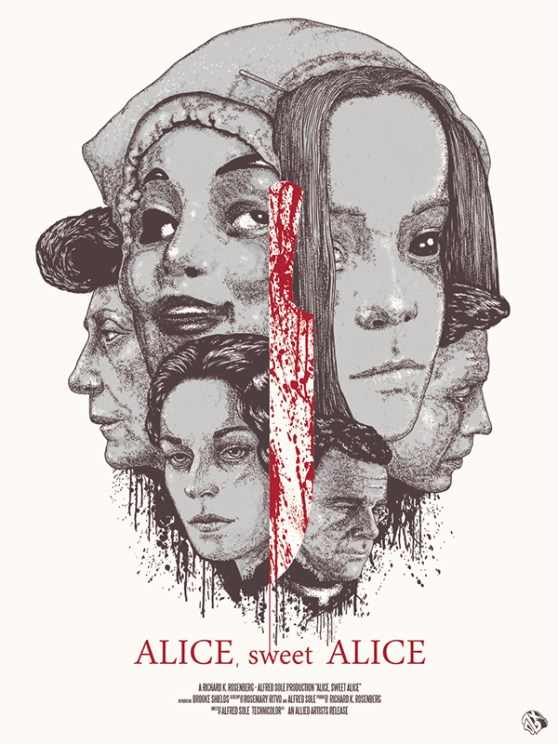
2. Alice, Sweet Alice (1976): This Americanized giallo offers a disturbing look at the dark roads that faith and herd mentality will lead believers down, as well as the way adults perceive children to be monsters.
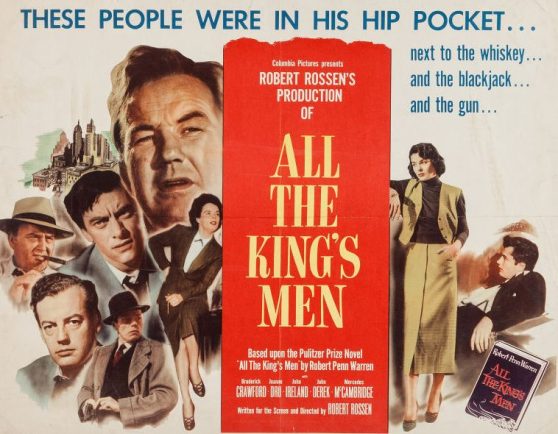
3. All The King’s Men (1949): This thinly disguised take on the life of Huey Long was originally going to star John Wayne, who claimed that the script was unpatriotic and indignantly refused the part. Broderick Crawford took over and won the 1949 Academy Award for Best Actor, beating out Wayne in Sands of Iwo Jima.

4. The Asphalt Jungle (1950): Regardless of where you stand on the veracity of Anton LaVey’s relationship with Marilyn Monroe, she formed what he saw as the Satanic ideal of what a woman should look like. This is a bleak film where everyone is corrupt and everyone is doomed.

5. Bedazzled (1967): This retelling of the Faust legend by comedy team Dudley Moore and Peter Cooke concerns the Devil offering a young man seven wishes for his soul, but twisting each wish to frustrate the young man’s hopes. I wonder how many people were confused by the ending, where said devil tries to do the right thing only to be rebuked by God?
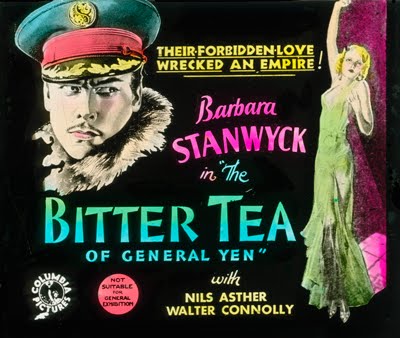
6. The Bitter Tea of General Yen (1933): This pre-Code Frank Capra film is one of the first Hollywood films to deal with interracial love. While the novel that it is based upon concerns a philosophical battle between a Western woman’s Judeo-Christian worldview and an Eastern leader’s elegant, educated, wise and unsentimental philosophy, the film is more about a sheltered white woman succumbing to the wild, sensual nature of an exotic Asian man.

7. The Black Cat (1934): The first of eight movies that would team up Bela Lugosi and Boris Karloff — one of the first movies with an almost continuous music score — this take on the Edgar Allan Poe story offers Karloff as an Aleister Crowley analog packs necrophilia, drugs, torture, human sacrifices and a Black Mass into its 69-minute run time. 

8. Black Zoo (1963): Michael Gough plays a cult leader who controls a lion, a lioness, a pair of cheetahs, a tiger, and a black panther; as well as a gorilla, all with the power of organ music. If you don’t see why Anton LaVey loved this movie, you aren’t paying attention.
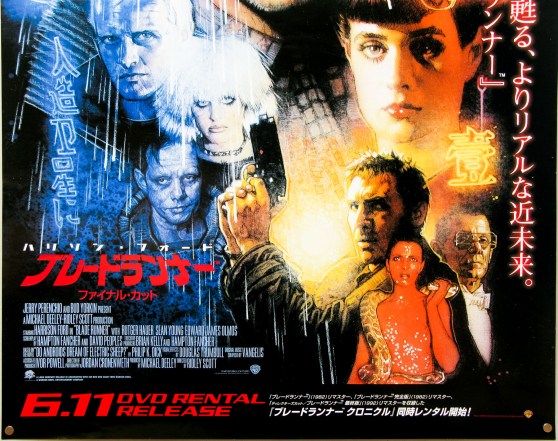
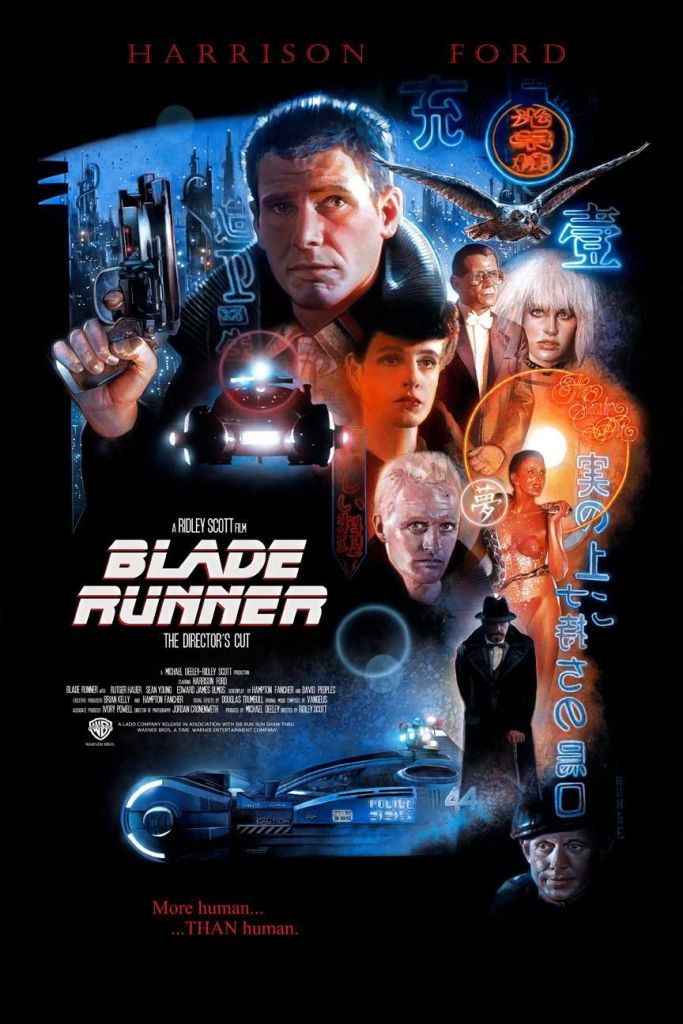
9. Blade Runner (1982): A failure in its initial release, this Philip K. Dick adaption infuses the spirit of film noir into a dismal future where it never stops raining, corruption runs rampant and 1940s glamour can appear at the same time as Japanese style dominates future society. For those who dream of androids being part of our daily lives, Blade Runner casts them as both hero and villain, all while giving no easy answers even to its hero’s true identity.
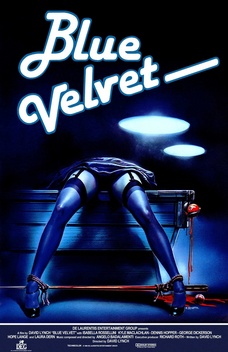
10. Blue Velvet (1986): In this modern film noir, David Lynch rips the lid off of the safety of the small American town and shows the simmering menace and sexual depravity locked behind its white picket fences.
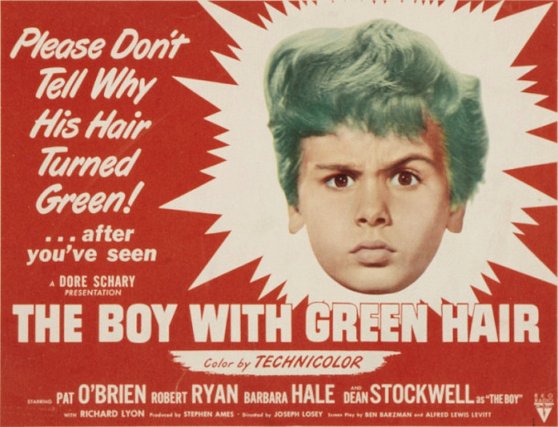
11. The Boy with the Green Hair (1948): A young boy uses his hair and individuality to protest war, which adults just can’t deal with in this stirring tale of facing off against herd conformity.

12. The Brotherhood of Satan (1971): Woe be to anyone who come against the children and old people of this remote Southwestern town which doesn’t take well to outsiders!

13. The Cabinet of Dr. Caliguri (1920): Written by two pacifists who were distrustful of the herd mentality and near mind control they had encountered during World War One, this German Expressionist film is considered one of the first true horror movies.

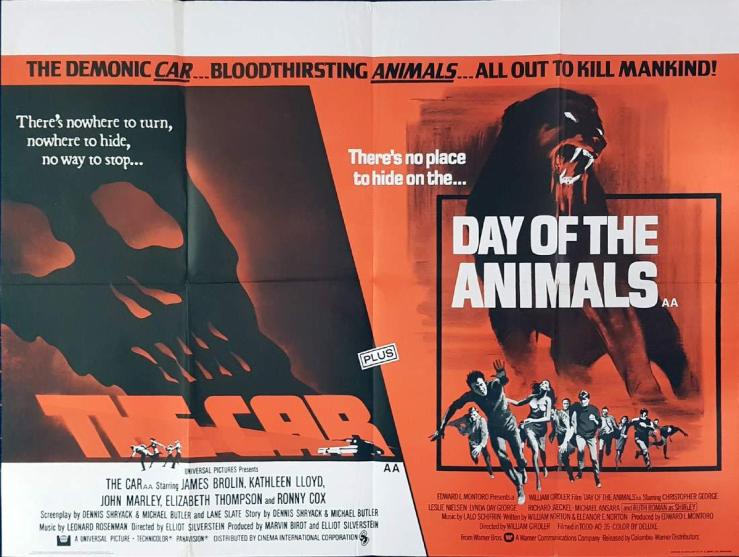
14. The Car (1977): Any movie that starts with a quote from LaVey — “Oh great brothers of the night, who rideth out upon the hot winds of hell, who dwelleth in the devil’s lair; move and appear!” — features him as a technical consultant and has a car similar to the one he drove (a 1971 Lincoln Continental Mark III) is obviously going to be on this list. It’s also a great popcorn film.

15. Carnival of Souls (1962): Appearing before Night of the Living Dead and while America was still in the Camelot days of JFK, this blast of weirdness out of Salt Lake City and Lawrence, Kansas presents the foul underbelly of the bright and colorful ideal world that post-World War II America was cherishing. It’s also marked by sinister organ themes and the idea that the idyllic boardwalk can also be a place of extreme menace.
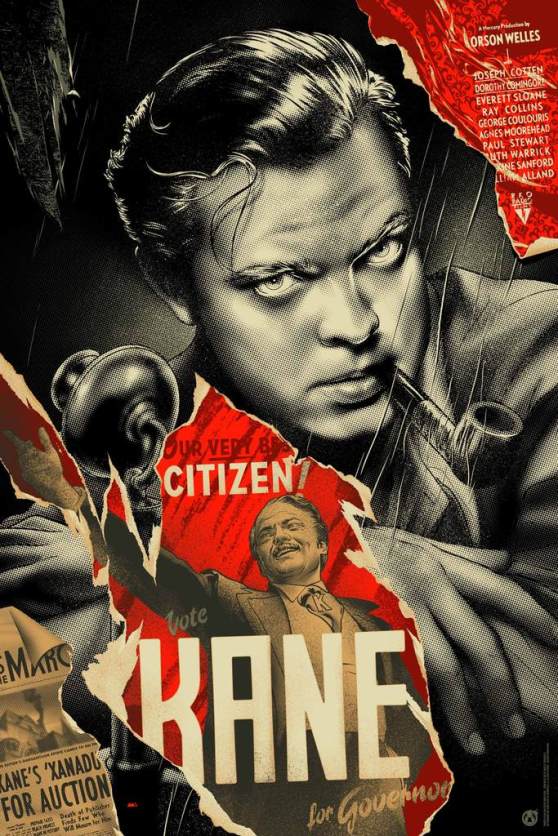
16. Citizen Kane (1940): You may have noticed by now that so many of the films on this list began their lives as failures, movies destined to be lost and forgotten, that had somehow retained their power and found an entirely new cult ready to triumph their virtues. As LaVey once said of music, “The word ‘occult’ simply means hidden or secret,” he says. “Go to the record store, to the corner where no one else is, where everything is dusty and nobody ever goes. Mussorgsky’s “Night on Bald Mountain” is mystical music, dramatic, Gothic, satanically programmed music. But it’s not occult music. “Yes, We Have No Bananas” would be an occult tune.

“It’s occult because when you put that record on the turntable, it’s a lead-pipe cinch that there is not another person in the entire world who is listening to that record at that time. If there’s anything, any frequency, any power that exists anywhere in this cosmos, in this universe, you’re gonna stand out like a beacon! It truly makes you elite.”

Citizen Kane may be well-known by now, but it was lost for years and the fact of why and how that happened lend it considerable occult power. It’s also no accident that Joseph Cotten ends up in so many movies on this list.
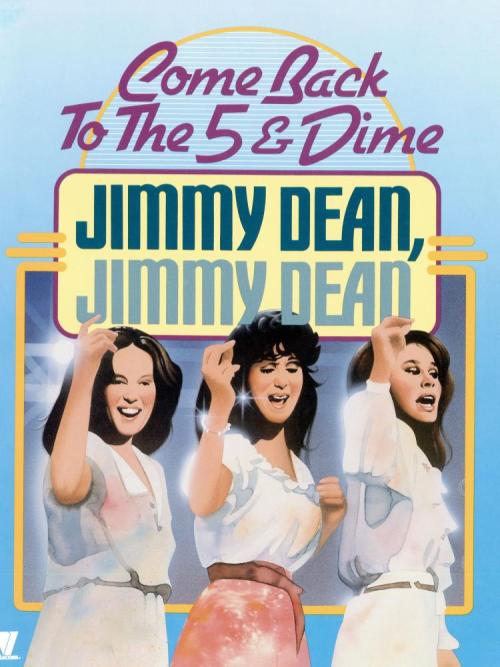
17. Come Back to the Five and Dime, Jimmy Dean, Jimmy Dean (1982): Following the failure of Popeye, Robert Altman created this ode to the past that’s also an exploration of how women must suppress their emotions, personalities and sexuality to be part of the male-dominated world instead of giving in to their true carnal nature. It’s also about the power of myth and how movie stars can transcend our reality.

18. The Comic (1969): Based on the lives of Buster Keaton and Harold Lloyd — as well as the influence of star Dick Van Dyke finally kicking alcoholism — this tale of a silent comedian starts at his funeral and moves backward to show us how a man unable to see his own faults and blaming others for his problems squanders his promise. Those without the understanding of the dangers of solipsism would do well to watch this.
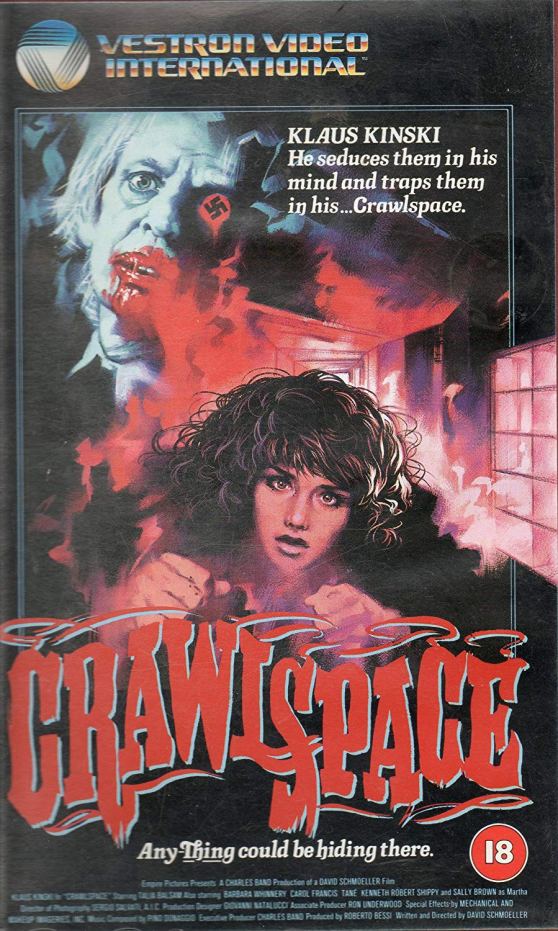
19. Crawlspace (1986): The Church of Satan site lists this Klaus Kinski film — where he plays Karl Guenther, the insane progeny of a Nazi doctor who traps and kills women — after living within their walls — as the film that Crawlspace should be. I’m wondering if they may also mean the following film:

19 (and a half). Crawlspace (1972): In this made-for-TV movie, a kindly elderly couple continue to nurture and support a man that they want to become their son, despite him being a troubled adult. This is one of the darkest films I’ve ever seen and quite the lesson on your happiness relying too much on others.
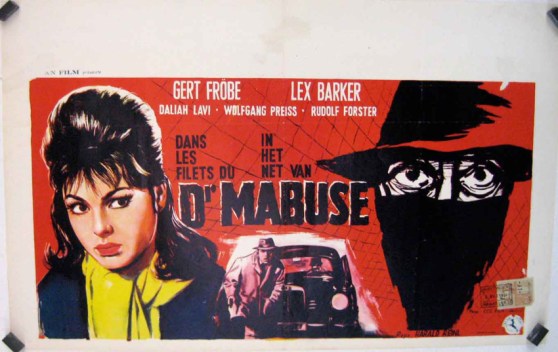
20. The Dr. Mabuse films: Starting with Fritz Lang’s silent film Dr. Mabuse the Gambler, this series of films follows the adventures of the insane title character, a master of disguise, telepathic hypnosis and body transference, almost like demonic possession, who seeks to build a society of crime. By the end of the series of books, Mabuse isn’t even a person but instead seen as a spirit that continues to possess and take over others to achieve its wicked aims. The Satanic Film List pick is The Testament of Dr. Mabuse, but I feel that any of the films look pretty interesting. Land would even make a sequel — The Thousand Eyes of Dr. Mabuse — 38 years later that would anticipate the James Bond spy trend.
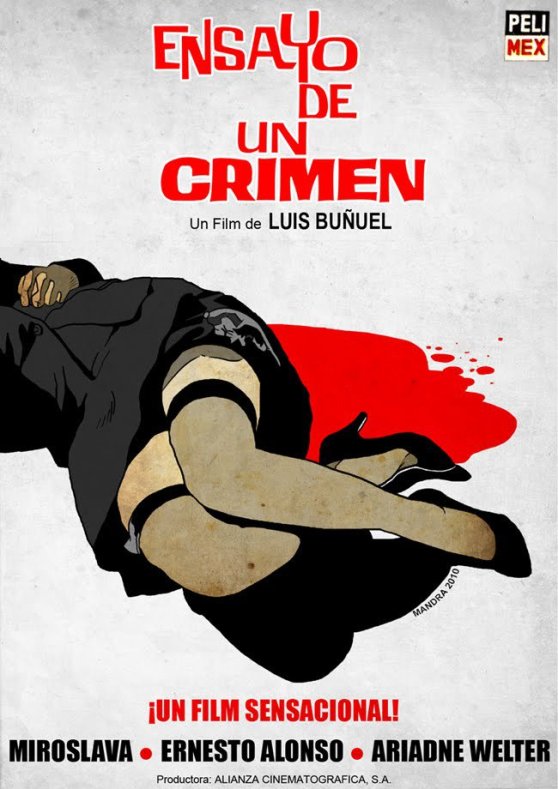
21. The Criminal Life of Archibaldo Delacruz (1955): Luis Buñuel would influence directors as diverse as Jodorowsky and Fulci. Here, he tells the story of wanna-be serial killer who makes elaborate murder plans yet never kills a soul. It’s been compared to Hitchcock’s Vertigo, another film about obsessive sexual desire.

22. Curse of the Demon (1957): Even without the demon effect in this film — one that caused a rift between its creators — this movie would remain just as frightening today as it was 62 years ago.

23. Dead of Night (1945): This British film is the father of all portmanteau films.  Interestingly, the film influenced the theories of astrophysicists Fred Hoyle, Herman Bondi, and Thomas Gold. Gold asked the group, “What if the universe is like that?” meaning that the universe could be eternally circling on itself without beginning or end, much like the finale of this movie. Unable to get past this question, they started to think seriously of an unchanging universe, which they eventually termed the steady state universe.

The Film List doesn’t explain if LaVey meant this film or the 1977 made-for-TV movie Dead of Night, which concerns time travel, vampires and a woman wishing her son back to life and instantly regretting it. That last story is positively bone chilling.
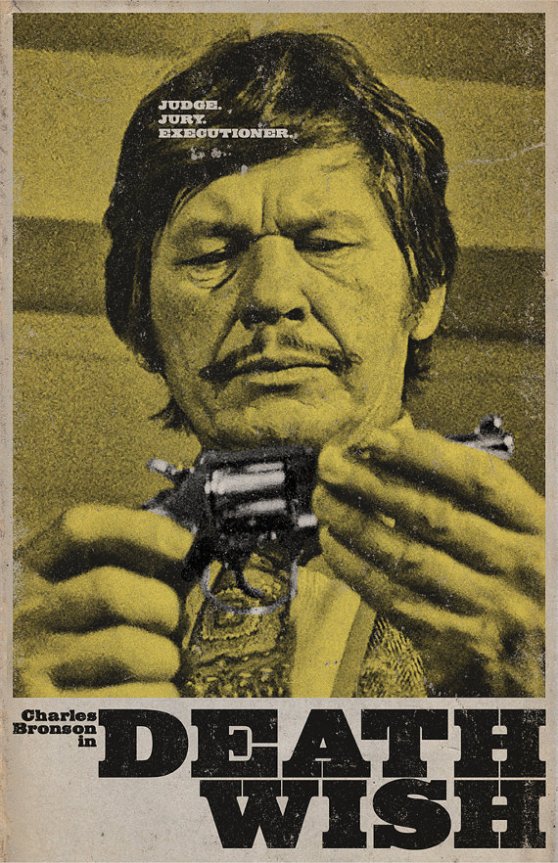
24. Death Wish (1974): No movie has ever represented this Satanic statement better: Satan represents vengeance instead of turning the other cheek! Charles Bronson goes from pacifist to brutal executor when his family is torn apart by crime. We did an entire week of these films, which are each worth watching for different reasons.

25. The Doll (1962): A lonely night watchman falls in love with a mannequin, eventually bringing her home where she comes to life. Consider this the much darker side of 1980’s froth like Mannequin and Mannequin 2: Mannequin on the Move, but also a tie to LaVey’s frequent writing about android companions.

26. A Double Life (1947): This film noir is all about an actor who becomes overly obsessed with his roles, as well as an exploration of deadly mirror images.  The lead character feels that he has to live the jealousy and rage of Othello in order to make his acting more successful in the ultimate Method role.

27. Duel in the Sun (1946): David O. Selznick thought that this film would surpass the success of his Gone with the Wind, but thanks to its highly controversial sexual content (not to mention Selznick and star Jennifer Jones leaving their spouses for one another) it didn’t reach those lofty ambitions.
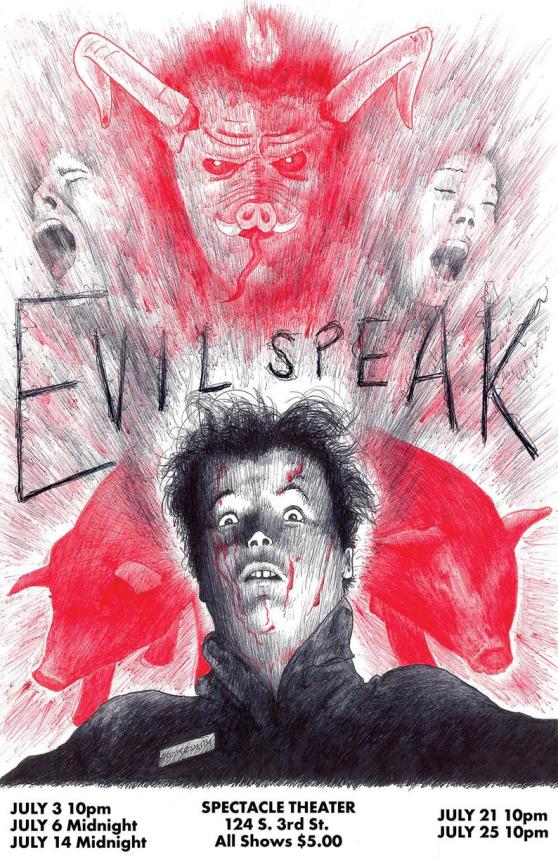
28. Evilspeak (1981): Everyone at a Catholic school abuses Clint Howard until he can stand no more. This is the best version of Carrie that I’ve ever seen, one that puts you squarely on the side of the devil as everyone else is somehow more sinister than the First of the Fallen.

29. Fantasia (1940): Before Disney began churning out sequels, they prided themselves on innovation. The third animated film made by the studio, this was actually a traveling road show that used Fantasound, a pioneering sound reproduction system that made this the first commercial film with stereophonic sound. Much like many films on this list, this was deemed a commercial failure at first but is now seen as an incredible success. At one point, Walt Disney wanted to add new stories every few months so that each viewing would be different. If all this movie contained was the “Night on Bald Mountain” sequence, it’d be enough, but it is so much more.

30. The 5,000 Fingers of Dr. T (1953): The only movie created by Dr. Seuss, who later called it a “debaculous fiasco” and lamented that “Hollywood is not suited for me and I am not suited for it.” In truth, no one was ready for this film when it was made, a tale of a Svengali who uses 500 boys to play one piano in a space age dream world that Seuss intended to “themes of world dominance and oppression coming out of World War II.”
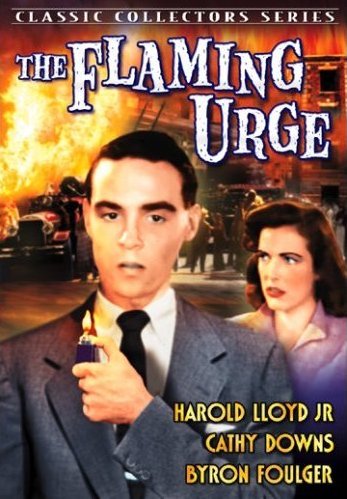
31. The Flaming Urge (1953): A young man tries to follow the American dream, yet he has an urge to follow and watch fires. When fires happen in his small town, everyone suspects him.

32. Freaks (1932): This film was considered so shocking upon release that 26 minutes of it were cut and never recovered. What remains is the tale of the sideshow and how it protects its own. Essentially ending the career of Tod Browning (Dracula), it’s the only film that MGM pulled before it finished playing in most theaters and it didn’t play the UK until the mid-1960’s. In 1947, MGM sold the rights to the film to exploitation director and producer Dwain Esper, who toured the film along with several of its stars.

33. The Gangster (1947): Also known as Low Company, this film noir was savaged by critics, who claimed it was too arty for its own good. It tells the tale of Shubunka, a gangster in it all for himself until it becomes too late for anyone to save him. LaVey said that, “To me, film noir is epitomized in a film like The Gangster. It’s almost like a surreal stage set; the angles are so disquieting and the whole feeling is so oppressive and claustrophobic.” He also named Shubunka as one of the top ten Satanic screen portrayals in 1981’s Book of Movie Lists.
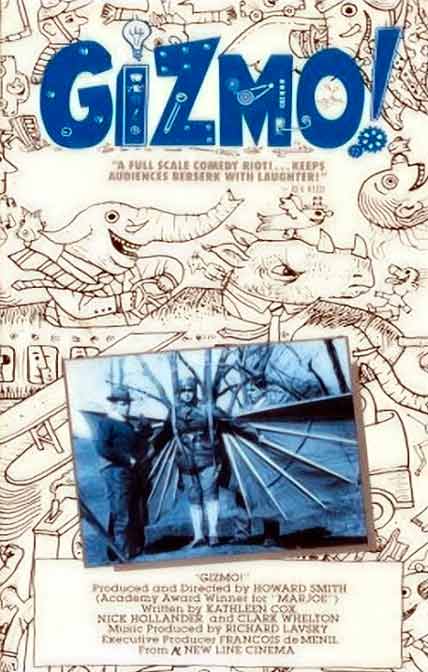
34. Gizmo! (1977): The Film List doesn’t expand on what this film is, but I believe that it’s the second film by Marjoe director Howard Smith, which details strange inventions and attempts at flight.

35. The Great Flamarion (1945): After numerous clashes with studio bosses, Erich von Stroheim was forced out of directing and became a notable character actor. As a director, Stroheim was considered a dictator, antagonizing his talent while delivering cynical views of human nature. As an actor, he was often a horror movie version of a German, doing things like tearing off women’s clothing with his teeth and throwing babies out windows when they annoy him. In this film noir, he plays a misogynistic trickshot artist coerced into murder.

36. The Great Gabbo (1929): Another film starring Stroheim, this film follows a ventriloquist who gradually loses touch with reality and eventually can only communicate through his dummy, Otto.

37. Hans Christian Anderson (1952): This Danny Kaye film isn’t really a biography of the famous Danish teller of fairy tales, but more of a fairy tail in and out of itself where the author creates a world of fantasy and imagination for children to the consternation of adults.
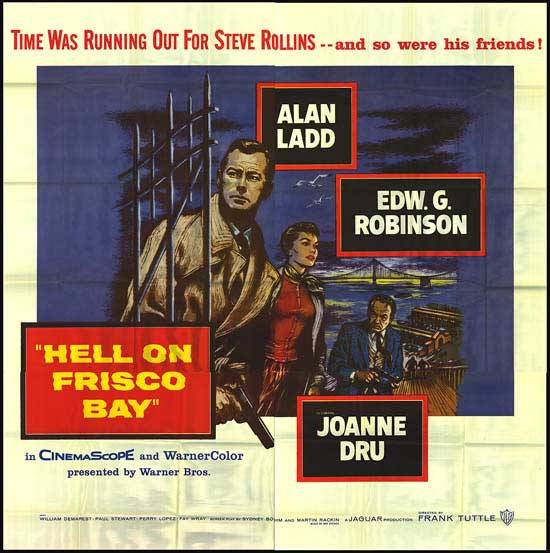
38. Hell on Frisco Bay (1955): This film noir is about a cop unjustly convicted of manslaughter and how he attempts to figure out life when he’s released. Edward G. Robinson plays the mob boss who tells Paul Stewart’s character that his jailhouse pleas were a waste of time: “Those guards told me how you used to pray every night. Get down on your knees like you were in church. Why’d you do it? So you wasted it, praying to the wrong people. You just keep praying to Vic Amato. Things will keep working out.”

39. I Am a Fugitive From a Chain Gang (1932): Based on a true story, this Paul Muni-starring pre-Code movie is all about a man who becomes restless after World War I and accidentally gets caught up in a robbery. Sentenced to ten years on a chain gang, he escapes and is forced into a loveless marriage to stay free. At the end of the film, he falls into the shadows as he disappears from life, telling his true love that he will steal to remain free.

40. I Bury the Living (1958): A newly hired committee chair learns that with the push of a black or white pin, he begins to have control over life and death. Or does he? This was directed by Albert Band, the father of Charles, and is a favorite of Stephen King, who has praised the film’s darkness while criticizing its happy ending.

41. Inherit the Wind (1960): A fictionalized parable that uses the 1925 Scopes Monkey Trial to try and make sense of the strange atmosphere of America during the McCarthy era, this movie also challenges Creationism. Writer Jerome Lawrence said of the movie, “We used the teaching of evolution as a parable, a metaphor for any kind of mind control. It’s not about science versus religion. It’s about the right to think.”
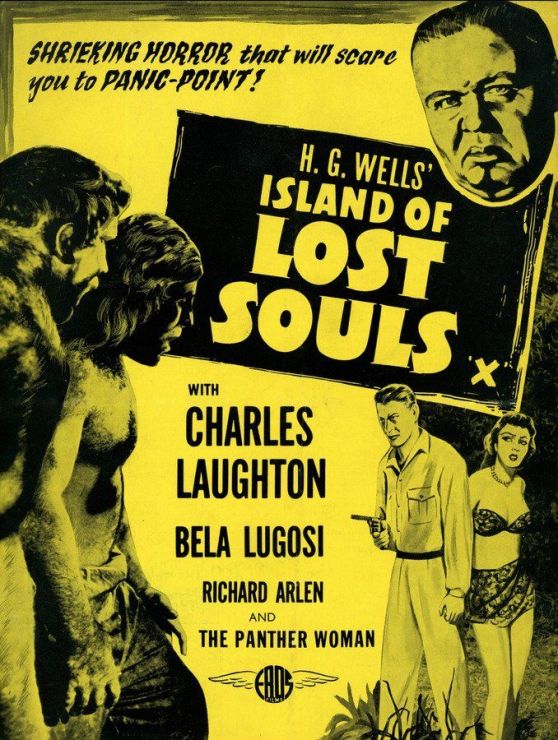
42. Island of Lost Souls (1932): Another pre-Code feature, this take on H.G. Welles’ The Island of Dr. Moreau features an island of human-animal hybrids, Bela Lugosi as the beast-like Sayer of the Law and Kathleen Burke as the sensual Lota the Panther Woman. By the end of the film, The beast-men realize that once Moreau breaks the laws he imposes on them, they are no longer feel bound by said laws, defying their master when he yells, “What is the law?” They respond triumphantly, “Law is no more!”

42. It’s Alive! (1974): In this Larry Cohen film, Frank and Lenore Davis must decide whether they can love their bestial and murderous child. The film’s trailer contains an image of a baby bassinet and music that turns ominous as we grow closer, a Satanic inversion of the innocence of childhood.
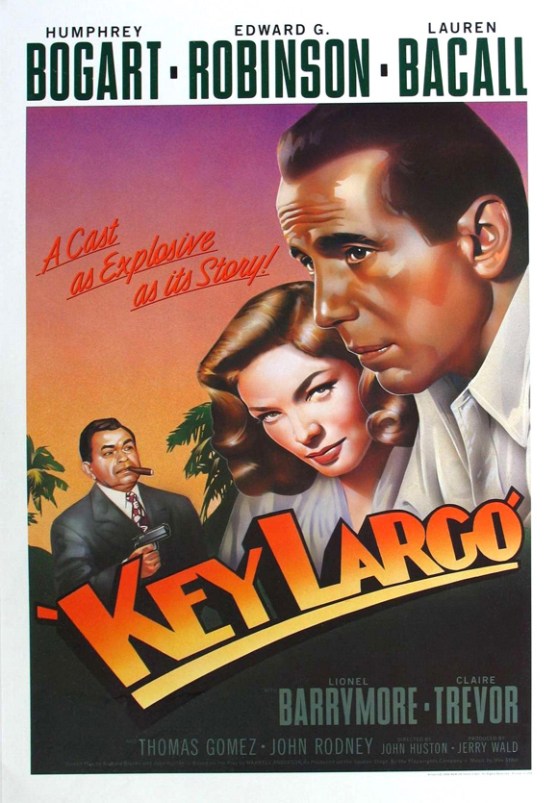
43. Key Largo (1948): The fourth and final screen pairing of Humphrey Bogart and Lauren Bacall, this tale of stolen valor features another strong performance by Edward G. Robinson as mob boss Johnny Rocco. In Blanche Barton’s biography of LaVey, he speaks at length about Robinson’s role: “Very self-centered, refusing-to-go-under hoodlum and totally hedonistic…sadistic, brutal, and at the same time very Satanic, but at the end pathetic.”

LaVey was so taken by Robinson’s character in this film that he would borrow lines from its dialogue in conversation. He expanded on his thoughts on the film by saying, “All through the film, the only interesting characters are the villains! Bogart and Becall are used merely as one-dimensional, cardboard good guys, playing straight men for the gangsters’ Satanic one-liners.”
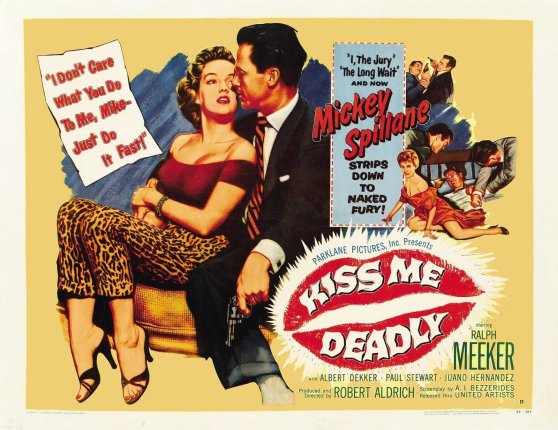
44. Kiss Me Deadly (1955): This film noir is based on a Mickey Spillane novel and was called “a film designed to ruin young viewers” by the United States Senate Special Committee to Investigate Crime in Interstate Commerce. Savage detective Mike Hammer investigates a hitchhiker’s murder, which leads him into a web of deceit and exploration of modern society’s descent into barbaric behavior, ending in nuclear fire and a return of man to the sea.
45. Kiss Tomorrow Goodbye (1950): James Cagney takes what started in the film White Heat and pushes it further into the realm of film noir, as he deals with corrupt cops and two women out to manipulate everything and everyone in their path. If you’ve ever seen Messiah of Evil, this is the film that’s on the marquee of the theater that the doomed Toni attends.

46. Koyaanisqatsi – Life Out of Balance (1982): Starting in 1972, Godfrey Reggio and the Institute for Regional Education (IRE) and the American Civil Liberties Union (ACLU) worked together to create an ad campaign to call attention to the invasion of privacy and the use of technology to control behavior. With only $40,000 left in the budge after this effort, Reggio used the rest to produce this film which illustrates life in turmoil thanks to technology. Or perhaps not, as Reggio stated that the films that make up the Qatsi series are intended to create an experience and that “it’s up to the viewer to take for himself/herself what it is that they mean.”

47. The 47. Leopard Man (1943): The second film on this list from Jacques Tourneur, this is considered the first movie to depict a serial killer. One assumes that LaVey loved the idea of this film — a leopard is hired to promote a night club dancer but is unleashed and used as a murder weapon.
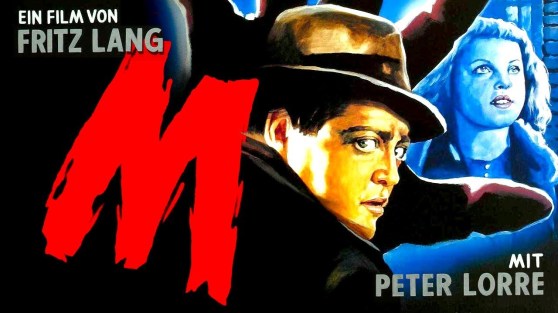
48. (1931 and 1951): Directed by Fritz Lang and Joseph Losey, these two films both tell the story of a serial killer of children, which was Peter Lorre’s first starring role. Before this movie, he was considered a comic actor. After, he’d flee the Nazis and become a star in America. The location would be moved to Los Angeles in the remake with David Wayne playing the same character.

49. Marjoe (1972): This indictment of the way that religion uses its worshippers remains as brutally frank as it was nearly fifty years ago. It still amazes me how much access the filmmakers enjoyed as they created this.
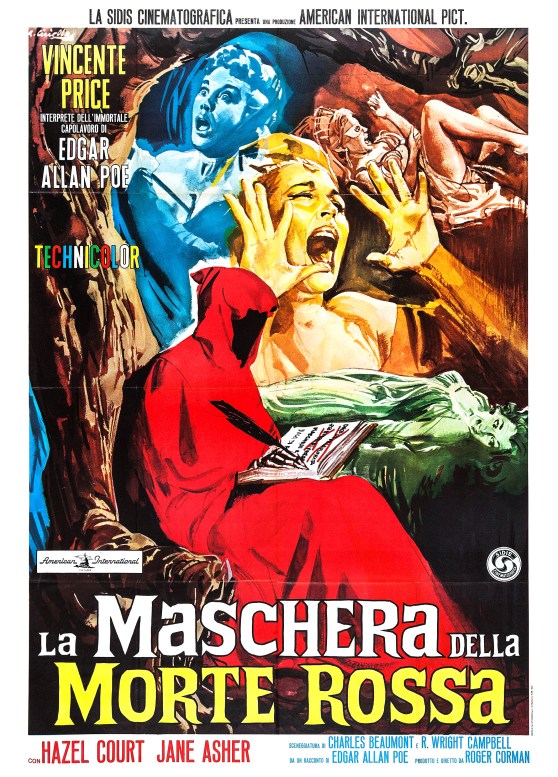
50. The Masque of the Red Death (1964): LaVey said that this is “an evocative film with some wonderfully Satanic dialogue that Vincent Price delivers as only he can.” This Roger Corman film, aided by Nicholas Roeg, is a colorful marvel and quite a parable about relying on anyone but yourself.
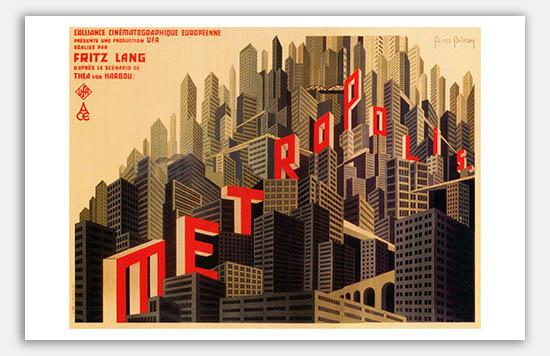
51. Metropolis (1927): This Fritz Lang film has the subtitle “The Mediator Between the Head and the Hands Must Be the Heart.” The Nazi Party loved this film, which led to Lang showing distaste for it later. I found this Roger Ebert quote telling: “Metropolis is one of the great achievements of the silent era, a work so audacious in its vision and so angry in its message that it is, if anything, more powerful today than when it was made.”

52. The Most Dangerous Game (1932): Shot at night on the same sets as King Kong with two of the same actors (Fay Wray and Robert Armstrong), this film posits that there are two kinds of people in the world: those who hunt and those who are hunted. Several quotes from this movie ended up in the letters of the enigmatic Zodiac Killer.
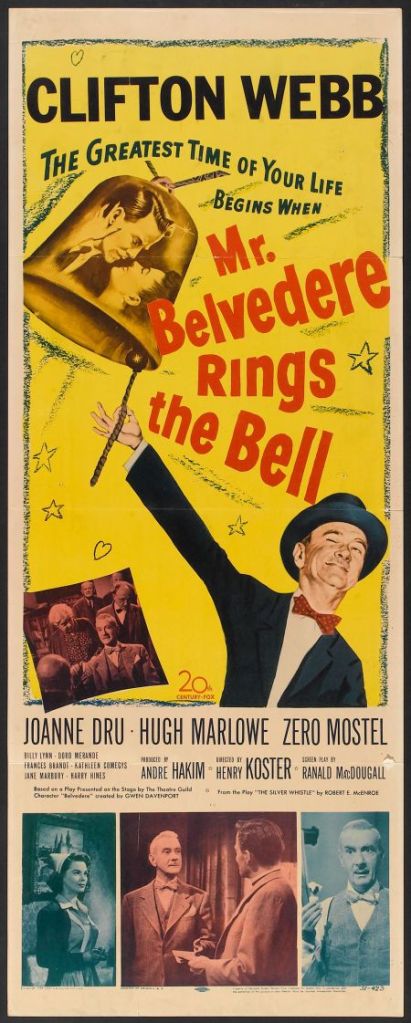
53. Mr. Belvedere Rings the Bell (1951): Before Lynn Belvedere became a TV character, the character starred in three movies. This is the final one in the series, here Belvedere sneaks into an old folks home and changes everyone’s lives, even those whose religious views don’t permit them to see that the man is correct.
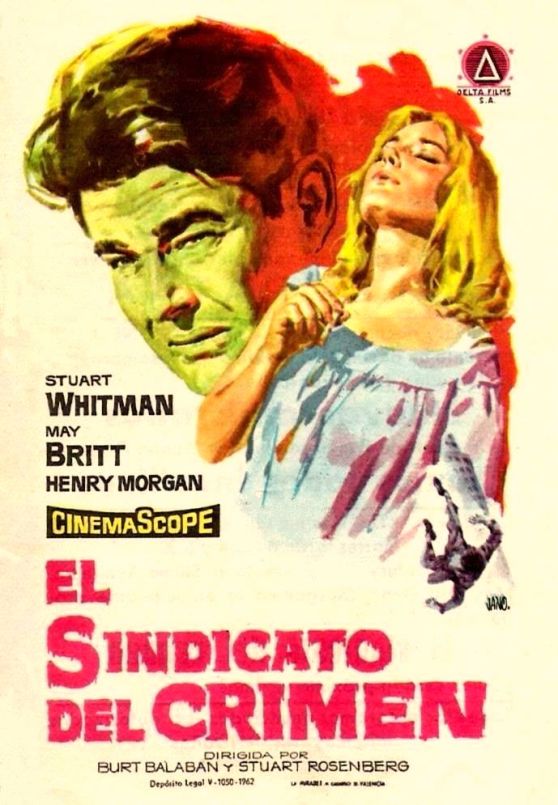
54. Murder, Inc. (1960): In Peter Falk’s first starring role, he somehow transforms from a quiet man to black menace, using an icepick to decimate a man.

55. The Night Has a Thousand Eyes (1948): Another Edward G. Robinson film noir, in which he plays “The Mental Wizard” John Triton, a nightclub fortune teller who suddenly learns that he really has psychic abilities, yet all of his relentlessly bleak predictions always come true. LaVey said that Robinson “exuded the diabolical perhaps better than any other actor” and that “most of his roles had Satanic overtones.”
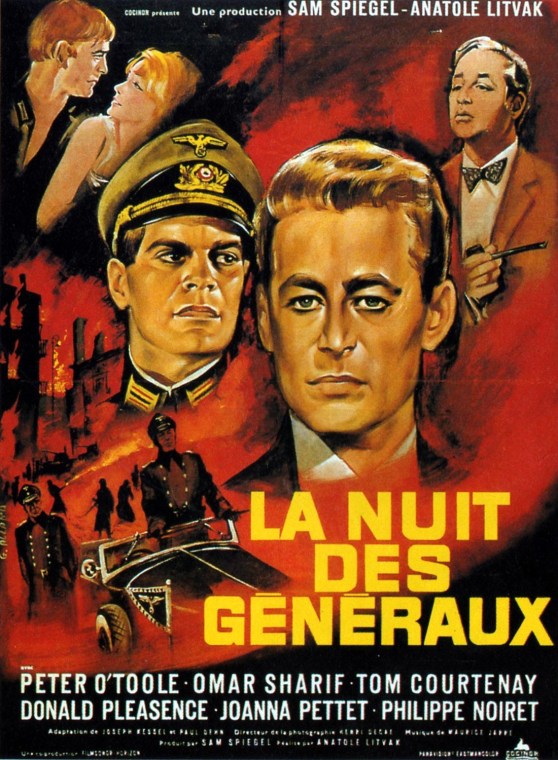
56. The Night of the Generals (1967): Omar Sharif stars as a German intelligence officer who sets out which of three generals killed a prostitute, a case that extends two decades and long past his demise.

57. The Night of the Hunter (1955): Cahiers du Cinéma selected this film as the number two film of all time behind Citizen Kane. It’s the story of a preacher turned serial killer with love on one hand and hate on the other, a role that is not only played by lived by Robert Mitchum. Shot in the style of German Expressionism, this was a movie whose critics at the time of its release simply weren’t ready for it. Notice a trend?
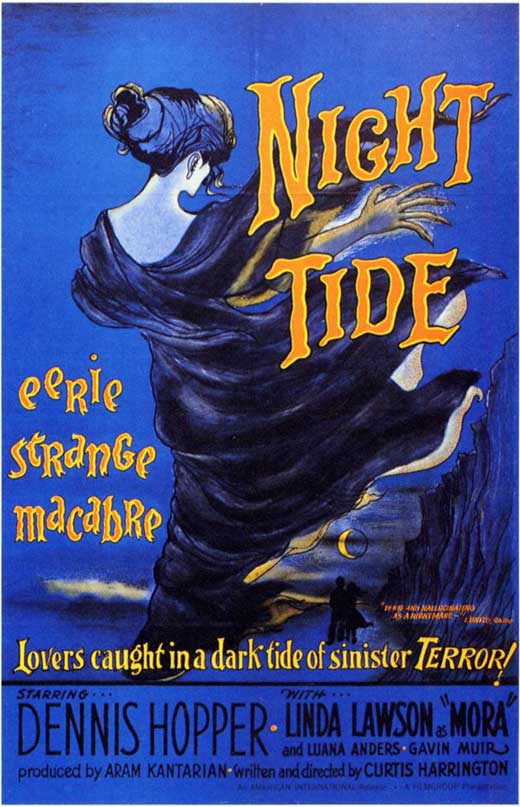
58. Night Tide (1961): Welcome to a world where mermaids could be real, where sailors are taken to their doom and the Whore of Babylon can be an actress. Again, the boardwalk’s bright lines descend into utter blackness.

59. Nosferatu: A Symphony of Horror (1922):  This German Expressionist horror film — directed by F. W. Murnau and starring Max Schreck as the vampire Count Orlok — is an unauthorized ripoff of Dracula. No matter — it remains one of the most horrific films ever committed to celluloid.

60. Pennies from Heaven (1981): Audiences came to this expecting the Steve Martin they knew and loved from stand-up comedy and The Jerk. Instead, they got a movie about the deep longings of the 1930s, filled with musical numbers from that era. Martin said of the film, “I must say that the people who get the movie, in general, have been wise and intelligent; the people who don’t get it are ignorant scum.” LaVey said of the film that “the sets and the characters were 100% authentic.”

On the Sinister Screen, Miles Jaconsen says, “It is the anti-musical. Instead of providing its audience with an escape from dreary circumstances, it uses music to elucidate the dreary circumstances, and the music is all the more evocative due to its purpose. It draws upon 70s-style cynicism and dovetails it with 30s-style cinema. The characters are constantly trying to escape their miseries, and use song and dance to express this. We, the audience members, are shown just how inept they are at affecting positive change in their lives. When the film does offer dreamy, comfortable illusions, as all musicals do, it is not long before they are shown to be preludes to sorrow.”
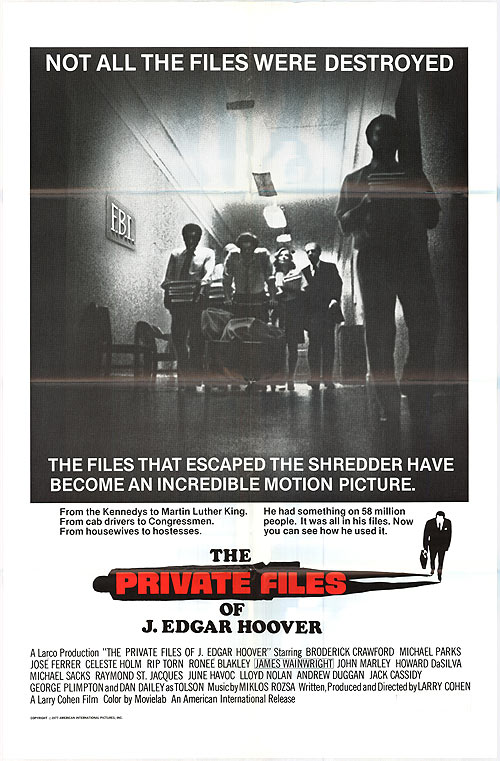
61. The Private Files of J. Edgar Hoover (1977): This Larry Cohen film is a dark vision of American politics and the FBI director who deals with the Red Scare of the 1950s, the Kennedys and social change of the 1960’s and Nixon in the 1970’s, along with a closeted sex life and an obsession over his dead mother.
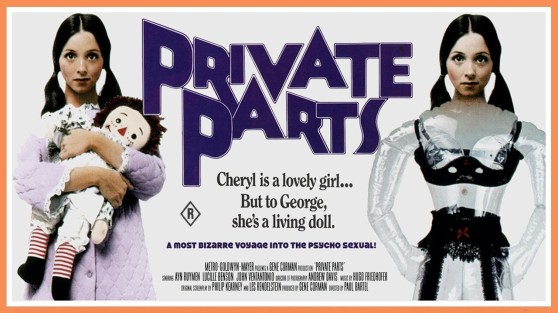
62. Private Parts (1972): In the dark corners of Los Angeles, a squalid hotel hosts all manner of depravity and perhaps the most normal person keeps a doll that he injects with blood as a companion. Paul Bartel essays a film that was so upsetting, some newspapers wouldn’t even print its title.

63. The Puritan (1938): A religious fanatic must justify and rationalize the murder of a girl he’d fallen in love with, all while the police wait for the moment that his faith breaks.

64. Radio Days (1987): This Woody Allen film is all about the bittersweet nostalgia for a past that can never return — the days when radio stars entered daily lives and engaged their audience’s imagination. It has been reported that Stanley Kubrick loved the film so much that he watched it twice in two days, comparing it to a home movie of his life.
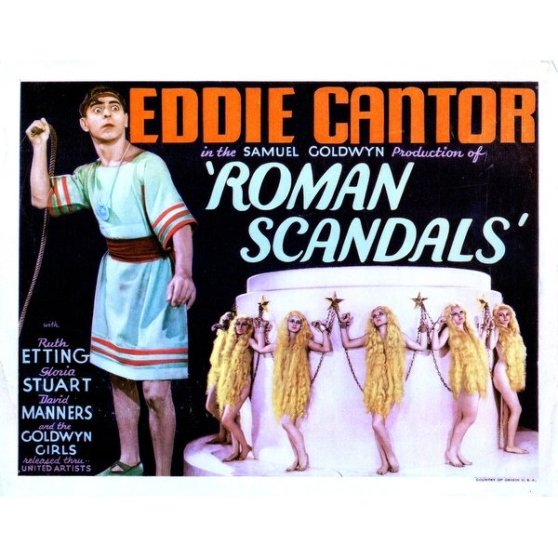
65. Roman Scandals (1933): Eddie Cantor plays a boy who dreams of the days of Ancient Rome, a time free from the scandals and corruption of his small town. Imagine his surprise when he’s transported back in time and learns that it was the same back then!

66. Rosemary’s Baby (1968):  Pray for Rosemary’s Baby screamed the buttons and headlines. Perhaps no horror film — not even The Exorcist — has better played on the fears of society better. Paranoia, women’s liberation, religion, the occult — this one has it all. What it does not have — contrary to popular urban legend — is LaVey playing Satan.

67. The Ruling Class (1972): Peter O’Toole plays a paranoid schizophrenic British nobleman — the 14th Earl of Gurney — who believes that he’s Jesus Christ (which leads people to believe he’s insane) and Jack the Ripper (which peole easily embrace). LaVey said of the film, “This is an oddball film they tried to see as a comedy, but it’s really a tragedy with comedic undertones.” He also called it one of the all-time great Satanic films, ending with a blasphemous scene where O’Toole leads a gang of corpses in singing “Onward Christian Soldiers.”

68. Satanis – The Devil’s Mass (1970): Look, we’re never gonna get to go to the actual Black House any longer. This captured at the time documentary is as close as we’ll get, though. Essential viewing.

69. Scarface (1932): This Howard Hughes produced, Howard Hawks directed and Paul Muni starring film ran afoul of the censors, who demanded making alterations, feeling that it glorified being a gangster. They asked for the name to include the words The Shame of a Nation, a prologue that eliminated gangsters and that the original ending — where Antonio “Tony” Camonte dies in a hail of bullets near a sign that proclaims that “The World is Yours” — be used instead of the one where he turns himself in.

70. The Scoundrel (1935): Anthony Mallare (Noel Coward in his screen debut) is a heartless publisher devoted to ruining the lives of everyone he meets. When he dies in a plane crash, he must return to life and find one person who will mourn him or face eternal damnation. It turns out that the girlfriend of the author whose life he decimated is the only one able to save him.

71. Seance on a Wet Afternoon (1964): A medium wishes to be famous and respected, so she has her husband kidnap the young daughter of a wealthy family so that she can later find the child for the police.
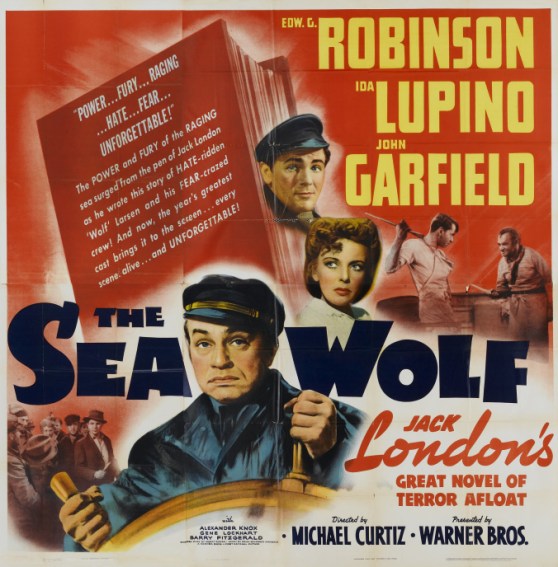
72. The Sea Wolf (1941): Edward G. Robinson stars as the domineering sea captain Wold Larsen, who nearly dooms every character in this film to a watery grave. LaVey spoke highly of this Jack London adaption, saying, “Wolf Larsen only degrades those who have already degraded themselves; he brutalizes only those who know only brutality; he preys upon those who deserve to be preyed upon.” He added, “My reaction to this film has paralleled my growing disdain for the human race over the years. When I first saw it, I thought, “The character of Larsen is too brutal.” The next time I saw the film a few years later, I could understand the brutality a bit more — it didn’t seem so extreme. Finally by the next viewing, I’d developed a real empathy for Wolf Larsen!”

73. Serial (1980): Martin Mull plays a man losing patience with the late 1970’s and early 80’s world of sex, cults and psychobabble. This movie failed to win audiences in theaters but found new life on cable.

74. The Seventh Victim (1943): This horror noir — in which a young woman discovers a cult of devil worshippers while looking for her missing sister — was derided by critics for having “narrative incoherence.” That’s because its director and editor removed four major scenes, including an extended ending of the film. Supposedly, writer DeWitt Bodeen, who also wrote The Curse of the Cat People, based this movie on his own experiences with a cosmetics company, an Italian restaurant and a Satanic secret society in New York City. The Dr. Judd character played by Tom Conway connects this movie to 1942’s Cat People, another film noted for its nihilism. That said, Dr. Judd died in that film, but there was a thought that people would connect this film to that success. There are also several homosexual undertones in the movie, particularly between the characters of Jacqueline and Frances.

75. Shadow of a Doubt (1943): This Alfred Hitchcock again features Joseph Cotten, here as Uncle Charlie, a man celebrated by his community while at the same time feared by the younger members of his family who know that he is a criminal.

76. Simon, King of the Witches (1971): A sorcerer who lives in a sewer sees through the hypocrisy of modern witchcraft and society as he continues his path of continually improving himself. Sure, it seems silly today, but most of the 1970’s do.
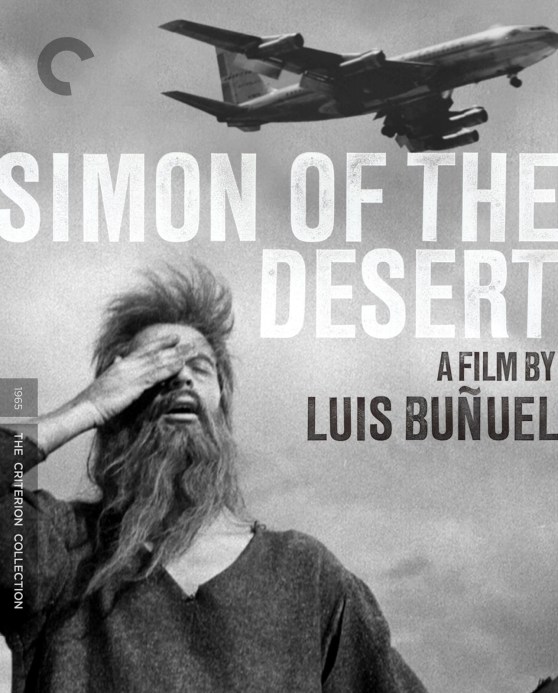
77. Simon of the Desert (1965): Simón has lived for 6 years, 6 weeks and 6 days atop an eight-meter pillar in the middle of the desert, praying for spiritual purification. Satan tempts him three times, first as an innocent girl, then as Jesus and finally as a woman who climbs up the pillar and takes Simón to a 1960’s nightclub where people dance the Watusi, trapping him forever. Oh those pesky Satanic witches, using their feminine wiles…
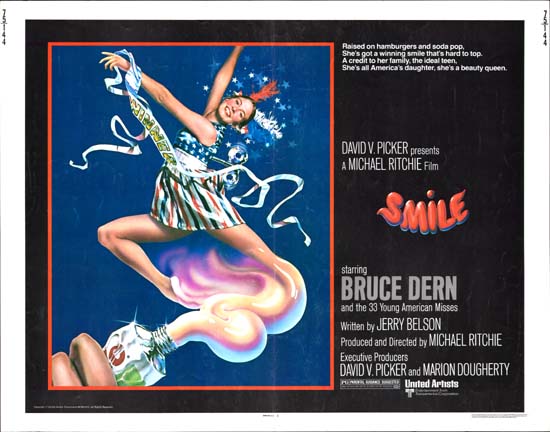
78. Smile (1975): The contestants and people involved with the Young American Miss Pageant are used to explore and skewer the veneer of darkness that always exists, boiling under the lid of a traditional American small town.

79. The Snowman (1933): The official list on the Church of Satan website points to the 1982 TV adaptation of the book, but I wonder if LaVey intended this 1933 short instead, where a young Eskimo and his cute animal friends build a snowman that becomes a Frankenstein’s Monster and attempts to kill them all?

80. Soylent Green (1973): There’s never been a more brutal or uncompromising look at the future ever filmed. Man’s inhumanity toward man has finally won out and all that’s left is to embrace death. This is the final role of Edward G. Robinson, who he died 12 days after filming ended.
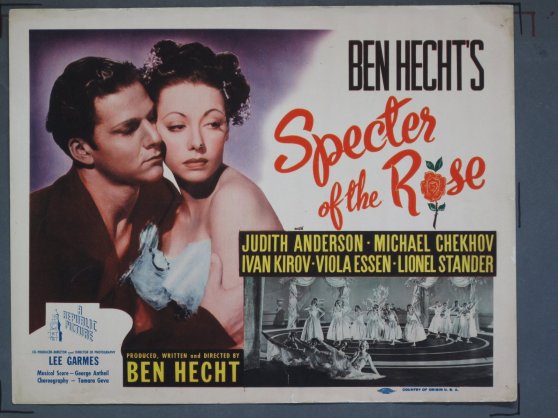
81. Specter of the Rose (1946): A male ballet dancer hasn’t danced since his first wife died on stage with him to the haunting tune of “Le Spectre de la Rose.” Now a newly married man, he’s enticed to return once more to the stage.

82. Stardust Memories (1980): This Woody Allen film is about a filmmaker who attends a retrospective of his work, which leads him to remember the inspirations for the movies he’s made. The title is a reference to the Louis Armstrong song “Stardust” and the film is packed with jazz classics, as well as issues like religion, God, philosophy, existentialism, relationships, death and the meaning of life.
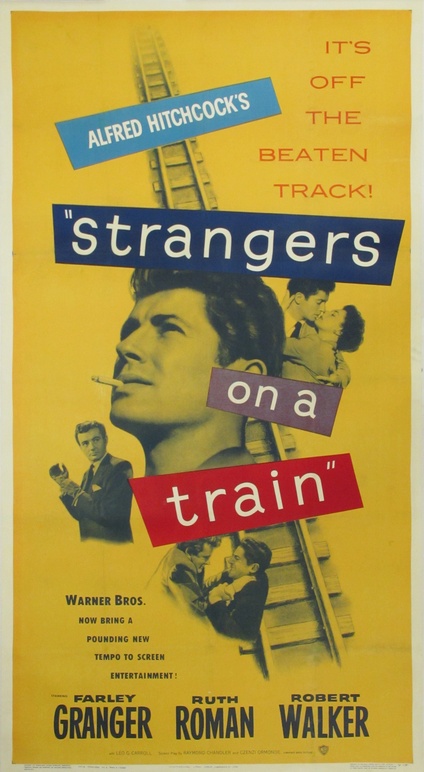
83. Strangers on a Train (1951): Hitchcock creates a dilemma for tennis player Guy Haines: he wants to get rid of his wife so that he can marry the woman he loves. When he meets Bruno Antony, a man who wants his mother dead, they agree to exchange murders. Bruno comes through, but can Tony? Prefiguring the giallo, this is a movie of duplicates and duplicity. Of the film, Magus Gilmore says, “Strangers on a Train examines justice gone awry wherein a fantasy of eliminating someone who has wronged you quickly becomes a nightmare when a sociopath enters into the equation — a warning to not pursue punishment beyond what suits the crime.”

84. The Stepford Wives (1975): A family moves from New York City to the suburbs and discovers a town where women are subservient to their men because they’re no longer human. Instead, they’re programmed to serve the needs of their husbands, in sharp contrast to women’s liberation. This film walks the line between the personification of android companions — a subject dear to LaVey’s heart — and the loss of identity and free will, one of the main worries of Satanism as it entered a new century.

85. Svengali (1931): With hypnotism and mind control, a sinister musician controls the voice — but ultimately not the heart — of a woman that he can ultimately never have. This movie crashes Hollywood glitz with German Expressionism together.
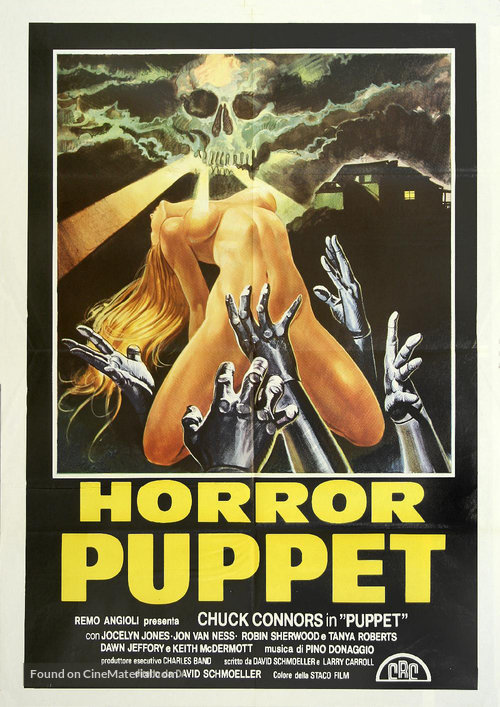
86. Tourist Trap (1979): LaVey said that the definition of a Satanic film can be anything from a classic to “obscure schlock,” as he categorized this film. Chuck Connors character has created a world all of his own, peopled by half-alive versions of people he’s taken, controlled by his mind — or perhaps not, the movie is never truly clear here. This is a strange and brutal film, even more so when you learn it’s rated PG.
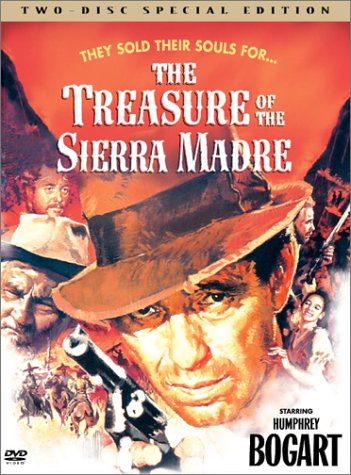
87. The Treasure of the Sierra Madre (1948): Magus Gilmore commented on this film, saying that it was “rather complex in realistically outlining human types, and ultimately, though the sought­-after gold — a pipe­ dream Satanism would caution against — is lost, the characters receive ends befitting their deeds.” Indeed, a movie where star Humphrey Bogart is murdered doesn’t seem to fit into the Hollywood ideal, but the Satanic.

88. Two Thousand Maniacs! (1964): All hail Herschell Gordon Lewis for inflicting the curse of gore on the world of cinema. In this one, he takes the fun of Brigadoon and shoves it through the lens of the carny exploitation director, where it emerges as the town of Pleasant Valley, which emerges every one hundred years to achieve bloody revenge on the North. Turns out that every member of the two — two thousand to the number — were wiped out by Union troops. It’s time for payback.

89. The Victors (1963): In war, there are no winners. This film shows how the victor and the vanquished are both the victims. There are no battles shown, but vignettes that illustrate small moments from the beginning, middle and end of the conflict. Unlike many World War II films of the time, typically of Hollywood interpretations of the Second World War at the time, American soldiers are shown to be shell shocked, tired of fighting and capable of casual cruelty toward anyone who gets in their way. There’s also an execution scene set to Frank Sinatra singing “Have Yourself a Merry Little Christmas.” Star George Hamilton when speaking of the film, which was a box office bomb, said that it was too dark and foreshadowed the darkness of the 60’s that was yet to come.
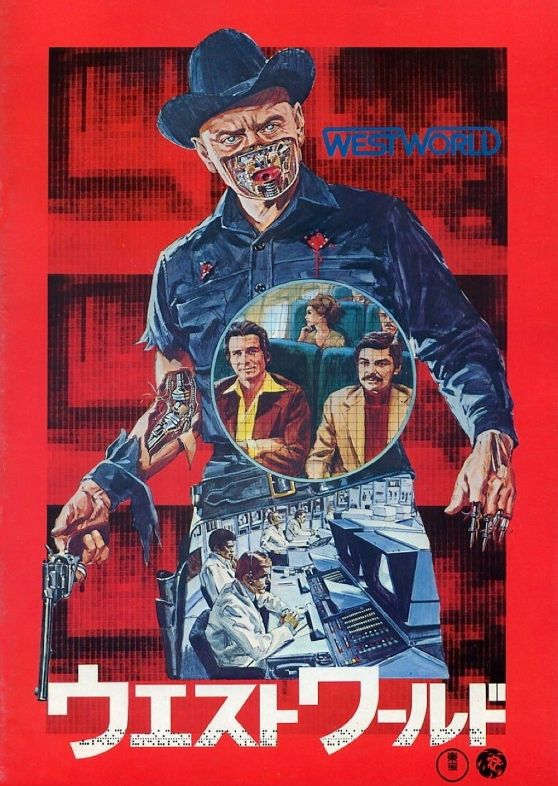
90. Westworld (1973): Westworld is a place where LaVey’s dream of android companions has come true. However, it’s also a place where man’s darkest impulses are allowed to run free, leading to them repeatedly killing robot cowboys that finally malfunction and rise up against their creator. There’s a moment where the two leads discuss sleeping with the android prostitutes in the brothel, unsure whether they were real. The answer is, “Does it matter?”

91. The Wicker Man (1973): Christopher Lee’s Lord Summerisle is perhaps one of the most Satanic characters to appear in a movie, with lines paraphrase Walt Whitman’s “Song of Myself” to grand effect: “That I think I could turn and live with animals. They are so placid and self-contained. They do not lie awake in the dark and weep for their sins. They do not make me sick discussing their duty to God. Not one of them kneels to another or to his own kind that lived thousands of years ago. Not one of them is respectable or unhappy, all over the earth.”

If you’ve never seen this film, I don’t want to give much away. It includes a hero who probably isn’t the hero and villains who are probably not the villains. It’s utter darkness infused with the hope of a new season. And it’s a film that contains this section of dialogue, where everyone gets what they really desire:

Sergeant Neil Howie: No matter what you do, you can’t change the fact that I believe in the life eternal, as promised to us by our Lord, Jesus Christ.

Lord Summerisle: That is good, for believing what you do, we confer upon you a rare gift, these days – a martyr’s death. You will not only have life eternal, but you will sit with the saints among the elect. Come. It is time to keep your appointment with the Wicker Man.

92. Willy Wonka and the Chocolate Factory (1971): Magus Gilmore refers to this film as “a scenario where everyone gets just desserts served­ up by Gene Wilder as a most engaging devil.” How this is a film for children still blows my mind, as it’s filled with nightmarish situations. I love how so many use the words from “Pure Imagination” for inspiration when I’ve always been motivated by “The Rowing Song”: There’s no earthly way of knowing / Which direction we are going / There’s no knowing where we’re rowing / Or which way the river’s flowing.
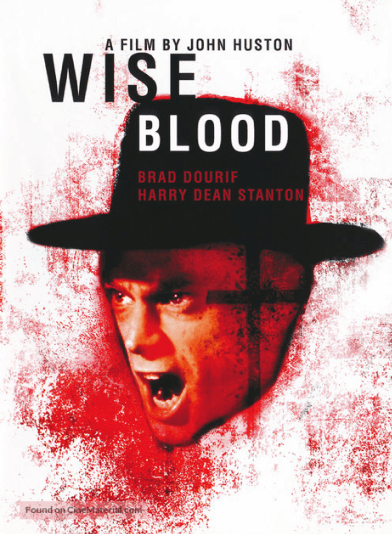
93. Wiseblood (1979): LaVey referred to this movie as “a real misanthropic exercise” that was “so realistic it borders on the surreal.” It stars Brad Dourif as Hazel Motes, a veteran of an unspecified war and a preacher of the Church of Truth Without Christ, a church of his own that allows him to remain at war, but now it’s against anyone with a belief in God, sin, evil, Heaven or the Final Judgement.

94. Yanco (1961): A boy’s talent at music is directly proportionate to his oversensitivity to sound, which pushes him away from the city and into the woods, where an old man teaches him to play the violin. When the man dies, that violin ends up in a pawn shop in the city. Each night, the boy makes a pilgrimage to that store to play music that the people of the city believe comes from an evil spirit.

95. Zelig (1983):  Woody Allen appears again on this list, here playing Leonard Zelig, an enigma of a man who takes on the personalities of those around him, becoming a celebrity in the 1920’s. He is truly a man who is everywhere and nowhere.

Thanks to the many sources and people whose quotes I’ve included here. Again, your own examinations of these films are more important than anyone else’s. Think for yourself and find your own path to what films give you personal enjoyment.

That said — several of these movies are difficult to find. Don’t let that challenge you. Embrace the effort! As LaVey said, “If a movie is easily obtainable from the corner video shop there’s no point in keeping a copy.”

Want the full list? We’ve added it to Letterboxd.

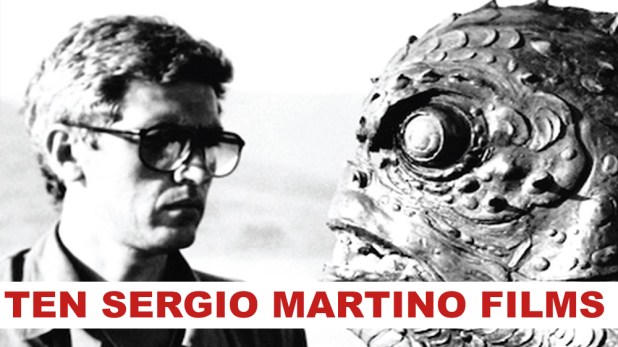
Ten Sergio Martino films

After the Bava and Fulci retrospectives we featured, I felt like Sergio Martino was the next logical choice. Please keep in mind that I don’t feel that I’m an expert, like Kat Ellinger who wrote the all-encompassing All the Colors of Sergio Martino.

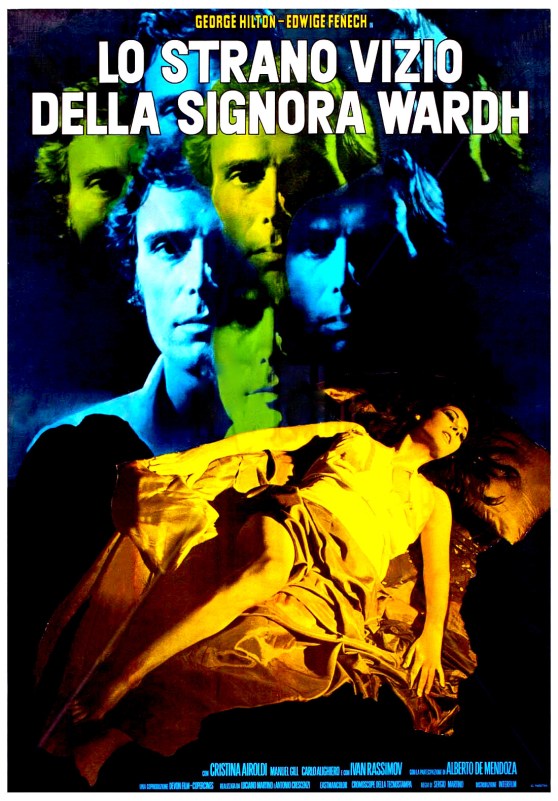
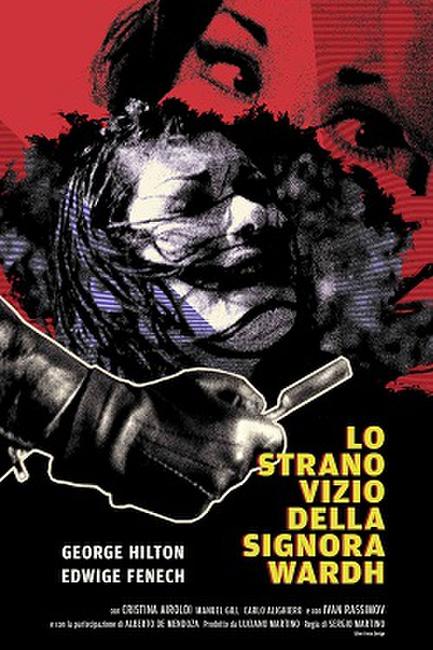
Martino is an Italian film director and sometime producer, mainly known for his early 1970’s run of highly influential giallo films. In fact, I’d compare his five-picture run from The Strange Vice of Mrs. Wardh to Torso to any giallo creator there ever is, was or will be.

The grandson of director Gennaro Righelli, Sergio began his career as an assistant to his brother Luciano (who in addition to directing Secret Agent Fireball, producing many of Sergio’s films and writing 94 movies including DeliriumIronmaster and The Whip and the Body somehow found the time to be married to Edwige Fenech, earning my eternal respect and jealousy). He was also the second unit director for the aforementioned Bava film, The Whip and the Body, before making his first film, the mondo Wages of Sin.

Martino often worked with the same actors, such as George Hilton (who was married to his cousin), Ivan Rassimov, Fenech and Claudio Cassinelli. They form a little stable, if you will, for some of his best-known giallo. But that’s not all Sergio created.

He also continued to work with Fenech throughout the 1970’s and early 80’s on several sex comedies. But he also dabbled in other genres, from spaghetti westerns to cannibal films, monster movies, crime stories, post-apocalyptic epics, crowd-pleasing sports affairs and even movies that I have no idea how to classify.
When asked about his films, Martino said, “My movies are like a soft drink — sparkling, unaffected products for mass consumption. A soft drink doesn’t have the prestige of champagne, of course, but I’d rather have a good soda pop than watered-down wine anytime.” You can hear even more from him on the Color My Nightmare feature on Severin’s new reissue of All the Colors of the Dark and on their incredible All the Colors of Giallo set.

Without further ado, let’s get into it — as always, in no particular order.

1. The Strange Vice of Mrs. Wardh (1971): The first of Martino’s ensemble giallo films, this one concerns Mrs. Wardh, ably played by Fenech. She must deal with her sexual past and the violent cravings that she yearns for but knows will eventually destroy her. Of course, being a giallo, there’s also plenty of murder, twists and turns. This is the start of where Martino would take giallo and a line from the film, “Your vice is a locked door and only I have the key,” would soon the next movie on our list. Get the Severin blu ray now.

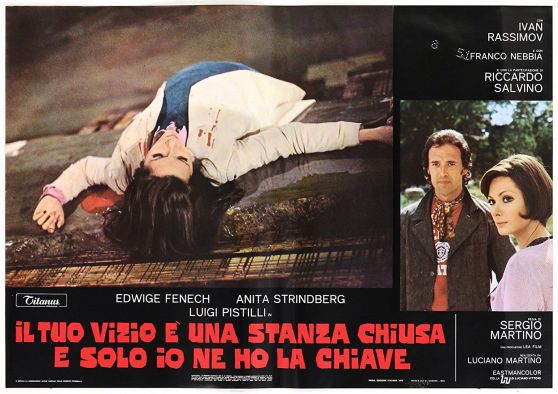
2. Your Vice Is a Locked Room and Only I Have the Key (1972): Has any movie ever had a better title ever? Nope. Taking a cue from Poe’s The Fall of the House of Usher, a rich man treats everyone horribly before running into even more horrible people. There’s also a cat named Satan and Fenech showing up in all manner of amazing outfits. This is perhaps the best example of giallo — to me at least — that I try to share with people interested in the genre. You can watch this on Amazon Prime.

3. All the Colors of the Dark (1972): Martino’s giallo company here starts with Rosemary’s Baby and emerges with a work all its own, as Fenech’s character endures a car crash, the loss of her mother and an unborn child, then learns that her nascent psychic gifts lead to her brain screaming that a vast conspiracy wants to not only murder her, but potentially steal her soul. This movie exists in its own reality, with free love Satanic cults and foggy London atmospheric doom. I strongly recommend purchasing the new Severin re-release of this film, which is packed with extras including the shorter American version, They’re Coming to Get You.

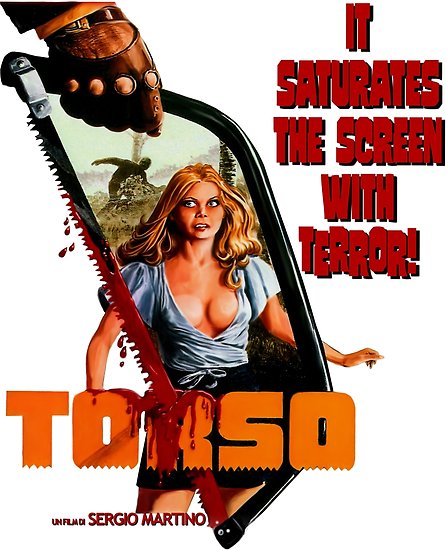
4. Torso (1973): Martino finds an entirely new cast for this giallo that eschews the traditional trappings of the genre and pushes itself toward being proto-slasher. Also known as The Bodies Bear Traces of Carnal Violence, that title alone should clue you in that this movie is salacious and unsavory in all the best of ways. Every man is scum, every woman is gorgeous and the camerawork is as perverted as the killer. And the final act places Suzy Kendall into the most danger a giallo heroine may have ever faced. Get the Arrow Video blu ray at Diabolik DVD.
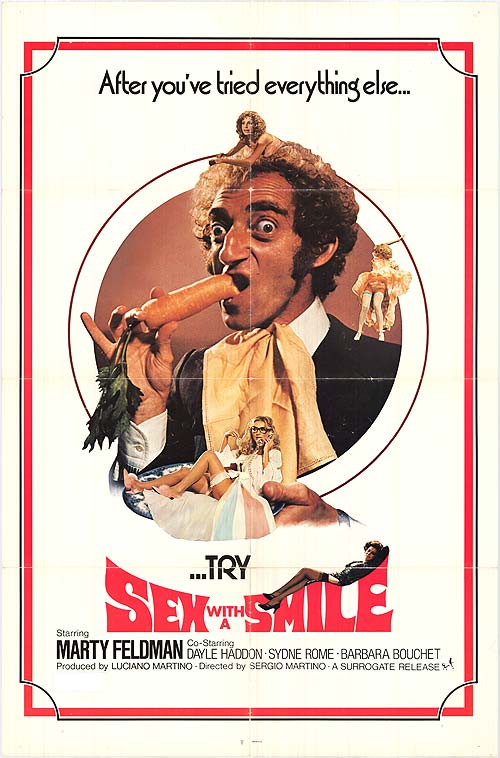
5. Sex with a Smile (1976): Proving that Martino was no giallo only one trick pony — although he’d return to the genre again with 1975’s The Suspicious Death of a Minor and 1982’s horror-filled Scorpion with Two Tails, this movie and its sequel, released the same year, are portmanteau comedy films based around sexual hijinks. While its cast was well-known in Europe — Tomas Milan, Fenech, Barbara Bouchet (who along with Edwige is one of the most well-known women of giallo), Dayle Haddon (once Spermula and today, still a L’Oréal model) and Sydne Rome (the Akron, Ohio born model who became a French aerobics instructor sensation in Italy in the 1980’s) — when the film was released in the U.S., the ads mostly concentrated on Young Frankenstein‘s Marty Feldman’s appearance. I love the Italian title for the film, 40 Gradi All’ombra del Lenzuolo, which after translation and converting Celsius to Fahrenheit would mean 104 Degrees Under the Sheets. Martino would spend most of 1979 to 1981 making similar sexy and silly flicks. This is not yet available in the U.S.

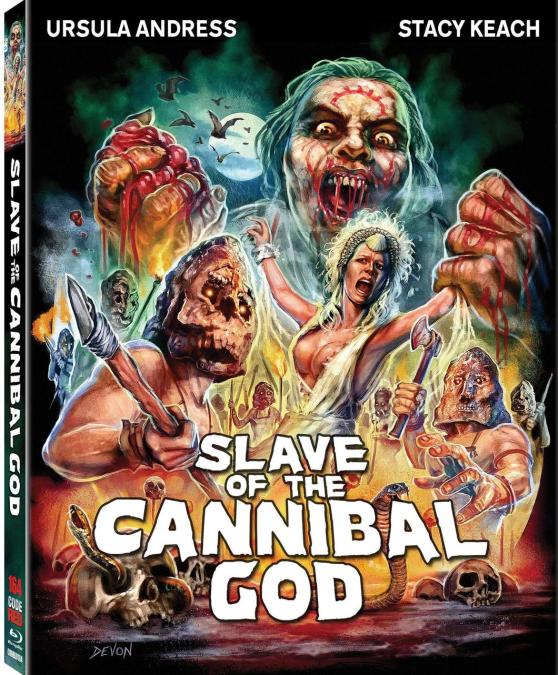
6. The Mountain of the Cannibal God (1978): This movie has big stars like Ursula Andress and Stacy Keach, but it’s Italian cannibal sleaze when means that Ursula is going to get tortured by two female cannibals and smeared with orange honey before being fed her evil brother and Stacy is going to get killed by a giant waterfall. There’s also animal torture, which is sadly de rigueur for the cannibal genre. Grab this on blu ray from Ronin Flix.

7. The Great Alligator (1979): Martino’s genre-hopping abilities — some would call it chasing whatever trend was hot — are in full evidence here, as this Jaws-style film puts Barbara Bach before she married Ringo Starr, Claudio Cassinelli and Mel Ferrer against the tribal god of a resort area that takes the earthly form of a giant alligator. Oh yeah — this was co-written by George Eastman, so you know that it’s going to be ridiculous. The same waterfall that claimed Stacy Keach’s life in the previous film comes back to challenge our heroes in this flick. You can also get this on blu ray from Ronin Flix.

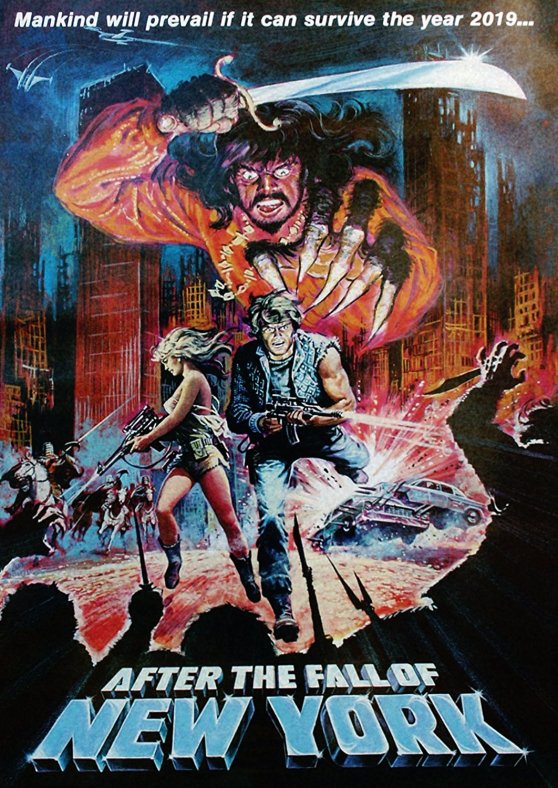
8. 2019: After the Fall of New York (1983): Remember when everyone went crazy over Children of Men? Martino made pretty much the same idea here 23 years earlier. He also had the sense to cast George Eastman as Big Ape of the Hairy Men, which makes this as much a Planet of the Apes pastiche as a Mad Max-inspired film. It’s also packed with non-stop action, little to no sense and a soundtrack by Oliver Onions. I love every minute of this, so much so that I’ve been known to watch this movie several times in a row. Ronin Flix also has this.

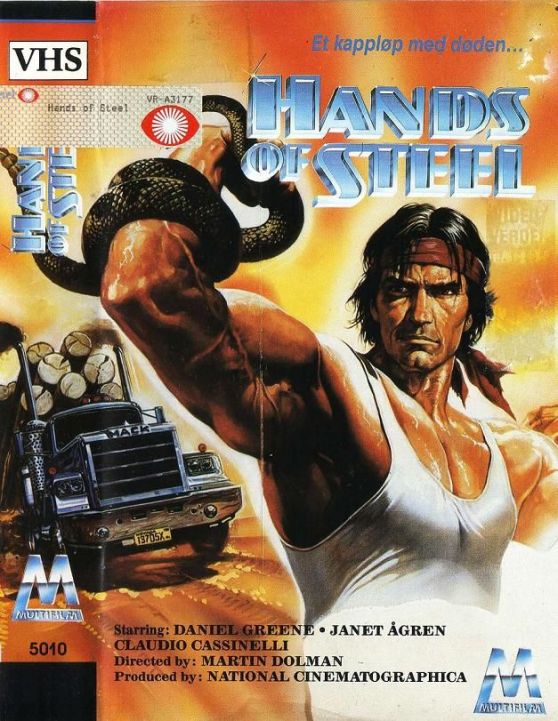
9. Hands of Steel (1986): A more ordinary filmmaker would be satisfied with just making a movie inspired by The Terminator. Perhaps I haven’t truly exalted Martino enough yet. That’s because here, he somehow makes a movie that combines that movie, post-apocalyptic films and the arm wrestling movie, a trend that most think died with Over the Top (not so, as in addition to these two films, there’s also ChampionPulling John and CLAW: The Collective of Lady Arm Wrestlers). It also has John Saxon, Donald O’Brien (Doctor Butcher, M.D. and the M.D. stands for Medical Deviate!), Janet Agren, bikers, punk rockers, George Eastman as an evil trucker, a soundtrack by Claudio Simonetti from Goblin and a hero who is 70% robot and 30% human named Paco Queruak. It’s also sadly the last film of Claudio Cassinelli, who died in a helicopter stunt while making this movie. Guess who has this? Ronin Flix.

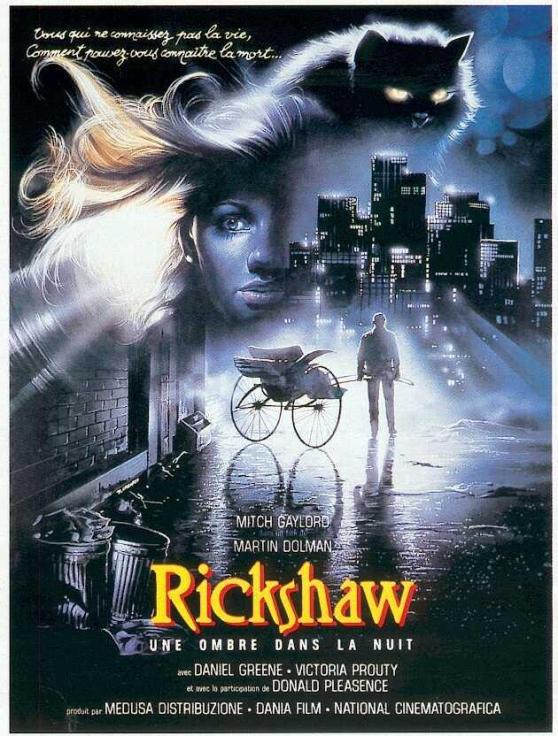
10. American Tiger (1990): Chances are, if you ever talk to me in person about movies, this will be the one I bring up. It’s quite honestly the most insane movie that I’ve watched and that says a lot. To wit: A rickshaw driver in Miami — played by U.S. Olympic Gold Medalist Mitch Gaylord — is protected by an Asian witch as he becomes involved in a conspiracy that gets him in the shower having sex with a hot redhead — with his jeans still on — and the videotape of that event causing the death of the son of a faith-healing televangelist — played by Donald Pleasance — who is also a warthog looking demon. There’s also a magical cat. Yes, this is the movie to top all other movies that make no sense. I’m still shocked that no major company has raced to get this out on blu ray. You can get this from Cauldron Films.

Of course, I’ve skipped plenty of films in my efforts to show Martino’s range. There’s also:

Arizona Colt Returns: This 1970 sequel was Martino’s first time as a director of a non-documentary film. It also has two amazing alternate titles: Arizona Lets Fly and Kill Everybody and If You Gotta Shoot Someone… Bang! Bang! You can watch this for free on Vudu.

The Case of the Scorpion’s Tail: A 1971 giallo all about dead lovers, blackmail, peeping toms, scorpion earrings and plenty of murder. His other giallo are much better, hence it not making the list. You can get this at Diabolik DVD.

Giovannona Long-Thigh: A 1972 sex comedy starring Fenech all about a cheese factory,  a bribed monsignor, a judge who likes to sleep with other’s wives and a virginal-looking prostitute.

The Violent Professionals: A 1973 poliziotteschi about a cop going undercover with the mob so he can finally kill the men who killed his father figure, this was the first of several films that Martino would make with star Luc Merenda, like Gambling City and Silent Action. You can get the Code Red blu ray at Diabolik DVD.

La Bellissima Estate: Martino even made dramas, like this 1974 film that has one lasting thing to remember it by: it’s where the theme for Larry David’s Curb Your Enthusiasm comes from.

The Suspicious Death of a Minor: A 1975 giallo that concerns Claudio Cassinelli falling for a girl he doesn’t know is a prostitute, then descending into a shadow world of depravity to find her killers. You can watch this for free on Amazon Prime or order the Arrow Video blu ray at Diabolik DVD.

Mannaja/A Man Called Blade: I’ve just learned of this spaghetti western that stars several veterans of the Italian crime/action genre in Maurizio Merli, John Steiner and Donald O’Brien. I’ve also heard it’s incredibly stylish and is more horror than western, so I’m really looking forward to seeing this. This is free to watch on Tubi.

Island of the FishmenScreamers: This 1979 movie promised that “you will see a man turned inside out,” Martino has said in interviews that Guillermo del Toro has told him that he’s watched this movie several times. It nearly rivals American Tiger for sheer madness, as there’s so much going on: voodoo, amphibian humans, Atlantis and cannibals. Martino also directed a sequel to the film in 1995 called Queen of the Fishmen. You can watch Screamers on Amazon Prime.

Scorpion with Two Tails: A 1982 horror film that may have a scorpion in its name, but it has nothing to do with Martino’s previous arachnid-related film. This one has John Saxon being killed by an Etruscan cult and his wife dealing with the bloody fallout.

A Bear Named Arthur: In his interview on Severn’s new rerelease of All the Colors of the Dark, Martno refers to this as one of his movies that he knew would lose money. That said, it has some real star power in George Segal and Carol Alt in a tale of a composer and a secret agent.

L’allenatore Nel Pallone: This 1984 comedy film is unlike anything we’d ever have in America. Both it — and its 2008 sequel — feature multiple cameos by major soccer players, coaches and journalists. The closest equivalent I can come up with is Major League. Martino also made The Opponent, a sport comedy film about boxing.

Casablanca Express: If you can’t get Sean Connery and Anthony Quinn to be in your war movie, get their sons. That’s the Martino way. Donald Pleasence and Glenn Ford are also along for the train ride. I got my copy on the Mill Creek Excellent Eighties box set.

Additionally, Martino has worked extensively in the Italian TV industry, creating TV movies and mini-series like 1993’s Private Crimes, which reunited him with Edwige Fenech and also starred Ray Lovelock (The Living Dead at Manchester MorgueMurder Rock), who would work with Martino on two other TV movies.

What did I miss? What’s your favorite Sergio Martino movie?

37 movies that make up Kill Bill

Is Quentin Tarantino’s Kill Bill an outright ripoff or a homage full of sampled scenes and ideas from the director’s favorite films all put together based around a story that unites them? No matter what side of the fence you stand on, we thought it’d be a good idea to list as many of the references as we could. Because we can. Because we did. So just read it, please.

1. The Deadly Viper Assassination Squad is based on Ted V. Mikel’s The Doll Squad: In an interview, Tarantino outright stated “They definitely have that Doll Squad or Modesty Blaise look to them. Those girls just look cool in their turtle necks. Honey West was an American TV show, and that’s in there as well.” Keep in mind — the Deadly Vipers are not the same as the Fox Force Five that are brought up in Pulp Fiction. In that same interview, the director set the record straight: “Fox Force Five were crime fighters. They were secret agents. The Deadly Vipers are NOT secret agents! They are killers! But the idea is very, very similar. It’s like the flipside.”

2. The idea of the “wronged woman coming for revenge” comes directly from films like Lady SnowbloodThey Call Her One Eye AKA Thriller: A Cruel Picture and Female Prisoner #701: Scorpion: All three of these movies revolve around a woman who rebels against her male tormentors and balances the scales. Lady Snowblood was born in jail to be an instrument of her mother’s vengeance. The entire end of Kill Bill Volume 1 has so many echoes of Lady Snowblood that it’s nearly a Xerox. Scorpion aims to kill the corrupt police, wardens and lovers who have mistreated her. And Frigga was an innocent girl who was turned into a one-eyed sex slave that mastered the violence she would need to kill everyone in her way. The final film so influences Kill Bill that Elle Driver’s eyepatch-centric fashions are a tribute to that Swedish exploitation classic (you can also see that she’s inspired by Patch from Switchblade Sisters, which was re-released by Tarantino’s Rolling Thunder Pictures).

Also, O-Ren Ishii’s look and attitude come directly from Lady Snowblood, as does the song “Flower of Carnage” that is in Kill Bill.

3. The scene where Elle Driver walks with a hypodermic needle is taken from the trailer for 1977’s Black Sunday. Yep. Literally shot for shot. Also, Elle is whistling like Martin from the movie Twisted Nerve.

4. There are several instances of blood dripping from people’s eyes, which you can either attribute to Halloween 2 or City of the Living Dead: Nobody hates eyes as much as Lucio Fulci. The end of the battle between the Bride and Gogo Yubari involves a board with nails through it that goes right into the brain of the Crazy 88’s member. The blood that pours from her eyes echoes both Michael Myers’ fate at the end of the original sequel and anyone that comes near the undead priest in Fulci’s flick. Tarantino also echoes the trapped in the coffin scene shots from Fulci’s zombie masterwork when the Bride is buried alive. Tarantino must really love Fulci — he helped re-release The Beyond and used the theme from his movie Seven Notes in Black (The Psychic) in Kill Bill.

5. Gogo Yubari is pretty much Takako Chigusa from Battle RoyaleThis one is a no brainer, as they’re both played by the same actress, Chiaki Kuriyama, wearing the exact same clothes she wore in that movie. To add one more reference, there’s a visual callout to Deep Red in the big fight between her and the Bride.

6. When Bill and the gang shoot the Bride, the score from A Fistful of Dollars is playing: Because really, Ennio Morricone’s score can make any movie better.

7. The Bride’s kill list comes from the movie The Mercenary: Even more Morricone music — and the kill list — comes from this 1968 Franco Nero-starring spaghetti western which is also known as A Professional Gun.

8. Bill playing his flute is from Circle of Iron: It helps that it’s David Carradine is playing both roles and the same flute.

9. The Bride’s yellow jumpsuit is from Game of Death: If you’re going to do martial arts, you’re going to have to shout out to Bruce Lee, who did it first and probably did it best. Bruce Lee is also echoed when the Crazy 88’s surround the Bride and a move of her wrist sends them all backward, just like in Lee’s Fists of Fury.

10. The sunglasses from the beginning of the original Gone in Sixty Seconds: This film’s hero, Maindrian Pace, has a dashboard lined with sunglasses, just like Texas Ranger Earl McGraw’s in Kill Bill.

11. When the Bride cuts off Sophie Fatale’s arm, it echoes all manner of Japanese samurai cinema. Or the massively gory death of Jane in Argento’s Tenebrae: It seems like when anyone gets killed in samurai movies, they spray blood like this. Come to think of it, it happens a lot in Argento’s films as well.

12. One of the Crazy 88’s gets his face split in half, just like a scene in Ichi the Killer: Takeshi Miike makes crazy movies. Movies so crazy that even contemporaries like Tarantino can’t help but reference them. You could also point out that this very same type of murder happens in 1980’s Shogun Assassin, the remix of two Lone Wolf and Cub films that the Bride watches with her daughter later in Volume 2. Also, the actor playing Boss Tanaka, Jun Kunimura, was picked because Tarantino liked how he screamed in Miike’s film.

13. The desert blur of the Bride is from Once Upon a Time in the West: Sure, almost everyone knows that. But did you know that Dario Argento helped write this Sergio Leone movie?

14. The tagline from Death Rides a Horse: The poster for this Lee Van Cleef spaghetti western says. “The bandits who killed five defenseless people made one big mistake. They should have killed six.” The Bride’s dialogue echoes this when she says, “The DiVAS thought they killed ten people that day. But they made a mistake. They only killed nine.” There’s also a visual reference to this film where the Bride has a flashback to the gang trying to murder her as the music cue from TV’s Ironsides plays.

15. When the Bride escapes from the grave, it’s exactly like Django Kill… If You Live, Shoot!: Even better, the grave she’s crawling out of belongs to Paula Schultz, the wife of the bounty hunter Dr. King Schultz from Django Unchained. Her name is also a reference to the Elke Sommer comedy The Wicked Dreams of Paula Schultz.

16. The axe throwing scene from Navajo Joe is redone in the Crazy 88 fight: This Burt Reynolds-starring film also lent two more Morricone songs to the Kill Bill movies: “A Silhouette Of Doom” and “The Demise Of Barbara, And The Return Of Joe.”

17. Buck’s line is from Eaten Alive: “My name is Buck and I’m here to fuck” was originally said by Robert Englund in this Tobe Hooper film.

18. The Bride’s dialogue references Bury Me an Angel: When she says that she went on what the movie advertisements refer to as a roaring rampage of revenge, she’s referring to the tagline from this 1972 flick.

19. The Acuna Boys come from Rolling Thunder: Tarantino also took the name of his production company from this film.

20. The orange sky when the Bride’s plane flies into Japan is from Goke Body Snatcher from Hell: Tarantino specifically wanted that color to echo one of his favorite movies.

21. The Five Point Exploding Heart Technique comes from a bunch of movies starring Gordon Liu: This deadly strike, also known as Dim Mak, is used by Liu in the films Clan of the White Lotus and Executioners of Shaolin. As for Gordon Liu, he shows up as Johnny Mo, the leader of the Crazy 88’s in Volume 1 and as the Bride’s master Pai Mei in Volume 2.

22. The plot is a lot like The Bride Wore Black: A widowed woman hunting down the five men who killed her husband on her wedding day and then crosses their names off a list of them one-by-one? Yeah, that sounds a lot like Kill Bill. Tarantino claims he never saw this, but maybe he saw Jess Franco’s remake, She Killed in Ecstasy.

Ready? BONUS ROUND!

23. The final tracking shot of the Bride at the end of Volume 2 is taken shot for shot from the Greta Garbo movie Queen Christina.

24. The Shaw Brothers logo opens the film, despite them having nothing to do with it.

25. The animated sequences were inspired by the film Aalavandhan.

26. The Tokyo miniatures came from Godzilla, Mothra and King Ghidorah: Giant Monsters All-Out Attack.

27. Sonny Chiba played Hattori Hanzo before on the 1980 TV series Shadow Warriors.

28. The last Crazy 88 is told to go home to mother, just like in Yojimbo

29. Chapter 2’s title is literally “The Blood Spattered Bride.”

30. Bill’s line before the wedding, “Mind if I meet this guy, I’m a little particular about who my wife marries” is almost identical to a line in His Gal Friday.

31. The Bride’s real name comes from Lana Turner’s character in Dr. Jekyll and Mr. Hyde.

32. There’s a shot taken directly from The Searchers.

TheSearchers_imaginario19

33. Tarantino wanted the fight between the Bride and Elle Driver to be like the Japanese monster movie The War of the Gargantuas.

34. Elle Driver’s writhing pain after that fight echoes Daryl Hannah’s demise as Pris in Blade Runner

35. Music from The Strange Vice of Mrs. Wardh is heard in the scene where Bill confronts Budd.

36. Several lines of dialogue from Coffy are used in the movie.

37. When the Bride says, “I would jump on a speeding train with a motorcycle for you,” that’s a clear reference to Michelle Yeoh in Police Story 3: Super Cop.

At the end of the movie, there are also RIP notices for Charles Bronson, Lucio Fulci, Sergio Leone, Shaw Brothers regulars Cheng Cheh and Lo Lieh, Django director Sergio Corbucci, Lee Van Cleef and William Witney, the Master of the World director that Tarantino has said is a lost master.

There’s nothing new under the sun. Don’t believe me? Watch the amazing video series Everything is a Remix, including the Kill Bill episode that inspired us to write all of these out!

Whew! That’s a lot about Kill Bill and I know I skipped some stuff, like Budd having a poster for Mr. Majestyk in his trailer and the references to Zabriskie Point. What else did I miss? Let me know!

UPDATE!

Diego Pippi from Facebook sent this comment: “i would like to add just some gossip. in the scene from dario argento “tenebre” the actress that get killed is the ex-wife of italian prime minister silvio berlusconi (at that time they weren’t married yet). in this movie she get killed in a very nastyway and for this reason that movie disappeared from the italian TV for many years (berlusconi was also the owner of 3 of the 7 main channel available in italy in the 80s and 90s). they got divorced few years ago after the bunga-bunga scandal that got a lot of press all over the wolrd. berlusconi was a sort of donald trump, a little bit more well mannered and less dangerous but just because italy is a lot less powerful than USA. by the way good article and sorry for all my mistake!!”

Don Conley said: “The arm getting sliced off was also featured in Andy Warhol’s Dracula (1973). Many of these references are cited by QT himself in the running commentary on the dvd – i.e. the orange sky from Goke…”

Sam Hain shared this image from Samurai Fiction.

55455350_2027106337592302_8510596289660977152_n

Robin Bougie from the amazing Cinema Sewer even replied: “I was pretty sure the Hanzo reference came from QT’s love of the Hanzo The Razor movies, but I guess it’s true that Hattori Hanzo was a real dude that inspired those movies as well, and he could have just been referencing that. Someone should ask him.”

Andrew Leavold let me know this: “Ooh don’t forget the dialogue between Sonny Chiba and his son was taken directly from the two straggler samurais in Cirio Santiago’s Death Force (Cirio and one of the actors, Jo Mari Avellana, hung out with QT when he visited Manila in 2007).”

D’Arcy Rix-Hayes also told me: “Think you’re missing Avenging Eagle, great Kung Fu flick, for some of the Pai Mei stuff.”

Thanks everyone!

2024 update:

The back of the box Foxforce box for Ebony, Ivory and Jade — The Unknown Movies has the entire text and it’s so good — refers to that movie’s protagonists as “3 spittin’ kittens on a roaring rampage of revenge!” That’s the same phrase used to describe the bride’s vengeance, a “roaring rampage of revenge,” in Kill Bill.

Ten Bava Films

Whenever I get down, I just remember that this world produced Mario Bava and his incredibly rich body of work. Who could go from Hercules movies to spy spoofs to gothic horror, then find time to invent both the giallo and the slasher?

The son of Eugenio Bava, who worked as a special effects photographer and cameraman, Mario began working as a cinematographer in 1939. He shot short films with Roberto Rossellini and worked alongside his father, creating special effects in Benito Mussolini’s Istituto Luce, which still exists today.

You can see his cinematography and special effects work in 1955’s Kirk Douglas starring Ulysses and 1957’s Hercules, which introduced Steve Reeves to the world. These movies are instrumental in kickstarting Italy’s peblum –or sword and sandal — film genre.

His first film as a director was I Vampiri (The Devil’s Commandment) in 1956, which he completed after its original director Riccardo Freda left midway through shooting. This is considered Italy’s first horror film. Bava also co-directed The Day the Sun Exploded, which is Italy’s first science fiction movie.

Bava again stepped in for Freda after he left the set of Caltiki the Immortal Monster, a movie that he received no credit for. After working on the lighting and effects for Hercules Unchained and The Giant of Marathon, Bava would finally step into the limelight.

His 1960 gothic horror tour de force Black Sunday introduced the world to Barbara Steele, but also loudly screamed that Bava was a force to be reckoned with. He followed that with a slew of horror films that embraced every color in the spectrum — and then some — with movies like Black Sabbath, Kill, Baby… Kill! (which Martin Scorsese has referred to as a masterpiece; it would also go on to influence Japanese horror), Lisa and the DevilShock and Baron Blood.

Always an innovator, Bava’s films The Girl Who Knew Too Much and Blood and Black Lace are considered the progenitors of the giallo film, while his ultraviolent A Bay of Blood so influenced the slasher film that parts of Friday the 13th Part Two are ripped off shot for shot from it.

Throughout his career, Bava would go from the highest heights to crushing disappointments, with some films like the aforementioned Lisa and the Devil and Rabid Dogs struggling to even be shown theatrically.

Bava’s lighting, camera movements and sense of style can never be duplicated. However, his influence can be seen in nearly every Italian film that came in his wake, as well as the movies of John Carpenter, Tim Burton, John Landis, Francis Ford Coppola (just watch Bram Stoker’s Dracula) and Guillermo Del Toro (Crimson Peak feels like a mix of Bava and other gothic films from Hammer).

It’s hard to boil down Bava’s oeuvre to just ten films, but my goal is to show his versatility and willingness to work in any genre to make art.

1. Black Sunday (1960): Most movies would be satisfied with being as good as the opening of this film, where the supernaturally alluring visage of Barbara Steele has a spiked mask pounded onto it while blood pours from the eyes. But no — Bava was just getting started. Its startling set pieces, such as Steele and her hounds walking through fog, have been imitated but never duplicated by directors like Burton, Coppola and Richard Donner.

2. Hercules in the Haunted World (1961): Here, Bava defies budget, delivering a movie that truly feels like it was shot on location in the days of Greek gods. Swirls of fog, day glo skies and giant rock formations that may be fake but seem imposingly real are just part of the recipe completed by Christopher Lee and a script that easily bests every other sword and sandal epic.

3. The Girl Who Knew Too Much (1963): With this detective tale, starring Leticia Roman and an incredibly young John Saxon, Bava started took the German mystery novel that giallo was inspired by and brought it to the screen. This was just the seed of the future that was planted and would be further watered by another film down the list.

4. Black Sabbath (1963): This portmanteau film did more than inspire fright. Its name on a marquee led to a band in Birmingham, England to change their name from Earth to this. The rest was history. It also influenced a movie that you would not expect. Quentin Tarantino, when making Pulp Fiction, said that “what Mario Bava did with the horror film in Black Sabbath, I was gonna do with the crime film.”

5. Blood and Black Lace (1964): Remember that whole invention of giallo idea thrown about earlier? This is where it really happens. The entire psychosexual, high fashion, neon-hued world that Argento would push to the rest of the world begins here, a film packed with menace, style and sex. It’s still shocking today, more than half a century later. A near perfect film, it was actually a bomb upon release and was considered too intense for American release.

6. Planet of the Vampires (1965): If you ever wonder where Alien got its inspiration, look no further. Bava was again forced to take a low budget and make high art, with nearly all of the film’s effects done in camera. The maestro said, “Do you know what that unknown planet was made of? A couple of plastic rocks left over from a mythological movie made at Cinecitta!” Between process shots, miniatures, neon colors and no small amount of fog and mist, this is how science fiction should appear.

7. Kill, Baby, Kill! (1966): For a movie that would go on to inspire Fellini, Argento’s Suspiria and Scorsese’s The Last Temptation of Christ, Bava had to endure bad luck throughout filming, such as the production running out of money two weeks into being filmed. Everyone loved Bava so much that they stayed on and finished the film. There was so little budget that to get the effects that he wanted, Bava used a seesaw instead of a crane and went back to the silent movie era effects that his father had taught him. The bad luck continued when this film ran for only four days. History has proven it to be a success, but Bava stopped making horror films for years until Hatchet for the Honeymoon.

8. Danger: Diabolik (1968): You may notice that I throw around hyperbole in this article, using phrases such as “a perfect movie.” Is there such a thing? When it comes to Mario Bava, the answer is yes, several times. Bava had already worked in the spy genre with 1966’s Dr. Goldfoot and the Girl Bombs (a movie that’s a sequel to two unconnected movies at the same time, Dr. Goldfoot and the Bikini Machine and Two Mafiosi Against Goldginger), but here he takes James Bond-era gadgetry to its highest peaks and creates what may be the most well-made of all superhero movies now and forever.

9. A Bay of Blood (1971): Also known as Twitch of the Death Nerve amongst many, many other titles, this film upset nearly every one of Bava’s biggest fans, such as Christopher Lee, who had starred in his film The Whip and the Body. Taking Blood and Black Lace‘s murders to the next level — and beyond — this is the movie that gave birth to the slasher. It’s nihilistic, gory and unafraid to murder nearly every single character in its cast. It’s also completely awesome.

Honestly, at this point, it’s hard to pick the last film. I adore Baron Blood, a film whose international success brought Bava back to the forefront of horror cinema. I dig Five Dolls for an August Moon, his Agatha Christy cover movie. And I can go on and on about the power of Shock, his last theatrical effort. But there can only be one pick.

10. Lisa and the Devil (1972): After the success of Baron Blood, Bava was given full creative control of this movie, which sadly flopped in Italy and was retitled House of Exorcism in the U.S. The twenty new minutes of the film that rips off The Exorcist had nothing to do with Bava. Another heartbreak in a career of them, today this movie is seen much differently than it was upon release and it prefigures Argento’s move from the giallo to the supernatural.

I have one bonus film that you may or may not know had Bava’s involvement. 1980’s Inferno is the spiritual successor to Argento’s Suspiria. The director was stricken with a painful case of hepatitis and often directed lying on his back. To cover for him and help his son Lamberto, Bava was the second unit director, camera operator, lighting technician and special effects man for this movie, creating all of Inferno‘s optical effects, matte paintings and trick shots.

Hopefully, this list helps you discover Bava’s films or go back and enjoy them again. Do you have a favorite that I missed? Please tell us about it in the comments!

Ten Horror Movie Dogs

I love our two dogs. But they’re a horror show. If one isn’t licking something and puking, the other one is throwing up or pissing all over the floor. Oh no — one of them just chased a cat and smashed up the entire dining room! Yet we love them. We also love when man’s best friend is the main star of a horror movie. Have one we missed? Tell us in the comments! PS: Werewolves don’t count.

1. Monster Dog: Filming started on this immediately after its star, Alice Cooper, left rehab for chronic alcoholism in 1984. Alice wanted to see if he could work sober and was told that the film would only be released in The Philippines. He has said, “I didn’t want to do a heavy budget movie. I said if I do one of these I want to make sure it’s sleazy. I want it to be really cheap.” Good news, Alice. You work with Claudio Fragrasso and you get all of those things! Here, he plays a rock star who can transform into a devil dog. That’s really all I need to read to watch this movie.

2. Day of the Animals: Not only are dogs out to kill humans, but every animal and Leslie Neilsen is too. I can’t express in human words how much I love this stupid movie and if I had seen it on the same bill as The Car, I may have just cried until I ran out of all the water in my body out of pure happiness. Dogs kill at least five people in this movie and are only stopped by raging rapids. I kinda wish the dogs had won.

3. Dracula’s Dog: Also known as Zoltan…Hound of Dracula, this is a movie all about a dog being turned into a vampire after he saves a woman from the undead Count Igor Dracula who is played by Michael Pataki. If that doesn’t make you instantly try to find this movie, I’m not sure we can be best friends. What if I tell you Jose Ferrer is in it?

4. The Pack: Here’s my elevator speech: Bufford Pusser, nay, Mitchell teams up with Riff Raff and battles Cujo. Y’all in? I’m in. This 1977 movie beat Cujo to theaters and was all about a literal army of dogs biting everyone on Seal Island (which has nothing on Dog Island from Humongous).

5. DogsHave you not had your fill of evil dogs teaming up and biting every single human to death? Good. Me neither. Here, The Man from U.N.C.L.E. plays a cool and hip teacher who really gets what the kids are all about. Then, dogs kill everyone. I mean it. Every single person.

6. Man’s Best Friend: Ally Sheedy plays a reporter who saves Max the dog from a genetics lab, but it’s too late. Max isn’t a kind pup any longer and is ready to take out everyone in his path, including Lance Henriksen. Frank Welker, king of animal voices, is the barking sound of Max’s voice here.

7. Cujo: This list would get so many shitty comments if I didn’t include this one. But after all, isn’t Cujo the be all, end all of evil dog movies? Poor Dee Wallace, having to endure the family dog gone wrong. Actually, I was cheering for the dog the whole time. I’m like that.

8. White Dog: In this Sam Fuller movie, this film depicts the struggle of a black dog trainer to rehabilitate a stray dog so that it doesn’t attack and kill any black person that it sees. In the original story, it’s the opposite, as the trainer had raised the dog to kill white people to make up for all the racism the trainer saw. This film really only saw release when it became part of the Criterion Collection, as Paramount worried about protests. It was only shown in the U.S. at five Detroit theatres for just one week, with no trailer, no poster and no promotion. Of course, the film was then branded uncommercial. Confused and hurt by this, Fuller moved to France and never directed another American film

9. Devil Dog: Hound of Hell: In this made for TV movie, Richard Crenna adopts Lucky, a satanic pooch, as the family pet. Soon, they discover that this dog can do mind control and tries to get Rambo’s commanding officer to stick his hand inside a running lawnmower. The more people that Lucky kills, the happier Satan is. The ’70s!

10. The Killer Shrews: Those aren’t shrews. Nope, they’re coonhounds with sewn on costumes and fake teeth. Kind of like the rats in Killer Eyes were really dachshunds in fursuits. Yes, really.

I can hear people after reading this, thinking that I was going to share my favorite dog characters in movies. Fine. You talked me into it. A bonus ten list of my favorite dog characters in movies. This could have been a whole other list, you know!

1. Precious from Silence of the Lambs: This Bichon Frise was played by Darla, a star dog that started her career as the pink dog in Pee-Wee’s Big Adventure. She’d go on to play Queenie in The ‘Burbs and Ratty Poodle in Batman Returns.

2. Unnamed dog in The Thing: This poor dude got assimilated pretty early, but his reappearance is one of the grossest dog scene in movies. He was played by Jed the wolf malamute, who also acted in White FangWhite Fang 2: Myth of the White Wolf and The Journey of Natty Gann.

3. Bark Lee from John Dies at the End: Bark Lee (named Molly in the books) is the smartest and most heroic character in this entire movie, saving all of our reality at the end. His real name is Bark Lee. According to IMDB, “He was considered a natural and very easy to direct in his role. He is not a full time acting dog and is now back with his real owner.”

4. Nanook from The Lost Boys: Just look at that face! Nanook knew what was up in this film well before any of the humans, but still stuck around and protected everyone. The second Alaskan malamute on the list, his real name was Cody.

5. Blood in A Boy and His Dog: The smarter of the two survivors in the team of Vic and Blood, this dog was played by Tiger, who also acted in the movie Van Nuys Blvd.  He was voiced by Tim McIntire, who was in the TV mini-series Rich Man, Poor Man, Oh yeah — Blood is able to speak with his brain!

6. Dickie from The Beyond: Dickie may fight off several of the zombies in this movie, but he eventually turns on his owner Emily after being turned into one. “Attack, Dickie, attack!” You’ll yell it long after you watch this movie. Sadly, I can find no records of who played this German Shepherd, but I can tell you that the head that bites Emily was a puppet.

7. Beauty and Beast in The Hills Have Eyes: When humans fail to protect themselves against mutant desert killers, always trust a dog. In both the original 1977 film and its 2006 remake, Beast deals with the loss of his friend Beauty in the only way he knows how: by killing every single person that fucked with him. Seriously, this dog gets more done than any human in either movie! Beauty and Beast was played by Flora and Striker in the original and that’s the only film they ever did. I have no info on the remake, but Beast did return for the 1983 sequel. So there’s that.

8. Prince in The People Under the Stairs: Yes, Mom and Dad Robeson are horrible people in this often neglected Wes Craven film. But man, Prince was just trying to be a good boy. He didn’t deserve what happened to him.

9. Pete the Dog from The Monster SquadPete is the only non-humanoid member of the team and he more than holds his own. He was played by a dog named Jake.

10. Sundae from Halloween 4: The Return of Michael Myers: As much as we love the Halloween series, The Shape has killed so many dogs. From Olivia and Lester in the original to poor Sundae in 4 (left all alone to deal with a manic, I mean, come on Jamie Lloyd!), Max in 5, a dog and a coyote in Rob Zombie’s first movie and Ivan the dog in the second, if you’re a dog in one of these movies, watch out!

Now, a special public service announcement from my dogs.

Dogs are often used in movies as cannon fodder. Both of my dogs — Angelo and Cubby — would like to call bullshit on this. Kill humans, not dogs! If you’d like to know if a dog is in danger before you watch a movie with your canine best friend, we recommend Does the Dog Die?

Ten Fulci films

People often ask me in person what would be a good Italian movie to get started on or what giallo they should watch or recommend the movies of a certain director. I’m not an absolute film expert. I do, however, get asked a lot of questions.

I’ve decided to start posting a few of these primers on a certain director or style every few weeks here on our site. My hope is that if you’ve never watched of the films of Fulci or always wanted to, this is a decent start.

If you have seen all his films and — like me — you have a Fulci Lives! patch or shirt, then congrats. Perhaps you’ll go back and explore his catalog as a result. Or maybe you hate his movies. Whatever floats your boat. This is by no means a top ten list. It’s more…an exploration.

What follows is a bio and career overview. If you already know all of this stuff and just want to skip down to the movies, I won’t be sad.

While Fulci is now known as the “Godfather of Gore,” his first true gore movie, 1979’s Zombi came twenty years after he directed his first film, I Ladri, in 1959. Until then, Fulci had been a journeyman working across genres, creating everything from westerns, science fiction and adventure movies to erotica and giallo. He also wrote and/or directed eighteen comedies, many of them starring the famous team of Franco Franchi and Ciccio Ingrassia.

The first Fulci film to make it to U.S. shores was 1965’s Oh! Those Most Secret Agents, a movie that was part of the mid-60’s spy craze featuring Franco and Ciccio as two goofy guys mistaken for KGB agents. The films The Brute and the Beast (released as Massacre Time in Italy), The Man Who Killed Billy the KidOne on Top of the Other and Conspiracy of Torture (otherwise known as Beatrice Cenci) all came out here throughout the rest of that decade.

As Fulci moved into the ’70s, he started to embrace the violence and darkness that he would one day become famous for. This may be because Fulci’s real life was as brutal as any of his films. After learning that she had inoperable cancer, his wife Marine killed herself with an oven. There are also conflicting stories that he had a daughter who either died or was paralyzed in a car accident soon after. Whatever the reason — it could have been as simple as commercialism — Fulci’s films began showing a real mean streak.

For example, A Lizard in a Woman’s Skin‘s mutilated dogs were so realistic that Fulci was charged with animal cruelty. Keep in mind this is in Italy, the country where Cannibal Holocaust originated! The director had to bring the props that Carlo Rambaldi created to court to prove his innocence.

Fulci has been branded as a director only concerned with gore. I disagree, as many of his movies really feel like him coming to grips with his Catholic upbringing. The fact that Don’t Torture a Duckling emerged from Italy in the early ’70s is a tribute to his willingness to provoke and speak up against the church while somehow remaining staunchly Catholic.

His true glory years are from 1979 to 1983, four years that saw a blast of horror craziness from Fulci and the pen of screenwriter Dardano Sacchetti. While the U.S. and the UK releases cut their extreme gore (several films have even been so edited down that reels were edited out of sequence), they still created a fan following for Fulci outside of his native country.

After the dissolution of his friendship with Sacchetti and numerous health issues, Fulci’s output suffered. There are still some glimpses of style in his final films, but it’s nowhere near the bravura manic intensity of those four magical years. And it’s hard to watch the movies where he lent his name but not his full talents.

The end of Fulci’s life is not happy. While he was hopefully going to direct Wax Mask, a film to be produced by Dario Argento, he had lost his house and was living in a small apartment. His diabetes had grown worse and several feel that he just let it take its toll before he died in his sleep on March 13, 1996.

There was one glimmer of hope. He made one more trip to the United States in January of 1996 for the Fangoria Horror Convention. In the middle of a blizzard, scores of his fans showed up to greet the man who claimed he had no idea his films were so popular elsewhere in the world.

Whew! That was a lot of info when you came here for a listicle. But I’m certainly devoted to the films of Fulci. Without me droning on any longer, here are ten films to give you an overview of his directing style.

1. Perversion Story (1969): Made one year before Argento’s The Bird with the Crystal Plumage created a giallo craze, this crime drama has all the elements that others would soon attribute to that genre. This pop art influenced film screams late 60’s and doesn’t look like anything else Fulci created before or since. Mondo Macabro just released what they’re calling the longest, most complete form of the movie ever released. It’s worth checking out.

2. A Lizard in a Woman’s Skin (1971): Released after the giallo rush began, this movie takes a cue from the animal themed naming convention originated by Argento. However, this is Fulci at the helm, not copying or doing anything like anyone else. A woman loses the ability to tell the difference between fact and fiction. Did she have a lesbian affair? Is she a murderess? Does any of this make any sense? I have no answers for those, but I can answer that it’s an interesting work of art.

3. Don’t Torture a Duckling (1972): Fulci’s indictment of small-town thinking and the evils of Catholicism was so controversial, it led to this movie having a limited run in Europe and being unreleased in the US until 2000. That’s a shame because it’s one of his best films. Child murders, potential witchcraft, drug bust drama and the beyond gorgeous Barbara Bouchet — this one has it all.

4. The Four of the Apocalypse (1975): Fulci was no stranger to the Western. However, this deconstruction of the form and story of the end of the Wild West is filled with darkness and terror. This film is influenced by Easy Rider, so you should never get comfortable. As soon as something good happens, people are about to be skinned alive.

5. Seven Notes in Black (1977): This giallo/female gothic is the next to last film that Fulci would direct before embracing full-on gore. Here, Jennifer O’Neill plays a woman whose psychic visions implicate her husband in a series of murders. Filled with zooms, POV shots and frenetic camera work, this movie was released in the U.S. as The Psychic and has recently been re-released by on blu ray by Scorpion Releasing.

6. Zombie (1979): We’ve covered this movie not once, but twice. What Romero’s Dawn of the Dead/Zombi started, this film takes forward and goes absolutely bonkers with. In any other film, a woman’s eye would not be pierced like it is here. With any other director, the camera would pull away sooner from zombies devouring the living. Nope. Not here. Not now. This is where Fulci’s full bore gore gonzo finds full flower. Drink it in. Eat it up. Try not to puke. To get the best possible viewing of this film, we recommend grabbing the new Blue Underground blu ray. You can also watch this on Shudder. And don’t forget to check out the Fulci comics at Eibon Press, which are continuing the stories started here! PS – it’s where the art posted above is from!

7. The Gates of Hell trilogy of City of the Living Dead / The Beyond / The House by the Cemetery (1980/1981/1981): This is where Fulci goes completely insane behind the camera. Throughout these three films, we go from some semblance of reality to finally the movies not making any sense at all, pausing to allow graphic depictions of carnage to last for long stretches of time. By the end of The Beyond, not even time and space have any meaning any longer. These are Fulci’s biggest contributions to horror in many eyes and they’re wild spectacles that demand to be experienced. You can watch all three films on Shudder.

8. The New York Ripper (1982): Imagine watching Law and Order SVU and the camera never cutting away from the depravity, but instead wallowing in it. That gives only the slightest hint at just how upsetting this movie is. Fulci is let loose in New York City and unafraid to show off just how bad humanity has become by the end of the 20th century. I’m always obsessed with the fact that this is the second Fulci film where Donald Duck directly is involved with a series of horrific murders. Seriously: if any of the above movies grossed you out, you are not ready for this one.

9. Conquest (1983): We’ve watched over twenty-five sword and sorcery movies this year. No really, check out this list. Or our Letterboxd list. After all that, I can honestly tell you that not a single one of them approaches the lunacy of this movie, which is shot inside fog, has a villainess who is nude for the entire film, kills off its hero way before the end and starts with werewolves ripping someone in half. It’s also the film that destroyed the Fulci/Sacchetti team, but part of me wonders if it was worth it to capture this…whatever this movie is.

It’s really hard to pick the tenth movie, to be honest. Do I pick a Fulci sex comedy that is hard for people to find? How about another western? Or perhaps his last kinda sorta giallo, Murder Rock? I really don’t want to put you through Touch of Death or Voices from Beyond. And I might be the only person on Earth who loves Manhattan Baby and, to a lesser extent, Aenigma. Choices, people. Choices.

10. The Devil’s Honey (1986): Fulci’s comeback after being sick for a year with hepatitis, this movie is…well, it’s as strange as you would hope it would be. Fulci shows up as a jewelry salesman in a movie that I can’t even categorize. I can tell you that it has a tragic sex scene on a motorcycle, as well as a scene where a man uses red nail polish sexually on his mistress and another where a man uses a saxophone in a carnal way that I don’t believe is possible. If you read all that and said, “I need to see this,” I want to be your friend. And as friends, I will point you to the fine people of Severin who released an uncut version of this last year.

Want to read even more about Fulci? We’ve linked several of the other articles we’ve written throughout this article. You can also read our Letterboxd list of Fulci films!