25 DAYS OF CHRISTMAS CHALLENGE: It’s a Wonderful Knife (2023)

Angel Falls — not Bedford Falls — is where Winnie Carruthers (Jane Widdop) lives. Over the holidays, her father David (Joel McHale) and his boss, Henry Waters (Justin Long), are trying to get Roger Evans (William B. Davis, the Cigarette Smoking Man!) to sell his home, as he’s the only person standing in the way of progress. Or a shopping mall. Roger wants to give his house to his granddaughter Cara (Hana Huggins), who happens to be Winnie’s best friend.

The Angel, a giallo-looking villain, kills Roger and Cara before narrowly killing Winnie’s brother Jimmy (Aiden Howard). When she unmasks him, it’s Henry.

One year after this and Winnie is depressed. Her boyfriend Robbie has been sleeping with her friend Darla (Zenia Marshall). She misses Cara. And she decides to jump off a bridge, wishing that she had never been born, like some kind of banker who feels like he ruined his hometown. She sees lights in the sky and suddenly finds herself in a world where she never was, a place where The Angel lives and has killed her brother.

The only person who she feels like she can trust is Bernie (Jess McLeod), an outcast she met at a party just before she made her wish to the stars. In this new world, The Angel is killing the teenage children of homeowners whose properties Henry and David’s company wanted to buy. Except it turns out that Winnie’s father is the one under the mask. There’s more to it than that, but perhaps my holiday gift to you is asking you to watch this story for yourself.

Directed by Tyler MacIntyre (Tragedy Girls) and written by Michael Kennedy (Freaky), this movie is set in 1988 and has character names that show the creative team’s love of Scream and Halloween 4: The Return of Michael Myers. In fact, it’s so indebted to Ghostface that The Angel’s costume is based on the original white costume that wasn’t used in that movie.

MOVIES THAT PLAYED SCALA: Bad Taste (1987)

Thanks to the British Film Institute, there’s a list of films that played Scala. To celebrate the release of Severin’s new documentary, I’ll share a few of these movies every day. You can see the whole list on Letterboxd.

Before he made gigantic budgeted movies, Peter Jackson directed, wrote, shot, produced and co-starred in this movie that sees aliens using our planet for fast food.

After the New Zealand town of Kaihoro disappears, Astro Investigation and Defence Service (AIDS) agents Derek (Peter Jackson), Frank (Mike Minett), Ozzy (Terry Potter) and Barry (Pete O’Herne) are assigned to see what happened, finding aliens that love to eat humans. A battle breaks out and Derek falls off a cliff, but survives with his brain leaking out, covered by a hat.

An insurance adjuster named Giles Copeland (Craig Smith) is taken by the aliens and put in a bathtub stew before being saved by the men. What follows is non-stop violence, as Derek’s brain keeps pouring out of the hole in his head, leading to him grabbing a chainsaw and killing the space monsters, including boarding their ship to home, replacing his brains with an alien one and sawing their leader Lord Crumb (Doug Wren in the suit, Dean Lawrie as the double and Peter Vere-Jones as the voice, as Wren died during the four years this took to make) to bits as he flies directly at the alien homeworld, ready for war.

Using a 25-year-old 16mm Bolex camera, inspired by Tom Savini and wild enough to shoot a scene where he fights himself in two different roles, Jackson went wild on this, even baking the alien masks in his mother’s oven. He’d follow this with Meet the Feebles and Brain Dead, two more movies that are out of control compared to the rest of his movies. He wouldn’t have to invent his own steadicam for the movies that followed after this.

When this came out, it was a hard to find film and you know, it still is — at least in the U.S. — today. While there’s almost no budget, this movie is incredibly inventive and still worth watching today, so long after it was originally made. These aliens don’t have a glowing finger, as the movie says, but in the U.S., the VHS box came with an extra finger sticker so that people wouldn’t be upset that the alien was flipping them off.

SEVERIN BLU RAY RELEASE: Scala!!! shorts disc two (1982, 1986, 1988, 1989, 1990, 2024)

The third disc of Severin’s new Scala!!! Or, the Incredibly Strange Rise and Fall of the World’s Wildest Cinema and How It Influenced a Mixed-up Generation of Weirdos and Misfits blu ray set has several documentaries and some shorts that are worth the entire price of this release. You can buy it from Severin.

The Art of the Calendar (2024): Kier-La Janisse has created this look at the art of film programming and marketing. Starting with the first repertory cinema calendars in California and Chicago in the late 70s and early 80s, this expands to interview several film programmers, including Mike Thomas (founder of Strand Releasing), Kim Jorgensen (founder of Landmark Cinemas), Craig Baldwin, Chicago film historian Adam Carston and Mark Valen (programmer for the Scala).

Thanks to this age of physical media and streaming that we live in, small theaters like the ones featured in this film, are always in danger of going away. More than just a “things were better back then” view, The Art of the Calendar presents a strong reason for you to support the movie houses around you, particularly the non-corporate ones that need you in their audience.

Also: If you love graphic design and the art of selling movies, this is an essential watch.

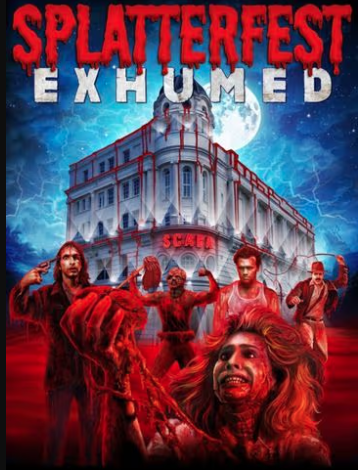
Splatterfest Exhumed (2024): This documentary covers Splatterfest ’90, the notorious all-night horror festival held at London’s legendary Scala Cinema. Directed by Jasper Sharp with David Gregory as supervising producer, this gets into how this well-remembered weekend was put together by a teenaged Justin Stanley and how it was amazing that it even happened at all.

Splatterfest ’90 was the UK premiere of several movies and the showing of several favorites, including Combat Shock, Evil Dead II, Brain Dead, Rabid Grannies, Within the Woods, Henry: Portrait of a Serial KillerDocument of the DeadThe Laughing Dead, The Toxic Avenger 2 and Bride of Re-animator; promo reels for Maniac 2, Horrorshow and Hardware; as well as the opportunity to meet horror icons like John McNaughton, Greg Nicotero, Brian Yuzna, Buddy Giovinazzo, Roy Frumkes and Scott Spiegel.

What emerges is a combination of people extolling the virtues of just how this event brought so many together with the challenges of running just such a massive undertaking. You also get to hear from those who were in the audience, such as Graham Humphries, Sean Hogan and Severin founder David Gregory.

My favorite parts in this concern how in the middle of the night, bootleggers suddenly arrived to sell tapes of banned video nasties and how The Comic was presented as the first film from a “new Hammer,” which stopped when the audience nearly rioted during the movie. It was so bad that the organizers didn’t show Cold Light of Day, another film by director Richard Driscoll.

This is perfect for lovers of horror, as well as movie history. I had a blast with it and am sad that I couldn’t have been in the audience.

Maniac 2: Mr. Robbie (1986): A proof of concept for a sequel to Maniac that never happened, this was directed by Buddy Giovinazzo (Combat Shock) and written by Joe Cirillo and its star Joe Spinell.

Shot in a bar that Spinell frequented and filled with his friends, this was a concept featuring Spinell as Mr. Robbie, a drunken kid show host who is dealing with letter after letter from abused children. The only way that he knows to deal with them is murder. What’s strange is that this is the same plot — and nearly the same name for its protagonist — as An Eye for an Eye/The Psychopath, a movie that finds Mr. Rabbey attacking parents who beat their children.

You only get a few minutes of what may have been, but when I see the craggy face of Joe Spinell, I feel like life could be OK. In some other world, I’ve bought this several times and just got the UHD release of it, having to explain to my wife why I keep buying the same film so many times.

I adore that Giovinazzo did a commentary for this, explaining how it happened and some of the sleazier things that he learned about the cast and where this was filmed.

Horrorshow (1990): Director and writer Paul Hart-Wilden wrote the script for the little-seen — and great — movie Skinner. He also wrote Living Doll, but Dick Randall gave it to George Dugdale and Peter Mackenzie Litten to direct.

It’s got a simple story — a man tries to stay in a room only to learn that it’s still possessed by a demon that has already killed one person — but it has plenty of gore to make it stand out. Its creator is obviously a big horror fan and his commentary on working on this is quite interesting. Hart-Wilden is still working, directing the TV series 31 Days of Halloween.

Cleveland Smith: Bounty Hunter (1982): Directed by Josh Becker, who wrote it with Scott Spiegel, this is a little-watched short that has many of the players of the Evil Dead series, including Bruce Campbell as the hero, Sam Raimi as a Nazi and Robert Tapert as a native.

As you can tell, Cleveland Smith is pretty much Indiana Jones, down to being chased by a bolder, but he also gets caught in quicksand and is nearly killed by a dinosaur. He has a whip, just like Dr. Jones, but he also has a ventriloquist dummy and a special pair of pants known as the Waders of the Lost Park.

This is totally politically incorrect and as dumb as it gets. I mean that in the best of ways.

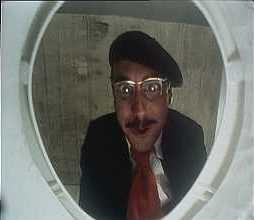
Mongolitos (1988): Director Stéphane Ambiel made this short that the Scala ad copy claimed “Taking ten minutes to do what John Waters achieved in ten years.” This is great for selling the movie, but it’s nowhere in Waters league. That said, it has something to offend everyone, including shooting up with toilet water, puking up a turd, pushing a transgender woman’s head into the bowl while taking her from behind while a nun teams up on her and then everyone eating feces with crackers. I can only imagine that some people will be horribly upset by this, but it’s made so goofily that you can’t help but laugh at it. Somewhere, staunchly British people are also upset that the French are doing a Monty Python sketch with poo eating.

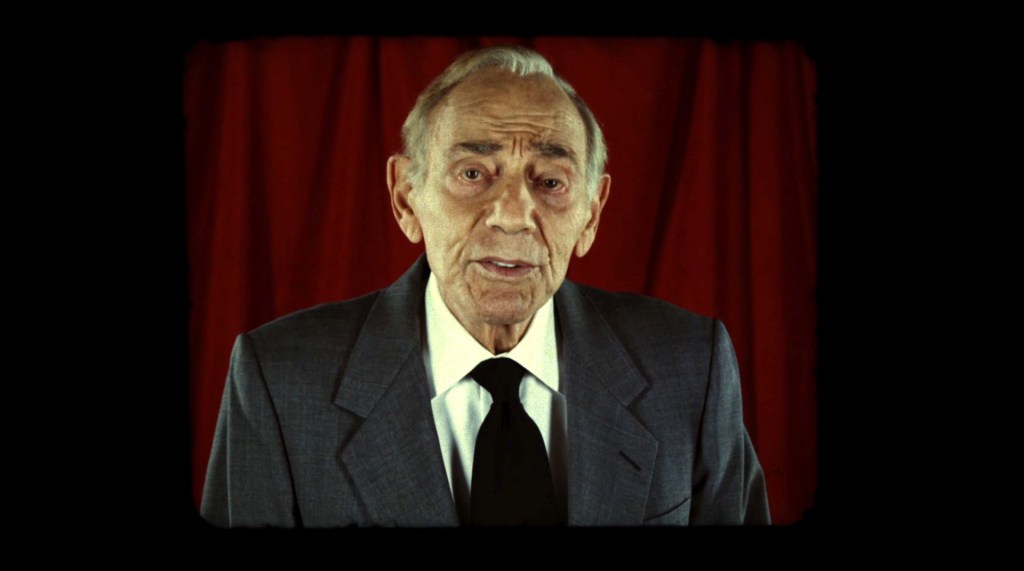
The Legendary H.G. Lewis Speaks! (1989): Herschell Gordon Lewis is at the center of the Venn diagram of my life, someone who was a leader in my two obsessions: movies and marketing. Just hearing his voice makes me feel good about things, like everything is going to work out alright. When you see his older face and his wry smile, you may almost forget that he once used animal guts dumped in Lysol over and over again in the Florida heat to upset almost everyone before anyone even considered what a gore movie was.

This was filmed on October 4, 1989, when Lewis spoke at the Scala before Gruesome Twosome and Something Weird. Before he went on stage, he asked to be paid in cash. At once a gentleman in a suit and a carny lunatic, at the dual poles of juxtaposition, only he could wax so enthusiastically about fried chicken and trying to figure out how to get Colonel Sanders into one of his movies.

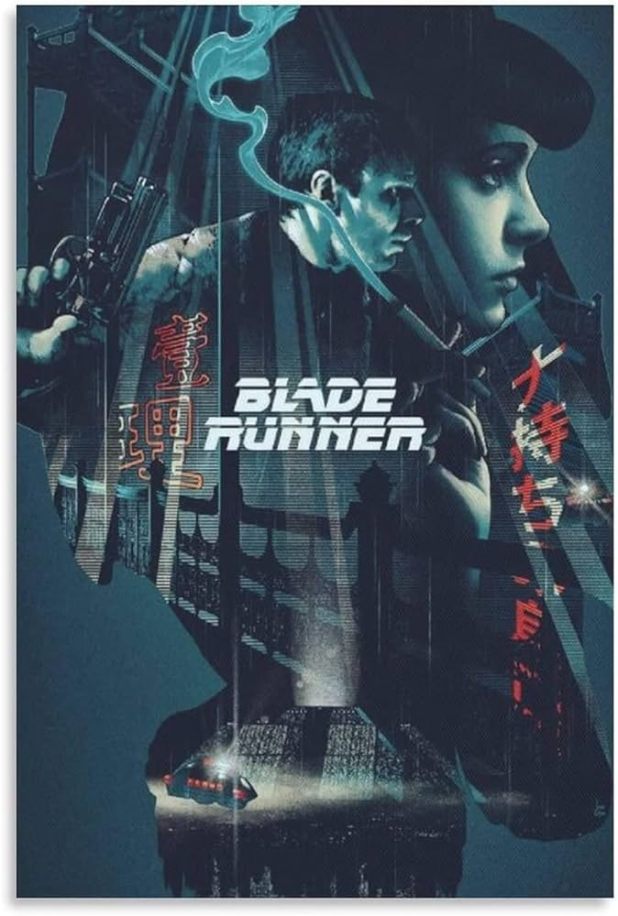
MOVIES THAT PLAYED SCALA: Blade Runner (1982)

Thanks to the British Film Institute, there’s a list of films that played Scala. To celebrate the release of Severin’s new documentary, I’ll share a few of these movies every day. You can see the whole list on Letterboxd.

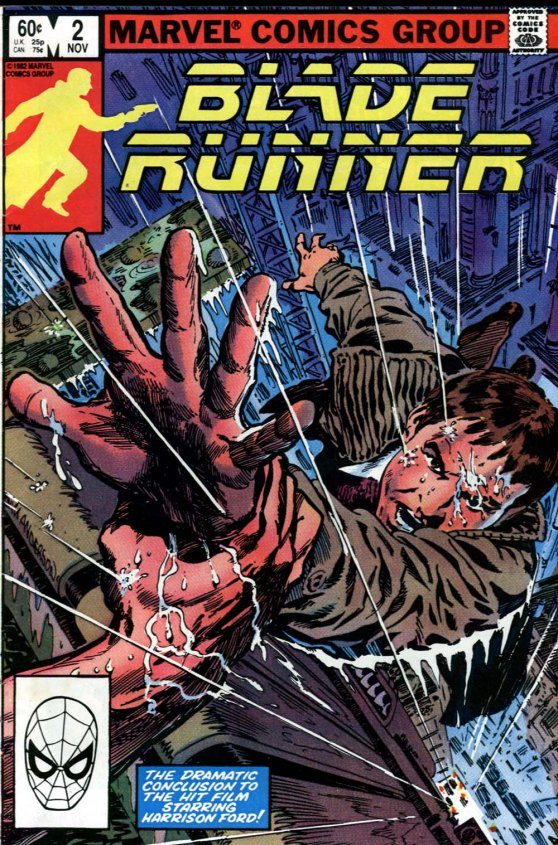
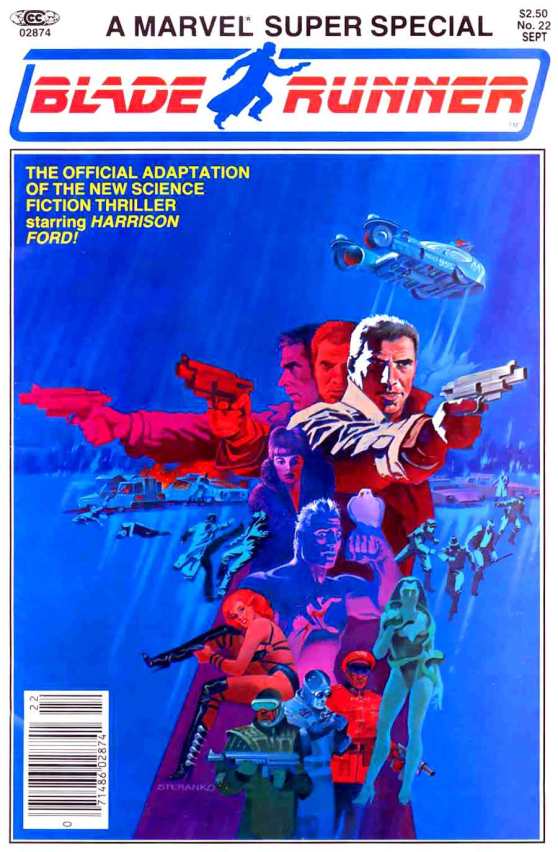
I was ten years old when Blade Runner came out and it played theaters so briefly in my small hometown that I never got the chance to see it. Also, ten year olds didn’t get to see R rated films in 1982. So my first experience was reading the Archie Goodwin/Al Williamson Marvel Comics adaptation, a book of which I literally read until the cover came off.

I must have read this issue a thousand times.

Steranko cover!

I also asked my uncle, a librarian, for a copy of Philip K. DIck’s Do Androids Dream of Electronic Sheep? Perhaps a ten-year-old was not yet ready for the complexity of Philip K. Dick, but he never dumbed it down for me.

The first time I finally saw Blade Runner on HBO it was after a year of reading about the film in Starlog, obsessing over the comic book and the source novel, so my experience was so alien to anyone else that saw it in theaters in 1982.

For a movie seen as a failure — it made $41.6 million on a $30 million budget, so I have no idea how that is failure — this is a movie that literally changed the world and has grown to become our world.

And yet, this is a movie that has seven different versions thanks to all of the changes from studio executives. Even the voiceover, which was added by them, has star Harrison Ford reading the words as if he has no interest, perhaps hoping if they were bad they’d never be used.

The blade runner is former police officer Rick Deckard (Ford), who is charged by Gaff (Edward James Olmos) and Bryant (M. Emmet Walsh) with doing what he does best: hunting down robotic humanoids and retiring them. Now, he must stop four Nexus-6 replicants: Leon  Kowalski (Brion James), Zhora Salome (Joanna Cassidy), Pris (Daryl Hannah) and Roy Batty (Rutger Hauer).

Yet within this film noir story set in a neon-filled future straight out of a Moebius drawing, the real tale is about whether Rick and his lover Rachael (Sean Young) are humans or machines themselves. In fact, of all the characters, Batty is the most human of them all, a character of both deep menace and surprising tender thoughts.

Blade Runner arises from pain. Ridley Scott had left Dune and lost his brother in short order and wanted something to take his mind off life. Dick had no idea it was even being made, but his initial distrust was saved somewhat when he saw the script revisions and special effects footage. Ford and Scott also fought throughout.

Neither can agree if Deckard is human or replicant, even if they’ve made up.

I think about Blade Runner a lot. I think about Pris flipping across the room, how her face paint looks, how deadly these killing machines are with such grace. I think of Rutger Hauer ad-libbing “All those moments will be lost in time…like tears in rain” and caressing the dove. I remember the spinner police car and Deckard’s car that I had as a kid and played with constantly. And I wonder, does Gaff leave the silver unicorn after not killing Rachael as him telling Deckard to pursue his dream or is Deckard’s dream of the unicorn just one programmed into him?

Most of all, I’m so thankful for this movie because without it, I may not be so fascinated by Philip K. Dick, a person who I quote or reference every day. My uncle knew what he was doing.

MOVIES THAT PLAYED SCALA: Alice (1988)

Thanks to the British Film Institute, there’s a list of films that played Scala. To celebrate the release of Severin’s new documentary, I’ll share a few of these movies every day. You can see the whole list on Letterboxd.

Directed and written by Jan Švankmajer, this dark take on Alice’s Adventures in Wonderland looks like nothing else. This was Švankmajer’s first full-length movie after twenty years of making shorts.

Instead of writing the entire plot out, let me explain as best as I can what I remember of this: the White Rabbit coming back to life, shaking off its taxidermy and being a real animal again, breaking through the glass of his case, leading Alice on a journey that takes her past doors and on elevators to another world. Alice drinks ink and becomes a doll, then emerges from that same doll as a human again. Alice’s tears being so plentiful that she fills a room with them and swims away. A mechanical tea party, a pig dressed in baby clothes and so many other images that it goes into overload.

You know that people got really stoned or dropped acid and watched this. I’d like you to know that this could be one of the most dangerous movies to watch on substances. This is pure movies drugs, a film ready to take you on a bad trip all on its own. 10/10, no notes.

MOVIES THAT PLAYED SCALA: Aguirre, the Wrath of God (1972)

Thanks to the British Film Institute, there’s a list of films that played Scala. To celebrate the release of Severin’s new documentary, I’ll share a few of these movies every day. You can see the whole list on Letterboxd.

This was written in two and a half days by Werner Herzog, who was inspired by a book his friend gave him and what he read about Lope de Aguirre. He was on a trip with a football team at the time and someone got so drunk on the bus that they puked all over the script.

Herzog knew who he wanted to be Aguirre: Klaus Kinski. Years ago, as a child, he met the actor when he rented a room in Herzog’s family apartment and proceeded to destroy it in three months, reducing a sink and toilet to dust. He sent the script to the actor and a few days later, at four in the morning, Kinski called him screaming.

Kinski wanted to play Aguirre as a madman. Herzog wanted him to be a quiet menace. So he would enrage Kinski before each shot and wait for the actor’s anger to work itself out and then yell for the camera to roll. This may have backfired, as Kinski was so upset at the noise extras were making while playing cards that he shot a man’s fingertip off, which was soon followed by Kinski trying to leave the set, only for Herzog to claim he would murder-suicide to stop that from happening.

Gonzalo Pizarro (Alejandro Repullés) sends Don Pedro de Ursúa (Roy Guerra), Don Lope de Aguirre (Kinski), nobleman Don Fernando de Guzmán (Peter Berling), Brother Gaspar de Carvajal (Del Negro), Ursúa’s mistress Doña Inés (Helena Rojo) and Aguirre’s teenage daughter Flores (Cecilia Rivera) along with forty slaves down the river to find El Dorado, the city of gold. Of course, things don’t work out that way, leaving us with Aguirre starting a mutiny that ends with him clutching a monkey and yelling, “Who else is with me?” but everyone is dead.

I wish someone had filmed the making of this movie, as Herzog chopped down a tree and was attacked by hundreds of fire ants, Kinski nearly killed an extra by hitting them in the head with a sword, Herzog filming with a camera that he stole from the Munich Film School, the monkeys biting Herzog fifty times and Kinski a few times as well and no regard for history, only the movie that Herzog wanted to make.

Look, we live in a world where there’s a Werner Herzog action figure. Also: Just seeing Kinski’s insane face, brooding on a raft that everyone was really in danger riding, all in the literal heart of darkness making a movie that Herzog almost lost the film for makes me realizing that magic can be real.

You can watch this on Tubi.

25 DAYS OF CHRISTMAS CHALLENGE: Body (2015)

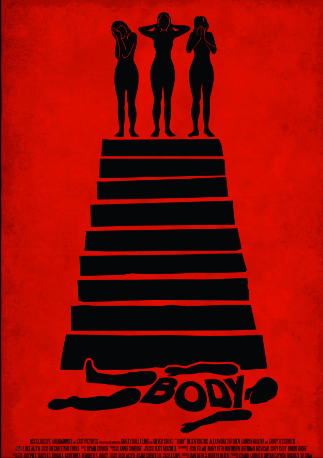
Directed and written by Dan Berk and Robert Olsen, this finds Holly (Helen Rogers), Cali (Alexandra Turshen) and Mel (Lauren Molina) — girls home from college for the holidays but also representations of Freud’s id, ego and superego — going to party at Cali’s uncle’s house.

It’s only after they’re there for some time that the girls realize that she lied and that she has no idea who owns the house. That’s when Arthur (Larry Fessenden), the groundskeeper, arrives and tries to kick them out. He falls down the stairs and appears to die, so the girls decide to tell the cops that he showed up and attacked Holly, but fell down the stairs. They make up evidence by Cali ripping out some of Holly’s hair and Holly scratching herself with the man’s fingernails. That’s when they find out that he’s not dead but paralyzed.

The girls also learn that Cali is probably mental, as she smothers Arthur with a pillow and tries to kill Holly, thereby eliminating the person that Arthur attacked and allowing her to get away with the crime. I won’t ruin the end of this, but this is certainly one brutal holiday film.

Berk and Olsen have since made another movie about a burglary gone wrong, Villains, and Significant Other.

You can watch this on Tubi.

MOVIES THAT PLAYED SCALA: Glen or Glenda (1953)

Thanks to the British Film Institute, there’s a list of films that played Scala. To celebrate the release of Severin’s new documentary, I’ll share a few of these movies every day. You can see the whole list on Letterboxd.

I despise the notion that Ed Wood was a horrible filmmaker. Sure, his movies aren’t technically proficient and are often pretty maudlin in moments, but he’s an actual auteur. For this movie, he didn’t just direct and write, he also starred as Daniel Davies. Who else could? After all, Wood convinced producer George Weiss that he was the perfect director for this movie as he was a real-life transvestite.

In this movie, Wood takes pains to emphasize that a male transvestite is not automatically a homosexual. He swore that he had never had a single homosexual relationship in his life and was considered a womanizer. He also was given to directing his adult work in full drag and claimed that his greatest fantasy was to come back as a gorgeous blonde. Yet he still would say that he was comforted by the feel of angora.

So while the Golden Turkey Awards may give Wood the title of Worst Director of All Time and Leonard Maltin may say that this is “possibly the worst movie ever made,” it has heart. An inept heart, but heart.

A transvestite who has been to prison four times for cross-dressing has killed themselves, saying “Let my body rest in death forever, in the things I cannot wear in life.”

This leads Dr. Alton (Wood player Timothy Farrell) to seek out Glen, another man who loves to dress as the other sex, often stealing the clothing of his fiancee Barbara (Dolores Fuller, Wood’s girlfriend at the time). Glen is struggling between being honest with Barbara before their wedding or telling her afterward. Through extended dream sequences, he finally comes to terms with who he is and his other side, revealing it to her. As she hands him an angora sweater, she accepts every side of him.

The doctor then learns of another person, Alan/Anne. Anne was born a boy, but her mother wanted a girl and raised her that way, which left her abused throughout school. Despite hiding her true self during the war, she has since had an operation to become “a lovely young lady.”

Let me tell you, this kind of movie is incendiary in 2022. This was made in 1953.

A movie with these words, which we should live by: “Give this man satin undies, a dress, a sweater and a skirt, or even the lounging outfit he has on, and he’s the happiest individual in the world. He can work better, think better, he can play better, and he can be more of a credit to his community and his government because he is happy.”

So yes, Ed Wood isn’t someone with a cinematic eye. But he put himself — all of himself — on the screen. That’s worthy of celebration.

The inclusion of Bela Lugosi is as well. That’s what takes this movie from message movie to true oddity, as Bela plays The Scientist, a character unconnected to any narrative that begins the film and is not even the narrator, much like how Encounter with the Unknown decides to have a second uncredited voice take the role because just having Rod Serling is not enough.

“Beware. Beware. Beware of the big, green dragon that sits on your doorstep. He eats little boys, puppy dog tails and big, fat snails. Beware. Take care. Beware.

Wood would bring back Glen/Glenda again in two of his novels. Killer in Drag has Glen/Glenda becoming a serial killer while Death of a Transvestite has Glen/Glenda being executed.

You can watch this on Tubi.

SEVERIN BLU RAY RELEASE: Scala!!! shorts disc one (1968. 1971, 1978, 1984, 1986, 1989, 1991)

On the bonus discs of Severin’s new Scala!!! Or, the Incredibly Strange Rise and Fall of the World’s Wildest Cinema and How It Influenced a Mixed-up Generation of Weirdos and Misfits release, you’ll find examples of several shorts that played at the theater. You can buy this from Severin.
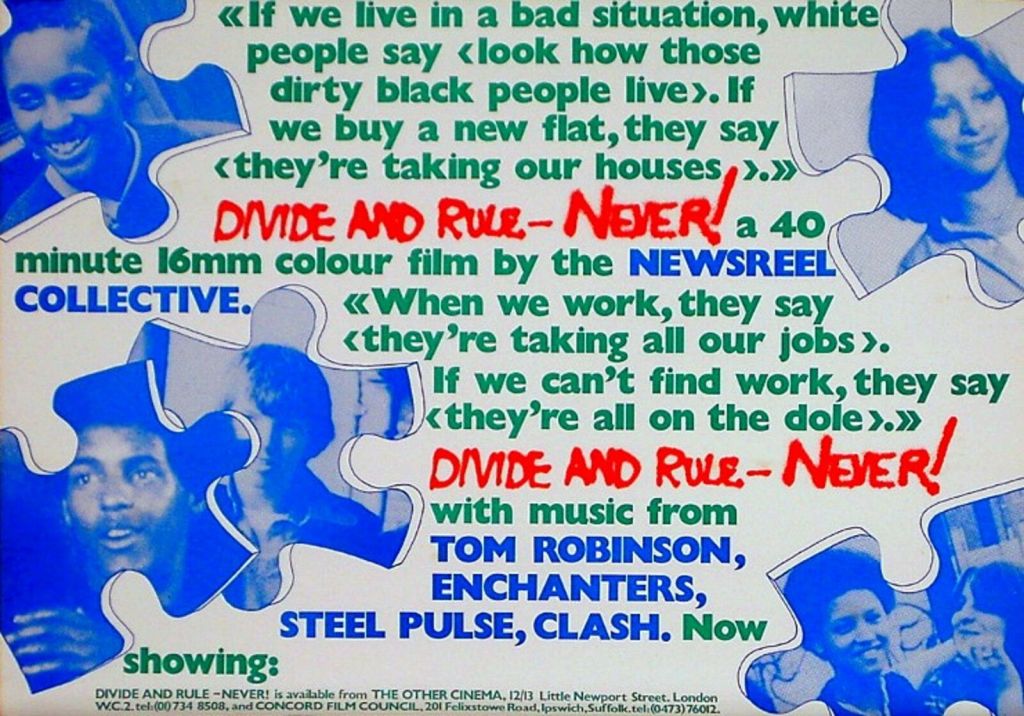
Divide and Rule – Never! (1978): Made for and by young people, this forty-minute or so film looks at race and how it is viewed in school, at work and by the law. There are also some historic sequences of British imperialism and a discussion of how Germany got to the point that it was pre-World War II, plus plenty of punk rock and reggae. This has many sides represented, from Black and Asian immigrants to ex-National Front members.

Divide and Rule — Never! was distributed by The Other Cinema, a non-profit-making, independent film distribution company in London.

Sadly, so much of this movie — made 45 years ago — are just as relevant today in America. This is movie that doesn’t shy away from incendiary material, but that’s what makes it so powerful. In addition to the interviews, it has some interesting animation and a soundtrack with Steel Pulse, TRB, X-Ray Specs and The Clash.
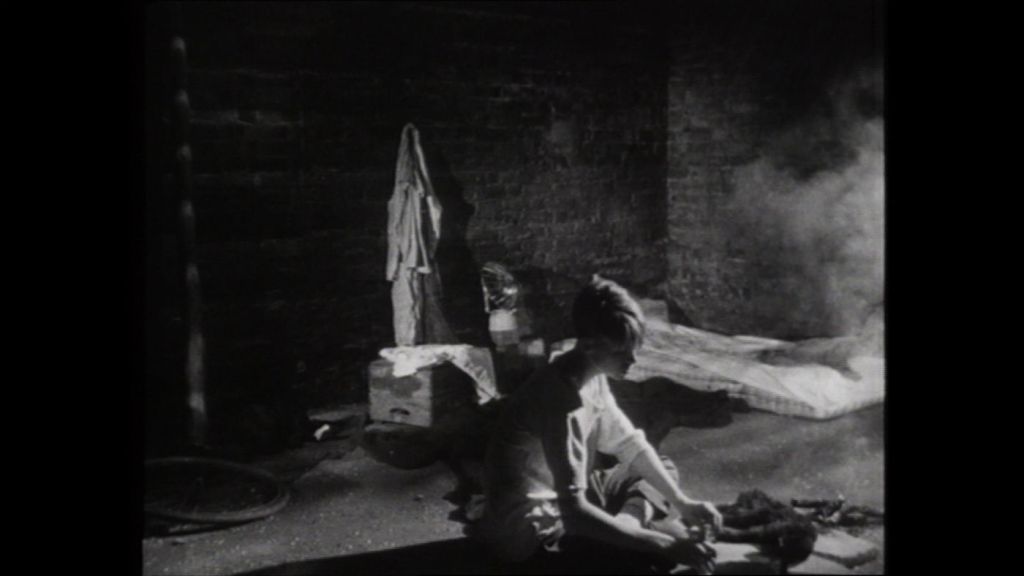
Dead Cat (1989): Directed and written by Davis Lewis, this has Genesis P-Orridge in the cast and a soundtrack by Psychic TV, which has been released as Kondole/Dead Cat.

A boy (Nick Patrick) has a cat that dies and his grief deposits him into a psychosexual nightmare, including a medicine man (Derek Jarman) and several unhoused people (P-Orridge, Andrew Tiernan).

This was shown at only a few theaters the year it was release — including Scala Cinema — before fading away and almost being lost before Lewis found it. In the program for this film, Scala said “The torture that occurs at the transition of sexuality.” If you liked videos for bands liek Skinny Puppy and Nine Inch Nails, this feels like the inspiration.
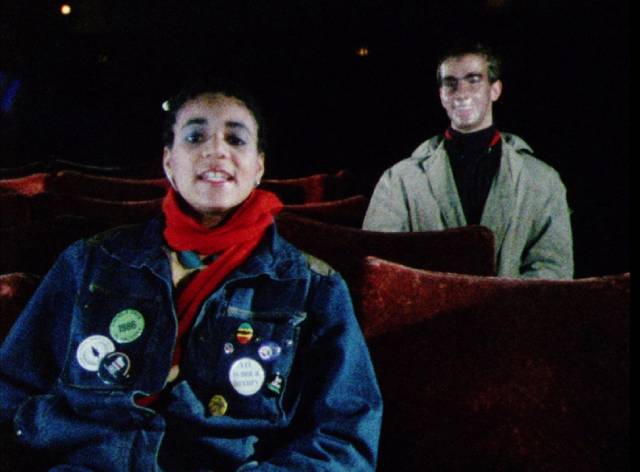
The Mark of Lilith (1986): Directed by Bruna Fionda, Polly Gladwin and Zachary Nataf as a project at The London College of Printing, this is all about Zena (Pamela Lofton), who is researching monstrous women. She meets Lillia (Susan Franklyn) a vampire, at a horror movie and the two start a relationship. 

Liliana, trapped with an abusive male partner by the name of Luke (Jeremy Peters) who is what vampires probably would be, scavengers who feed on the weak, dreams of movies in which she is the victim of just such a vampire. She’s often fed on human beings, but has been careful not to be caught or make a mess, unlike her partner. As for Zena, she’s been studying how female gods were once worshipped but now only appear in horror fiction as monstrous creatures.

So much of this movie is as right on now as when it was made, like the speech that Zena gives when Liliana tracks her down: “Have you noticed that horror can be the most progressive popular genre? It brings up everything that our society represses, how the oppressed are turned into a source of fear and anxiety. The horror genre dramatizes the repressed as “the other” in the figure of the monster and normal life is threatened by the monster, by the return of the repressed consciously perceived as ugly, terrible, obscene.”

Her argument is that we can subvert the very notions of horror, making the monsters into heroes that destroy the rules that hold us down.

However, this being a student film, it’s very overly earnest and instead of working these ideas into the narrative as subtext, they take over the entire movie. If you’re willing to overlook this, it’s a pretty fascinating effort.
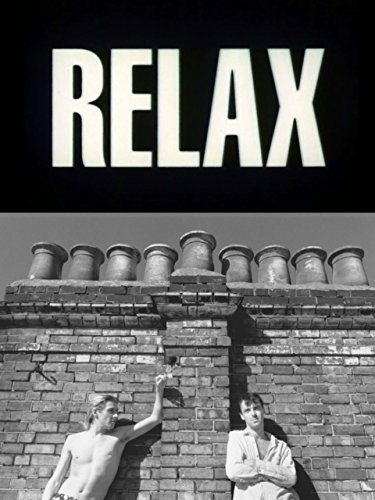
Relax (1991):  Steve (Philip Rosch) lives with his lover Ned (Grant Oatley), but as he starts to engage in a more domestic relationship, he starts to worry about all of the partners he’s had. After all, the AIDS crisis is happening and he’s never been tested. Ned tells him to relax, but there’s no way that he can.

The wait for the test is just five days but it may as well be forever. This also makes a tie between sex and death, as Steve strips for both Ned and his doctor. And in the middle of this endless period of limbo, he dreams of death and fights with Ned, who just smiles and keeps telling him to relax. But how could anyone during the time of AIDS?

I remember my first blood test and the doctor lecturing me after he gave it, telling me that I should have been a virgin until I married and whatever happened, I brought it on myself. The funny thing was, I had been a virgin, I thought I was getting married and I had no knowledge that my fiance was unfaithful to a level you only see in films. That night, my parents came to visit, leaving their small town to come to the big city and my mother asked, “What is that bandage on your arm?” I could have lied, but I told her it was for a blood test, and I dealt with yet someone else upset with me. My problems were miniscule in the face of the recriminations that gay people had to deal with, a time of Silence=Death, a place seemingly forgotten today other than by the ones who fought the war.

Directed and written by Chris Newby, this is a stark reminder of that time.

Boobs a Lot (1968): Directed by Aggy Read, this is quite simple: many shots of female breasts, all set to The Fugs’ song of the same name. Banned in Australia, this has around three thousand sets of mammaries all in three minutes, the male gaze presented over and over and, yes, over again until it goes past just being sophomoric and becomes mesmerizing in the way that breasts are when you’re starting puberty. I’m ascribing artistic meaning to this but really, at the end of the day, it’s just a lot of sweater meat. Fun bags. Cans, dirty pillows, babylons, what have you. My wife is always amazed at how many dumb names I can come up with for anatomy and I blame years of John Waters and reading Hustler as a kid and yeah, I’m not as proud of the latter than the former. That said, there are a lot of headlights in this one.

Kama Sutra Rides Again (1971): Stanley (Bob Godfrey, who also directed and write this) and Ethel are a married couple looking to keep their love life interesting, so they have been trying out new positions. Things start somewhat simple, but by the end, Ethel is being dropped through trap doors and out of an airplane onto her husband. A trapeze love making attempt ends in injury, leading Ethel to chase Stanley while all wrapped up.

Stanley Kubrick personally selected this film to play before A Clockwork Orange in theaters in the UK. I wonder if this played at Scala before the screening that shut down the theater. More than just a dirty cartoon, this was nominated for an Oscar. Despite being about lovemaking, it’s all rather innocent and remains funny years after it was made.
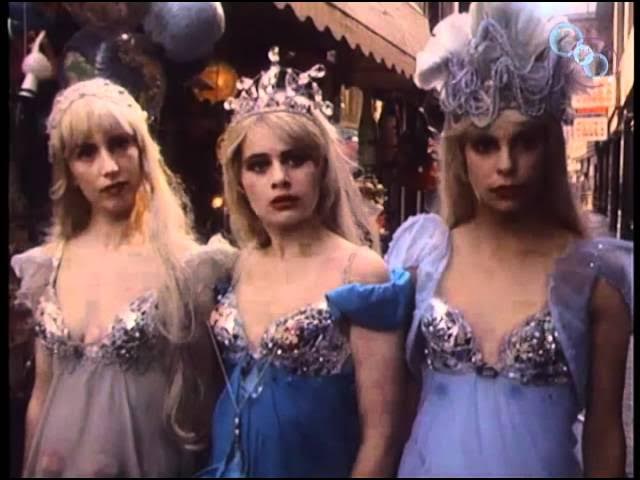
Coping With Cupid (1991): Directed and co-written by former Slits guitarist Viv Albertine, this finds three blonde alien women — played by Yolande Brener, Fiona Dennison and Melissa Milo — who have come to Earth to learn what love is, under the command of Captain Trulove (the voice of Lorelei King). They meet a man named Peter (Sean Pertwee), who hasn’t found anyone, as well as interview people on the street to try and learn exactly how one person can become enamored of another.

Richard Jobson from Skids and Don Letts from Big Audio Dynamite appear, as does feminist sexologist Shere Hite, at least on a TV set. I love that the three aliens are the ideal of male perfection yet they are lonely, trying to figure out what it takes to make the heart beat. It’s kind of like so many other films that I adore where space women try to understand men, a genre that really needs a better title. See Cat-Women of the Moon, Missile to the Moon, Queen of Outer Space, Fire Maidens from Outer SpaceAmazon Women On the Moon, Abbott and Costello Go to Mars, El Planeta De Las Mujeres Invasoras and Uçan Daireler Istanbulda.

On Guard (1984): Sydney: Four women — Diana (Jan Cornall), Amelia (Liddy Clark),  Adrienne (Kerry Dwyer) and Georgia (Mystery Carnage) — juggle their lives, careers and even families to destroy the research of the company Utero, who are creating new ways of reproductive engineering. Or, as the sales material says, “Not only are the protagonists politically active women, but the frank depiction of their sexual and emotional lives and the complexity of their domestic responsibilities add new dimensions to the thriller format. The film also raises as a central issue the ethical debate over biotechnology as a potential threat to women and their rights to self-determination.”

One of the women loses the diary that has all of the information on their mission, which leads to everyone getting tense over what they’re about to do. Directed by Susan Lambert, who wrote it with Sarah Gibson, this allows the women to be heroes and not someone to be saved. I like that the advertising promised that this was “A Girls’ Own Adventure” and a heist film, hiding the fact that it has plenty of big ideas inside it.

Today, in vitro fertilisation (IVF) is an accepted way of having children, yet here, it’s presented as something that will take away one of the primary roles of women. Juxtapose that with IVF being one of the women-centric voting topics of the last U.S. election.

MOVIES THAT PLAYED SCALA: Santa Sangre (1989)

Thanks to the British Film Institute, there’s a list of films that played Scala. To celebrate the release of Severin’s new documentary, I’ll share a few of these movies every day. You can see the whole list on Letterboxd.

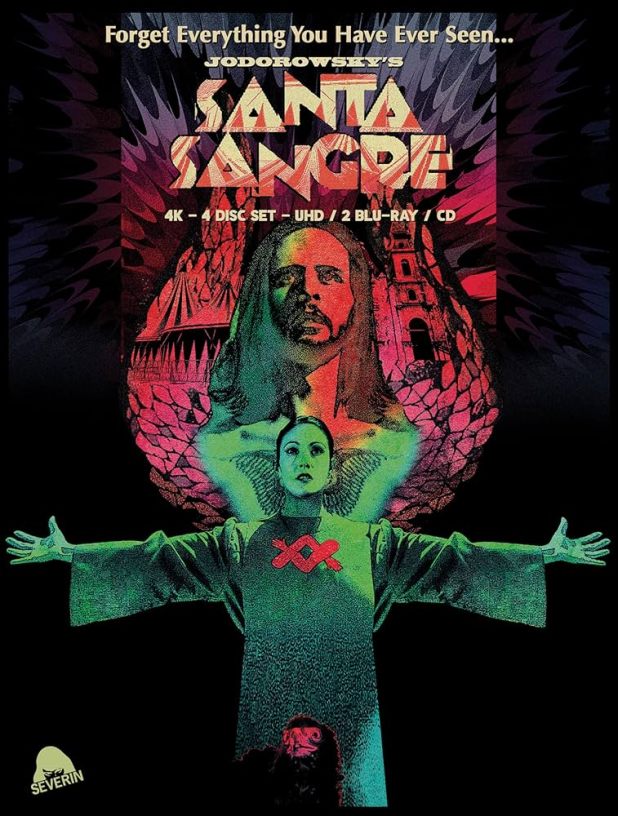
I first encountered Sante Sangre at Prime Time Video in Ellwood City, the video store of my childhood. For some reason, it was stocked in the horror section. I have no idea where I’d put the film myself, but it felt like horror was often the catchall for the films that were not understood. And, of course, as I grew up in a very small town between Pittsburgh and Youngstown, no one was going to rent anything out of a foreign section. As such, amongst the gorehounds of home, Sante Sangre was a film that was too odd, too strange and ultimately not violent enough to appease our needs. I’d never rented it and now, an old man who worships at the foot of The Holy Mountain, I find myself wishing that I could send a message back to my younger self and tell him to seek this film out.

Interestingly enough, this film was written by Roberto Leoni, who had worked in the library of a psychiatric hospital which inspired this film. Leoni also wrote My Dear KillerCasablanca Express and one of the oddest movies I’ve ever seen, Sergio Martino’s American Rickshaw.

He brought the script to Claudio Argento, who felt that Alejandro Jodorowsky was the only director who could make this movie. However, after Dune ended due to money issues and Tusk was considered a failure, Jodorowsky had disappeared. The director would only meet Leoni, telling him that the angel of stories had passed over Paris and taken this story to Italy, but it was meant for him to tell.

After all, Jodorowsky had had a chance meeting in the alley outside a bar with Gregorio Cardenas Hernandez, the famed Estrangulador de Tacuba who had emerged after nearly thirty years in prison able to play the piano, write poetry, practice law and with a wife and four children. He was pardoned of his crimes and led a normal, if famous, life until his death in 1999.

Fenix, played at different times by Jodorowsky’s sons Axel and Adan, has grown up in the circus, the child of Orgo the knife-thrower and Concha the trapeze artist. His mother is also the leader of a cult that worships a dead child who was raped and had her arms cut off by two brothers. As the Catholic church and the government destroy their place of worship, Orgo is making love to the tattooed woman who he performs alongside. Concha catches him, but is hypnotized and raped as well.

As if that isn’t bad enough, the beloved elephant dies despite Fenix’s prayers. He watches as scavengers tear it apart in the city dump and all his father can do is carve up his chest with a tattoo to try to stop his tears and make him a man.

That night, Concha finally rises up against Orgo, burning his privates with acid. He retaliates by cutting off her arms before slicing his own throat, unable to live without his sexual member. The tattooed woman takes the mute Alma — who Fenix already loves — and runs off into the bloody night.

We move back to the present, where the film began with Fenix in a mental institution. A chance outing reveals to him that the tattooed woman is still alive and trying to introduce Alma to a life of selling her body. That night, a strange woman kills the older inked female, but we can’t see who it is.

We soon learn that Concha is forcing Fenix to be her arms — not just in their knife throwing act, which forces him to become a strange substitute for his father — but in a series of murders. Alma tries to get Fenix to leave this all behind, but his mother demands that he kills the only woman he has ever loved. He responds by stabbing her, yet she does not die.

That’s when we learn the truth. Concha has been dead since the night Orgo took her arms all those years ago and an armless mannequin has been the one that our hero — such as it is — has been listening to. Along with the help of more imaginary friends, Fenix destroys the past and surrenders to the police, amazed that he has regained control of his arms once again.

As the elephant dies in this film, inspiration was born. In Eddie Murphy’s song “Whazupwitu,” everything begins with the words of the clown: “The elephant is dying.” This is not the last time Murphy would mention the director’s work, as he often brought him up while he did press for Dolemite Is My Name.

I am also amused that beyond Argento’s brother producing this — and by osmosis some of the murder scenes feeling as if they are inspired by Dario — Rene Cardona Jr. (yes, the director of Tintorera) was also a producer.

Even after several watches of this film, I am still astounded by its rich palette of colors, the way it synthesizes references from Universal’s Invisible Man to the lucha movies of Mexico’s past and how the hero is the villain while also being pure of heart, despite the many murders he has committed.

Perhaps in my teenage years, I was not yet ready for the psychomagic cocktail that a teacher like Jodorowsky was shaking up with this film. Yet today, I can definitely tell you that it has my highest recommendation. Please watch it. I’d love to discuss it with you.

You can watch this on Tubi.