Another round of shorts? Let’s watch them.
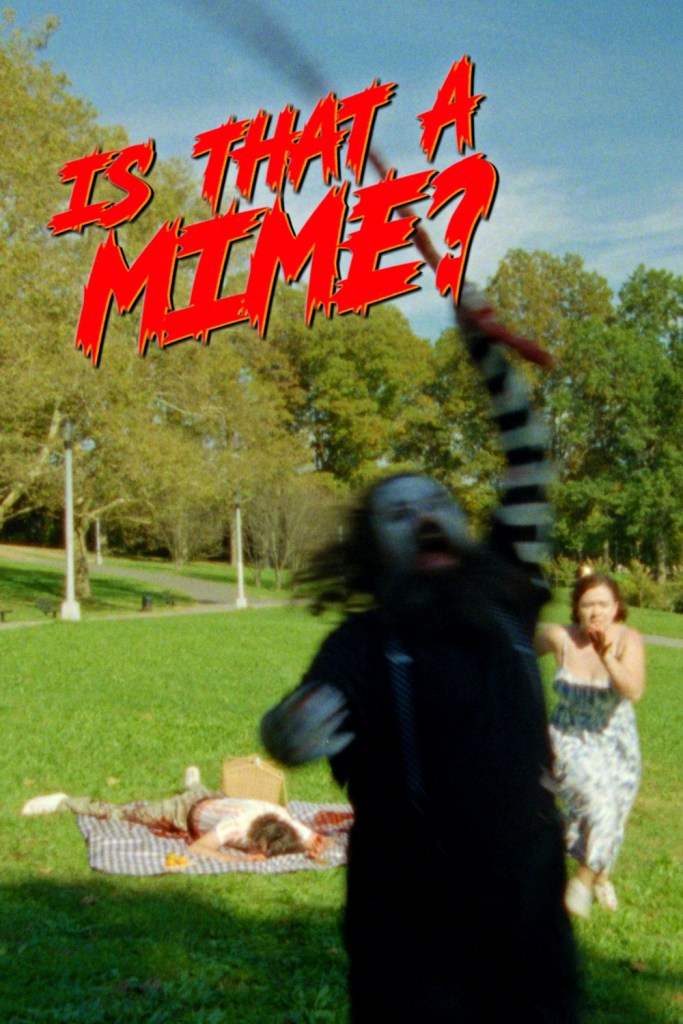
Is That a Mime (2024): First off, yes, that is a mime. Second, if you encounter a mime in the park and it appears to be a killing machine, the chances are very good that, indeed, that mime is a killing machine. Directed and written by Phil Cheney, this film stars Lucy Gamades and Michael Spencer as the couple who encounter the mime, played by Conor Sullivan, who the credits claim will return soon. Look, if I see that guy, I’m going to just be cool and avoid him, OK? Mimes are straight up terrifying, more like Pinhead, and being forced to hang out with Kirk Cameron for an entire afternoon, locked in a car with the windows up and no air conditioning.
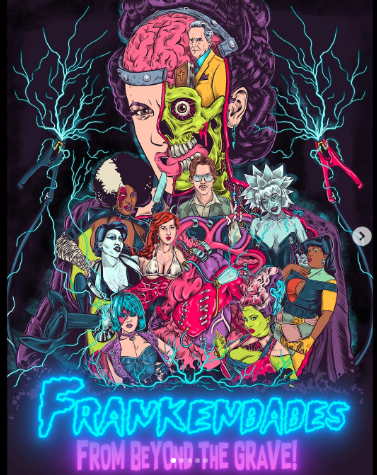
Frankenbabes From Beyond The Grave! (2025): Directed and written by Andrew Bowser (Onyx the Fortuitous and the Talisman of Souls), this film features Dr. Channard (Dana Ashbrook) and Father Timothy Vanes (Jimmi Simpson) grabbing the bodies of dead dancers out of the wreckage of a traffic accident involving a traveling burlesque show on the way back from the Leather Dommy Mommy Con. As you can imagine, the ladies get the upper hand instead of being subservient slaces. The Frankenbabes are played by adult star Penny Barber, who is Brain; AVN Cosplayer of the Year Bunni Black (Stripe); Melissa Drew and Hex Hypoxia (Twisted Sister); Stephanie Michelle (Stitches); adult actress Little Puck (Jumper); Cheyenne Wise (Patches) and Savannah Solo (Bob). Think Frankenhooker but with more ladies, more neon and almost more gore. Perfect.
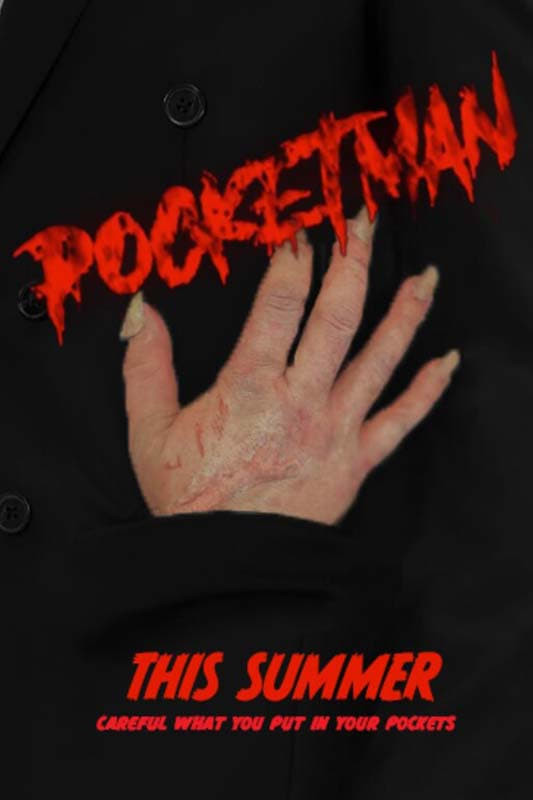
Pocketman (2023): In director Ericka Clevenger and writer Alex Miller’s super short — one minute! — film, a wedding is terrorized by a supernatural being who can steal things from pockets. While men mostly are the ones set to pay — cargo shorts, you know? — women do love having comfy pants. When the wedding ring. However, if the item gets stolen from a pocket, the monster must pay. A fun and sweet idea done well!
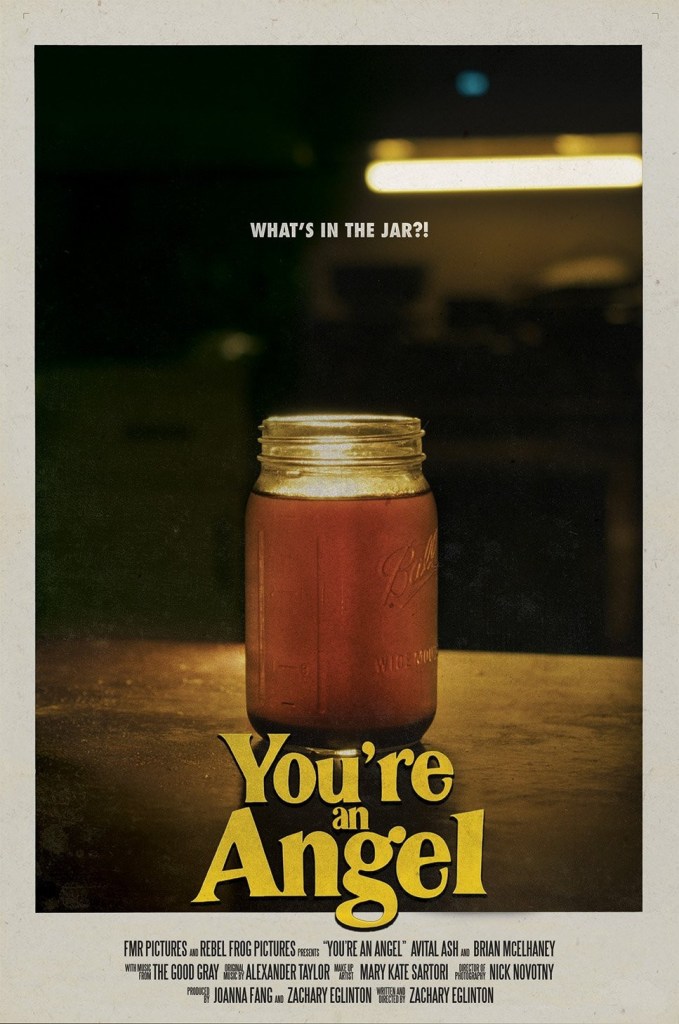
You’re an Angel (2024): The most terrifying aspect of this short is that it is based on a true story. Directed and written by Zachary Eglinton, this film begins with a couple (Avital Ash and Brian McElhaney) making out in the back of a taxi, regardless of what the driver (Zachary Eglinton) says, even when his story becomes heartbreaking. Even the strange appearance of an onion in the bedroom can’t break the mood but when it’s all over, you may wonder: why are there so many jars of piss? Really. Why? I never thought I would see this or write that, but there you go. Thanks Zachary!
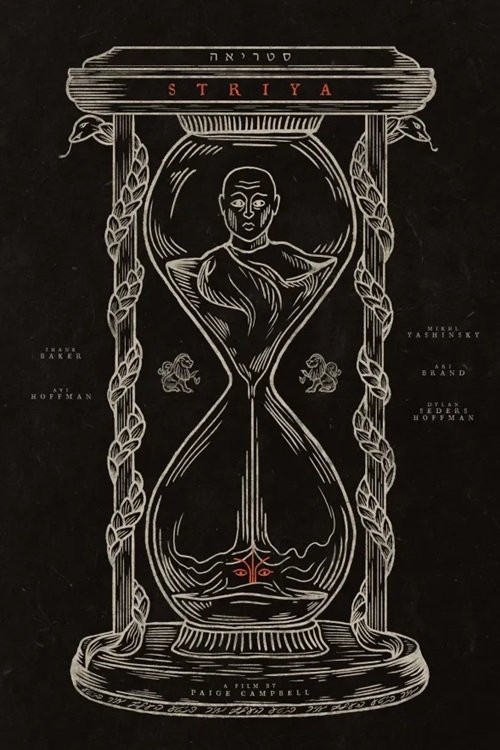
Striya (2024): Directed and written by Paige Campbell, this is a Jewish folk horror story shot entirely in Yiddish. In the distant past, a town wanted to put a teenage girl named Gele to death and wouldn’t change their mind, even when her father begged for her life. However, when she escapes and makes her way to the home of her rabbi, we learn why the town was so concerned. There hasn’t been much folk horror outside of the tales of the Golem associated with this religion, and I’d love to see more.

Vote for Wyem (2025): Now this is a creative short. Director and writer Benjamin Percy has created what appears to be a political attack ad that soon turns into a horrific dread. Perfectly filmed, edited and voiced, this is such a quick hit that I watched it more than once. What a blast!
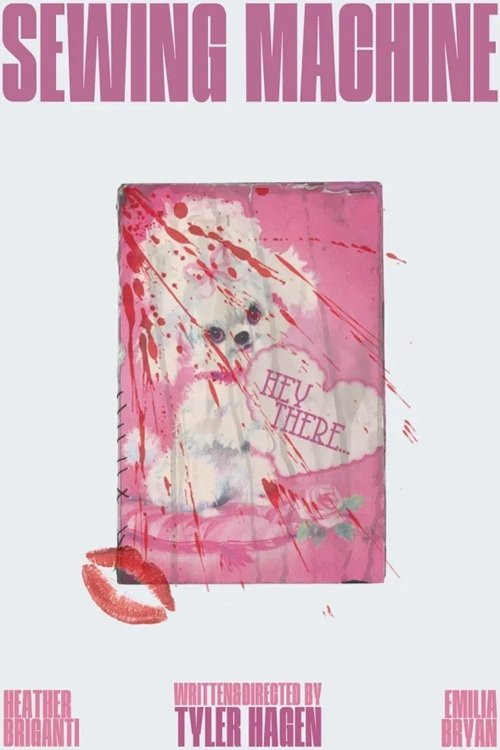
Sewing Machine (2025): Directed and written by Tyler Hagen, this short finds Heather being gifted a mysterious sewing machine, one that will undoubtedly help her finish her latest collection of clothes, but you know, this is a horror short, so that machine will force her to tear her body to pieces. Don’t take free sewing machines left on your doorstep. Add that to the advice I have given you. Great poster too!
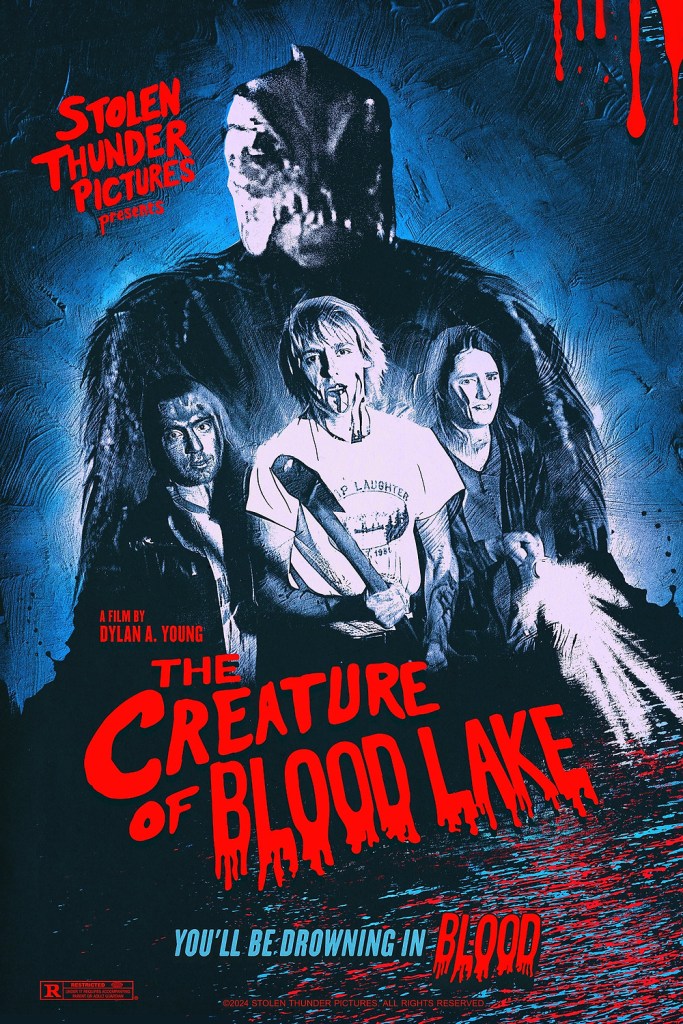
The Creature of Blood Lake (2024): Directed and written by Dylan A. Young, this film has three minutes to sell you on an 80s SOV throwback about friends who go to Blood Lake to find out why so many people have died. This does not seem like a good idea on their part. They find that it isn’t a human killer out there, but if the title of this movie is to be believed, a creature. I absolutely adored how this looked and would love for it to become more than just this trailer. My love for shot-on-video is next to my love of staying up all night and writing about movies.
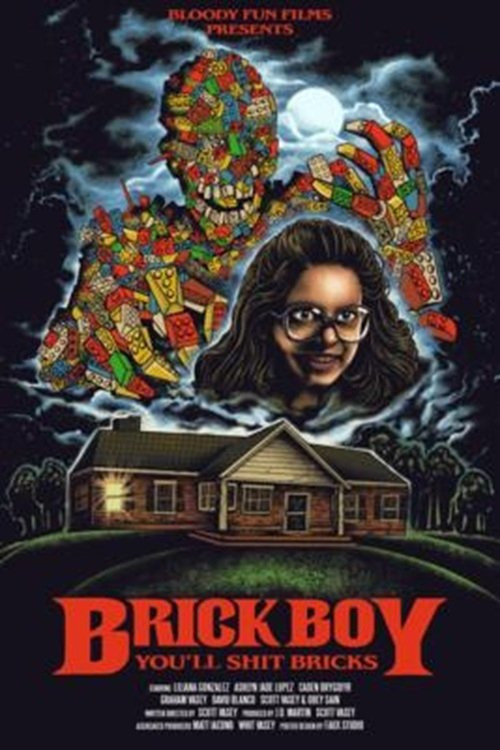
Brick Boy (2025): Directed by Scott Vasey, who co-wrote the script with Caleb Yeaton, this film tells the story of a young girl being bullied at school. It’s actually pretty intense and reminds me of just how happy I am to be old and never have to go back to being in class again. But ah, how does this get the tagline “You’ll shit bricks?” Because when she goes home, she turns her Legos into a building brick golem and gets her revenge, which is pretty creative, both for her and the filmmakers.
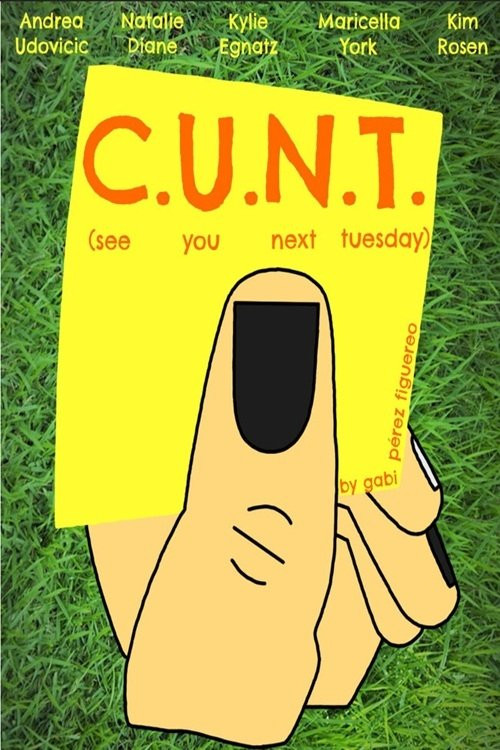
C.U.N.T. (See You Next Tuesday) (2025): Two mothers take their daughters to the park on a Tuesday for a monkey bar competition, but man, this ends up being a swearing contest. Points to director and writer Gabriela Perez Figuereo for going all out to offend anyone who doesn’t like dirty words.
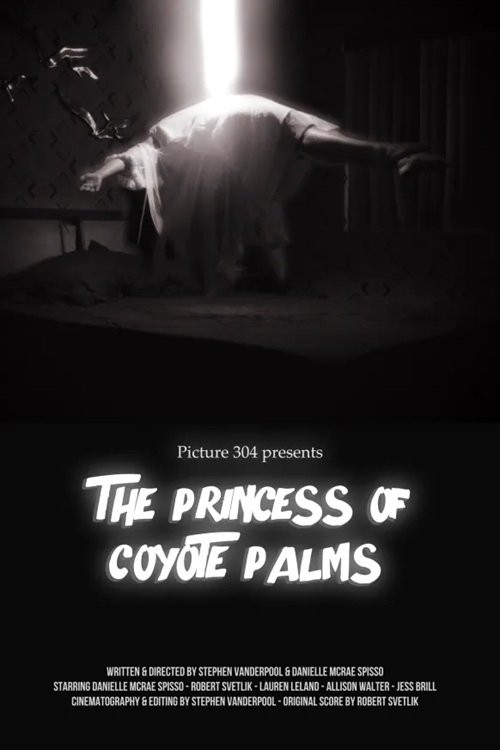
The Princess of Coyote Palms (2025): “In 1964, a woman desperate to join her friends in the ranks of motherhood prays for a miracle under the critical gaze of a sardonic narrator in the sleepy desert town of Coyote Palms.” With a sell line like that, you just have to watch this. How delightful is it that this film by Stephen Vanderpool and Danielle McRae Spisso pays such tribute to the Twilight Zone while being very much its own thing? I had a blast with this one.
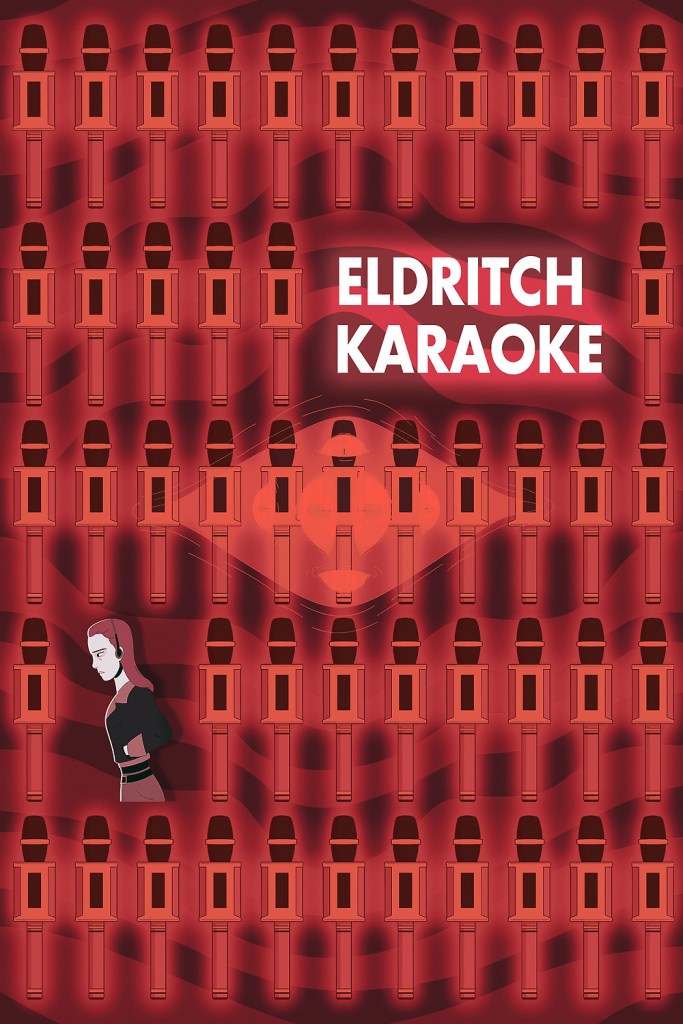
Eldritch Karaoke (2025): Directed and written by Joe Loftus, this animated short follows a girl (Feena Glynn) as she embarks on a journey to escape her past. But then, she’s hit by a car and descends into a chaotic musical afterlife along with two crows (Andrew Dickson and Liam O’Brien). While death isn’t the end, I don’t think anyone expects it to be like this, a world of song beyond the veil. I guess you really do join the choir invisible.
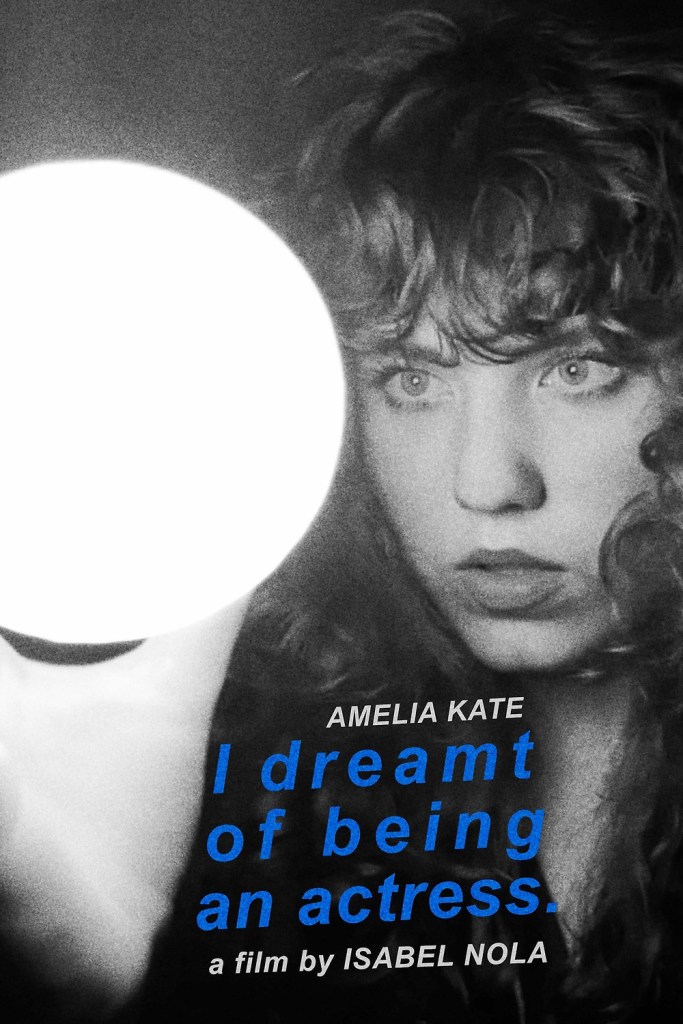
I Dreamt of Being an Actress (2023): I love this quote from this film’s director and writer, Isabel Nora, on Letterboxd: “Two years ago, I challenged myself to make a piece with my sister in one room, with no dialogue and no budget.
This film is, and was intended to be, a feeling—made for those who are continuing to navigate a dream that is so vast and intimate, you are lost within and without it; that no matter how hard you try, you can’t separate or remove yourself from the dream. It’s love, obsession, longing, pain, hope, and it’s you.”
This movie was gorgeous. I’m so glad that I watched it.
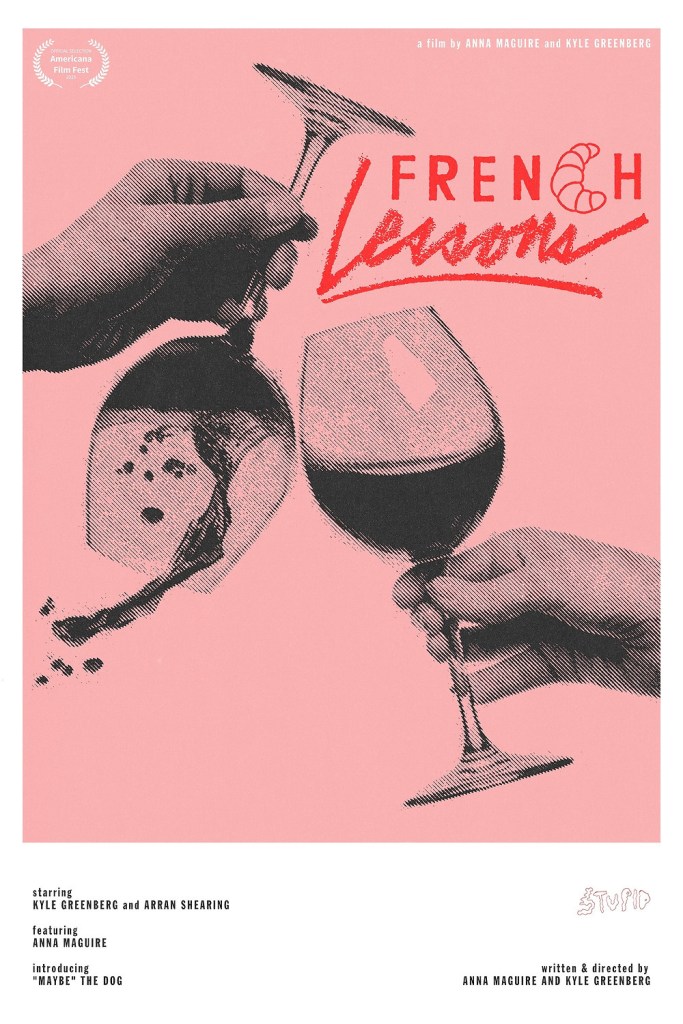
French Lessons (2025): Directed and written by Kyle Garrett Greenberg and Anna Maguire, this movie has “film executive Kyle and filmmaker Arran rendez-vous for a tête à tête in this crème de la crème of Cinéma Verité.” They also made the movie Hi! You Are Currently Being Recorded. This feels like it would pair very nicely with that film.
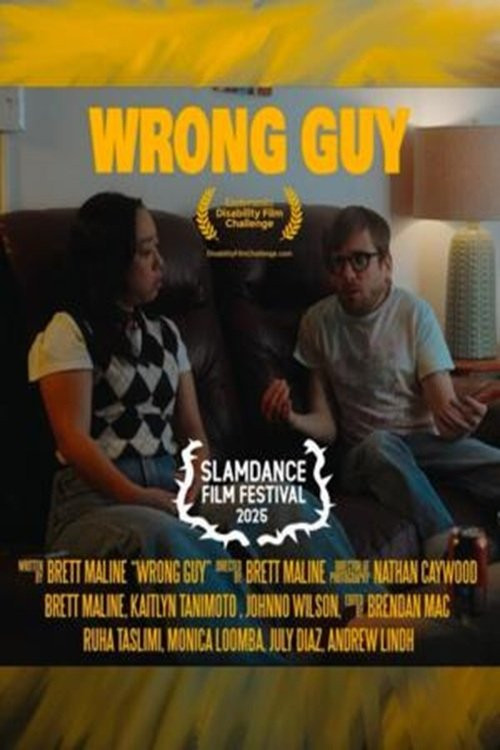
Wrong Guy (2025): Vince is a disabled guy, and for some reason, everyone confuses him with other disabled people they know. Someone thinks that he’s Ian Michael Smith from Simon Birch, which ends up getting him a free vacation with his friend Rosie. Directed by Brett Maline, who also stars in it, this was a charming film.
Skeeter (2024): Chris McInroy gets me every time. Actually, he’s made me physically sick a few of those times, no complaints. That’s because his movies are always fun, like this one, where someone has been raised by mosquitoes. If you’ve seen his films Guts, We Joined a Cult and We Forgot About the Zombies, you know what you’re in for here. Thank you again, Chris, for shocking me and reminding me to never eat popcorn—or any food—during your movies.
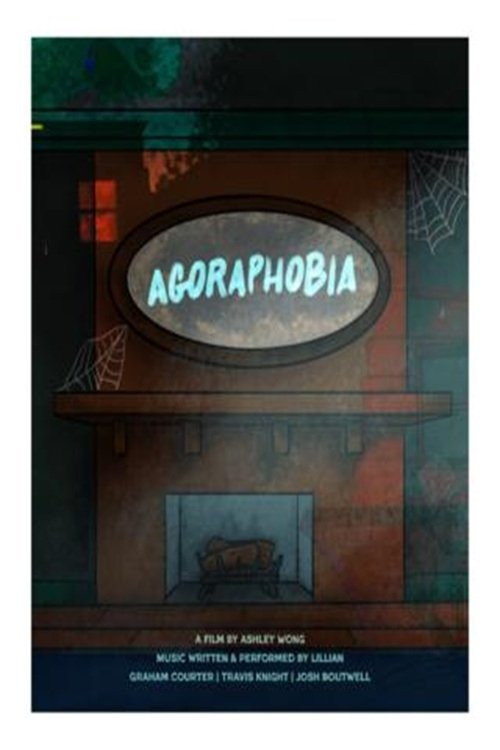
Agoraphobia (2025): Directed by Ashley Wong, this is a music video for the band Lillian. I’m always intrigued by how art reflects agoraphobia, as my grandmother had it and didn’t leave the house for several decades. Later, through therapy and prescriptions, she was finally free and could go places. Thanks for making this!
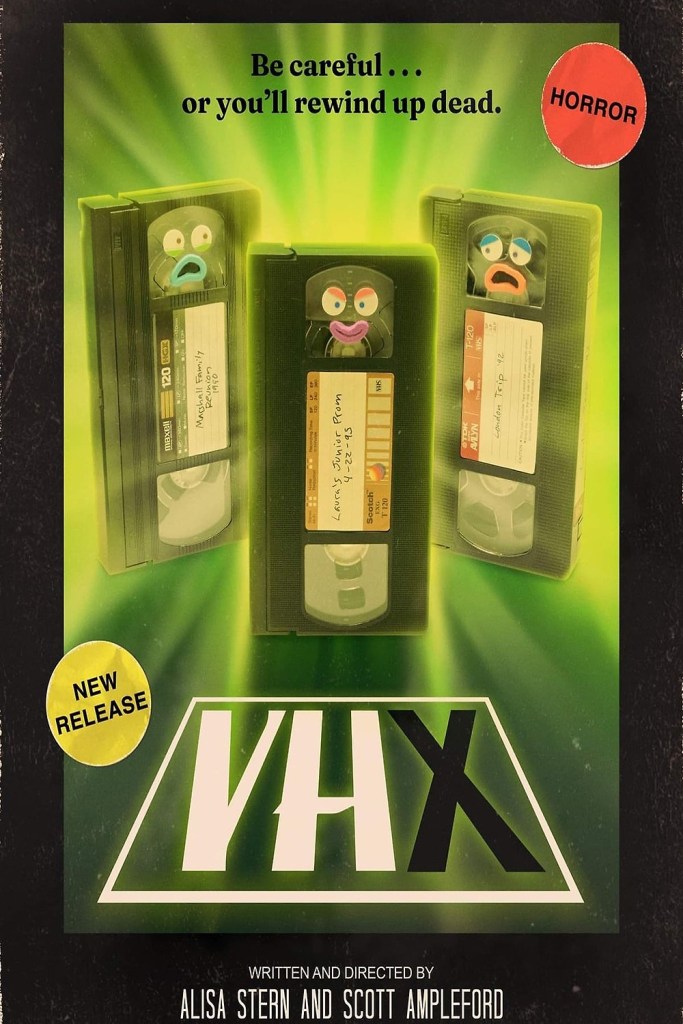
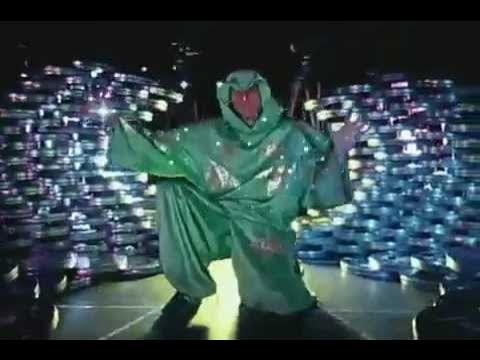
VHX (2024): Directed and written by Scott Ampleford and Alisa Stern, this film features a collection of VHS tapes gathering dust on a shelf, wondering why some are picked over others, only for one of them to come back as a zombie. This made me miss the times when all I had were tapes with handwritten labels, bootlegs of movies that were nowhere near 4K, fuzzy blasts of weirdness, mix tapes, utter strangeness that could fall apart at any moment because VHS was so fragile. I loved this!
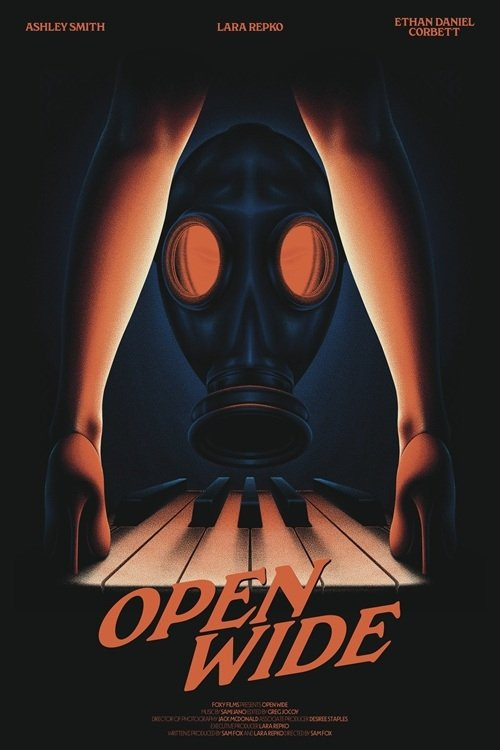
Open Wide (2025): Phoebe is a Catholic girl who wants to be bad. Ron and Vera are a swinging couple. A dating app has brought them together for a night of drinking, music and probably some awkward MFF action. Things seem to be going well, with them both treating her like an object of lust — exactly what she wanted — until the 8-year-old son of the couple arrives and demands to be fed. And grandma also shows up. Directed by Sam Fox, this totally should be a full-length movie. It was just getting going when things had to move quickly to the conclusion.
You can watch this and many other films at CFF by buying a pass on their website. Over the next few days, I’ll be posting reviews and articles and updating my Letterboxd list of watched films.

 B&S About Movies
You must be logged in to post a comment.