Chattanooga Film Festival 2026: W.T.F. (WATCH THESE FILMS)

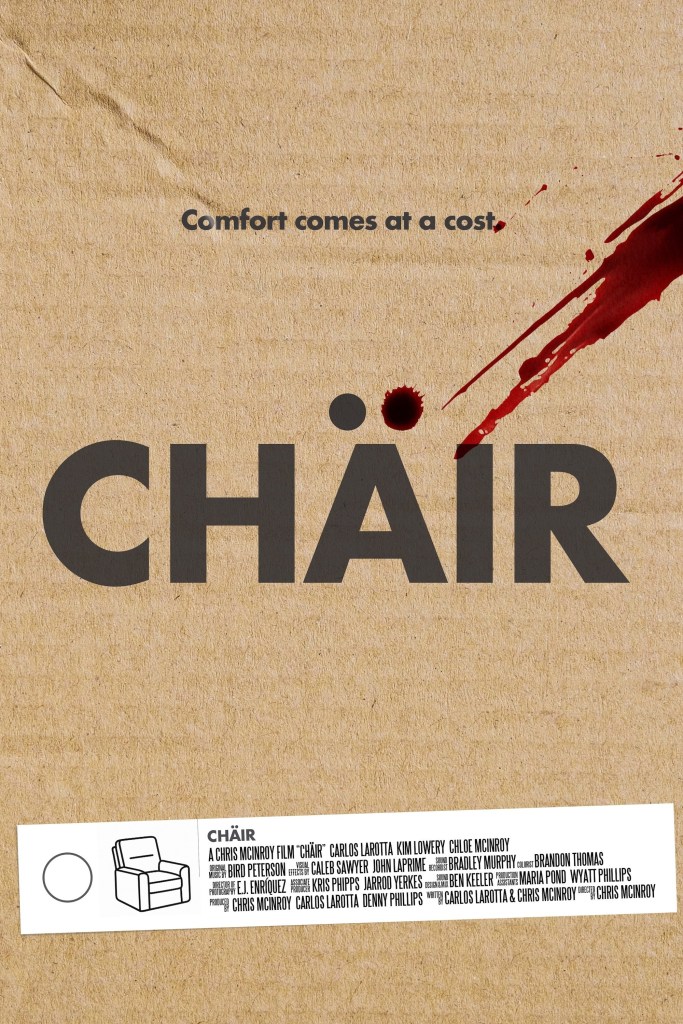
CHÄIR (2025): Directed by Chris McInroy, just from the title, you know that you’re in the world of IKEA. Carl is an exhausted, everyday guy just looking for a little bit of comfort. He finds it—or thinks he does—in a seemingly innocent high-end chair that appears out of nowhere. However, this isn’t your standard piece of ergonomic office furniture. The moment Carl plants himself, the chair stakes its claim, locking him into a visceral, inescapable embrace. What follows is a battle for survival as the furniture begins to assert dominance in the most violent ways possible. Sometimes, the whole world is against you. Even the chairs.

Beware C*ckblocking Ghosts (2026): Our protagonist is a teen just trying to navigate the social minefield of getting a date for homecoming. She finally lands one, but there’s a massive, ectoplasmic fly in the ointment. Her best friend, who happens to be deceased, has taken up permanent residence in her home. The problem? The ghost is absolutely obsessed with keeping the romance from ever getting off the ground. What begins as supernatural pranks, like flickering lights and slamming doors, quickly escalates into a full-blown, murderously jealous vendetta. Director Alys Murray has really come up with a fun idea here that could be a full-length movie all on its own.
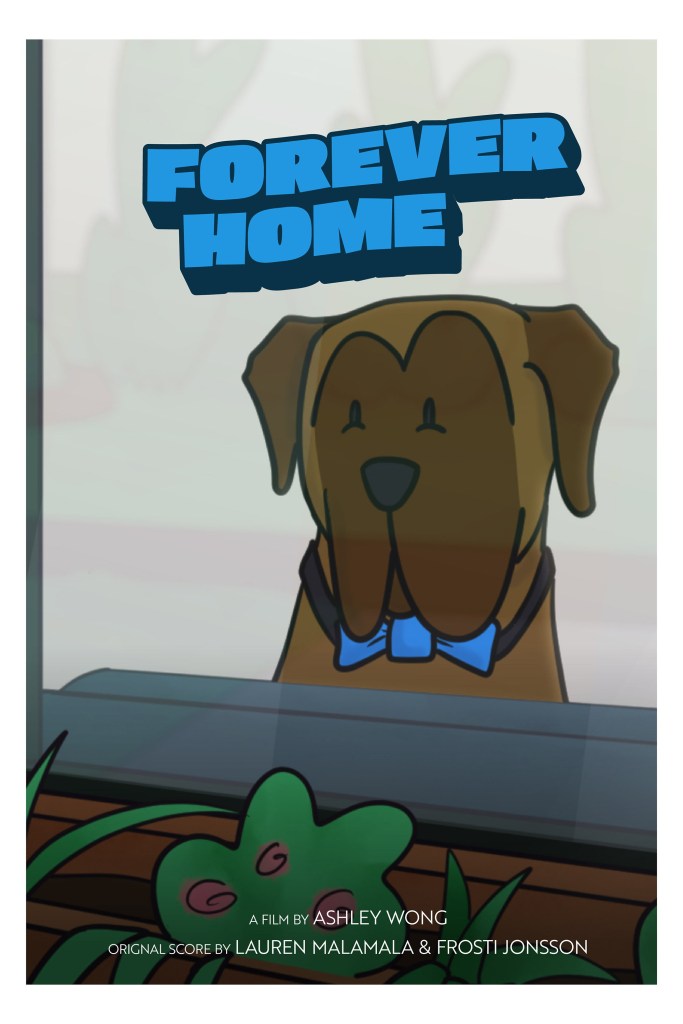
Forever Home (2026): Ashley Wong, you made me cry like a baby. Benson, the three-legged mastiff, spends his days content to watch the world pass by until one day a mysterious dog shows up at his doorstep, followed by many more. Watching those dogs hang out made me so happy, but then they all crossed the rainbow bridge, one by one, leaving behind urns. I have similar ones in my movie room down here. I miss every animal I’ve ever had the privilege to love, and every day, I try to forget how sad it makes me that I don’t have them around. So yes, this is a beautiful, well-made animated film, but also one that I’m getting wet eyes even thinking about.
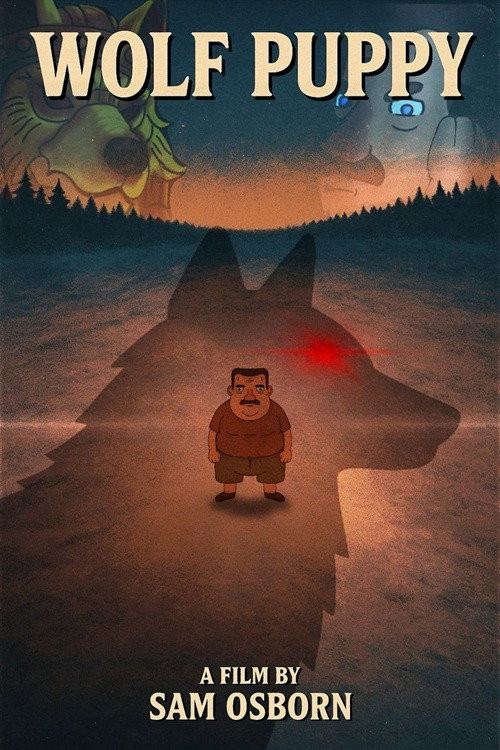
Wolf Puppy (2026): Directed by Sam Osborn, this short’s protagonist desperately wants to be the biggest dog in the yard. He’s a lonely soul, projecting a tough guy persona to the world while hiding a fragile interior. But the universe has a funny way of stripping the paint off your car, you know? As he starts experiencing hallucinatory visions, he has to learn to navigate the gap between the monster he pretends to be and the man he actually could be.
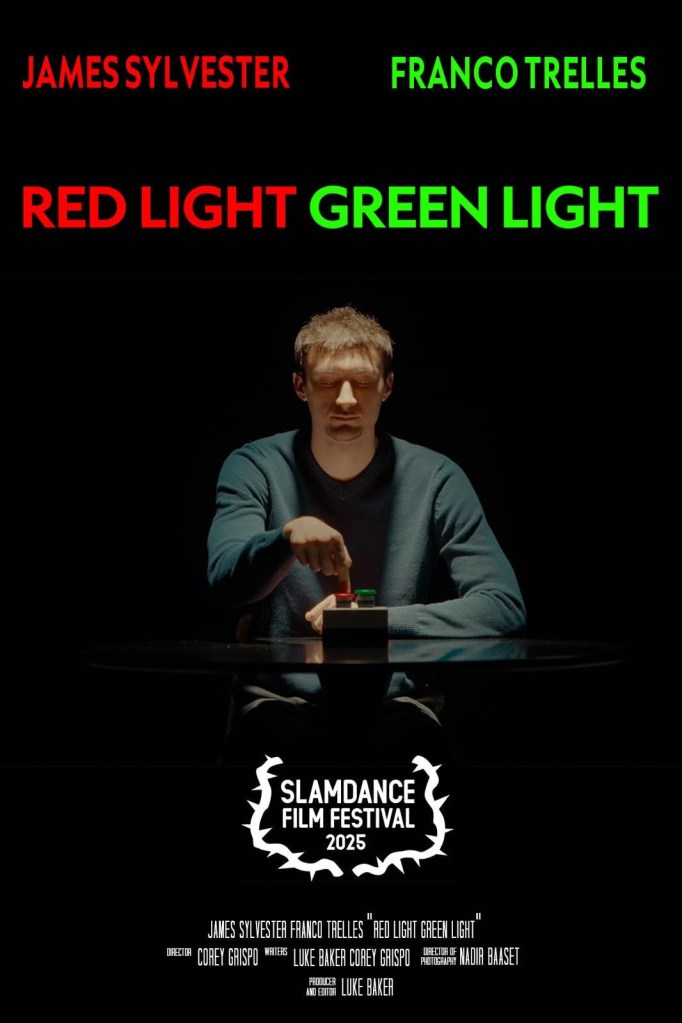
Red Light Green Light (2025): Directed by Corey Grispo, this asks us to follow a mysterious figure consumed by a singular, obsessive compulsion as he repeatedly slams his fingers down on one red and one green button. The camera doesn’t offer us the comfort of context; it just focuses on the tactile, rhythmic violence of the button pushing being done in rapid, chaotic succession. Soon, we learn why people swear in traffic.
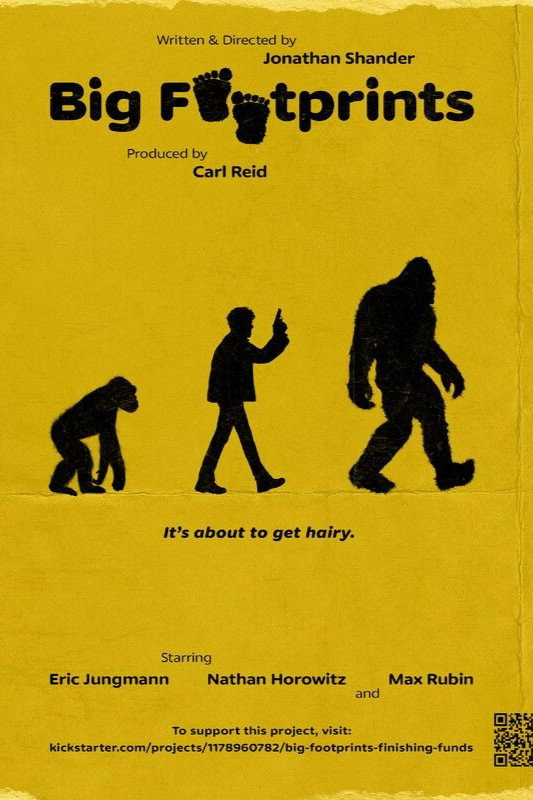
Big Footprints (2025): Jonathan Maxwell Shander’s Big Footprints follows a dedicated squatcher who is dead set on proving the existence of the legendary beast. When the woods start getting a little too big for one man to navigate, he’s forced to recruit the last person on earth he wants to be stuck in the wilderness with: his half-brother. What follows is a comedic, character-driven trek through the undergrowth where the hunt for the elusive cryptid takes a backseat to years of family baggage. Shander uses the mockumentary style to great effect. By leaning into the behind-the-scenes nature of the hunt, he allows for those awkward, improvised-feeling moments that really sell the humor. The film doesn’t try to be The Blair Witch Project. It’s more interested in the comedy of errors that happens when two guys who don’t like each other try to track a legend.
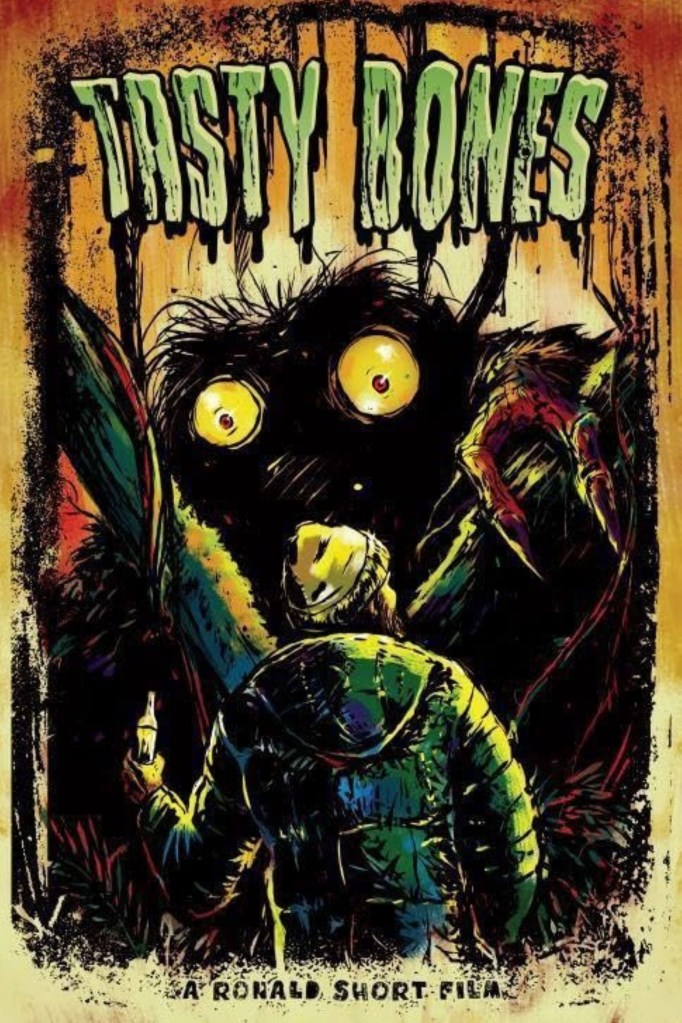
Tasty Bones (2026): We’re deep in the woods at a late-night campfire, the kind of setting that immediately signals you’re in trouble. Our protagonist has clearly had one too many and stumbles away from the safety of the firelight to relieve himself at the edge of the tree line. In a moment of drunken boredom, he starts whistling. It’s a mindless act, a way to fill the silence. Then, from the impenetrable black of the woods, a sound ripples back: a whistle, identical to his own, but with a cadence that is just… off. Director Ronald Short wastes no time turning this simple, unsettling interaction into a nightmare.
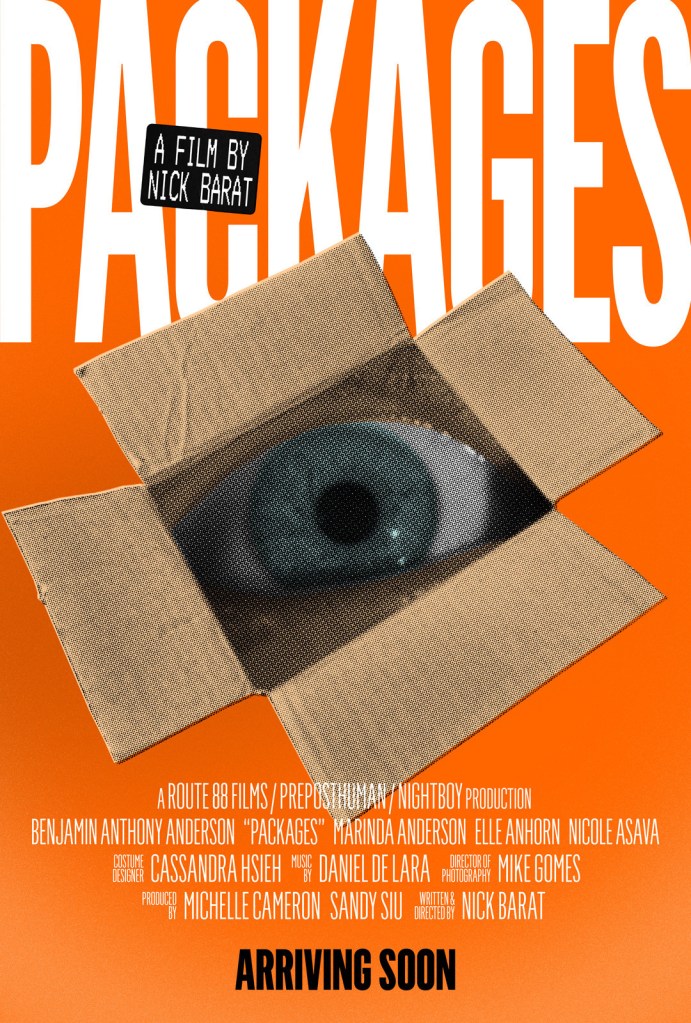
Packages (2026): Directed by Nick Barat, this short asks us to imagine a city where the service economy has reached its absolute, logical conclusion. Here, anything and everything you desire can be dropped at your doorstep in an instant. Isn’t that already happening? No matter. Our protagonist, a man just trying to navigate this delivery-obsessed urban sprawl, finds out the hard way that when you order anything, you’re bound to get something you didn’t ask for. Director and writer Nick Barat frames this as  Franz Kafka for the Amazon Prime generation, where the packages aren’t just material goods. They’re manifestations of the protagonist’s own fractured reality. Barat comes from a creative background spanning two decades as a DJ, producer, and the editorial mind behind The FADER magazine. 
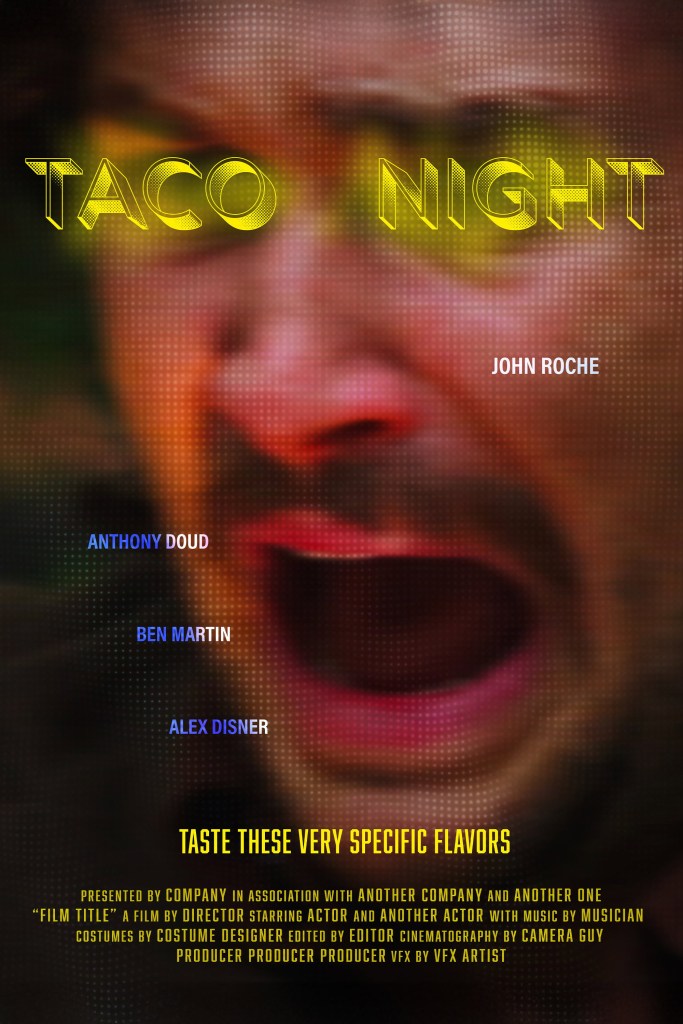
Taco Night (2026): If you think you’ve seen every variation on existential dread, John Roche III is here to remind you that the most profound life crises often happen over the most mundane meals. The premise is deceptively simple. A man sits down for a taco night, and the sheer weight of his own existence decides to crash the party. As he stares into the abyss of his dinner, his mind begins to unravel, and he starts to ponder the great beyond. Maybe he should have gotten a burrito instead.
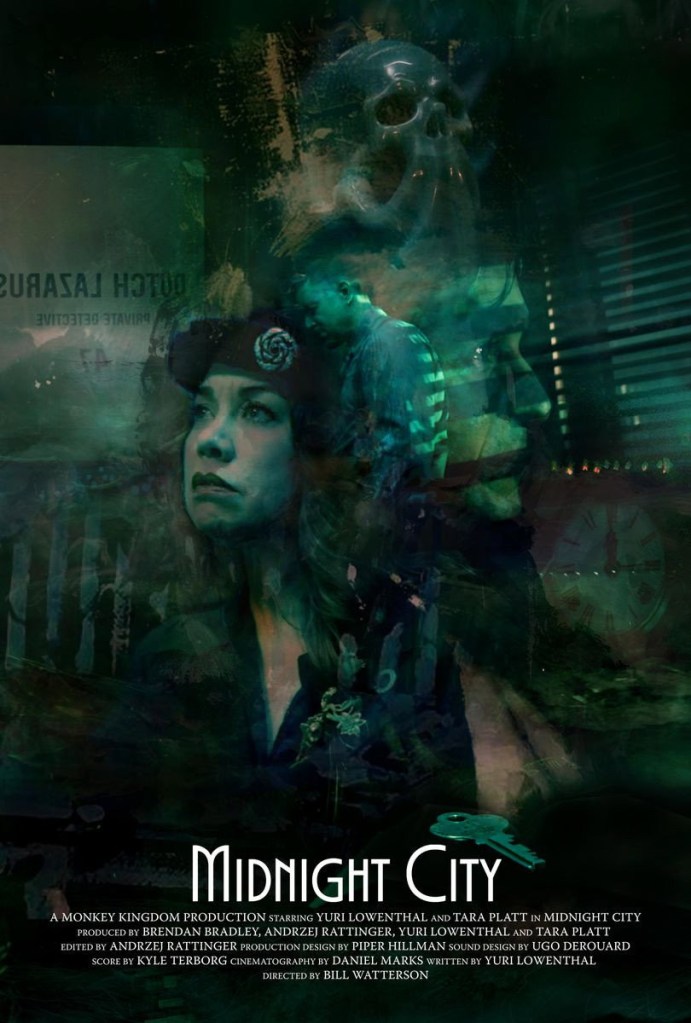
Midnight City (2026): Bill Watterson, the director of Dave Made a Maze, is back and he’s decided to pull us deep into the grimy, smoke-choked streets of Midnight City. If you’ve been craving a detective flick that feels like it got its pages mixed up with the Elder Gods, this is for you. Dutch Lazarus (Yuri Lowenthal, who wrote the script) isn’t your typical sleuth. He’s the guy you call when the case involves something that doesn’t quite fit into the local precinct’s ledger. He a specialist in the kind of cases that usually end with a body and a pile of unanswerable questions. But the status quo takes a nose-dive when Sadie (Tara Platt) walks into his office. She’s as cryptic as she is compelling. She doesn’t just hire him; she plays him, stymieing his usual investigative rhythm at every turn. I want an entire movie of this supernatural noir.
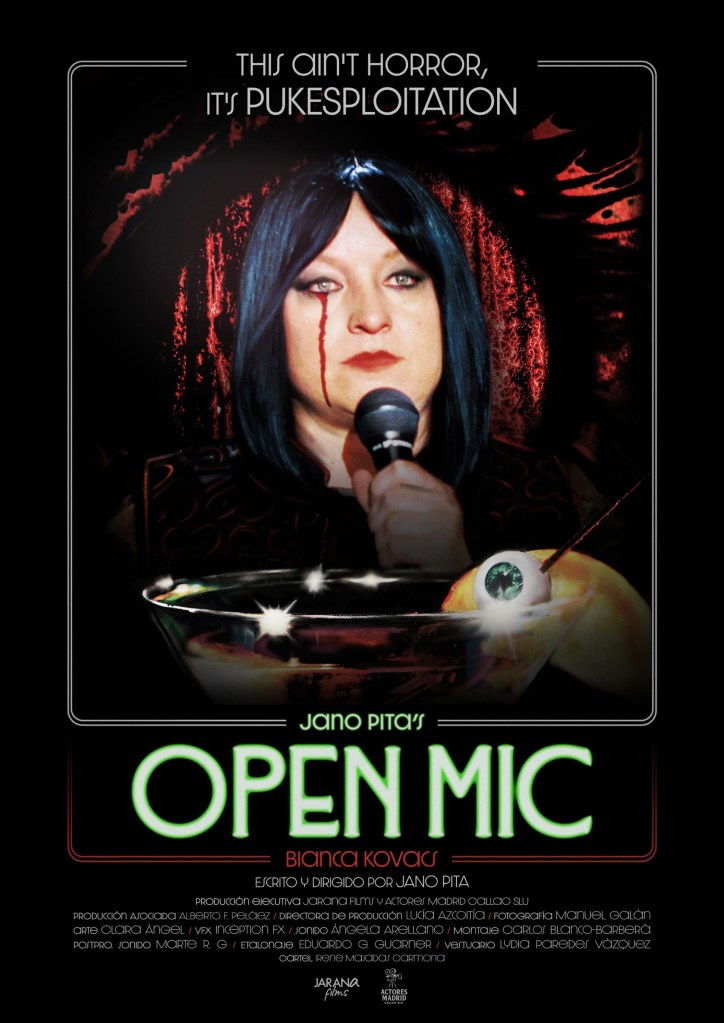
Open Mic (2025): A bomb set is said to be the worst thing that can happen to a stand-up comedian. But Jano Pita’s Open Mic takes that professional death sentence and pushes it into the red, turning a standard stage-fright nightmare into body horror. Our lead is a stand-up comedienne who has bet everything on a make-or-break set at a local open mic. The room is dead, the air is thick with indifference, and the audience is actively hostile. As the heckles start and her jokes don’t land, she hits a psychological breaking point. But instead of just walking off stage, her biology decides to take over. Her body begins a horrific, involuntary transformation, contorting and tearing itself apart in a way that turns her failed set into the most gruesome, visceral performance art the audience has ever seen. Fulci would love one of these punchlines.
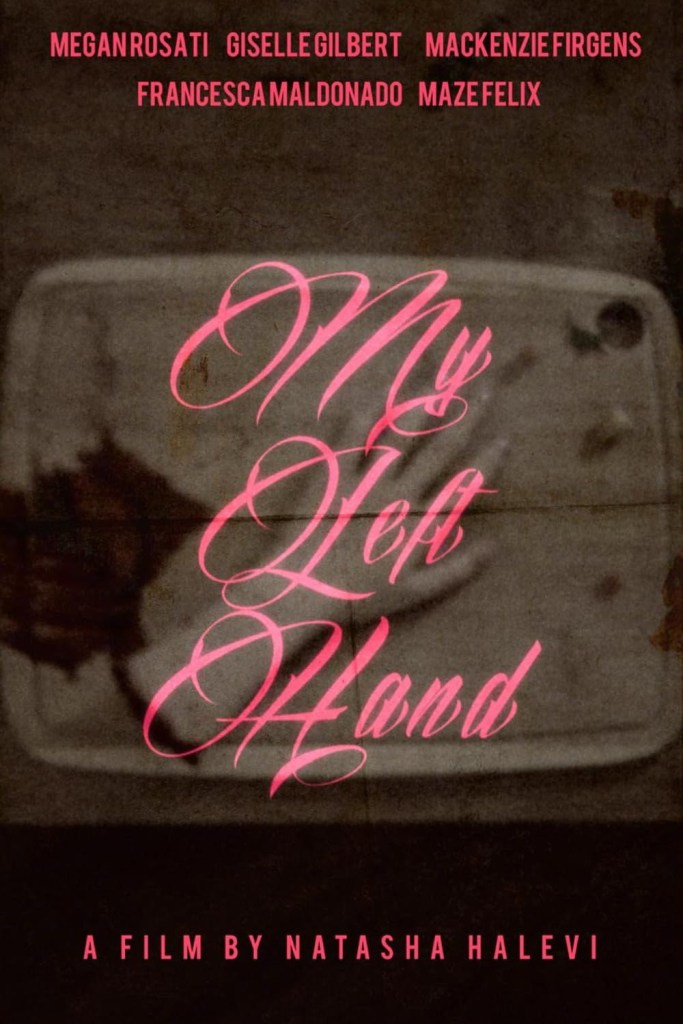
My Left Hand is a Part of Me (2026): Directed by Natasha Halevi, this film invites viewers into a tense story where the heroine’s hand seems to develop a mind of its own. What starts as a minor spasm quickly escalates into a gripping struggle for control, creating a sense of suspense that keeps the audience on edge. As the limb asserts its own agency, the psychological spiral deepens, leaving viewers eager to see how it unfolds. Good thing she has a cutting board.
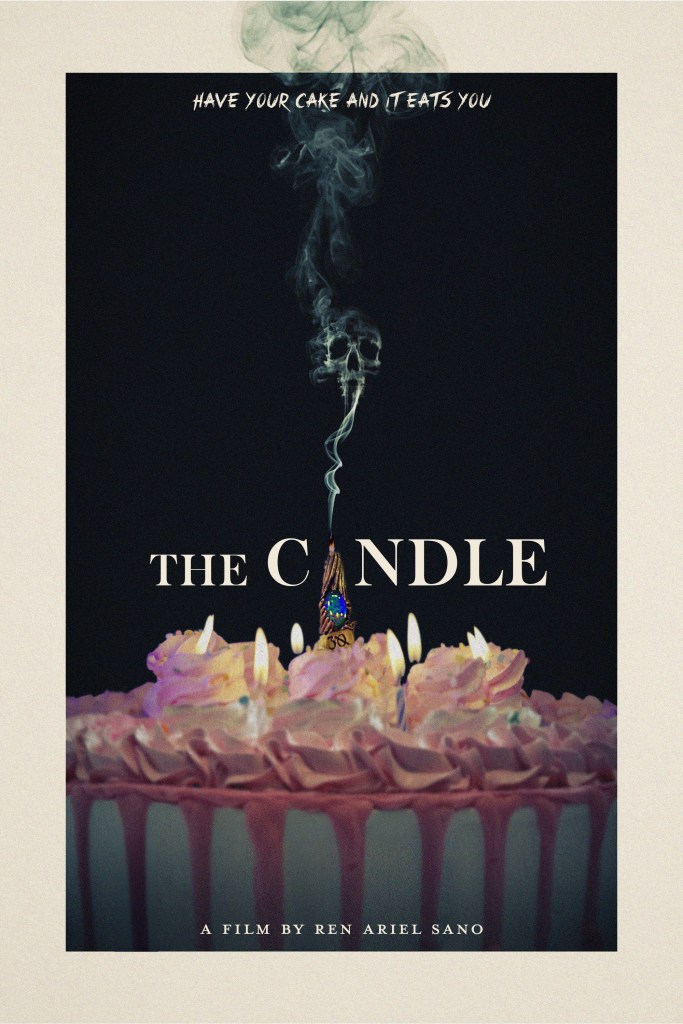
The Candle (2026): You know that old saying, “Have your cake and eat it too”? Director Ren Ariel Sano takes that to its violent, logical conclusion. When a seemingly innocent birthday celebration goes sideways, the titular candle becomes the catalyst for a night of absolute mayhem. Soon, the sweet treat decides to turn the tables and start consuming the guests. Can candles be cursed? This movie claims that it is decidedly so.
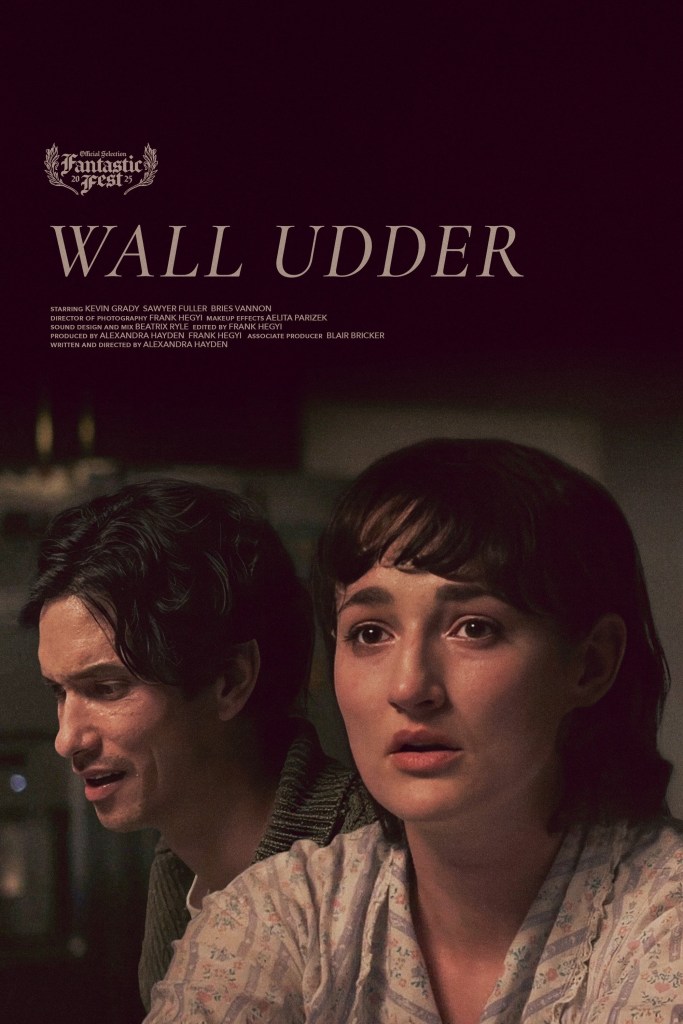
Wall Udder (2025): In a near-future suburbia, the ultimate status symbol is having a functional, living udder surgically installed onto your living room wall. It’s the ultimate conversation starter, a display of wealth that separates the elite from the commoners. But as the film progresses, the absurdity of the premise gives way to a darker, more obsessive question that the characters—and by extension, the audience—have to grapple with: is this just decor or an object of desire? The film spirals from a satire of lifestyle trends into a strange, intimate meditation on obsession, culminating in the ultimate, uncomfortable question: would you actually fuck it? Director Alexandra Hayden, thank you for putting this riddle into my head.
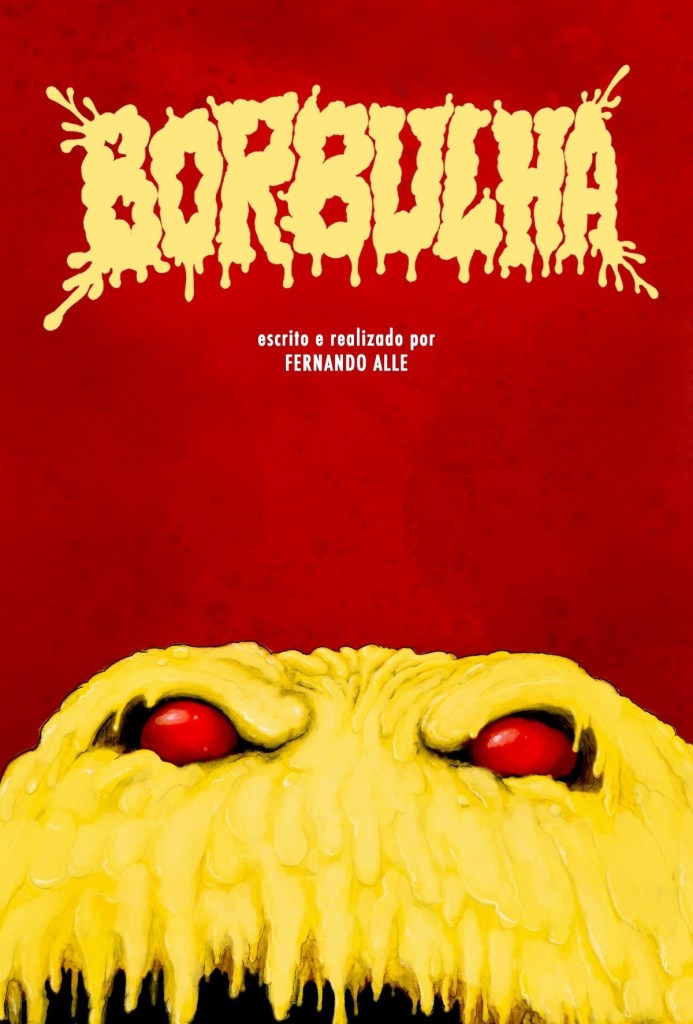
Pimple (2025): In Borbulha, directed by Fernando Alle, we follow a young boy with a pimple. It starts simple, but soon it all quickly spirals into a biological nightmare. When the inevitable happens and the pimple bursts, it doesn’t just release a bit of pus. It triggers a chain reaction of body horror that decimates the bullies who abused him. And from then on, the blood flows. Also: A pus monster with a gun. This speech at the end brings it all together: “They mocked you for your pimples, but don’t be sad. The excess of pimples in adolescents is due to high production of testosterone. They think they are better than you, but when you grow up, you will have virility and energy to please women in bed — or men, I don’t judge — while the ones who mock you today will become adults with thinning hair and limp dicks. So remember this: when you grow up, you will be happy.”
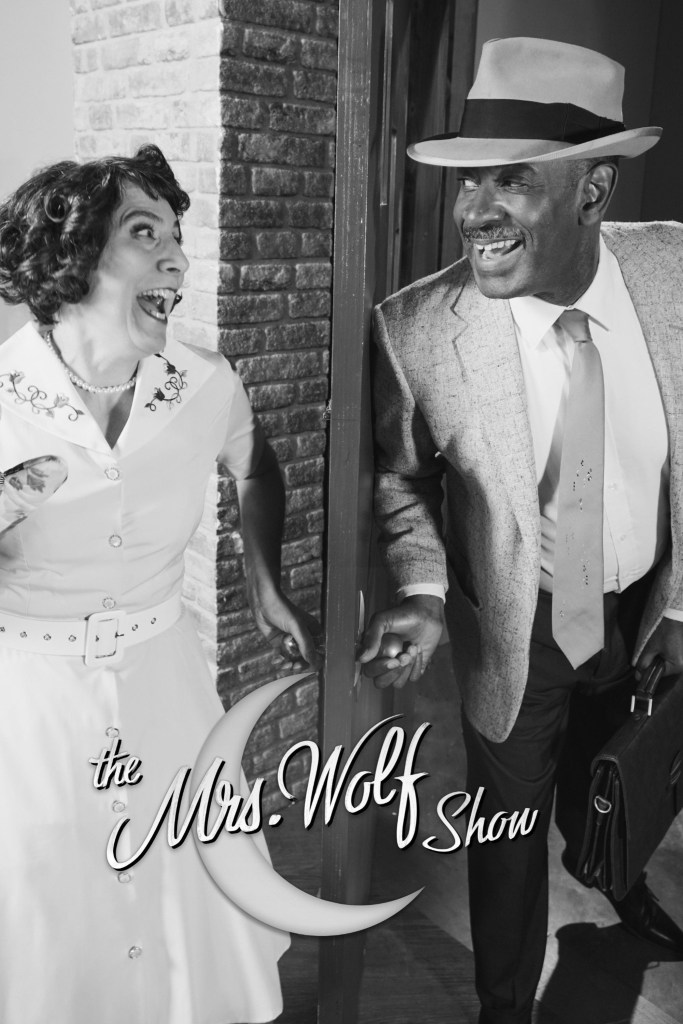
The Mrs. Wolf Show (2026): A friendly, overly wholesome housewife hosts her own daily program, complete with a beaming audience and a pristine set. Things go sideways the moment an unsuspecting salesman wanders onto the stage, thinking he’s there for a standard pitch. What follows is a brutal game of cat and mouse where the friendly hostess holds all the cards. As the cameras keep rolling, the show morphs from a harmless daytime broadcast into something far more sinister, forcing the salesman to realize that the most dangerous predators are often the ones wearing a cardigan and a permanent, frozen smile. Director Drew Highlands really does a great job of mixing modern horror and 50s variety and sitcom feel.
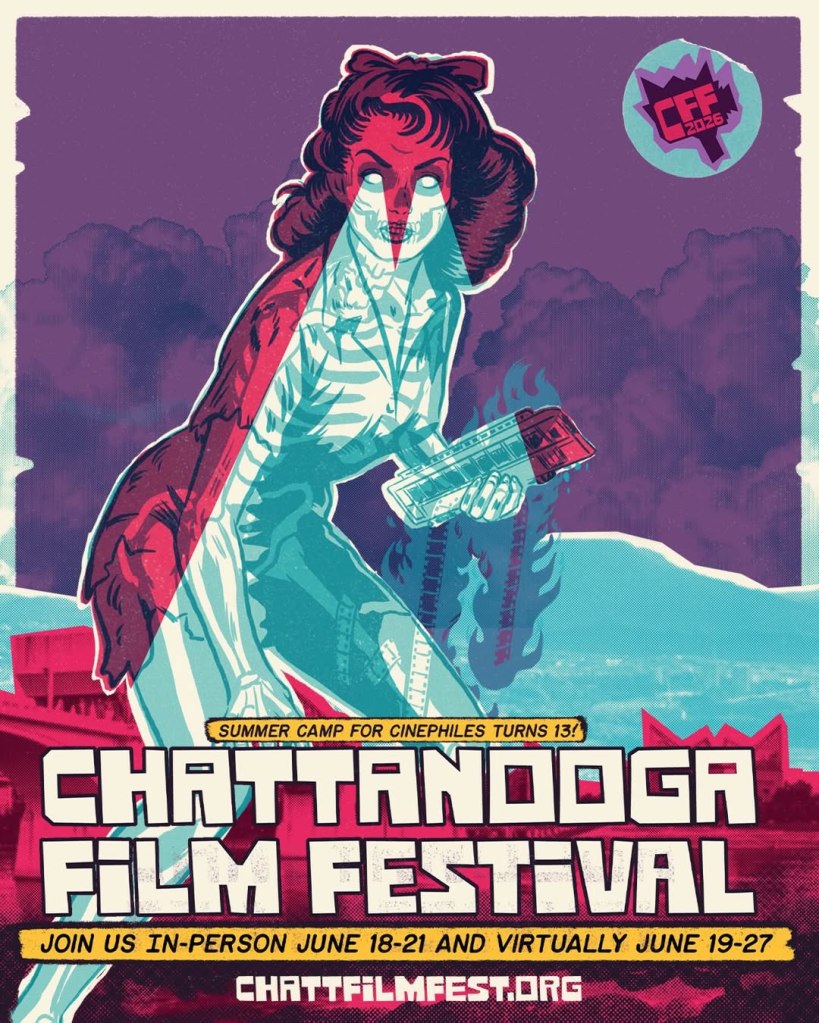
You can watch this either in-person or virtually at the Chattanooga Film Festival. For more info, visit the official site.
Chattanooga Film Festival 2026: Dangerous Visions

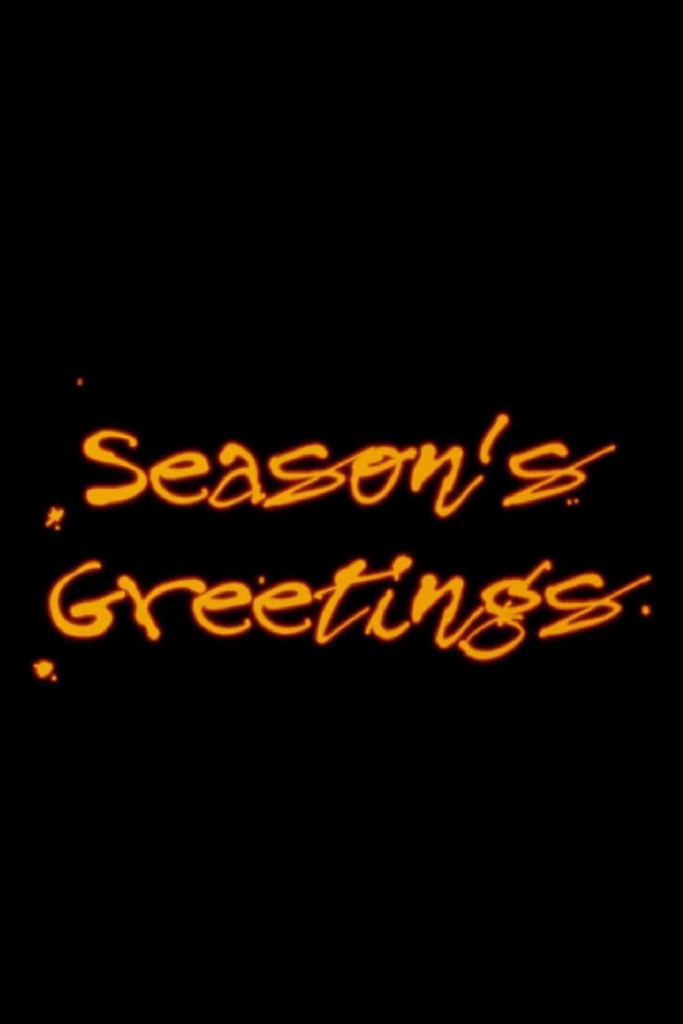
Season’s Greetings (1996): Before Michael Dougherty became the modern architect of the holiday horror anthology with Trick ‘r Treat, he gave us the short film that started it all: Season’s Greetings. This isn’t just a student film; it is the genesis of Sam, the pint-sized, pumpkin-headed embodiment of Halloween itself. Set on a dark, wind-swept Halloween night, the narrative centers on a young boy navigating the trauma of a stolen candy haul. While the premise sounds like standard suburban mischief, the execution turns a simple holiday memory into a gothic fairy tale. As the shadows lengthen, the film shifts from the mundane to the macabre, introducing us to a mysterious, costumed figure lurking in the periphery, watching the events unfold with a silent, menacing intent. It captures that specific, anxious feeling of being alone on a street corner while the world feels like it’s shifting into something darker. Designed as a ragged, burlap-clad trick-or-treater, Sam operates as a supernatural arbiter of justice for those who don’t respect the sanctity of Halloween traditions. It all starts here (and here’s hoping there’s that sequel they keep promising).

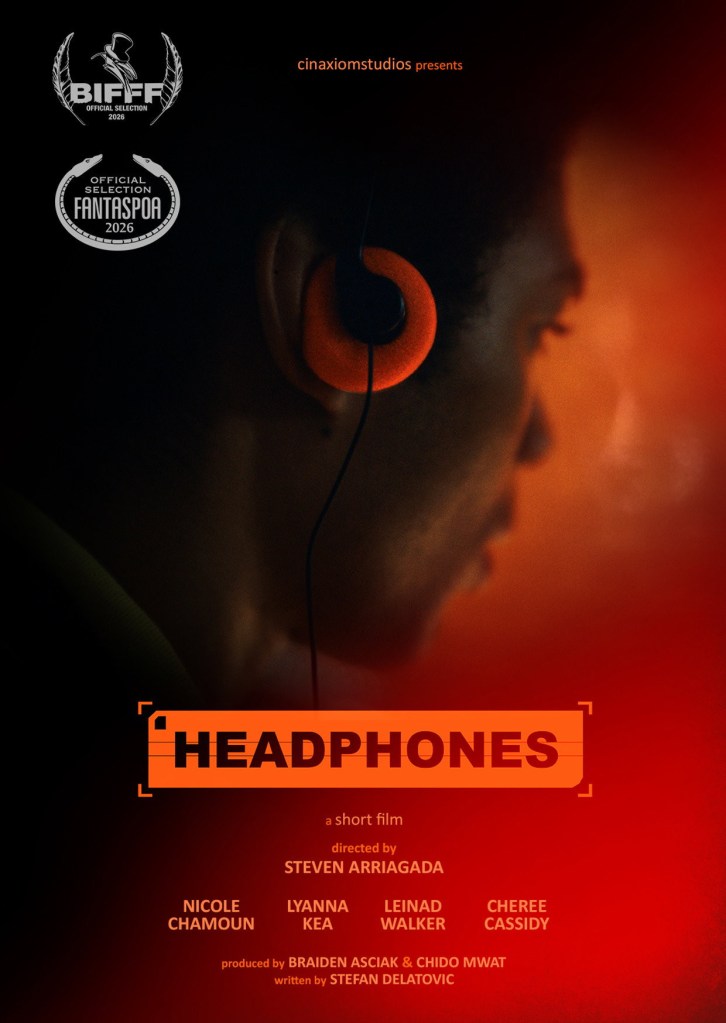
Headphones (2026): In this short by Steven Arriagada, the hero is a kid with a crush. He’s grinding out the late night hours at a fast-food joint and the only thing keeping him going is his crush on his co-worker. In the midst of this lonely night, he breaks the routine by listening to his uncle’s old Walkman. He expects some forgotten mix-tapes, but instead, he gets instructions. A cryptic, raspy voice cuts through the static, whispering specific commands he needs to follow if he wants to keep his co-worker alive. As the night drags on, the line between helpful guidance and malevolent manipulation blurs, turning a mundane shift into a high-stakes game of survival. Headphones rely heavily on their leads to sell the escalating paranoia. The chemistry between our hero and his would-be lover is the anchor here. The high-concept premise wouldn’t have the emotional stakes required to make the audience actually care if they survive the night.

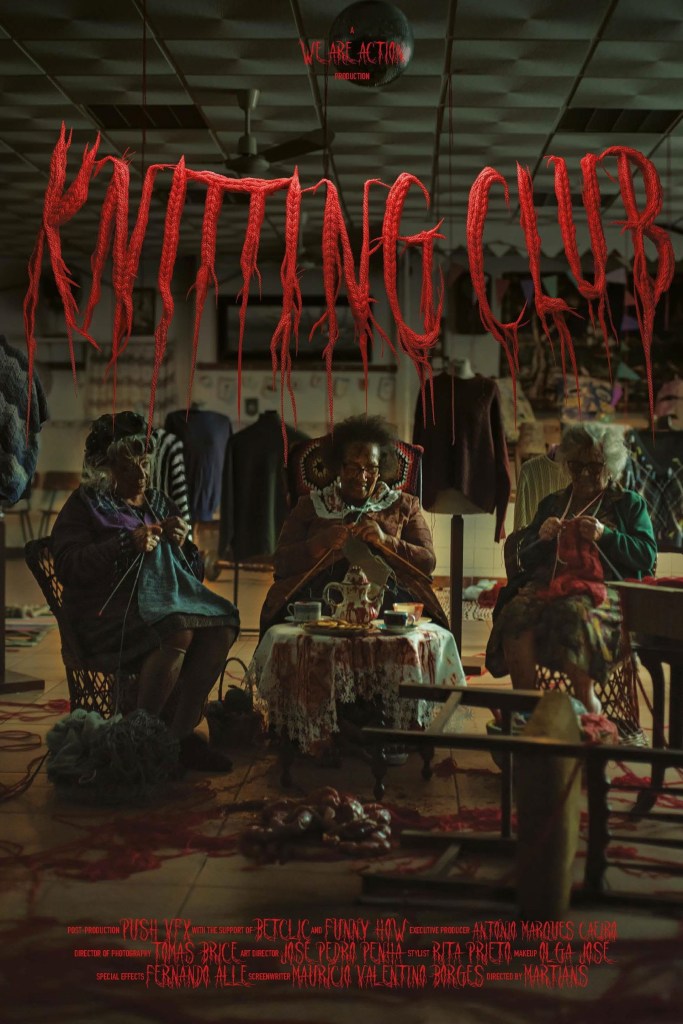
Knitting Club (2025): Clube de tricot, directed by Diogo Abrantes and João Rito, turns the cozy hobby of crochet into a blood-soaked nightmare that makes your grandma’s living room feel like a death trap. Miguel is just a delivery guy trying to finish his shift. The last stop? A quaint knitting club run by three elderly women who seem like the sweetest old ladies you’d ever want to meet. When they hand him a bag of yarn, he’s ready to head home, but they are way too insistent. They practically bully him into sitting down for tea. It doesn’t take long for Miguel to realize that being serious about their craft is an understatement. These ladies aren’t just making sweaters; they are looking for specific materials, and poor Miguel has just discovered that he’s the missing piece for their latest masterpiece. The actresses who are the grannies are great, as are just about every choice the filmmakers made. A simple story well told.

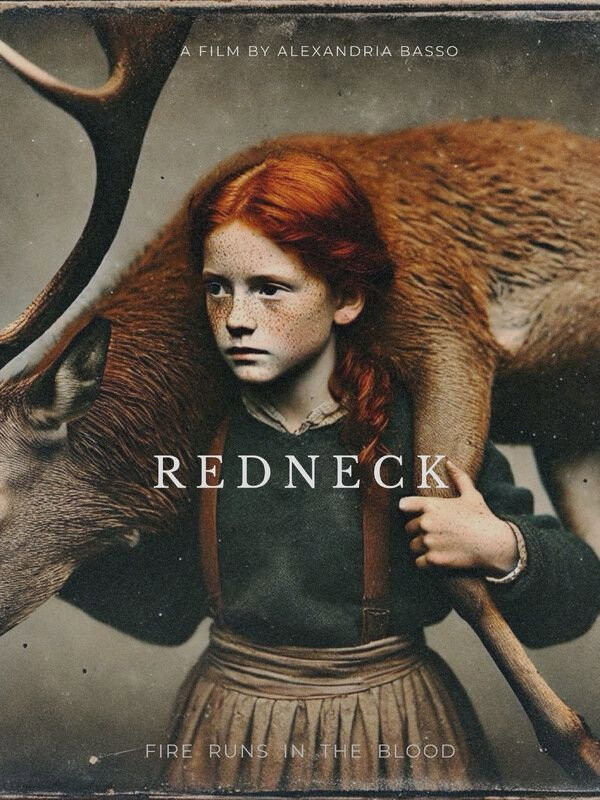
Redneck (2026): Directed by Alexandria Basso, this was amazing. For a young woman born into an isolated, insular Appalachian clan, survival is predicated on a grim, supernatural belief. They claim that redheads are vessels for stolen souls, and they aren’t afraid to harvest them to maintain their own existence. Our heroine finds herself at a crossroads, torn between the monstrous birthright of her kin and her humanity. As the clan’s demands escalate and blood starts to flow, she has to decide whether she’ll be the next predator in the lineage or the one who breaks the cycle. The actors playing the clan members avoid the typical inbred hillbilly basics. Instead, they have a cult-like devotion that is far more chilling. If South Park taught us that redheads are evil (and I married two, so I know), this sets it in stone.

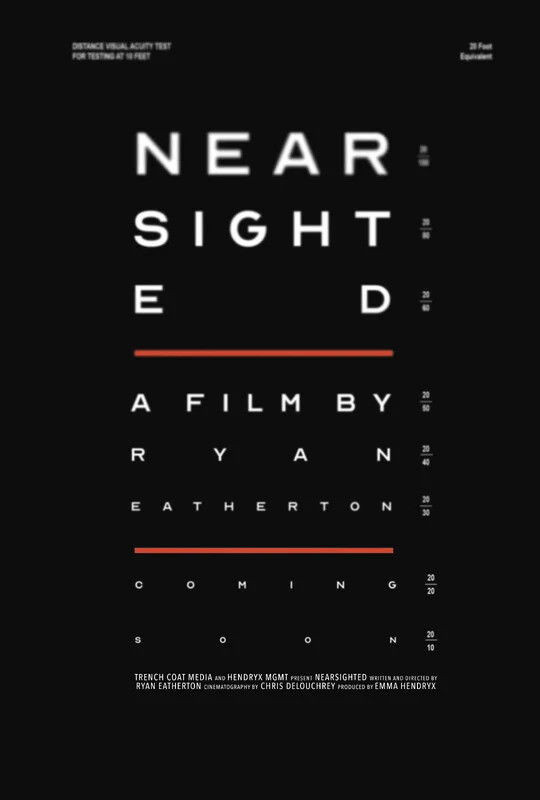
Nearsighted (2026): Ryan Eatherton has dropped a nasty little piece of work, and it’s the kind of premise that makes you want to keep your lights on and your prescription lenses glued to your face. If you’ve ever fumbled on your nightstand in the middle of the night, blind as a bat and praying you don’t stub a toe or worse, you already know the primal fear at the heart of this one. Nearsighted strips away the senses, turning a home-invasion thriller into a claustrophobic nightmare of soft-focus shapes and jagged shadows. It’s simple, it’s brutal, and it plays on that specific, vulnerable feeling of being defenseless in your own sanctuary when your primary way of interacting with the world—your sight—is no longer there.

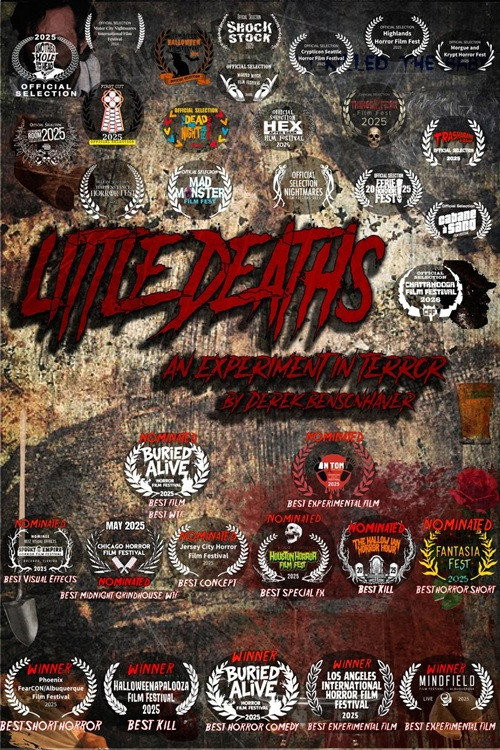
Little Deaths (2025): Directed by Derek Bensonhaver, this is an experimental anthology of horror comprising 15-second short horror films all about death. What haunts you? Getting killed by tentacles emerging from a pregnant woman’s lady parts? Falling from a plane? A scary monster? You won’t have time to recover as this beats you over the head — in a good way — with death, sweet death, one last caress. Great, now I’m going to be even more worried, especially about people dying behind the wheel.

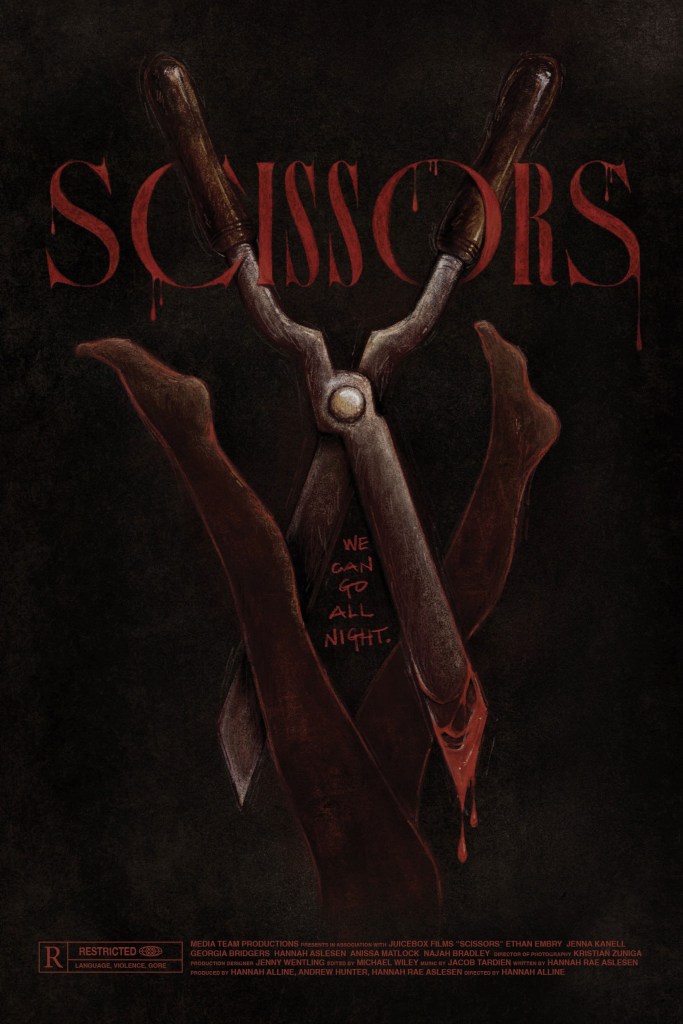
Scissors (2026): If there is one rule in slasher cinema that a killer should follow, it’s this: never underestimate your target. Directed by Hannah Alline, Scissors takes the weekend getaway plot and slices it to ribbons, turning the tables on a killer who thinks he’s got the home-field advantage. It’s mean, it’s fast and it’s exactly the kind of palate cleanser we need in a world of over-polished horror. A group of queer friends heads out for a weekend getaway, looking for nothing more than drinks and some downtime. Enter our slasher: a guy with a major grudge and a sharpened blade who thinks he’s about to turn their vacation into a personal highlight reel. But this guy makes a fatal miscalculation. Instead of cowering, this group decides that they aren’t going to be passive victims. What starts as a standard stalking scenario quickly escalates into a brutal, claustrophobic game of survival where the hunter finds himself completely outmaneuvered. The tagline says it best: “We can go all night.” And they do. Great title, too. Better cast and wonderful use of “Sweet Dreams.”

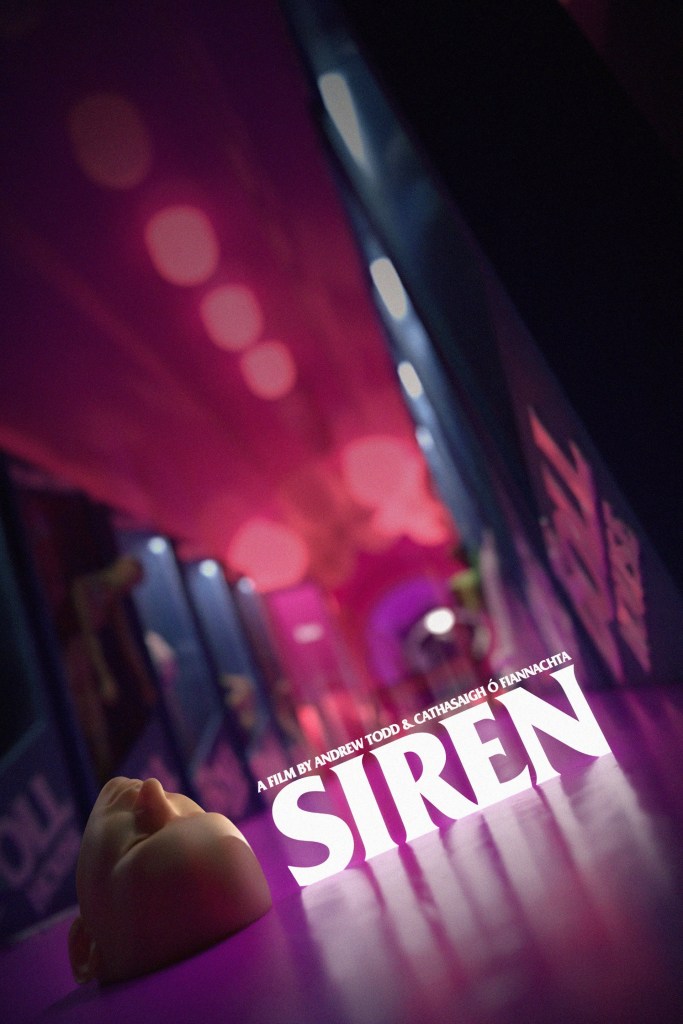
Siren (2025): Directed by Andrew Todd, this follows a detective hunting a serial killer in the future of 2225. The trail leads him to a signal emitting from a ghost ship that has been floating in the void for a century. When he boards the vessel, he isn’t looking for a fugitive. He’s walking into a tomb. What he finds inside isn’t just the remnants of the past, but a haunting, visceral reflection of humanity’s capacity for cruelty. It turns out the ship wasn’t abandoned because of a mechanical failure. It was a cage, and the thing that built it is still very much hungry. This story is told entirely in POV mode, which adds to the sense of worry.

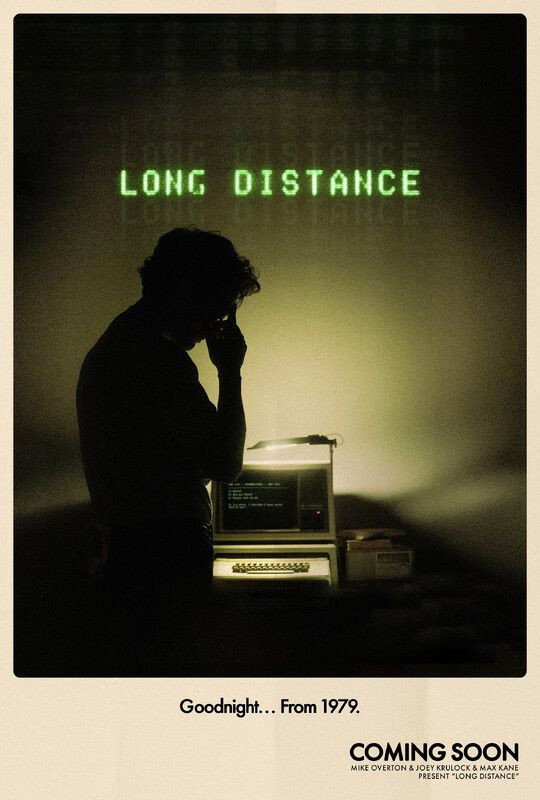
Long Distance (2026): A seven-minute head-scratcher directed by the duo of Max Kane and Mike Overton, this does more with its short time than so many longer films achieve. You think you have relationship problems? I feel bad for you son, but this dude in this movie is in a relationship that isn’t being strained by geography or a bad signal. It’s being torn apart by time itself. As we used to post on Facebook relationship statuses, it’s complicated. 

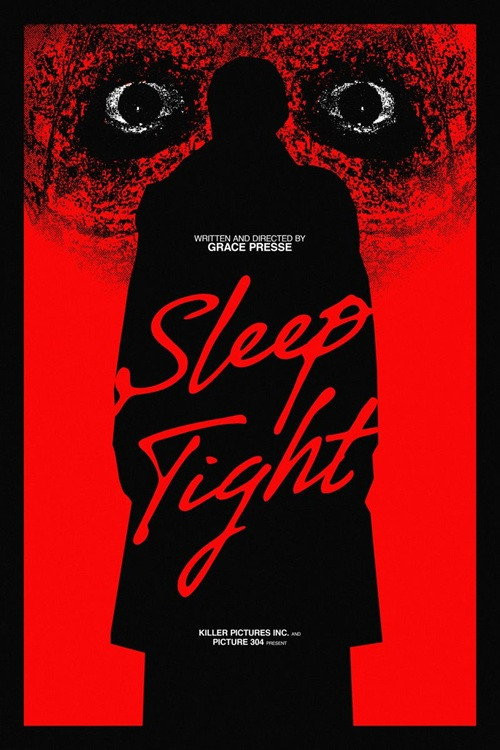
Sleep Tight (2025): Sleep paralysis has been a staple of horror for decades and has been haunting me since watching the documentary The Nightmare. Director Grace Presse brings something fresh to the subgenre by narrowing the scope. This isn’t about ghosts or demons in the broad sense. Instead, it’s about the intimacy of a home invasion where the intruder is right there next to you when you’re defenseless. This is a nightmare of helplessness.

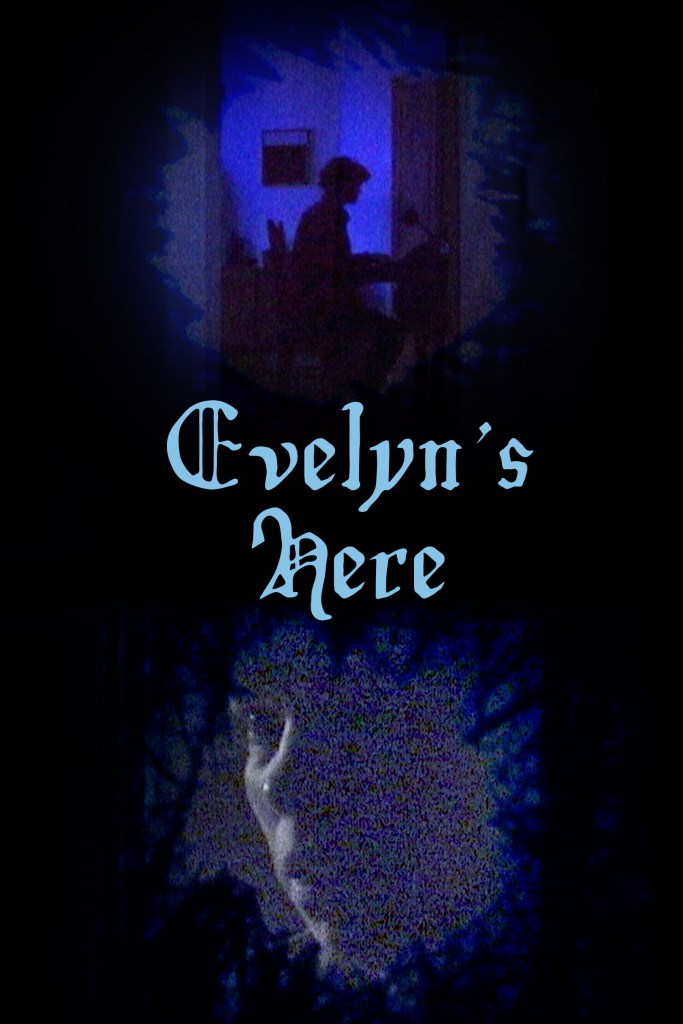
Evelyn’s Here (2026): Directors Sean Temple and Sarah Wisner have cooked up a dream-logic nightmare that captures that specific, suffocating feeling of being trapped in a memory you can’t escape. This a story about the fragility of family bonds and the terrifying thinness of the veil between reality and the subconscious. Alice goes on a mission to check on her sister, but instead of a routine welfare visit, she finds herself spiraling into a haunting, labyrinthine dreamscape. It’s a classic setup—the rescue mission gone wrong—but Temple and Wisner twist it into a surreal journey where the rules of space and time don’t apply. You aren’t just watching Alice; you’re trapped in her headspace, feeling every bit of the dread as she realizes she’s well past the point of no return. This is such a great watch.

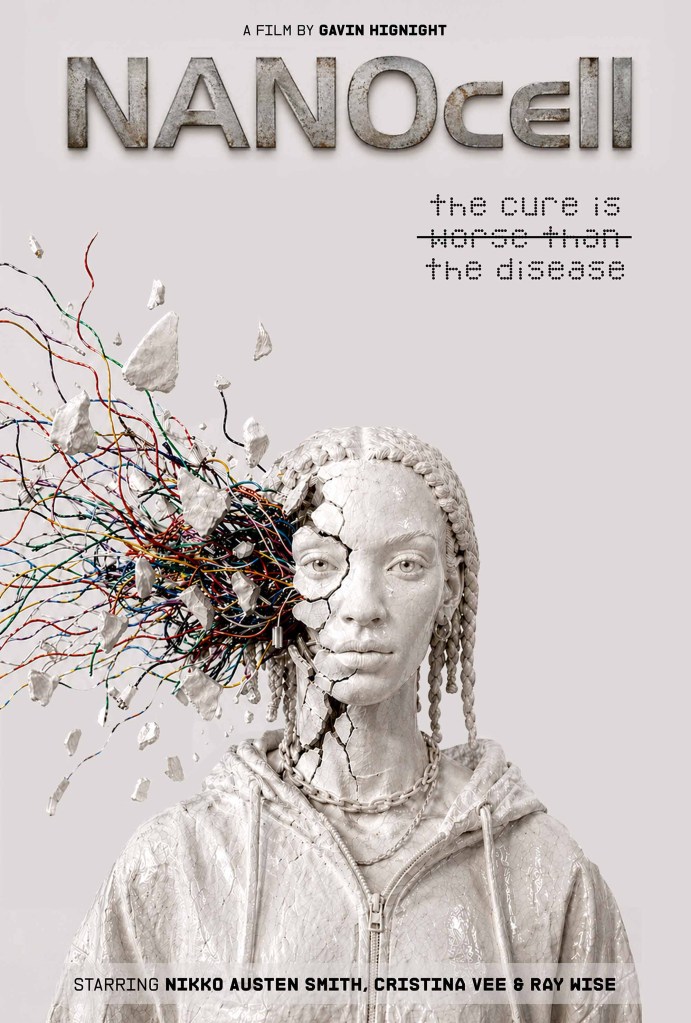
NANOcell (2026): Director Gavin Hignight (Gundam: Requiem for Vengeance, John Carpenter’s videos for “Utopian Facade” and “Night”) tells the story of Maggie Miller, who is desperate to treat her sickle cell anemia. She signs up for a clandestine clinical trial for something called NANOcell. What starts as a medical hope quickly turns into a living, mechanical hell. Maggie’s girlfriend, Claire, realizes something is deeply wrong when she catches Maggie sleepwalking and behaving in ways that are… well, not human. Before they can even process the horror, the government agency suits show up, and they aren’t there to offer medical assistance. They’re there to scrub the evidence, meaning Maggie has to turn her own deteriorating body into a weapon to survive both the tech inside her and the goons at her door. The cast features Ray Wise, an icon if there ever was one!

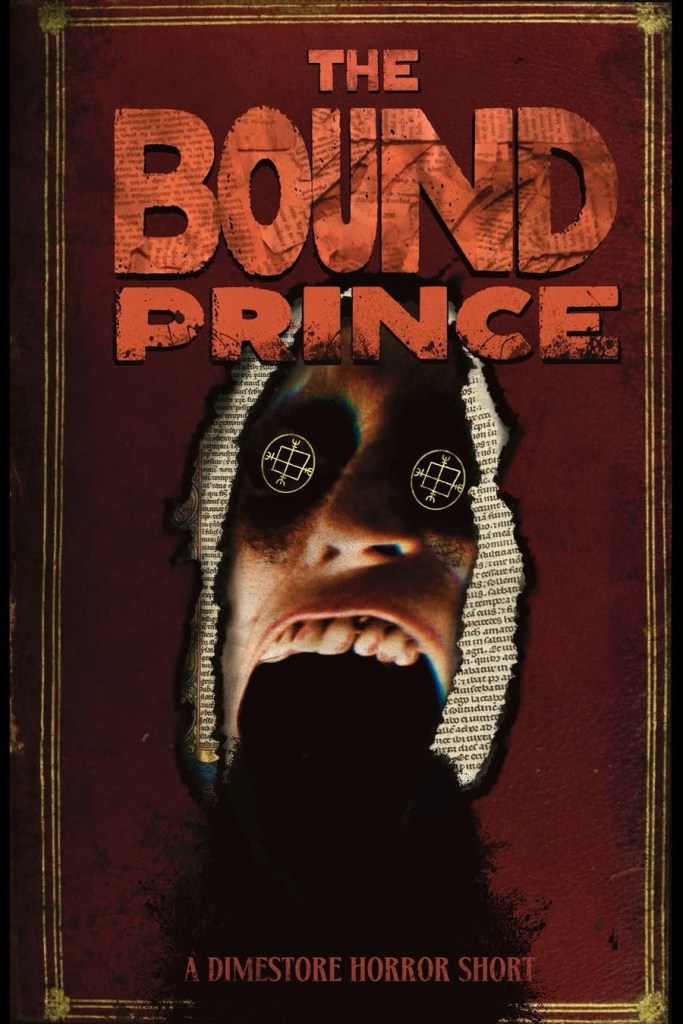
The Bound Prince (2026): Directors Christian Gridelli and Hunter Norris have delivered a short that perfectly captures that specific dread of being a traveling performer, trapped in a temporary space where the walls feel like they’re closing in. Our lead is a road-weary comedian—the kind who has spent too many nights on the circuit and is starting to see the cracks in reality. The inciting incident is pure, simple brilliance: she’s just trying to get some sleep in her hotel room, but her eyes keep drifting to the Gideon Bible tucked away in the nightstand. She starts connecting dots that shouldn’t be connected, spiraling into a deep, dark hole of paranoia as she becomes convinced that the holy book is actually a manual for a demonic cult’s grand design. Is she losing her mind from the exhaustion of the road, or is the architecture of her room actually rigged against her soul? This movie looks absolutely insane and I loved every quick cut moment.

You can watch this either in-person or virtually at the Chattanooga Film Festival. For more info, visit the official site.
Chattanooga Film Festival 2026 Red Eye #5: Horror Brunch (1987), Mind Control Made Easy or How to Become a Cult Leader (1999), Forklift Driver Klaus: The First Day on the Job (2001) and Dementia (1955)

Horror Brunch (1987): This short film, directed by Rik Carter, is a high-energy, blood-soaked love letter to horror cinema. A group gathers for an ordinary brunch, but the meal is interrupted when the food and utensils turn murderous. The narrative escalates into a chaotic showcase of practical gore and genre moments featuring cameos from Norman Bates, Leatherface and even a chest burster. Carter would go on to work in the art department and special effects for the Elm Street movies, as well as directing Dark Crimes.

You can watch this on YouTube.

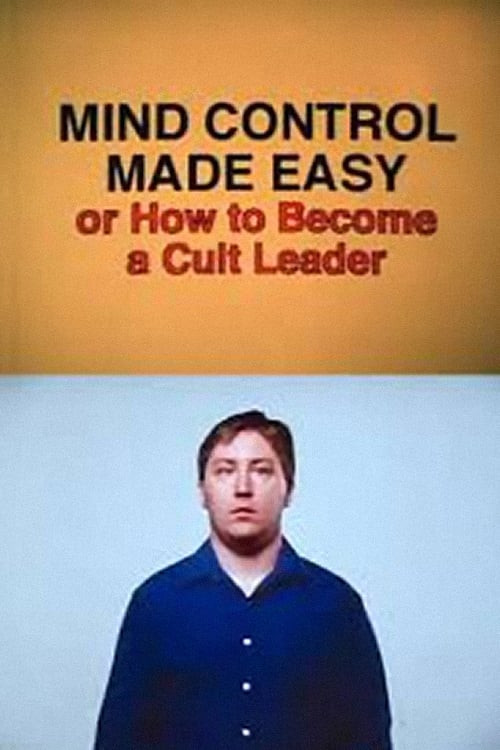
Mind Control Made Easy or How to Become a Cult Leader (1999): Carey Burtt has sent us a 13-minute guide from the past on what we’ve all been going through over the last few years. He does that in the disguise of a dry, instructional training video, the kind of corporate or educational VHS tape one might expect to find in a dusty supply closet. It presents a step-by-step guide to the business of spiritual extortion, breaking down the process of grooming, isolation and total psychological domination with the deadpan delivery of a PowerPoint presentation. And I know, I make PowerPoint slides all day. I could see some people watching this and saying, “Yes, that seems like a good idea.” But that’s because my wife has me watching all these Twin Flames docs. I can’t decide if those are fake or if this is. That’s how good it is. MAKE UP CRIMES.

Forklift Driver Klaus: The First Day on the Job (2001): I have been obsessed with the “It Only Takes a Second” videos for years, but man, leave it to the Germans to bring us Klaus and his forklift. While this has Egon Högen doing the voiceover — he often did German education films, from what I have read — this is obviously not a real safety film, as you’ll gather a few minutes in. Directed and written by Stefan Prehn and Jörg Wagner, this has hands getting ripped off, people sliced in half, impaling, beheadings, chainsaws and so much more. Even Klaus isn’t safe from the endless carnage. It’s kind of like the deaths in The Omen movies, but with a jaunty soundtrack and helpful animations. I think I’ll stick to being a writer after watching this.

You can watch this on YouTube.

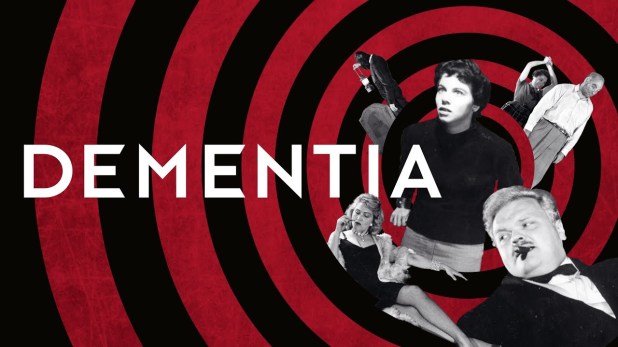
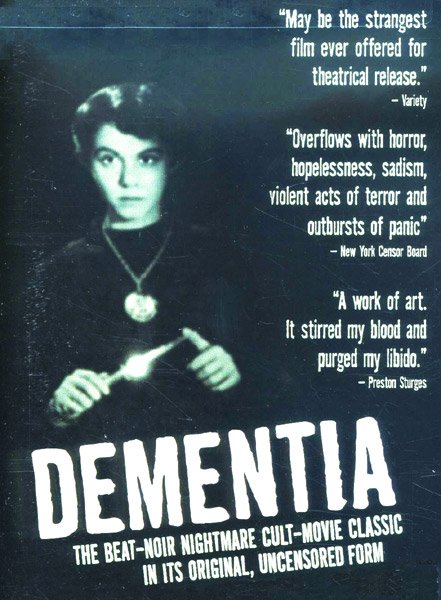
Dementia (1955): I first watched this movie in the best of ways. On our weekly webcast, Drive-In Asylum, we had the great opportunity to have Bret McCormick, director of The Abomination, as a guest. This was the movie that he chose to watch with us.

Director, writer and producer John Parker started this film as a short and then expanded it. He had been inspired by a dream that his secretary, Adrienne Barrett, had and picked her to star in the film along with Bruno VeSota, who would go on to star in several Roger Corman films.

Barrett plays the Gamin, a young woman who wakes up from a nightmare to be in another one. Newspapers scream that there was a mysterious stabbing, men try to assault her only to be beaten into oblivion by police and a pimp buys her a flower, then asks her to accompany a rich man (Ve Sota) as she dreams back to stabbing her abusive father after he had shot and killed her mother.

After an evening touring the city’s bars and nightclubs, they enter his elegant apartment where he ignores her attempts at seduction as he gorges on a huge meal. He finally attempts to attack her and she stabs him with the same blade that murdered her father and he plummets to the street, holding her necklace in a death grip. She saws off his hand as people watch without caring and the same cop appears that saved her in the alley, only now with the face of her father as she runs away, clutching the severed hand.

The pimp comes back to pull her into a jazz club, soon followed by the cop and the dead body of the rich man, whose bloody stump points her out as his killer. The audience surrounds her, laughing, as she wakes up back where she began, in the hotel room. She goes to put on her necklace and finds that its being held by a severed hand.

Dementia was briefly released in 1953 before it was banned by the New York State Film Board, who deemed it “inhuman, indecent, and the quintessence of gruesomeness.” Perhaps that’s because it’s a movie that shows the violence and fear that women live with every day, but goes further to have a heroine who strikes back with the kind of strength that seperates a man’s body part. Today, this would be considered an art film, or maybe even elevated horror, but in the 1950s, the only genre it could fit into was horror. When it was re-released in 1955, theater employees submitted medical examinations of patrons to “heart specialists” who would assure the theatergoers that they would not be frightened to the point of death. One of the big reasons why the 1955 re-release was troubled was that some areas of the country weren’t ready for the interracial dancing in the jazz club.

Originally, Dementia has no dialogue and only sound effects and a score by composer George Antheil, with vocal effects by Marni Nixon and jazz musician Shorty Rogers and his band the Giants performing in the night club scene. Jack H. Harris, who had a habit of getting films and re-releasing them — EquinoxDark Star — added narration by Ed McMahon and release it as Daughter of Horror.

When we showed this, Bret was worried that our audience would hate it. After all, The New York Daily News said,  “The presentation, designed as a shocker, is enough to drive anybody crazy with alternate sessions of tedium and bedlam.” The good news is that it was received well, much like how Preston Sturges said, “It stirred my blood, purged my libido. The circuit was completed. The work was a work of art.”

Even if you haven’t seen this movie, you may have. It’s what’s playing in The Colonial Theater when The Blob attacks. And Faith No More used it as the inspiration for their video “Separation Anxiety.”

Supposedly, Aaron Spelling was one of the people in the nightclub. Did you see him?

The re-edit by Harris is strange to the ear, as you’re listening to the friendly voice of Carson’s sidekick saying things like, “Come with me into the tormented, haunted, half-lit night of the insane. This is my world. Let me lead you into it. Let me take you into the mind of a woman who is mad. You may not recognize some things in this world, and the faces will look strange to you. For this is a place where there is no love, no hope…in the pulsing, throbbing world of the insane mind, where only nightmares are real, nightmares of the Daughter of Horror!”

You can watch this either in-person or virtually at the Chattanooga Film Festival. For more info, visit the official site.
Chattanooga Film Festival 2026: Salute Your Shorts

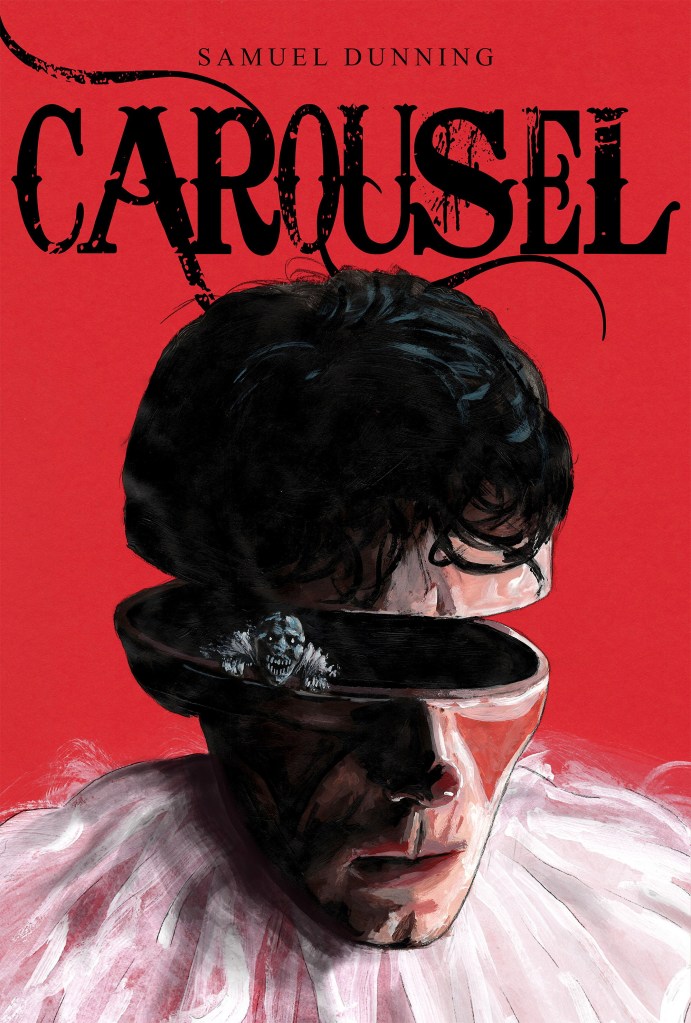
Carousel (2025): Directed by Christopher Kosakowski, Carousel takes the classic cursed object story and gives it a grim, carnival-noir coat of paint. It’s the kind of lean, mean and twisted storytelling that hits all the right buttons for those of us who prefer our horror served with a side of greasepaint and existential dread.

The story follows a lonely circus clown whose world is defined by the melancholy of the big top. His life takes a sharp, nightmare turn when he is gifted an antique zoetrope, that early animation device that relies on the persistence of vision to create a loop of movement.

It doesn’t take long for him to realize this isn’t just a nostalgic toy. The images whirling inside the device begin to bleed into his reality. What starts as a way to brighten up his solitary birthday plans rapidly descends into a chaotic, hallucinatory loop of terror. As the clown becomes trapped by the device’s dark influence, the boundary between the performance and the predator dissolves, turning his dressing room into a claustrophobic stage for his own undoing.

Kosakowski demonstrates a clear grasp of atmosphere over excessive exposition. He understands that a clown in a dimly lit, cramped space is inherently unsettling; he doesn’t need to overplay his hand. And it doesn’t hurt that the poster for this is a reference to Romero’s The Amusement Park.

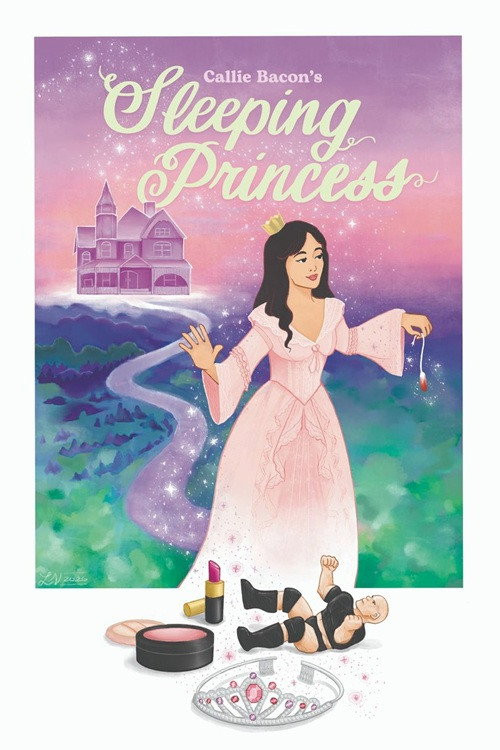
Sleeping Princess (2025): The protagonist is a professional princess who has reached the absolute end of her rope. Stuck in a high-stakes, high-stress gig, she’s tasked with keeping up the illusion of a magical, regal persona for a group of demanding children and even more demanding parents. As the party drags on, the veil of her character begins to fray. The glitter starts to look like grit; the fake tiara feels like a shackle. She even says, “I just do this for the opportunity to kick a kid in the chest.”

Director Callie Bacon does a masterful job of turning a suburban living room into a claustrophobic prison. As our lead struggles to keep the Sleeping Princess persona intact, the film leans into a place where the mundane reality of cheap cake and screaming kids starts to warp into something far more jagged and uncomfortable. It is a brilliant, ugly look at the labor behind the fantasy, including a manual that forces our heroine to refer to Cinderella as “After-Midnight Princess.” And I have to say, the line “Plug it up, princess!” made me laugh and pleased me because it references Carrie.

This does a great job of taking the futility of a day job and transforming it into a cathartic experience.

Bootstrapped (2026): Time travel movies usually need almost two hours to untangle their own paradoxes, but director Joe Heath ignores the rulebook entirely. Bootstrapped is a high-concept, low-budget exercise in narrative compression that squeezes a full-blown sci-fi headache into 60 seconds of frantic celluloid.

The narrative is a closed loop of absolute chaos. We follow a desperate protagonist who discovers that the only way to prevent a catastrophic event is to set it in motion. It’s a classic bootstrapper’s paradox. He travels back to stop himself, only to realize that his intervention is the exact catalyst that triggers the original disaster.

A cute, fun film that doesn’t overstay its running time. Well, because it’s only a minute.

Cotton Candy Randy (2026): This short follows two friends who discover a UFO in the woods and bring their findings back to their town, leading to an odyssey of stop-motion wonder. The project was a significant undertaking for The Skeleton Key Workshop, reportedly taking 15 months to produce using DIY materials such as foam, hot glue and repurposed packaging. A fun look and an interesting take on aliens!

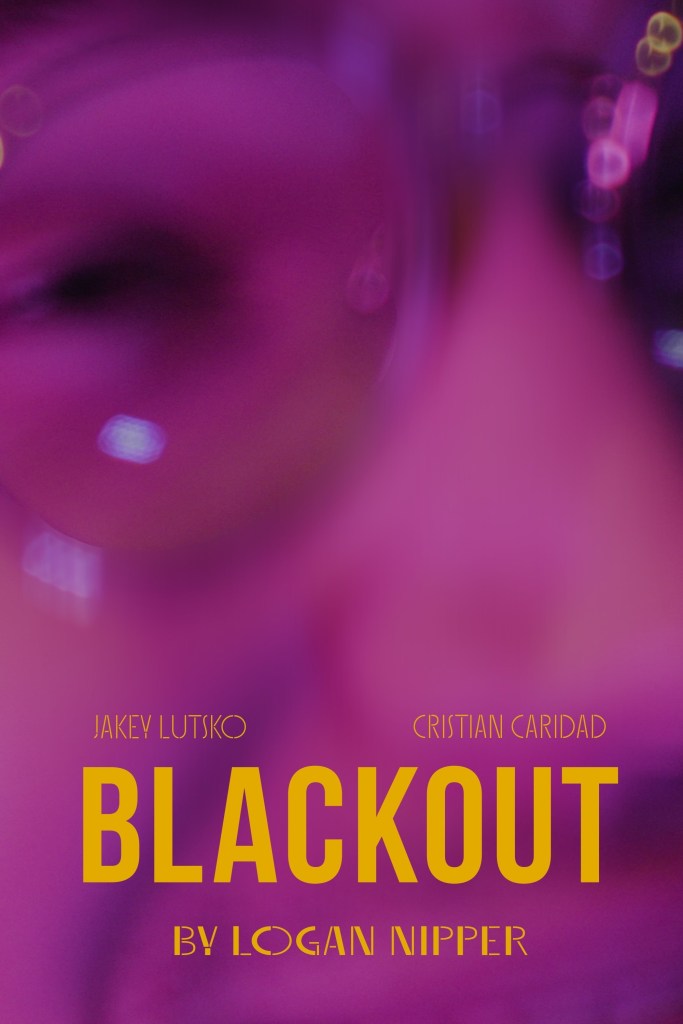
Blackout (2025): Directed by Logan Nipper Synopsis YOU GOT YOURSELF IN. YOU CAN GET YOURSELF OUT. After a night of drinking, a college student finds a dead body in the trunk of his car and is determined to discover the truth.

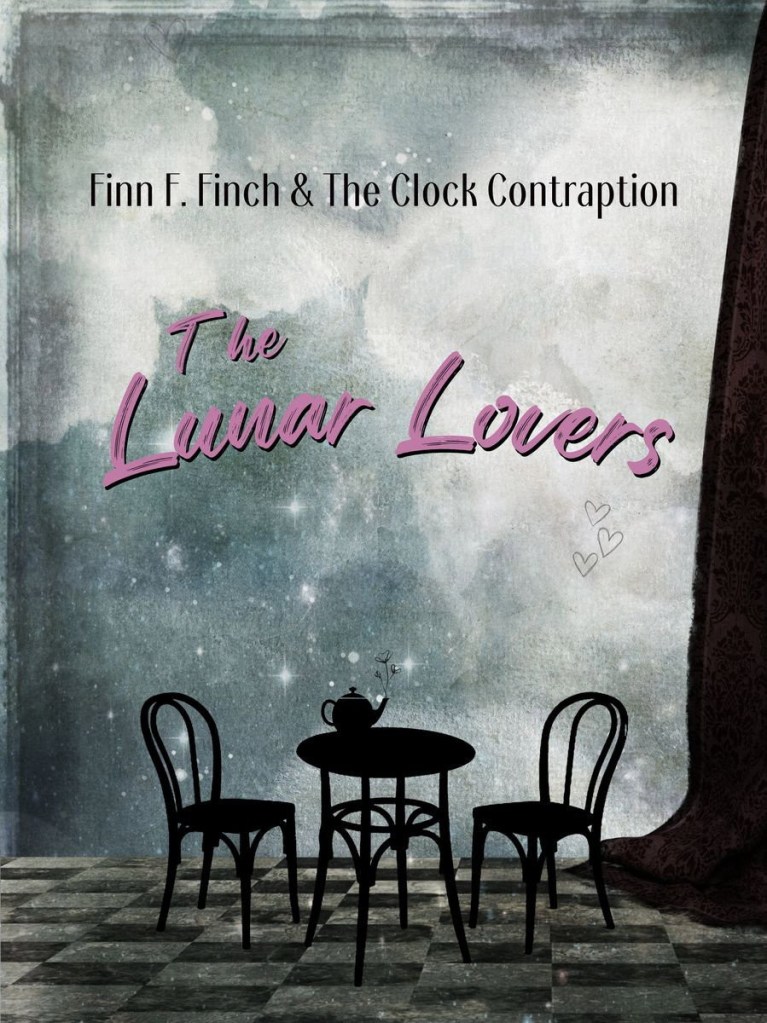
Finn F. Finch & the Clock Contraption: The Lunar Lovers (2026): Directed by Toby Darling Synopsis Flustered Finn F. Finch may have met his match at the Lunar Cafe. Will we see what Finn will finagle out of this time? Or will Finn finally find true love?

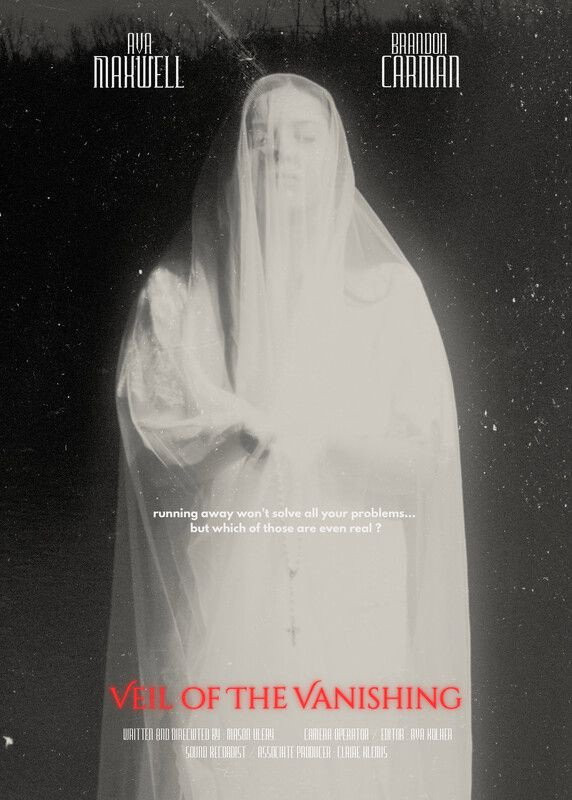
Veil of the Vanishing (2026): The film opens with a woman awake in her own home, but it’s no longer hers. It’s a distorted, shifting labyrinth where rooms don’t lead where they should, and the architecture seems to breathe in rhythm with her own rising panic. She’s haunted by two things: the memory of her abusive husband and the desperate need to reclaim her rosary, which was stolen from her as a final act of control. As she navigates this void, she is pursued by a presence that moves through the house like a glitch in the walls’ reality. It’s a brutal, poetic metaphor for the trauma that refuses to release its grip, with the house itself serving as a manifestation of a life interrupted by abuse and spiritual isolation. Director Mason James Ulery isn’t interested in the usual slash-and-burn tactics of modern genre cinema. Instead, the film uses long, static takes and disorienting sound design to create a sense of dismal unease. I loved that the rosary wasn’t just a prop, but the only lifeline to the real world and escape. Beautiful, black-and-white, strobing and floating fear in seven minutes.

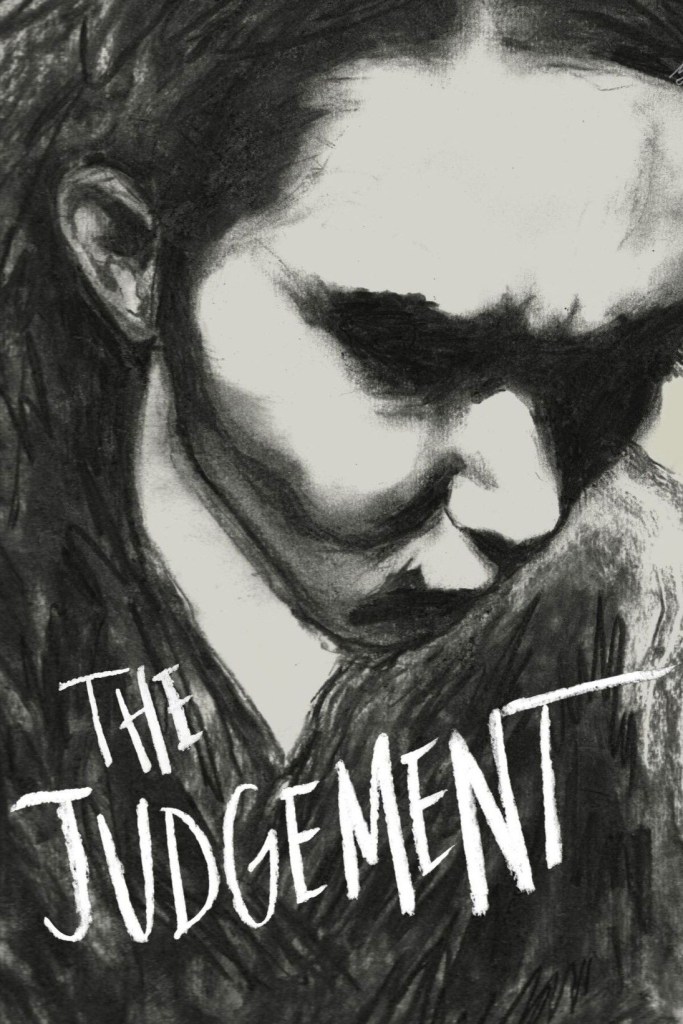
The Judgement (2026): Directed by Harry Corney, this is an adaptation of Franz Kafka’s 1912 short story, “Das Urteil” (The Judgment). It looks absolutely gorgeous, but if you’re not prepared for Kafka, you may be shocked by how systematically his father dismantles Georg Bendemann’s sense of reality and independence. This shot is so beautifully shot and just looks above and beyond so much of what I’ve seen lately. I’d love to see this as part of an anthology of Kafka, but perhaps a short like this is perfect and of itself.

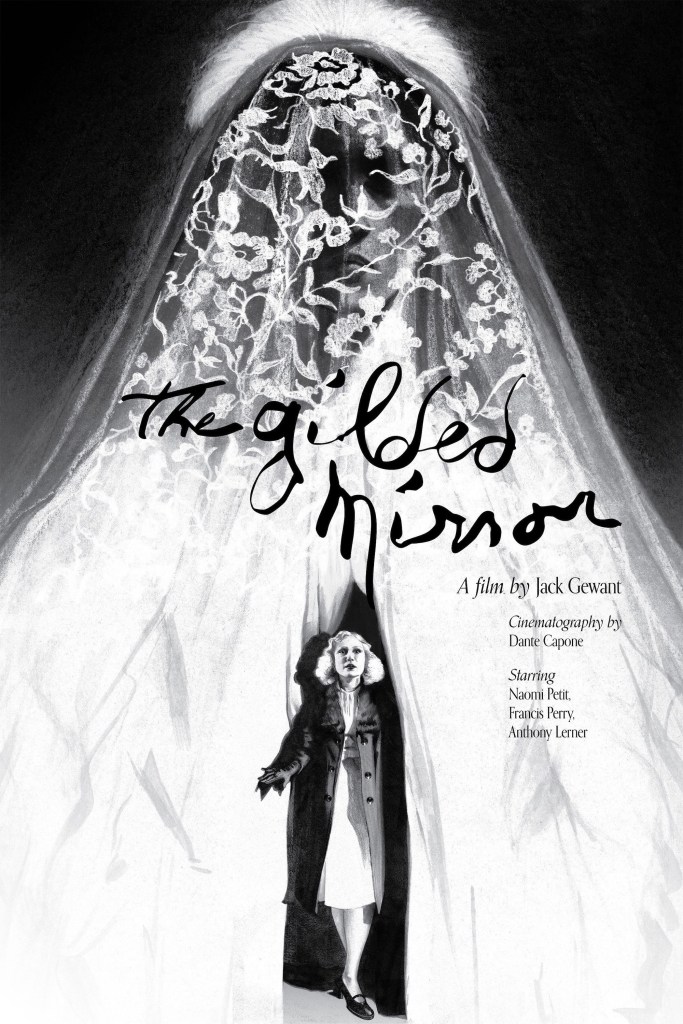
The Gilded Mirror (2026): Directed by Jack Dudley Gewant, this centers on Charles Randolph, a formerly famous performer struggling with the lingering trauma of his wife’s death. The narrative takes a dark, psychological turn when a young woman arrives to audition for him, drawing Randolph into an unsettling world where the lines between illusion, obsession and reality begin to dissolve. The true joy of this movie is that it totally looks and feels like it was made a hundred years ago or more. Just an incredibly immaculate effort.

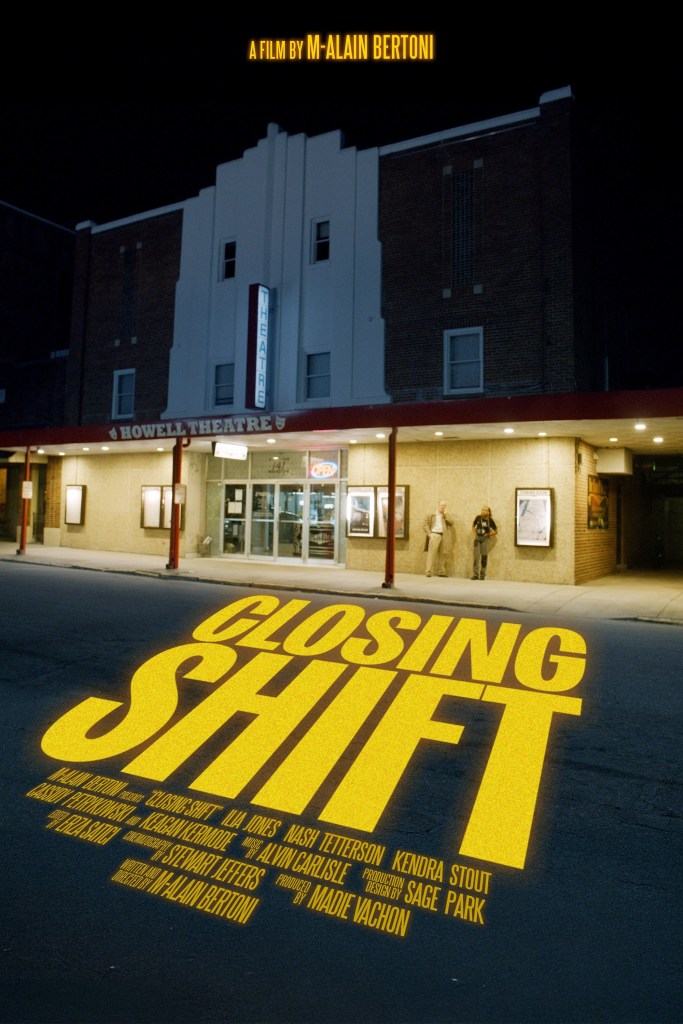
Closing Shift (2026): A trauma-at-work slasher that balances the mundane exhaustion of closing a theater with the sudden onset of survival-horror. KC is a burnt-out employee nearing her breaking point and Reggie is the manager, serving as the weary anchor of the nightly routine. Then, an argument in the theater leads to murder, making them wonder if they really will be stuck working at the theater until they die…which could be soon. Director M-Alain Bertoni has created a really nice short here that could totally be a full film.

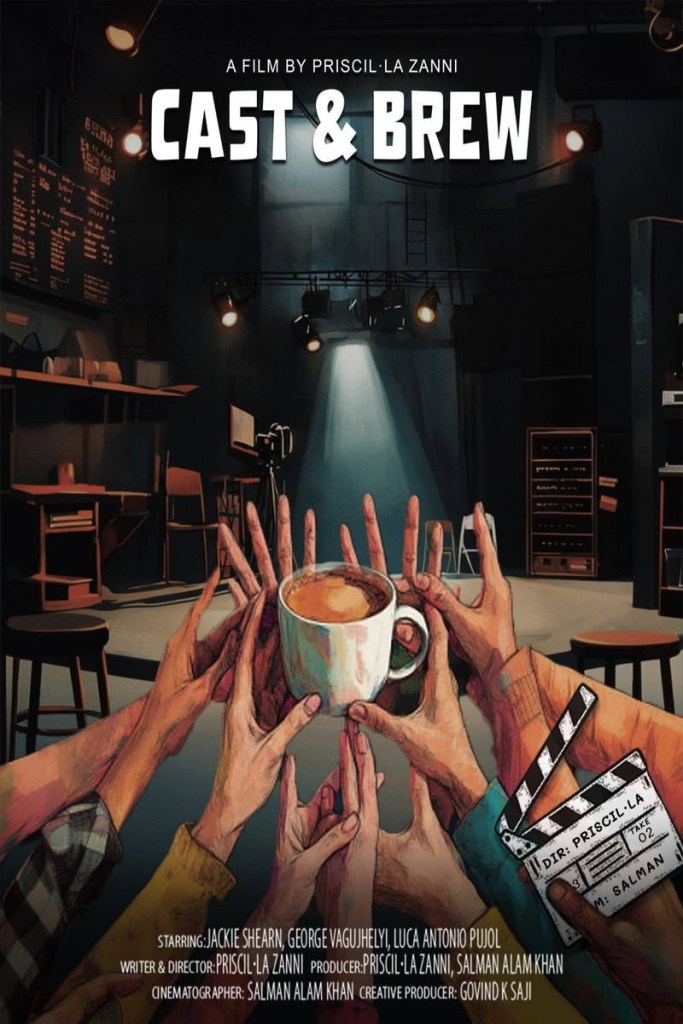
Cast & Brew (2026): Directed by Priscilla Zanni, this sharp, satirical short film mines the high-pressure environment of film production for comedic chaos. When the global coffee supply runs out, everyone loses their minds. Trust me — if there was no caffeine when production happened, people would end up killing each other. By placing the narrative on a film set, Zanni highlights the often-insular nature of show business, where the minutiae of production (the scene, the lighting, the schedule) can be completely derailed by the personal demands of the star. Trust me — I have plenty of stories of the wrong coffee being served and people having cups thrown at them. If anything, this may not go far enough!

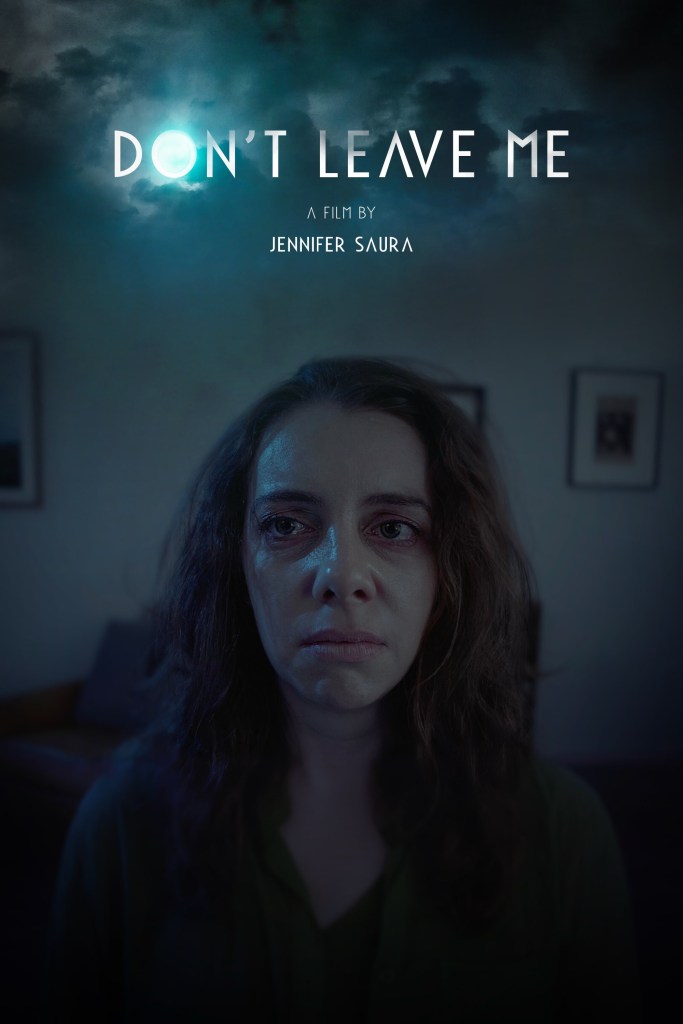
Don’t Leave Me (2026): Directed by Jennifer Saura, this is the story of Dr. Elena Vance (Clara Rossi), a brilliant anthropologist whose life’s work is the comparative study of funerary rites and the space between life and death. Her professional detachment shatters when her husband takes his own life. Instead of processing her grief, Elena descends into a mania. She begins using the occult rituals she has spent her career to bring her husband back. What starts as a desperate act of preservation quickly warps into a grotesque attempt at resurrection. As the line between academic inquiry and necromancy blurs, the house becomes a tomb, and the rituals demand a toll that Elena is all too willing to pay. While the resurrection is pure fiction, the production team drew on actual anthropological texts on death rites in remote regions of the Andes and Southeast Asia to build the scientific basis for Elena’s madness. It gives the ritual sequences a grounded, unsettling weight that makes them much harder to watch.

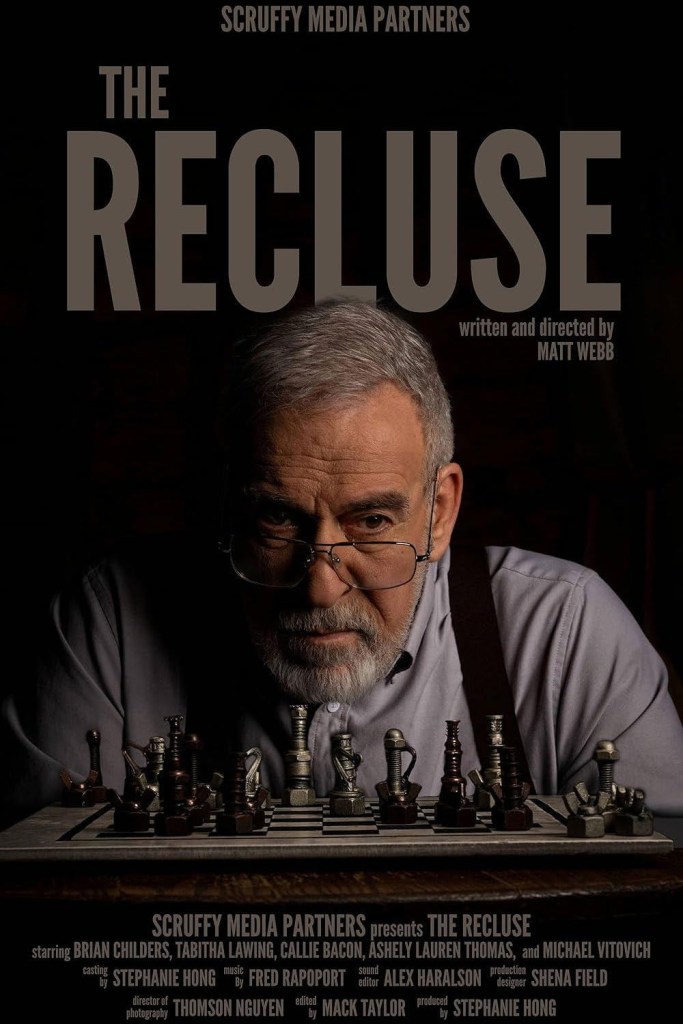
The Recluse (2026): Oak Ridge, Tennessee. Sirens and a radio report indicate a containment breach at the National Laboratory. The authorities slap a hard, mandatory curfew on the area, and for “the man” (played by Brian Childer), that’s a death sentence for his solitude. He’s a man who likes his own company, but when a group of frantic, soot-stained strangers bangs on his door, his better judgment forces him to let them in. They claim to be fleeing the whatever has happened at the lab, but as the night wears on and the radio reports become increasingly contradictory, Arthur realizes the threat isn’t just radiation. It’s the people currently turning his living room into a pressure cooker of lies and shifting loyalties. The film leans heavily on the real history of Oak Ridge, a secret city during the Manhattan Project. Director Matt Webb uses the location’s eerie, industrial legacy to make the setting feel like a character in its own right. “It was really peaceful here, until all of you showed up,” the man says, and you feel how exhausted this has made him.

You can watch this either in-person or virtually at the Chattanooga Film Festival. For more info, visit the official site.
KO-FI SUPPORTER: Marijuana Man (1968)

EDITOR’S NOTE: Today’s movie is brought to you by Eddie R., who subscribed at the Big B&S’er tier.

Would you like me to write about the movies of your choice? It’s simple!

  1. Visit Ko-Fi.
  2. Join as a monthly member for just $1. That makes you a Little B&S’er.
  3. As a Medium B&S’er at just $3 a month, if you pick a movie or a director, I’ll write about them for you. In fact, I’ll do one for each month you subscribe and even dedicate the post to you.
  4. For $5 a month, you basically get some major power. As a Big B&S’er, I’ll write an entire week on any subject you’d like. Every month, if you’d like.
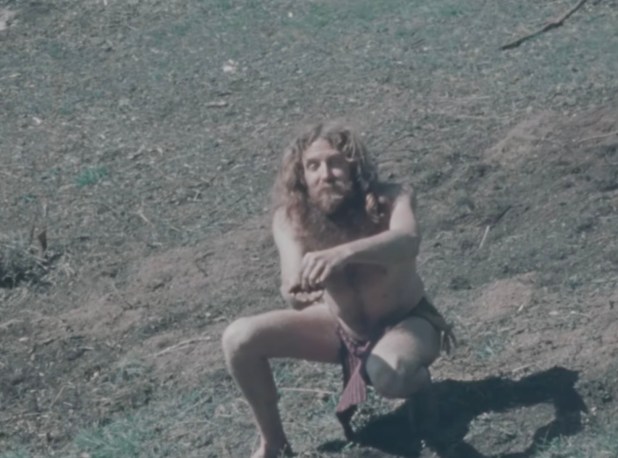
Wow, what a mystery film. Marijuana Man claims to be from 1968. But if you’re a history nerd or just someone who watched a lot of weed documentaries, you’ll know that the Drug Enforcement Administration wasn’t actually established by President Nixon until 1973. Did the filmmakers somehow possess a psychic link to future federal bureaucracy? Did a time-traveling narc fly a 70s chopper back to a 1968 pot farm?

But who cares? This has a wild man just farming his crop and avoiding that helicopter while trying to win over a young lady with his kind bud. And you get some jammy music from a band called Airhead.

They’re not the 1990s band that was also known as Jefferson Airhead. Or the movie.

Marijuana Man — and that’s what I’m calling him — goes ham on a mushroom while sharing a joint with another hirsute individual. By the end of their session, they’re just lying in the grass.

But all good things must end. A woman doing a tarot spread foresees that Marijuana Man is living in a world that just can’t last, up against people he doesn’t even know he’s battling. So yeah, she may have drawn the fool, and he may have found the death card, but maybe he knows that the death draw really represents profound transformation and the natural ending of cycles. This card encourages letting go of what no longer serves you to allow for personal change.

Despite the ending, where the DEA takes him out, I get the feeling that he’ll live on through his crop. The hippie girl passes out his seeds and sends the others out into the world to plant his magic. And wow, they must have used that helicopter for the shot at the end, when everyone walks away and plants the seeds.

Preserved in the digital archives of the Prelinger Collection, Marijuana Man is a fascinating, gritty artifact of late-1960s or early-1970s independent filmmaking. Most likely shot on location in Marin or Sonoma County, this has some great looks at some early hybrids grown back in the old days. The footage itself stems from the collection of John Carlson (1951–2021), a notable San Francisco filmmaker, lighting technician, and educator who taught cinematography at the City College of San Francisco and worked for decades as a chief colorist at legendary Bay Area labs like Monaco Film and Video.

Thanks, Eddie R., for sending this my way. If anyone is reading this knows more about this movie, please reach out!

You can watch this on YouTube.

JUNESPLOITATION: Biohazard 2 (1998)

DAY 15. George Romero!

As a yinzer, I have seen every Romero movie many, many times. So other than his OJ Simpson documentary and Iron City Asskickers, I had no idea what to do.

Do I go to the George A. Romero Archival Collection at Pitt and write about one of his unproduced scripts like Black Mariah, Cartoon, Chain Letter, Cherubs, Cupie, Dark Secrets, Dark Young Things, Darque Passages, Dead Man’s Catch, Death of Death, Divine Spirit, Dracula, Dreamwalker, Enemies, Figments, Flying Horses, Funky Coven, George Romero’s Scary Tales, Germs, Ghost Town, Gogiro (Loves You), Golem, GPS, Hell, Hell Hotel, Hell Bent, Hot-L Diablo, Honus, House With a Clock In Its Walls, Jack and the Beanstalk, Meatmarkets, Midnight Show, Monster MASH, Moonshadoes, Native Tongue, Night of the Living Dead: The Series, Nuns from Outer Space, Peter and the Wolfman, Scream of Fear, Shop Til You Drop…Dead, The Calling, The Collaboration, The Girl Who Loved Tom Gordon, The Raven or Jacaranda Joe?

How about Welcome to Dead House, an unproduced adaption of the first Goosebumps book that has the dead of Dark Falls become zombies instead of ghouls? Supposedly Tim Burton was to direct and other scripts were written by John Sayles, Mick Garris and Alan Ormsby.

Then I remembered — Bill and I did a talking head doc about Romero’s Resident Evil project and it never got released, so why not use the research I did?

It all started when Romero directed a live-action commercial promoting the video game Resident Evil 2 in Los Angeles. The 30-second advertisement featured the game’s two main characters, Leon S. Kennedy (Brad Renfro) and Claire Redfield (Adrienne Frantz), fighting a horde of zombies while in Raccoon City’s police station. This commercial was only shown in Japan where the game is known as Biohazard 2

Trust me — this thing looks great. A million dollar budget for 30 seconds of commercial? Amazing.

Frantz said to Variety: ““It was an honor to work with a legend like Romero,” Frantz said. “All of the zombie TV shows and movies that we see today are because of him. He started an entire horror film revolution.”

That’s true. We wouldn’t even have this video game without him, as so many of the things accepted about zombies come directly from him and his films.

Resident Evil was created by Shinji Mikami and Tokuro Fujiwara and released for the PlayStation in 1996.It is credited for defining the survival horror genre and returning zombies to popular culture. Game design started in 1993 when Capcom’s Tokuro Fujiwara told Shinji Mikami and other co-workers to create a game using elements from Fujiwara’s 1989 game Sweet Home on the Super Nintendo Entertainment System. Sweet Home was based on a movie that was released around the same time.  The cinematic nature of Sweet Home led to Biohazard.

Capcom was so impressed with Romero’s work, it was strongly indicated that Romero would direct the first Resident Evil film. He declined at first — “I don’t wanna make another film with zombies in it, and I couldn’t make a movie based on something that ain’t mine.” He reconsidered and wrote a script for the first movie. which was eventually rejected in favor of Paul W. S. Anderson’s version.

Romero’s Resident Evil was set in the Spencer Mansion and focused on Chris Redfield and Jill Valentine. It’s a lot more faithful to the game than the Paul W.S. Anderson movies and has giant snakes, man-eating plants and mutant sharks. Barry Burton, Rebecca Chambers, Ada Wong and Albert Wesker were to also appear. Not a gamer, Romero had his assistant Jason play the game for him so he could get a feel for it.

The ending to the film would have been similar to the best ending to the first Resident Evil game. Romero even got Berni Wrightson to do artwork for Tyrant, the villain.

Buts adly, Capcom producer Yoshiki Okamoto bluntly stated at the time: “Romero’s script wasn’t good, so Romero was fired.” There’s also rumor that the movie would have been NC-17 so he wasn’t picked.

Romero also said in an interview with Paul Weedon, “…this guy named Bernd Eichinger, who came in and said “No, this is not what I want.” And that was it. And he had no idea what a video game was. This is the guy that made House of the Spirits and Das Boot and he just had an impression of what he wanted the thing to be, which sort of flew in the face of all of us – Capcom and his own guys. So that was it.”

Alan B. McElroy (Halloween 4: The Return of Michael Myers and Wrong Turn) and Jamie Blanks (Valentine, Urban Legend) also were said to work on treatments.

While not a gamer, Romero was smart enough to recognize that they led to the return of zombies. He said, “I do think the popularity of the creature has come from video games, not film. Zombieland was the first zombie film to break $100 million at the box office, and therefore Hollywood got interested. The remake of Dawn of the Dead did about $75 million … But dozens of hugely popular video games have had a bigger impact.”

Luckily, he saw the benefits of this new fame for the walking dead. As Book of the Dead: The Complete History of Zombie Cinema says, “Whatever criticism one might want to level against the first Resident Evil movie, it had an undeniably positive effect on the zombie’s fortunes. Dragged into the mainstream by the videogame franchise and Anderson’s blockbuster, the living dead suddenly achieved a degree of respectability they’d never had before. It was as if, after seventy-odd years of being ignored, they’d finally received their invite to the Hollywood party. Within mere weeks of Resident Evil‘s opening came a series of press releases and announcements suggesting that the zombie had finally broken free of its marginal roots: a remake of Dawn of the Dead had received the greenlight, a big-screen adaptation of arcade game The House of the Dead was going into production; and, perhaps most exciting of all, George Romero announced at Fangoria’s Weekend of Horrors Convention in August 2002 that he was in serious talks with Twentieth Century Fox to complete the fourth and final installment of his trilogy — provisionally dubbed Land of the Dead, with a $10 million budget and a planned R-rated release.”

You can watch this on YouTube.

CULTPIX MONTH: Zorgon: The H-Bomb Beast from Hell (1972)

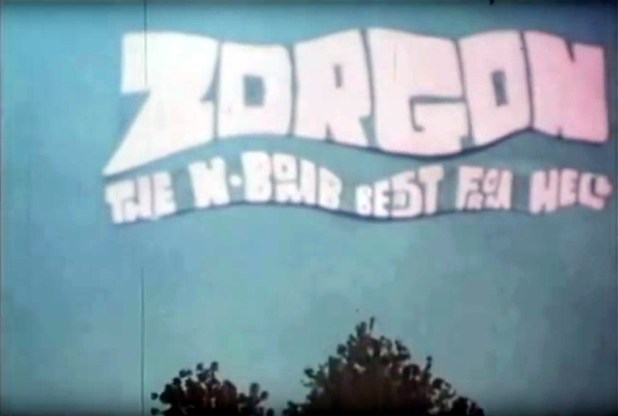
A creature is turning a small town into a buffet, and the local authorities are hilariously incompetent. They always are. A fed-up civilian gathers his bravest (or perhaps just most bored) friends to form a vigilante posse. They head straight for Bronson Canyon, the most overused filming location in Hollywood history (seen in everything from Invasion of the Body Snatchers and the Batman ’66 Batcave to Army of DarknessThe Phantom EmpireThe Lost Empire, the original Flash Gordon serial, Robot MonsterDemonoid, and so many more movies).

The titular Zorgon is a triumph of whatever we found in the garage special effects. While the title promises an H-Bomb Beast, the actual creature usually ends up looking like a man in a wrinkled rubber suit with perhaps a few too many fins. The H-Bomb element is mostly handled through dialogue, with characters insisting the creature is radioactive despite it looking suspiciously like a damp carpet.

According to a YouTube comment, “The costume for ZORGON was actually made up of parts from the monster suits in Octaman and Schlock, with a great new mask created especially for ZORGON. fun, interesting little film. They should put it on DVD.”

The cast is the real highlight. There’s Ace Mask, who shows up in movies like Chopping Mall and Not of This Earth; Susan Turner, who did effects for 1941Ghost StoryDreamscape and more; stop motion and matte artist Jim Danforth, who worked on Prince of DarknessFlesh Gordon and more; effects wizard David Allen, who directed The Primevals; Mark Thomas McGee, the co-writer and co-director of Equinox, as well as the writer of Hard to Die and Witch Academy; Jon Berg, who did effects for Star Wars and Dragonslayer; Bill Hedge, who worked on Species and did the puppet work for Night Train to Terror; Rick Baker (do I have to tell you who he is?) and director Kevin Fernan, making this as his student project for Pasadena City College.

He got an A-.

You can watch this on Cultpix.

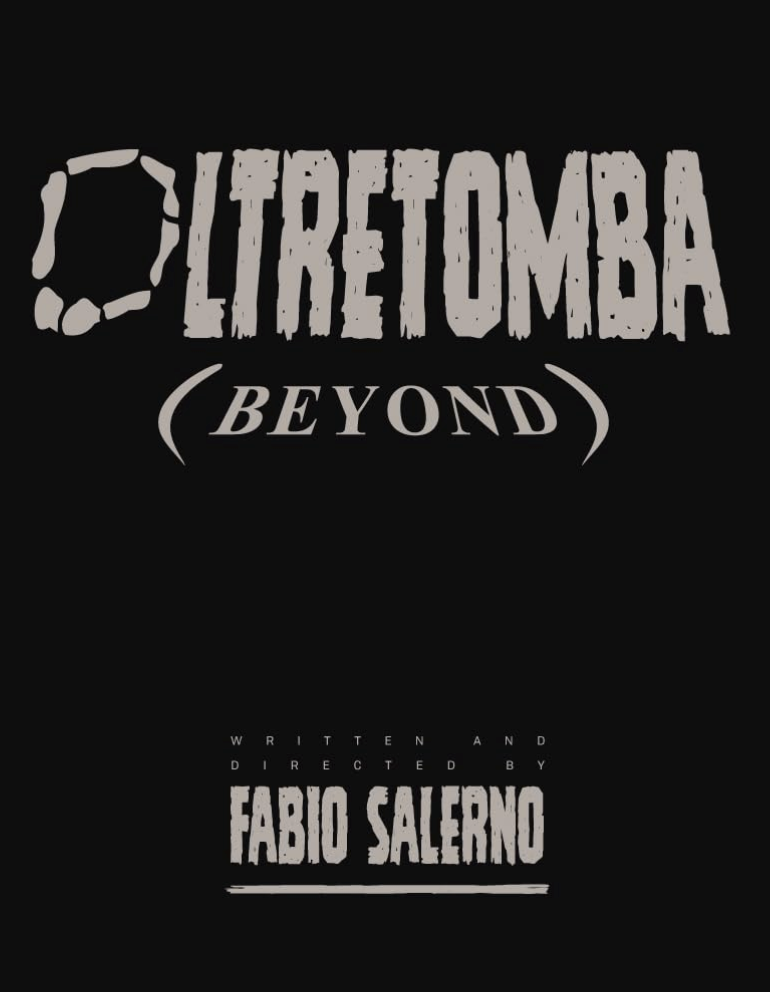
APRIL MOVIE THON DAY 14: Oltretomba (Beyond) (1987)

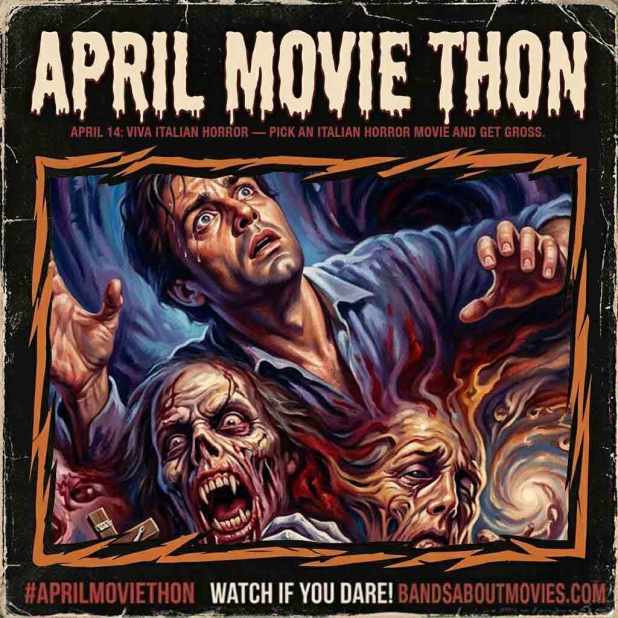
April 14: Viva Italian Horror — Pick an Italian horror movie and get gross.

The restoration and release of Fabio Salerno’s work by Blazing Skull—specifically within the collection The Other Dimension and the Films of Fabio Salerno—has finally shone a light on a corner of Italian underground cinema that was nearly lost to time. Blazing Skull’s assessment of Salerno is bold but fitting: they position him as the “missing link between Dario Argento and George & Mike Kuchar.”

In just over 15 minutes, Salerno’s short The Other Dimension (1987) explores the hubris of a man obsessed with the afterlife. Like a no-budget version of Flatliners, the protagonist seeks to pierce the veil by undergoing a temporary, controlled death. Obsessed with seeing the other side, he wants to link his mind with a dying man and follow him into the dimension of the dead. To achieve this, he identifies a target, a wicked man who is a thief or a drug user, believing this will lead him to the most interesting parts of Hell.

He finds the unconscious individual in a derelict building and uses a syringe to inject himself with a substance meant to induce a death-like trance. As the drug takes effect, he attempts to focus his mind on the dying stranger to bridge the gap between life and the beyond. He describes falling into a trance but finds that nothing served and realizes too late that the dose he took was bad stuff. There’s also a sink filled with worms that he eats out of, because of course he should.

Sadly, Saserno would die just six years after making this. He also made The Harpies, another movie even more indebted to Argento’s movies.

You can watch this on YouTube.

The Early 70’s Horror Trailer (1999)

I want to meet Damon Packard, but I’d also be a little freaked out about it. The Early ‘70s Horror Trailer is so inside my brain and filled with the imagery I love most about, well, early 70s horror, without anything like a plot to get in the way.

Why is everyone running? Why is there so much blood? Who drowned that girl? Make your own movie inside your head with this, as these are, but moments in a reality we will never experience except in these split seconds. The layered, distorted audio that sounds like a cassette tape melting in a hot car, something else we may never hear again. Packard doesn’t make a movie influenced by the past here. Instead, he captures the way we remember old movies in a fragmented, terrifying and disconnected-from-reality manner.

I hope no one ever remakes Let’s Scare Jessica to Death, but if someone does, let’s kill them and have Packard be the director instead.

You can watch this on YouTube.

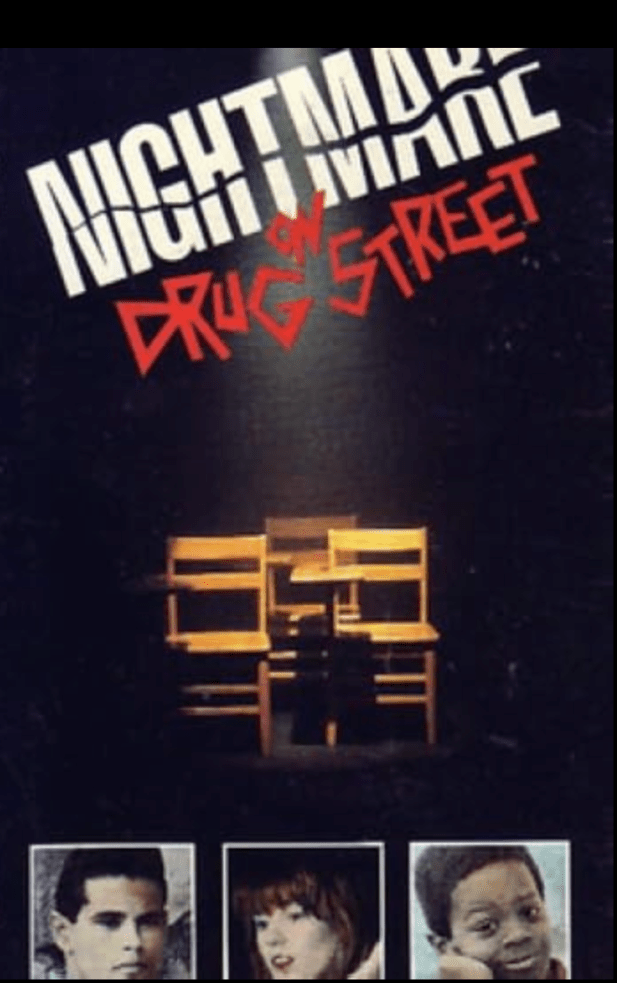
A Nightmare On Drug Street (1989)


“Hi! I’m dead! Well, actually, my name is Jill, well, it is, or it was or whatever! Anyway, I’m dead but you know what I mean! I’m Jill!” 

When a movie starts like that, I’ll watch the whole thing.

Felipe is introduced as a high school hero whose team just won a big game. Seeking to look cool and prepare for the college life he imagines, he smokes marijuana and drinks beer, noting that his old man does the same. His story ends abruptly when he gets behind the wheel of a convertible, drives recklessly and crashes, killing himself and his friend. 

Jill’s story begins at a house party where she meets a boy named Craig (who wears way too much cologne). He introduces her to cocaine, claiming it makes everything easy. Her addiction spirals quickly; she ends up trading her most prized possession, a necklace given to her by her grandmother, to a dealer for an eight-ball, then overdoses alone in her room.

Eddie is a bright, science-loving kid who gets pressured by an older friend to try crack cocaine, being told it turns the inside of your head into a video game. After just a few uses, Eddie collapses. The narrator reveals that Eddie had an undiagnosed congenital heart defect, and the crack cured it in the most macabre sense possible.

Directed by Traci Wald Donat, the daughter of Helen Reddy, and written by Robert Bucci and George Larrimore, this is a remnant of the just say no era, a war on drugs that kept people in prison for decades for marijuana possession, but also allowed the CIA to put crack into black neighborhoods. 

Speaking of drugs, Raymond Cruz, who played Felipe, would go on to be Tuco Salamanca on Breaking Bad.

Did I do drugs during my review? Of course I did. I’m Sam. Anyways, I’m dead, but I’m Sam!

You can watch this on YouTube.