Cinematic Void January Giallo 2025: Your Vice Is a Locked Room and Only I Have the Key (1972)

Editor’s note: Cinematic Void will be playing this movie on Monday, January 27 at 7:30 p.m. at the Music Box Theater in Chicago, IL (tickets here). It will also be playing at 5 p.m. at Tenth Ave. Arts Ctr. in San Diego, CA (tickets here) with All the Colors of the Dark and Strange Vice of Mrs. Wardh. For more information, visit Cinematic Void.

Has a movie ever had a better title? Nope. Sergio Martino’s fourth entry into the giallo genre, following The Strange Vice of Mrs. Wardh, The Case of the Scorpion’s Tail and the previously reviewed All the Colors of the Dark, refers to the note that the killer leaves for Edwige Fenech’s character in Mrs. Wardh. And the title is way better than this film’s alternate titles — Gently Before She Dies, Eye of the Black Cat and Excite Me!

Martino wastes no time at all getting into the crazy in this one — Oliviero Rouvigny (Luigi Pistilli from A Bay of Blood, Iguana with the Tongue of Fire, Death Rides a Horse) is a dark, sinister man, a failed writer and alcoholic who lives in a mansion that’s falling apart (If this all feels like a modernized version of a Poe story like The Fall of the House of Usher, it’s no accident. There’s even an acknowledgment that the film is inspired by The Black Cat in the opening credits.). His wife, Irina (Anita Strindberg from A Lizard in a Woman’s Skin and Who Saw Her Die?), suffers his abuses, but never more so than when he gathers hippies together for confrontational parties. He makes everyone pour all of their wine into a bowl and forces her to drink it, then humiliates their black servant Brenda until one of the partygoers starts singing, and everyone joins in, then gets naked. This scene is beyond strange and must be experienced. Luckily, I found the link for you, but trust me — it’s NSFW.

The only person Oliviero seems to love is Satan, the cat that belonged to his dead mother. Satan is a black cat who talks throughout every scene. His constant meows led to my cats communicating with the TV. God only knows what a 1970s Giallo cat said, but his words seemed to speak directly to their hearts.

One of Oliviero’s mistresses is found dead near the house, but he hides her body. The police suspect him, as does his wife. Adding to the tension is the fact that Irina hates Satan, who only seems to care about messing with her beloved birds.

Remember that servant? Well, she’s dead now, but not before she walks around half-naked in Oliviero’s mother’s dress while he watches from the other room. She barely makes it to Irina’s room before she collapses, covered in blood. Blood that Satan the cat has no problem walking through! He refuses to call the police, as he doesn’t want any more suspicion. He asks his wife to help him get rid of the body.

Oliviero’s niece Floriana (Edwige Fenech, pretty much the queen of the Giallo) is in town for a visit, learning how Oliviero hasn’t been able to write one sentence over and over again for three years, stuck in writer’s block (and predating The Shining by five years in book form and eight years away from Kubrick’s film). Unlike everyone else who tolerates Oliviero’s behavior or ignores it, Floriana sees right through the bullshit. The writer is used to seducing every woman he meets, and she initially rebuffs him, even asking if it’s true that Oliviero used to sleep with his mother. He angrily asks if it’s true that she’s a two-bit whore. “Those would be two bits worth spending,” is her caustic reply.

Irina confides all of her pain to Floriana as the two become lovers. And another girl gets murdered — perhaps by Oliviero. Then, a dirt bike racer comes to drop off milk and hit on Floriana. I wondered when this film would get hard to follow and start piling on the red herrings!

After being questioned by the police, Oliviero comes home to choke his wife. He stops at the last second…, and then we’re off to the races! The motorbike races! The milkman loses when his bike breaks down, but he’s the real winner — taking Floriana back to the abandoned house that he lives in. And oh, look — creepy Oliviero is watching the action.

Meanwhile, Satan got into the coop and chowed down on several birds. Irina catches him, and they have quite the battle. He scratches her numerous times before she stabs him in the eye with a pair of scissors. An old woman watches and is chased away by Irina’s yelling.

She’s afraid that her husband will kill her once he learns that she killed Satan. And Oliviero keeps wondering where the cat is, especially after he buys the cat his favorite meal from the store — sheep eyes. That said — Satan might not be so dead, as we can hear his screaming and see him with a missing eye.

Floriana puts on Oliviero’s mother’s dress, asking if this is what the maid looked like before she died. Whether it’s the dress the forbidden family loves or just her beauty, he rips off her dress — at her urging, mind you — and begins making love to his niece. We cut to Idrina, caressing her pet birds, when Oliviero confronts her with scissors and questions about Satan. He almost stabs her before he ends up raping her inside the coop while Floriana looks on. She plays them off the other, even telling Idrina that she’s slept with her husband. She also tells her that Oliviero wants to kill her, so she should kill him first.

Idrina wakes up to the sound of Satan but can’t find him anywhere. She finds her husband in bed with Floriana, who is belittling him. With every sinister meow, there’s a zoom of the cat’s damaged eye. Finally, Oliviero attacks her for spying on him, slapping her around before he leaves to write. She walks the grounds of the mansion, seeing the motorcycle rider make a date with Floriana and catching sight of Satan, who runs from her. In the basement, she finds scissors and the hidden bodies of her husband’s lover and the murdered maid. In a moment of clarity — or madness — she stabs her husband while he sleeps. The sequence is breathtaking — a Giallo POV shot of the murder weapon intercut with the same sentence being typed over and over, interspersed with all of the abuses that Oliviero had wrought upon her. She stabs again and again before Floriana interrupts, asking her if it is easy. The sentence that the author had written again and again was him claiming that he would kill her and there was a space in the wall for her, so obviously, she had to kill him.

As for Floriana, all she wanted was the family jewels hidden in the house. They seal Oliviero’s corpse within the wall while Walter watches from afar. He’s played by Ivan Rassimov, who does creeping staring dudes better than anyone else — witness his work in All the Colors of the Dark. And it turns out that he’s the real killer! He’s been typing “vendetta” over and over again. Floriana asks if Idrina is planning to kill her before she runs off into the night, and then Walter appears to kiss Idrina. They were all working together — she told him where to find Floriana the following day. Holy shit — Idrina reveals her whole plot, revealing how she drove her husband crazy, making him believe that he could have been a murderer! She wishes that there was an afterlife, so Oliviero’s mother — who she killed! — could tell him how great her revenge was. She ends by hoping that her husband is still alive so that he can suffer for eternity.

Walter sets up an accident that takes out Floriana and her boyfriend as their motorcycle crashes, sending blood across the white heart of a billboard and out of her lips. He tosses a match on the gasoline-soaked highway, burning both of their corpses. He collects the jewelry and gives it to Idrina, who responds by shoving him off a cliff!

When she returns to the mansion, the police are there, as they are alerted to her stabbing Satan by the old woman. They come inside the house to write a statement but hear the sound of Satan’s meows. Following the sound, they find him inside a wall — with the corpse of her husband!

Your Vice is a Locked Room and Only I Have the Key is superb. An intriguing story — only a few derailing giallo moments (like the killing of the girl in the room with the dolls and the B roll motocross scenes) — with great acting, eye-catching camerawork and some genuine surprises, it’s well worth seeking out and savoring.

Last Call (1991)

Indian-American director Jag Mundhra was born into a conservative family where films were discouraged. He was a good enough engineering student to earn his master’s degree in electrical engineering at the University of Michigan but switched to a PhD program in filmmaking.

While his early and later movies were socially conscious, he’s probably best known for his erotic thrillers—he directed Night Eyes, so he can claim to be influential—such as Legal Tender and Tales of The Kama Sutra: The Perfumed Garden and horror movies like Hack-O-Lantern.

More than twenty years ago, Cindy watched as real estate agent Jason Laurence (Matt Roe, Puppet Master) threw her mother to her death. And wow, her mother was an exploitation actress, with a poster in her house that seems to be created from Vampire Circus.

Shannon Tweed’s character, Cindy, embarks on a revenge scheme that begins with involving Paul (William Katt) in a check-cashing crime caper. This involvement transforms Paul from a young idealistic businessman into a cynical crook. The question arises: if you had the chance to aid 1991 Shannon Tweed, much less bed her, wouldn’t you?

Throw in a solid supporting cast—Joseph Campanella, Stella Stevens, Karen Elise Baldwin—and plenty of saxophone, shake it up and add way better cinematography by James Mathers (Night Eyes 3, Syngenor, Silent Night, Deadly Night 5), and you get a movie that shows that the origins of the erotic thriller genre weren’t always quickly made tossable efforts.

What takes this beyond the norm is the scene where Tweed does a striptease wearing a black lace bodysuit, contorts in front of a yarn spiderweb, and stabbing a teddy bear while screaming, “Mommy!” That may have just been words on the page of Steven Iyama’s script, but Tweed transforms a simple turn of phrase into a memorable set piece that helps this transcend normalcy.

You can watch this on Tubi.

Cinematic Void January Giallo 2025: Paranoia (1969)

EDITOR’S NOTE: Cinematic Void will be playing this on Monday, Jan. 20 at 7:00 p.m. at Los Feliz 3 in Los Angeles, CA (tickets here). For more information, visit Cinematic Void

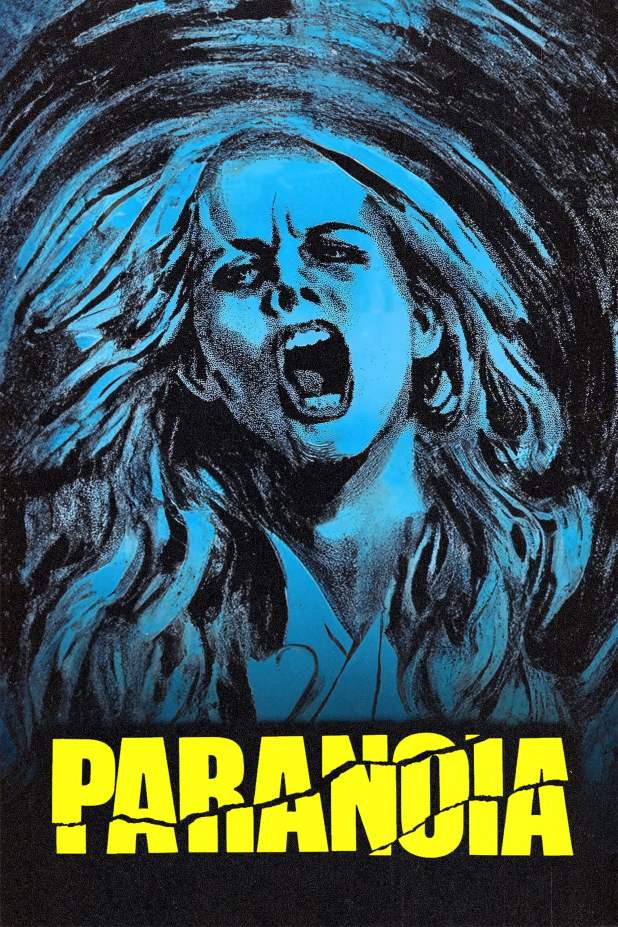
Umberto Lenzi, come on down! We’re eager for you to shock us, titillate us, and perhaps even thrill us a bit. Oh, and you’ve brought Carroll Baker with you! Please, show us the tale you’ve crafted!

Released in Italy as Orgasmo, this was released as one of the first X-rated movies in the U.S., which was definitely played up in all of the ads especially because it had Baker in the movie. She had left America a single mother with two children and her prospects weren’t great in Hollywood. In Italy, despite making movies that she said “What they think is wonderful is not what we might,” she found a career. Later, she would admit that it showed her an entirely different world and brought her back to feeling alive again.

What’s confusing is that Lenzi’s next movie was released as Paranoia in Italy and A Quiet Place to Kill in America.

I love this interview that she did with Tank Magazine, answering if she ever did any avant-garde projects: “Some of the films in Europe, of course, but a lot of them I haven’t even seen. The one I’m curious about is called Baba Yaga; it was a really far out, wild, cartoonish sort of thing. I play the title character, a 1,500-year-old witch, and all my sisters were witches, too. I didn’t have to be completely naked, but in every Italian film, there was a scene where you had to show your breasts. Usually, I was talking on the telephone or reading a book. One day they announced a nude scene – I couldn’t believe it. But the make-up artist and hairdresser were already there, dying the other girls’ pubic hair to match the hair on their heads.”

In this story, Kathryn West (played by Baker) is a glamorous American widow who moves to Italy just weeks after her wealthy older husband’s death. She settles into a huge villa, but her life feels lonely and boring until Peter enters the picture. His free-spirited nature shakes her out of her rut, and soon he moves in with his sister, Eva. However, things aren’t what they seem—they are not actually siblings, and their relationship evolves into a complicated love triangle. When Kathryn tries to break free from this arrangement, Peter and Eva keep her prisoner, constantly keeping her under the influence of drugs and alcohol while playing the same haunting song on repeat, driving her to the brink of insanity and suicidal thoughts. That’s what happens when you get gaslit and everyone is feeding you pills. Don’t worry — everyone pays for their sins by the end.

Caroll Baker started off as a Hollywood sex symbol before retreating to Europe where she’d make Baba YagaSo Sweet… So Perverse and The Sweet Body of Deborah, amongst others. Eventually, she’d move back to America and become a mature actress. As for Lenzi, he’d go on to make Eaten AliveCannibal FeroxNightmare City and more.

If you appreciate melodramatic twists, layered narratives, and visually striking sex scenes, then it’s time to indulge in this film. You can find it as part of The Complete Lenzi/Baker Giallo Collection set from Severin, which also has So Sweet…So PeverseA Quiet Place to Kill and Knife of Ice.

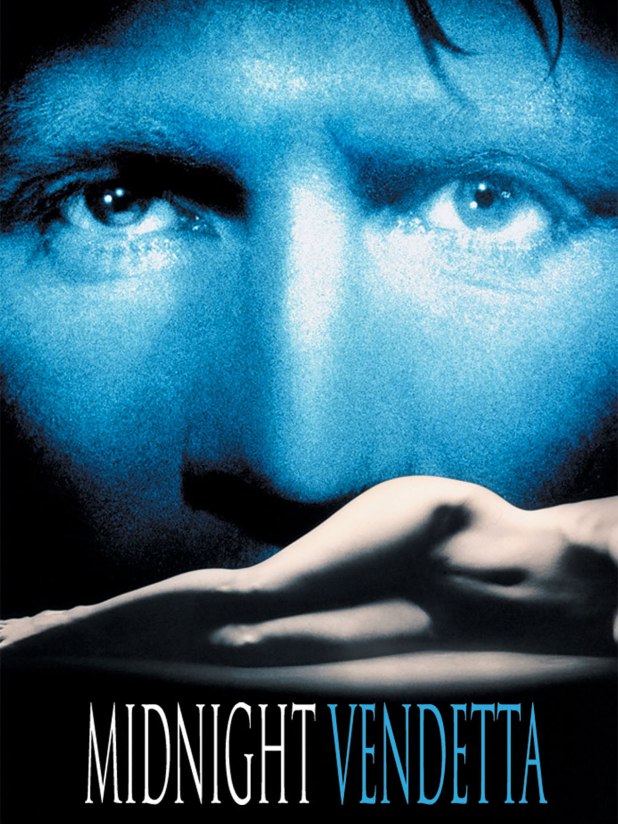
Midnight Vendetta (2001)

Also known as Thy Neighbour’s Wife, Sex Attraction and Poison, this stars Kari Wuhrer, who from 1988-1989 was the it girl on MTV’s Remote Control (but not the first or the last; the show has Marisol Massey in season 1, Wuhrer was replaced by Alicia Coppola and the last episodes had Susan Ashley in the role). By 1999, she’d been on the Swamp Thing TV show and appeared in several horror movies. By the time she was added to the cast of Sliders and had an album on Rick Rubin’s American Records, Shiny, she was at the top of the world.

This led to a disaster of an appearance on Conan O’Brien’s first talk show. It started when she insulted comedian Stephen Wright, and it only got worse from there.

She’s still acting — doing voice work often — but she never achieved those heights of the late 90s again, where man’s magazines like FHM and Maxim — remember those? — fawned over her. And hey, she’s in many of my favorite movies of that era, like The Adventures of Ford Fairlane and Beastmaster 2: Through the Portal of Time. But after that? The Prophecy sequels, the Hitcher sequels, movies where she fights spiders and erotic thrillers.

Yes, back in 2000, this was a viable career path. If you had the internet, you had dial-up. Cable and video store softcore was still a thing.

Wuhrer is Ann Stewart, whose husband, Chris (Larry Poindexter), has burned out at work. When he doesn’t get the promotion he feels he is owed, well, he kills himself. Am I supposed to be like the kids and say he unlived himself? And this is after she slept with an old man named Ian McMillan (Michael Cavanaugh) just to ensure that he finally made a sale!

After her husband drives his car off the road to Deathsville, she becomes Anna Johnson and takes over as the live-in au pair for Nicole Garrett (Barbara Crampton), the woman who took her husband’s promotion. Will she turn daughter Darla (Melissa Stone) against her mother? Well, that’s already been done, but yes, she does. She also scuffs her knees in the laundry room pleasuring teen son David (Seth Adam Jones) and has her sights set on husband Scott (Jeff Trachta). Yes, if she has to sleep with every member of the family to get revenge, she will. After all, she had already killed the big boss, Mr. Slider (John Henry Richardson).

Even the way that she got this job comes from revenge. Ann wanted to kill Nicole and accidentally murdered their housekeeper, Karina (Peggy Trentini). This creates a job opening and a way for her to get close to her enemy, who doesn’t even know she is one.

Jay Andrews directed this, but come on, that’s Jim Wynorski, the same as co-writer Noble Henry. He’s joined by writers Sean O’Bannon (Mom’s Outta Site and Mom, Can I Keep Her?) and Al Sophianopoulos, who also write Interlocked: Thrilled to Death. I could be convinced that he’s also Wynorski. Just like the Giallo that inspired these erotic thrillers, they have filmmakers who have plenty of other names and come in so many titles.

And that’s why I already reviewed this as Thy Neighbor’s Wife

However, I am not sad. Why wouldn’t I want to watch Kari Wuhrer and Barbara Crampton fight one another one more time? Isn’t that one of life’s simplest pleasures?

Maybe Ann/Anna did Nicole a favor. The last housekeeper, Karina, was about to bone out Scott. Perhaps these two women are close to being one another, and it will take a near-death experience to finally understand her daughter, who is a vacuous cipher of a character.

This is the movie your grandmother would have bought you for Christmas if you asked for The Hand That Rocks the Cradle. She would say, “I don’t know all those erotic thrillers you kids are into today.”

You can watch this on Tubi.

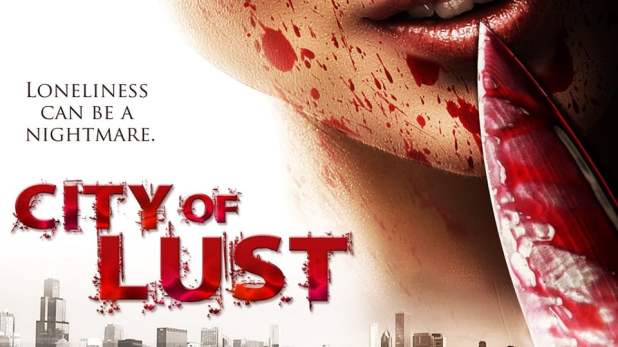
City of Lust (2013)

Directed by David A. Holcombe, who co-wrote the script with Rory Leahy and Nick Reise, this film, initially titled Yellow, draws inspiration from Giallo films. In America, it was rebranded as City of Lust, a title that perhaps doesn’t fully capture its essence. The film delves into themes of escape and identity, a journey that unfolds against the backdrop of a beauty salon.

Ariana (Margaret Grace) has a life she wants to escape, working in a beauty salon for Lyla, who seemingly abuses her at every opportunity. Her only friend is Renee (Kyle Greer), a trans woman who stands up for her and takes her to the clubs, where Ariana feels even more lost. When she returns home, the maintenance man Nikos (Antonio Brunetti) almost assaults her.

But when she gets to her bedroom, she finds escape through anonymous phone sex lines, looking for women to speak to. That’s where she meets Jackie (Jill Oliver), a woman who takes her into her bed and starts to fix her life. Well, I say fix in a way that means everyone who has done Ariana wrong shows up dead while our heroine appears near the bodies with no idea how she got there, clutching a tooth or a part of the person who has been killed. Ariana isn’t even her name. She changed it to escape her obsessed brother Danny (Derek Ryan Brummet), who has finally found her. And as you figure out how disturbed Ariana is, you also learn that he is the reason why.

This was sold as “a modern Giallo,” but besides the constant yellow lighting and a mask on the killer, it only has some of the familiar parts of the genre. I liked Grace’s acting, and I wanted to get behind her character as she gets over being closeted and gives herself over to someone else despite death being all around her. And yet the movie wants to be a workplace comedy and a slasher by the last half an hour, always unsure of what it needs to be. It knows the basic idea of a Giallo, but its heart does not beat for the genre; it’s just a tagline placed on a film to get people like me to watch it.

You can watch this on Tubi.

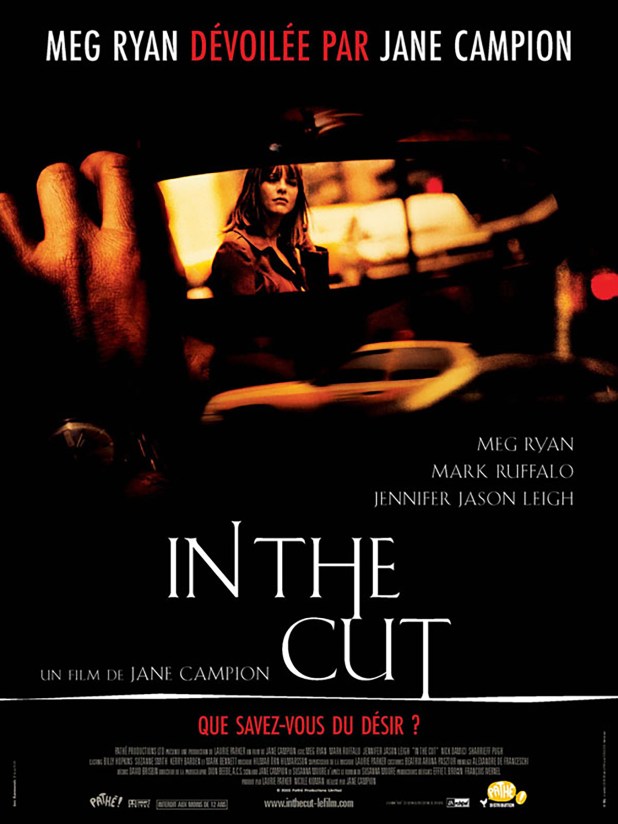
Cinematic Void January Giallo 2025: In the Cut (2003)

EDITOR’S NOTE: Cinematic Void will be playing this film on January 27 at 7:00 PM PT at Los Feliz 3 in Los Angeles, CA. For more information, visit Cinematic Void. For tickets, visit this site.

Wikipedia refers to this movie as an “American psychological thriller film,” while it was sold as a detective story and derided by critics as an erotic thriller. You know what that means: it’s a giallo.

It’s also way more profound than anyone gave it credit for.

Its heroine, Frannie Avery (Meg Ryan), is a complete and rich character, at once introverted and attracted to danger. The New York City that she lives in is also filled with both violence and sex, even in her students. One of them, Cornelius (Sharrieff Pugh), believes that John Wayne Gacy wasn’t guilty of his crimes because he was a victim of desire. Moments later, Frannie watches a couple engaged in oral sex in public. And on the subway, every ad seems to be a poem written directly to her.

That violence gets close, so close, to her that a severed limb is found in her garden. That’s when the men — and police — intrude on her life. Detective Giovanni Malloy (Mark Ruffalo) is so forward when he questions her that she’s excited by him. Yet, as animalistic as he seems, he feels nobler than the others, like his partner Richard Rodriguez (Nick Damici), who isn’t even allowed to carry his gun after trying to kill his wife.

Frannie also notices that Malloy has a 3 of Spades tattoo, which she saw on the man getting pleasured in public. It’s because he’s in a secret society and can’t tell her anymore. Later that night, she’s attacked while walking home and he comes to her rescue. They have sex, and when she wakes up, she realizes that some of her jewelry is missing.

But when going over the details with her sister Pauline (Jennifer Jason Leigh), Frannie starts to wonder if Malloy is the killer as well as the masked man who stalked her. Her student Cornelius is questioned — his term paper was written in his own blood — and she has to tell her ex, John (Kevin Bacon), that she thinks she’s having panic attacks. It doesn’t let up, as she soon finds the severed head of her sister.

And when Malloy has her jewelry and a key to her sister’s apartment, it all seems to come together. Or does it? Like in all Giallo, can we even trust our narrator?

Jane Campion and Laurie Parker spent five years developing the film. Nicole Kidman also received a producer credit. She was initially cast as Frannie but dropped out after her divorce from Tom Cruise, wanting more time with her children.

I like what Jordan Searles said about the film, as it describes why it works so well for me: “Shots depicting Frannie being watched mainly serve to highlight how women have to navigate the world under the gaze of men. Frannie is always looking over her shoulder, constantly assessing her surroundings. She knows she is being watched, yet continues to pursue pleasure on her own terms. In the end, once Frannie has faced her worst fears, In the Cut rewards that bravery.”

It’s a rare film that can subvert the male gaze without falling into it. It also isn’t afraid to show depictions of sex that don’t seem alien from the early 70s heyday of Italian psychosexual murder films. I always passed on this movie, a victim of how it was sold and reviewed, and now I know I was wrong.

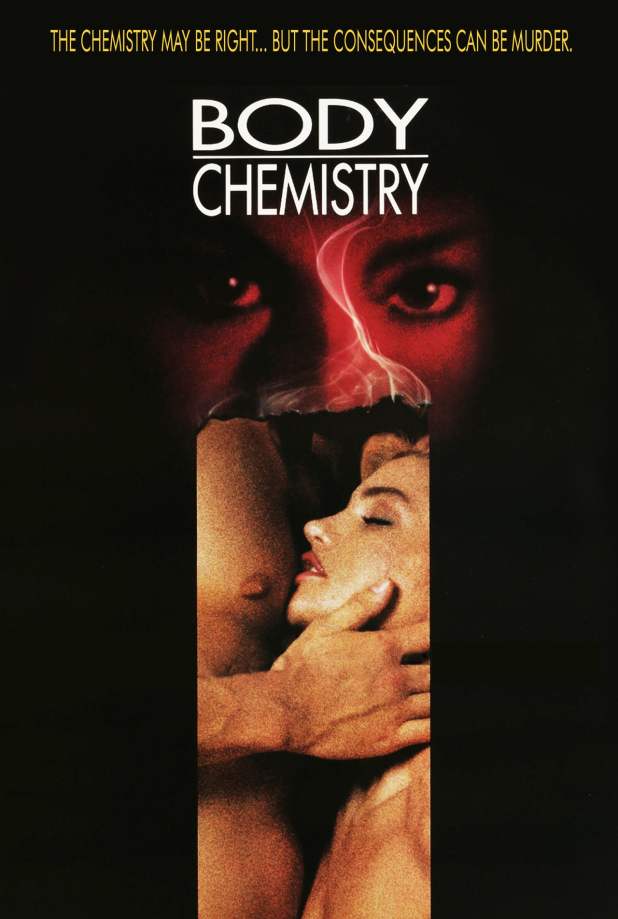
Body Chemistry (1990)

I did things backward, like I usually do, watching Body Chemistry III and Body Chemistry II before the original film.

Kristine Peterson was a member of the staff at Zoetrope Studios during the filming of Apocalypse Now before making the kind of movies that I love, like Deadly Dreams and Critters 3, as well as being an assistant director on Exterminator 2, Chopping Mall, The Supernaturals and Tremors. The script comes from Jackson Barr, who is really Jack Canson. He used that name to write the series’ second and third movies, Seedpeople, Subspecies and Trancers II. Peterson worked with Thom Babbes to push the script further, as this was a direct-to-video cash-in on Fatal Attraction. They went for the carnal content to be darker and dirtier than what played on big screens.

Tom Redding (Marc Singer) is a human sexuality researcher living a blessed life. He’s rich from his work; he has a great wife named Marlee (Mary Crosby), and might be the next director of the clinic he works for.

Then, he meets Dr. Claire Archer (Lisa Pescia).

Her theory is that sex is all about power, and she can prove that by breaking down all of Tom’s defenses and seducing him, dominating him, unlike every other woman he’s ever been with. As you’d expect, Tom wants this affair to end and for him to be able to go back to his safe family life. Dr. Claire is willing to send porn to his house as a first salvo before things eventually reach her using propane tanks to nuke his home.

For as much as Fatal Attraction and Basic Instinct — a movie similar to this one, coming out two years after — are seen as the movies from which the well of erotic thrillers springs from, Body Chemistry establishes the template from which many films would copy. Saxophone and fog-filled love scenes, evil women who introduce fallen men to a world of dirty love, and good women who want their man back in their safe vanilla beds. What they miss is the kink that this has, including a shower scene that makes it appear that Dr. Claire is taking Tom from behind, supplanting his role as the male dominant partner. That’s pretty wild for today, much less nearly thirty-five years ago.

Cinematic Void January Giallo 2025: Opera (1987)

EDITOR’S NOTE: Cinematic Void will be playing this on Saturday, Jan. 25 at midnight at the Coolidge Theater in Brookline, MA (tickets here). For more information, visit Cinematic Void

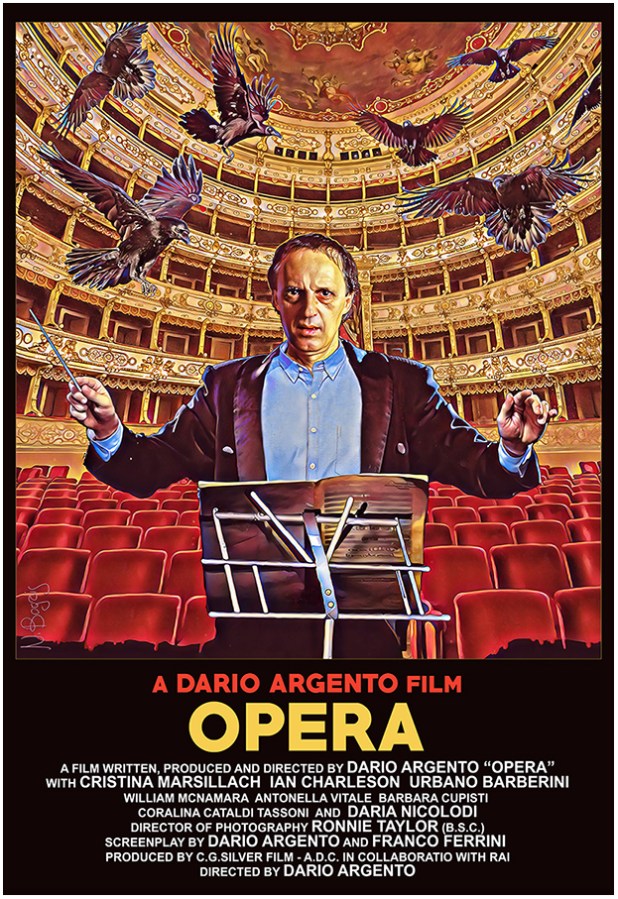
Mara Cecova is a diva and the star of a new way of performing Verdi’s Macbeth. But when she’s hit by a car as she argues with the director in the middle of the street, her role goes to her understudy, Betty. Ironically, in his book Profondo Argento, director Dario Argento claimed that the person playing the role of Betty, Cristina Marsillach, was the most challenging actress he would ever work with.

Despite her initial worries, Betty succeeds instantly on her opening night. At the same time, a black-gloved killer sneaks into one of the boxes to watch before murdering a stagehand with a coathanger. Everyone, grab your barf bags and motion sickness pills; Argento is behind the camera!

Of all the powerful shocks in Opera, perhaps the one that means the most to the viewer is that we share Betty’s torture — she’s repeatedly gagged, tied up and forced to watch the killer at work again and again as he tapes needles under her eyes. They’ll be shredded if she blinks too long or shuts her eyes. It’s like Fulci’s wettest dream ever. In the same way, we are nearly complicit with the crimes we are forced to watch, mainly because they get more and more artfully composed.

Throw in the fact that Betty believes that the hooded killer is the same person who murdered her mother; she follows the Giallo path for a protagonist and confides in someone else rather than the police. Her reason? The killer may know who she is.

Inspector Alan Santini (Urbano Barberini, Demons) is on the case because there are so many clues, like the fact that the producer’s pet ravens were found dead after the show. As for Betty, she runs from the police and calls her agent Mira (Daria Nicolodi, Argento’s former wife and the writer of Suspiria and star of Shock) for advice.

Betty’s costume gets cut to ribbons, so she asks the wardrobe girl for help. While she works on the dress, they find a gold bracelet they can almost read. But here comes the killer and his needles again, forcing her to watch him kill one more time. The wardrobe girl accidentally swallows the bracelet, so of course, we watch as the murderer slices her throat open to get it back.

Betty runs back to her apartment, where Santini is waiting. He promises to send a detective named Soavi to watch over her (yep, The Church director Michele Soavi), but she doesn’t trust the man and leaves her apartment. That’s when her agent answers the next knock on the door by looking through the peephole. What follows is the grandest kill in the entire film — which is saying something — as we follow the bullet POV-style out of the gun and directly through her eyeball. Again, Fulci is somewhere wringing his hands.

Nicolodi had just ended a long relationship with Argento and did not want to be in this film. However, the shocking and complicated murder of her character changed her mind, even if she had to deal with an explosive device being put on the back of her head to achieve the final shot.

Betty escapes the killer again and runs to the opera house, convinced there is a connection between the murderer and her long-dead and abusive mother. The next night, as she performs, the producer unleashes what is left of his ravens, hoping they’ll find the killer. Oh, they do alright — tearing his eyeball out of his head — FULCI ARE YOU THERE, IT’S ME DARIO — and rewarding you, the viewer, with POV shots that threaten you with vertigo. I’m getting dizzy even typing this.

I don’t want to give away the killer or even the second ending where the killer isn’t dead. I want to talk about the sheer Argento-ness of the final scene, where Betty wanders into a field and releases a lizard, giving him his freedom. Argento claims that Thomas Harris’s Red Dragon inspired this ending. Of interest is that the director does NOT like the Michael Mann movie Manhunter. Me? Well, I love that movie. But I’d love to see Argento’s take. There was also a thought to another ending where Betty would fall in love with the killer.

Your enjoyment of this film comes down to how much you like shocking bloodshed and Argento’s arty side. He based the movie on his own failed staging of Macbeth, basing the role of the nervous producer on himself. And the idea of pins under the eyes? It comes from a joke about how Argento hated it when people looked away during the death scenes in his films.

Believe it or not, Orion Pictures planned on releasing an R-rated version of this in the US called Terror at the Opera with eleven minutes of mayhem removed and the Swiss Alps epilogue. Argento refused, and Orion lost money at a fast clip, so the movie only saw a limited video release.

Opera is something else — filled with style and brutality. I loved it, but remember my warning about how much you can handle.

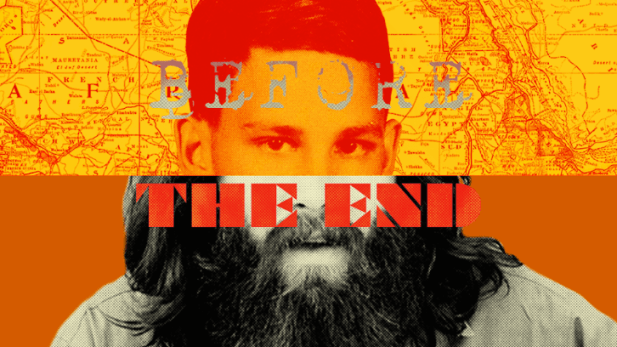
Before the End: Searching for Jim Morrison (2025)

I got the notice for this movie in my email and my curiosity instantly was alerted: “Before the End transcends “rock doc” in the same sense that Jim Morrison was more than a rock star. Featuring unprecedented content, from shocking corroboration about Morrison’s early life to harrowing revelations about his stardom and fresh evidence that contradicts his professed death, Before the End: Searching for Jim Morrison is proudly unauthorized because it “seeks the unvarnished truth.””

Jeff Finn has spent nearly forty years seeking out what the true story of Jim Morrison is, beyond the expected — the Oliver Stone movie that everyone saw in the 90s, Danny Sugerman’s No One Here Gets Out Alive that was part of the burnout starter pack in my hometown — and has gone more profound than, well, just about anyone else. He’s conducted more than a thousand interviews, more than a hundred on video, as he’s tried to figure out not just who we know who Jim Morrison is, but who he really was, from people who actually knew whoever he was at a specific moment of time, whether that’s family, high school friends, college roommates or film school classmates, Lovers, band mates, just about anyone who had a moment that they connected with Morrison, Finn has met them and learned something from them.

Where so many are content to move forward from Morrison’s birth — like how we never know what happened to Jesus from childhood to when he was an adult, a fact that has to delight Morrison, wherever he is, to no end — to the sex, drugs, rock and roll, public indecency and leather-clad Lizard Kill era of Morrison fronting The Doors. Yet Finn knows this is just part of the story and just one destination on a long midnight drive.

This doc came into my life at the right time, as I consider that I have aged past when I needed rock to tell my truth, or so adults would like me to believe. I worry for today’s youth that they will have no mysterious superstars to become obsessed about like I did in my teen years, devouring pre-internet conspiracy books about Morrison. Did he really die? Why did he use codenames like Mr. Mojo Rising? How many bands got some fame just by playing with the notion that Jim Morrison didn’t fade away? Those stories will take you down some excellent rabbit holes — Jim still has a photo ID on record at the Bank of America, he was a military MK Ultra experiment, and even he was a clone. Some of these stories strain your grasp of reality, but when the actual story is that he went to Paris and died, with no one seeing the body, how can you not expect mythology to fill in the gaps when reality is so sloppily constructed?

Told in three parts, each a little over an hour, Finn’s film has a strange impact on you. The more you listen to his deep voice, the longer you watch the interviews, and you start to follow him through the journeys down, as he says, the rabbit holes and the deeper warrens beyond those rabbit holes. By the time he introduces you to a source named “Mr. X,” who may or may not be Morrison — I don’t even know if the filmmaker is sure — you’ll be hooked. You may not become a true believer, but even if you walk away from this questioning the story about who Jim Morrison is — or was — he’s achieved his goal. It’s just as much reinventing the Jim that you believe you know and getting a more richly realized portrait of him as a human being, not just an artist. Someone who may have gone through childhood abuse, someone who moved often, someone who may have even been neurodivergent when we didn’t have the words yet to explain what that meant.

This has led me to consider who we all are. We all have a different story for each person we meet. The goal of any documentary is to inform you of a point of view, but it’s also to get you to think more critically. Before the End succeeds because it made me think of the idea that each person is only who every other person experiences them as. The difference here is that Morrison remains well-known years after his death. Supposed death, right? Each person here knew a moment in his life, and Finn knows all of their stories and the research he’s done for decades. What emerges is one of the richest pictures of Morrison I’ve seen in any media.

Before the End is streaming in the US, Canada, UK, and Australia on Amazon Prime Video, AppleTV, Google Play and YouTube TV. You can learn more at the official Facebook page.

Cinematic Void January Giallo 2025: The Fourth Victim (1971)

Editor’s note: Cinematic Void will be playing this movie on Monday, January 13 at 7:00 p.m. at the Music Box Theater in Chicago, IL. You can get tickets here. For more information, visit Cinematic Void.

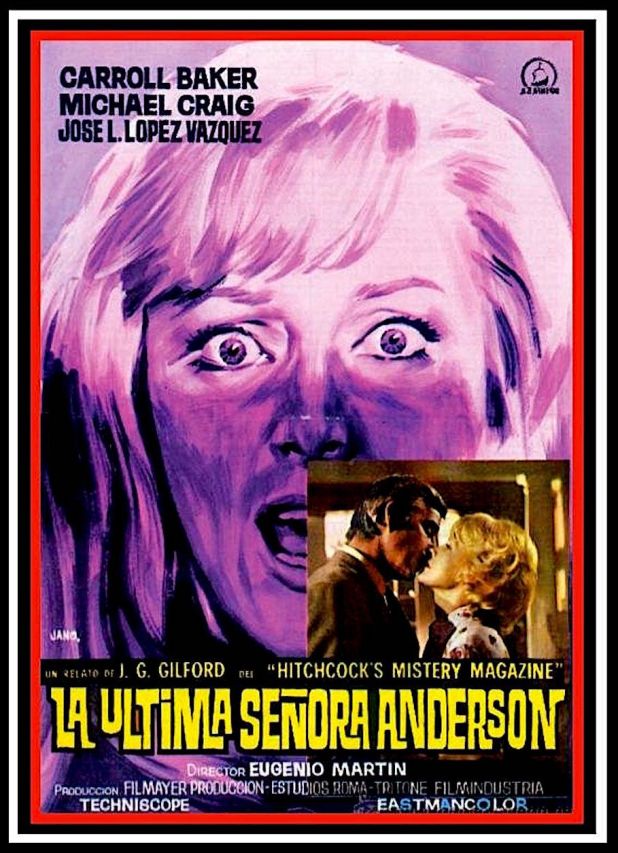
I loved this movie! It was such a madcap blast that it completely took me by surprise. Arthur Anderson (played by Michael Craig) is a wealthy Englishman whose two previous wives have died under mysterious circumstances—one in a car crash and the other after falling from a building. Now, his third wife drowns under questionable circumstances. Fortunately, his housekeeper’s testimony keeps him free and clear, although the police keep an eye on him.

On the very night he is acquitted, Julie Spencer (Carroll Baker) breaks into his house in a twist that feels like a giallo-style meet-cute, and she becomes his fourth wife. But is she trustworthy? What about him? Why do Arthur Anderson’sAnderson’s wives keep dying with such frequency? And will Inspector Dunphy (José Luis López Vázquez) be able to uncover the truth behind these mysterious deaths?

This movie cleverly borrows elements from Rebecca and Vertigo without being overly derivative. I also absolutely adore that when we first meet Julie, she’s sleeping in a tent inside an abandoned mansion—because that’s completely normal, right? And is that Marina Malfatti (from The Night Evelyn Came Out of the GraveAll the Colors of the Dark) lurking in the background, donning a cape as part of her casual rainy evening attire with sunglasses at night?

Exploring Spanish Giallo has been a fantastic journey for me. I’ve enjoyed delving into Eugenio Martín’s works, including Horror Express, as well as It Happened at Nightmare Inn. Plus, Carroll Baker starring in a Giallo is almost a genre in and out of itself.

While there’s no clear hero, I still enjoyed every minute. This film is called Death at the Deep End of the Swimming Pool and The Fourth Mrs. Anderson. It was only available on a Greek VHS before Severin released it. The package includes a trailer, a deleted scene, and an interview with Eugenio Martín biographer Carlos Aguilar, maintaining their consistently stellar presentation.