JUNESPLOITATION/ARROW BOX SET RELEASE: Jackie Chan’s Breakout Hits!: Thunderbolt (1995)

DAY 26: Jackie Chan!

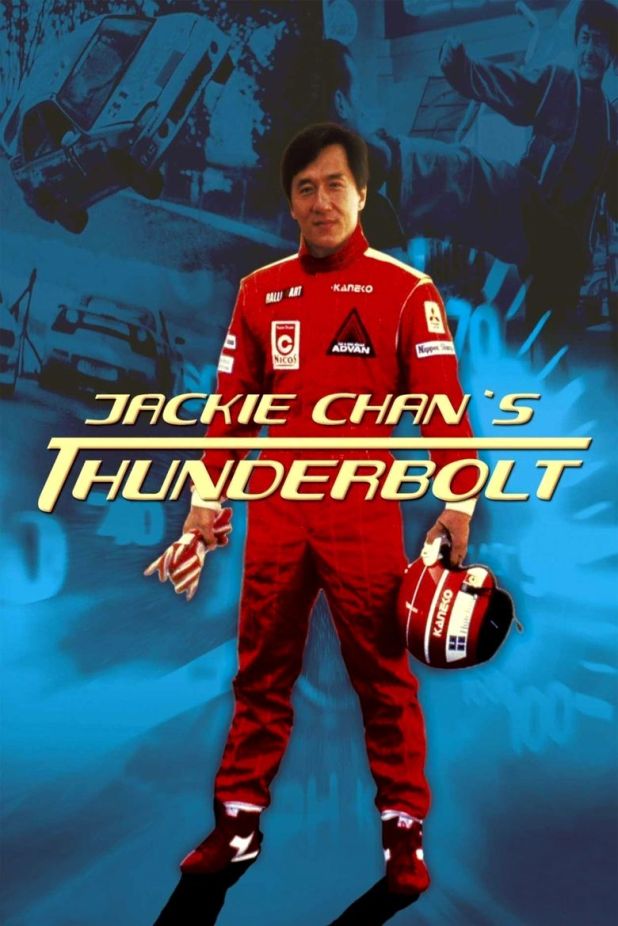
Rumble in the Bronx blew the doors wide open for Jackie Chan in America. So, naturally, the very next thing the multiplexes threw at us was 1995’s Thunderbolt (released in some regions as Dead Heat). New Line Cinema wanted to strike while the iron was hot. Still, instead of another neighborhood street-brawl comedy, we got something completely different: a hyper-kinetic, multilingual, multi-million-dollar collision of Euro-sleaze villains, legal and illegal street racing, yakuza pachinko hall beatdowns and corporate Mitsubishi product placement.

By 1995, the Hong Kong film industry was facing a serious slump, but Jackie Chan was a one-man economic stimulus package. Thunderbolt was a massive, high-budget gamble that cost nearly 30 million Hong Kong dollars, and it shows. Director Gordon Chan decided to completely eschew the traditional period-piece martial arts aesthetic in favor of a slick, modern racing blockbuster.

The movie plays like a proto-Fast & Furious, but dialed up to an eleven on the psychological instability meter. Jackie plays Foh (or Alfred if you watched the American dub), a brilliant junkyard mechanic and part-time racecar driver who helps the Hong Kong police bust illegal drag racers.

The problem? He crosses paths with Cougar Krugman (Thorsten Nickel), an international criminal driver who looks like an elite henchman from a lost Cannon Films production. Cougar isn’t just a bad guy; he’s a psychopath who drives a black Nissan Skyline GT-R R32 like an absolute demon.

What makes Thunderbolt such a fascinating watch for a B-movie maniac is its absolute refusal to settle on a single tone. It jumps from lighthearted romantic comedy to pitch-black exploitation violence at the drop of a hat.

One minute, Jackie is being cutely harassed by a reporter named Amy Yip (Anita Yuen), and the next, Cougar’s gang is staging a literal terrorist raid on a police station to spring him from jail. People are being gunned down left and right, blood is flying, and Interpol agent Steve Cannon (Michael Wong) ends up shooting Cougar’s girlfriend to death mid-escape. To get revenge, Cougar uses a giant crane to systematically smash Jackie’s junkyard into scrap metal, brutally crushes his father and kidnaps his two younger sisters.

His demand? “Come to Japan and race me.”

Because this is a Jackie Chan movie, we can’t just have racing. When Foh lands in Japan, he storms a Yakuza-owned pachinko parlor to rescue his sisters. This sequence is a masterclass in chaotic action choreography, handled by the legendary Sammo Hung and the Jackie Chan Stunt Team. Pachinko balls are flying everywhere, bodies are being thrown through neon glass, and Jackie is wielding chairs like a man possessed. It’s glorious.

Remember how Jackie broke his ankle on the hovercraft in Rumble in the Bronx? Well, his foot still hadn’t healed when they shot Thunderbolt. Because he couldn’t perform his signature high-flying kicks, a massive chunk of the martial arts action in the pachinko hall actually used stunt doubles—specifically Chin Kar-lok and Sammo Hung’s own stunt team—hidden by hyper-fast editing and clever camera angles. The Golden Horse Film Festival still handed it the award for Best Action Choreography.

The final third of the movie takes us to the Sendai Hi-Land Raceway in Japan. After Foh’s initial yellow Mitsubishi Lancer Evolution III gets totaled, the daughter of a Mitsubishi executive (because why not?) just hands him two brand-new white Mitsubishi GTO race cars.

Soon, cars are flipping over, exploding, and spinning out in a high-speed parade of practical effects and miniature work. The finale features a photo finish in which both cars slide backward out of control into a gravel pit, and Jackie wins by literally shifting into reverse and flooring it across the finish line.

Of course, Cougar tries to run away after losing, leading to a violent, fiery crash where Jackie has to pull him from the burning wreckage just so the cops can lock him up.

Thunderbolt is a beautiful mess. It’s got a villain straight out of a Euro-trash actioner, incredible real-car destruction and some of the most bizarre tonal shifts you’ll ever see in a major studio release.

The Arrow Video release of this film has the uncut 110-minute international version and a 97-minute Japanese cut. There’s commentary by martial arts cinema experts Frank Djeng and F.J. DeSanto; Breakout! Part 3, a new featurette in which stuntman Mars, critics David West and James Mudge and dubbing supervisor Paul Clay look back at the film; an expanded interview with Clay on his collaborations with Jackie Chan; alternate English export credits; outtakes; an international trailer; Japanese trailers; and an image gallery. You can get it from MVD.

JUNESPLOITATION/ARROW BOX SET RELEASE: Jackie Chan’s Breakout Hits!: Rumble In the Bronx (1995)

DAY 25: Jackie Chan!

When Rumble In the Bronx played U.S. theaters, it was like every nerd like me who had to hunt down bootlegs of Jackie movies and try to explain to our friends why his films blew away any Western action hero finally had a victory. Now, instead of having to beg people to watch my fifth-generation VHS tapes of Drunken Master and Police Story, this was playing in multiplex movie theaters.

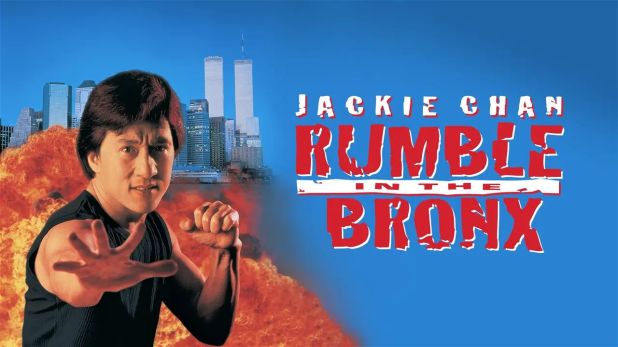
First off, let’s talk about the setting. The movie is called Rumble in the Bronx. It is ostensibly set in New York City. It was shot entirely in Vancouver.

The production crew literally spent their days slapping fake graffiti on walls to make it look street, only to have to scrape it off at night. But the absolute best part? Look at the background of almost every outdoor wide shot. There are massive, snow-capped Canadian mountains looming over the Bronx. Roger Ebert pointed it out back in 1996, and once you see it, you can’t unsee it. New York has a lot of things, but the Canadian Rockies aren’t one of them. There’s even an NYC police helicopter flying around with a Canadian civil registration number painted right on the side.

Just like the Italian Bronx end of the world movies, we’re not here for a geography lesson; we’re here to see kick ass fights.

Jackie plays Ma Hon Keung, a Hong Kong cop who comes to New York for the wedding of his Uncle Bill (Bill Tung) to Whitney. Uncle Bill is selling his Bronx supermarket to Elaine (Anita Mui), and Keung is just trying to be a good nephew. Instead, he runs right into a cartoonish motorcycle gang led by a guy named Tony. These aren’t Hell’s Angels; these guys look like they stepped right out of, well, Escape from the Bronx. They wear neon, ride dirt bikes and throw glass bottles at Jackie in dark alleys.

Then, because a simple gang war isn’t enough, a low-level thug named Angelo steals a bunch of diamonds from a ruthless syndicate run by a guy named White Tiger. Angelo hides the diamonds in the cushion of Danny’s wheelchair, a sweet kid who happens to be Nancy’s (Françoise Yip) little brother, a lingerie dancer and the gang leader’s girlfriend.

Are you keeping up? Good, because it gets crazier.

Jackie transforms Elaine’s grocery store into a weaponized playground. He uses shopping carts, refrigerators and display racks to dismantle an entire gang. It’s like Buster Keaton hanging out with Bruce Lee if they had a giant, stolen hovercraft. That thing crushes cars, smashes through storefronts and is eventually brought down by Jackie Chan driving a sports car and wielding a giant antique broadsword to rip open the hovercraft’s rubber skirt.

And if that wasn’t enough, the movie ends with Jackie driving the repaired hovercraft onto a golf course to literally run over the main villain, stripping him naked in the process while everyone laughs.

You can’t talk about this movie without talking about the end-credit outtakes. Jackie Chan famously broke his right ankle during filming when he leaped onto the hovercraft. Did they stop production? Nope. They put his foot in a cast, painted a sock to look like a sneaker, slipped it over the cast and kept shooting. I love that all Jackie learned from making Cannonball Run was to put in bloopers, and his bloopers make it seem like he nearly dies in every movie.

Because he does.

The Arrow Video release of Rumble In the Bronx includes both the Red Foreigners District cut and the international version. On the Hong Kong disk, you get commentary by martial arts cinema experts Frank Djeng and F.J. DeSanto; Breakout! Part 2, a new featurette in which stuntman Mars, stuntwoman Kathy Hubble, martial arts cinema expert Ricky Baker and critics David West and James Mudge look back at the film; an expanded interview with Hubble; alternate footage and outtakes; and an image gallery. The international version has a Jackie Chan press kit, two scenes added for the network TV version with dubbing unique to this version, a trailer and TV commercials. You can get it from MVD.

Chattanooga Film Festival 2026: Dangerous Visions

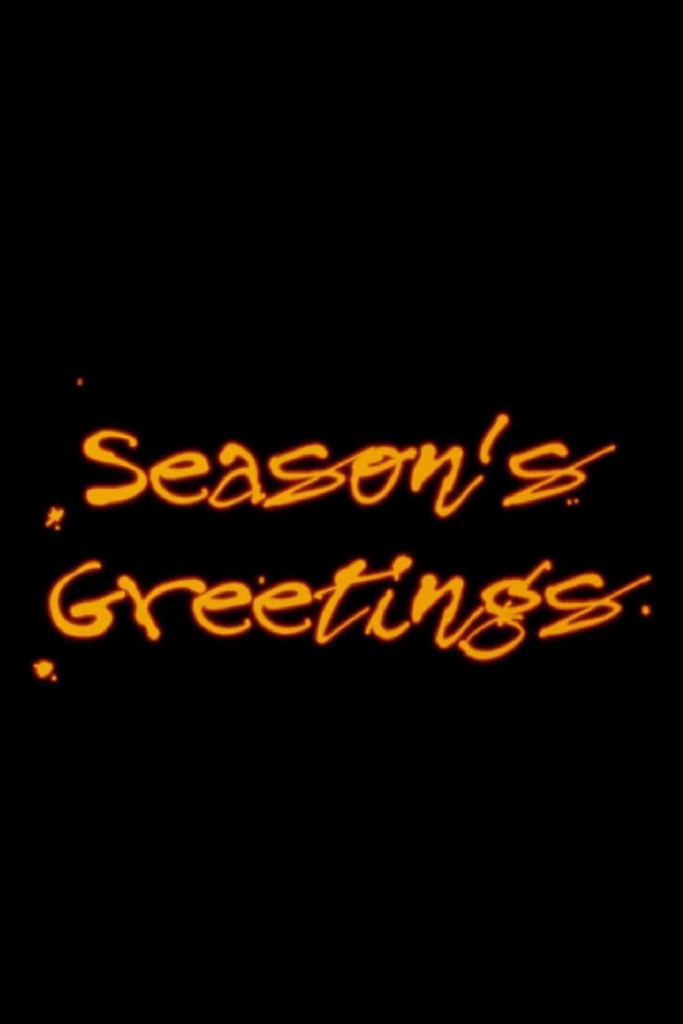
Season’s Greetings (1996): Before Michael Dougherty became the modern architect of the holiday horror anthology with Trick ‘r Treat, he gave us the short film that started it all: Season’s Greetings. This isn’t just a student film; it is the genesis of Sam, the pint-sized, pumpkin-headed embodiment of Halloween itself. Set on a dark, wind-swept Halloween night, the narrative centers on a young boy navigating the trauma of a stolen candy haul. While the premise sounds like standard suburban mischief, the execution turns a simple holiday memory into a gothic fairy tale. As the shadows lengthen, the film shifts from the mundane to the macabre, introducing us to a mysterious, costumed figure lurking in the periphery, watching the events unfold with a silent, menacing intent. It captures that specific, anxious feeling of being alone on a street corner while the world feels like it’s shifting into something darker. Designed as a ragged, burlap-clad trick-or-treater, Sam operates as a supernatural arbiter of justice for those who don’t respect the sanctity of Halloween traditions. It all starts here (and here’s hoping there’s that sequel they keep promising).

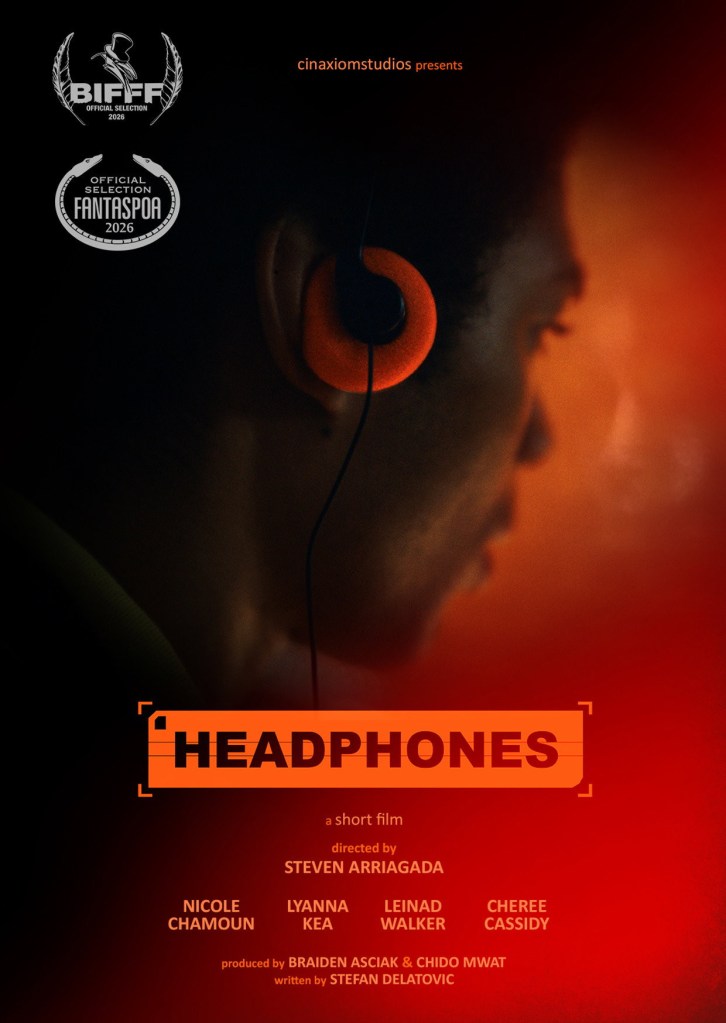
Headphones (2026): In this short by Steven Arriagada, the hero is a kid with a crush. He’s grinding out the late night hours at a fast-food joint and the only thing keeping him going is his crush on his co-worker. In the midst of this lonely night, he breaks the routine by listening to his uncle’s old Walkman. He expects some forgotten mix-tapes, but instead, he gets instructions. A cryptic, raspy voice cuts through the static, whispering specific commands he needs to follow if he wants to keep his co-worker alive. As the night drags on, the line between helpful guidance and malevolent manipulation blurs, turning a mundane shift into a high-stakes game of survival. Headphones rely heavily on their leads to sell the escalating paranoia. The chemistry between our hero and his would-be lover is the anchor here. The high-concept premise wouldn’t have the emotional stakes required to make the audience actually care if they survive the night.

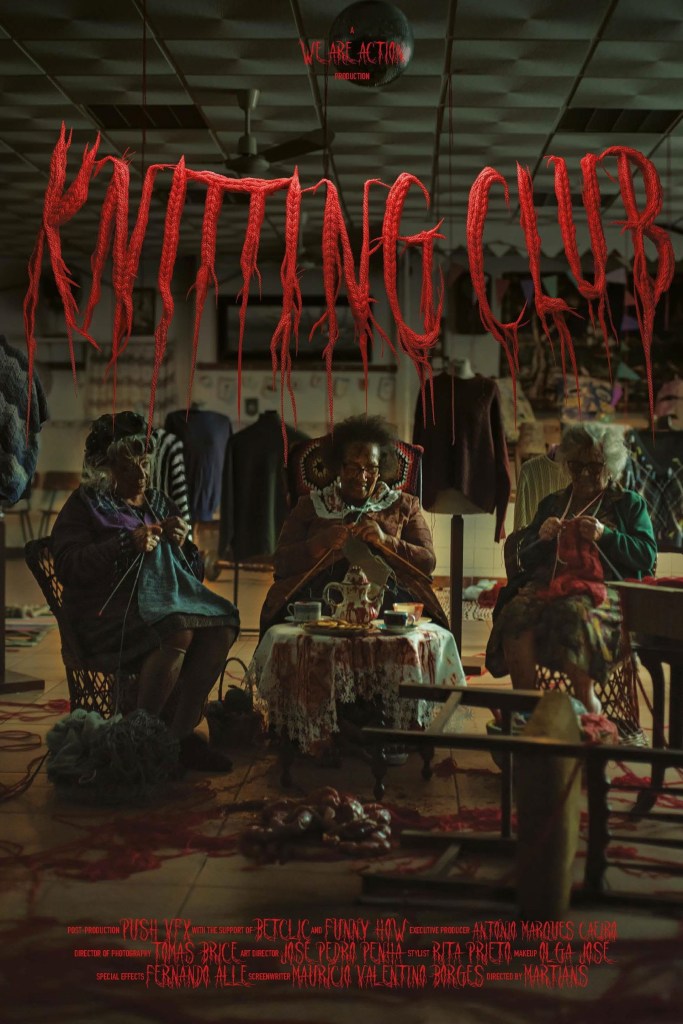
Knitting Club (2025): Clube de tricot, directed by Diogo Abrantes and João Rito, turns the cozy hobby of crochet into a blood-soaked nightmare that makes your grandma’s living room feel like a death trap. Miguel is just a delivery guy trying to finish his shift. The last stop? A quaint knitting club run by three elderly women who seem like the sweetest old ladies you’d ever want to meet. When they hand him a bag of yarn, he’s ready to head home, but they are way too insistent. They practically bully him into sitting down for tea. It doesn’t take long for Miguel to realize that being serious about their craft is an understatement. These ladies aren’t just making sweaters; they are looking for specific materials, and poor Miguel has just discovered that he’s the missing piece for their latest masterpiece. The actresses who are the grannies are great, as are just about every choice the filmmakers made. A simple story well told.

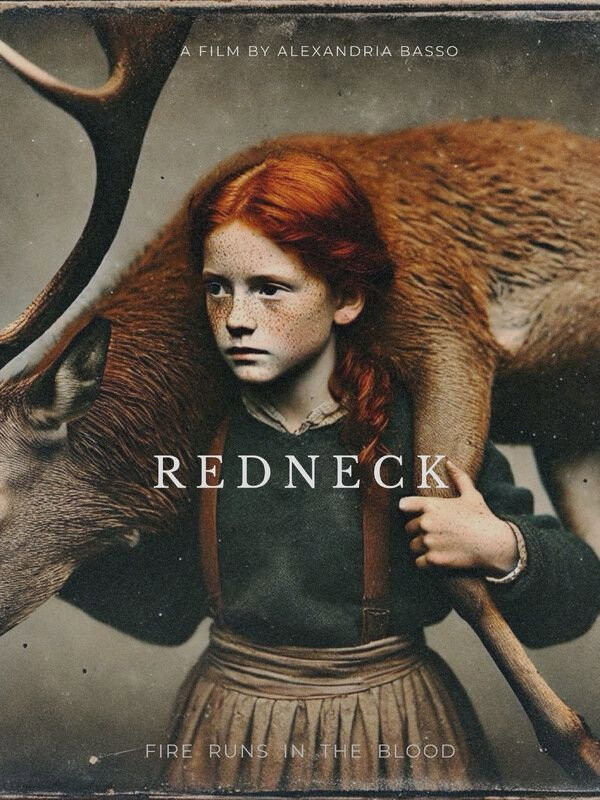
Redneck (2026): Directed by Alexandria Basso, this was amazing. For a young woman born into an isolated, insular Appalachian clan, survival is predicated on a grim, supernatural belief. They claim that redheads are vessels for stolen souls, and they aren’t afraid to harvest them to maintain their own existence. Our heroine finds herself at a crossroads, torn between the monstrous birthright of her kin and her humanity. As the clan’s demands escalate and blood starts to flow, she has to decide whether she’ll be the next predator in the lineage or the one who breaks the cycle. The actors playing the clan members avoid the typical inbred hillbilly basics. Instead, they have a cult-like devotion that is far more chilling. If South Park taught us that redheads are evil (and I married two, so I know), this sets it in stone.

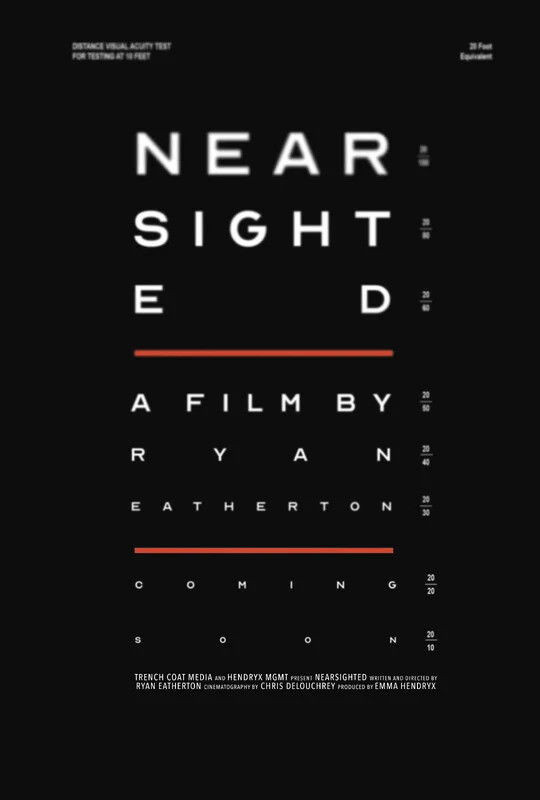
Nearsighted (2026): Ryan Eatherton has dropped a nasty little piece of work, and it’s the kind of premise that makes you want to keep your lights on and your prescription lenses glued to your face. If you’ve ever fumbled on your nightstand in the middle of the night, blind as a bat and praying you don’t stub a toe or worse, you already know the primal fear at the heart of this one. Nearsighted strips away the senses, turning a home-invasion thriller into a claustrophobic nightmare of soft-focus shapes and jagged shadows. It’s simple, it’s brutal, and it plays on that specific, vulnerable feeling of being defenseless in your own sanctuary when your primary way of interacting with the world—your sight—is no longer there.

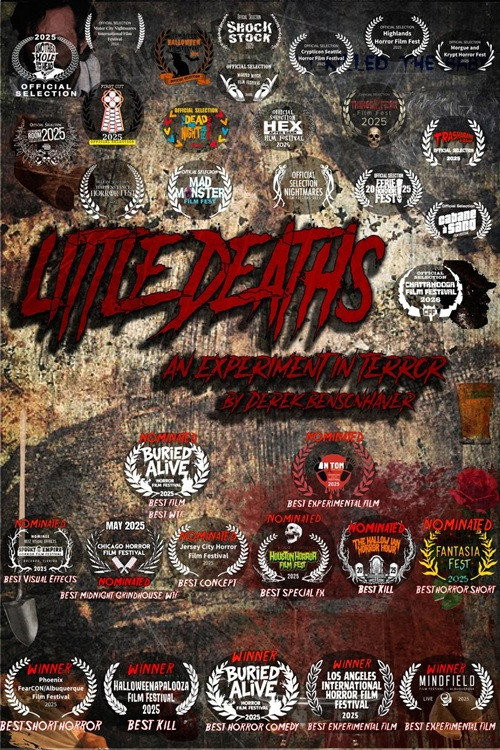
Little Deaths (2025): Directed by Derek Bensonhaver, this is an experimental anthology of horror comprising 15-second short horror films all about death. What haunts you? Getting killed by tentacles emerging from a pregnant woman’s lady parts? Falling from a plane? A scary monster? You won’t have time to recover as this beats you over the head — in a good way — with death, sweet death, one last caress. Great, now I’m going to be even more worried, especially about people dying behind the wheel.

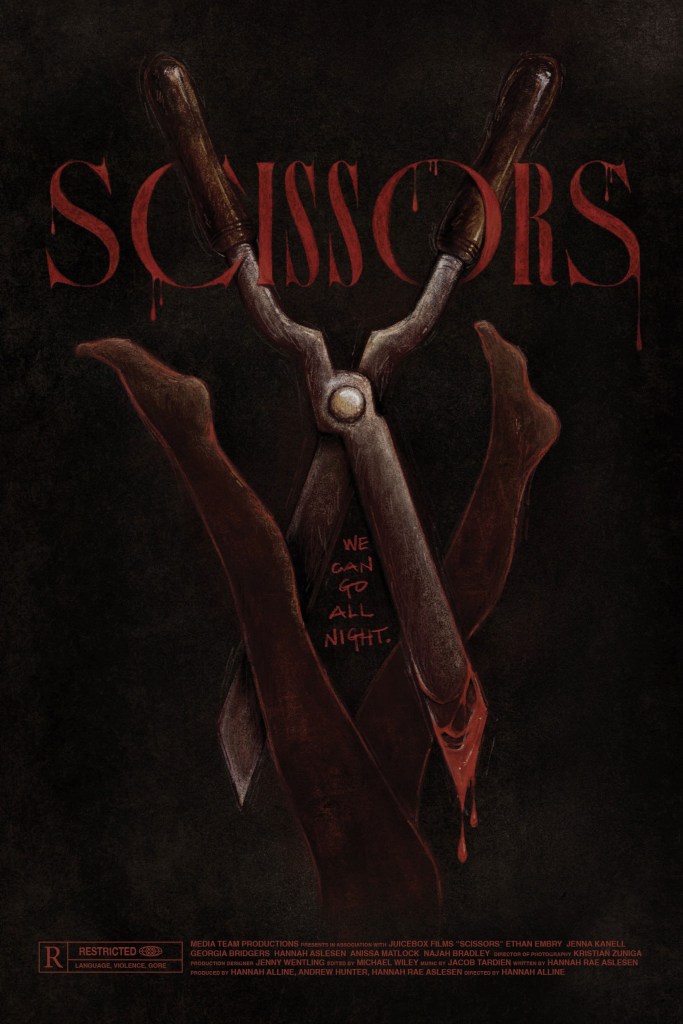
Scissors (2026): If there is one rule in slasher cinema that a killer should follow, it’s this: never underestimate your target. Directed by Hannah Alline, Scissors takes the weekend getaway plot and slices it to ribbons, turning the tables on a killer who thinks he’s got the home-field advantage. It’s mean, it’s fast and it’s exactly the kind of palate cleanser we need in a world of over-polished horror. A group of queer friends heads out for a weekend getaway, looking for nothing more than drinks and some downtime. Enter our slasher: a guy with a major grudge and a sharpened blade who thinks he’s about to turn their vacation into a personal highlight reel. But this guy makes a fatal miscalculation. Instead of cowering, this group decides that they aren’t going to be passive victims. What starts as a standard stalking scenario quickly escalates into a brutal, claustrophobic game of survival where the hunter finds himself completely outmaneuvered. The tagline says it best: “We can go all night.” And they do. Great title, too. Better cast and wonderful use of “Sweet Dreams.”

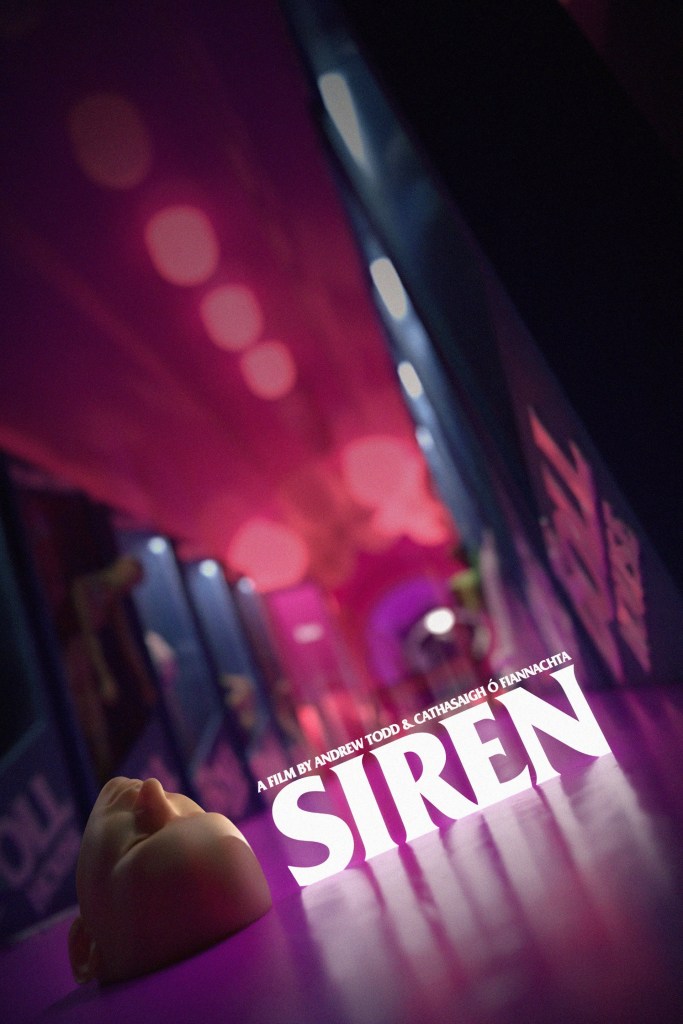
Siren (2025): Directed by Andrew Todd, this follows a detective hunting a serial killer in the future of 2225. The trail leads him to a signal emitting from a ghost ship that has been floating in the void for a century. When he boards the vessel, he isn’t looking for a fugitive. He’s walking into a tomb. What he finds inside isn’t just the remnants of the past, but a haunting, visceral reflection of humanity’s capacity for cruelty. It turns out the ship wasn’t abandoned because of a mechanical failure. It was a cage, and the thing that built it is still very much hungry. This story is told entirely in POV mode, which adds to the sense of worry.

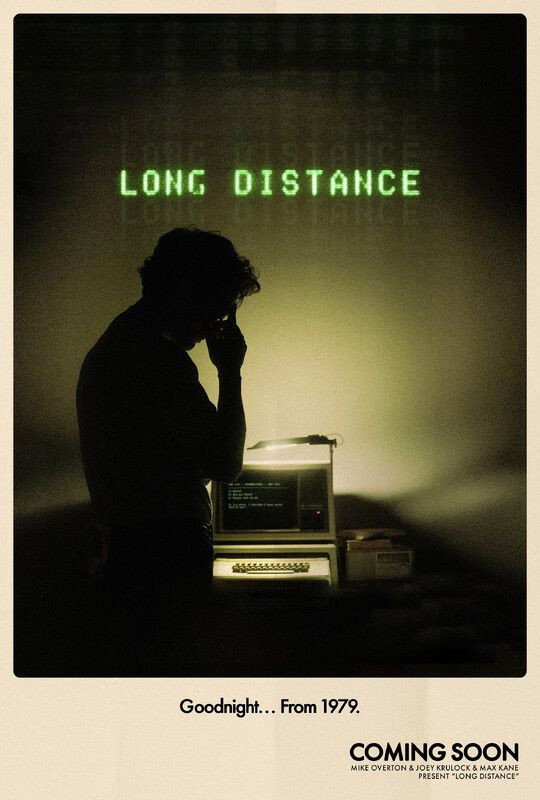
Long Distance (2026): A seven-minute head-scratcher directed by the duo of Max Kane and Mike Overton, this does more with its short time than so many longer films achieve. You think you have relationship problems? I feel bad for you son, but this dude in this movie is in a relationship that isn’t being strained by geography or a bad signal. It’s being torn apart by time itself. As we used to post on Facebook relationship statuses, it’s complicated. 

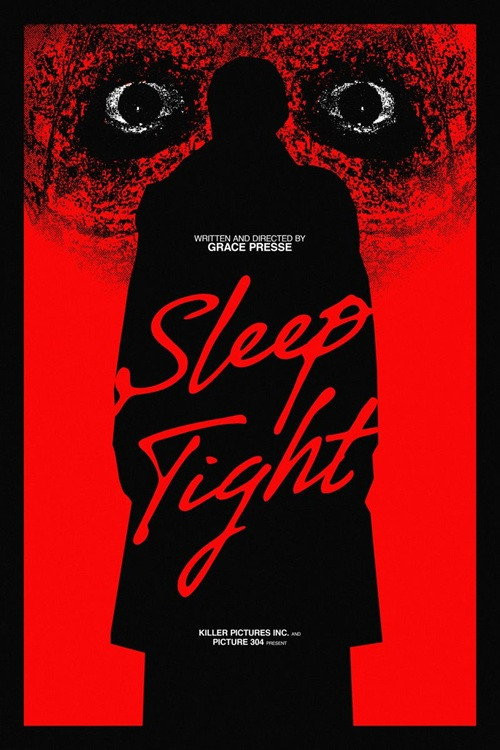
Sleep Tight (2025): Sleep paralysis has been a staple of horror for decades and has been haunting me since watching the documentary The Nightmare. Director Grace Presse brings something fresh to the subgenre by narrowing the scope. This isn’t about ghosts or demons in the broad sense. Instead, it’s about the intimacy of a home invasion where the intruder is right there next to you when you’re defenseless. This is a nightmare of helplessness.

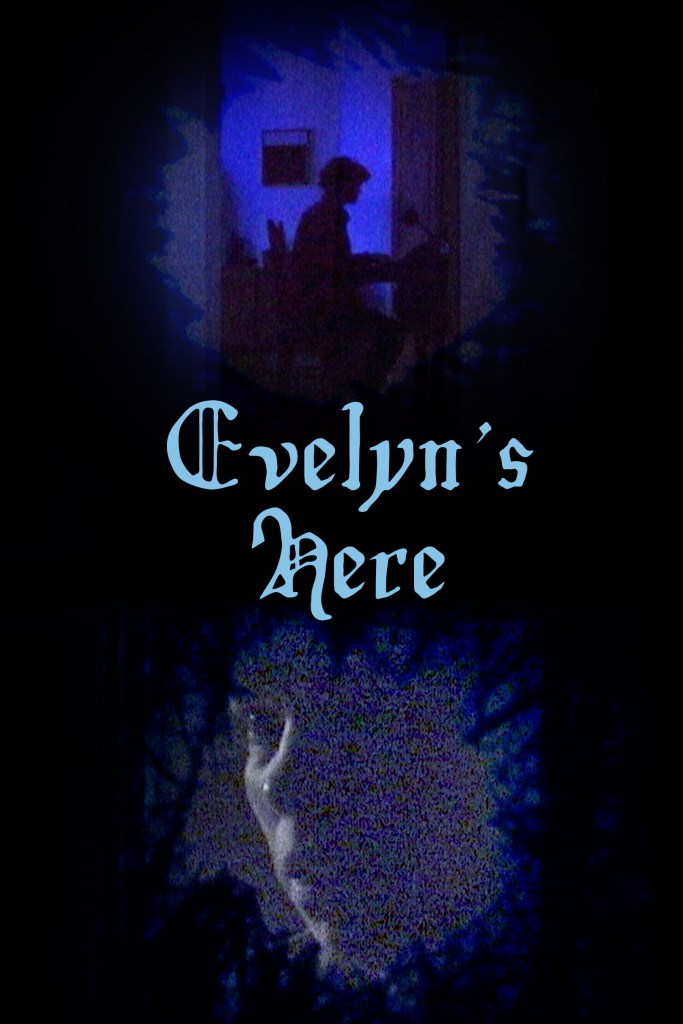
Evelyn’s Here (2026): Directors Sean Temple and Sarah Wisner have cooked up a dream-logic nightmare that captures that specific, suffocating feeling of being trapped in a memory you can’t escape. This a story about the fragility of family bonds and the terrifying thinness of the veil between reality and the subconscious. Alice goes on a mission to check on her sister, but instead of a routine welfare visit, she finds herself spiraling into a haunting, labyrinthine dreamscape. It’s a classic setup—the rescue mission gone wrong—but Temple and Wisner twist it into a surreal journey where the rules of space and time don’t apply. You aren’t just watching Alice; you’re trapped in her headspace, feeling every bit of the dread as she realizes she’s well past the point of no return. This is such a great watch.

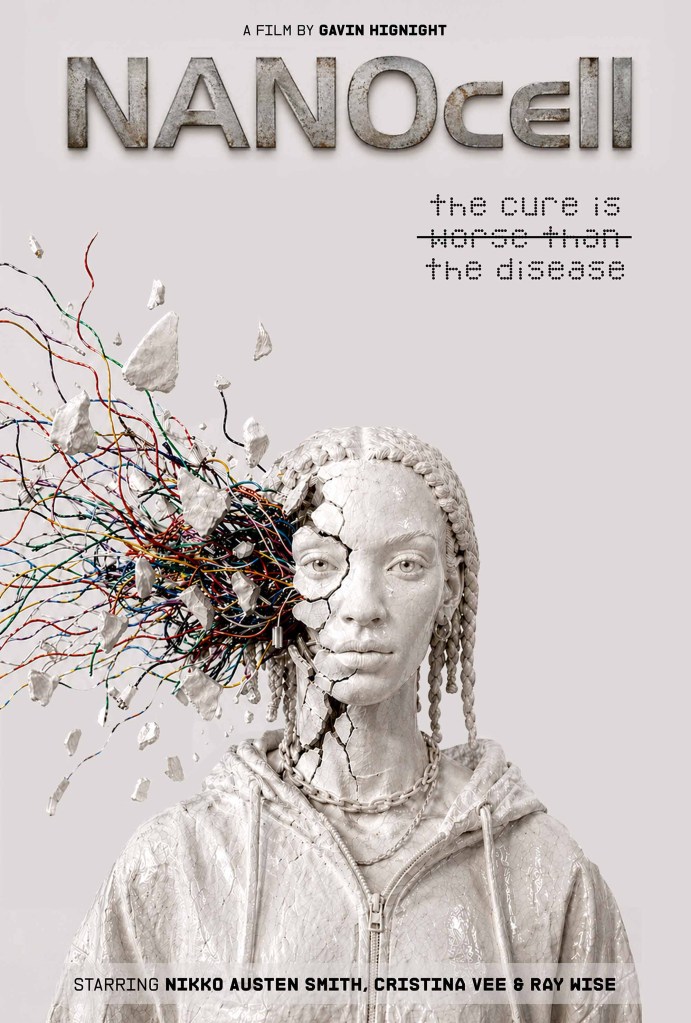
NANOcell (2026): Director Gavin Hignight (Gundam: Requiem for Vengeance, John Carpenter’s videos for “Utopian Facade” and “Night”) tells the story of Maggie Miller, who is desperate to treat her sickle cell anemia. She signs up for a clandestine clinical trial for something called NANOcell. What starts as a medical hope quickly turns into a living, mechanical hell. Maggie’s girlfriend, Claire, realizes something is deeply wrong when she catches Maggie sleepwalking and behaving in ways that are… well, not human. Before they can even process the horror, the government agency suits show up, and they aren’t there to offer medical assistance. They’re there to scrub the evidence, meaning Maggie has to turn her own deteriorating body into a weapon to survive both the tech inside her and the goons at her door. The cast features Ray Wise, an icon if there ever was one!

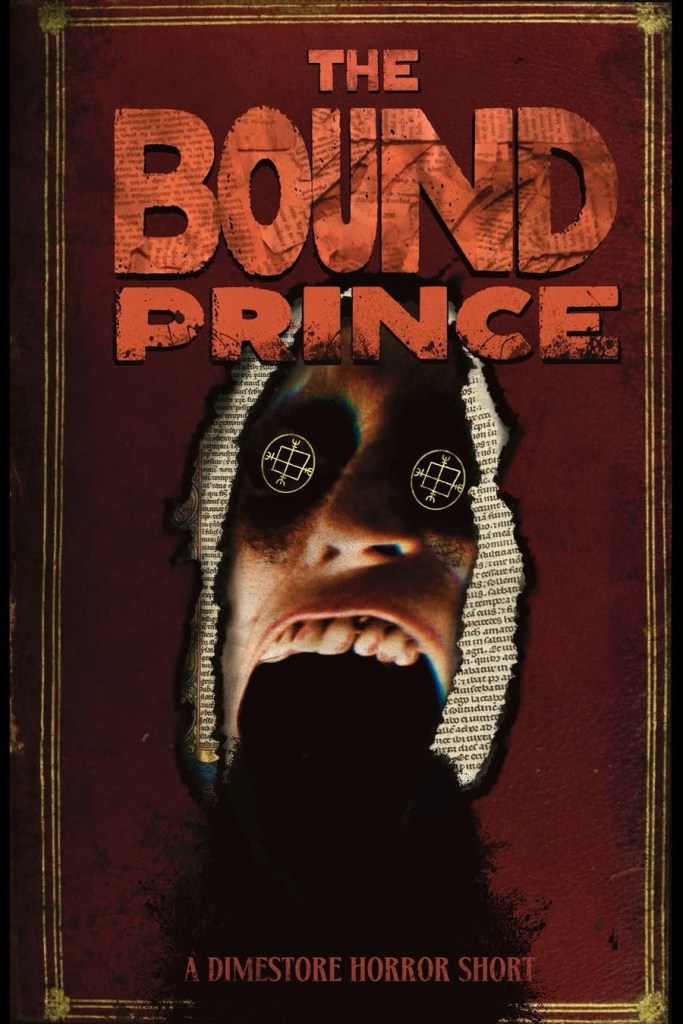
The Bound Prince (2026): Directors Christian Gridelli and Hunter Norris have delivered a short that perfectly captures that specific dread of being a traveling performer, trapped in a temporary space where the walls feel like they’re closing in. Our lead is a road-weary comedian—the kind who has spent too many nights on the circuit and is starting to see the cracks in reality. The inciting incident is pure, simple brilliance: she’s just trying to get some sleep in her hotel room, but her eyes keep drifting to the Gideon Bible tucked away in the nightstand. She starts connecting dots that shouldn’t be connected, spiraling into a deep, dark hole of paranoia as she becomes convinced that the holy book is actually a manual for a demonic cult’s grand design. Is she losing her mind from the exhaustion of the road, or is the architecture of her room actually rigged against her soul? This movie looks absolutely insane and I loved every quick cut moment.

You can watch this either in-person or virtually at the Chattanooga Film Festival. For more info, visit the official site.

Chattanooga Film Festival 2026: Bunny Rabit (2025)

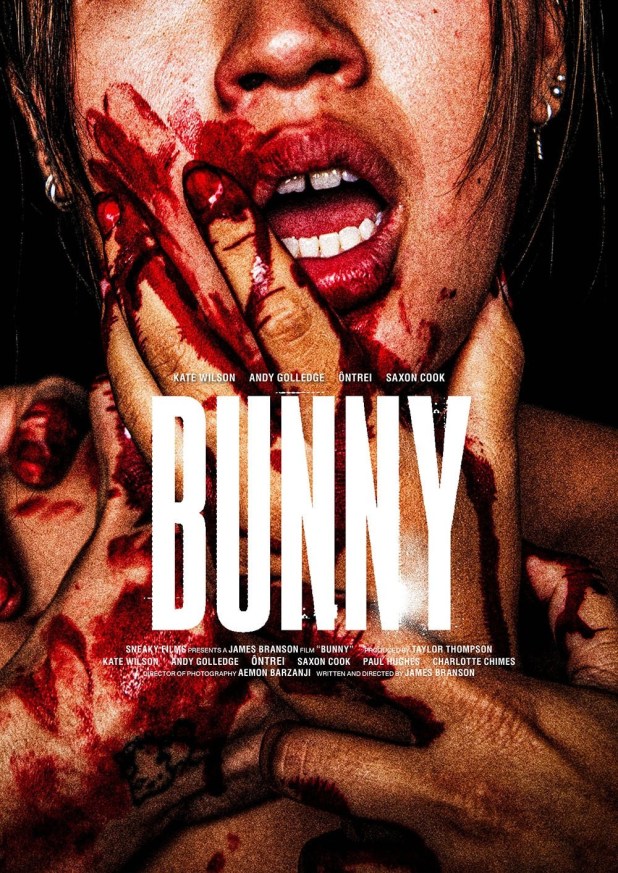
Bunny (Kate Wilson) is essentially a child of the ruins of the end of the world. She never knew the world before the heat death, only the remnants left behind. Living in a rotting shack that was once home to her father (Andy Golledge), her entire worldview is filtered through the lens of scavenged books and a stack of VHS movies.

Thanks to Projected Figures, I can tell you that the movies are Dance! Barbie, Muriel’s Wedding, Spice World, Night of the Living Dead, 2020 Texas Gladiators, In the Aftermath, The Bronx Executioner and Hardware.

When the canned goods run dry, and the hunting grounds turn up empty, she realizes the brutal truth that every post-apocalyptic survivor eventually faces: in a world where there is nothing left to eat, you eventually start looking at the neighbors as the main course. As they say, the lucky ones died first.

When she comes up against other survivors, like the Intruder (Ôntrei) and the Hitchhiker (Saxon Cook), Bunny will prove to be anything but someone unable to defend herself. In fact, her savagery may surpass that of anyone still walking the Earth.

I can’t believe that this is director and writer James Branson’s first full-length movie. Plus, every performer in the cast outdoes themselves. 

You can watch this either in-person or virtually at the Chattanooga Film Festival. For more info, visit the official site.

Sizzlin’ Summer of Subterranean Psychotronica 2026: Scanner Cop (1994)

Week 1 (June 21 – 27) – Welcome to HELL

The summer’s here, so get ready to broil!

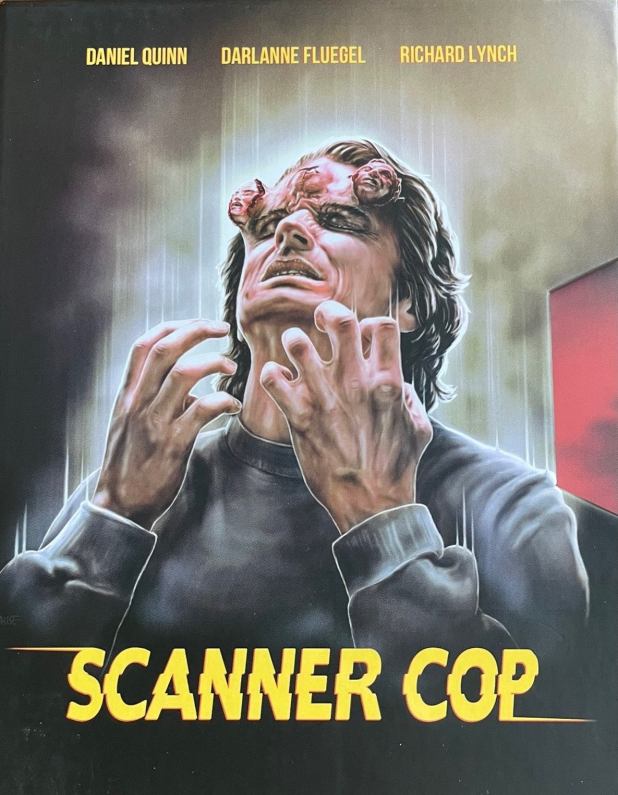
The fourth film in the Scanners series and the first in the Scanner Cop series, this movie centers on rookie LAPD cop Sam Staziak (Daniel Quinn), who is hiding a dangerous secret. He is a Scanner, which means that while his colleagues are busy pounding the pavement, Sam is struggling to keep his volatile, mind-bending powers in check. After his own father was killed by a Scanner, he was taken in by Commander Pete Harrigan (James Callahan), who eventually recruits him into a special force.

When a series of bizarre, brutal murders begins targeting police officers, the victims are left with their brains seemingly cooked from the inside out. As Sam investigates, he realizes the killer is tapping into the same psychic frequency he is. The stress of the investigation pushes Sam to his breaking point; as his powers surge into overdrive, he begins to fear that his own mind is fracturing, forcing him to hunt a killer who knows exactly what it feels like to possess the most dangerous weapon on earth.

In all honesty, this movie is hundreds of times better than it has any right to be. You have to admire the sheer balls it takes to grab the Scanners idea, throw it into a straight police movie and just go with it. Even better, Richard Lynch, the bad guy of all bad guys, shows up and does his thing.

This was directed, produced and written by Pierre David and was the first film he directed. He executive-produced Scanners, Videodrome and The Brood. He may have directed only one other movie, Serial Killer, but he has 216 production credits, mainly TV movies like She Is Not Your DaughterMy Daughter’s Psycho FriendMurdered at 17 and My Life as a Dead Girl.

I still can’t believe how much I loved this movie. Despite the lower budget compared to the original Cronenberg masterpiece, the film features some genuinely impressive (and squishy) telekinetic head-trauma effects that satisfy the cravings of any gorehound who turned up expecting the Scanners pedigree.

You can watch this on Tubi.

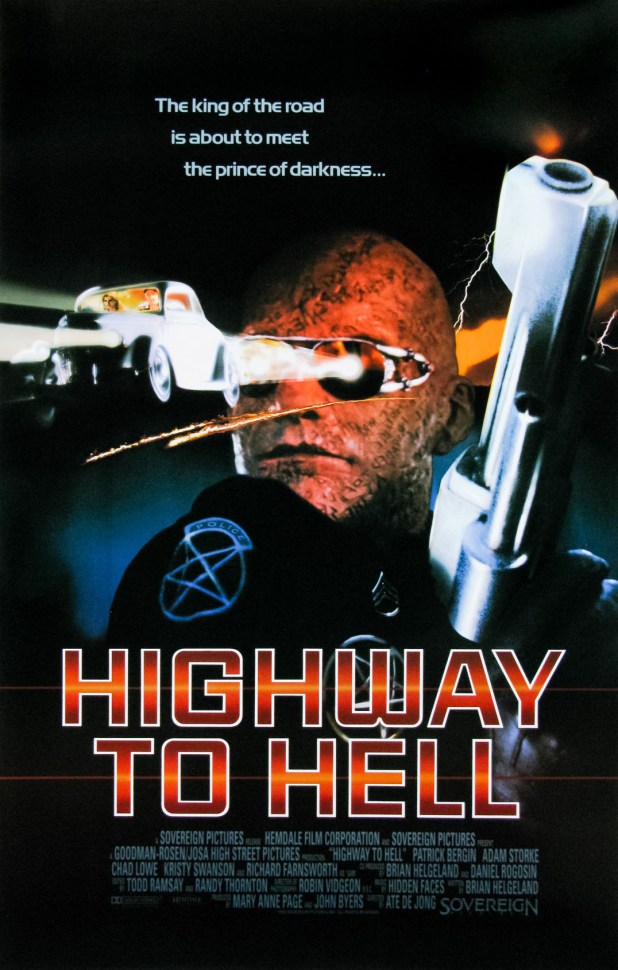
Sizzlin’ Summer of Subterranean Psychotronica 2026: Highway to Hell (1991)

Week 1 (June 21 – 27) – Welcome to HELL

The summer’s here, so get ready to broil!

Ate de Jong directed a film you may know: Drop Dead Fred. He followed that up with this Brian Helgeland-written film. Both of these gentlemen have gone on to some amazing things in their careers. Helgeland wrote this long before he won an Oscar for L.A. Confidential and wrote modern classics like Mystic River. It’s a fascinating glimpse at his early work where he was clearly willing to lean into the weird and the wonderful.

Perhaps they don’t recall making a movie about a road to Hades all that fondly. Who knows?

Me, I appreciate any movie that has Satanic cops and appearances from Lita Ford, Gilbert Gottfried as Hitler and nearly the entire Stiller family (Ben, Amy and their parents, Jerry Stiller and Anne Meara). It’s kind of like Mad Max in Hell, with diners aplenty and Chad Lowe.

Charlie Sykes (Lowe) and Rachel Clark (Kristy Swanson) run away to elope in the capital of sin on Earth, Las Vegas. On the way, they ignore the warnings of a gas station attendant named Sam (Richard Farnsworth, MiseryThe Straight Story) who tells them that an abandoned backroad is really the road to Hell.

Rachel gets kidnapped by Sgt. Bedlam the Hellcop (C.J. Graham, who played Jason in Friday the 13th Part VI: Jason Lives), but Sam gives Charlie a shotgun and a car that will help him in Hell.

Charlie soon battles a motorcycle gang led by Royce (Adam Storke, who was Larry Underwood in The Stand and Julia Roberts’ love interest in Mystic Pizza) and meets a repairman named Beezle (Patrick Bergin, who also has Julia Roberts experience, as he was her antagonist in Sleeping With the Enemy) whose kid Adam sneaks along for the ride along with Charlie’s dog Ben.

What follows are races from Hell to Earth, a revelation as to who Satan really is, Kevin Peter Hall (who played the Predator and Harry from Harry and the Hendersons) as Charon the boatman, Pamela Gidley (Cherry 2000 herself!) showing up, nitro jumps, effects from Randall William Cook (who worked on two of The Gate films and was I, Madman) and Steve Johnson (whose credits include PredatorScooby-Doo 2: Monsters Unleashed, Blade II and being married for some time to Linnea Quigley).

You can watch this on Tubi.

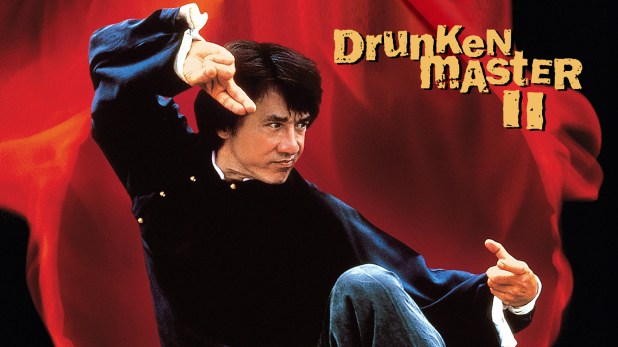
JUNESPLOITATION/ARROW BOX SET RELEASE: Jackie Chan’s Breakout Hits!: Drunken Master II (1994)

DAY 25: Jackie Chan!

It took America too long to get behind Jackie Chan.

When this was released, Jackie Chan was already a global icon, but he decided to return to his roots in traditional, old-school kung fu for the first time since 1983’s Fearless Hyena Part II. He teamed up with the legendary director Lau Kar-leung to unleash a cinematic hurricane that completely redefined what an action movie could be. Don’t believe me? Time Magazine called it one of the top 100 best films of all time. The BFI ranked it among the top 10 action movies ever made. They aren’t wrong.

The story takes place in early 20th-century China. Jackie plays the legendary Cantonese folk hero Wong Fei-hung. On the way home from a trip, Fei-hung accidentally switches a box containing a valuable ginseng root with another box containing the Imperial Seal. It turns out the British consul is trying to smuggle priceless Chinese artifacts out of the country, and now they want that seal back.

Fei-hung tries to cover his tracks by cutting a root off his dad’s favorite bonsai tree to pass it off as the missing ginseng. After a massive public brawl, Fei-hung’s strict father (played by Ti Lung) finds out about the fake ginseng, disowns his son and kicks him out into the street. Now he has to restore honor to his family name and, oh yeah, get wasted. Luckily, he has help from Anita Mui, who steals every single scene she is in as Fei-hung’s stepmother, Ling. She’s hilarious, fiercely supportive and literally encourages Fei-hung to get plastered so he can unleash his drunken boxing on the bad guys.

Ken Lo (who was actually Jackie’s real-life bodyguard and a legit Taekwondo champion) plays John, the consul’s chief enforcer. The guy’s legs move like lightning. To beat him, Jackie breaks his vow of sobriety, chugs industrial alcohol and goes into a full-blown, fire-breathing, drunken berserker mode. It’s one of the wildest things ever captured by a camera.

When Dimension Films brought it to US theaters in 2000 as The Legend of Drunken Master, they did what US distributors always did back then: they dubbed it, swapped out the incredible original musical score, altered the sound effects, and cut the final 35 seconds of the film. Why? Because the original Hong Kong ending shows Fei-hung blinded and mentally crippled as a comedic side-effect of drinking industrial steel-factory alcohol. Played for laughs in HK, the US distributors thought it was way too dark.

For decades, fans had to rely on out-of-print Mei Ah LaserDiscs or cropped bootleg DVDs just to see the real movie. Not anymore.

Drunken Master II is the perfect intersection of physical comedy, historical epic and death-defying stunt work. It catches Jackie Chan at the absolute apex of his physical capabilities. If you call yourself a fan of action cinema, Hong Kong movies or just pure entertainment, this isn’t just recommended viewing.

It’s everything.

Extras on this Arrow Video release include new commentary by martial arts cinema experts Frank Djeng and F.J. DeSanto; Before the Breakout, a new featurette in which stuntman Wang Yao, academic Dr. Wayne Wong and critics David West and James Mudge look back at Jackie Chan’s earlier career; Breakout! Part 1, a new featurette in which Wong, West, Mudg and stuntman Mars look back at the film; interviews with co-writer Yuen Kai-chi, Mars and academic Dr. Lars Laamann on the historical context behind the film; Drunken Defiance, a new appreciation of the film by martial arts cinema expert Ricky Baker; an archival interview with Jackie Chan; an archive Mandarin drinking scene; outtakes; Chinese New Year messages recorded by Jackie for the Taiwanese and Malaysian openings; trailers and an image gallery. You can get it from MVD.

Chattanooga Film Festival 2026 Red Eye #5: Horror Brunch (1987), Mind Control Made Easy or How to Become a Cult Leader (1999), Forklift Driver Klaus: The First Day on the Job (2001) and Dementia (1955)

Horror Brunch (1987): This short film, directed by Rik Carter, is a high-energy, blood-soaked love letter to horror cinema. A group gathers for an ordinary brunch, but the meal is interrupted when the food and utensils turn murderous. The narrative escalates into a chaotic showcase of practical gore and genre moments featuring cameos from Norman Bates, Leatherface and even a chest burster. Carter would go on to work in the art department and special effects for the Elm Street movies, as well as directing Dark Crimes.

You can watch this on YouTube.

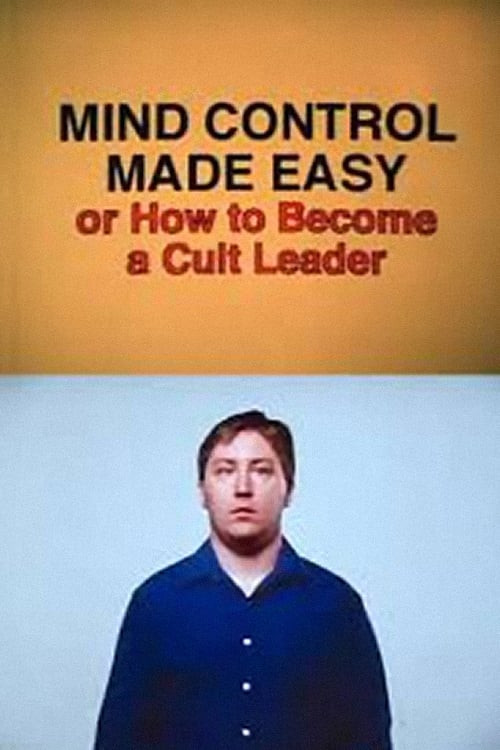
Mind Control Made Easy or How to Become a Cult Leader (1999): Carey Burtt has sent us a 13-minute guide from the past on what we’ve all been going through over the last few years. He does that in the disguise of a dry, instructional training video, the kind of corporate or educational VHS tape one might expect to find in a dusty supply closet. It presents a step-by-step guide to the business of spiritual extortion, breaking down the process of grooming, isolation and total psychological domination with the deadpan delivery of a PowerPoint presentation. And I know, I make PowerPoint slides all day. I could see some people watching this and saying, “Yes, that seems like a good idea.” But that’s because my wife has me watching all these Twin Flames docs. I can’t decide if those are fake or if this is. That’s how good it is. MAKE UP CRIMES.

Forklift Driver Klaus: The First Day on the Job (2001): I have been obsessed with the “It Only Takes a Second” videos for years, but man, leave it to the Germans to bring us Klaus and his forklift. While this has Egon Högen doing the voiceover — he often did German education films, from what I have read — this is obviously not a real safety film, as you’ll gather a few minutes in. Directed and written by Stefan Prehn and Jörg Wagner, this has hands getting ripped off, people sliced in half, impaling, beheadings, chainsaws and so much more. Even Klaus isn’t safe from the endless carnage. It’s kind of like the deaths in The Omen movies, but with a jaunty soundtrack and helpful animations. I think I’ll stick to being a writer after watching this.

You can watch this on YouTube.

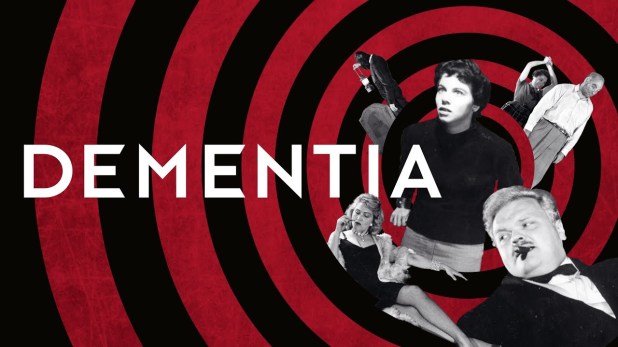
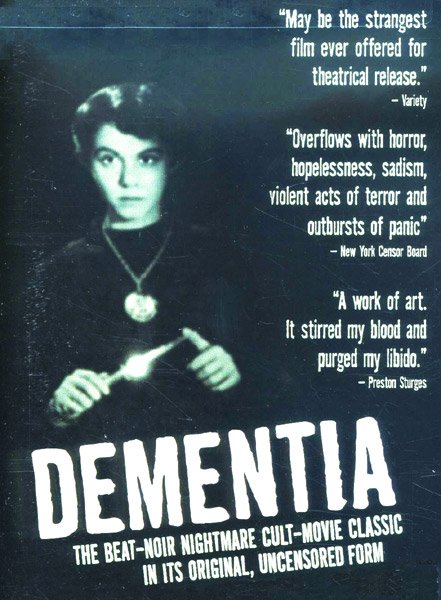
Dementia (1955): I first watched this movie in the best of ways. On our weekly webcast, Drive-In Asylum, we had the great opportunity to have Bret McCormick, director of The Abomination, as a guest. This was the movie that he chose to watch with us.

Director, writer and producer John Parker started this film as a short and then expanded it. He had been inspired by a dream that his secretary, Adrienne Barrett, had and picked her to star in the film along with Bruno VeSota, who would go on to star in several Roger Corman films.

Barrett plays the Gamin, a young woman who wakes up from a nightmare to be in another one. Newspapers scream that there was a mysterious stabbing, men try to assault her only to be beaten into oblivion by police and a pimp buys her a flower, then asks her to accompany a rich man (Ve Sota) as she dreams back to stabbing her abusive father after he had shot and killed her mother.

After an evening touring the city’s bars and nightclubs, they enter his elegant apartment where he ignores her attempts at seduction as he gorges on a huge meal. He finally attempts to attack her and she stabs him with the same blade that murdered her father and he plummets to the street, holding her necklace in a death grip. She saws off his hand as people watch without caring and the same cop appears that saved her in the alley, only now with the face of her father as she runs away, clutching the severed hand.

The pimp comes back to pull her into a jazz club, soon followed by the cop and the dead body of the rich man, whose bloody stump points her out as his killer. The audience surrounds her, laughing, as she wakes up back where she began, in the hotel room. She goes to put on her necklace and finds that its being held by a severed hand.

Dementia was briefly released in 1953 before it was banned by the New York State Film Board, who deemed it “inhuman, indecent, and the quintessence of gruesomeness.” Perhaps that’s because it’s a movie that shows the violence and fear that women live with every day, but goes further to have a heroine who strikes back with the kind of strength that seperates a man’s body part. Today, this would be considered an art film, or maybe even elevated horror, but in the 1950s, the only genre it could fit into was horror. When it was re-released in 1955, theater employees submitted medical examinations of patrons to “heart specialists” who would assure the theatergoers that they would not be frightened to the point of death. One of the big reasons why the 1955 re-release was troubled was that some areas of the country weren’t ready for the interracial dancing in the jazz club.

Originally, Dementia has no dialogue and only sound effects and a score by composer George Antheil, with vocal effects by Marni Nixon and jazz musician Shorty Rogers and his band the Giants performing in the night club scene. Jack H. Harris, who had a habit of getting films and re-releasing them — EquinoxDark Star — added narration by Ed McMahon and release it as Daughter of Horror.

When we showed this, Bret was worried that our audience would hate it. After all, The New York Daily News said,  “The presentation, designed as a shocker, is enough to drive anybody crazy with alternate sessions of tedium and bedlam.” The good news is that it was received well, much like how Preston Sturges said, “It stirred my blood, purged my libido. The circuit was completed. The work was a work of art.”

Even if you haven’t seen this movie, you may have. It’s what’s playing in The Colonial Theater when The Blob attacks. And Faith No More used it as the inspiration for their video “Separation Anxiety.”

Supposedly, Aaron Spelling was one of the people in the nightclub. Did you see him?

The re-edit by Harris is strange to the ear, as you’re listening to the friendly voice of Carson’s sidekick saying things like, “Come with me into the tormented, haunted, half-lit night of the insane. This is my world. Let me lead you into it. Let me take you into the mind of a woman who is mad. You may not recognize some things in this world, and the faces will look strange to you. For this is a place where there is no love, no hope…in the pulsing, throbbing world of the insane mind, where only nightmares are real, nightmares of the Daughter of Horror!”

You can watch this either in-person or virtually at the Chattanooga Film Festival. For more info, visit the official site.

Chattanooga Film Festival 2026: Salute Your Shorts

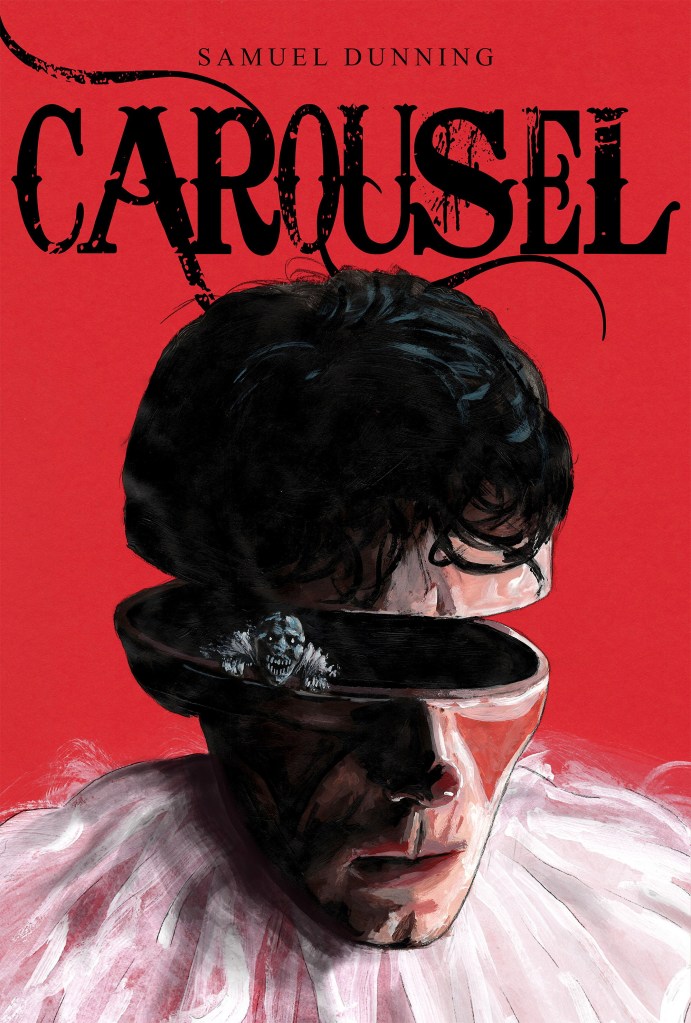
Carousel (2025): Directed by Christopher Kosakowski, Carousel takes the classic cursed object story and gives it a grim, carnival-noir coat of paint. It’s the kind of lean, mean and twisted storytelling that hits all the right buttons for those of us who prefer our horror served with a side of greasepaint and existential dread.

The story follows a lonely circus clown whose world is defined by the melancholy of the big top. His life takes a sharp, nightmare turn when he is gifted an antique zoetrope, that early animation device that relies on the persistence of vision to create a loop of movement.

It doesn’t take long for him to realize this isn’t just a nostalgic toy. The images whirling inside the device begin to bleed into his reality. What starts as a way to brighten up his solitary birthday plans rapidly descends into a chaotic, hallucinatory loop of terror. As the clown becomes trapped by the device’s dark influence, the boundary between the performance and the predator dissolves, turning his dressing room into a claustrophobic stage for his own undoing.

Kosakowski demonstrates a clear grasp of atmosphere over excessive exposition. He understands that a clown in a dimly lit, cramped space is inherently unsettling; he doesn’t need to overplay his hand. And it doesn’t hurt that the poster for this is a reference to Romero’s The Amusement Park.
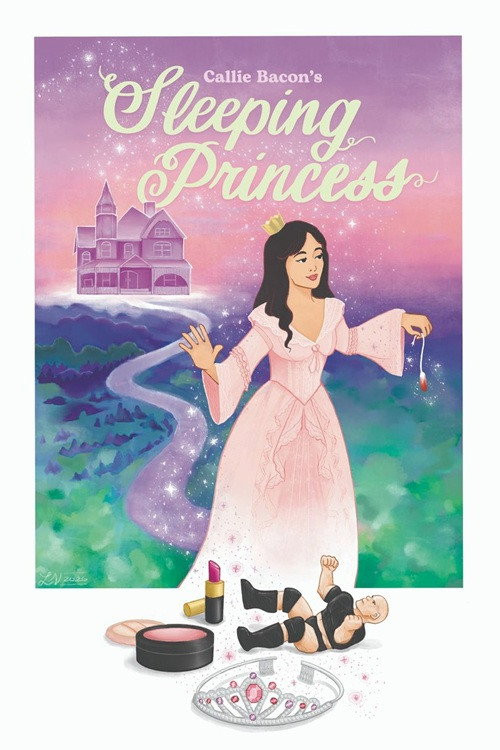
Sleeping Princess (2025): The protagonist is a professional princess who has reached the absolute end of her rope. Stuck in a high-stakes, high-stress gig, she’s tasked with keeping up the illusion of a magical, regal persona for a group of demanding children and even more demanding parents. As the party drags on, the veil of her character begins to fray. The glitter starts to look like grit; the fake tiara feels like a shackle. She even says, “I just do this for the opportunity to kick a kid in the chest.”

Director Callie Bacon does a masterful job of turning a suburban living room into a claustrophobic prison. As our lead struggles to keep the Sleeping Princess persona intact, the film leans into a place where the mundane reality of cheap cake and screaming kids starts to warp into something far more jagged and uncomfortable. It is a brilliant, ugly look at the labor behind the fantasy, including a manual that forces our heroine to refer to Cinderella as “After-Midnight Princess.” And I have to say, the line “Plug it up, princess!” made me laugh and pleased me because it references Carrie.

This does a great job of taking the futility of a day job and transforming it into a cathartic experience.

Bootstrapped (2026): Time travel movies usually need almost two hours to untangle their own paradoxes, but director Joe Heath ignores the rulebook entirely. Bootstrapped is a high-concept, low-budget exercise in narrative compression that squeezes a full-blown sci-fi headache into 60 seconds of frantic celluloid.

The narrative is a closed loop of absolute chaos. We follow a desperate protagonist who discovers that the only way to prevent a catastrophic event is to set it in motion. It’s a classic bootstrapper’s paradox. He travels back to stop himself, only to realize that his intervention is the exact catalyst that triggers the original disaster.

A cute, fun film that doesn’t overstay its running time. Well, because it’s only a minute.

Cotton Candy Randy (2026): This short follows two friends who discover a UFO in the woods and bring their findings back to their town, leading to an odyssey of stop-motion wonder. The project was a significant undertaking for The Skeleton Key Workshop, reportedly taking 15 months to produce using DIY materials such as foam, hot glue and repurposed packaging. A fun look and an interesting take on aliens!
Blackout (2025): Directed by Logan Nipper Synopsis YOU GOT YOURSELF IN. YOU CAN GET YOURSELF OUT. After a night of drinking, a college student finds a dead body in the trunk of his car and is determined to discover the truth.
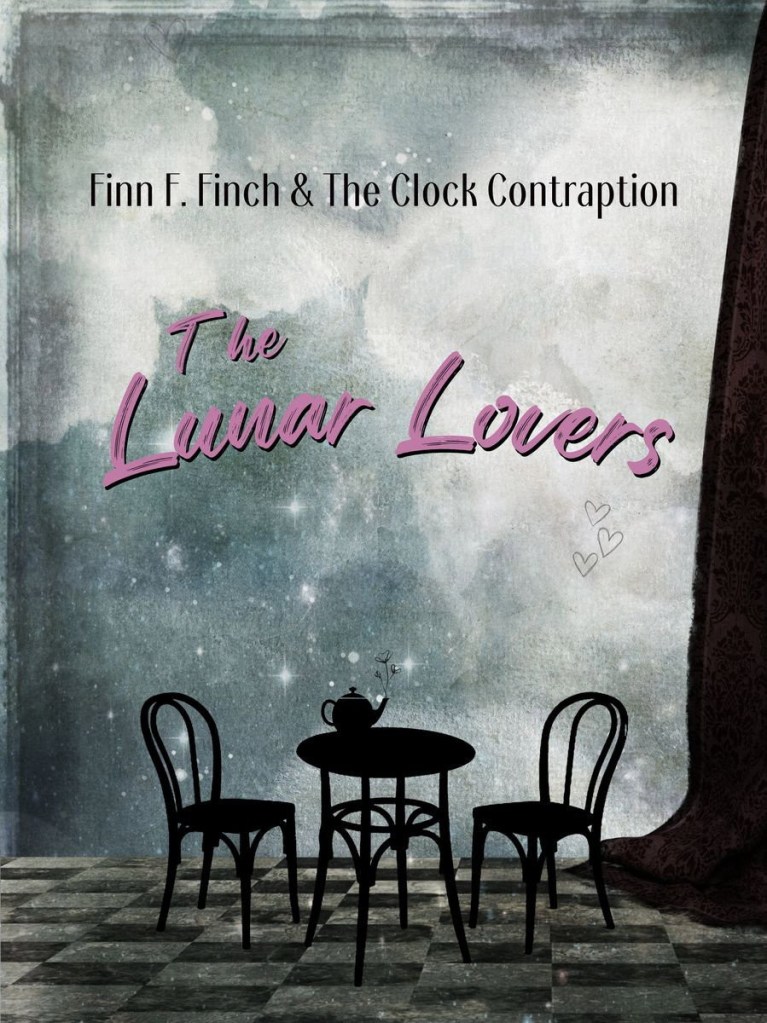
Finn F. Finch & the Clock Contraption: The Lunar Lovers (2026): Directed by Toby Darling Synopsis Flustered Finn F. Finch may have met his match at the Lunar Cafe. Will we see what Finn will finagle out of this time? Or will Finn finally find true love?
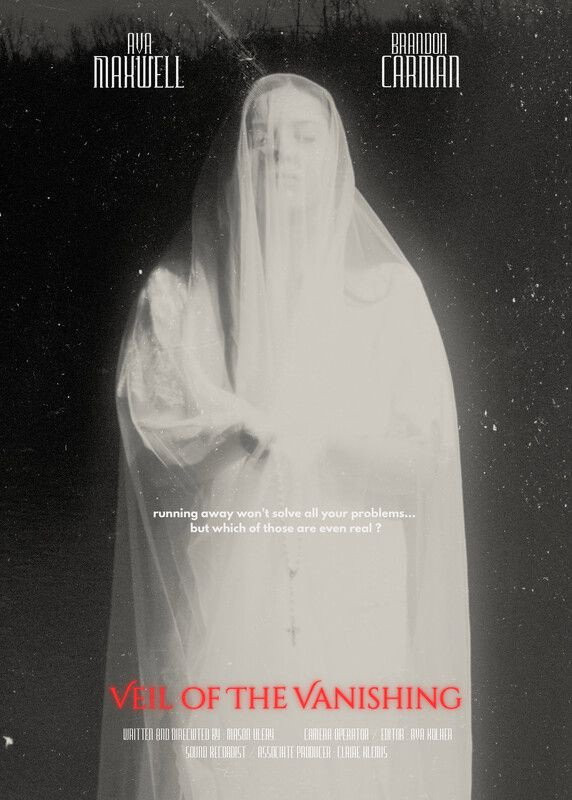
Veil of the Vanishing (2026): The film opens with a woman awake in her own home, but it’s no longer hers. It’s a distorted, shifting labyrinth where rooms don’t lead where they should, and the architecture seems to breathe in rhythm with her own rising panic. She’s haunted by two things: the memory of her abusive husband and the desperate need to reclaim her rosary, which was stolen from her as a final act of control. As she navigates this void, she is pursued by a presence that moves through the house like a glitch in the walls’ reality. It’s a brutal, poetic metaphor for the trauma that refuses to release its grip, with the house itself serving as a manifestation of a life interrupted by abuse and spiritual isolation. Director Mason James Ulery isn’t interested in the usual slash-and-burn tactics of modern genre cinema. Instead, the film uses long, static takes and disorienting sound design to create a sense of dismal unease. I loved that the rosary wasn’t just a prop, but the only lifeline to the real world and escape. Beautiful, black-and-white, strobing and floating fear in seven minutes.
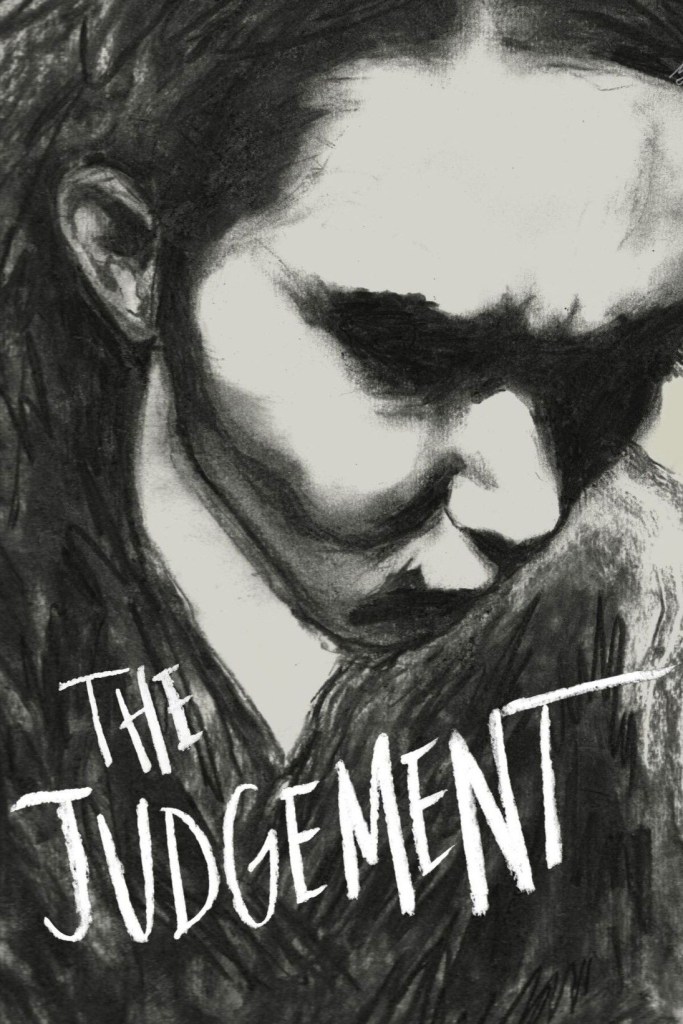
The Judgement (2026): Directed by Harry Corney, this is an adaptation of Franz Kafka’s 1912 short story, “Das Urteil” (The Judgment). It looks absolutely gorgeous, but if you’re not prepared for Kafka, you may be shocked by how systematically his father dismantles Georg Bendemann’s sense of reality and independence. This shot is so beautifully shot and just looks above and beyond so much of what I’ve seen lately. I’d love to see this as part of an anthology of Kafka, but perhaps a short like this is perfect and of itself.
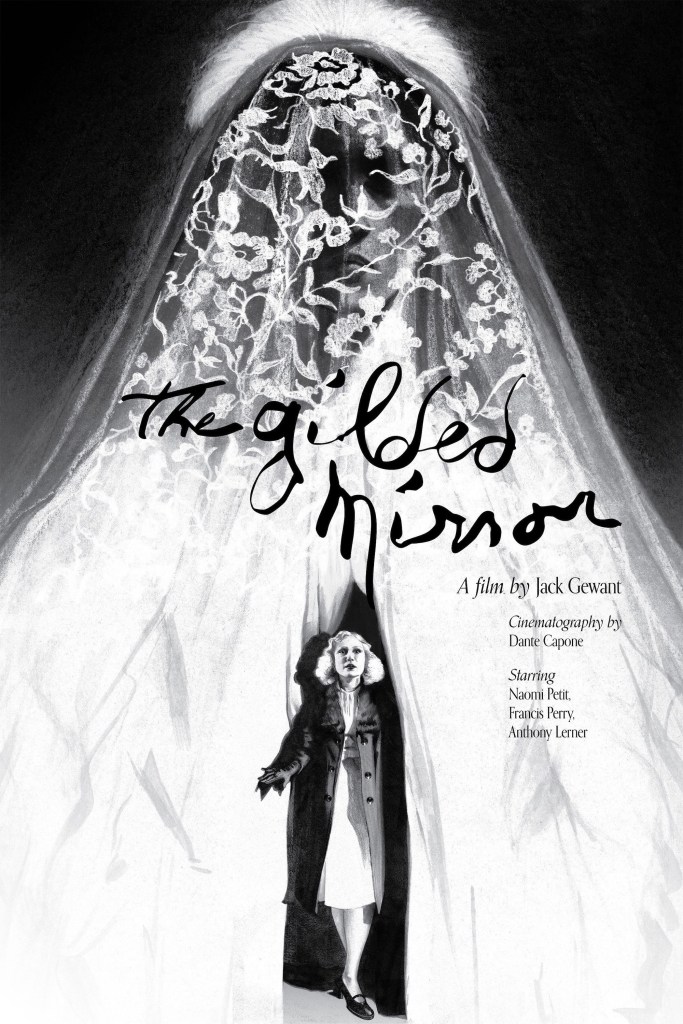
The Gilded Mirror (2026): Directed by Jack Dudley Gewant, this centers on Charles Randolph, a formerly famous performer struggling with the lingering trauma of his wife’s death. The narrative takes a dark, psychological turn when a young woman arrives to audition for him, drawing Randolph into an unsettling world where the lines between illusion, obsession and reality begin to dissolve. The true joy of this movie is that it totally looks and feels like it was made a hundred years ago or more. Just an incredibly immaculate effort.
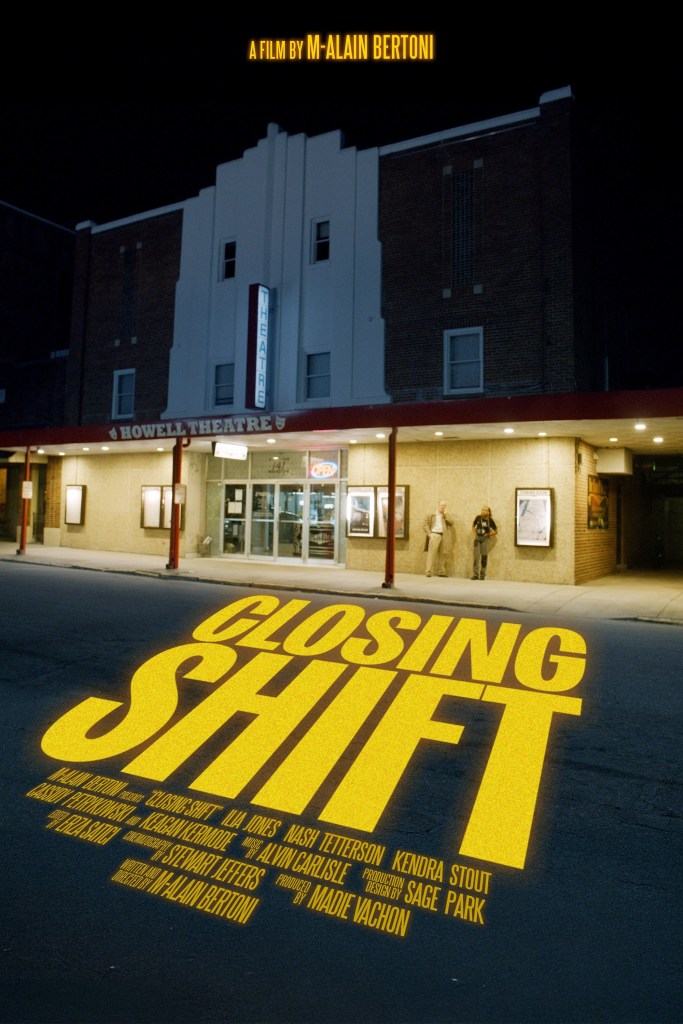
Closing Shift (2026): A trauma-at-work slasher that balances the mundane exhaustion of closing a theater with the sudden onset of survival-horror. KC is a burnt-out employee nearing her breaking point and Reggie is the manager, serving as the weary anchor of the nightly routine. Then, an argument in the theater leads to murder, making them wonder if they really will be stuck working at the theater until they die…which could be soon. Director M-Alain Bertoni has created a really nice short here that could totally be a full film.
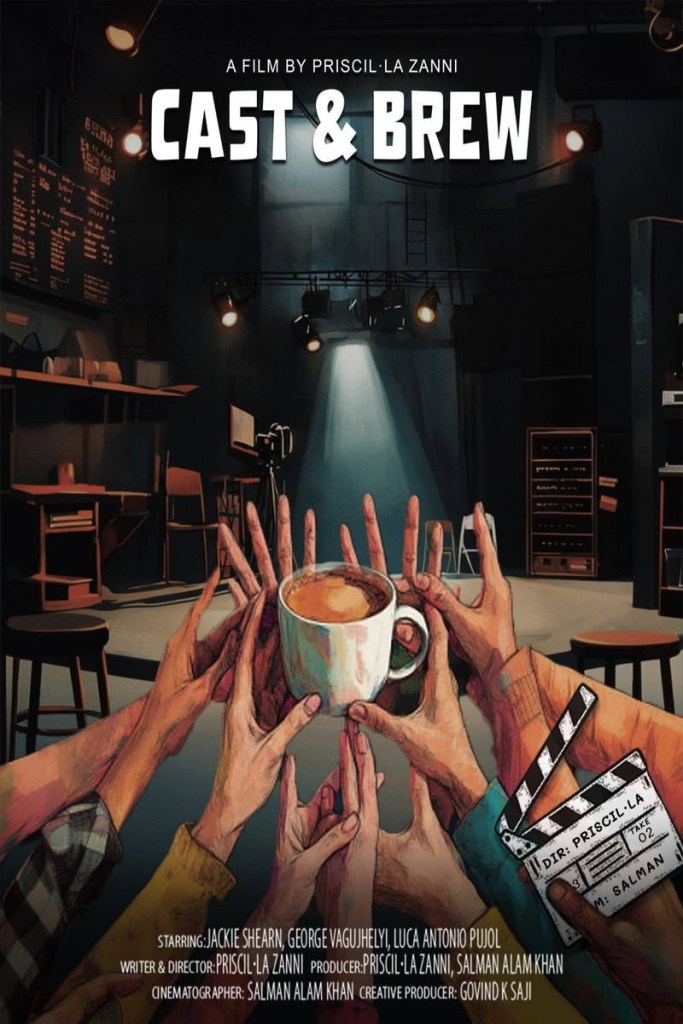
Cast & Brew (2026): Directed by Priscilla Zanni, this sharp, satirical short film mines the high-pressure environment of film production for comedic chaos. When the global coffee supply runs out, everyone loses their minds. Trust me — if there was no caffeine when production happened, people would end up killing each other. By placing the narrative on a film set, Zanni highlights the often-insular nature of show business, where the minutiae of production (the scene, the lighting, the schedule) can be completely derailed by the personal demands of the star. Trust me — I have plenty of stories of the wrong coffee being served and people having cups thrown at them. If anything, this may not go far enough!
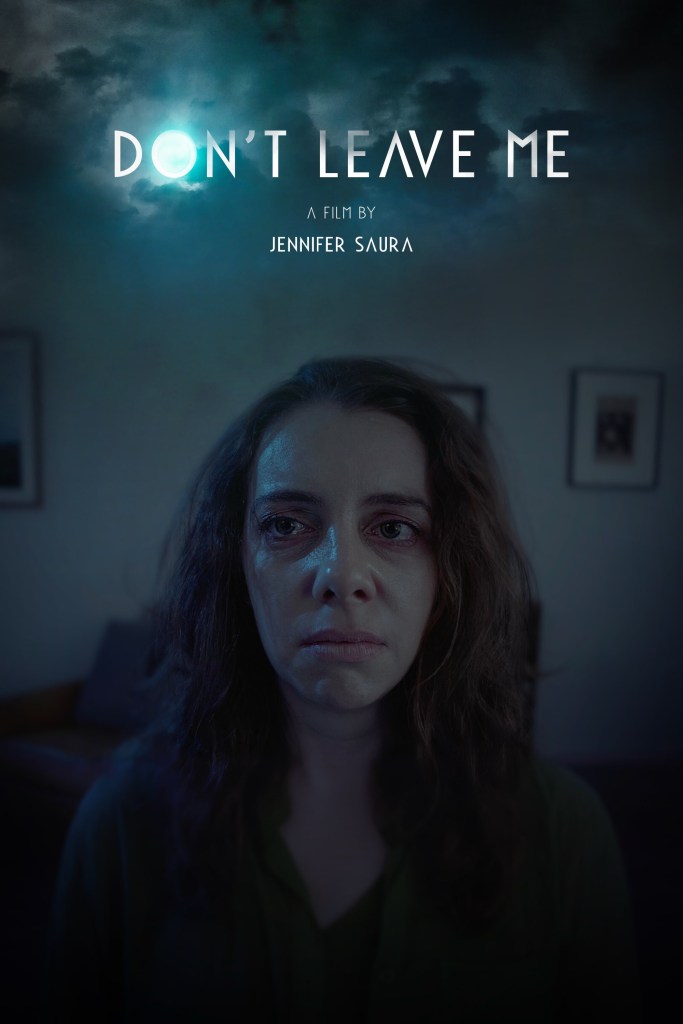
Don’t Leave Me (2026): Directed by Jennifer Saura, this is the story of Dr. Elena Vance (Clara Rossi), a brilliant anthropologist whose life’s work is the comparative study of funerary rites and the space between life and death. Her professional detachment shatters when her husband takes his own life. Instead of processing her grief, Elena descends into a mania. She begins using the occult rituals she has spent her career to bring her husband back. What starts as a desperate act of preservation quickly warps into a grotesque attempt at resurrection. As the line between academic inquiry and necromancy blurs, the house becomes a tomb, and the rituals demand a toll that Elena is all too willing to pay. While the resurrection is pure fiction, the production team drew on actual anthropological texts on death rites in remote regions of the Andes and Southeast Asia to build the scientific basis for Elena’s madness. It gives the ritual sequences a grounded, unsettling weight that makes them much harder to watch.
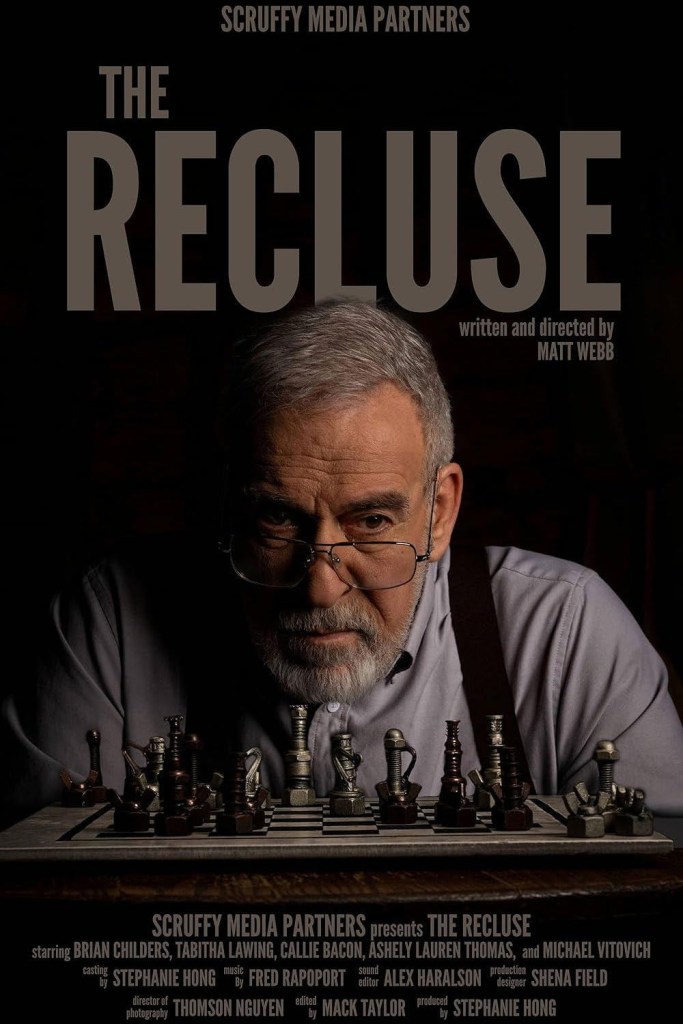
The Recluse (2026): Oak Ridge, Tennessee. Sirens and a radio report indicate a containment breach at the National Laboratory. The authorities slap a hard, mandatory curfew on the area, and for “the man” (played by Brian Childer), that’s a death sentence for his solitude. He’s a man who likes his own company, but when a group of frantic, soot-stained strangers bangs on his door, his better judgment forces him to let them in. They claim to be fleeing the whatever has happened at the lab, but as the night wears on and the radio reports become increasingly contradictory, Arthur realizes the threat isn’t just radiation. It’s the people currently turning his living room into a pressure cooker of lies and shifting loyalties. The film leans heavily on the real history of Oak Ridge, a secret city during the Manhattan Project. Director Matt Webb uses the location’s eerie, industrial legacy to make the setting feel like a character in its own right. “It was really peaceful here, until all of you showed up,” the man says, and you feel how exhausted this has made him.
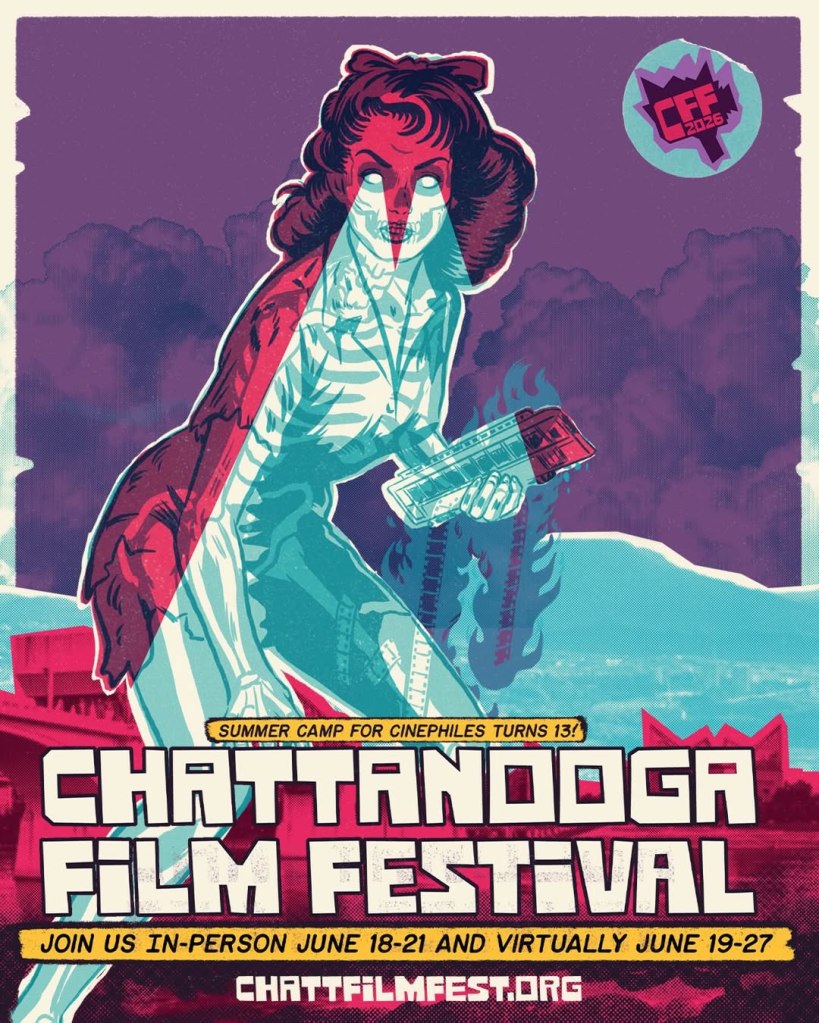
You can watch this either in-person or virtually at the Chattanooga Film Festival. For more info, visit the official site.
WEIRD WEDNESDAY: Race with the Devil (1975)

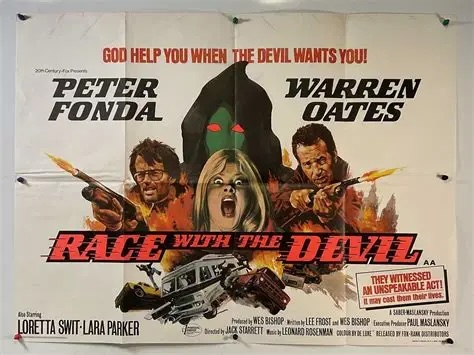
Roger Marsh (Peter Fonda) and Frank Stewart (Warren Oates) are living the dream: two successful motorcycle dealership owners from San Antonio, heading out for a ski trip in Colorado with their wives, Kelly (Lara Parker) and Alice (Loretta Swit), in a luxury RV. But when they decide to boondock in a remote Texas meadow, their vacation hits a hard turn into the occult. They witness a gruesome human sacrifice across the river, and once the cultists realize they’ve been spotted, the vacation turns into a cross-state game of cat-and-mouse.

You couldn’t ask for a better duo to anchor this madness than Peter Fonda and Warren Oates. Fonda brings that rugged, cool-under-pressure vibe, while Oates, a true character actor legend known for his work with Sam Peckinpah, adds a frantic, grounded intensity that makes the stakes feel real. They were real-life friends, and that chemistry shines through even when they’re dodging fire and shotgun shells.

The wives aren’t just passengers, either. Loretta Swit (iconic as Hot Lips Houlihan on M*A*S*H*) and Lara Parker (Dark Shadows) handle the escalating dread perfectly, turning from vacationers into hardened survivors. And let’s not forget the great R.G. Armstrong as the local sheriff. If you’ve seen your fair share of B-movies, you know Armstrong is the king of the is-he-or-is n’t-he trustworthy authority figure.

From here, it turns into an absolute nightmare. The wives find weird occult runes, the local library is a gateway to dark knowledge, and there’s a mysterious red truck tailing them everywhere they go. By the time they hit an RV park, the cult is already inside the house. Well, inside the RV’s cabinets, where they’ve planted rattlesnakes. When the group realizes that the sheriff, the locals and every roadside stranger are seemingly part of a vast, satanic cabal, the ski trip is officially canceled. It’s a high-octane, pedal-to-the-metal chase across the Texas badlands, leading to an ending that will leave you staring at your TV screen in total disbelief.

Note: If you love dogs, as I do, the fate of Ginger is not a happy thing.

Lee Frost was originally at the helm, but after Fox execs caught wind that the actors were basically improvising the whole script, he was swapped out for Jack Starrett. Fonda and Oates almost walked away, but they stuck it out, and the resulting friction actually adds to the film’s manic, desperate pace. As for Starrett, he loved a good headline and famously claimed he hired actual Satanists as extras. Whether that was just classic drive-in marketing hype or the truth, the eerie, blank stares of the cultists in the background of almost every scene sell the paranoia perfectly. Then again, if it were real Church of Satan members, you know that Anton LaVey would have hyped that up as he did with Asylum of Satan and The Devil’s Rain.

The New York Times said, “This is a ridiculous mishmash of a movie for people who never grew up, which is not to say it’s for children. One would think that Mr. Fonda and Mr. Oates had better things to do, but perhaps not. American movie production is in a bad state.”

Whatever, fancy paper. This is RV horror at its finest.