JESS FRANCO MONTH: Revenge In the House of Usher (1985)

So let’s try and make sense of this: There are three versions of this movie, all with completely different plots.

Version 1: Usher (Howard Vernon) is a killer facing mortality while dealing with the torment of the ghosts of his victim. This original version, The Hundimiento de la Casa Usher (The Fall of the House of Usher) was only shown once at the 1983 Imagfic – Festival Internacional de Madrid de Cine Imaginario y de Ciencia-ficción. The audience laughed and booed the film from start to finish, which led to the movie never being distributed and making some of the footage lost forever.

Version 2: Usher (still Howard Vernon) is a vampire who needs human blood to stay alive. This version has three new scenes with Vernon murdering three victims, a new plot and a new title, Los Crímenes de Usher (The Crimes of Usher), and a very limited release two years after it was made.

Version 3: Usher (yet again, Howard Vernon) is a mad scientist who kidnaps village girls and uses their blood to keep his daughter Melissa (Françoise Blanchard, Nero and Poppea – An Orgy of Power, Caligula and MessalinaThe Living Dead Girl) alive, meaning that he’s Dr. Orloff. In fact, Franco even used fifteen minutes of black and white footage of The Awful Dr. Orlof.

Then, Brazilian independent filmmaker Felipe M. Guerra (Deodato HolocaustFantastiCozzi) made a fan cut that reassembled as much of the lost version 1 as possible, editing in versions 2 and 3 and keeping any repetitive footage out of the movie. Shown at Fantaspoa – International Fantastic Film Festival of Porto Alegre (Brazil) in 2016, it caused guest Antonio Mayans to say that it was the first time that he had seen the movie that Franco had intended and that the dignity had been restored to his work.

As for the House of Usher in the film, it’s the Castle of Santa Catalina, where Die Another Day was shot. However, what Franco has captured, through his three cuts — well, nearly four — is the story of Dr. Alan Harker (Mayans) who goes to see his former professor Dr. Eric Usher (Vernon), who may be hundreds of years old and given to hallucinations.

The doctor’s assistant Morpho is Olivier Matho in the new footage. He also directed scenes for the French version. Of course, the housekeeper is Lina Romay. It makes about as much sense as a Frankenstein Poe story as told over multiple decades by Jess Franco is going to get.

You can watch this on Kino Cult.
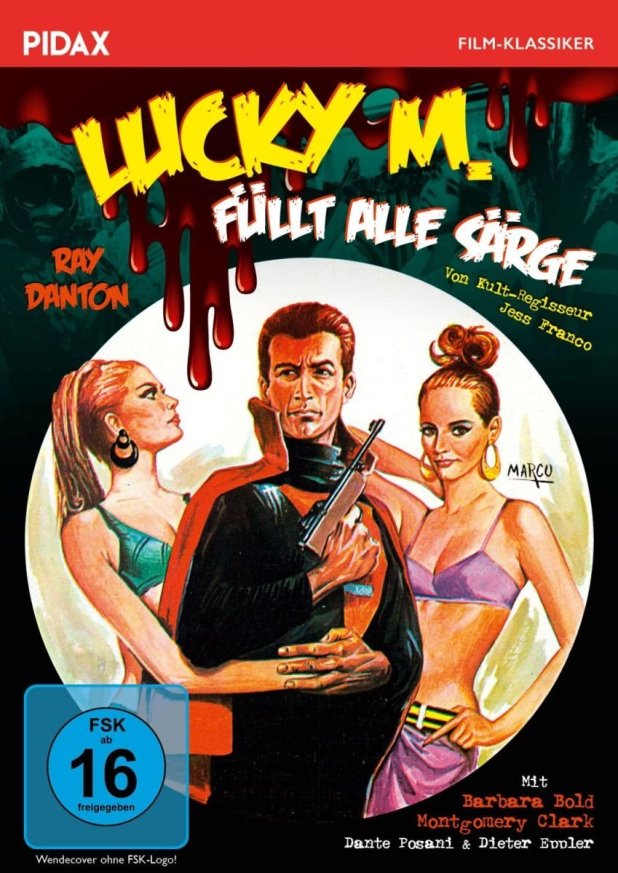
JESS FRANCO MONTH: Lucky the Inscrutable (1967)

EDITOR’S NOTE: We originally watched this on April 25, 2020 but are bringing it back for this month of all things Franco. Jess Franco. There are no other Francos in our world. Well, maybe Franco Nero.

This movie is completely off the rails from the very first minute of screen time. Jess Franco is an acquired taste, but here, he’s tasting like the finest of wine, as jazzy beats play over Eurospy action. This was his first film working with composer Bruno Nicolai and it all works like magic.

Ray Danton plays Lucky, who is very much a gentleman thief. You’ll recognize him from playing Sandokan in two films, as well as spy appearances in Special Agent Super DragonCode Name: Jaguar and the abortive Derek Flint TV pilot, Our Man Flint: Dead on Target.

Rosalba Neri is also in this, who has quite the Eurospy resume, appearing in Superseven Calls on Cairo, Two Mafiosi Against Goldfinger, Password: Kill Agent Gordon and OSS 117 – Double Agent. Horror fans would know her better as the titular Lady Frankenstein and as the wife in the giallo Amuck!

Patty Shephard, who is in this movie for only the briefest of moments, would go on to become a Spanish horror queen. She’s in two of my favorites, Slugs and Edge of the Axe, as well as Nachy’s The Werewolf vs. The Vampire Woman. And keep an eye out of Teresa Gimpera (Hannah, Queen of the Vampires) and Bebe Loncar (Some Girls Do).

There’s some plot about counterfeiting here, but really it’s an excuse for Lucky to run around and romance women. Quite literally, the movie ends the way it does because, as our hero says, “We ran out of money.”

This movie is a blast. Do yourself a favor and hunt it down.

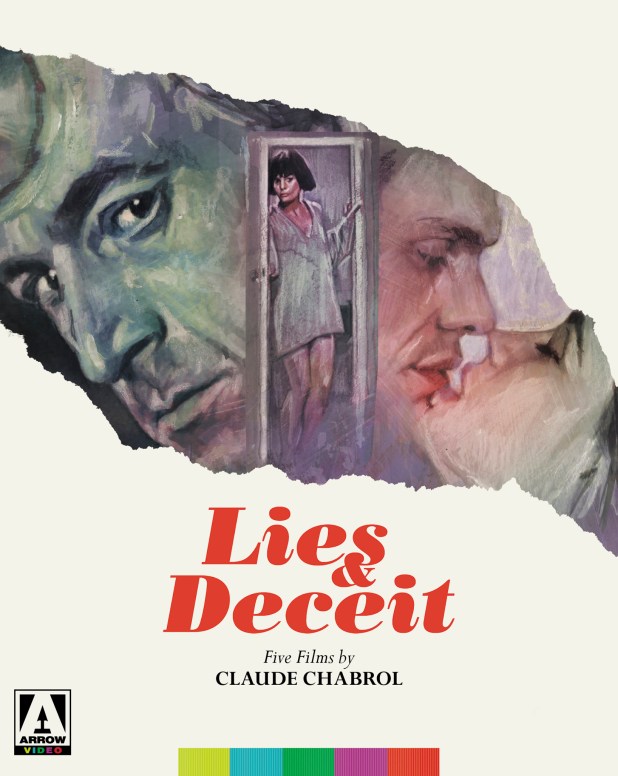
ARROW BLU RAY RELEASE: Lies And Deceit: Five Films By Claude Chabrol

With his contemporaries Jean-Luc Godard, Jacques Rivette, François Truffaut and Éric Rohmer, Claude Chabrol was a critic for Cahiers du cinéma before becoming the first of them to make a movie. As a member of the French New Wave (nouvelle vague) group of filmmakers, he claimed to be “seized by the demon of cinema,” which led to him writing about film and championing directors. But now, he was making his own art, starting with the Hitchcock-influenced Le Beau Serge.

Known for his thrillers — a genre that had obsessed him since he was a teen — and particularly adored Hitchcock, writing a book with Rohmer on his work. On the set of To Catch a Thief, Chabrol and Truffaut got the opportunity to speak with the director and were so starstruck that they walked right into a water tank, leading Hitchcock to say that even when the two were a success, he always saw them as “ice cubes in a glass of whiskey.”

The most prolific of the New Wave directors, Chabrol averaged almost a film a year. Unlike them, his early films may have been experimental, but he moved on to making mainstream movies, although they still come from his personal vision. Beyond Hitchcock, he claimed that Murnau, Ernst Lubitsch and Fritz Lang were his other influences.

Arrow Video’s Lies And Deceit: Five Films By Claude Chabrol collected five high definitions (1080p) blu ray versions of his movies, along with new 4K restorations of Madame Bovary, Betty and Torment.  Each movie has an introduction by film scholar Joël Magny and select scene commentaries by Chabrol. Additionally, there’s an 80-page collector’s booklet of new writing by film critics Martyn Conterio, Kat Ellinger, Philip Kemp and Sam Wigley, trailers and image galleries for each movie and limited edition packaging with newly commissioned artwork by Tony Stella.

From Cop Au Vin and Inspector Lavardin to Madame Bovary, Betty and Torment, this set has given me an incredible glimpse into the director and opened my mind up to seeing more of his films. Which is great, because Arrow plans on releasing Twisting the Knife in April, a second set that includes The SwindleThe Color of LiesNightcap and The Flower of Evil.

You can order this set from MVD.

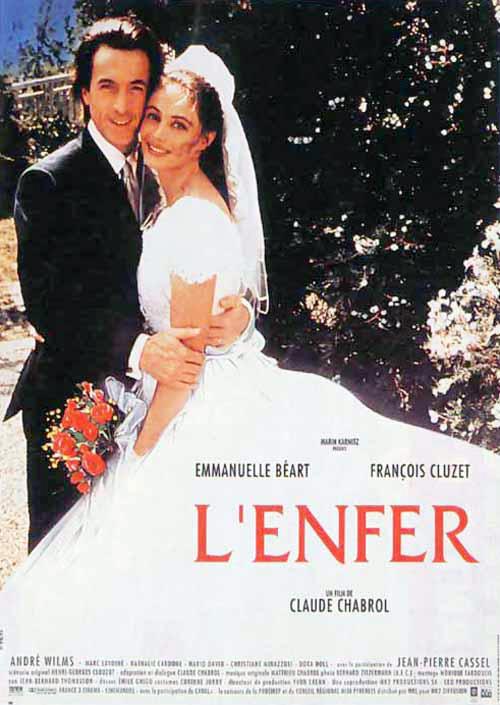
ARROW BLU RAY RELEASE: Torment (1994)

Claude Chabrol made this film from a screenplay by Henri-Georges Clouzot, who never finished his version of the film when he started making it back in 1964.

Paul (François Cluzet) and Nelly (Emmanuelle Béart) have a relationship that falls apart due to his jealousy. L’Enfer means the “inferno of Hell” and that’s what they both go through, all because Paul assumes that his wife is sleeping with anyone and everyone. But is she just doing these things to drive him mad? Or is she the living embodiment of a Tex Avery cartoon, the kind of woman that men can’t control themselves around, and perhaps most frightening to men, one that knows it and uses it?

I’d say that at the least, I would not want to stay at the hotel that Paul is allowing to spiral madly out of control. That said, every man wants to marry a supermodel but is not ready for what work that entails. When everyone wants what you have — and you know it — and you’re as despicable a person as Paul is, there’s no way that your life can ever go well.

Arrow Video’s Lies And Deceit: Five Films By Claude Chabrol collected five high definitions (1080p) blu ray versions of Cop Au Vin and Inspector Lavardin to Madame Bovary, Betty and Torment. Each movie has an introduction by film scholar Joël Magny and select scene commentaries by Chabrol. Additionally, there’s an 80-page collector’s booklet of new writing by film critics Martyn Conterio, Kat Ellinger, Philip Kemp and Sam Wigley, trailers and image galleries for each movie and limited edition packaging with newly commissioned artwork by Tony Stella.

Torment has new commentary by critics Alexandra Heller-Nicholas and Josh Nelson, as well as On Henri Georges Clouzot, an archival interview with Chabrol about Clouzot’s abandoned attempt to make L’enfer and an interview with producer Marin Karmitz.

You can order this set from MVD.

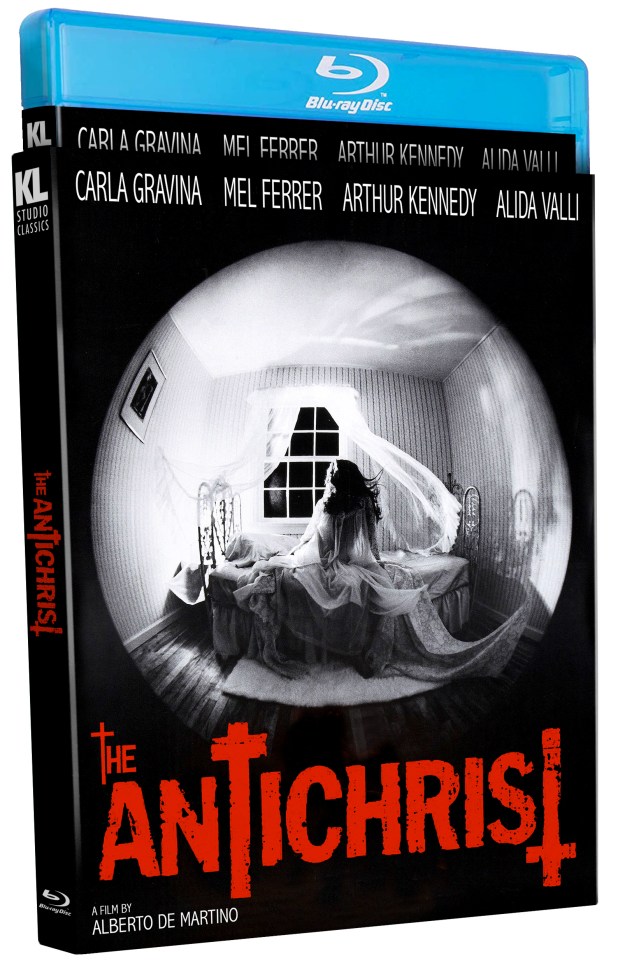
KINO LORBER BLU RAY RELEASE: The Antichrist (1974)

EDITOR’S NOTE: We originally watched this movie back on October 23, 2020 and we’re beyond excited that a new blu ray has been released by Kino Lorber, featuring a brand new 4K restoration by StudioCanal, Raising Hell, a featurette with director/co-writer Alberto De Martino and composer Ennio Morricone, new commentary by Lee Gambin and Sally Christie, a TV commercial, trailers, English and Italian audio and the alternate The Tempter credits. You can get it now from Kino Lorber

The beauty of Morricone is that for every big budget or quality film that he did music for — The Hateful EightDays of HeavenOnce Upon a Time In America — you can find scores he did for movies that aren’t as well thought of, from giallo like What Have You Done to Solange? and A Lizard in a Woman’s Skin to outright ridiculous films like Butterfly and, well, this movie.

And I love it.

I love every single minute of it.

Ippolita (Carla Gravina rocking a Mia Farrow haircut) is a paralyzed young woman with major issues, all because her mother has died. So her shrink does what any psychologist would do in 1974: he sends her brains back in time to remember when she was a witch getting killed during the Inquisition. That ancestor takes over and before you know it, our heroine is screwing and destroying men. It’s time for this movie to stop ripping off Rosemary’s Baby and start being The Exorcist!

Also released as The Tempter, this was directed by Alberto De Martino, who also made the amazing poliziotteschi/giallo hybrid Strange Shadows In an Empty Room and the downright weird superhero film The Pumaman, not to mention Miami Golem.

There’s a decent cast, with Mel Ferrer, Arthur Kennedy, George Coulouris, Alida Valli (Miss Tanner!), Anita Strindberg (Your Vice Is A Locked Room and Only I Have the Key), Umberto Orsini  (Jean from the Emmanuelle movies) and Mario Scaccia (The Perfume of the Lady In Black) all on hand.

There’s way more nudity and sexuality than the majority of American The Exorcist clones, but this is Italy and Aristide Massaccessi is the director of photography. That’s Joe D’Amato, in case you didn’t know, so when Ippolita says cock numerous times and there’s a lengthy Satanic orgy, one of the few I can think of set to tunes by Morricone (that said, he did so many films* that I’m sure there’s at least one more key party for the First of the Fallen set to his music), you can just say, “Hell yeah, the Italians might be all repressed Catholics, but they sure know how to make a Satan movie.”

The scene in the ruins at the end? That’s the kind of stuff my dreams are made of. More movies should be this unabashedly out of control, you know? Another great example of this level of craziness is another De Martino ripoff that somehow has great Hollywood actors in it, 1977’s The Omen Xerox film, The Chosen, also known as Holocaust 2000.

*Notable Morricone soundtracks that I love include Danger: DiabolikThe Bird with the Crystal PlumageShort Night of Glass DollsWho Saw Her Die?, The Fifth CordMy Name Is Nobody, AutopsyExorcist II: The HereticOrca and so many more.

ARROW BLU RAY RELEASE: Betty (1992)

Based on the novel by Georges Simenon, Betty is, well, about Betty (Marie Trintignant), a young alcoholic woman whose affairs cause her to be removed from her family and not allowed to see her two children. One night in a bar, she meets Laure (Stéphane Audran), who takes her in, gives her a luxury hotel room and the opportunity to tell her story within a series of flashbacks.

The last film that director Claude Chabrol and his former spouse Stéphane Audran (Audran was also married to the father of her co-star, Jean-Louis Trintignant) made together, it features a character deprived of the love of her husband, used as a womb to create children for a rich family and left to only feel through alcohol and sex. But behind her eyes and those bangs, is she trouble for anyone she comes into contact with?

Is this a realistic story of life? A horror movie without the supernatural? A formless movie with no plot instigated within a 1960s conversation between Simenon and Chabrol? All of those things and more? Watch and see.

Arrow Video’s Lies And Deceit: Five Films By Claude Chabrol collected five high definitions (1080p) blu ray versions of Cop Au Vin and Inspector Lavardin to Madame Bovary, Betty and Torment. Each movie has an introduction by film scholar Joël Magny and select scene commentaries by Chabrol. Additionally, there’s an 80-page collector’s booklet of new writing by film critics Martyn Conterio, Kat Ellinger, Philip Kemp and Sam Wigley, trailers and image galleries for each movie and limited edition packaging with newly commissioned artwork by Tony Stella.

Betty has new commentary by critic Kat Ellinger, as well as Betty, from Simenon to Chabrol, a new visual essay by French Cinema historian Ginette Vincendeau and a new interview with Ros Schwartz, the English translator of the Georges Simenon novel on which this movie is based.

You can order this set from MVD.

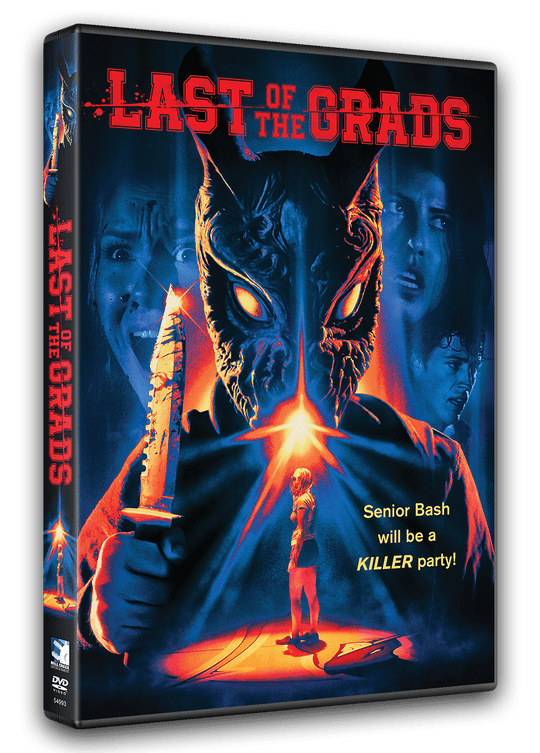
Last of the Grads (2021)

The Coast-to-Coast Killer is coming to town, just in time for high school graduation and the annual lock-in, which would seem to be the time to just lock everyone in their homes, but what do I know, I’m a guy who just watched hundreds of movies and attempts to make sense of them.

Sheriff Murray (Michael Vincent Berry) tells Officer Greg (YouTube and Twitch streamer Cr1tikal) that he knows the killer in coming to town, so maybe he agrees. Or maybe he just wants to say, “I told you so,” afterward.

Of course, the kids in class could care less about a killer coming their way. After all, they’ve been planning this night forever and aren’t they all going to live forever?

Things proceed as you imagine, but what you may not imagine is that this movie has a great special effects team and uses them to their fullest. There’s a ton of gore in this, including heads on poles, death by photocopier and so much more.

The first movie by directors and writers Jay Jenkins and Collin Kliewe, so you can forgive its two hour plus running timeand concentrate on the fact that they’ve turned around a half-way decent slasher in 2021, which feels like a majot accomplishment.

You can learn more about Last of the Grads on the Mill Creek site and order it from Deep Discount.

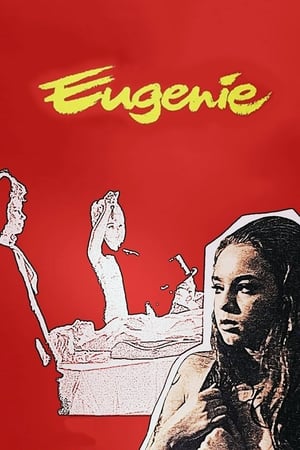
JESS FRANCO MONTH: Eugenie (1970)

An adaptation and modern-day update of Marquis de Sade’s Philosophy in the Bedroom, this was the second de Sade film made by Jess Franco*, but by no means the last. In fact, it’s not even the last movie called Eugenie that he would make. While this one is Eugenie… The Story of Her Journey into Perversion (or De Sade 70 or Marquis de Sade’s Philosophy in the Boudoir), there’s also the better-known — and Soledad Miranda-starring — Eugenie de Sade.

Eugenie (Marie Liljedahl, IngaDorian Gray) has spent her entire life in a convent and despite an exterior that drives men and women wild with list, she’s inexperienced in the ways of the world. Her father (Paul Muller, NanaBarbed Wire Dolls) wants to bed Madame Saint Ange (the wife of producer Harry Alan Towers who appears in 99 Women, Venus In Furs and The Boody Judge amongst other movies; don’t judge her being in this as nepotism, because she’s amazing in this movie), who agrees as long as she can take Eugenie to her secluded island mansion, where she and her step-brother Mirvel (Jack Taylor, whose career in exploitation movies took him all over the world) can seduce her and probably each other and definitely everyone and play the kind of strange incestual games that only the super rich seem to play.

Sir Christopher Lee also shows up as the narrator for all this wallowing and also as Dolmance, the leader of a cult of fiends that drug young women and beat them with whips and yeah, Sir Christopher claims he had no idea what kind of movie he was in, which I find hilarious, because this wouldn’t be the last time he’d work with Franco. Providing his own wardrobe — the smoking jacket he wore in Sherlock Holmes and the Deadly Necklace — Lee claimed that he was unaware there was a nude woman on the sacrificial altar behind him, as Franco and crew had wrapped drapery over her that they’d yank off as soon as the camera started and would then recover her when he was done with his scene. I mean, I love Jess, but sometimes he can barely focus the camera. One wonders how he’d ever had the chicanery and ability to pull one over on a man that was once quite literally a secret agent.

This movie feels like a dream. I’ve said that of other Franco movies, but trust me, a much better realized and better shot dream, with a score by Bruno Nicolai that makes it seem way classier than it is.

*The first is Marquis de Sade: Justine.

NEW KINOCULT MOVIES FOR FEBRUARY

Kino Cult is a new free ad-supported streaming destination for genre lovers of horror and cult films packed with some great movies. These new movies join a growing list of hundreds of new and rare theatrically released cult hits, all presented in beautiful high definition. Additionally, Kino Cult offers an ad-free subscription plan for $4.99 per month.

Here’s what’s new:

The Bronze Buckaroo (director Richard C. Kahn)

https://www.kinocult.com/feature/bronze-buckaroo

In this delightful Western/musical/comedy, cowboy Bob Blake (singer Herbert Jeffries) and four friends ride to Arizona to help Betty Jackson (Artie Young) solve the mystery of her missing brother (Rollie Hardin). Costarring African American cinema pioneer Spencer Williams at Pete.

The Flying Ace (director Richard E. Norman)

https://www.kinocult.com/feature/flying-ace

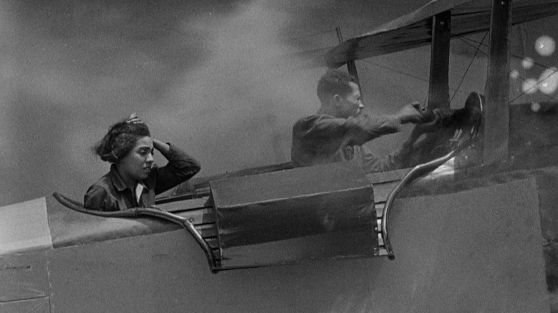
A rural crime drama revolving around a pair of rival aviators, The Flying Ace illuminates the fact that many films made for African American audiences were less concerned with race than with making popular entertainment in the traditional Hollywood style, offering matinee audiences the chance to see African Americans in heroic and romantic roles. Filmed in the Arlington area of Jacksonville, Florida, The Flying Ace is a unique aviation melodrama in that no airplanes actually leave the ground (the spectacular flight scenes are performed on terra firma, in front of neutral backdrops). A veteran World War I fighter pilot returns home a war hero and immediately regains his former job as a railroad company detective. His first case: recover a stolen satchel filled with $25,000 of company payroll, locate a missing employee, and capture a gang of railroad thieves.

The Cabinet of Dr. Caligari (director Robert Wiene)

https://www.kinocult.com/feature/cabinet-dr-caligari

In 1920, one brilliant movie jolted the postwar masses and catapulted the movement known as German Expressionism into film history. That movie was The Cabinet of Dr. Caligari, a plunge into the mind of insanity that severs all ties with the rational world. Director Robert Wiene and a visionary team of designers crafted a nightmare realm in which light, shadow and substance are abstracted, a world in which a demented doctor and a carnival sleepwalker perpetrate a series of ghastly murders in a small community.

The Iron Rose (director Jean Rollin)

https://www.kinocult.com/feature/iron-rose

The Iron Rose is a haunting experience – a macabre tone poem about youth and age, love and nihilism, nostalgia and superstition, and, above all, life and death. Francoise Pascal (There’s a Girl in My Soup) and Hugues Quester (Three Colors: Blue) go on a metaphysical, Orpheus-like journey inside an ancient, all-but-abandoned graveyard but, as night falls, they cannot find their way out. As Quester’s nihilism crumbles to impatience and terror, Pascal transfers her disappointed passion for him to the cemetery itself and becomes jubilantly (and dangerously) attuned to its dead. If Orson Welles was correct when he estimated that a film could only be considered good to the extent it represented the artist who made it, The Iron Rose is Jean Rollin’s first authentic masterpiece.

The Comeback (director Pete Walker)

https://www.kinocult.com/feature/comeback

Pop star Jack Jones (best remembered for the theme from The Love Boat) plays a singer who is haunted by the death of his estranged wife, and led into a confrontation with the killer, in The Comeback. A sleek and entertaining slasher film from director Pete Walker, it is a bloody illustration of the costs of fame. While recording an album he hopes will vault him back up the charts, singer Nick Cooper (Jones) begins suffering from hallucinations, pushing him to the brink of a nervous breakdown. When those close to him start dying in brutal murders, his connection to reality frays even more, until he himself is staring death in the face. Rounding out the cast are cult movie and TV favorites David Doyle (Charlie’s Angels), Pamela Stephenson (Superman III, Saturday Night Live) and Holly Palance (The Omen).

Horsehead (director Romain Basset)

https://www.kinocult.com/feature/horsehead

Haunting and horrific, surreal and shocking, Horsehead is a new horror-fantasy that pays tribute to the classic European shockers of Dario Argento and Mario Bava, while also remaining a unique film with its own vision, delivering unforgettable images that both disturb and enchant. Director Romain Basset’s tale follows beautiful young Jessica (Lilly-Fleur Pointeaux) as she returns to her family’s countryside estate for her grandmother’s funeral. Haunted by recurring nightmares of a horse-headed monster, Jessica attempts to put her studies of “lucid dreaming” to good use, as she semi-consciously navigates through this dream landscape, trying to discover the secrets behind this sinister apparition. But Jessica must also cope with a hostile mother (The Beyond’s Catriona MacColl), and the growing realization that the death of her grandmother was actually a suicide triggered by the woman’s past traumas and visions. Horsehead is a feverish, ethereal journey through the world of nightmares.

Oasis of the Zombies (director Jess Franco)

https://www.kinocult.com/feature/oasis-zombies

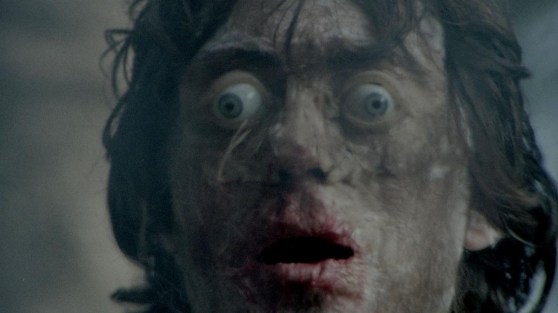
Once established as a master of the Euro-erotic horror film, Jess Franco continued to explore more traditional modes of filmmaking, setting familiar genres on their ears with his singular brand of reckless creativity. Made during the living dead craze of the early 1980s, Oasis of the Zombies is one of only a handful of motion pictures to explore a most peculiar subgenre of the movement: the Nazi zombie film. In telling the story of a cache of German gold — lost in the desert, sought by a group of teenagers, protected by the walking dead — Franco demonstrated his characteristic lack of restraint, shamelessly inserting stock footage from a bigger-budget war picture, allowing his camera to dwell on the worm-eaten orifices of the shriveled undead and, of course, lacing the action with his trademark style of lyrical eroticism. The resulting film is a decadent exercise in grindhouse filmmaking that is more audacious than frightening, illuminating one of the more peculiar facets of Jess Franco’s uniquely warped cinema.

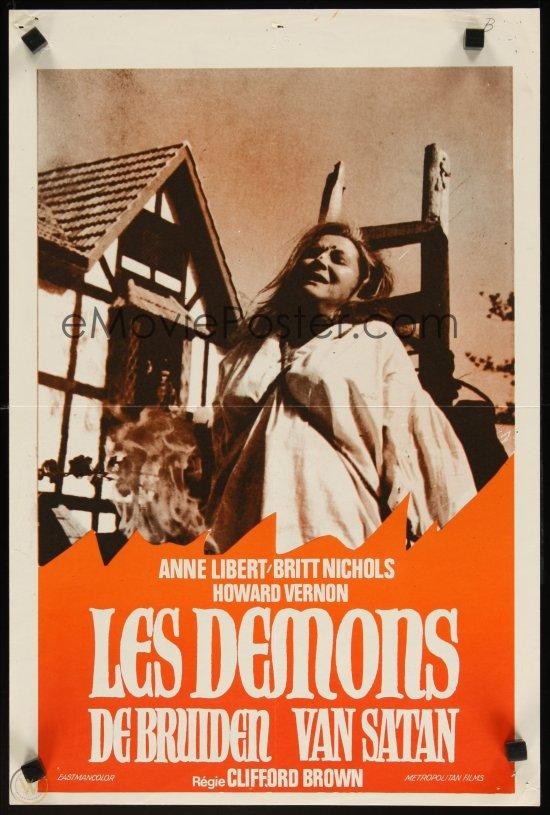
JESS FRANCO MONTH: The Demons (1973)

“Let The Exorcist beware, The Demons are here!”

One can only imagine that Jess Franco sat in a theater as Ken Russell’s The Devils ended and thought to himself, “But where’s the sex? I want more of it. I demand more of it!

After watching a witch burn, we meet two nuns in a convent, the virginal Margaret (Britt Nichols AKA Carmen Yazalde, who appears in The Erotic Rights of FrankensteinA Virgin Among the Living Dead and is sacrificed in Tombs of the Blind Dead) and her more sex-obsessed sister Kathleen (Anne Libert, House of 1000 Pleasures and Sins of the Flesh).

A rich woman named Lady De Winter (Karin Field, Target Frankie and Return of Shanghai Joe) believes that Kathleen is possessed by Satan and that the two are the daughters of that blackened witch, so she puts her top man, Thomas Renfield (Alberto Dalbés, A Quiet Place to Kill and Espionage In Tangiers) after her. Of course, he falls in love and lets her escape. And even when Inquisitor Lord Justice Jeffreys (Cihangir Gaffari, Dick Turpin and Bloodsport) gives him another chance, Renfield runs back to her and the two are soon tortured into near oblivion.

Meanwhile, Satan himself appears in the convent and assaults Margaret, replacing her innocence with an overwhelming desire to punish anyone who harmed her mother or sister, starting with Lady De Winter, often by kissing them into skeletons. You know, no one loves female revenge more than Jess Franco and he’s going all out here, with Margaret seducing her Mother Superior right into suicide and then leaving no man or woman safe from her vengeance.

This is one of the more gorgeous films Franco would make — it was shot by Raul Artigot (The Ghost GalleonThe Cannibal ManThe Pyjama Girl Case) — and he makes great use of his budget. And he lives up to those dreams of a movie that somehow answers, “What if Witchfinder General was more about lesbians?”

You can watch this on KinoCult.