Originally compiled for Blanche Barton’s The Church of Satan — as approved by Magus Anton Szandor LaVey — the Church of Satan’s recommended film list is made up of films that LaVey enjoyed or felt exemplified Satanism.
As Magus Peter H. Gilmore, High Priest of the Church of Satan, explained to our site earlier his week, the Church has no official position on various artforms, since the basis of the Church’s philosophy is individualism. This allows members to have their own personal lists as well as reasons why they feel these movies are on the film list.
We’ve been covering several of these films this week, but the list format allows us to share films that we’ve also covered in the past here on our site.
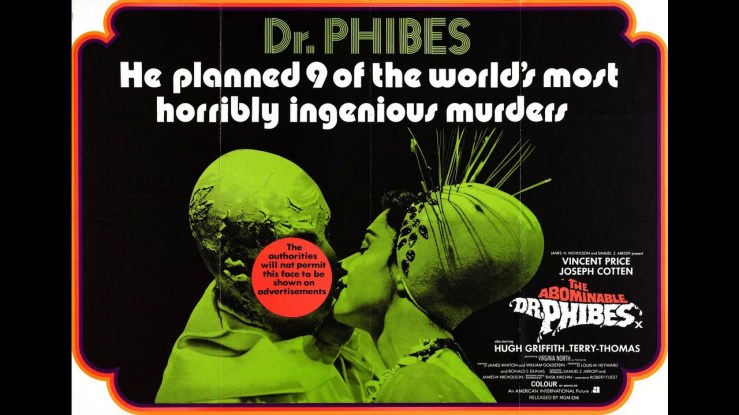
1. The Abominable Dr. Phibes (1971): The first of two of the Dr. Phibes films, this revenge feature not only boasts Vincent Price as a Satanic superhero, but also an opening of musical numbers and clockwork androids with the main character not saying a word until nearly half an hour into the movie.
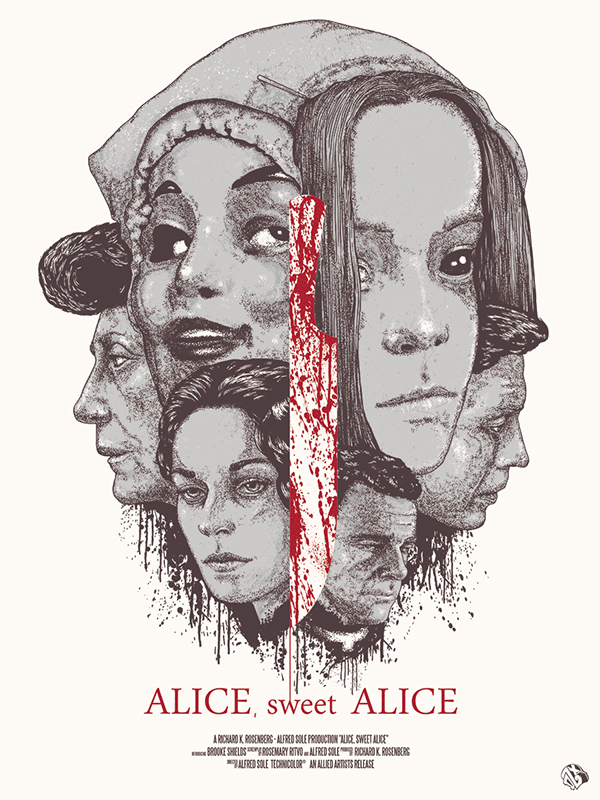
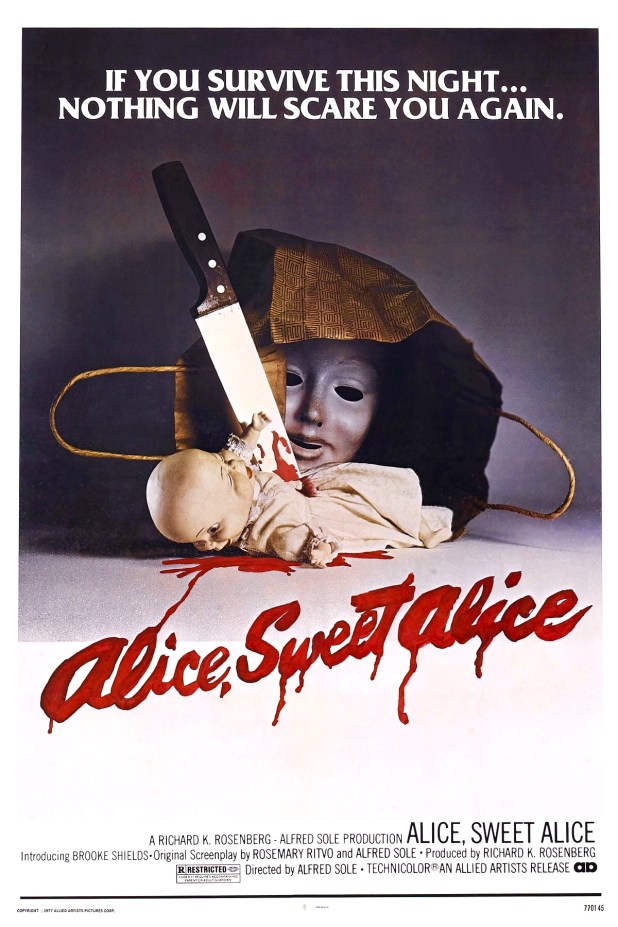
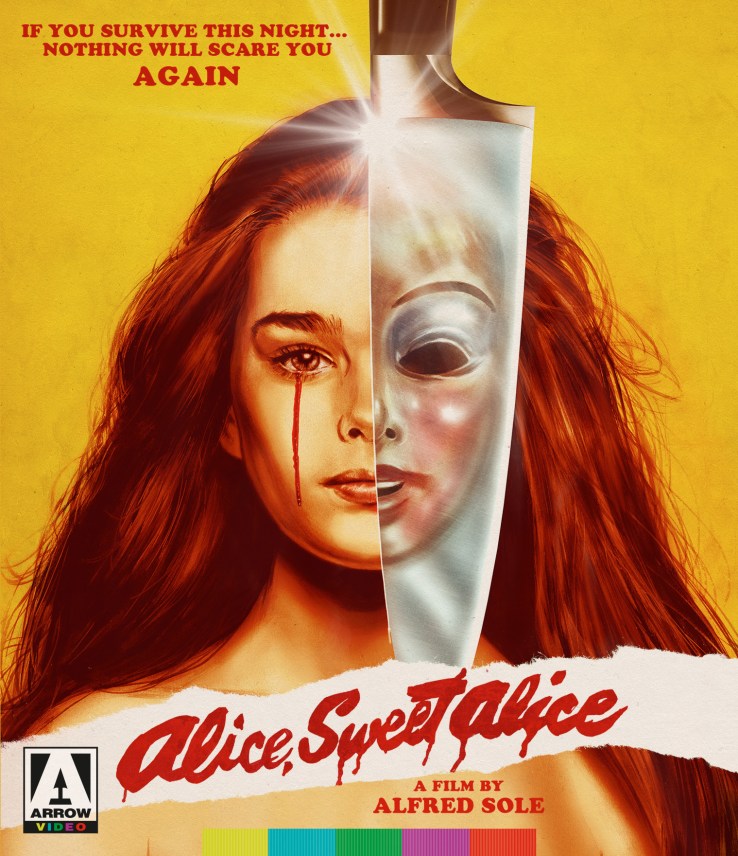
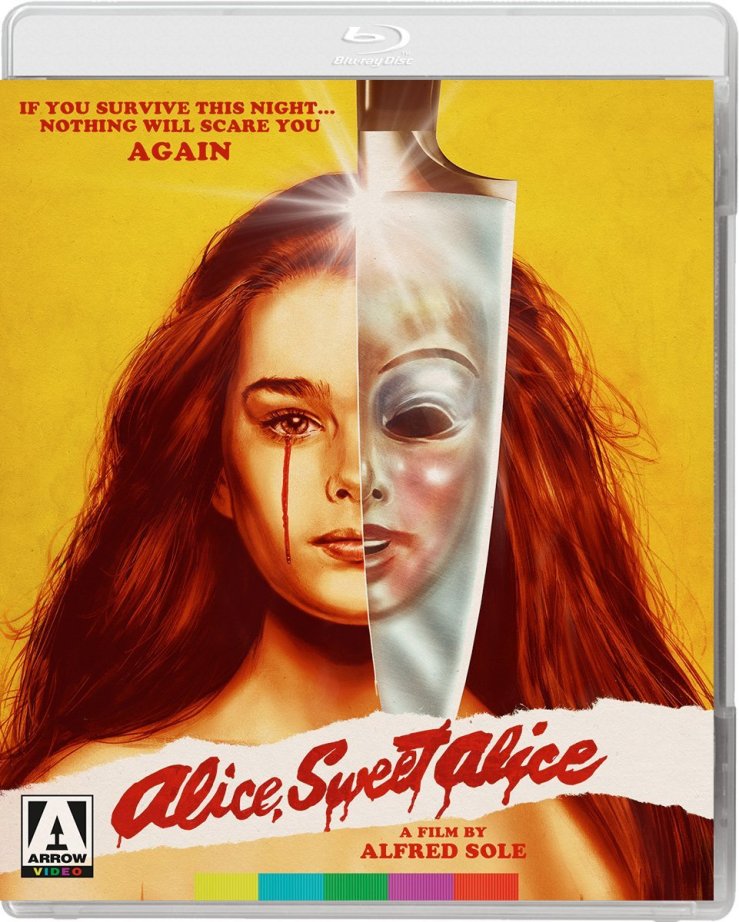
2. Alice, Sweet Alice (1976): This Americanized giallo offers a disturbing look at the dark roads that faith and herd mentality will lead believers down, as well as the way adults perceive children to be monsters.
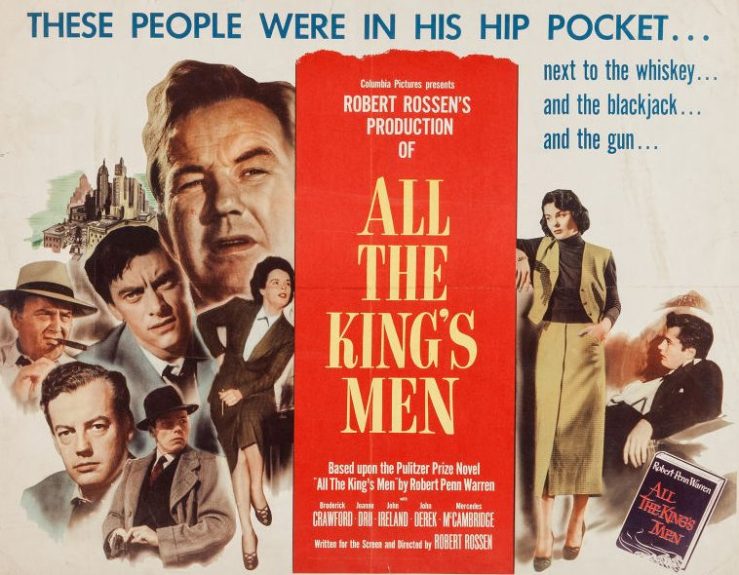
3. All The King’s Men (1949): This thinly disguised take on the life of Huey Long was originally going to star John Wayne, who claimed that the script was unpatriotic and indignantly refused the part. Broderick Crawford took over and won the 1949 Academy Award for Best Actor, beating out Wayne in Sands of Iwo Jima.
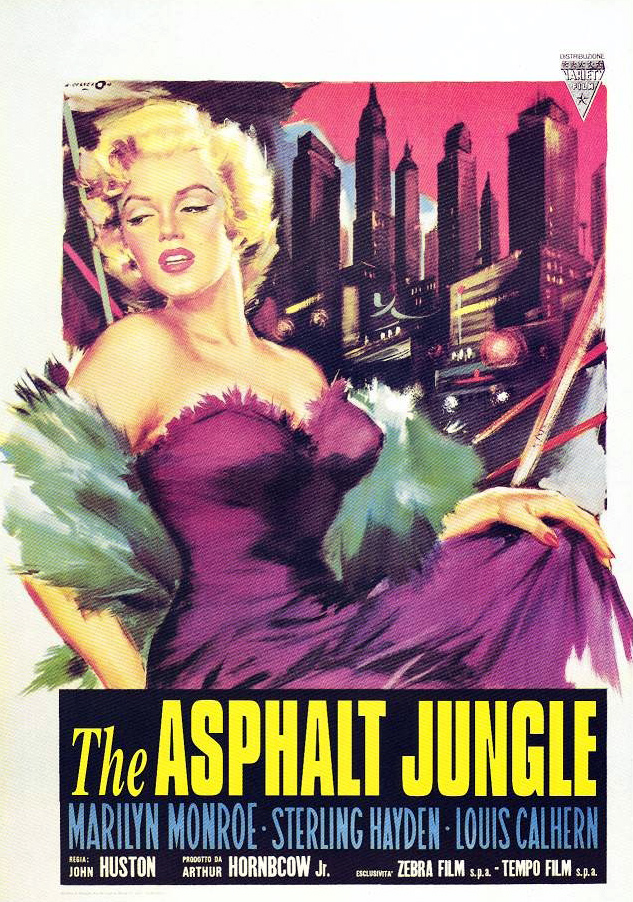
4. The Asphalt Jungle (1950): Regardless of where you stand on the veracity of Anton LaVey’s relationship with Marilyn Monroe, she formed what he saw as the Satanic ideal of what a woman should look like. This is a bleak film where everyone is corrupt and everyone is doomed.
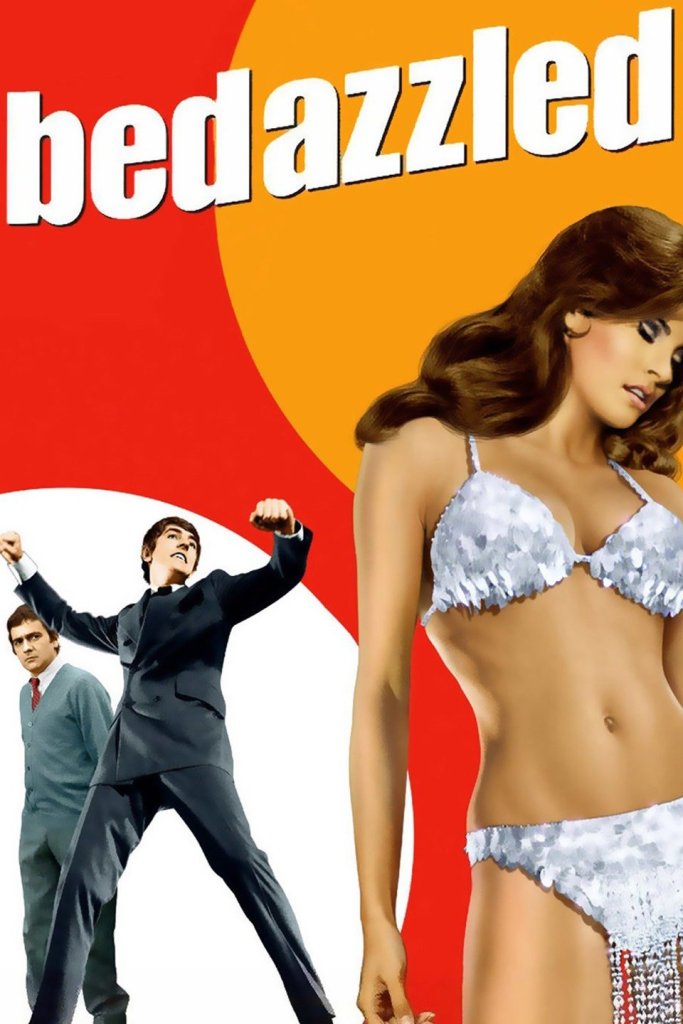
5. Bedazzled (1967): This retelling of the Faust legend by comedy team Dudley Moore and Peter Cooke concerns the Devil offering a young man seven wishes for his soul, but twisting each wish to frustrate the young man’s hopes. I wonder how many people were confused by the ending, where said devil tries to do the right thing only to be rebuked by God?

6. The Bitter Tea of General Yen (1933): This pre-Code Frank Capra film is one of the first Hollywood films to deal with interracial love. While the novel that it is based upon concerns a philosophical battle between a Western woman’s Judeo-Christian worldview and an Eastern leader’s elegant, educated, wise and unsentimental philosophy, the film is more about a sheltered white woman succumbing to the wild, sensual nature of an exotic Asian man.
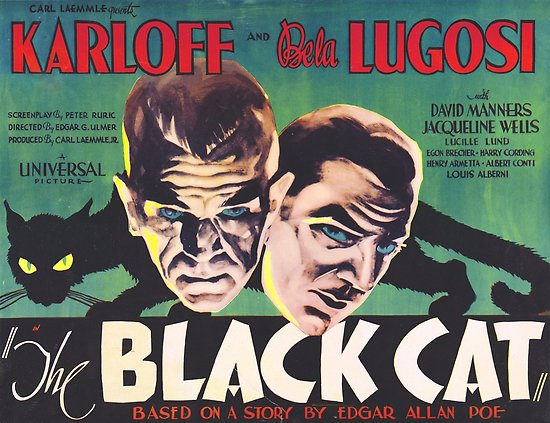
7. The Black Cat (1934): The first of eight movies that would team up Bela Lugosi and Boris Karloff — one of the first movies with an almost continuous music score — this take on the Edgar Allan Poe story offers Karloff as an Aleister Crowley analog packs necrophilia, drugs, torture, human sacrifices and a Black Mass into its 69-minute run time.
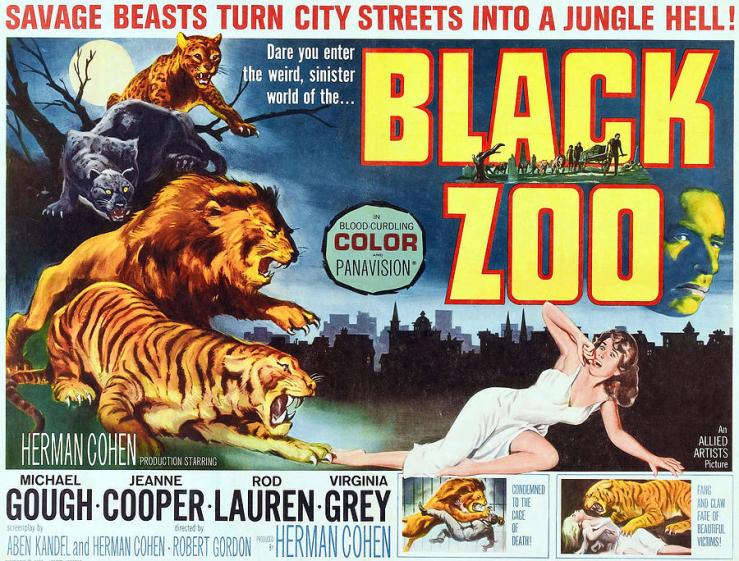
8. Black Zoo (1963): Michael Gough plays a cult leader who controls a lion, a lioness, a pair of cheetahs, a tiger, and a black panther; as well as a gorilla, all with the power of organ music. If you don’t see why Anton LaVey loved this movie, you aren’t paying attention.
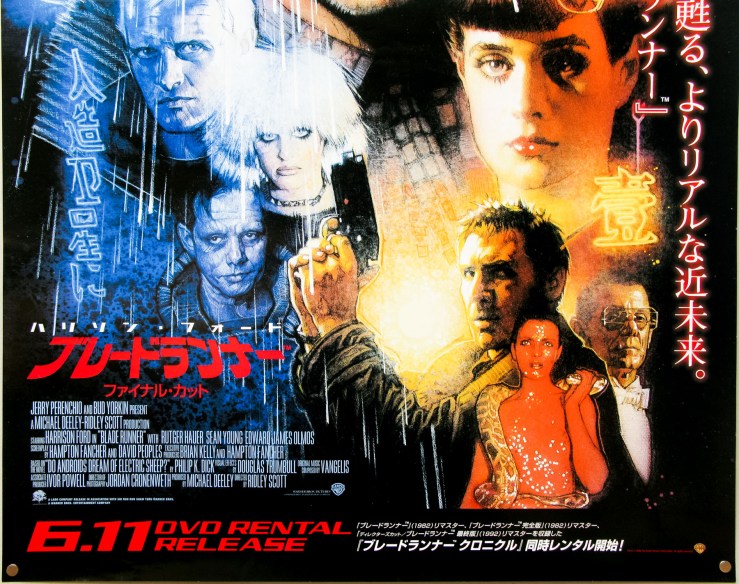
9. Blade Runner (1982): A failure in its initial release, this Philip K. Dick adaption infuses the spirit of film noir into a dismal future where it never stops raining, corruption runs rampant and 1940s glamour can appear at the same time as Japanese style dominates future society. For those who dream of androids being part of our daily lives, Blade Runner casts them as both hero and villain, all while giving no easy answers even to its hero’s true identity.
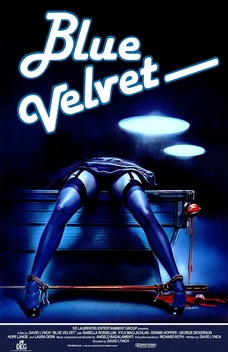
10. Blue Velvet (1986): In this modern film noir, David Lynch rips the lid off of the safety of the small American town and shows the simmering menace and sexual depravity locked behind its white picket fences.
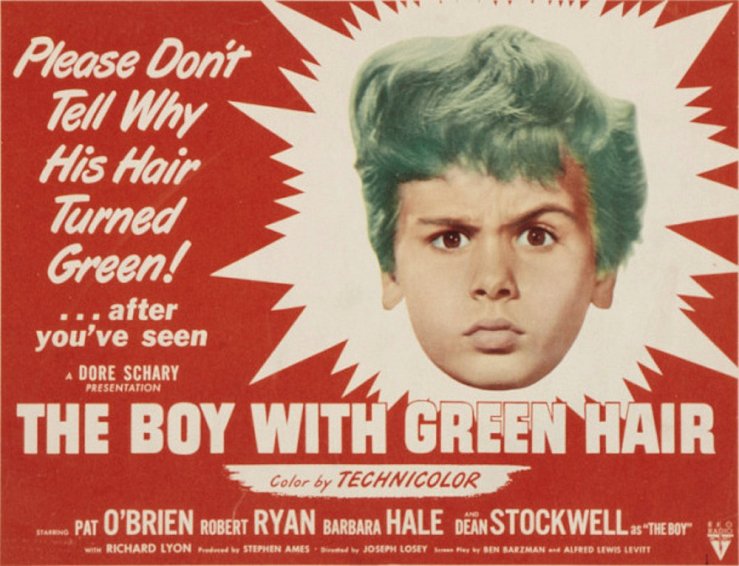
11. The Boy with the Green Hair (1948): A young boy uses his hair and individuality to protest war, which adults just can’t deal with in this stirring tale of facing off against herd conformity.
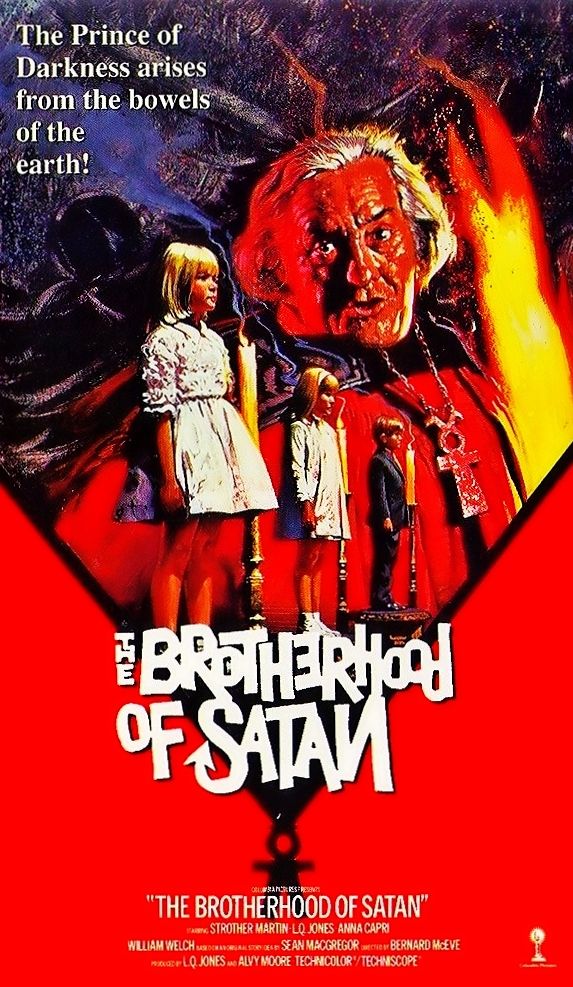
12. The Brotherhood of Satan (1971): Woe be to anyone who come against the children and old people of this remote Southwestern town which doesn’t take well to outsiders!
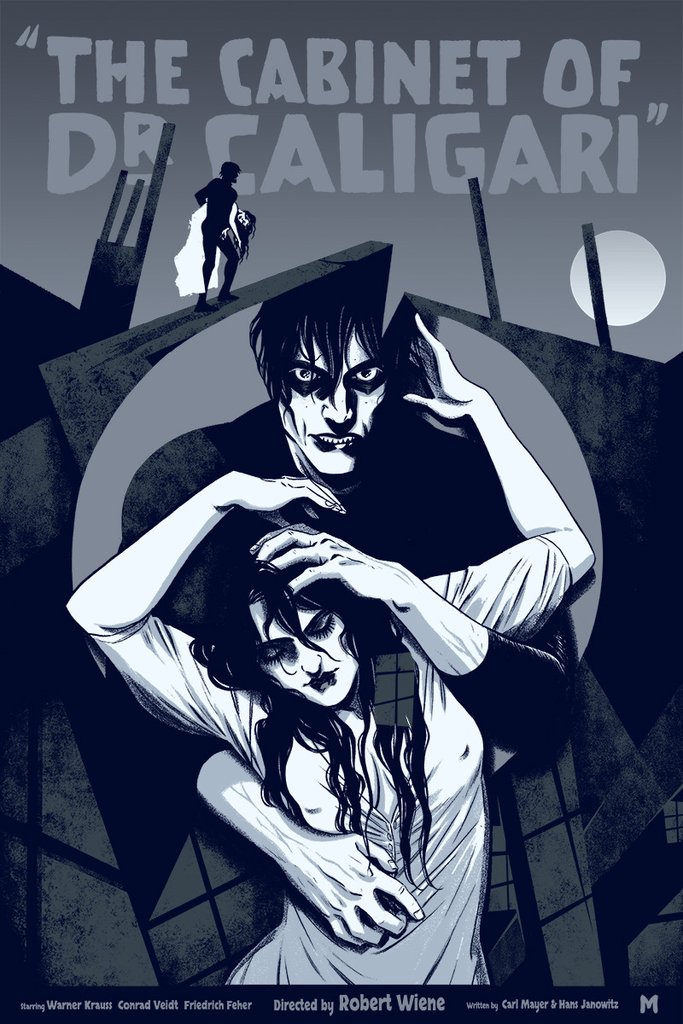
13. The Cabinet of Dr. Caliguri (1920): Written by two pacifists who were distrustful of the herd mentality and near mind control they had encountered during World War One, this German Expressionist film is considered one of the first true horror movies.
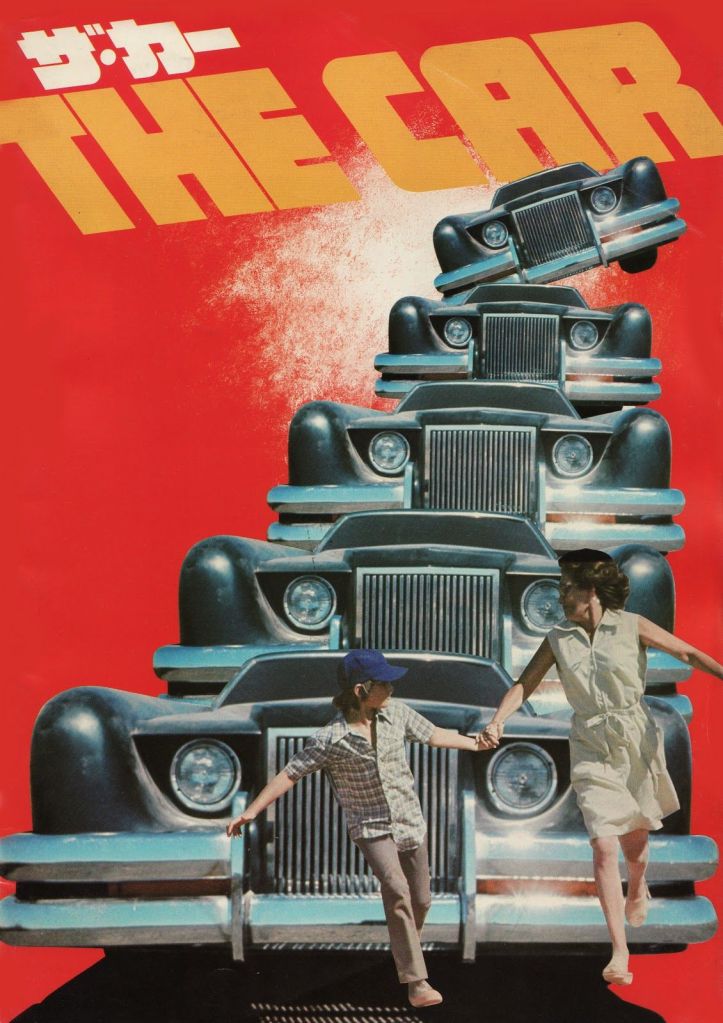
14. The Car (1977): Any movie that starts with a quote from LaVey — “Oh great brothers of the night, who rideth out upon the hot winds of hell, who dwelleth in the devil’s lair; move and appear!” — features him as a technical consultant and has a car similar to the one he drove (a 1971 Lincoln Continental Mark III) is obviously going to be on this list. It’s also a great popcorn film.
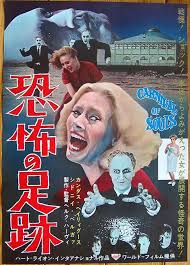
15. Carnival of Souls (1962): Appearing before Night of the Living Dead and while America was still in the Camelot days of JFK, this blast of weirdness out of Salt Lake City and Lawrence, Kansas presents the foul underbelly of the bright and colorful ideal world that post-World War II America was cherishing. It’s also marked by sinister organ themes and the idea that the idyllic boardwalk can also be a place of extreme menace.
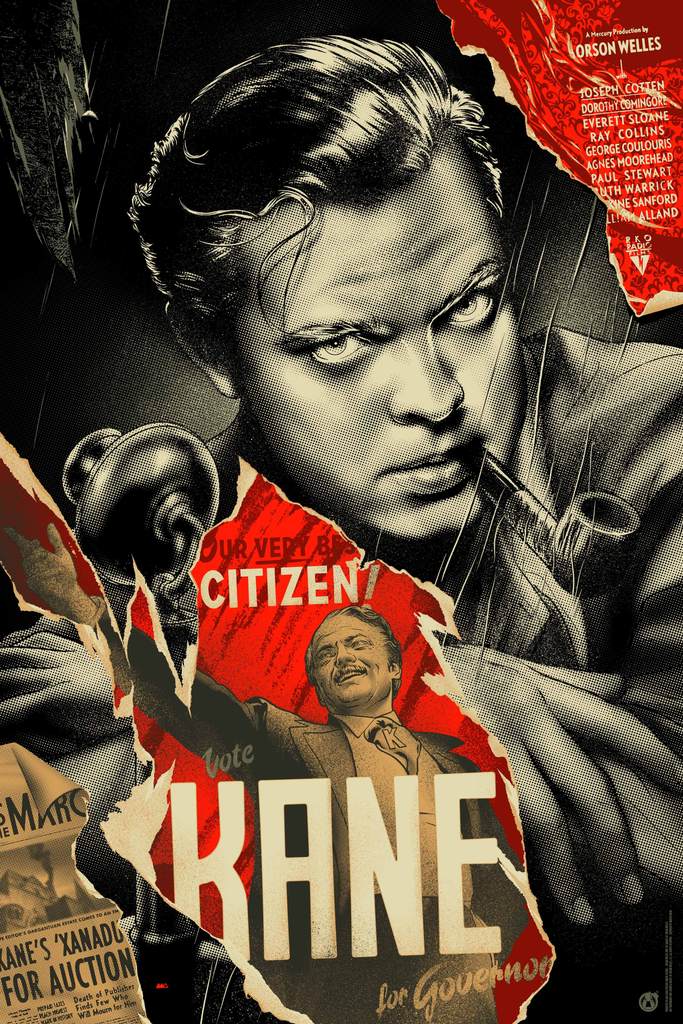
16. Citizen Kane (1940): You may have noticed by now that so many of the films on this list began their lives as failures, movies destined to be lost and forgotten, that had somehow retained their power and found an entirely new cult ready to triumph their virtues. As LaVey once said of music, “The word ‘occult’ simply means hidden or secret,” he says. “Go to the record store, to the corner where no one else is, where everything is dusty and nobody ever goes. Mussorgsky’s “Night on Bald Mountain” is mystical music, dramatic, Gothic, satanically programmed music. But it’s not occult music. “Yes, We Have No Bananas” would be an occult tune.
“It’s occult because when you put that record on the turntable, it’s a lead-pipe cinch that there is not another person in the entire world who is listening to that record at that time. If there’s anything, any frequency, any power that exists anywhere in this cosmos, in this universe, you’re gonna stand out like a beacon! It truly makes you elite.”
Citizen Kane may be well-known by now, but it was lost for years and the fact of why and how that happened lend it considerable occult power. It’s also no accident that Joseph Cotten ends up in so many movies on this list.
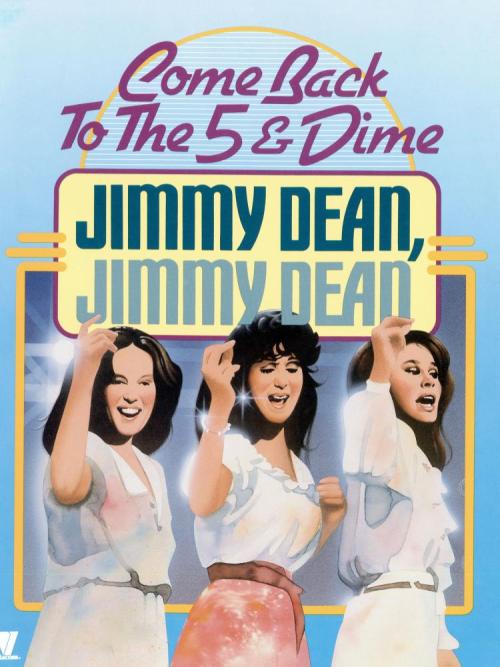
17. Come Back to the Five and Dime, Jimmy Dean, Jimmy Dean (1982): Following the failure of Popeye, Robert Altman created this ode to the past that’s also an exploration of how women must suppress their emotions, personalities and sexuality to be part of the male-dominated world instead of giving in to their true carnal nature. It’s also about the power of myth and how movie stars can transcend our reality.
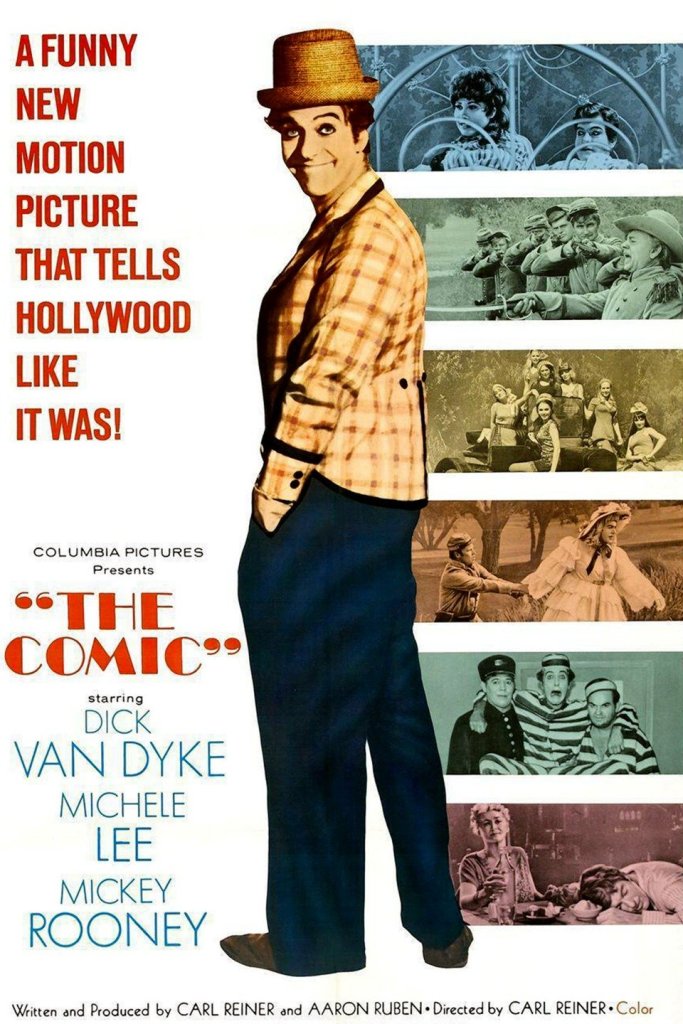
18. The Comic (1969): Based on the lives of Buster Keaton and Harold Lloyd — as well as the influence of star Dick Van Dyke finally kicking alcoholism — this tale of a silent comedian starts at his funeral and moves backward to show us how a man unable to see his own faults and blaming others for his problems squanders his promise. Those without the understanding of the dangers of solipsism would do well to watch this.
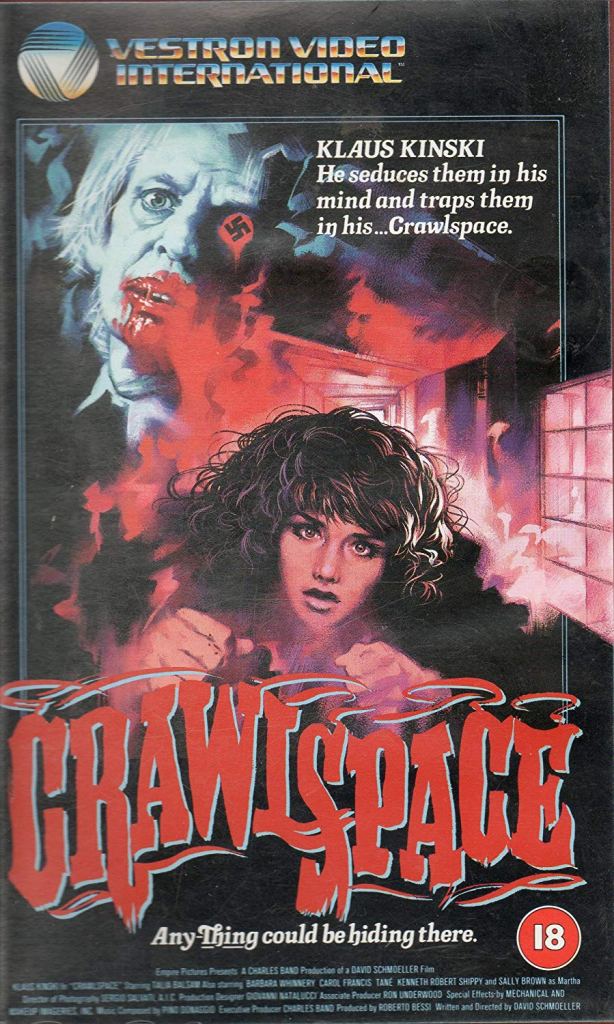
19. Crawlspace (1986): The Church of Satan site lists this Klaus Kinski film — where he plays Karl Guenther, the insane progeny of a Nazi doctor who traps and kills women — after living within their walls — as the film that Crawlspace should be. I’m wondering if they may also mean the following film:

19 (and a half). Crawlspace (1972): In this made-for-TV movie, a kindly elderly couple continue to nurture and support a man that they want to become their son, despite him being a troubled adult. This is one of the darkest films I’ve ever seen and quite the lesson on your happiness relying too much on others.
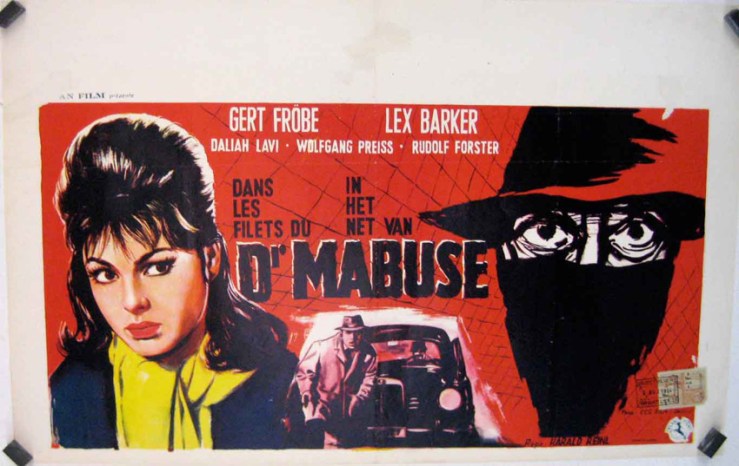
20. The Dr. Mabuse films: Starting with Fritz Lang’s silent film Dr. Mabuse the Gambler, this series of films follows the adventures of the insane title character, a master of disguise, telepathic hypnosis and body transference, almost like demonic possession, who seeks to build a society of crime. By the end of the series of books, Mabuse isn’t even a person but instead seen as a spirit that continues to possess and take over others to achieve its wicked aims. The Satanic Film List pick is The Testament of Dr. Mabuse, but I feel that any of the films look pretty interesting. Land would even make a sequel — The Thousand Eyes of Dr. Mabuse — 38 years later that would anticipate the James Bond spy trend.
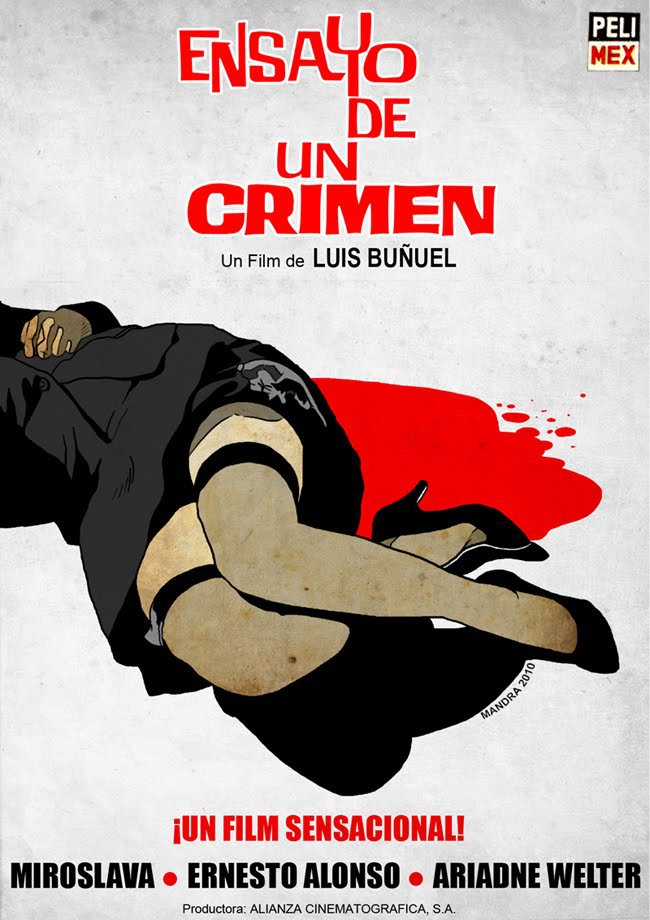
21. The Criminal Life of Archibaldo Delacruz (1955): Luis Buñuel would influence directors as diverse as Jodorowsky and Fulci. Here, he tells the story of wanna-be serial killer who makes elaborate murder plans yet never kills a soul. It’s been compared to Hitchcock’s Vertigo, another film about obsessive sexual desire.
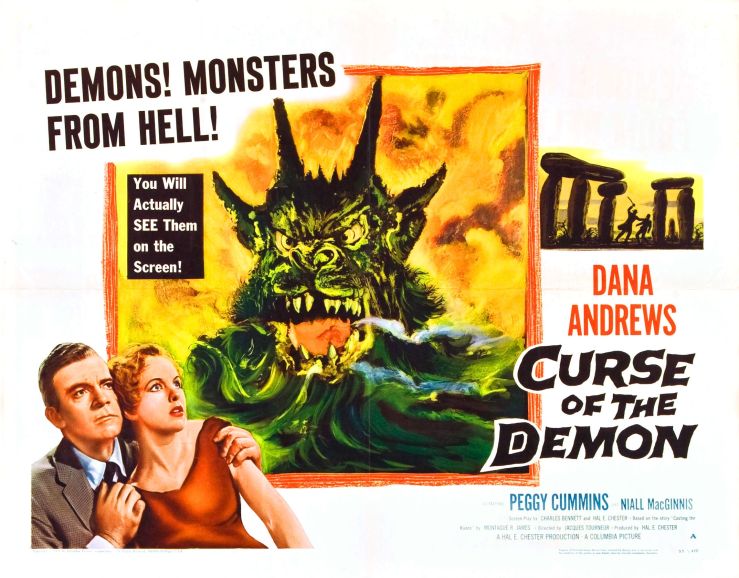
22. Curse of the Demon (1957): Even without the demon effect in this film — one that caused a rift between its creators — this movie would remain just as frightening today as it was 62 years ago.
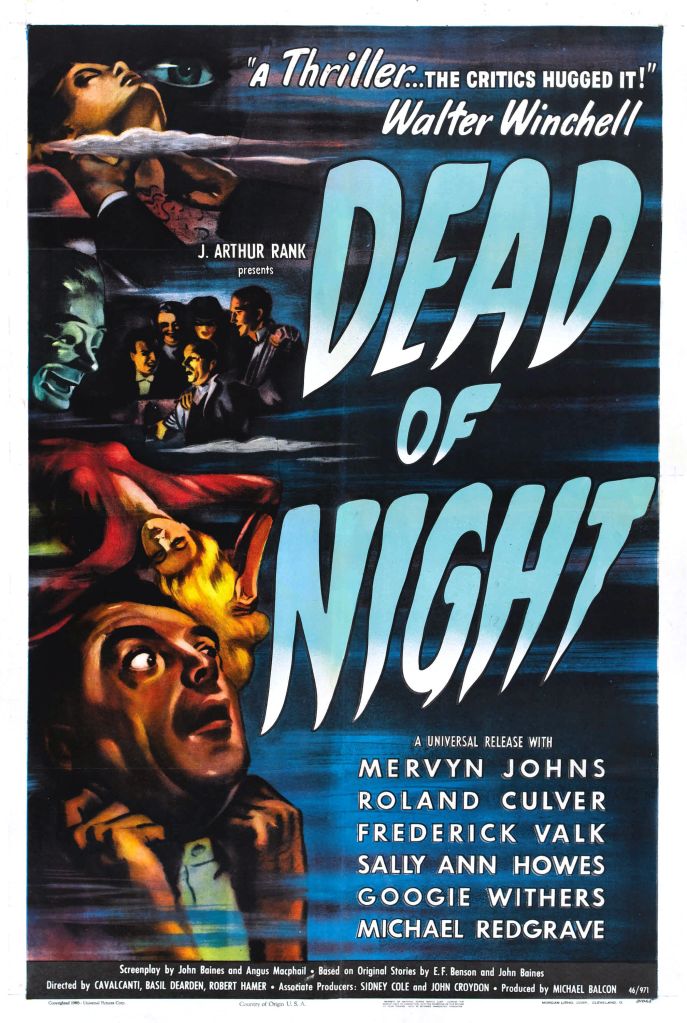
23. Dead of Night (1945): This British film is the father of all portmanteau films. Interestingly, the film influenced the theories of astrophysicists Fred Hoyle, Herman Bondi, and Thomas Gold. Gold asked the group, “What if the universe is like that?” meaning that the universe could be eternally circling on itself without beginning or end, much like the finale of this movie. Unable to get past this question, they started to think seriously of an unchanging universe, which they eventually termed the steady state universe.
The Film List doesn’t explain if LaVey meant this film or the 1977 made-for-TV movie Dead of Night, which concerns time travel, vampires and a woman wishing her son back to life and instantly regretting it. That last story is positively bone chilling.
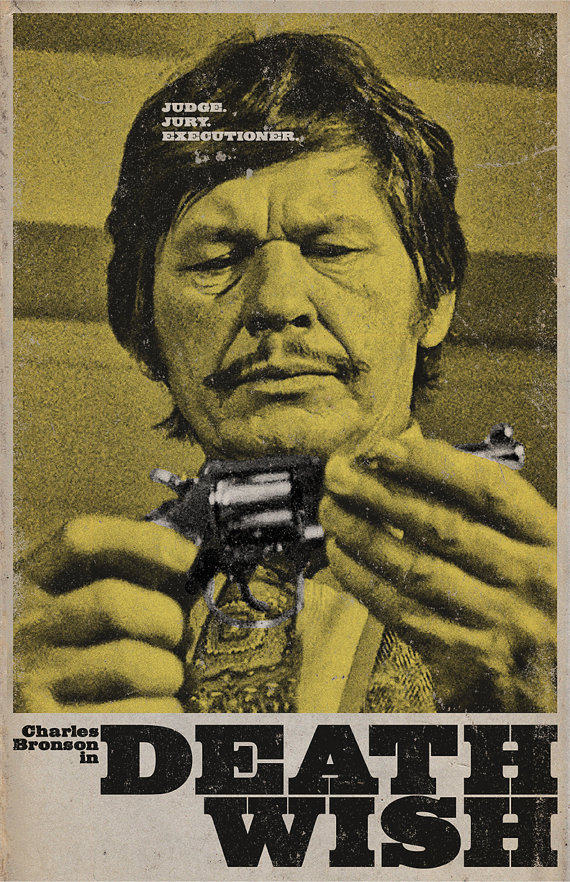
24. Death Wish (1974): No movie has ever represented this Satanic statement better: Satan represents vengeance instead of turning the other cheek! Charles Bronson goes from pacifist to brutal executor when his family is torn apart by crime. We did an entire week of these films, which are each worth watching for different reasons.
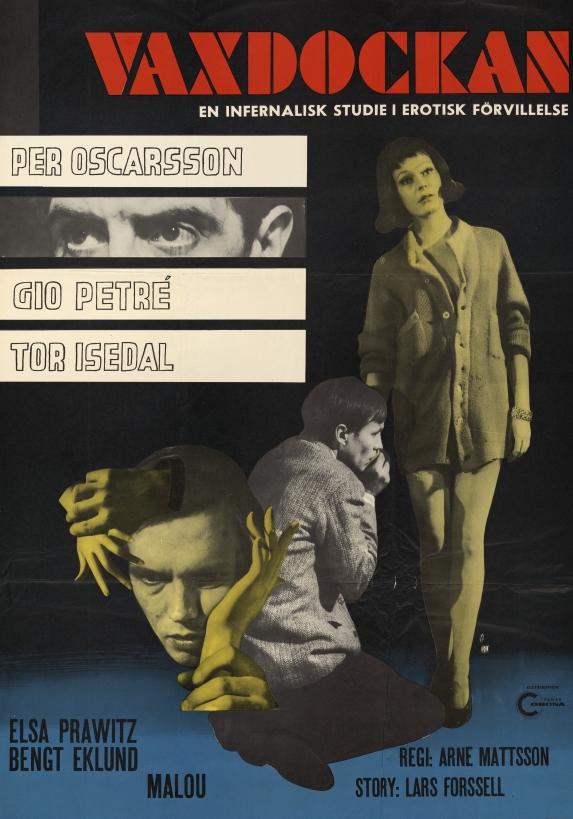
25. The Doll (1962): A lonely night watchman falls in love with a mannequin, eventually bringing her home where she comes to life. Consider this the much darker side of 1980’s froth like Mannequin and Mannequin 2: Mannequin on the Move, but also a tie to LaVey’s frequent writing about android companions.
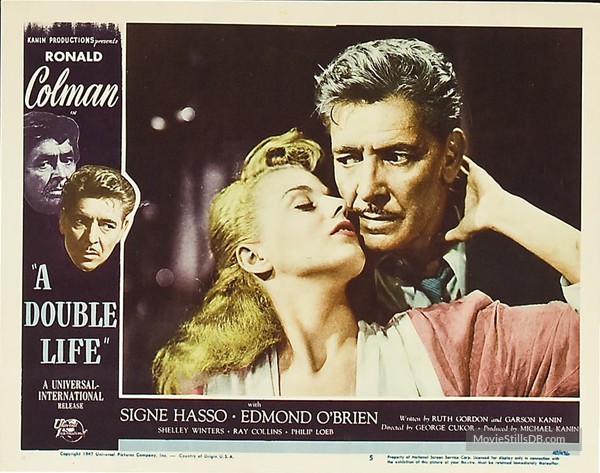
26. A Double Life (1947): This film noir is all about an actor who becomes overly obsessed with his roles, as well as an exploration of deadly mirror images. The lead character feels that he has to live the jealousy and rage of Othello in order to make his acting more successful in the ultimate Method role.
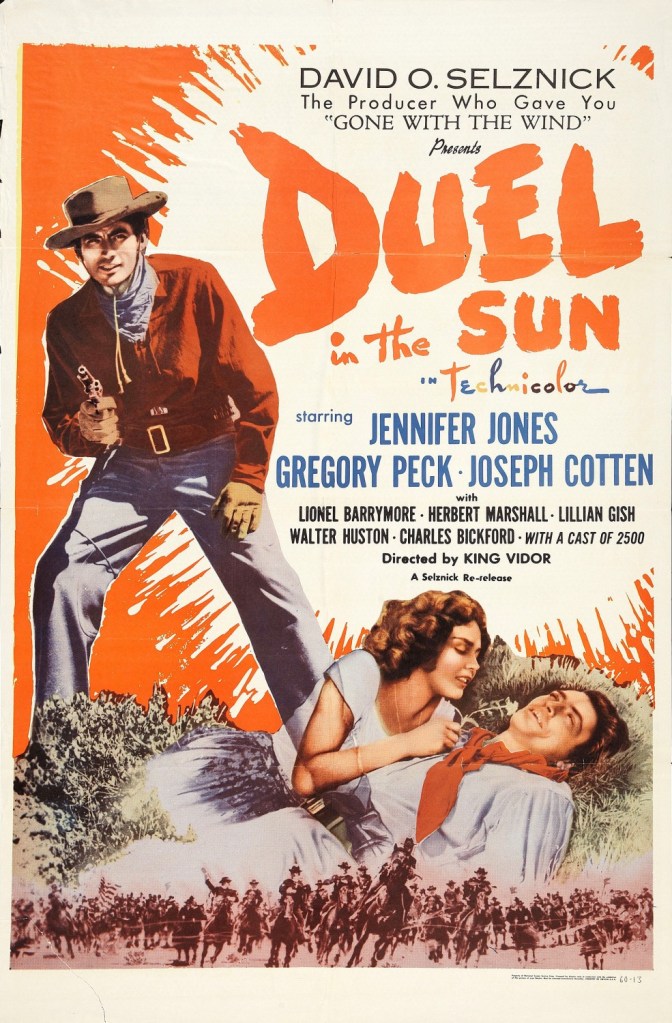
27. Duel in the Sun (1946): David O. Selznick thought that this film would surpass the success of his Gone with the Wind, but thanks to its highly controversial sexual content (not to mention Selznick and star Jennifer Jones leaving their spouses for one another) it didn’t reach those lofty ambitions.

28. Evilspeak (1981): Everyone at a Catholic school abuses Clint Howard until he can stand no more. This is the best version of Carrie that I’ve ever seen, one that puts you squarely on the side of the devil as everyone else is somehow more sinister than the First of the Fallen.
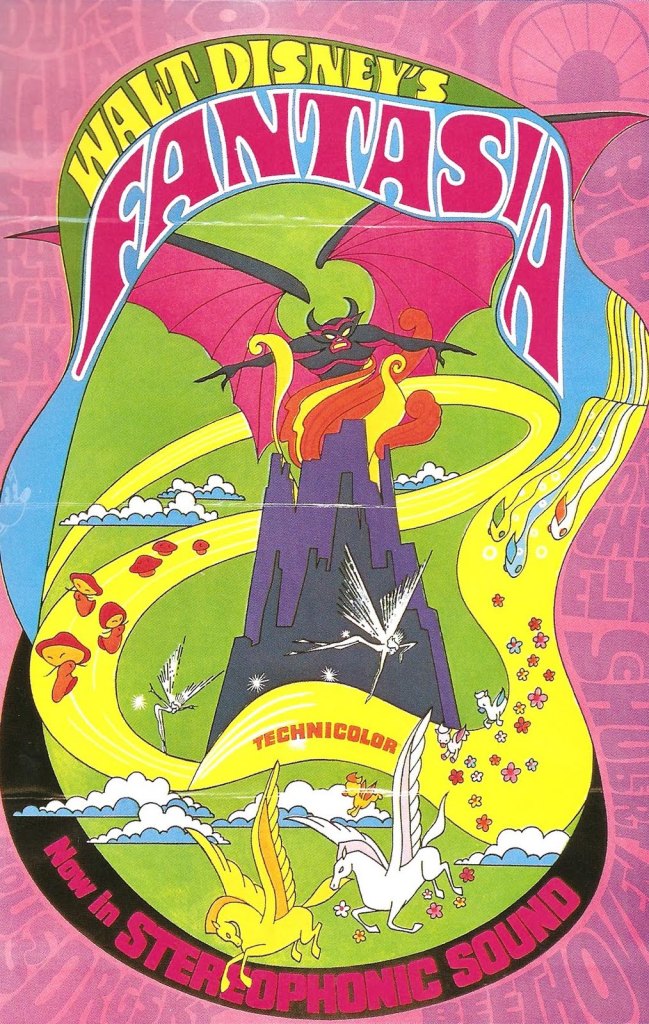
29. Fantasia (1940): Before Disney began churning out sequels, they prided themselves on innovation. The third animated film made by the studio, this was actually a traveling road show that used Fantasound, a pioneering sound reproduction system that made this the first commercial film with stereophonic sound. Much like many films on this list, this was deemed a commercial failure at first but is now seen as an incredible success. At one point, Walt Disney wanted to add new stories every few months so that each viewing would be different. If all this movie contained was the “Night on Bald Mountain” sequence, it’d be enough, but it is so much more.
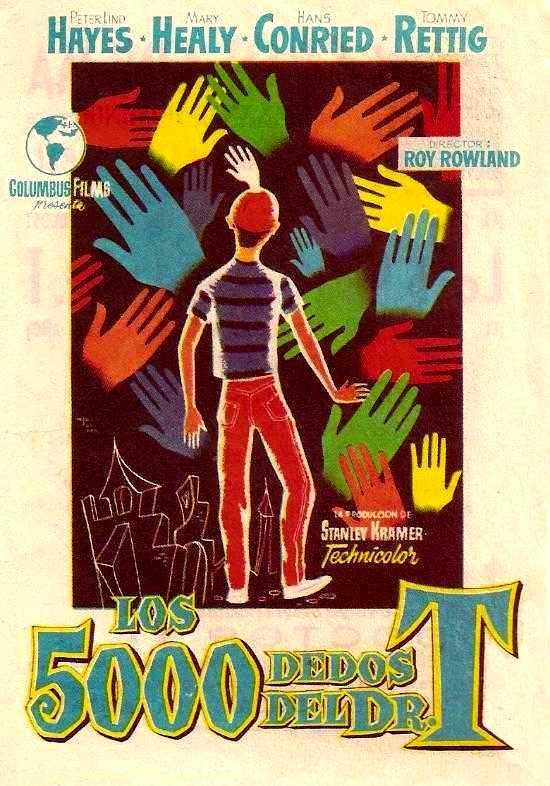
30. The 5,000 Fingers of Dr. T (1953): The only movie created by Dr. Seuss, who later called it a “debaculous fiasco” and lamented that “Hollywood is not suited for me and I am not suited for it.” In truth, no one was ready for this film when it was made, a tale of a Svengali who uses 500 boys to play one piano in a space age dream world that Seuss intended to “themes of world dominance and oppression coming out of World War II.”
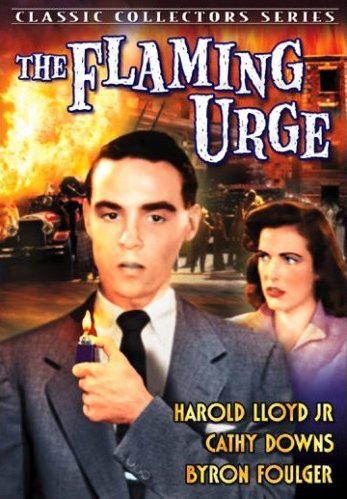
31. The Flaming Urge (1953): A young man tries to follow the American dream, yet he has an urge to follow and watch fires. When fires happen in his small town, everyone suspects him.
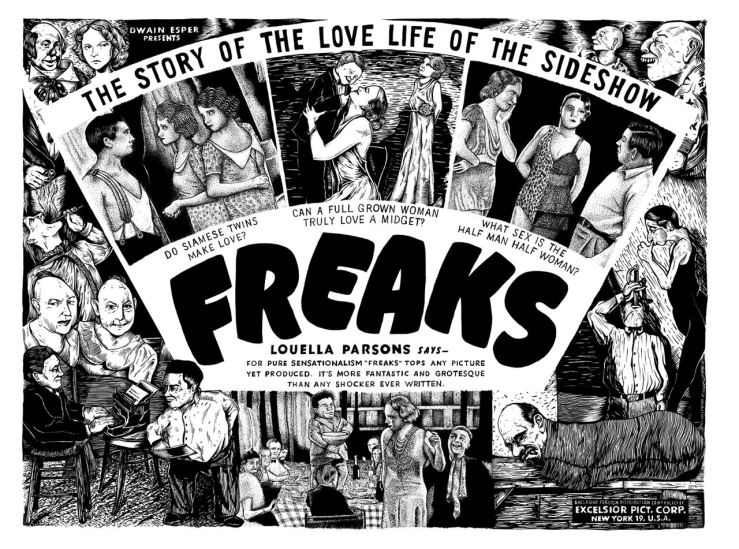
32. Freaks (1932): This film was considered so shocking upon release that 26 minutes of it were cut and never recovered. What remains is the tale of the sideshow and how it protects its own. Essentially ending the career of Tod Browning (Dracula), it’s the only film that MGM pulled before it finished playing in most theaters and it didn’t play the UK until the mid-1960’s. In 1947, MGM sold the rights to the film to exploitation director and producer Dwain Esper, who toured the film along with several of its stars.
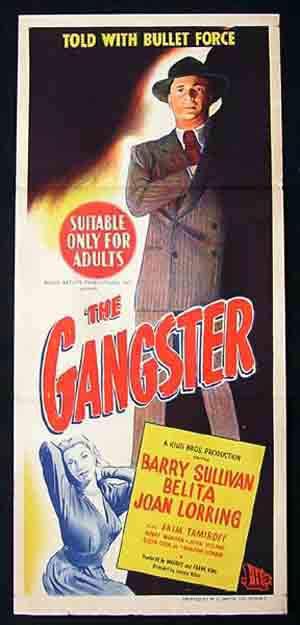
33. The Gangster (1947): Also known as Low Company, this film noir was savaged by critics, who claimed it was too arty for its own good. It tells the tale of Shubunka, a gangster in it all for himself until it becomes too late for anyone to save him. LaVey said that, “To me, film noir is epitomized in a film like The Gangster. It’s almost like a surreal stage set; the angles are so disquieting and the whole feeling is so oppressive and claustrophobic.” He also named Shubunka as one of the top ten Satanic screen portrayals in 1981’s Book of Movie Lists.
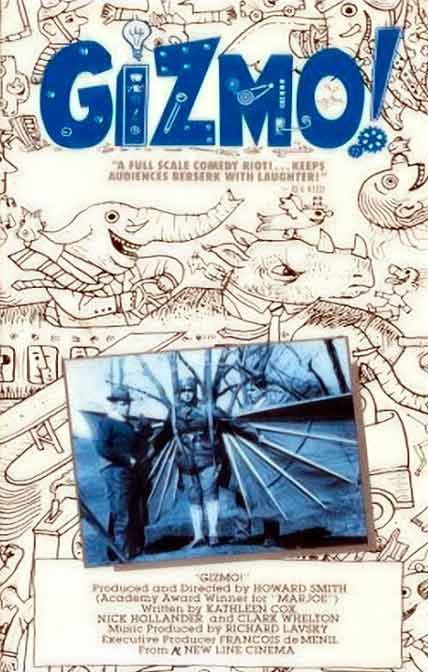
34. Gizmo! (1977): The Film List doesn’t expand on what this film is, but I believe that it’s the second film by Marjoe director Howard Smith, which details strange inventions and attempts at flight.
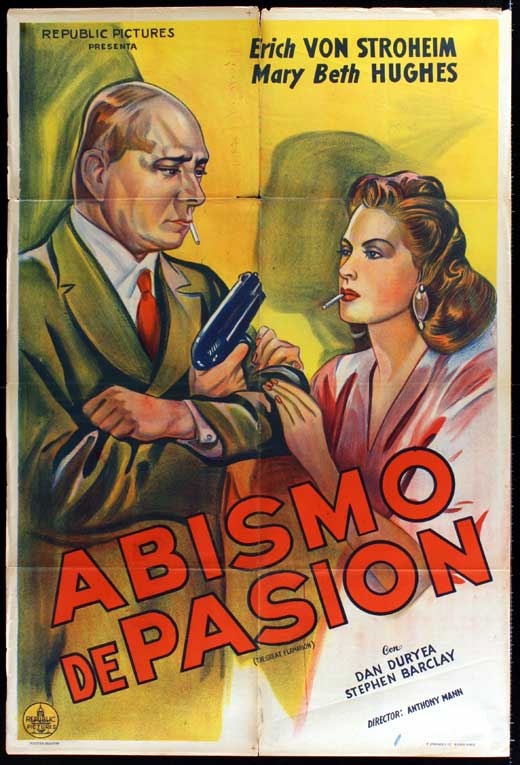
35. The Great Flamarion (1945): After numerous clashes with studio bosses, Erich von Stroheim was forced out of directing and became a notable character actor. As a director, Stroheim was considered a dictator, antagonizing his talent while delivering cynical views of human nature. As an actor, he was often a horror movie version of a German, doing things like tearing off women’s clothing with his teeth and throwing babies out windows when they annoy him. In this film noir, he plays a misogynistic trickshot artist coerced into murder.
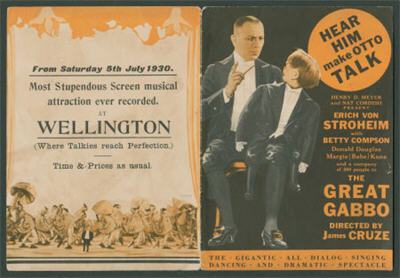
36. The Great Gabbo (1929): Another film starring Stroheim, this film follows a ventriloquist who gradually loses touch with reality and eventually can only communicate through his dummy, Otto.
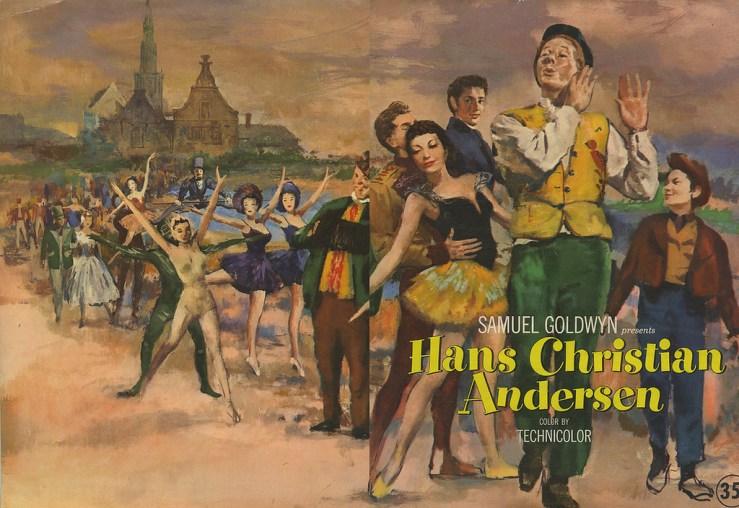
37. Hans Christian Anderson (1952): This Danny Kaye film isn’t really a biography of the famous Danish teller of fairy tales, but more of a fairy tail in and out of itself where the author creates a world of fantasy and imagination for children to the consternation of adults.
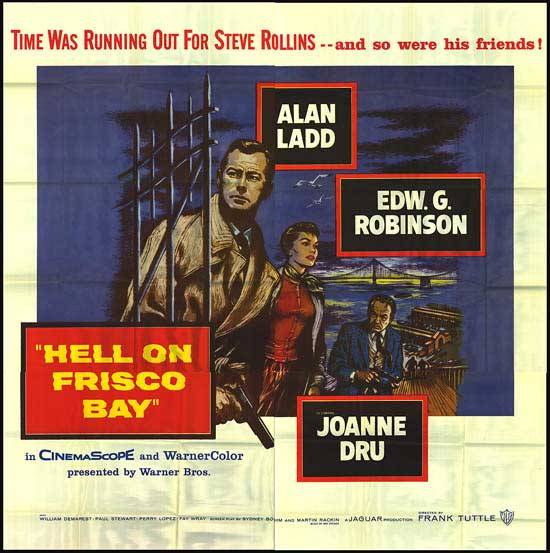
38. Hell on Frisco Bay (1955): This film noir is about a cop unjustly convicted of manslaughter and how he attempts to figure out life when he’s released. Edward G. Robinson plays the mob boss who tells Paul Stewart’s character that his jailhouse pleas were a waste of time: “Those guards told me how you used to pray every night. Get down on your knees like you were in church. Why’d you do it? So you wasted it, praying to the wrong people. You just keep praying to Vic Amato. Things will keep working out.”
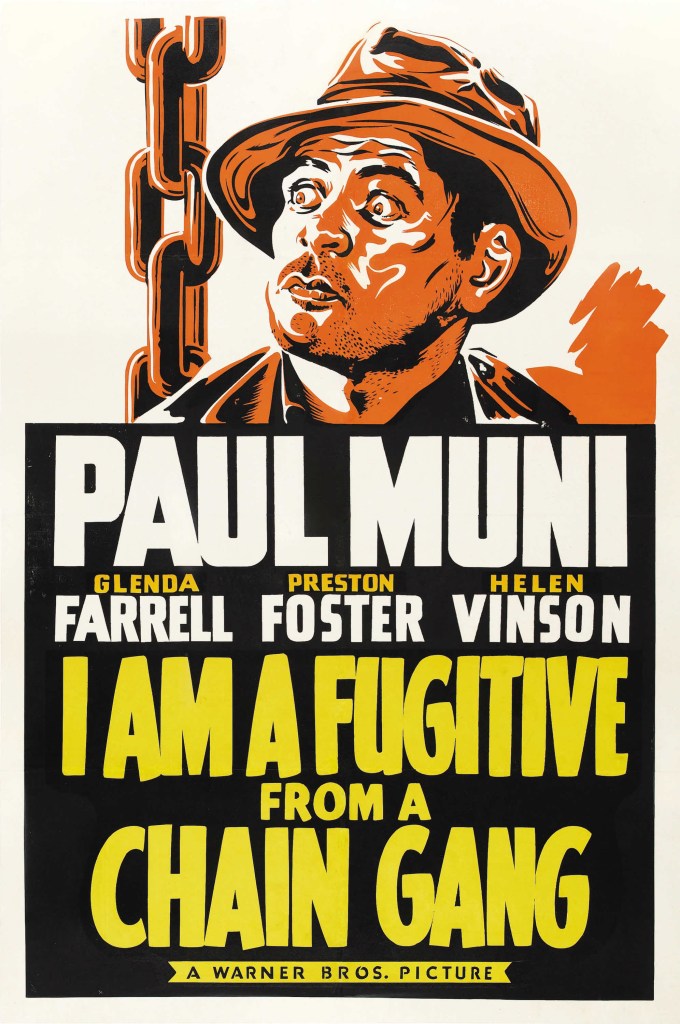
39. I Am a Fugitive From a Chain Gang (1932): Based on a true story, this Paul Muni-starring pre-Code movie is all about a man who becomes restless after World War I and accidentally gets caught up in a robbery. Sentenced to ten years on a chain gang, he escapes and is forced into a loveless marriage to stay free. At the end of the film, he falls into the shadows as he disappears from life, telling his true love that he will steal to remain free.
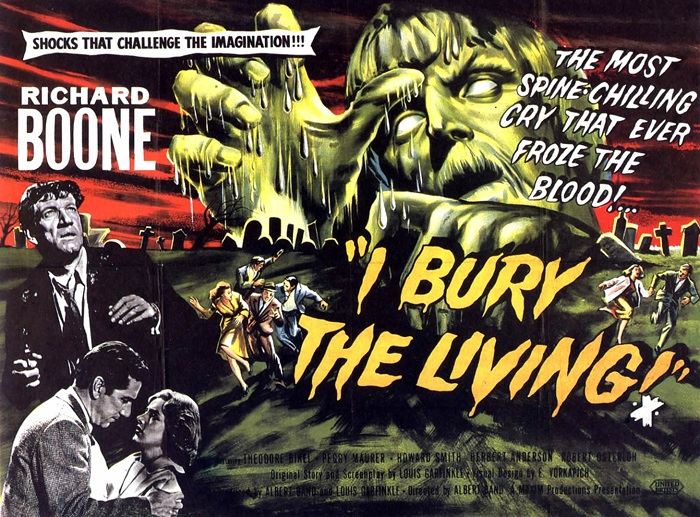
40. I Bury the Living (1958): A newly hired committee chair learns that with the push of a black or white pin, he begins to have control over life and death. Or does he? This was directed by Albert Band, the father of Charles, and is a favorite of Stephen King, who has praised the film’s darkness while criticizing its happy ending.
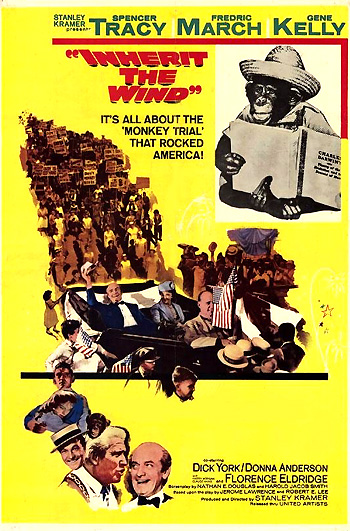
41. Inherit the Wind (1960): A fictionalized parable that uses the 1925 Scopes Monkey Trial to try and make sense of the strange atmosphere of America during the McCarthy era, this movie also challenges Creationism. Writer Jerome Lawrence said of the movie, “We used the teaching of evolution as a parable, a metaphor for any kind of mind control. It’s not about science versus religion. It’s about the right to think.”
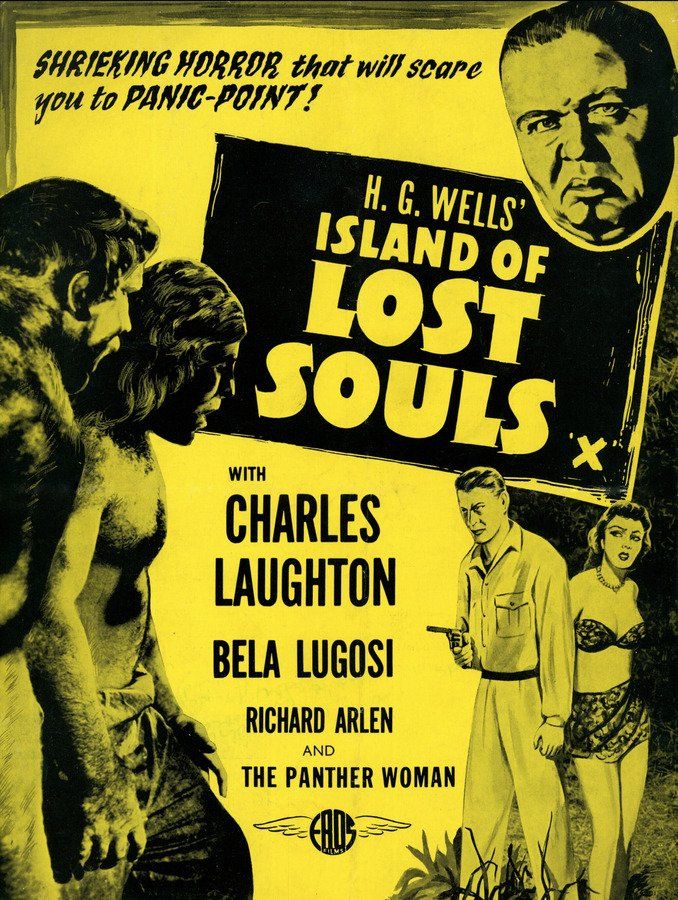
42. Island of Lost Souls (1932): Another pre-Code feature, this take on H.G. Welles’ The Island of Dr. Moreau features an island of human-animal hybrids, Bela Lugosi as the beast-like Sayer of the Law and Kathleen Burke as the sensual Lota the Panther Woman. By the end of the film, The beast-men realize that once Moreau breaks the laws he imposes on them, they are no longer feel bound by said laws, defying their master when he yells, “What is the law?” They respond triumphantly, “Law is no more!”
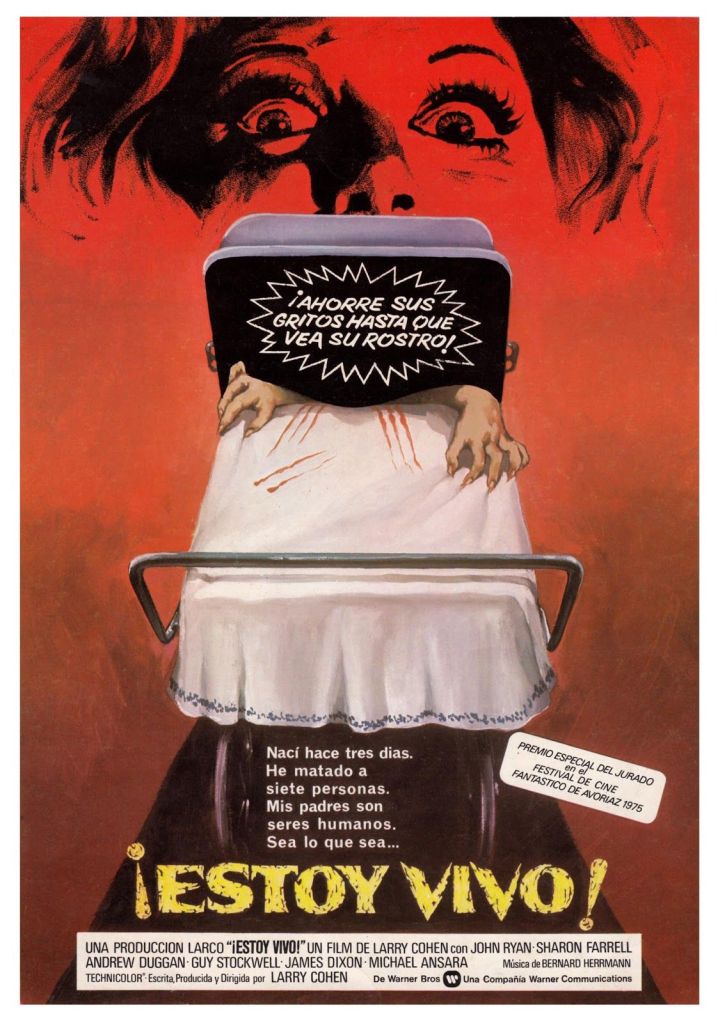
42. It’s Alive! (1974): In this Larry Cohen film, Frank and Lenore Davis must decide whether they can love their bestial and murderous child. The film’s trailer contains an image of a baby bassinet and music that turns ominous as we grow closer, a Satanic inversion of the innocence of childhood.
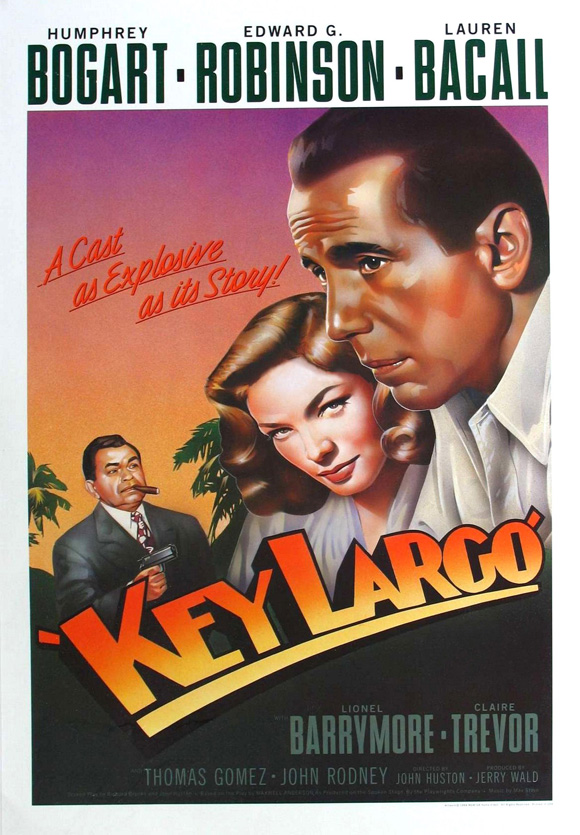
43. Key Largo (1948): The fourth and final screen pairing of Humphrey Bogart and Lauren Bacall, this tale of stolen valor features another strong performance by Edward G. Robinson as mob boss Johnny Rocco. In Blanche Barton’s biography of LaVey, he speaks at length about Robinson’s role: “Very self-centered, refusing-to-go-under hoodlum and totally hedonistic…sadistic, brutal, and at the same time very Satanic, but at the end pathetic.”
LaVey was so taken by Robinson’s character in this film that he would borrow lines from its dialogue in conversation. He expanded on his thoughts on the film by saying, “All through the film, the only interesting characters are the villains! Bogart and Becall are used merely as one-dimensional, cardboard good guys, playing straight men for the gangsters’ Satanic one-liners.”
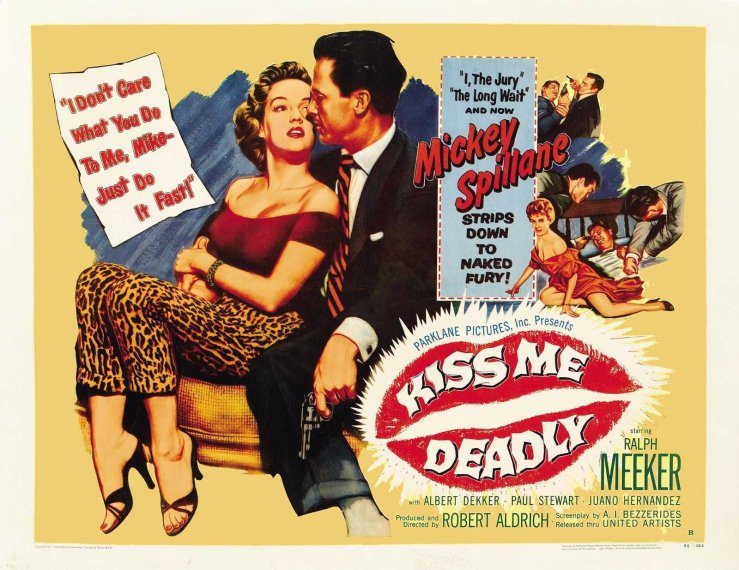
44. Kiss Me Deadly (1955): This film noir is based on a Mickey Spillane novel and was called “a film designed to ruin young viewers” by the United States Senate Special Committee to Investigate Crime in Interstate Commerce. Savage detective Mike Hammer investigates a hitchhiker’s murder, which leads him into a web of deceit and exploration of modern society’s descent into barbaric behavior, ending in nuclear fire and a return of man to the sea.
45. Kiss Tomorrow Goodbye (1950): James Cagney takes what started in the film White Heat and pushes it further into the realm of film noir, as he deals with corrupt cops and two women out to manipulate everything and everyone in their path. If you’ve ever seen Messiah of Evil, this is the film that’s on the marquee of the theater that the doomed Toni attends.
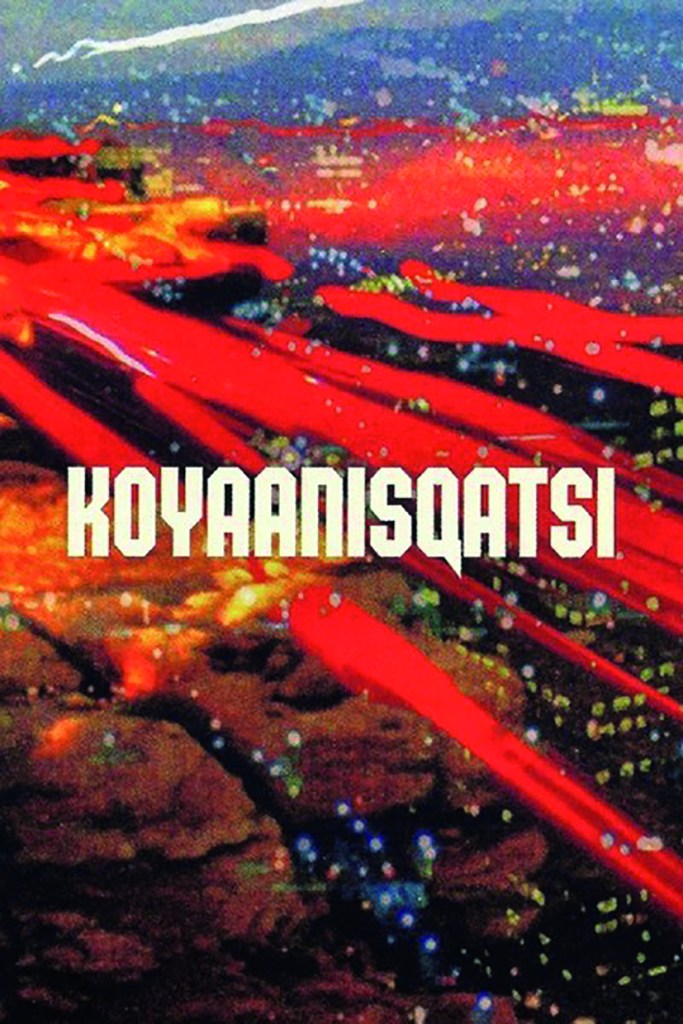
46. Koyaanisqatsi – Life Out of Balance (1982): Starting in 1972, Godfrey Reggio and the Institute for Regional Education (IRE) and the American Civil Liberties Union (ACLU) worked together to create an ad campaign to call attention to the invasion of privacy and the use of technology to control behavior. With only $40,000 left in the budge after this effort, Reggio used the rest to produce this film which illustrates life in turmoil thanks to technology. Or perhaps not, as Reggio stated that the films that make up the Qatsi series are intended to create an experience and that “it’s up to the viewer to take for himself/herself what it is that they mean.”
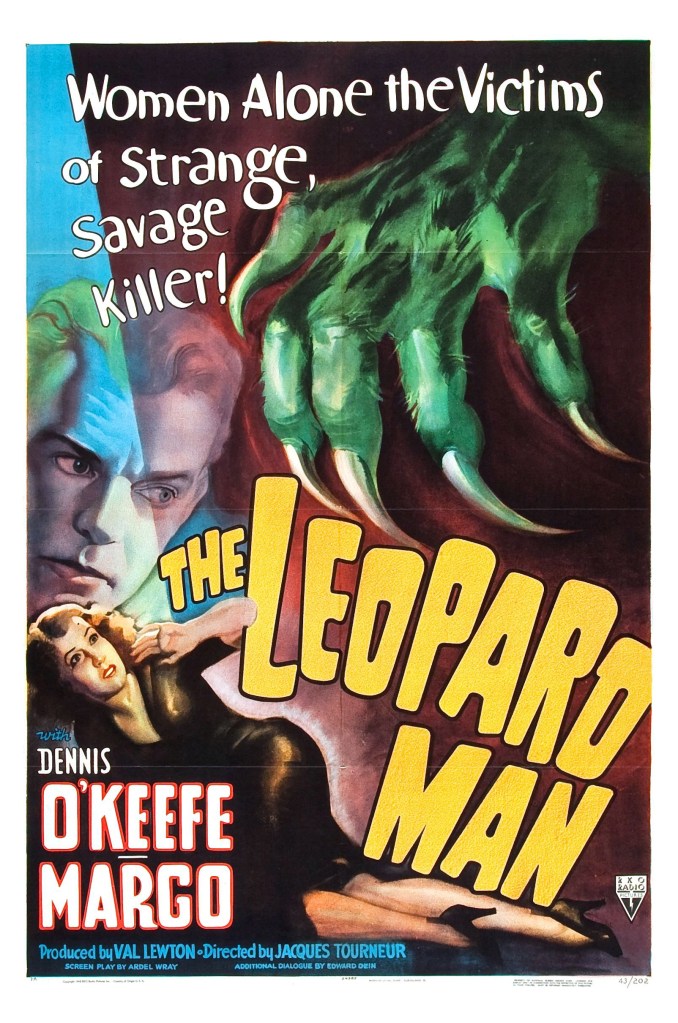 47. The 47. Leopard Man (1943): The second film on this list from Jacques Tourneur, this is considered the first movie to depict a serial killer. One assumes that LaVey loved the idea of this film — a leopard is hired to promote a night club dancer but is unleashed and used as a murder weapon.
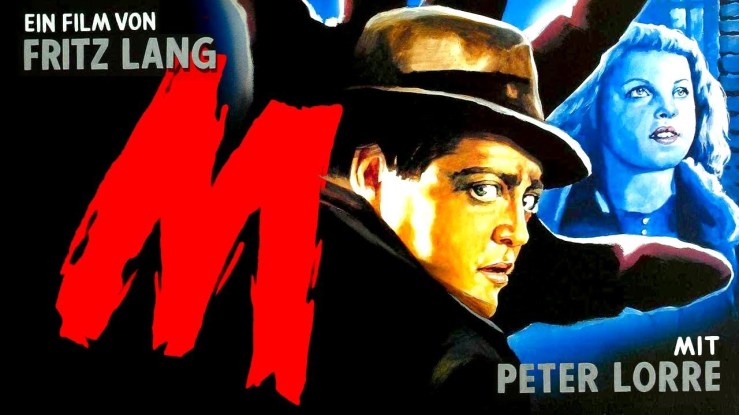
48. M (1931 and 1951): Directed by Fritz Lang and Joseph Losey, these two films both tell the story of a serial killer of children, which was Peter Lorre’s first starring role. Before this movie, he was considered a comic actor. After, he’d flee the Nazis and become a star in America. The location would be moved to Los Angeles in the remake with David Wayne playing the same character.
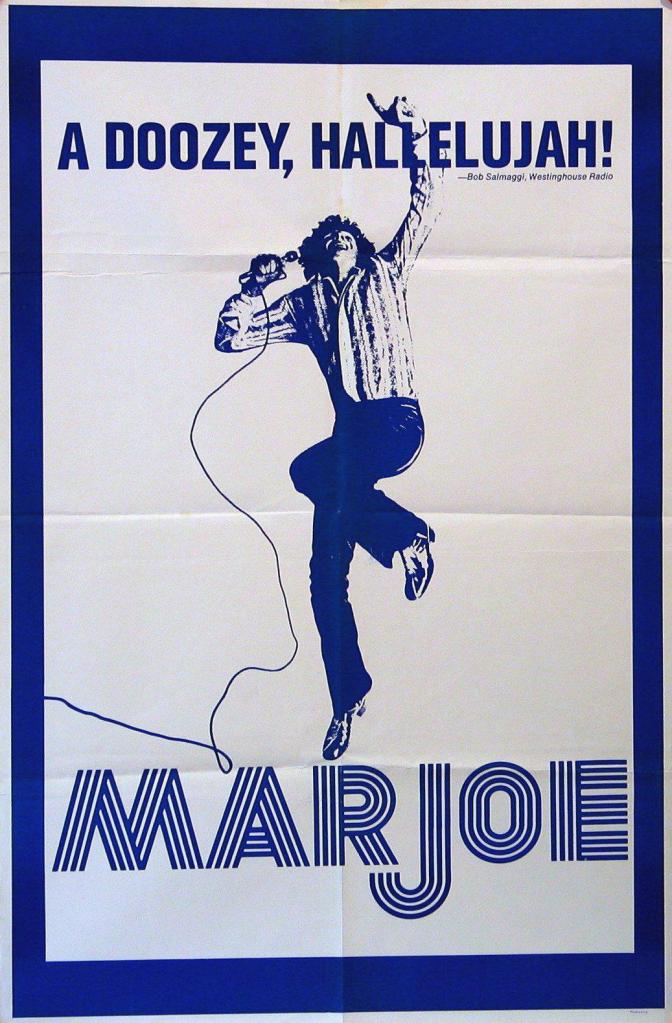
49. Marjoe (1972): This indictment of the way that religion uses its worshippers remains as brutally frank as it was nearly fifty years ago. It still amazes me how much access the filmmakers enjoyed as they created this.
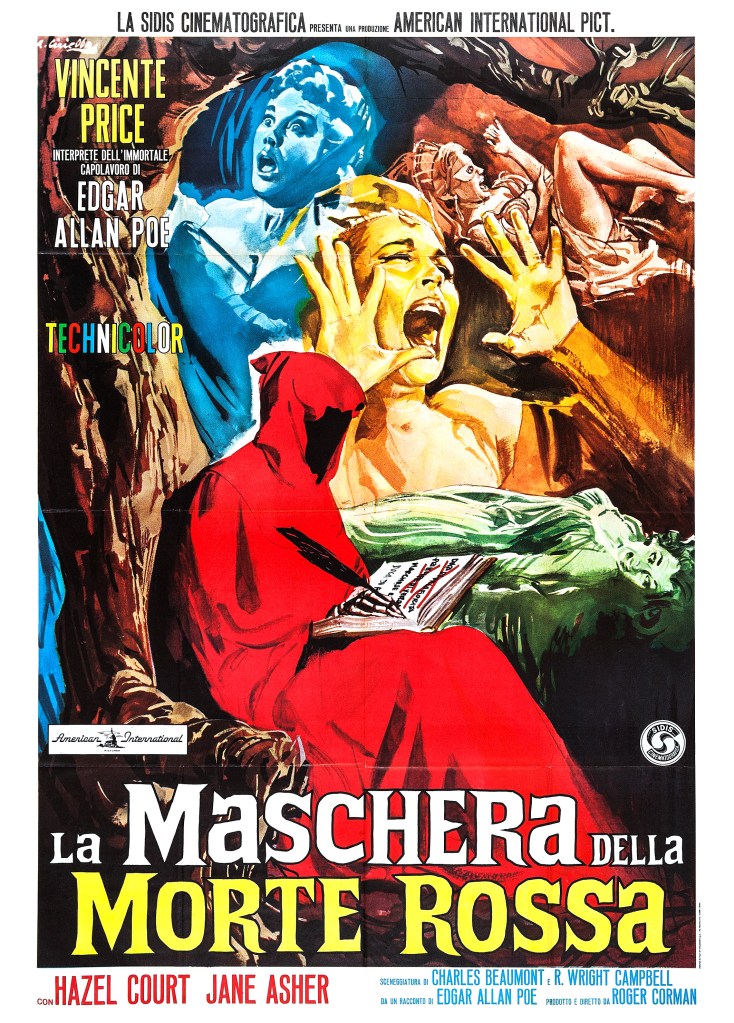
50. The Masque of the Red Death (1964): LaVey said that this is “an evocative film with some wonderfully Satanic dialogue that Vincent Price delivers as only he can.” This Roger Corman film, aided by Nicholas Roeg, is a colorful marvel and quite a parable about relying on anyone but yourself.
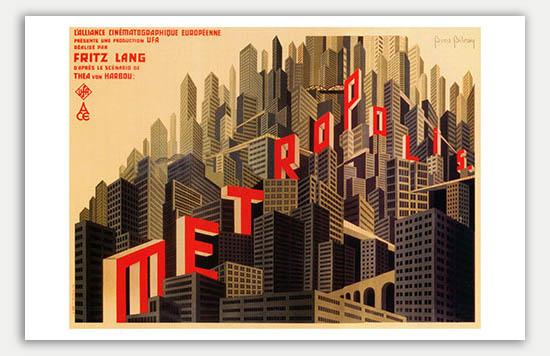
51. Metropolis (1927): This Fritz Lang film has the subtitle “The Mediator Between the Head and the Hands Must Be the Heart.” The Nazi Party loved this film, which led to Lang showing distaste for it later. I found this Roger Ebert quote telling: “Metropolis is one of the great achievements of the silent era, a work so audacious in its vision and so angry in its message that it is, if anything, more powerful today than when it was made.”
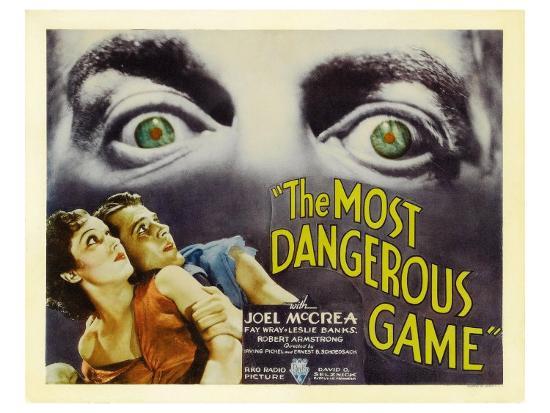
52. The Most Dangerous Game (1932): Shot at night on the same sets as King Kong with two of the same actors (Fay Wray and Robert Armstrong), this film posits that there are two kinds of people in the world: those who hunt and those who are hunted. Several quotes from this movie ended up in the letters of the enigmatic Zodiac Killer.
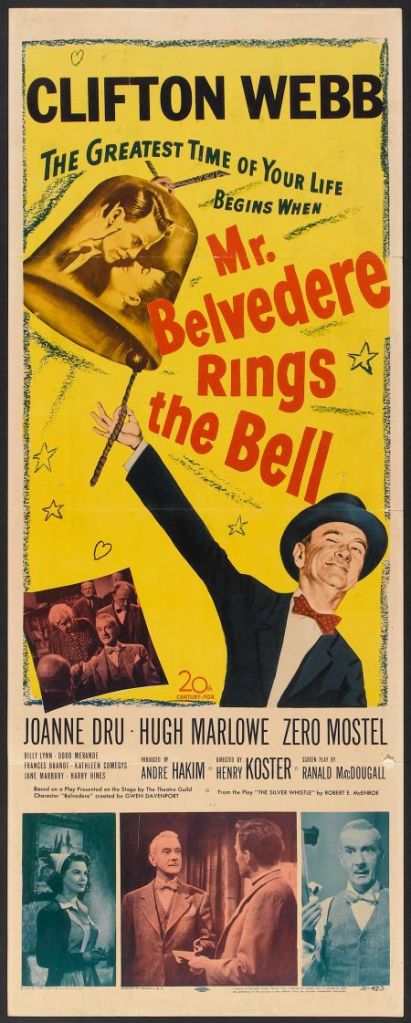
53. Mr. Belvedere Rings the Bell (1951): Before Lynn Belvedere became a TV character, the character starred in three movies. This is the final one in the series, here Belvedere sneaks into an old folks home and changes everyone’s lives, even those whose religious views don’t permit them to see that the man is correct.
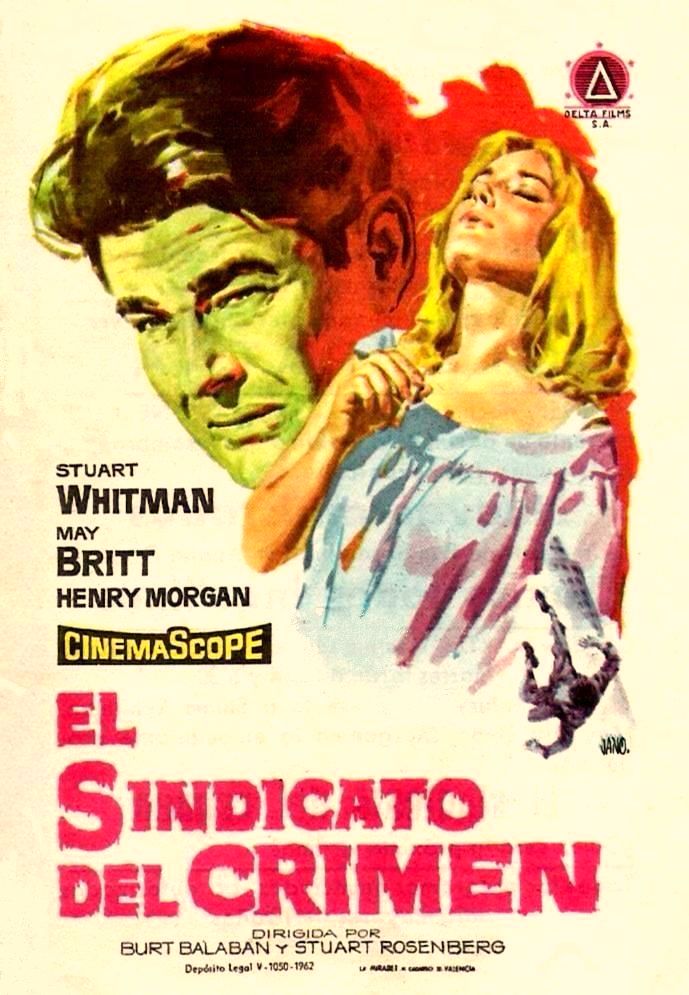
54. Murder, Inc. (1960): In Peter Falk’s first starring role, he somehow transforms from a quiet man to black menace, using an icepick to decimate a man.
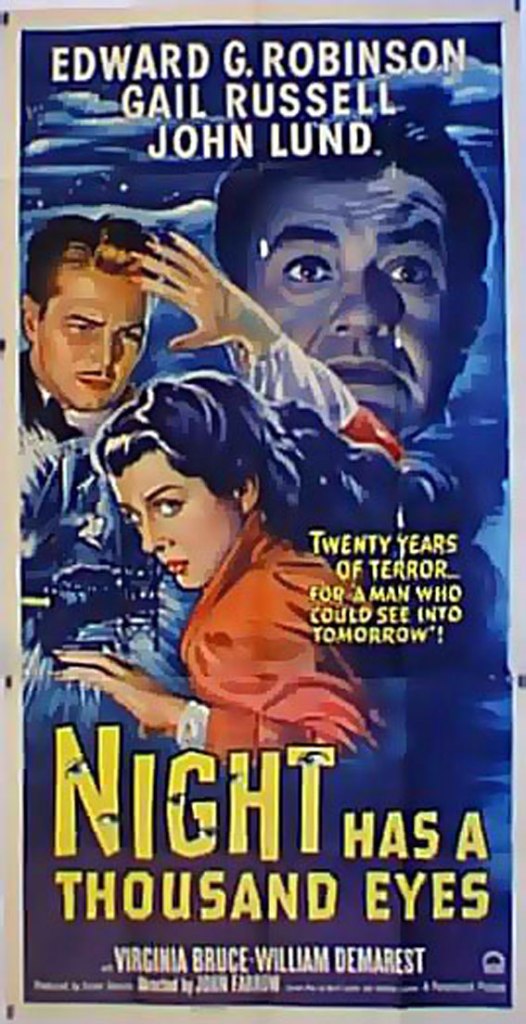
55. The Night Has a Thousand Eyes (1948): Another Edward G. Robinson film noir, in which he plays “The Mental Wizard” John Triton, a nightclub fortune teller who suddenly learns that he really has psychic abilities, yet all of his relentlessly bleak predictions always come true. LaVey said that Robinson “exuded the diabolical perhaps better than any other actor” and that “most of his roles had Satanic overtones.”
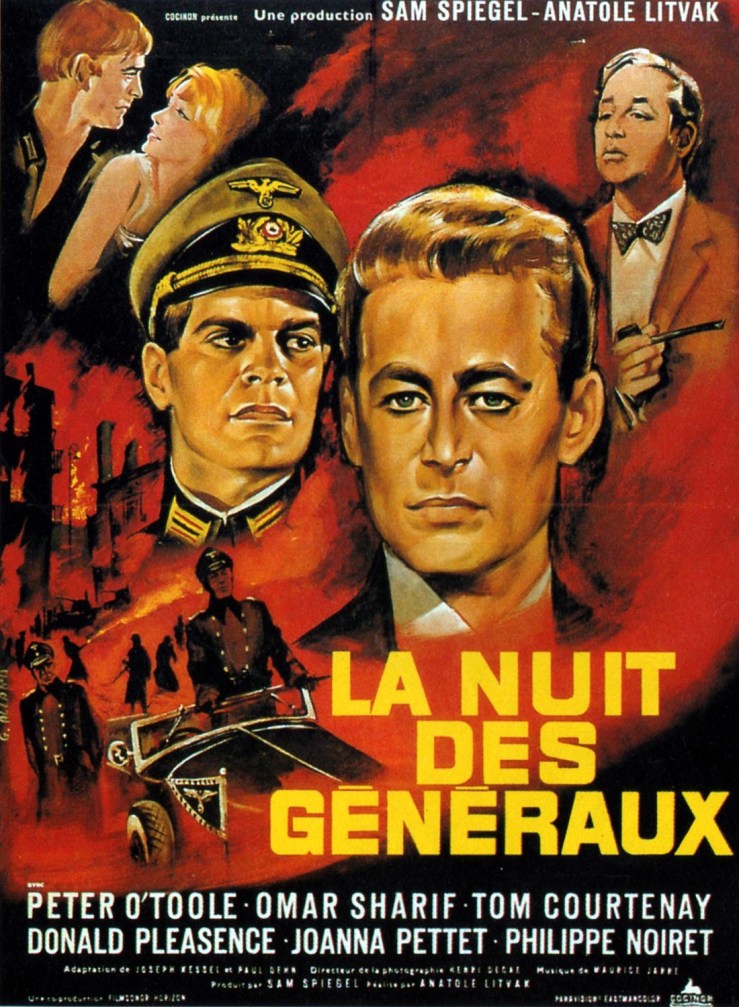
56. The Night of the Generals (1967): Omar Sharif stars as a German intelligence officer who sets out which of three generals killed a prostitute, a case that extends two decades and long past his demise.
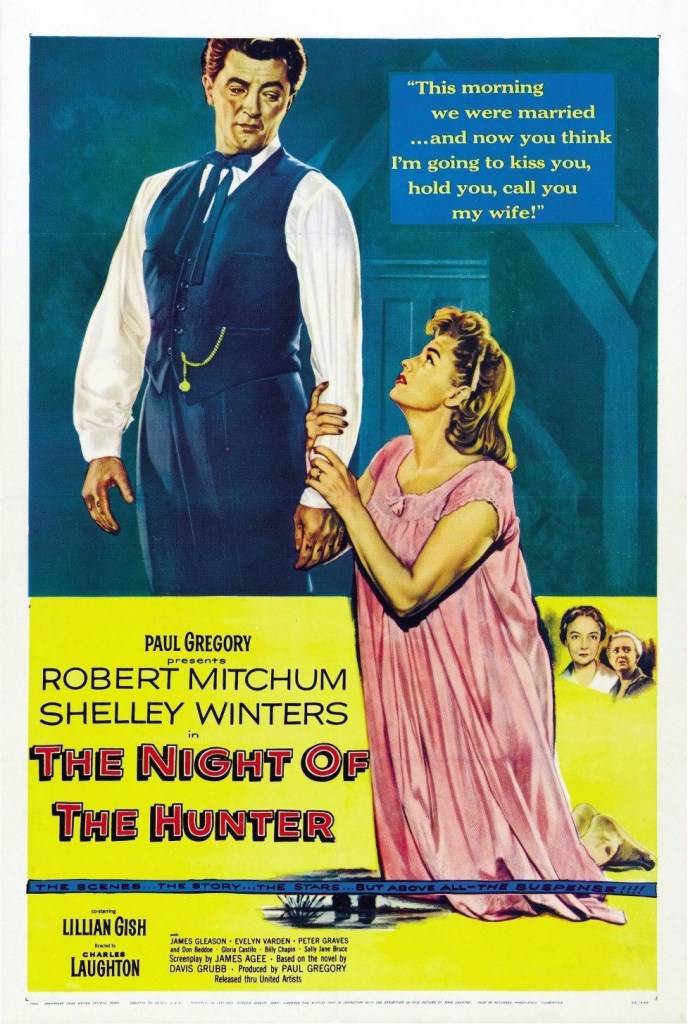
57. The Night of the Hunter (1955): Cahiers du Cinéma selected this film as the number two film of all time behind Citizen Kane. It’s the story of a preacher turned serial killer with love on one hand and hate on the other, a role that is not only played by lived by Robert Mitchum. Shot in the style of German Expressionism, this was a movie whose critics at the time of its release simply weren’t ready for it. Notice a trend?
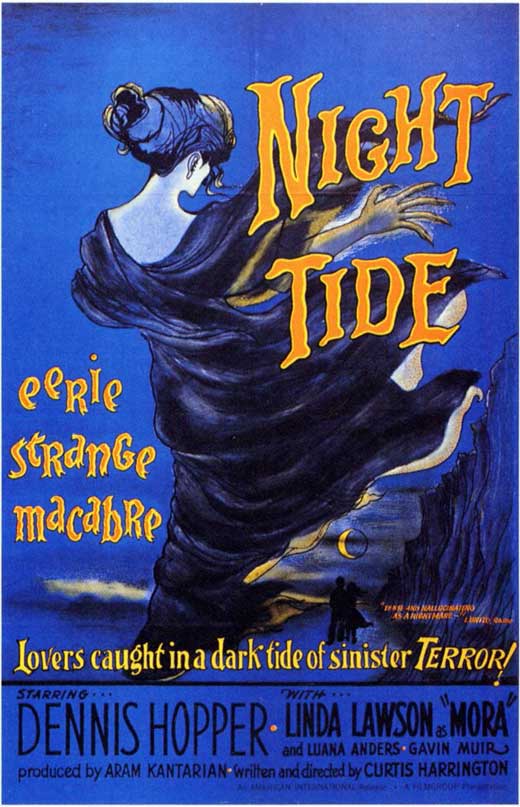
58. Night Tide (1961): Welcome to a world where mermaids could be real, where sailors are taken to their doom and the Whore of Babylon can be an actress. Again, the boardwalk’s bright lines descend into utter blackness.
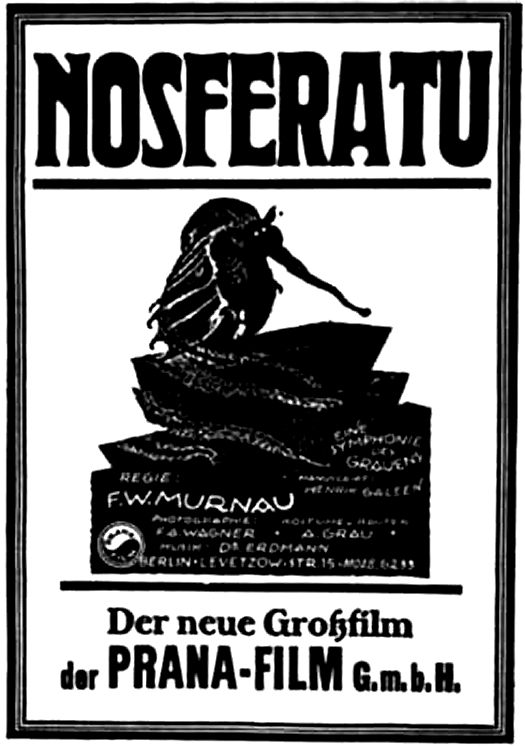
59. Nosferatu: A Symphony of Horror (1922): This German Expressionist horror film — directed by F. W. Murnau and starring Max Schreck as the vampire Count Orlok — is an unauthorized ripoff of Dracula. No matter — it remains one of the most horrific films ever committed to celluloid.
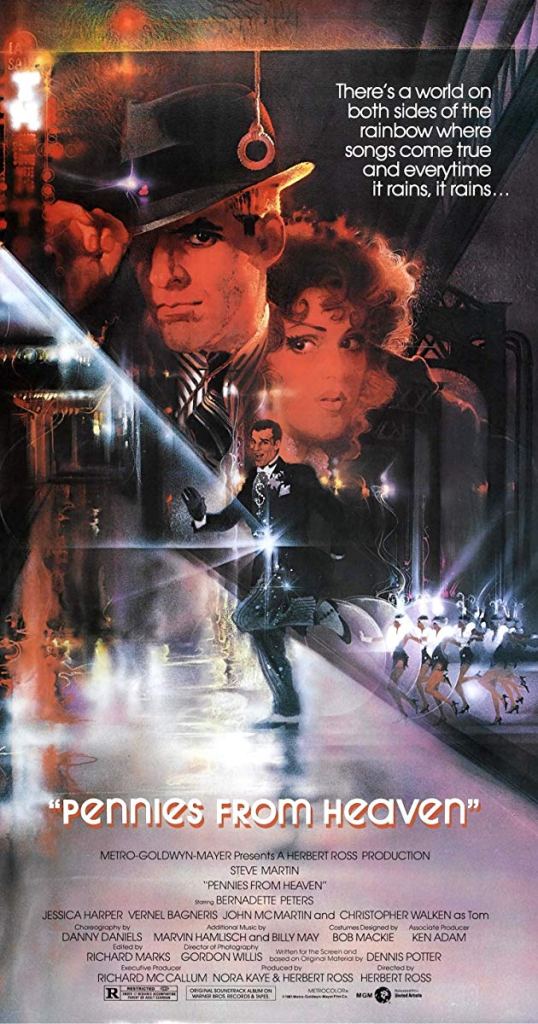
60. Pennies from Heaven (1981): Audiences came to this expecting the Steve Martin they knew and loved from stand-up comedy and The Jerk. Instead, they got a movie about the deep longings of the 1930s, filled with musical numbers from that era. Martin said of the film, “I must say that the people who get the movie, in general, have been wise and intelligent; the people who don’t get it are ignorant scum.” LaVey said of the film that “the sets and the characters were 100% authentic.”
On the Sinister Screen, Miles Jaconsen says, “It is the anti-musical. Instead of providing its audience with an escape from dreary circumstances, it uses music to elucidate the dreary circumstances, and the music is all the more evocative due to its purpose. It draws upon 70s-style cynicism and dovetails it with 30s-style cinema. The characters are constantly trying to escape their miseries, and use song and dance to express this. We, the audience members, are shown just how inept they are at affecting positive change in their lives. When the film does offer dreamy, comfortable illusions, as all musicals do, it is not long before they are shown to be preludes to sorrow.”
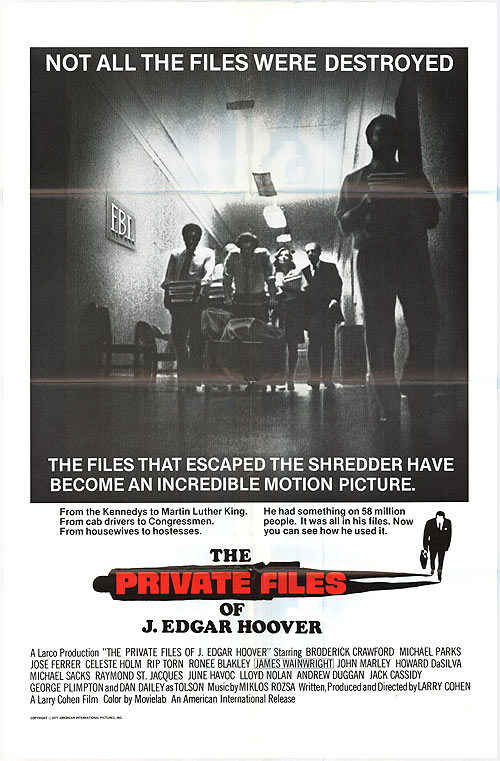
61. The Private Files of J. Edgar Hoover (1977): This Larry Cohen film is a dark vision of American politics and the FBI director who deals with the Red Scare of the 1950s, the Kennedys and social change of the 1960’s and Nixon in the 1970’s, along with a closeted sex life and an obsession over his dead mother.
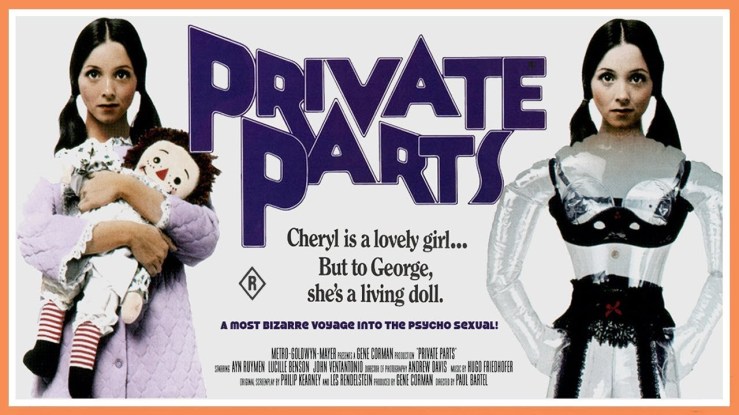
62. Private Parts (1972): In the dark corners of Los Angeles, a squalid hotel hosts all manner of depravity and perhaps the most normal person keeps a doll that he injects with blood as a companion. Paul Bartel essays a film that was so upsetting, some newspapers wouldn’t even print its title.
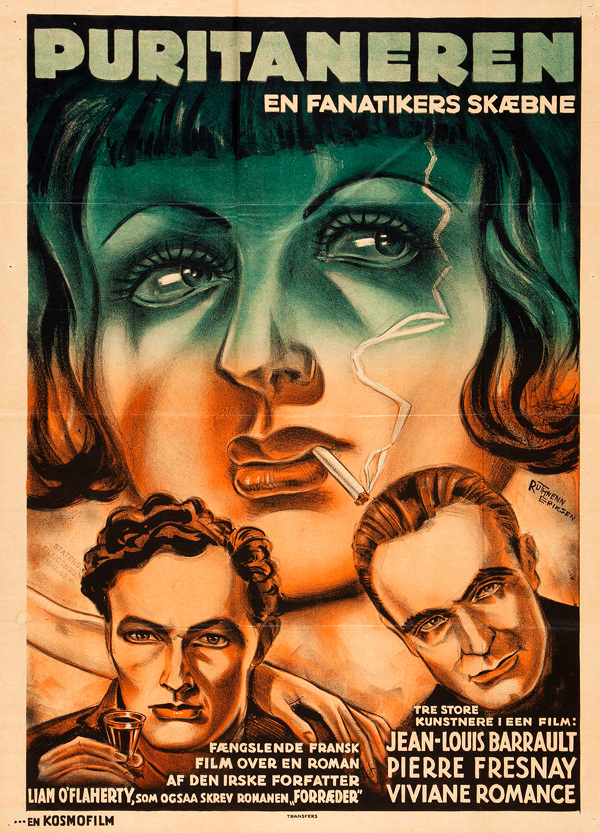
63. The Puritan (1938): A religious fanatic must justify and rationalize the murder of a girl he’d fallen in love with, all while the police wait for the moment that his faith breaks.
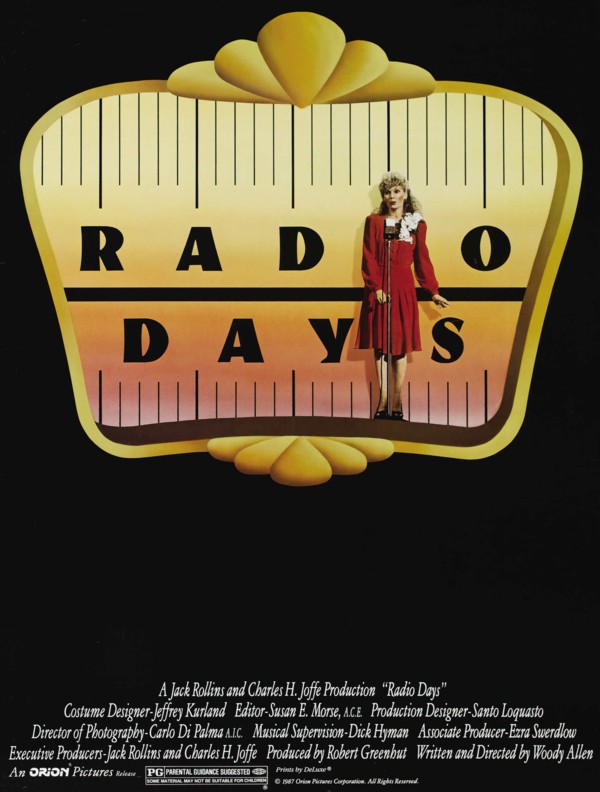
64. Radio Days (1987): This Woody Allen film is all about the bittersweet nostalgia for a past that can never return — the days when radio stars entered daily lives and engaged their audience’s imagination. It has been reported that Stanley Kubrick loved the film so much that he watched it twice in two days, comparing it to a home movie of his life.
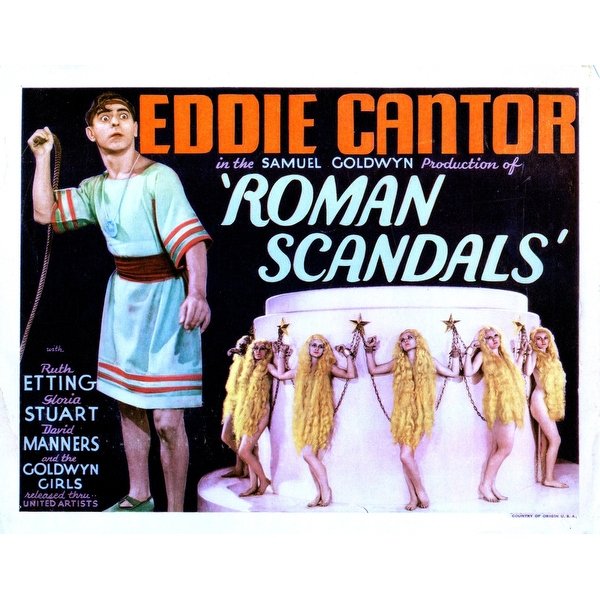
65. Roman Scandals (1933): Eddie Cantor plays a boy who dreams of the days of Ancient Rome, a time free from the scandals and corruption of his small town. Imagine his surprise when he’s transported back in time and learns that it was the same back then!
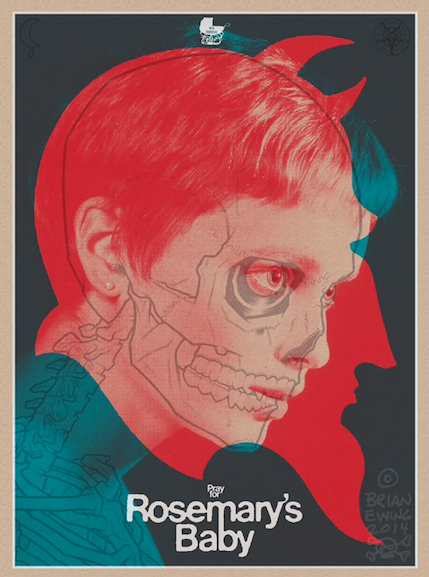
66. Rosemary’s Baby (1968): Pray for Rosemary’s Baby screamed the buttons and headlines. Perhaps no horror film — not even The Exorcist — has better played on the fears of society better. Paranoia, women’s liberation, religion, the occult — this one has it all. What it does not have — contrary to popular urban legend — is LaVey playing Satan.
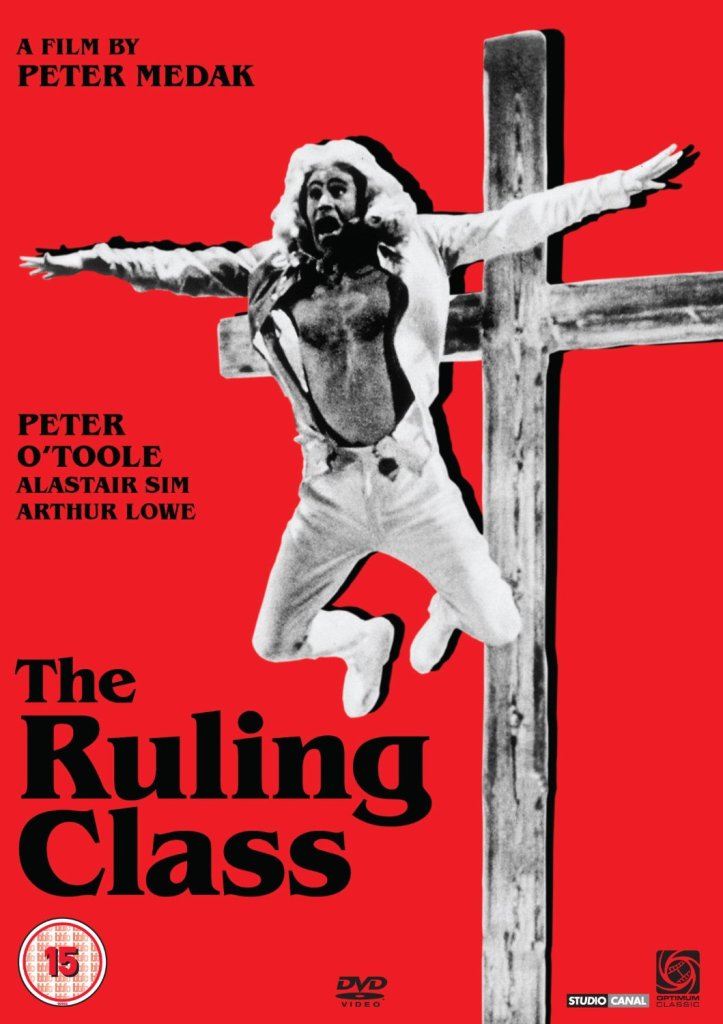
67. The Ruling Class (1972): Peter O’Toole plays a paranoid schizophrenic British nobleman — the 14th Earl of Gurney — who believes that he’s Jesus Christ (which leads people to believe he’s insane) and Jack the Ripper (which peole easily embrace). LaVey said of the film, “This is an oddball film they tried to see as a comedy, but it’s really a tragedy with comedic undertones.” He also called it one of the all-time great Satanic films, ending with a blasphemous scene where O’Toole leads a gang of corpses in singing “Onward Christian Soldiers.”
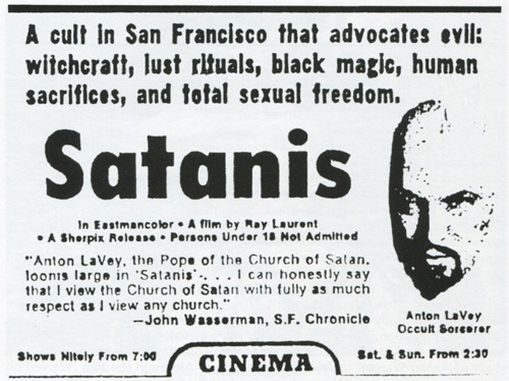
68. Satanis – The Devil’s Mass (1970): Look, we’re never gonna get to go to the actual Black House any longer. This captured at the time documentary is as close as we’ll get, though. Essential viewing.
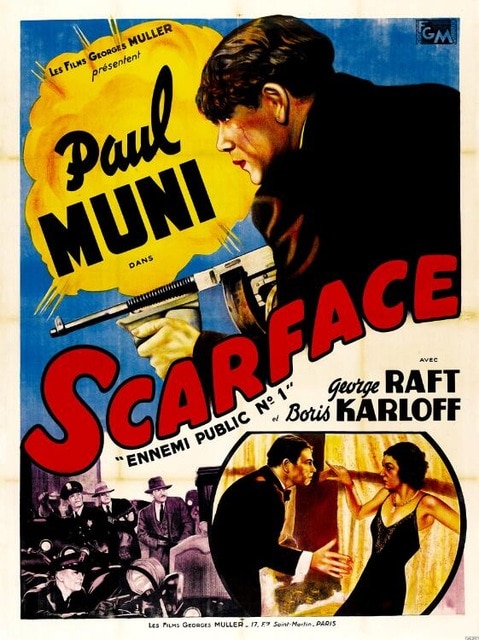
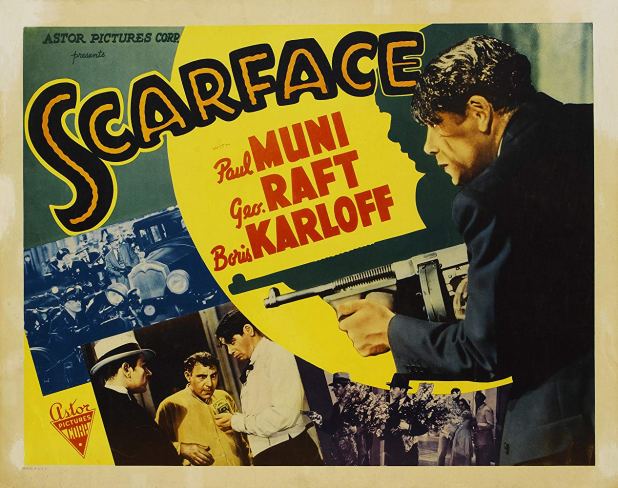
69. Scarface (1932): This Howard Hughes produced, Howard Hawks directed and Paul Muni starring film ran afoul of the censors, who demanded making alterations, feeling that it glorified being a gangster. They asked for the name to include the words The Shame of a Nation, a prologue that eliminated gangsters and that the original ending — where Antonio “Tony” Camonte dies in a hail of bullets near a sign that proclaims that “The World is Yours” — be used instead of the one where he turns himself in.
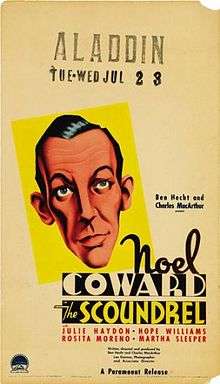
70. The Scoundrel (1935): Anthony Mallare (Noel Coward in his screen debut) is a heartless publisher devoted to ruining the lives of everyone he meets. When he dies in a plane crash, he must return to life and find one person who will mourn him or face eternal damnation. It turns out that the girlfriend of the author whose life he decimated is the only one able to save him.
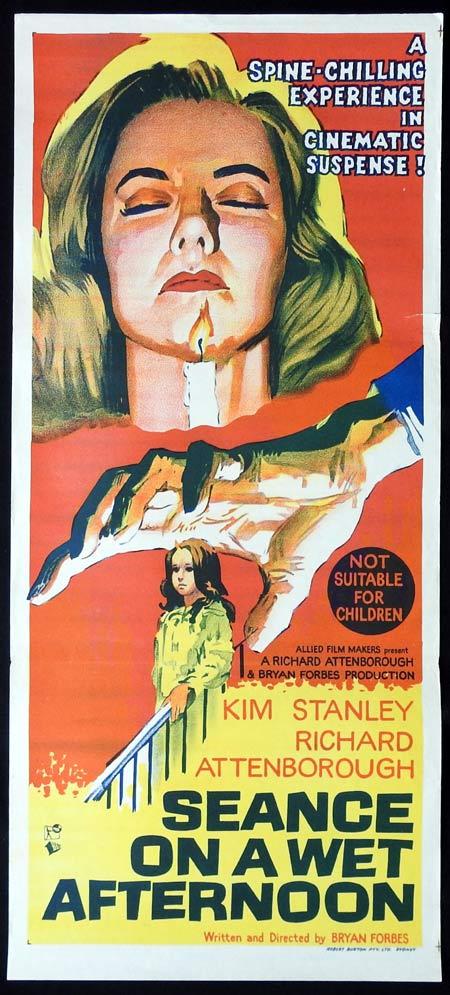
71. Seance on a Wet Afternoon (1964): A medium wishes to be famous and respected, so she has her husband kidnap the young daughter of a wealthy family so that she can later find the child for the police.
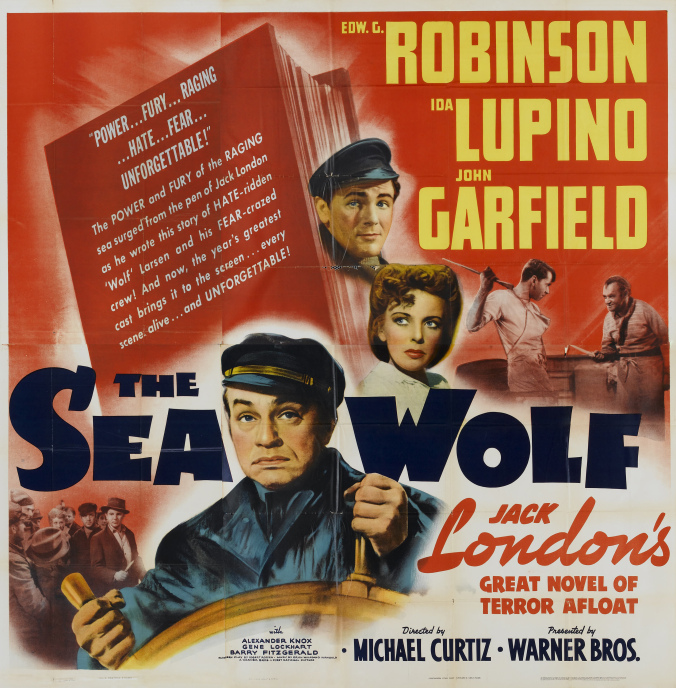
72. The Sea Wolf (1941): Edward G. Robinson stars as the domineering sea captain Wold Larsen, who nearly dooms every character in this film to a watery grave. LaVey spoke highly of this Jack London adaption, saying, “Wolf Larsen only degrades those who have already degraded themselves; he brutalizes only those who know only brutality; he preys upon those who deserve to be preyed upon.” He added, “My reaction to this film has paralleled my growing disdain for the human race over the years. When I first saw it, I thought, “The character of Larsen is too brutal.” The next time I saw the film a few years later, I could understand the brutality a bit more — it didn’t seem so extreme. Finally by the next viewing, I’d developed a real empathy for Wolf Larsen!”
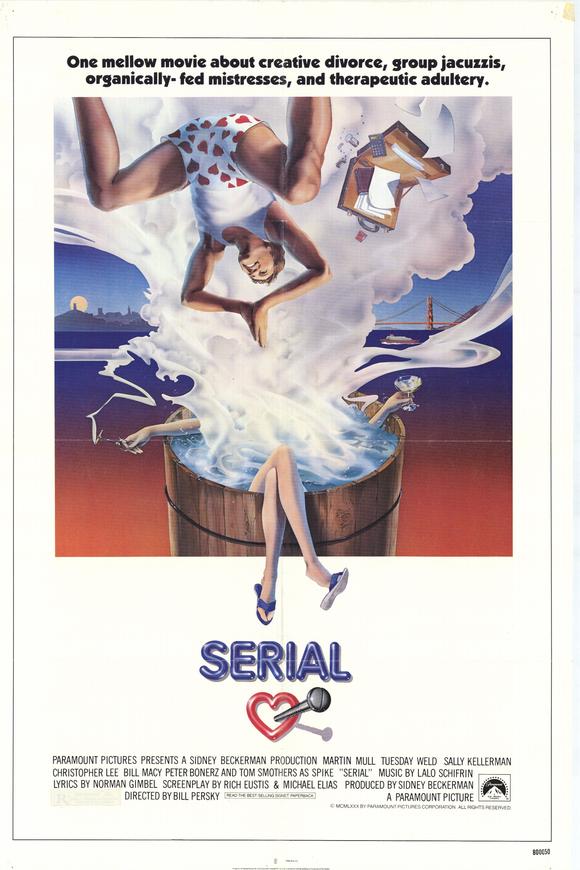
73. Serial (1980): Martin Mull plays a man losing patience with the late 1970’s and early 80’s world of sex, cults and psychobabble. This movie failed to win audiences in theaters but found new life on cable.
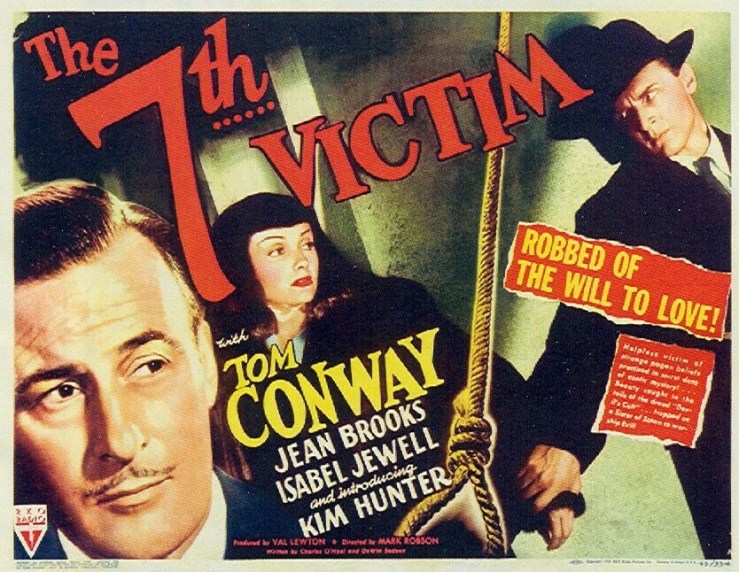
74. The Seventh Victim (1943): This horror noir — in which a young woman discovers a cult of devil worshippers while looking for her missing sister — was derided by critics for having “narrative incoherence.” That’s because its director and editor removed four major scenes, including an extended ending of the film. Supposedly, writer DeWitt Bodeen, who also wrote The Curse of the Cat People, based this movie on his own experiences with a cosmetics company, an Italian restaurant and a Satanic secret society in New York City. The Dr. Judd character played by Tom Conway connects this movie to 1942’s Cat People, another film noted for its nihilism. That said, Dr. Judd died in that film, but there was a thought that people would connect this film to that success. There are also several homosexual undertones in the movie, particularly between the characters of Jacqueline and Frances.
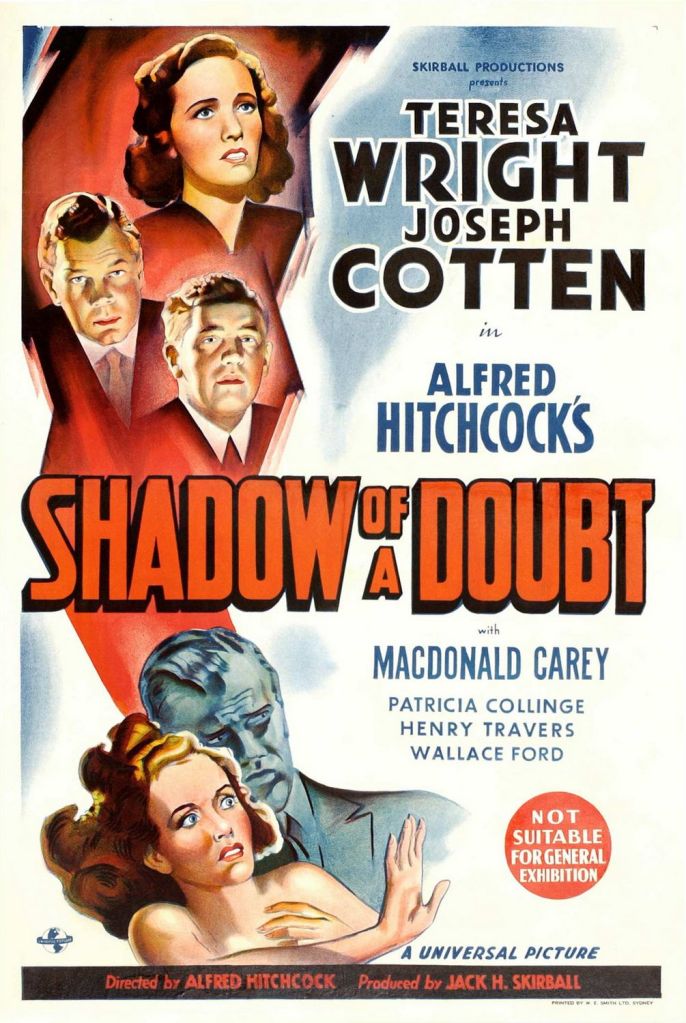
75. Shadow of a Doubt (1943): This Alfred Hitchcock again features Joseph Cotten, here as Uncle Charlie, a man celebrated by his community while at the same time feared by the younger members of his family who know that he is a criminal.
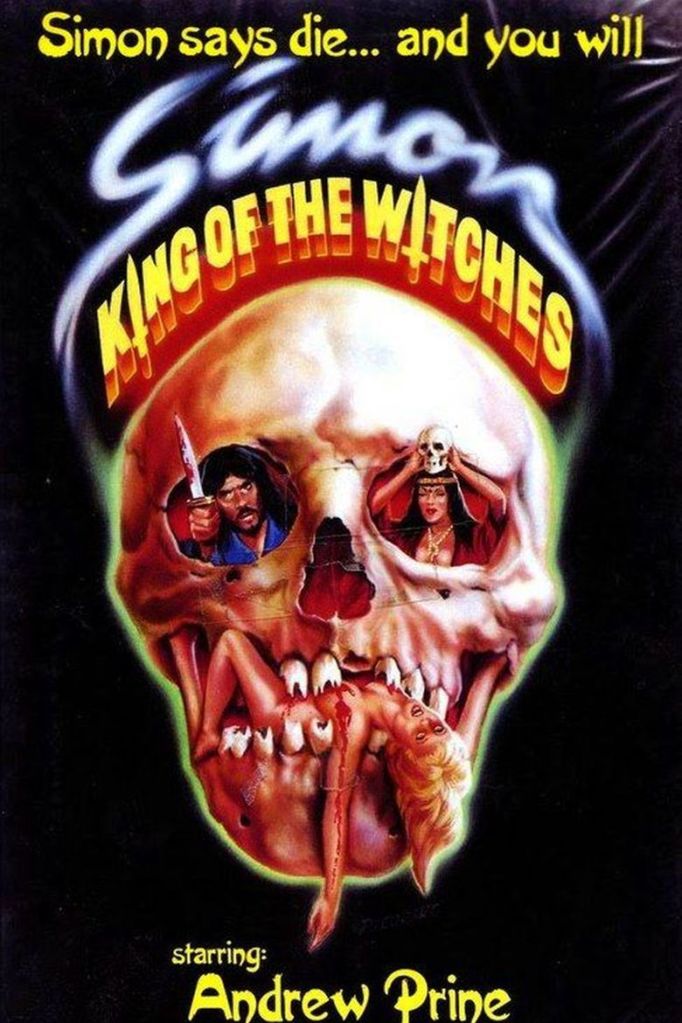
76. Simon, King of the Witches (1971): A sorcerer who lives in a sewer sees through the hypocrisy of modern witchcraft and society as he continues his path of continually improving himself. Sure, it seems silly today, but most of the 1970’s do.
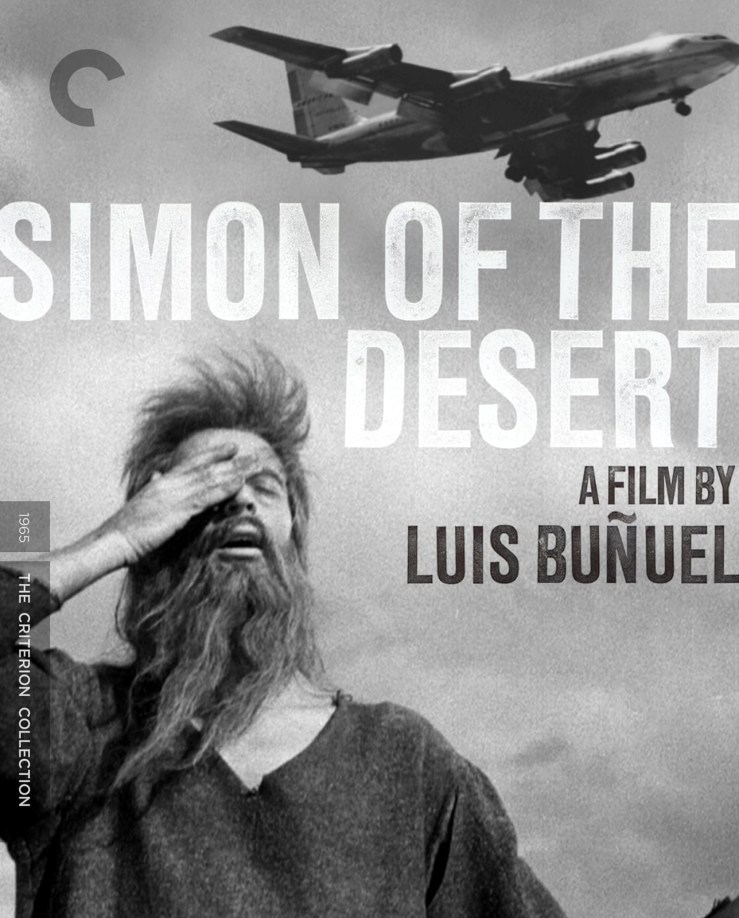
77. Simon of the Desert (1965): Simón has lived for 6 years, 6 weeks and 6 days atop an eight-meter pillar in the middle of the desert, praying for spiritual purification. Satan tempts him three times, first as an innocent girl, then as Jesus and finally as a woman who climbs up the pillar and takes Simón to a 1960’s nightclub where people dance the Watusi, trapping him forever. Oh those pesky Satanic witches, using their feminine wiles…
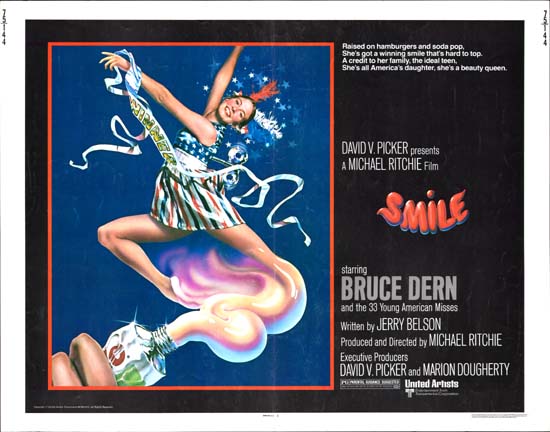
78. Smile (1975): The contestants and people involved with the Young American Miss Pageant are used to explore and skewer the veneer of darkness that always exists, boiling under the lid of a traditional American small town.
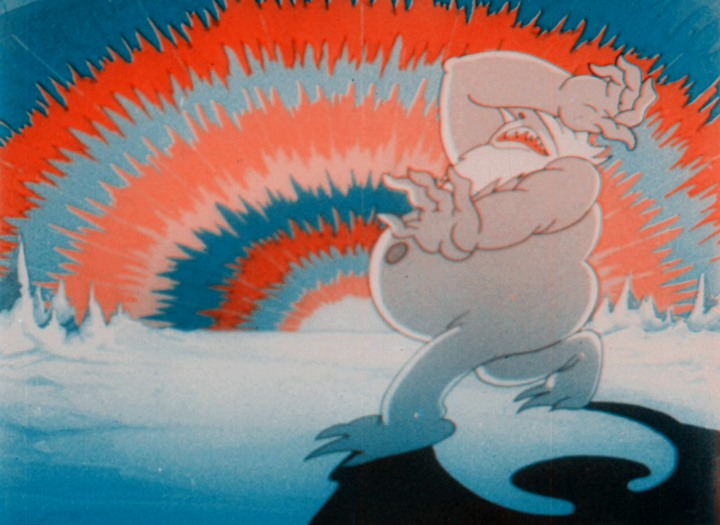
79. The Snowman (1933): The official list on the Church of Satan website points to the 1982 TV adaptation of the book, but I wonder if LaVey intended this 1933 short instead, where a young Eskimo and his cute animal friends build a snowman that becomes a Frankenstein’s Monster and attempts to kill them all?
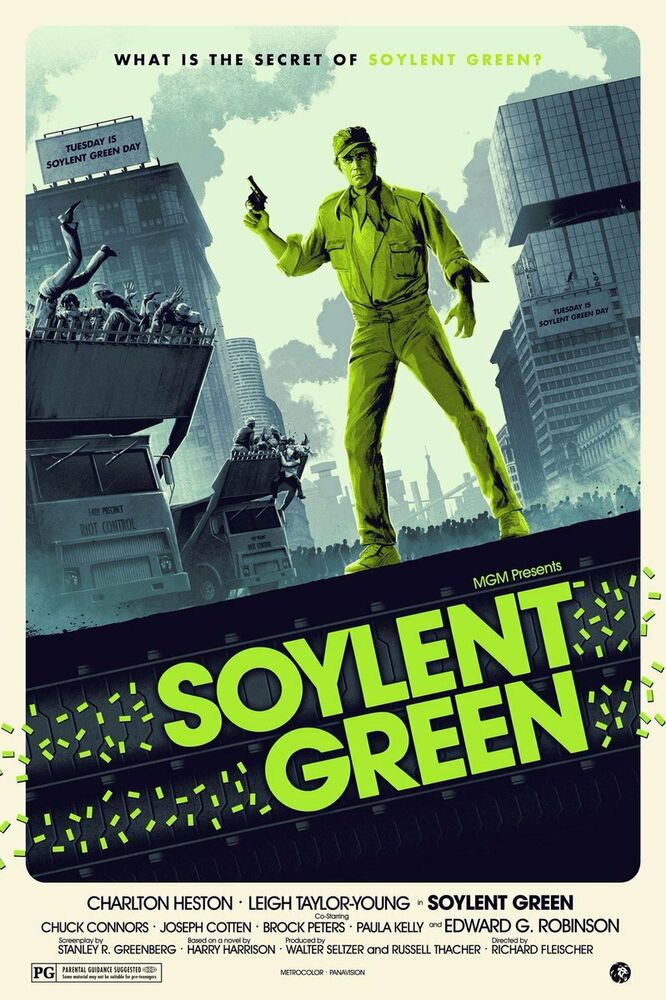
80. Soylent Green (1973): There’s never been a more brutal or uncompromising look at the future ever filmed. Man’s inhumanity toward man has finally won out and all that’s left is to embrace death. This is the final role of Edward G. Robinson, who he died 12 days after filming ended.
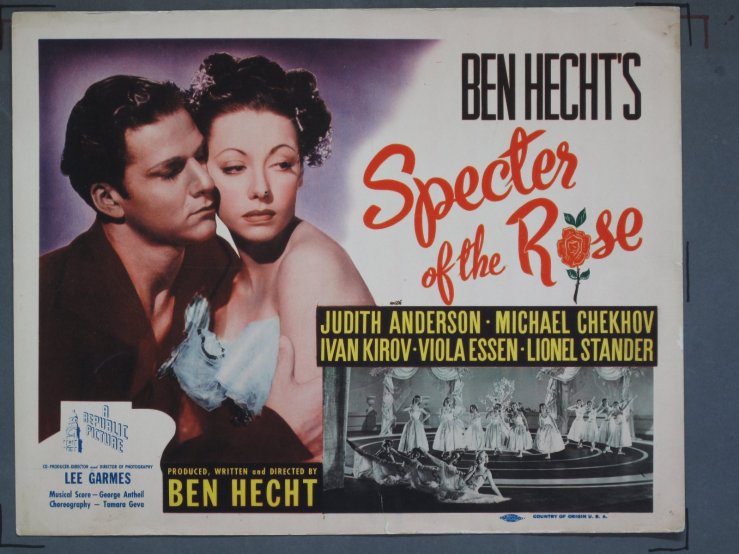
81. Specter of the Rose (1946): A male ballet dancer hasn’t danced since his first wife died on stage with him to the haunting tune of “Le Spectre de la Rose.” Now a newly married man, he’s enticed to return once more to the stage.
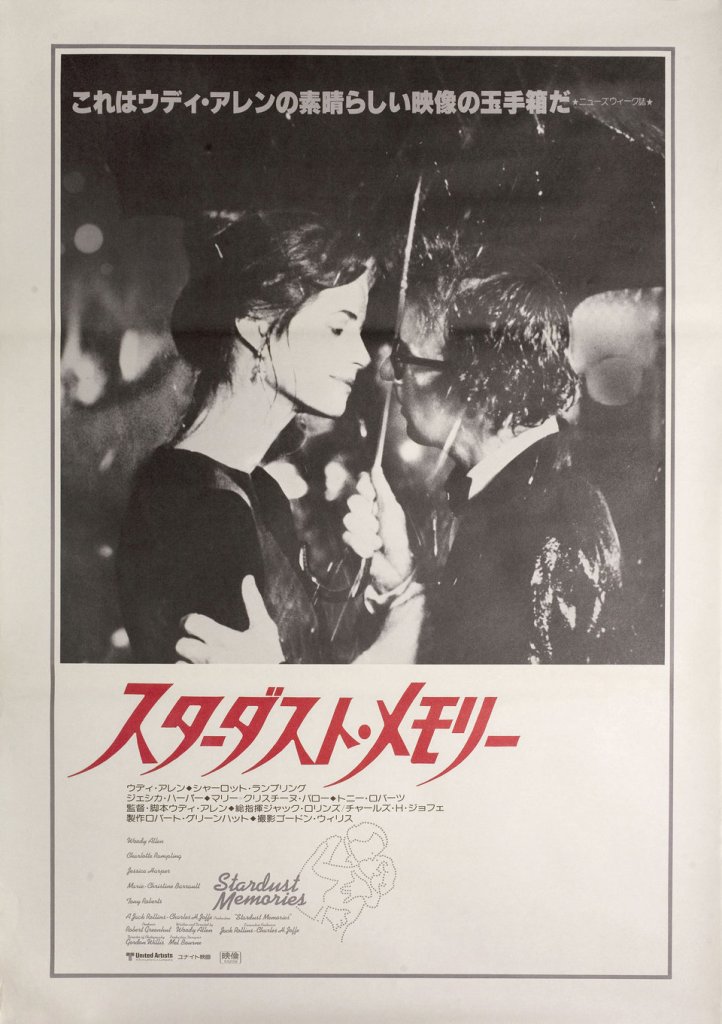
82. Stardust Memories (1980): This Woody Allen film is about a filmmaker who attends a retrospective of his work, which leads him to remember the inspirations for the movies he’s made. The title is a reference to the Louis Armstrong song “Stardust” and the film is packed with jazz classics, as well as issues like religion, God, philosophy, existentialism, relationships, death and the meaning of life.
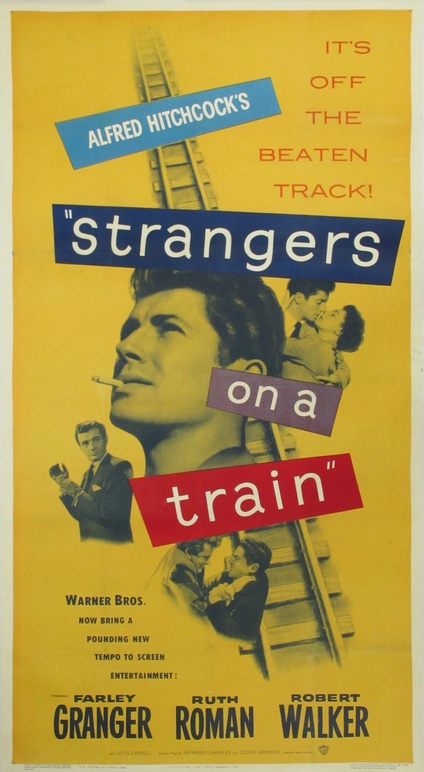
83. Strangers on a Train (1951): Hitchcock creates a dilemma for tennis player Guy Haines: he wants to get rid of his wife so that he can marry the woman he loves. When he meets Bruno Antony, a man who wants his mother dead, they agree to exchange murders. Bruno comes through, but can Tony? Prefiguring the giallo, this is a movie of duplicates and duplicity. Of the film, Magus Gilmore says, “Strangers on a Train examines justice gone awry wherein a fantasy of eliminating someone who has wronged you quickly becomes a nightmare when a sociopath enters into the equation — a warning to not pursue punishment beyond what suits the crime.”
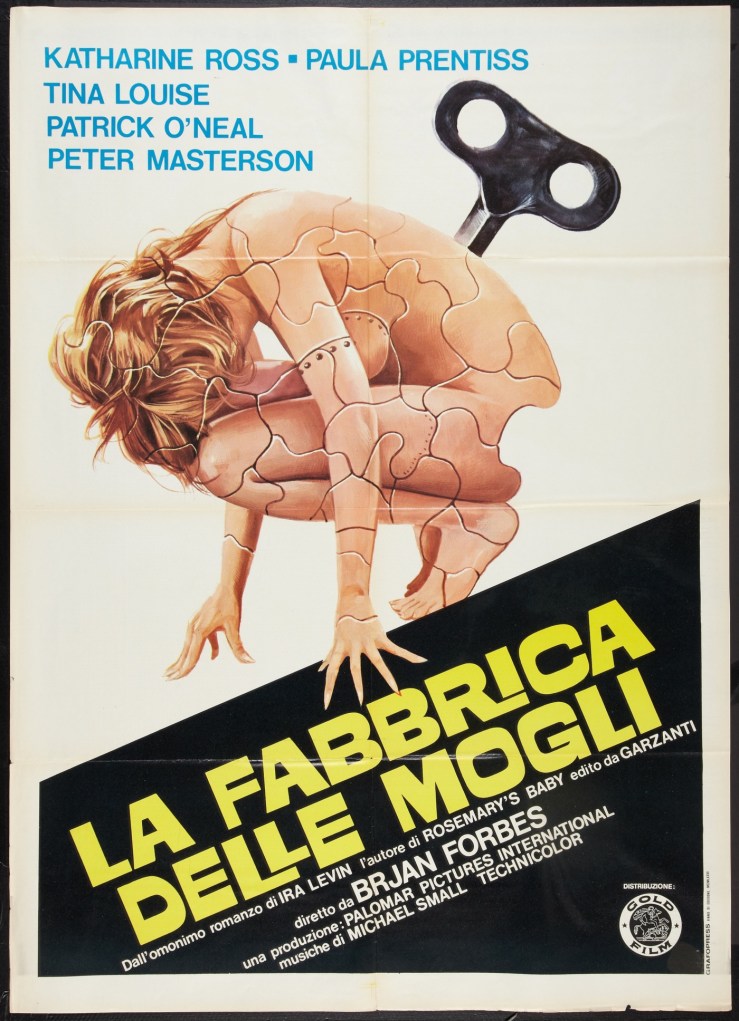
84. The Stepford Wives (1975): A family moves from New York City to the suburbs and discovers a town where women are subservient to their men because they’re no longer human. Instead, they’re programmed to serve the needs of their husbands, in sharp contrast to women’s liberation. This film walks the line between the personification of android companions — a subject dear to LaVey’s heart — and the loss of identity and free will, one of the main worries of Satanism as it entered a new century.
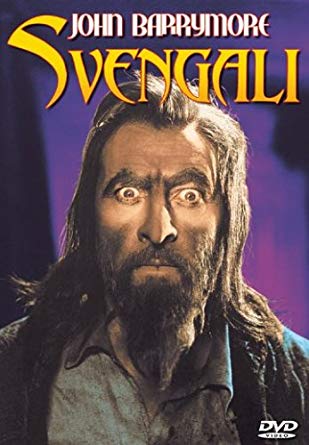
85. Svengali (1931): With hypnotism and mind control, a sinister musician controls the voice — but ultimately not the heart — of a woman that he can ultimately never have. This movie crashes Hollywood glitz with German Expressionism together.
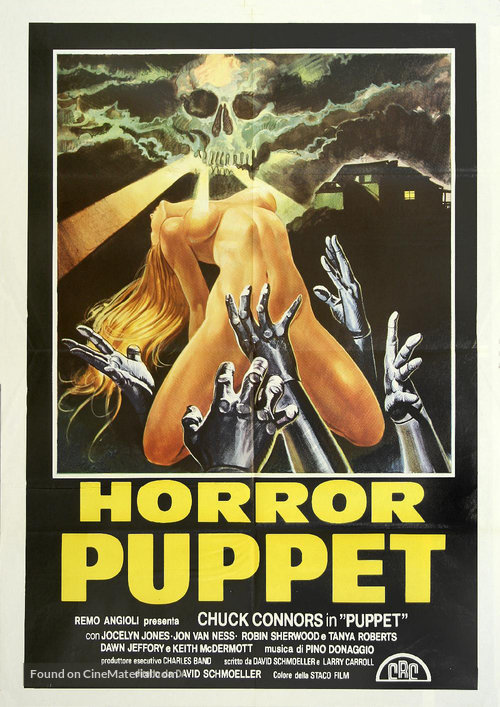
86. Tourist Trap (1979): LaVey said that the definition of a Satanic film can be anything from a classic to “obscure schlock,” as he categorized this film. Chuck Connors character has created a world all of his own, peopled by half-alive versions of people he’s taken, controlled by his mind — or perhaps not, the movie is never truly clear here. This is a strange and brutal film, even more so when you learn it’s rated PG.
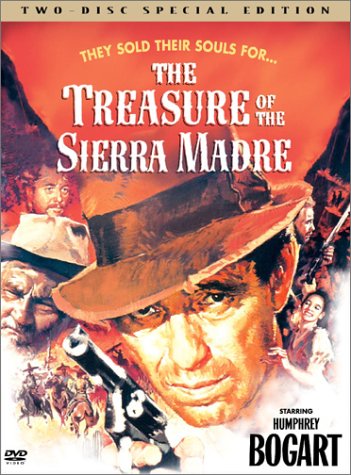
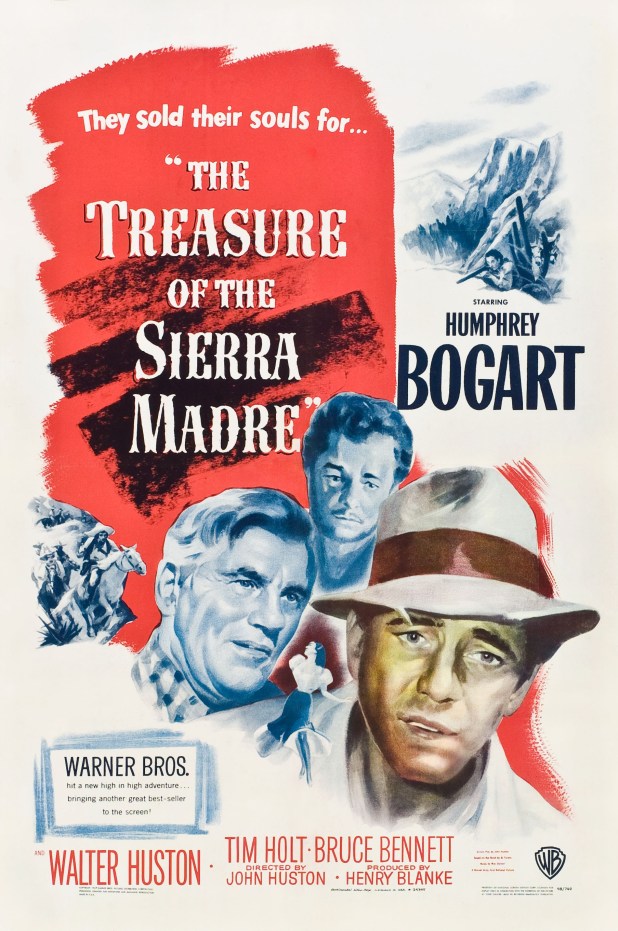
87. The Treasure of the Sierra Madre (1948): Magus Gilmore commented on this film, saying that it was “rather complex in realistically outlining human types, and ultimately, though the sought-after gold — a pipe dream Satanism would caution against — is lost, the characters receive ends befitting their deeds.” Indeed, a movie where star Humphrey Bogart is murdered doesn’t seem to fit into the Hollywood ideal, but the Satanic.
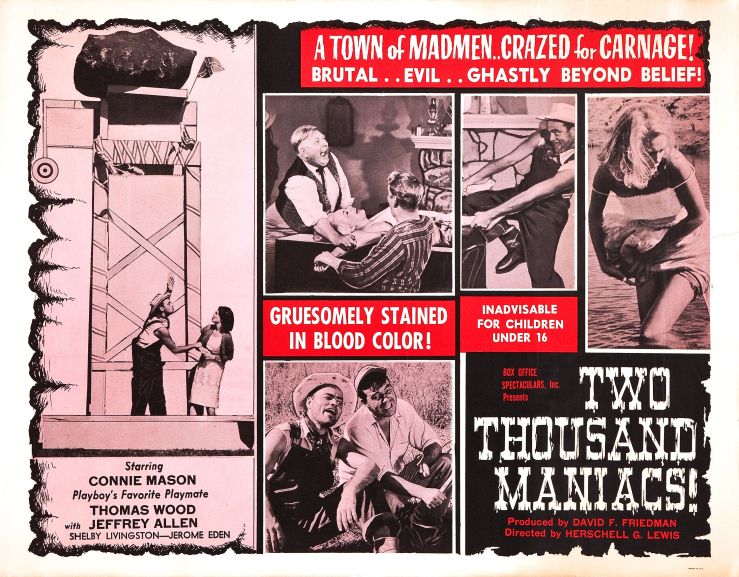
88. Two Thousand Maniacs! (1964): All hail Herschell Gordon Lewis for inflicting the curse of gore on the world of cinema. In this one, he takes the fun of Brigadoon and shoves it through the lens of the carny exploitation director, where it emerges as the town of Pleasant Valley, which emerges every one hundred years to achieve bloody revenge on the North. Turns out that every member of the two — two thousand to the number — were wiped out by Union troops. It’s time for payback.
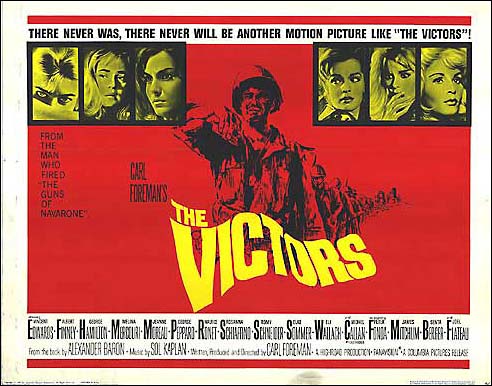
89. The Victors (1963): In war, there are no winners. This film shows how the victor and the vanquished are both the victims. There are no battles shown, but vignettes that illustrate small moments from the beginning, middle and end of the conflict. Unlike many World War II films of the time, typically of Hollywood interpretations of the Second World War at the time, American soldiers are shown to be shell shocked, tired of fighting and capable of casual cruelty toward anyone who gets in their way. There’s also an execution scene set to Frank Sinatra singing “Have Yourself a Merry Little Christmas.” Star George Hamilton when speaking of the film, which was a box office bomb, said that it was too dark and foreshadowed the darkness of the 60’s that was yet to come.
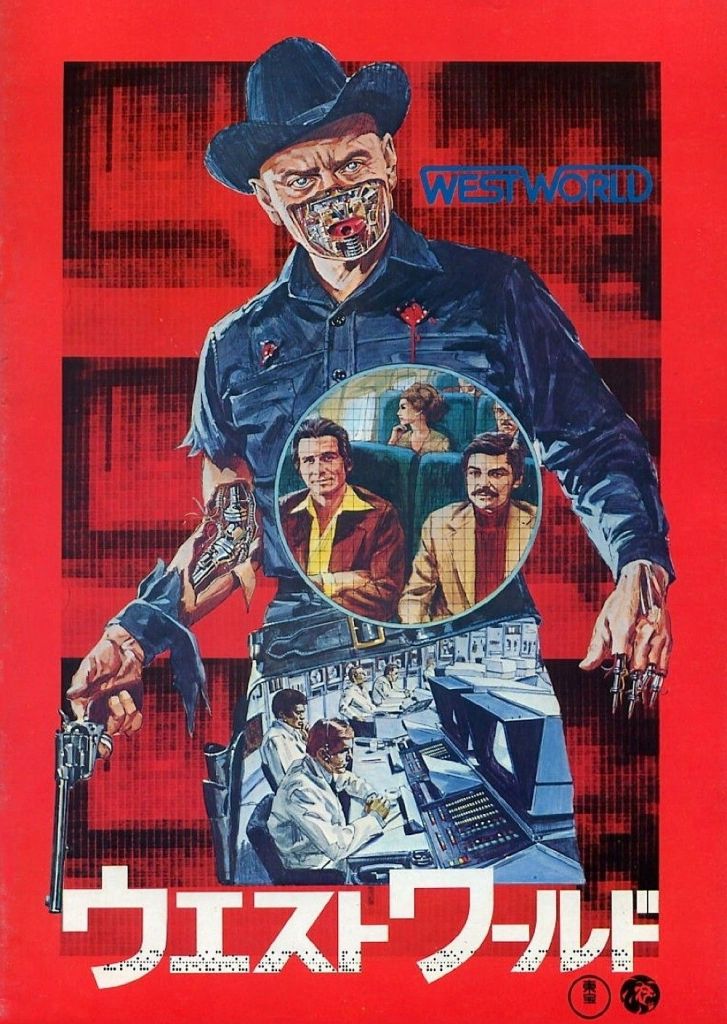
90. Westworld (1973): Westworld is a place where LaVey’s dream of android companions has come true. However, it’s also a place where man’s darkest impulses are allowed to run free, leading to them repeatedly killing robot cowboys that finally malfunction and rise up against their creator. There’s a moment where the two leads discuss sleeping with the android prostitutes in the brothel, unsure whether they were real. The answer is, “Does it matter?”
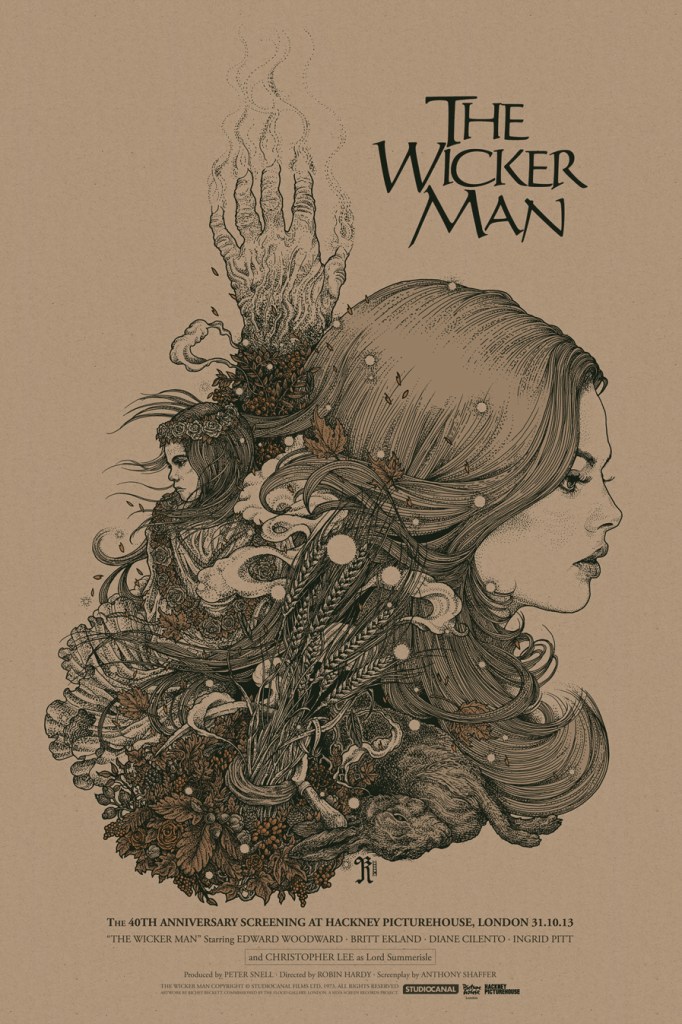
91. The Wicker Man (1973): Christopher Lee’s Lord Summerisle is perhaps one of the most Satanic characters to appear in a movie, with lines paraphrase Walt Whitman’s “Song of Myself” to grand effect: “That I think I could turn and live with animals. They are so placid and self-contained. They do not lie awake in the dark and weep for their sins. They do not make me sick discussing their duty to God. Not one of them kneels to another or to his own kind that lived thousands of years ago. Not one of them is respectable or unhappy, all over the earth.”
If you’ve never seen this film, I don’t want to give much away. It includes a hero who probably isn’t the hero and villains who are probably not the villains. It’s utter darkness infused with the hope of a new season. And it’s a film that contains this section of dialogue, where everyone gets what they really desire:
Sergeant Neil Howie: No matter what you do, you can’t change the fact that I believe in the life eternal, as promised to us by our Lord, Jesus Christ.
Lord Summerisle: That is good, for believing what you do, we confer upon you a rare gift, these days – a martyr’s death. You will not only have life eternal, but you will sit with the saints among the elect. Come. It is time to keep your appointment with the Wicker Man.

92. Willy Wonka and the Chocolate Factory (1971): Magus Gilmore refers to this film as “a scenario where everyone gets just desserts served up by Gene Wilder as a most engaging devil.” How this is a film for children still blows my mind, as it’s filled with nightmarish situations. I love how so many use the words from “Pure Imagination” for inspiration when I’ve always been motivated by “The Rowing Song”: There’s no earthly way of knowing / Which direction we are going / There’s no knowing where we’re rowing / Or which way the river’s flowing.
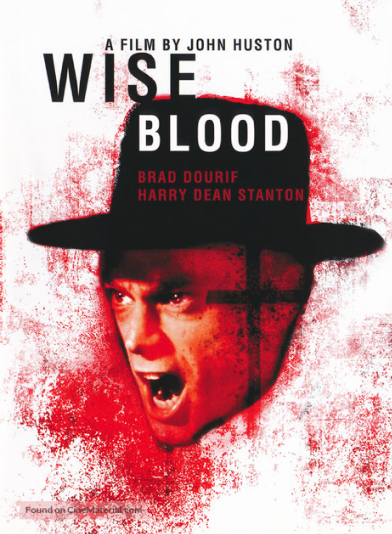
93. Wiseblood (1979): LaVey referred to this movie as “a real misanthropic exercise” that was “so realistic it borders on the surreal.” It stars Brad Dourif as Hazel Motes, a veteran of an unspecified war and a preacher of the Church of Truth Without Christ, a church of his own that allows him to remain at war, but now it’s against anyone with a belief in God, sin, evil, Heaven or the Final Judgement.
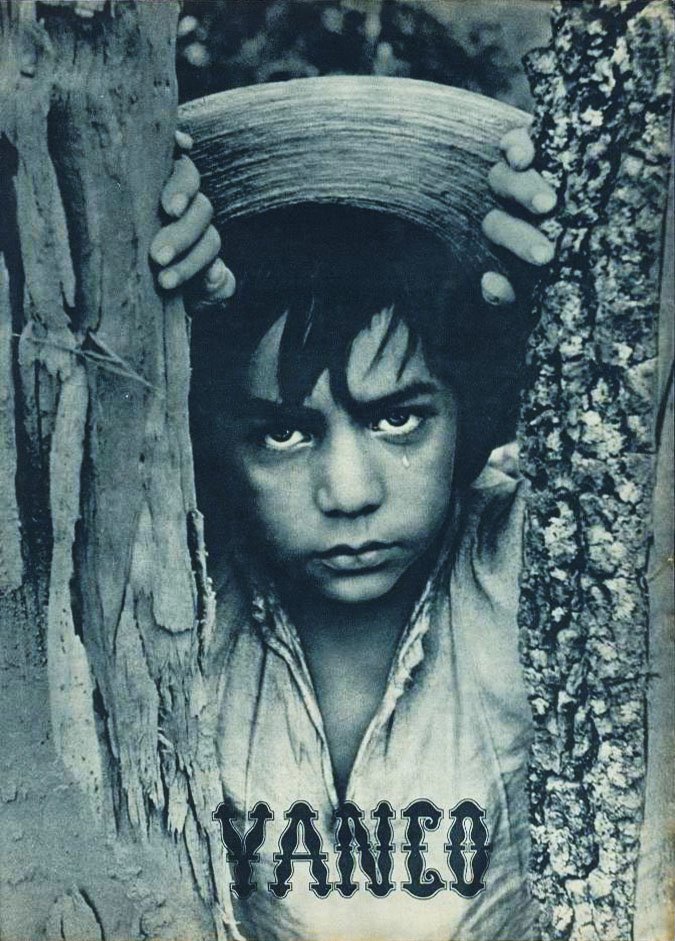
94. Yanco (1961): A boy’s talent at music is directly proportionate to his oversensitivity to sound, which pushes him away from the city and into the woods, where an old man teaches him to play the violin. When the man dies, that violin ends up in a pawn shop in the city. Each night, the boy makes a pilgrimage to that store to play music that the people of the city believe comes from an evil spirit.
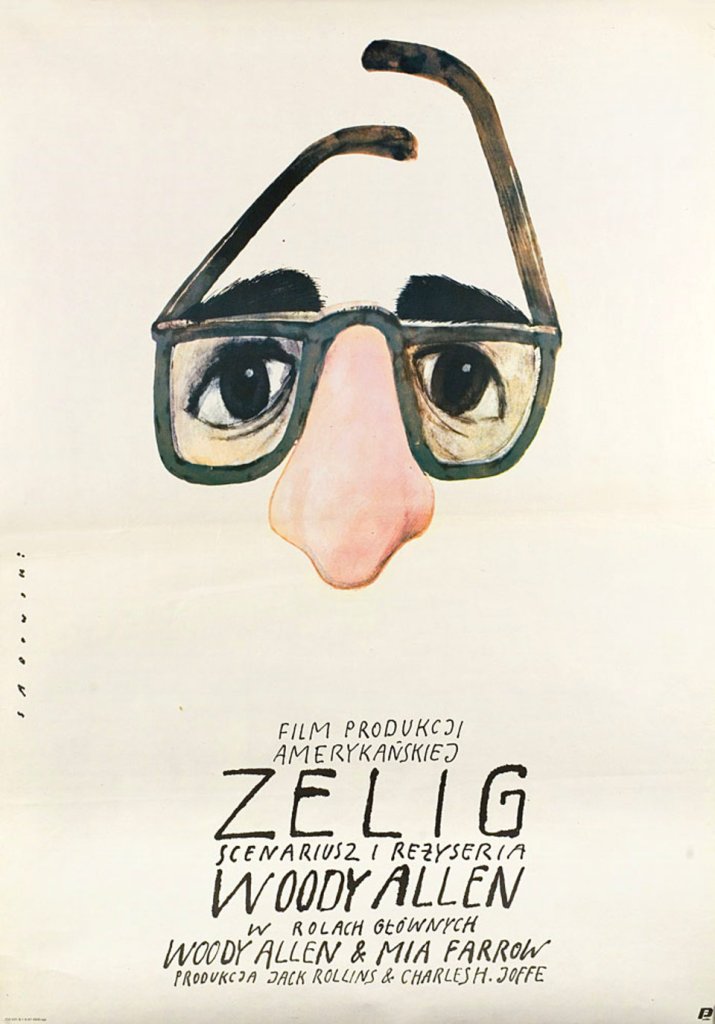
95. Zelig (1983): Woody Allen appears again on this list, here playing Leonard Zelig, an enigma of a man who takes on the personalities of those around him, becoming a celebrity in the 1920’s. He is truly a man who is everywhere and nowhere.
Thanks to the many sources and people whose quotes I’ve included here. Again, your own examinations of these films are more important than anyone else’s. Think for yourself and find your own path to what films give you personal enjoyment.
That said — several of these movies are difficult to find. Don’t let that challenge you. Embrace the effort! As LaVey said, “If a movie is easily obtainable from the corner video shop there’s no point in keeping a copy.”
Want the full list? We’ve added it to Letterboxd.








 B&S About Movies
You must be logged in to post a comment.