Night (2019)

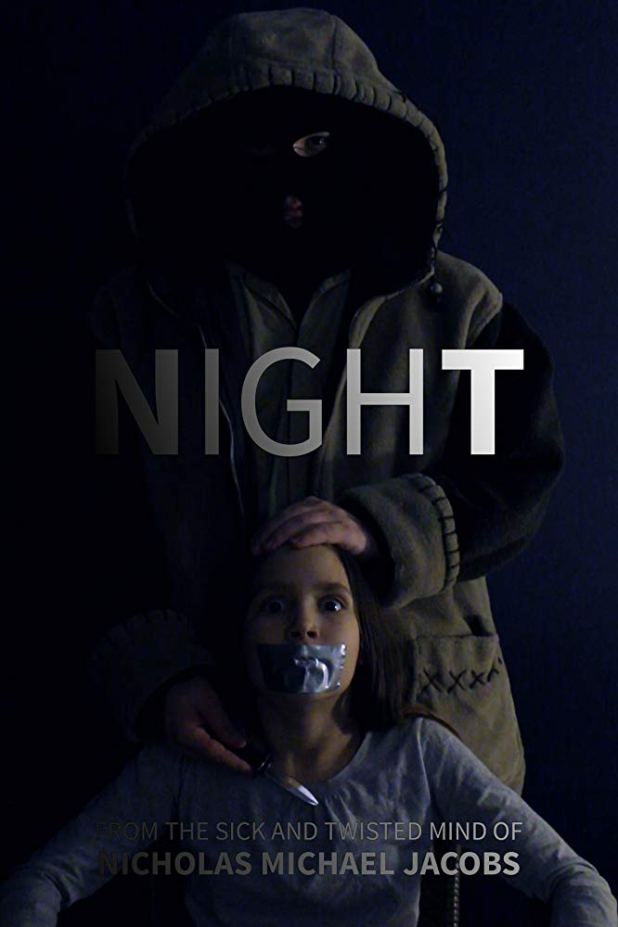
Director, actor and writer Nicholas Michael Jacobs sent me his latest film via email, which goes live on Amazon Prime Video on March 23. Night is all about a crazed man who kidnaps women and broadcasts himself torturing and murdering them for an audience of paying viewers online.

The movie starts with three minutes of the main character, Adam Audrey, getting ready. You can barely see him and everything is in shadow. That’s followed by nearly five minutes of him following a girl and kidnapping her before the opening credits.

What follows is forty-five some odd moments of Adam taking phone calls telling him not to do this any longer, going live several times as he berates his viewers for not being creative and then taking money from them to do horrible things to the girl, then the girl talking to him in an attempt to try and reach him before they go live again.

Basically, if you want to see a guy tie a girl up to a chair, slice her with a knife and call her a bitch for nearly an hour, then Night would probably be for you. I was hoping that its long single shots would be leading up to something more. As indefensible as most people find Maniac and The New York Ripper, there are moments that aspire to art. There’s little to none of this here.

That said if you want to hear someone say, “Anybody else out there? Any more requests?” ad nauseum while a locked off shot of a girl bleeding in a chair runs, then by all means, when this comes out in a few days, you’ll have something to watch.

Even the credits take forever — over five minutes of a slow crawl — with only four people acting in the film and Nicholas Michael Jacobs name up there several times.

I get what this movie was going for, but at no moment does it hold any surprises or say anything different. I gave it the time it needed to do so and even the end isn’t so much of a twist as much of a “when are they going to get to that” moment. I hate being negative about a film, as it takes time, effort and energy to create one and I applaud everyone that worked on this for doing so.

DISCLAIMER: We were sent this movie by its director, but that doesn’t impact our review.

Stray Cat Rock: Machine Animal (1970)

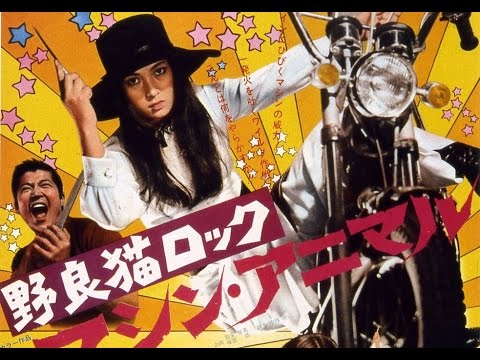
In the fourth of five Stray Cat Rock (or Alleycat Rock) films, two Japanese men help a deserter from the Vietnam War escape to Sweden and fund their plan by selling LSD. But soon, rival gangs find out about the drug deal and want a piece of the action for themselves.

Meiko Kaji returns again, as does the jazzy rock and roll and elements of style established by the first four films in the series. Director Yasuharu Hasebe returns as well, filming this installment in just two weeks. It was released two months after the last one, so either they were rushing to get these out before the trend died or the Japanese public was demanding more and more girl gang group movies.

This one is a lot like the first two, other than the acid taking sequence, which has our heroes Maya and Nobu refusing to partake. Drugs were really becoming part of Japan’s culture here, but take it from someone that’s been there a few times. Thanks to incredibly strict prison sentences for even first offenders, any taking of them is kept incredibly secretive. That said — if you want to see a movie where Del Monte canned tomatoes turn into blood…

There’s also a lot of bowling in between all the motorcycle chases and go-go dancing. It just kind of makes sense, I guess.

You can watch this on Amazon Prime or get the Arrow Video box set.

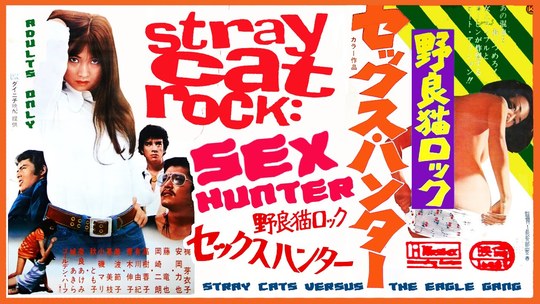
Stray Cat Rock: Sex Hunter (1970)

Shot at the same time as the second film in the Stray Cat Rock series, Wild Jumbo, this third film has the return of director Yasuharu Hasebe. This time around, the Alleycats — led by Mako, played by series star Meiko Kaji — battle the male gang the Eagles. Look — any movie that starts with a girl versus girl knife and flashlight fight and a girl gang robbing a salaryman is worth watching.

When one of the Alleycats named Mari turns down the advances of the Eagle’s member Susumu and hooks up with a mixed-race guy named Ichiro, the gang’s leader Baron goes crazy. Turns out his sister was attacked by several mixed-race men, so he decides to take out anyone that isn’t purely Japanese. It also doesn’t help that Mako falls for another mixed race stranger.

Race relations were a big deal at the time in Japan, as many Japanese/American babies were being conceived. The film was shot near the U.S. Naval base in Yokosuka and features the girl group Golden Half, whose five members all had Japanese mothers and gaijin fathers, which was their selling point.

From the first frame, I was happy to have Hasebe as the director. This is a cool, calculated film filled with violence and themes of male impotence and the actual melting pot of races producing a better future. Like all the Stray Cat films, the women are the strong ones, with men fighting to own and control them. But they just can’t — there’s no way they can tame them.

One question I have: were Jeeps really that big of a deal in 1970 Japan? These movies have more of them driving all over the place than any I’ve seen!

You can watch this on Amazon Prime or get the Arrow Video box set.

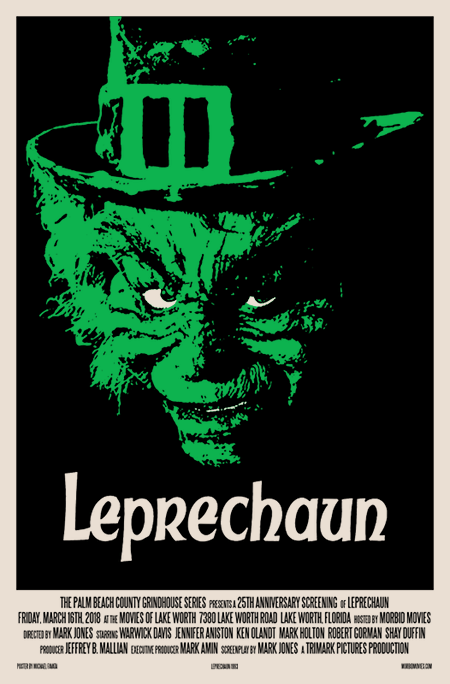
Leprechaun (1993)

Paul Andolina is back just in time for St. Patrick’s Day. You can also find even more movies in his website Wrestling with Film.

I can still remember catching parts of the movie Leprechaun as a kid while watching the Sci Fi channel on the play room TV. Since then it’s been a bit of tradition to watch it during the month of March. I don’t always get a chance to watch it but when I do, I always have a good time. The entire franchise is near and dear to my heart as I’ve binge watched it more times than I can remember. I thought I’d take a look at some of my favorite films from the series this week.

There is no better place to start than with the movie that started it all 1993’s Leprechaun. I imagine it’s a Saint Patrick’s day staple for a lot of fans of horror as it is shown on the SyFy channel pretty regularly during this time of year. They usually have a marathon of the entire series on or near the 17th of March. 

Leprechaun is about a young lady, Tory, and her father, J.D. They move to a house in North Dakota for the summer not knowing that ten years prior Dan O’Grady after returning home from Ireland, rich, was met with tragedy in the same house. Dan had stolen gold from a leprechaun and the leprechaun made his way to the states to wreak havoc on O’Grady in an attempt to recover his gold. He doesn’t manage to do so though instead becoming trapped by Dan, the leprechaun has the last laugh though causing Dan to have a heart attack.

Tory and J.D. are really in for it though. The guys they have hired to paint, Nathan, his younger brother Alex, and Alex’s friend Ozzie are an interesting bunch. Ozzie, after spilling paint all over himself unleashes the leprechaun and the day takes a turn for the worst. Ozzie and Alex find the gold and J.D. is bit by the leprechaun who is hiding in a tree pretending to be a cat.  J.D. has to be taken to the hospital leaving the younger folks to fend for themselves against the evil leprechaun.

The leprechaun is played by Warwick Davis, I don’t think the franchise would be the same had anyone else got the role of the leprechaun. His makeup is as interesting as it is gruesome while his antics and playfulness bring a lot of whimsical terror to the film. The Leprechaun also happens to be one of Jennifer Aniston’s first film roles. Unfortunately, she’s not too fond of being associated with the film; it’s a shame, really, because she does a fine job in the film. I would have loved to see her in some more horror roles. The character of Ozzie is quite sympathetic as he really is more of a child than his size and age would lead you to believe. Alex although young tries to act more mature than he really is even when he seems to be scared and his brother, the older, stronger, Nathan spends most of the movie injured yet still heroic.

I also happen to love the soundtrack. Especially the little ditty that plays near the beginning that goes, “I say I need a four leaf clover, one that’s strong and won’t blow away. Won’t you be my four leaf clover?, be my lucky charm that’s here to stay.” This movie will always have a special place for me so I’m pretty biased when it comes to it. If you love creature features, practical effects, and humor than this movie will more than likely entertain you. Whether you’re just looking for something to watch this Saint Patrick’s day with your pints and whiskey or you want a unique little feature to watch all year long, Leprechaun is sure to whet your whistle.

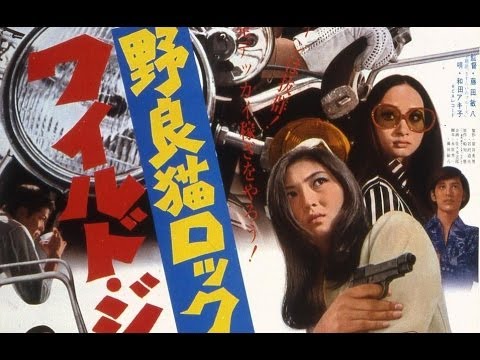
Stray Cat Rock: Wild Jumbo (1970)

Released only three months after the first film in the series, Toshiya Fujita’s replaces Yasuharu Hasebe for the second of five Stray Cat Rock films. No worries — they’ll split directing duties for the rest of these films. This one is concerned with five friends who come up with a plan to rob 30 million yen (about $270,000 in today’s exchange). Meiko Kaji returns from the first film, now the star and no longer the sidekick, although her character has no relation to the first film.

A group of wild young people called the Penguin Club (or Pelicans, I’ve seen it written that way in articles too) who love to play around in their Jeep shoot out the tires of a car driven by a wealthy woman named Asako. They soon set her free, but she’s already fallen for Taki, a member of the gang. She soon tells him that she’s part of a religious group called Shinkyo Gakkai and they could help her be part of a heist to make some real money.

The third entry in the series, Sex Hunter, was filmed at the same time, with Meiko Lee and the Alleycats running back and forth between the sets. That’s pretty crazy.

The Penguin Club goes from rebelling against nothing and doing stupid things like stealing dump trucks to something really foolish: digging up a stash of weapons from the end of the war and fighting the cops. The tone dramatically shifts by the end of the film. I didn’t enjoy this one as much as the first film in the series, but there’s still plenty of good parts.

You can watch this on Amazon Prime or get the Arrow Video box set.

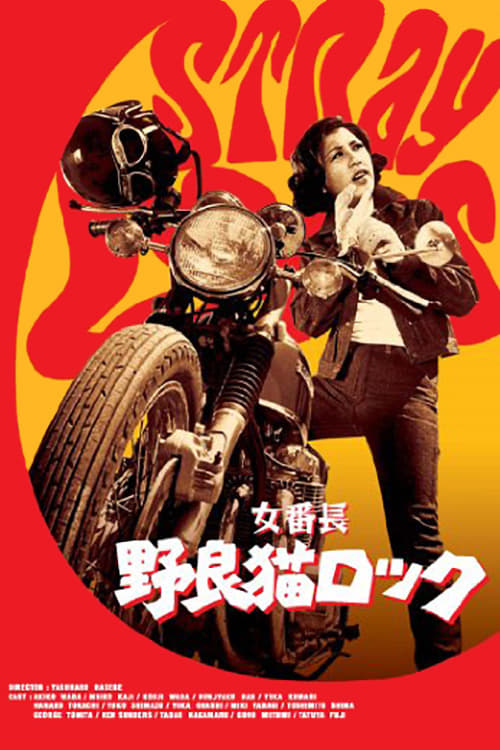
Stray Cat Rock: Delinquent Girl Boss (1970)

Also known as Alleycat Rock: Female BossFemale Juvenile Delinquent Leader: Alleycat Rock and Wildcat Rock, Yasuharu Hasebe directed this “violent pink” film, which is stylish yet grim, presenting a Japan that’s been through hell and refuses to look back. Everyone dresses well. Everyone is ready to fight. Everyone is prepared to die.

Roger Corman’s 1966 outlaw biker film The Wild Angels was a surprise hit in Japan. Toei cashed in with their film Delinquent Boss and the Nikkatsu studio went one further with this film, even aping the title of Toei’s film. Despite starting as a ripoff, the Delinquent Girl Boss series lasted for two years and give films which are fondly remembered.

Tough girl biker Ako (pop singer Akiko Wada, who was also the Japanese voice of Marge Simpson) meets Mei (Meiko Kaji!) and the Alleycats as they’re about to have a knife fight in Shinjuku with another gang of girls. Those girls have no honor and call in their men for help, but Ako helps the Alleycats to survive and becomes their leader.

Then, Mei’s boyfriend wants to join the Seiyu Group, a gang of right-wing Yakuza nationalists. To prove he belongs, he must convince his friend Kelly to throw a boxing match. However, the girls change his mind and he wins the fight. That leads to the main conflict of this movie, where the girls are on the run from this powerful gang.

Mei was just a supporting character here, but in the subsequent movies, she became the cool lead that she was meant to be. This movie is all about violence with style, as well as a girl gang that saves men instead of being saved by them. Everything is loud rock and roll, but it doesn’t feel like anyone is going to live forever.

Hasebe wanted to infuse his film with the culture of the time. He attended rock clubs and went to protests. The result was that Nikkatsu saw this movie as the new direction for their studio and moved toward more youth-oriented action films, including the sequel, Stray Cat Rock: Wild Jumbo, which was released only three months later.

The Alleycat Rock series came to an end when Meiko Kaji left the Nikkatsu studio to join Toei and become the star in the Female Prisoner: Scorpion series and Lady Snowblood. Hasebe made his mark, such as it is, on Japanese cinema with his series of even more depraved violent pink films, such as Assault! Jack the Ripper.

You can grab the Arrow box set of the entire series or watch this on Amazon Prime.

The Glorious Seven (2019)

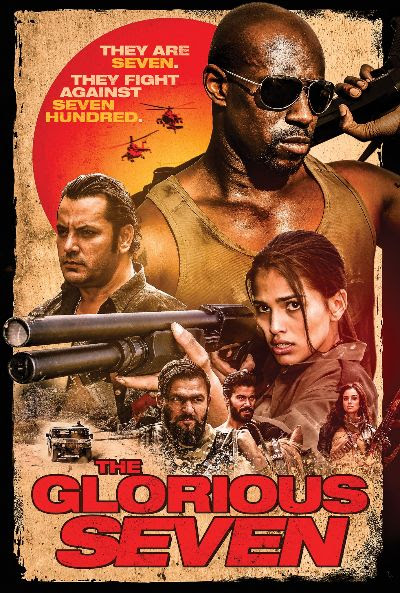
Seven mercenaries make up The Glorious Seven in writer-director Harald Franklin’s homage to Akira Kurosawa’s 1954 film The Seven Samurai.

The film has already been remade before. In 1960, director John Sturges turned it into The Magnificent Seven, which led to three sequels, Return of the Seven, Guns of the Magnificent Seven and The Magnificent Seven Ride. There was also a TV series that lasted from 1998-2000. In turn, it was remade in 2016.

The A-Team was another sort of remake that combined The Magnificent Seven with The Dirty Dozen. It was to originally star James Coburn, who played Britt in the film as Hannibal. That role went to George Peppard and Robert Vaughn, who played Lee in Sturges’ film, would appear in the final season of the show.

Speaking of Peppard and Vaughn, they both show up in another Seven Samurai reimagining, 1980’s Battle Beyond the Stars, with Vaughn playing nearly the exact same role as Gelt, down to even some of the same dialogue. It’s an intended homage, as the planet they seven defend in this film is called Akir, named for Seven Samurai director Akira Kurosawa.

That movie also features Sybil Danning, who would go on to be in yet another Seven Samurai-inspired movie, Seven Magnificent Gladiators.

The opening credits of The Glorious Seven directly reference both Seven Samurai and The Magnificent Seven by showing how each character in this movie relates to who they were inspired by in those films, including Yul Brenner’s Chris Adama and Toshiro Mifune’s Kikuchiyo. That’s pretty audacious and a lot for any movie to live up to.

Ex-military commander David Guerra has been hired by a crooked millionaire to rescue his wife, who was kidnapped by the leader of a guerrilla group. So he recruits six of his former special forces buddies to be part of his impossible mission.

The issue here is that the filmmakers want us to believe that this is a heartfelt homage to the films that inspired it — the aforementioned credits sequence pretty much shouts that out loud — yet the mission isn’t to protect people who can’t defend themselves. Instead, it’s to rescue the kept wife of an evil man who we’re shown is wrong in no uncertain terms.

Instead, this is simply an action movie with leanings toward being seen in the same light as the aforementioned films. It can’t live up to that, no matter how many MMA fights and bullets get fired. It’s fine at that, but when judged against to the movies that it makes a direct comparison to in the opening credits, it can’t help but suffer.

Glorious Seven is available on demand and on DVD as of March 12.

DISCLAIMER: We were sent this movie by its PR firm, but that doesn’t impact our review.

Screamers (1979)

Guillermo del Toro often refers to Lucio Fulci as a director who “gets high on his own supply.” Me? I’d love to know whatever Sergio Martino started mainlining around 1979.

Starting with 1971’s The Strange Vice of Mrs. Wardh, Martino cut a bloody path through the giallo genre, aided and abetted by the ultra adorable Edwige Fenech and the glaring eyes of Ivan Rassimov, amongst others. Just the titles of them make me excited: All the Colors of the DarkYour Vice is a Locked Room and Only I Have the KeyThe Case of the Scorpion’s TailTorso (also known as The Bodies Bear Traces of Carnal Violence), The Suspicious Death of a Minor…these are the movies that I adore.

Sergio then started jumping genres, making movies for whatever trend was hot. Sex comedies? Try Sex with a Smile with Fenech, Barbara Bouchet and Marty Feldman. Cannibal films? Sergio made The Mountain of the Cannibal God. Nature on the loose, kinda like Jaws? Here’s The Great Alligator. Post-apocalyptic film? 2019: After the Fall of New York does that.

But then, Sergio starts getting nuttier. His movies start to combine genres into things you had no idea you wanted to see. Comedy movies with tons of cameos from soccer players like L’allenatore Nel PalloneHands of Steel, which combines The TerminatorThe Road Warrior and arm wrestling ala Over the Top into a truly baffling cocktail. Then there’s American Tiger, a movie where a gymnast battles the forces of televangelist/warthog Donald Pleasance when he’s not pulling a rickshaw or having sex in the shower with his jeans still on.

Whatever supply Sergio started getting high on around 1978 or so, I want some of it. And I want it now. Because he takes that same lunatic zeal into this movie, which combines movies about amphibians, Atlantis and cannibals into one confusing yet arresting mess. How did you do it, Sergio?

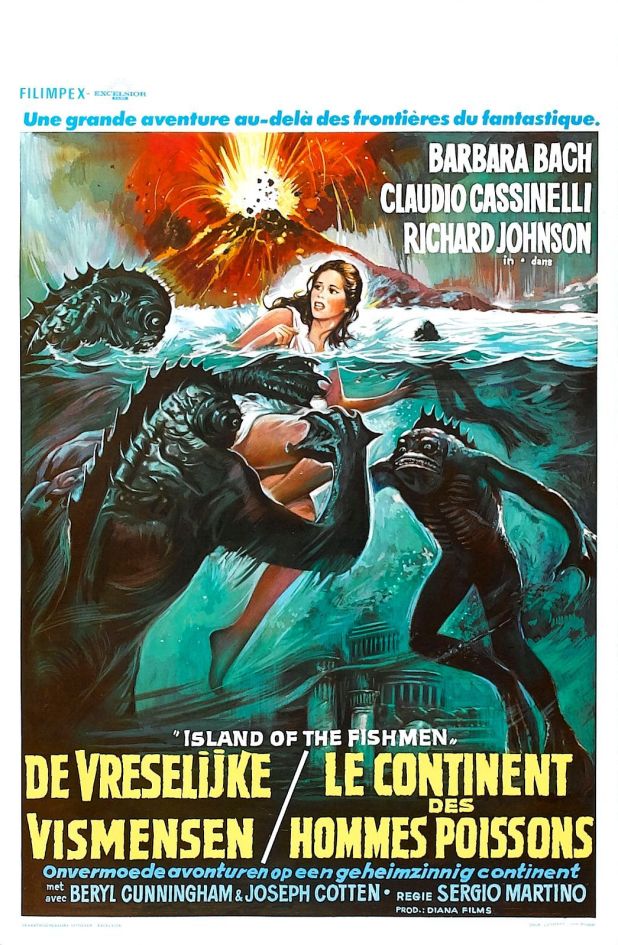
Originally released as Isle of the Fishmen in his native Italy, this movie was acquired in the U.S. by New World Pictures. Miller Drake was hired to create a new opening for the film, which features Cameron Mitchell and Mel Ferrer looking for Atlantean treasure on an island before getting messily killed by fishmen. Retitled Something Waits in the Dark, the movie didn’t do well.

Then, Jim Wynorski (Chopping Mall, Sorceress) recut and reedited the movie as Screamers, including a new scene where a man is turned inside out. Nearly half an hour of the Italian version of the film was chopped out to make room for the American footage in both movies.

Let’s get into it: In the year 1891, Lieutenant Claude de Ross (Claudio Cassinelli, Zeus from HerculesMurder Rock) survives two shipwrecks in a row to wash up on an uncharted island in the Caribbean. Soon, we meet the fishmen who start killing off anyone who comes near them, like the convicts Claude survived with. They run into the jungle, only to meet our villain, Edmond Rackham (Richard Johnson, Dr. Menard from Zombi).

Rackham also has Professor Ernest Marvin (Joseph Cotten!) and his daughter Amanda (Barbara Bach, future wife of Ringo Starr) captive, using the Professor’s scientific abilities to create more amphibious monsters that he can control. Turns out he’s told the Professor that these transformed humans can help save the world by creating people who can live off the ocean’s resources. Sure. Whatever.

The truth? They’ve found Atlantis and these creatures are being used to steal the treasures of that sunken continent. Also: Rackham has another army, all voodoo warriors and a priestess named Shakira who keeps reading from her prophecy of the island’s destruction.

Of course all hell is about to break loose. How couldn’t it? There are so many ingredients in this stew, it just had to boil over at some point.

This movie is completely ridiculous, which is shorthand for me saying that I loved it. It makes absolutely no sense whatsoever, which is exactly what I was hoping for. I came to this wanting to see underwater creatures kill people and I got that, plus voodoo, Atlantis and Barbara Bach. Thanks Sergio!

Sergio Martino would come back to this story sixteen years later, making a sequel called The Fishmen and Their Queen.

You can get this from Ronin Flix or watch it on Amazon Prime.

Ten Bava Films

Whenever I get down, I just remember that this world produced Mario Bava and his incredibly rich body of work. Who could go from Hercules movies to spy spoofs to gothic horror, then find time to invent both the giallo and the slasher?

The son of Eugenio Bava, who worked as a special effects photographer and cameraman, Mario began working as a cinematographer in 1939. He shot short films with Roberto Rossellini and worked alongside his father, creating special effects in Benito Mussolini’s Istituto Luce, which still exists today.

You can see his cinematography and special effects work in 1955’s Kirk Douglas starring Ulysses and 1957’s Hercules, which introduced Steve Reeves to the world. These movies are instrumental in kickstarting Italy’s peblum –or sword and sandal — film genre.

His first film as a director was I Vampiri (The Devil’s Commandment) in 1956, which he completed after its original director Riccardo Freda left midway through shooting. This is considered Italy’s first horror film. Bava also co-directed The Day the Sun Exploded, which is Italy’s first science fiction movie.

Bava again stepped in for Freda after he left the set of Caltiki the Immortal Monster, a movie that he received no credit for. After working on the lighting and effects for Hercules Unchained and The Giant of Marathon, Bava would finally step into the limelight.

His 1960 gothic horror tour de force Black Sunday introduced the world to Barbara Steele, but also loudly screamed that Bava was a force to be reckoned with. He followed that with a slew of horror films that embraced every color in the spectrum — and then some — with movies like Black Sabbath, Kill, Baby… Kill! (which Martin Scorsese has referred to as a masterpiece; it would also go on to influence Japanese horror), Lisa and the DevilShock and Baron Blood.

Always an innovator, Bava’s films The Girl Who Knew Too Much and Blood and Black Lace are considered the progenitors of the giallo film, while his ultraviolent A Bay of Blood so influenced the slasher film that parts of Friday the 13th Part Two are ripped off shot for shot from it.

Throughout his career, Bava would go from the highest heights to crushing disappointments, with some films like the aforementioned Lisa and the Devil and Rabid Dogs struggling to even be shown theatrically.

Bava’s lighting, camera movements and sense of style can never be duplicated. However, his influence can be seen in nearly every Italian film that came in his wake, as well as the movies of John Carpenter, Tim Burton, John Landis, Francis Ford Coppola (just watch Bram Stoker’s Dracula) and Guillermo Del Toro (Crimson Peak feels like a mix of Bava and other gothic films from Hammer).

It’s hard to boil down Bava’s oeuvre to just ten films, but my goal is to show his versatility and willingness to work in any genre to make art.
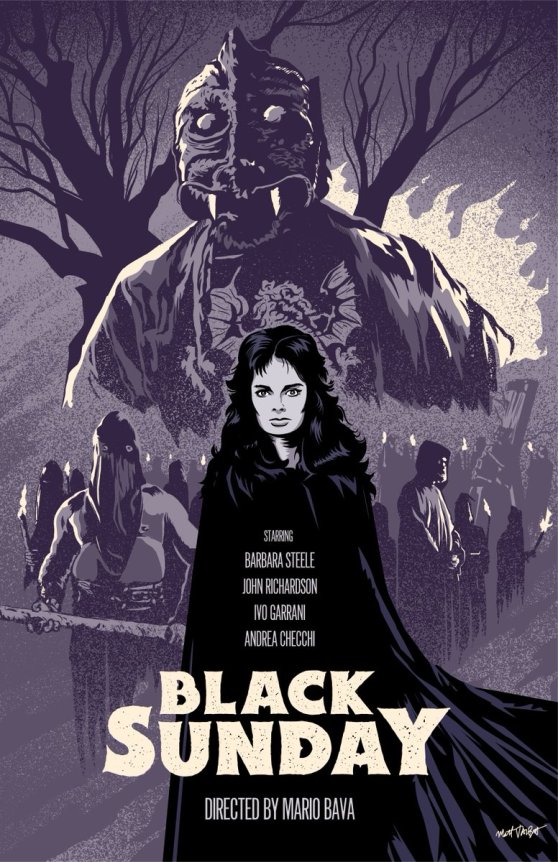
1. Black Sunday (1960): Most movies would be satisfied with being as good as the opening of this film, where the supernaturally alluring visage of Barbara Steele has a spiked mask pounded onto it while blood pours from the eyes. But no — Bava was just getting started. Its startling set pieces, such as Steele and her hounds walking through fog, have been imitated but never duplicated by directors like Burton, Coppola and Richard Donner.
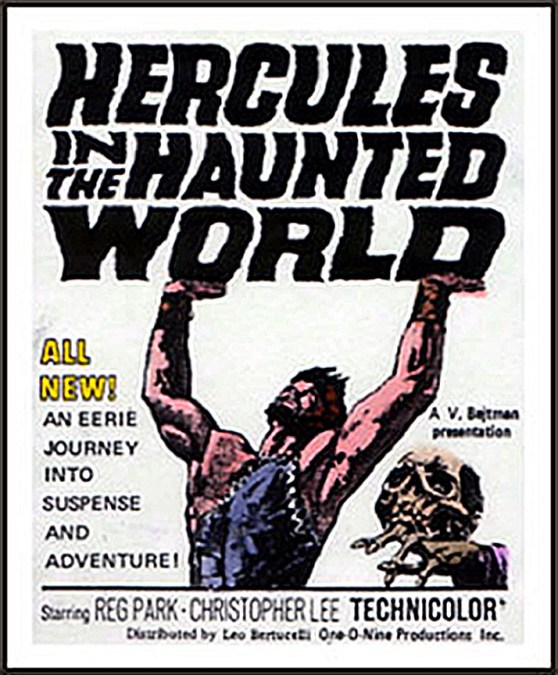
2. Hercules in the Haunted World (1961): Here, Bava defies budget, delivering a movie that truly feels like it was shot on location in the days of Greek gods. Swirls of fog, day glo skies and giant rock formations that may be fake but seem imposingly real are just part of the recipe completed by Christopher Lee and a script that easily bests every other sword and sandal epic.
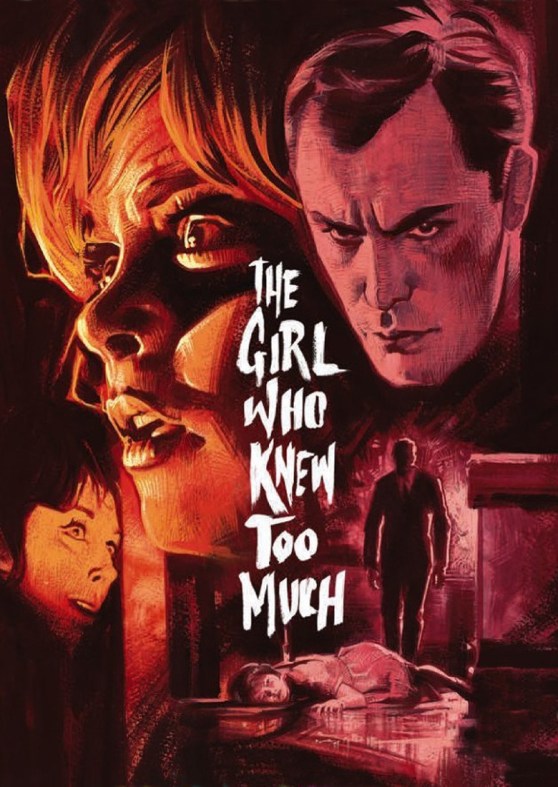
3. The Girl Who Knew Too Much (1963): With this detective tale, starring Leticia Roman and an incredibly young John Saxon, Bava started took the German mystery novel that giallo was inspired by and brought it to the screen. This was just the seed of the future that was planted and would be further watered by another film down the list.
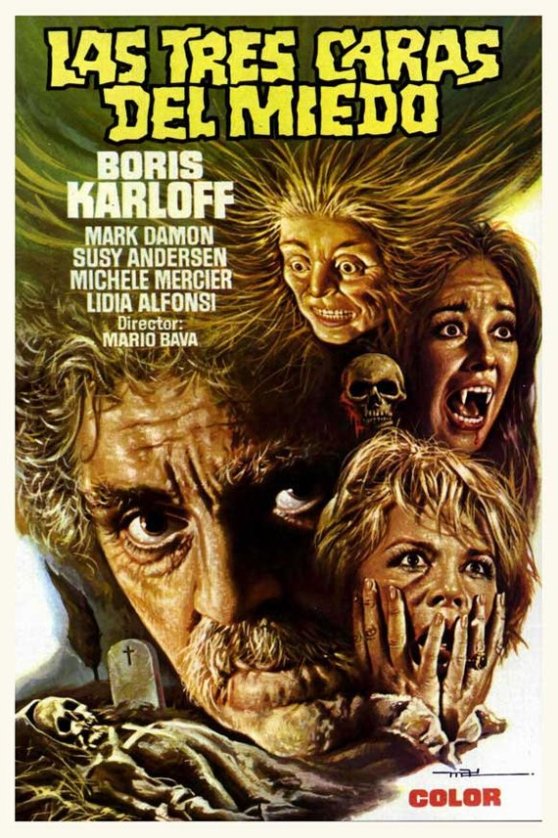
4. Black Sabbath (1963): This portmanteau film did more than inspire fright. Its name on a marquee led to a band in Birmingham, England to change their name from Earth to this. The rest was history. It also influenced a movie that you would not expect. Quentin Tarantino, when making Pulp Fiction, said that “what Mario Bava did with the horror film in Black Sabbath, I was gonna do with the crime film.”
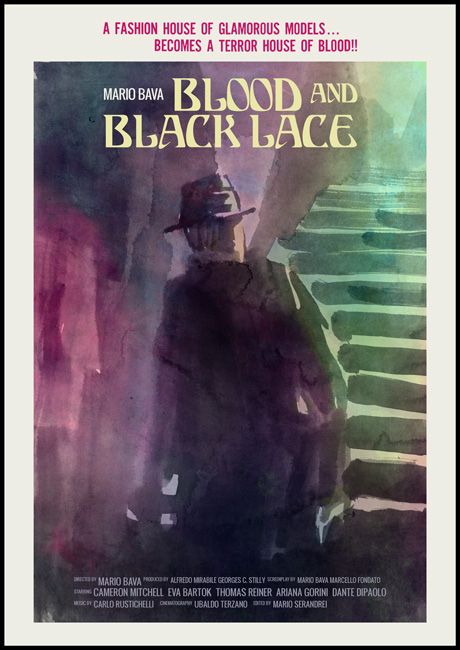
5. Blood and Black Lace (1964): Remember that whole invention of giallo idea thrown about earlier? This is where it really happens. The entire psychosexual, high fashion, neon-hued world that Argento would push to the rest of the world begins here, a film packed with menace, style and sex. It’s still shocking today, more than half a century later. A near perfect film, it was actually a bomb upon release and was considered too intense for American release.
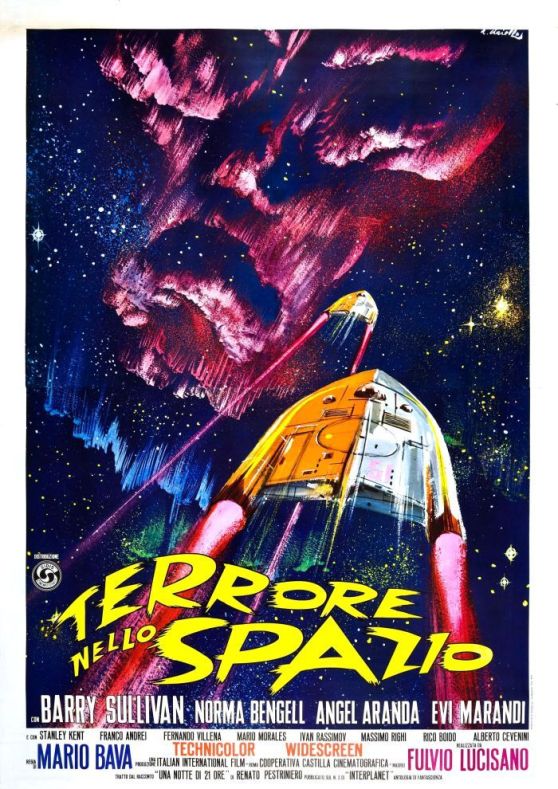
6. Planet of the Vampires (1965): If you ever wonder where Alien got its inspiration, look no further. Bava was again forced to take a low budget and make high art, with nearly all of the film’s effects done in camera. The maestro said, “Do you know what that unknown planet was made of? A couple of plastic rocks left over from a mythological movie made at Cinecitta!” Between process shots, miniatures, neon colors and no small amount of fog and mist, this is how science fiction should appear.
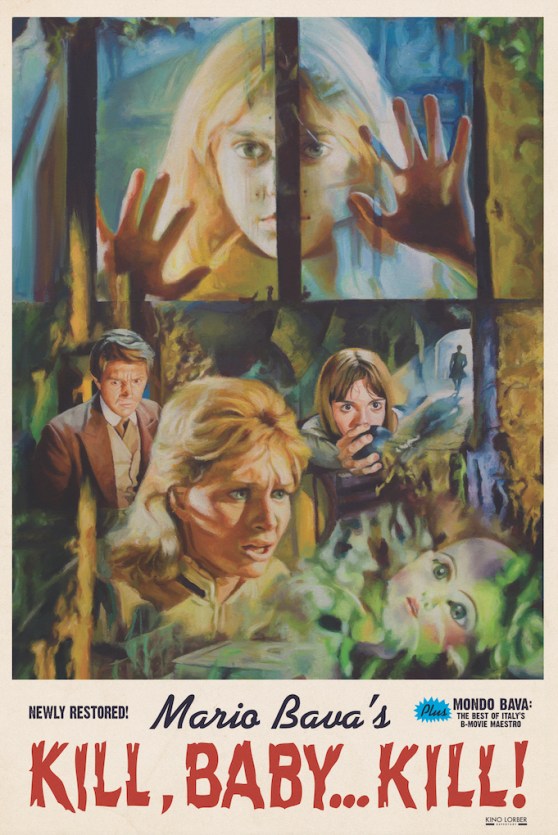
7. Kill, Baby, Kill! (1966): For a movie that would go on to inspire Fellini, Argento’s Suspiria and Scorsese’s The Last Temptation of Christ, Bava had to endure bad luck throughout filming, such as the production running out of money two weeks into being filmed. Everyone loved Bava so much that they stayed on and finished the film. There was so little budget that to get the effects that he wanted, Bava used a seesaw instead of a crane and went back to the silent movie era effects that his father had taught him. The bad luck continued when this film ran for only four days. History has proven it to be a success, but Bava stopped making horror films for years until Hatchet for the Honeymoon.
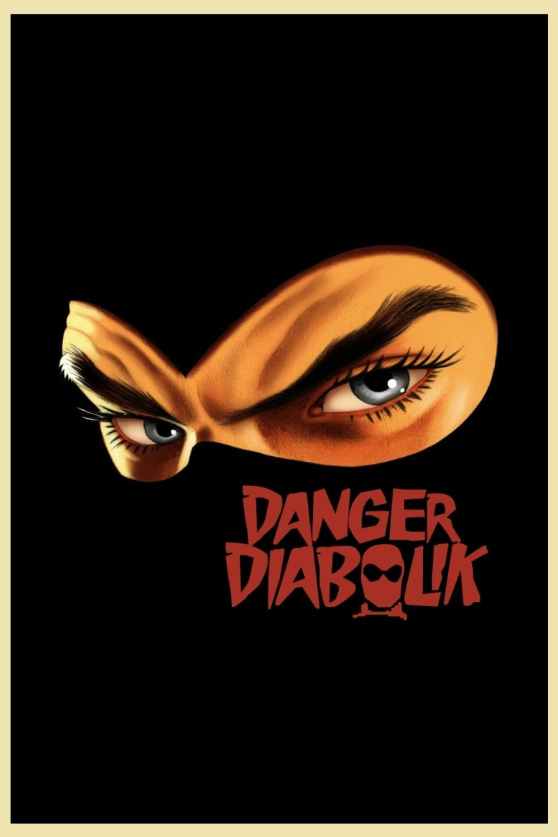
8. Danger: Diabolik (1968): You may notice that I throw around hyperbole in this article, using phrases such as “a perfect movie.” Is there such a thing? When it comes to Mario Bava, the answer is yes, several times. Bava had already worked in the spy genre with 1966’s Dr. Goldfoot and the Girl Bombs (a movie that’s a sequel to two unconnected movies at the same time, Dr. Goldfoot and the Bikini Machine and Two Mafiosi Against Goldginger), but here he takes James Bond-era gadgetry to its highest peaks and creates what may be the most well-made of all superhero movies now and forever.
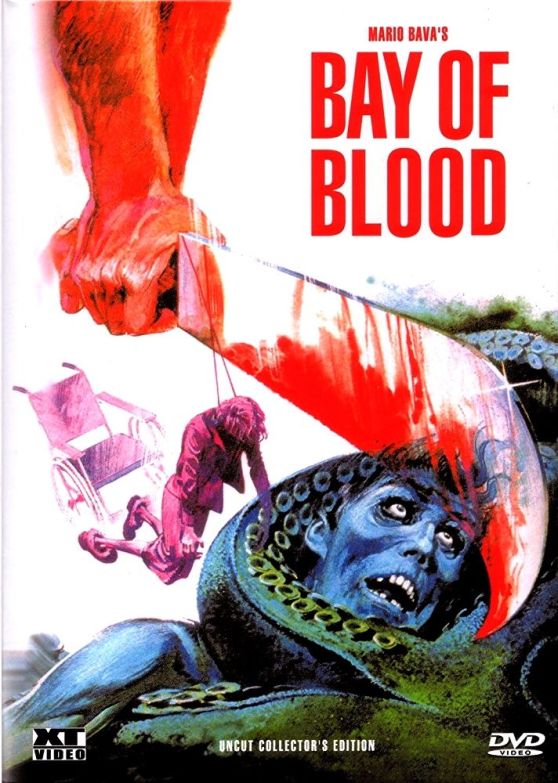
9. A Bay of Blood (1971): Also known as Twitch of the Death Nerve amongst many, many other titles, this film upset nearly every one of Bava’s biggest fans, such as Christopher Lee, who had starred in his film The Whip and the Body. Taking Blood and Black Lace‘s murders to the next level — and beyond — this is the movie that gave birth to the slasher. It’s nihilistic, gory and unafraid to murder nearly every single character in its cast. It’s also completely awesome.

Honestly, at this point, it’s hard to pick the last film. I adore Baron Blood, a film whose international success brought Bava back to the forefront of horror cinema. I dig Five Dolls for an August Moon, his Agatha Christy cover movie. And I can go on and on about the power of Shock, his last theatrical effort. But there can only be one pick.
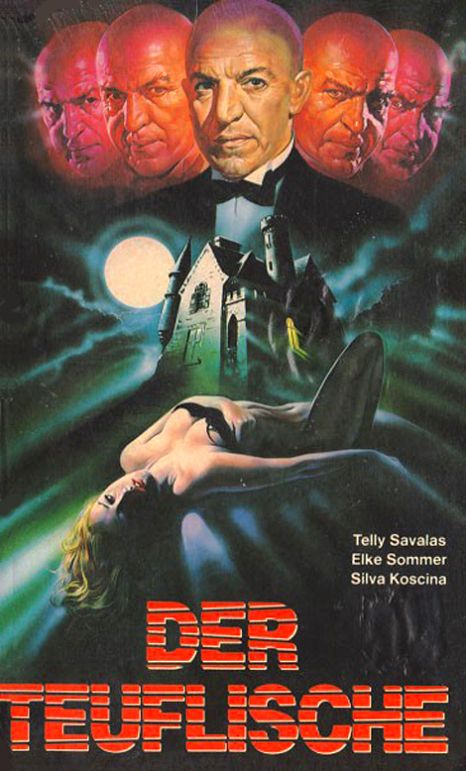
10. Lisa and the Devil (1972): After the success of Baron Blood, Bava was given full creative control of this movie, which sadly flopped in Italy and was retitled House of Exorcism in the U.S. The twenty new minutes of the film that rips off The Exorcist had nothing to do with Bava. Another heartbreak in a career of them, today this movie is seen much differently than it was upon release and it prefigures Argento’s move from the giallo to the supernatural.

I have one bonus film that you may or may not know had Bava’s involvement. 1980’s Inferno is the spiritual successor to Argento’s Suspiria. The director was stricken with a painful case of hepatitis and often directed lying on his back. To cover for him and help his son Lamberto, Bava was the second unit director, camera operator, lighting technician and special effects man for this movie, creating all of Inferno‘s optical effects, matte paintings and trick shots.

Hopefully, this list helps you discover Bava’s films or go back and enjoy them again. Do you have a favorite that I missed? Please tell us about it in the comments!
Space Mutiny (1988)

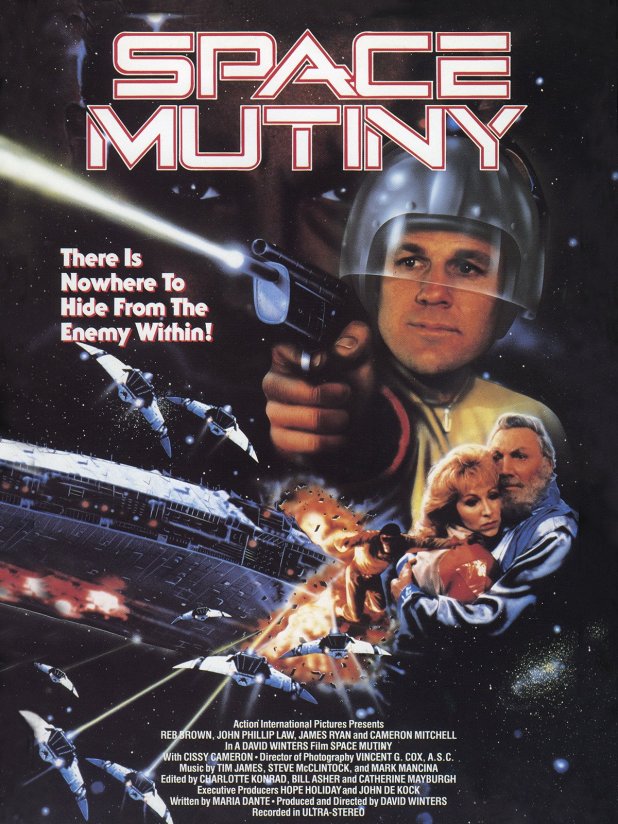
Somebody, somewhere, probably in South Africa where this was made, thought that Space Mutiny was a good idea. Certainly, it has an all-star cast (well, for me). It has great special effects (stolen from Battlestar Galactica). And it has…well, nothing else going for it. I really can’t even fathom how anyone looked at the final results and said, “Cut. Print. Magic.”

This entire movie takes place on the Southern Sun, a generation ship that carries a large number of families on their way to colonize a new world. For over thirteen generations, it has seen people live and die who will never leave the walls of the ship until it reaches its destination.

The fact that he’ll never leave the ship and see another planet doesn’t feel right to Elijah Kalgan (Danger: Diabolik star John Philip Law!). Along with the ship’s Chief Engineer and some space pirates, he uses the ship’s police group, the Enforcers, to hijack the Southern Sun and take it toward another system. Hence, a Space Mutiny.

As all of this is happening, an important professor is about to visit the ship. He dies as his shuttle lands, but his pilot, Dave Ryder (Reb Brown, who is Yor, Hunter from the Future!) survives. For weeks, Kalgan takes over the ship while the flight deck is sealed off. But Commander Jansen (Cameron Mitchell!) has a plan. Ruder and Jansen’s daughter Dr. Lea Jansen (Cisse Cameron, whose first movie was Billy Jack) will take back the ship.

Yes, this is a Star Wars ripoff bold enough to call a female character Lea and have her look pretty much exactly like Debbie Reynolds. It’s also rife with errors, supposedly because its original director, Dave Winters, was called away because of a death in the family. Winters also directed the filmed concert of Alice Cooper’s Welcome to My NightmareThe Last Horror Film with Joe Spinell and Caroline Munro and, of course, Thrashin’, a movie that was constantly checked out of my local video store.

Space Mutiny

For example, the engineering areas of the ship were filmed in an industrial building with very 1980’s looking brick walls and concrete floors. The bridge? That should look high tech, right? Nope. It literally looks like an office cubicle farm. And while the guys wear silver or white jumpsuits, the ladies for some reason all get to wear spandex camel toe creations.

Why should we be upset that one of the officers, Lt. Lemont, is dramatically killed off in a scene when she shows up just fine in the very next one? And be on the look out for that Lorne Greene cameo via a stock shot of the bridge! Truly, Space Mutiny is a movie above such concerns. I mean, how do you can explain a ship that is in space, but the windows show blue skies outside?

Cameron Mitchell made this one a family affair, with his daughter Camille Mitchell doing the voice for an alien named Jennara and his son Chip is in this as Blake, a mustachioed member of Kalgan’s gang.

You have to see Space Mutiny to believe it. You can watch it on Amazon Prime, or choose to see it with either Mystery Science Theater 3000 or Rifftrax commentary.