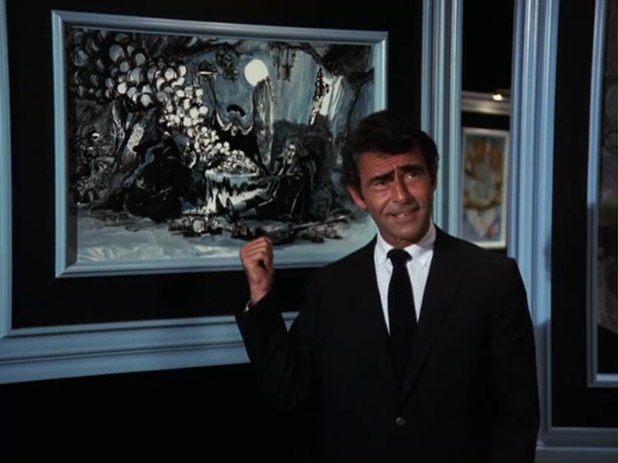
When Michael Calls (1972)

Helen Connelly (Elizabeth Ashley) is going through a change in life, finally leaving her husband Doremus (Ben Gazarra). But maybe she misses him. And maybe she’s losing her mind, as she keeps getting phone calls from her fifteen years dead nephew Michael. And maybe it’s the supernatural because with each call, someone dies.

Before it’s all over, Michael’s brother Craig (Michael Douglas), a psychiatrist at a school for disturbed children, reveals that yes, that’s Michael’s voice; then no small manner of deaths happen, like a police officer’s body falling out of a tree in front of kids and someone murdered by bees.

When the movie moves from its ghost story origins in the latter half, it loses a bit. But it’s a fun TV movie that doesn’t ask much of you and delivers some small screen chills (and kills).

Based on the book by John Farris (who wrote the screenplays for The Fury and Dear Dead Delilah),  this is directed by Philip Leacock (Baffled, Dying Room Onlyten episodes of Gunsmoke) and written by James Bridges (he directed and wrote The Paper Chase and The China Syndrome).

For some reason, in the VHS era, this was re-released as Shattered Silence.

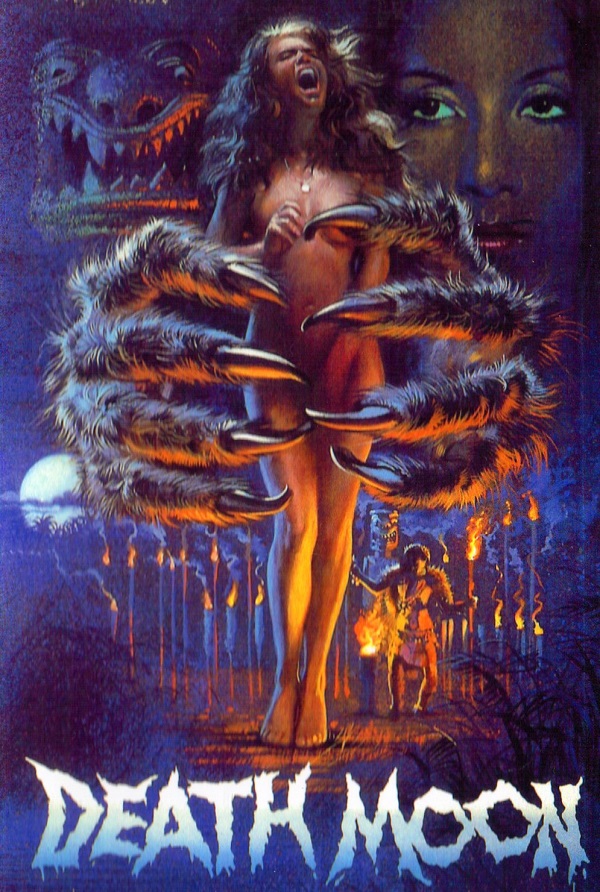
Deathmoon (1978)

Jason Palmer (Robert Foxworth, Frankenstein) has been having issues with stress and his doctor recommends a vacation. Hawaii sounds nice. Except, well, Hawaii is here Jason’s grandfather once worked there and got cursed by a coven and now, all of the Palmer males become werewolves.

It could happen.

Directed by Bruce Kessler (tons of TV work, including Cruise Into Terror) and written by Jay Benson and George Schenck (The Phantom of Hollywood), this movie mixes werewolves — without leis — with Joe Penny as a hotel detective and Palmer’s romance with Diane May (Barbara Trentham).

Not into it yet? What if I tell you that Debralee Scott of Welcome Back, Kotter and Mary Hartman, Mary Hartman took a shower in it? A made for TV shower, you pervert! And for the ladies, Dolph Sweet, the gruff dad from Gimme a Break!

This has a fine time lapse transformation, but come on. We needed a scene where Palmer has a I Was a Teenage Werewolf freakout while wearing a Hawaiian shirt. That’s the kind of insanity I demand. That said, for a TV movie, this is fun.

Here’s a drink to go with the movie.

Cubby’s Cove

  • 1 1/2 oz. vodka
  • 1/2 oz. orgeat (or you can substitute almond syrup)
  • 1 tsp. grenadine
  • 1/2 oz. lime juice
  • 1/2 oz. lemon juice
  1. Shake with ice in a cocktail shaker. Strain into a chilled glass and get ready to howl.

APRIL MOVIE THON 2: The Owl (1991)

April 28: Alan Smithee — IMDB has 115 movies credited to the Alan Smithee pseudonym, which was created by the Directors Guild of America for use when a director doesn’t want their name on a movie.

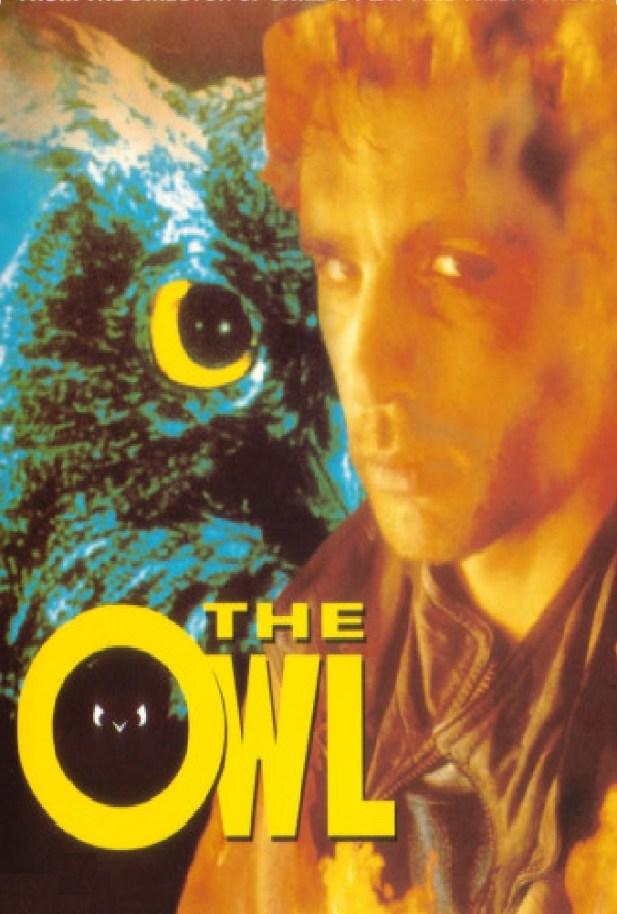
Alex L’Hiboux (Adrian Paul, Highlander: The Series) — his last name is the owl, get it? — is a vigilante who is known as The Owl because he hasn’t slept since his wife and daughter were killed eight years ago. Thanks to a young girl named Lisa (Erika Flores), he takes on a case to find her father and reconnects with the policewoman who helped him on the night of the tragedy that changed his life, Danny Santerre (Patricia Charbonneau).

Originally broadcast as a television pilot on CBS from 10:45 p.m. to 11:45 p.m. on Saturday, August 3, 1991 — this is what we call burning off a pilot — this was a 48-minute episode. When it was released on home video, every single shot ever filmed was reused and padded to make it 84 minutes long. Director and writer Tom Holland asked for his name to be taken off the home video.

Brian Thomson, who plays the bartender who is The Owl’s frenemy, was the Night Slasher in Cobra, Bozworth in Fright Night 2 (which Holland did not work on) and Shao Khan in Mortal Kombat: Annihilation.  Oh yeah, speaking of people in Cannon movies, Rick Zumwalt — Bull Hurley from Over the Top, Joshua in Penitentiary III and Boom Boom in Rockula — also shows up. And holy Canadian crap, there’s Alan Scarfe, the dad from Cathy’s Curse!

You know why people liked the Punisher back before his logo became a Nazi flag for cowards? Because you could have empathy for what he’s been through. The Owl seems like such a jerk that it’s hard to ever feel anything for him.

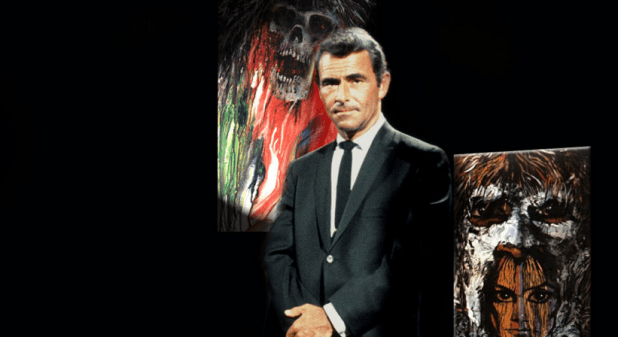
Night Gallery season 2 episode 16: Lindemann’s Catch/A Feast of Blood/The Late Mr. Peddington

There are only seven episodes left in the second season of this show and here’s hoping that there’s some magic in this journey into the Night Gallery.

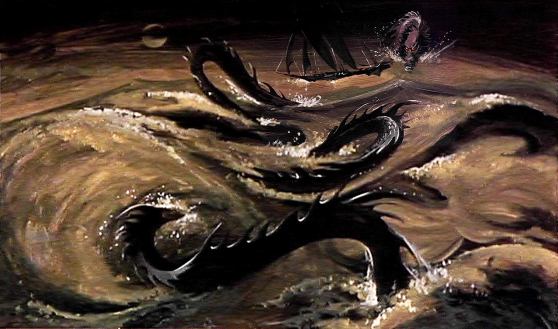
“Lindemann’s Catch” was directed by Jeff Corey and written by Rod Serling. In anyone else’s hands, the end of this story would be like the comedy moments that litter this series. Yet there’s a lot of sadness in this story of Captain Hendrick Lindemann (Stuart Whitman), a fisherman who finds a mermaid (Annabelle Garth). The rest of his crew dreams of the money they’ll make by exploiting her. He dreams of love. He wants her to be able to live on land with him and even magic can’t make that happen.

“A Feast of Blood” is directed by Jeannot Szwarc and written by Stanford Whitmore. The teleplay is based on “The Fur Brooch” by Dulcie Gray and that title refers to the strange gift that Sheila (Sondra Locke) has been given by the much older Henry Mallory (Norman Lloyd). She’d rather be with someone younger and handsome, anyone but Malloy. “I’d sooner die than stay with you,” she yells and she gets her wish.

“The Late Mr. Peddington” has Thaddeus Conway (Harry Morgan) meeting with the widow Cora Peddington (Kim Hunter, Planet of the Apes) to plan the funeral of her husband. She needs the cheapest affair possible, as her husband left her just a $2,000 life insurance policy to live on for two years before she is given his substantial wealth. Randy Quaid makes an appearance as the embalmer in a story that really goes nowhere, but what do you expect from Jack Laird? This was based on “The Flat Male” by Frank Sisk and directed by Jeff Corey.

This episode feels like it’s kind of stalled out. I’m holding out hope that there will be a few great stories. I know “The Sins of the Fathers” is coming and that’s the thing keeping these reviews coming. That said, “Lindemann’s Catch” has a cold and dreary feel and at the end, when the captain dives into the water, ready to choose death over a life without a love that he feels as if he has connected to, Serling shows power even in an episode with some of the silliest special effects. One should be upset or frightened at the end instead of feeling the urge to laugh. Otherwise, that’s the bright spot of this Night Gallery.

APRIL MOVIE THON 2: The O. J. Simpson Story (1995)

April 28: Alan Smithee — IMDB has 115 movies credited to the Alan Smithee pseudonym, which was created by the Directors Guild of America for use when a director doesn’t want their name on a movie.

The Alan Smithee here is Jerrold Freedman, a director who also made a lot of TV before ending his career with this, including episodes of The X-FilesNight Gallery and movies and TV movies like Kansas City BomberA Cold Night’s DeathUnholy MatrimonyThe Boy Who Drank Too Much and The Comeback.

Written by Stephen Harrigan, who also write a John Denver TV movie, this movie has to decide when OJ is a good guy and when he’s, well, a monster who beat and killed his second wife.

Bobby Hosea is Simpson and he was a former football player, which helped. Jessica Tuck is the doomed Nicole Brown Simpson. If you’re looking for famous people, well, there’s Terence Howard as young AC and Bruce Weitz as Robert Shapiro. But otherwise, one imagines that actors really avoided being in thsi cash-in movie, which was filmed in 1994 and not aired until after there was a jury for the trial.

The one thing I learned is that the biggest fight that OJ had with his wife, the one that led to the 911 call when he attacked her, was over her saying that he’d never win an Oscar being in a movie called The Naked Gun. Now, I’m not saying OJ was right, but I love The Naked Gun and Nicole nearly kept the world from seeing Nordberg going down the steps in a wheelchair. He’s still wrong and a murderer, but for that moment, for the first time ever, I understood a bit of how he felt. That’s filmmaking.

APRIL MOVIE THON 2: The Venus of Ille (1981)

April 25: Bava Forever — Bava died on this day 43 years ago. Let’s watch his movies.

In 1981, RAI-TV in Italy showed six hour-long films based on stories by 19th century horror/fantasy authors that were directed by several Italian genre talents, including Marcello Aliprand (the writer of L’arma, l’ora, il movent), Giulio Questi (Django Kill…If You Live, Shoot!Death Laid an EggArcana), Giovanna Gagliardo, Piero Nelli, Tomaso Sherman and, most essentially to this article, Mario Bava.

“La Venere Dille” (“The Venus of Ille”) would be the final filmed work that Bava would create and it was written and co-directed by his son Lamberto. Adapted from Prosper Merimee’s story, it starts when a bronze statue of Venus is uncovered. Originally a source of celebration and wonder to the rich and powerful, the workers of the small village see the female carved form as a cursed objet d’art that can move on its own and take on the form of others. Certainly, that’s what happens when Clara’s (Dario Nicolodi, who was also in Bava’s Shock amongst her many, many contributions to cinema) fiancee Alfonso (Fausto Di Bella) places her ring upon its finger while drunk one rainy night.

Meanwhile, an antiques expert and artist named Matthew (Marc Porel, The Sister of Ursula) has been summoned by Alfonso’s father Mr. de Peyrehorade (Fausto Di Bella) to assess the value of the statue. He’s been sketching it for some days before he realizes that he’s been drawing Clara. Or is the statue becoming her?

Shot in 1979 and not aired until after Bava’s death in 1981 (and after Lamberto started making his own movies, including Macabre), this was shot on film and therefore seems of much higher quality than just a TV series. It serves as both a fitting close to Mario’s career and a wonderful gift to his son, as well as an opportunity for the two to work together on a piece of art.

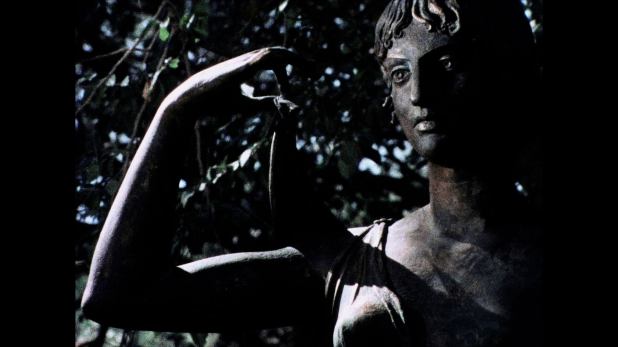
The whole affair looks gorgeous with one moment of rain across the face of the statue and another where Matthew is drawing near it but obviously already obsessed with Clara, the soon-to-be wife of a friend who doesn’t seem to be all that great of a person. The story doesn’t suffer at all from being a TV episode, as at a bit over seventy minutes it has time to stretch out and engage you.

You can get the entire series from Severin.

EDIT: Thanks to Scott for catching a horrible typo. Much appreciated.

Night Gallery season 2 episode 15: Green Fingers/The Funeral/The Tune in Dan’s Cafe

There are three stories in this episode, which often feels like too much, but I promise to be open minded as we get close to the end of the second season of Night Gallery.

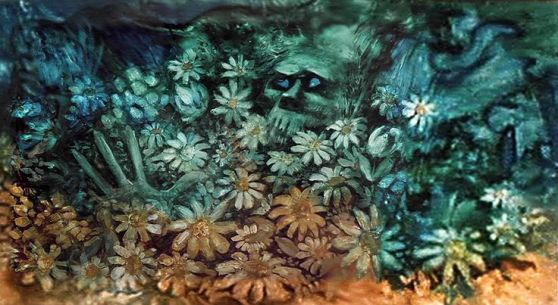
“Green Fingers” was directed by John Badham from a Rod Serling script, which was based on an R.C. Cook short story. Elsa Lanchester (once the Bride of Frankenstein) is Mrs. Bowen, who is great with a garden but in the way of Michael Saunders (Cameron Mitchell), a real estate mogul just going near manic to get his hands on her home and develop the area around it. Yet when he sends a henchman named Crowley (George Keymas) to rough her up, Saunders learns that even in death, Mrs. Bowen can make anything grow. I really disliked how the ending breaks the fourth wall, as this feels more Laird than Serling.

“The Funeral” is about funeral director Morton Silkline (Joe Flynn) planning the final resting moments of Ludwig Asper (Werner Klemperer, Col. Klink). The budget is sky high, the guests include vampires and Jack Laird as Ygor and it’s basically one long blackout gag. Directed by John Meredyth Lucas and written by Richard Matheson, this left a bad taste in my mouth.

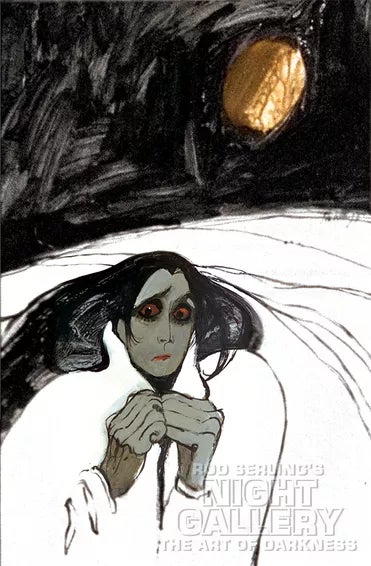
The final segment is “The Tune In Dan’s Cafe” and it has some of my favorite art of the entire series. It’s the only directing work of editor David Rawlins and has a script by Gerald Sanford and Garrie Bateson from a story by Shamus Frazer.

Joe and Kelly Bellman (Pernell Roberts and Susan Oliver) have a marriage that, well, is no longer a marriage. The vacation that was to save it failed and they’re left in this blank bar, the only people there, trapped in the void that is their lack of connection. The jukebox comes to like and only plays one song, the sad favorite tune of long gone couple Roy Gleeson (James Davidson) and his girl Red (Brooke Mills). She ratted him out to the police and took the money and ran. Now, that jukebox — every jukebox they put into Dan’s — keeps playing that same song.

Man, I loved this story and how great it looks, with repetitive images of the jukebox being destroyed. It elevated this entire episode.

It’s nice to be surprised by Night Gallery. Stick around when you watch this episode, as the final story really makes it.

APRIL MOVIE THON 2: Duel (1971)

April 18: Vroom — A movie mostly about cars.

Man, no matter who Dennis Weaver is battling — a Manson-like family against his RV-using vacationing clan (Terror on the Beach), the ghost of his dead daughter (Don’t Go to Sleep) or straight-up Peruvian snow (Cocaine: One Man’s Seduction) — I’m always on his side. He has an everyman quality that is so endearing. no matter how rough TV movies make his existence.

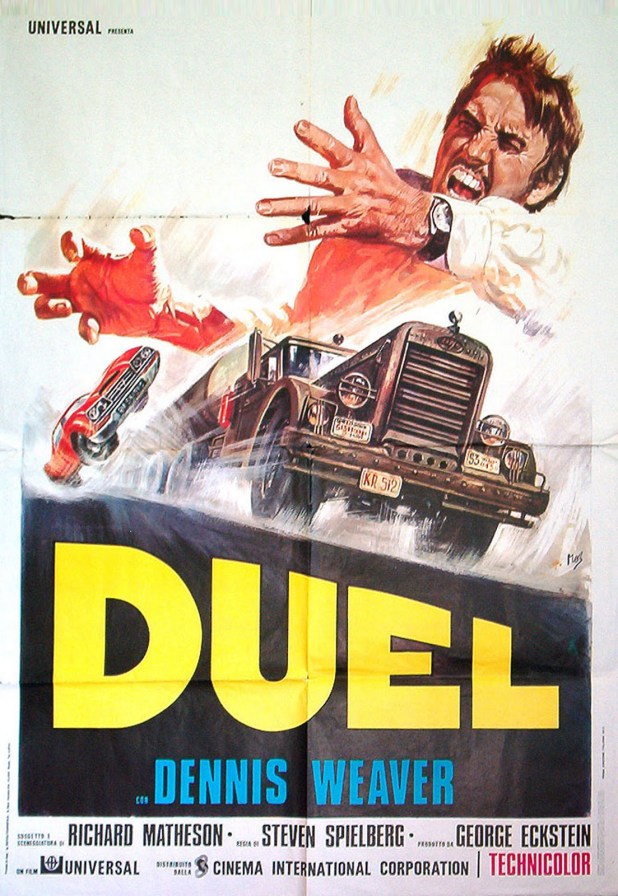
In Duel, the ABC Movie of the Week series for November 13, 1971 — and later an international release in theaters — he’s just a businessman in a Plymouth Valient who upsets the driver — never seen — of a 1955 Peterbilt 281 18-wheeler. It sounds so simple, but that’s what makes it work. There’s little dialogue in the movie with the car and truck pretty much speaking for themselves, as was the intention of its director, a young Steven Spielberg, making his first full-length film after working in series television on shows like Night GalleryThe Name of the Game, Marcus Welby, M.D.Columbo, Owen Marshall, Counselor at Law and The Psychiatrist. Universal signed him to several TV movies, which include Savage and Something Evil before he left TV behind and made The Sugarland Express and the film that would cement his status, Jaws.

Spielberg requested Weaver, as he loved him in Touch of Evil, and even has him use a line from that Orson Welles movie, as he tells the truck driver that he has “another thing coming.”

If you see a version with swearing and more talking, that’s because Universal paid the director to pad it for theatrical release. As for that sound — it seems like a dinosaur — that the truck makes when it dies, it’s the same sound as the shark at the end of the blockbuster Spielberg would later make. He’s said that there is a kinship between the two movies, which are about monsters threatening normal people and the sound effect being used again was “my way of thanking Duel for giving me a career.” It comes from the 1957 movie The Land Unknown.

The other reason this works so well is because of the script by Richard Matheson. He based it on a real story from his life, as a truck tried to run him off the road after a round of golf with Jerry Sohl on the day that JFK was killed. He tried to sell it as a movie for eight years before selling it as a short story to Playboy, where it was published in April 1971. Spielberg said of him, “Richard Matheson’s ironic and iconic imagination created seminal science-fiction stories and gave me my first break when he wrote the short story and screenplay for Duel. For me, he is in the same category as Bradbury and Asimov.”

If you liked this story, so many other Matheson tales have been made into movies: Icy Breasts is his story Someone Is Bleeding, plus there’s The Incredible Shrinking ManA Stir of Echoes, Ride the Nightmare (filmed as Cold Sweat), The Beardless Warriors (filmed as The Young Warriors), The Comedy of Terrors, The Legend of Hell HouseBid Time Return (filmed as Somewhere in Time), What Dreams May Come, “Prey” which is the “Amelia story in Trilogy of Terror, numerous episodes of Night Gallery and The Twilight Zone, “Steel” (filmed as Real Steel), the “No Such Thing as a Vampire” chapter in Dead of Night, plus the scripts for The Beat Generation, House of Usher, Master of the World, The Pit and the Pendulum, Burn Witch Burn, Tales of Terror, The Raven, The Devil Rides Out, Jaws 3-DThe Night StalkerThe Night StranglerDying Room OnlyScream of the WolfThe Box and so many more. His most filmed story is I Am Legend, which was made as The Last Man on EarthThe Omga ManI Am Aomega and I Am Legend. He really made his mark in the world with stories that will last forever.

I would dare say that Duel is in the top three of all made for TV movies of all time.
Night Gallery season 2 episode 14: The Different Ones/Tell David…/Logoda’s Heads

The last episode of Night Gallery for 1971, this episode has a story that harkens back to a Twilight Zone episode yet finds — despite the sheer bleakness of this show — to somehow find happiness where that found dread.

“The Different Ones” has a father by the name of Paul Koch (Dana Andrews) dealing with the Federal Conformity Act of 1993, which means that his son Victor (Jon Korkes) — who has a facial deformity — must be sent away to another planet if surgery can’t help him. Directed by John Meredyth Lucas from a script by Rod Serling, it has the happier ending of Victor finding the happiness that eluded him on Earth. I was waiting for darkness to intrude but instead, this only has light.

“Tell David…” is directed by Jeff Corey and is based on a Penelope Wallace script. On a stormy night, Ann Bolt (Sandra Dee) seeks shelter from the future tech abode of David Blessington (Jared Martin) and Pat (Jenny Sullivan). Yet she soon realizes that David is her son from twenty years from now and he tells her the mistakes she’s made that she must not make again. She must not kill her cheating husband Tony (Martin in a second part) and definitely not kill herself in prison. Yet sometimes, the future is going to happen no matter what we try.

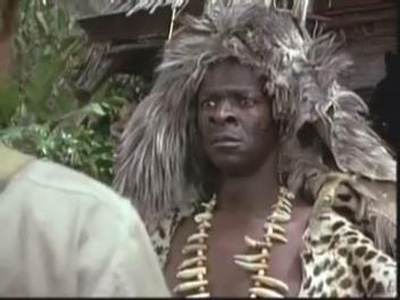
“Logota’s Heads” is about a witch doctor (Brock Peters) charged with the murder of an archaeologist. Directed by Jeannot Szwarc and written by Robert Bloch from an August Derleth story, it also has Patrick Macnee in the cast. Unfortunately, the story has an African witch doctor with shrunken heads, which mainly come from northern Peru and eastern Ecuador. Oh well…

I wish this episode didn’t feel all over the place but at least there wasn’t any comedy moments.

Night Gallery season 2 episode 13: The Messiah on Mott Street/The Painted Mirror

I like the idea of only two stories in an episode of Night Gallery, which gives the tales time to stretch out and, thankfully, avoid the comedy. Well, let’s see what happens.

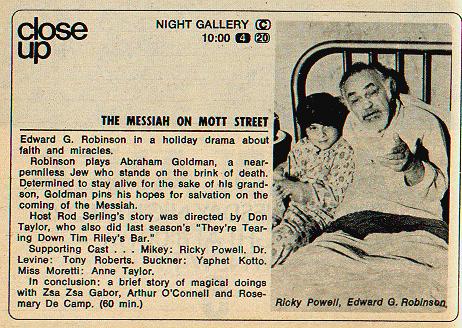
Directed by Don Taylor and written by Rod Serling, “The Messiah On Mott Street” finds Abraham Goldman (Edward G. Robinson) dying on Christmas Eve in the apartment he shares with his nine-year-old grandson Mikey (Ricky Powell). While his doctor Morris Levine (Tony Roberts) wants him to go to the hospital, Abraham is more concerned about the well-being of Mikey, who is an orphan. When the Angel of Death comes to his bed, Mikey runs into the snowy streets looking for the Messiah to save the only person who has been there for him.

He finds Santa Claus and man dressed as Jesus who is preaching the end of all things. As Mikey cowers in fear, he’s saved by a black man named Buckner (Yaphet Kotto) who he feels has to be the Messiah. He begs him to see his grandfather and save him. When they arrive, the Angel of Death has come again and promises that he will come for Abraham at midnight. And while the doctor laughs at the idea of the black man being the Messiah, perhaps happiness can exist even in a Night Gallery episode.

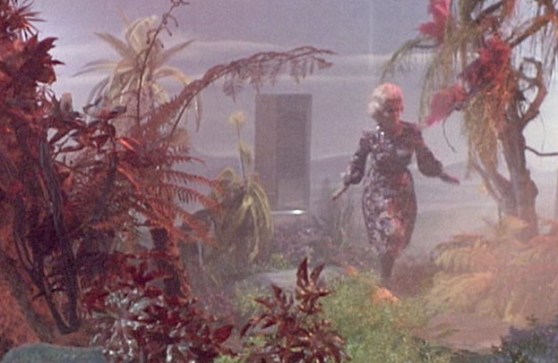
“The Painted Mirror” is directed and written by Gene Kearney. It’s about an antique store owned by Frank Standish (Arthur O’Connell) and Mrs. Moore (Zsa Zsa Gabo) who always seem at odds. When a customer named Ellen Chase (Rosemary DeCamp) brings in an ancient mirror, completely covered in black paint, Mrs. Moore will only carry it on consignment. It obsesses Frank, who removes the paint to reveal a prehistoric scene that viewers can reach into. Of course, this leads to the cruel Mrs. Moore and her dog being trapped there, painted over and inside the past, as a giant dinosaur comes after her.

This episode has one of Serling’s most touching screenplays and some great acting in the first story, so nearly no matter what follows it, it still has to be seen as a well-made episode. Along with Soylent Green, it’s hard to see an obviously ill Robinson play dying men, but he was a working actor who kept appearing in films and television up until his death. As for the second story, the stop-motion animation is really good and it’s a quick and fun installment.