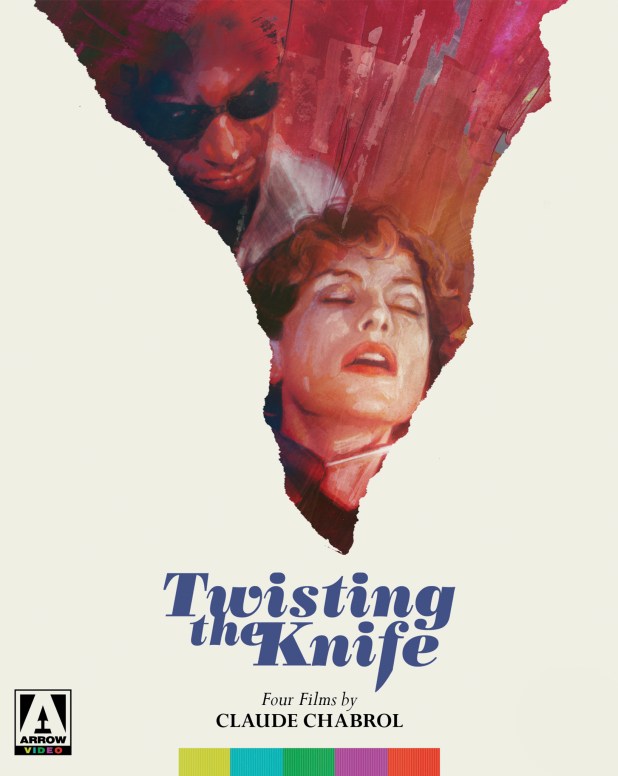
ARROW SET RELEASE: Twisting The Knife: Four Films By Claude Chabrol

After enjoying Lies and Deceit: Five Films by Claude Chabrol, the second set of his films from Arrow Video brings The SwindleThe Color of LiesNightcap and The Flower of Evil to your physical media collection.

Over five decades, Chabrol made fifty-five feature films and I hope that this is not the last collection from Arrow.

Here’s what’s on this release:
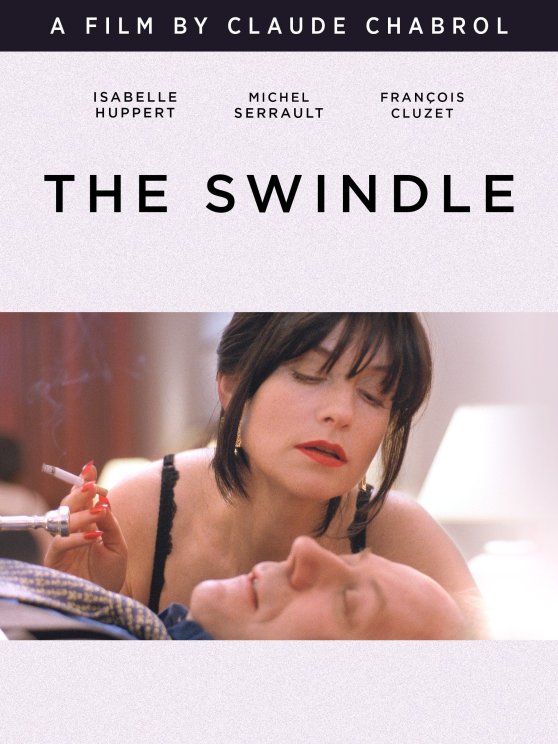
The Swindle (1997): When two scam artists — Isabelle Huppert and Michel Serrault — get in over their heads, who is scamming who?
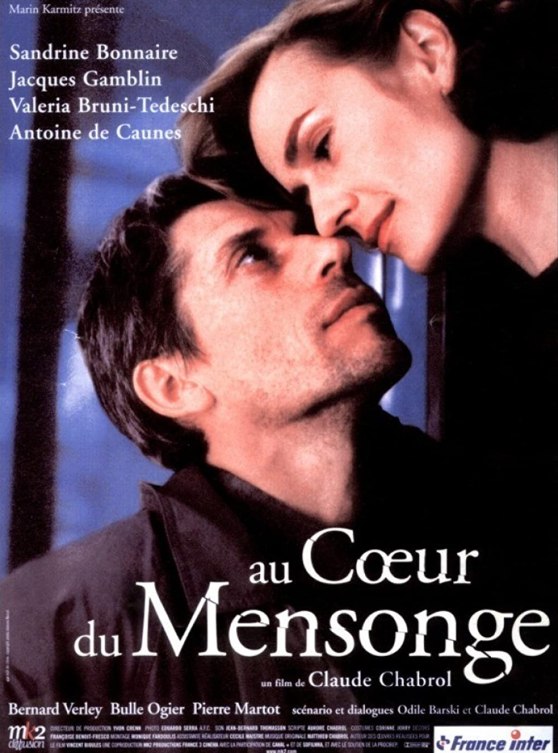
The Color of Lies (1999): The murder of a ten-year-old girl is blamed on the last person to see her alive, a once-famous painter who now teaches art.
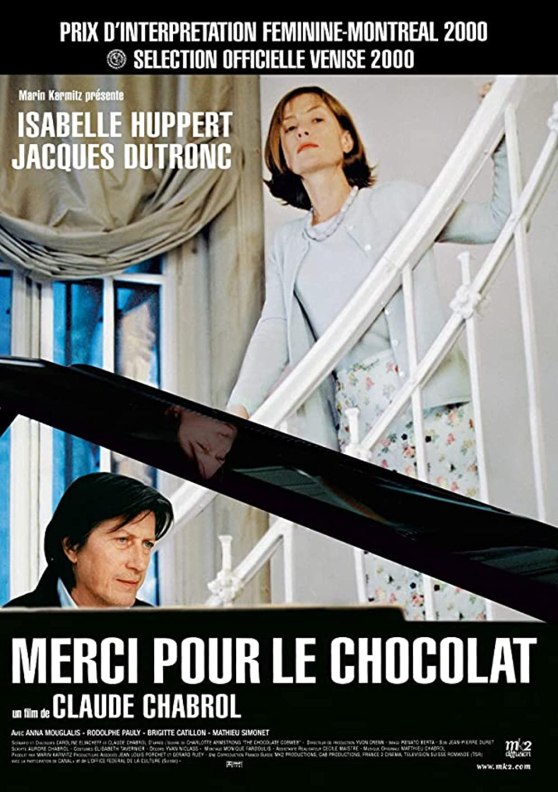
Nightcap (2000): John Waters called this tale of family secrets “cinematic perfection.”

The Flower of Evil (2003): The perfect family begins to unravel when the wife involves herself in politics and exposes long-hidden truths.

Twisting The Knife: Four Films By Claude Chabrol comes with high definition Blu-ray presentations of all four films, as well as new 4K restorations of The Swindle, NightcapThe Color of Lies and The Flower of Evil. You also get an 80-page collector’s booklet of new writing by Sean Hogan, Brad Stevens, Catherine Dousteyssier-Khoze, Alexandra Heller-Nicholas and Pamela Hutchinson, as well as limited edition packaging featuring newly commissioned artwork by Tony Stella.

The Swindle extras include new commentary by critic Barry Forshaw and author Sean Hogan, a new visual essay by scholar Catherine Dousteyssier-Khoze, a new interview with Cécile Maistre-Chabrol, behind-the-scenes, an interview with Isabelle Huppert, an introduction by film scholar Joël Magny, a trailer, an image gallery and select scene commentaries by Claude Chabrol.

The Color of Lies extras include new commentary by critic Barry Forshaw and author Sean Hogan, two new visual essays by film critics Scout Tafoya and David Kalat, an introduction by film scholar Joël Magny, behind-the-scenes, a trailer, an image gallery and select scene commentaries by Claude Chabrol.

Nightcap offers new commentary by film critic Justine Smith, a new visual essay by film critic Scout Tafoya, interviews with Isabelle Huppert and Jacques Dutronc, behind-the-scenes, a screen test for Anna Mouglalis, an introduction by film scholar Joël Magny, a trailer, an image gallery and select scene commentaries by Claude Chabrol.

The Flower of Evil has new commentary by film critic Farran Smith Nehme, a new visual essay by Agnes Poirier, behind-the-scenes, an interview with co-writer Catherine Eliacheff, an introduction by film scholar Joël Magny, a trailer, an image gallery and select scene commentaries by Claude Chabrol.

You can get Twisting The Knife: Four Films By Claude Chabrol from MVD.
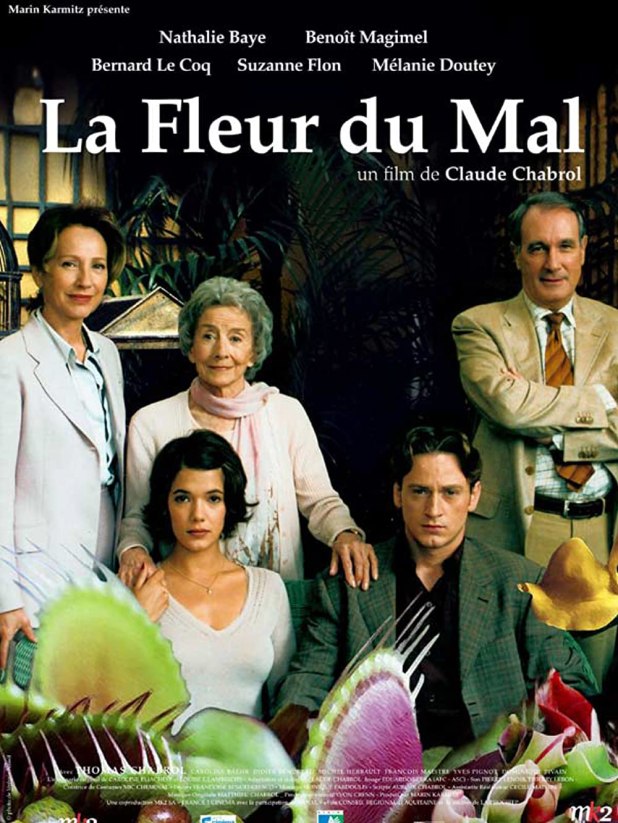
ARROW BLU RAY RELEASE: Twisting The Knife: Four Films By Claude Chabrol: The Flower of Evil (2003)

Three generations of a wealthy family are torn apart when Anne (Nathalie Baye), the second wife of drink philanderer Gérard (Bernard Le Coq), runs for mayor. That unleashes a political pamphlet that brings back so many old scandals, including war profiteering, corruption, Nazi collaboration, cheating, incest and generally not being very great people.

At the same time, François (Benoît Magimel), Gérard’s son from his first marriage, has returned from America and is soon leaving for a romantic weekend with his stepsister and cousin Michèle (Mélanie Doutey), who comes from Anne’s first marriage, not that that will look good to the public. Yet Aunt Line (Suzanne Flon) encourages this forbidden romance. Well, maybe not forbidden, because it seems like this family has been interbreeding since they were a family. So maybe that pamphlet is on to something.

Ah, that pamphlet. So many Gérard wrote it, which is up for conjecture, but he definitely tries to assault Michèle on the night that her mother secures the election. As he attempts to take her, he falls and dies, just as the victory party arrives.

Claude Chabrol was into his fiftieth film when this was made and he filmed what he was most interested in: the French rich, their scandals and a crime. It just so happens that one crime takes place in the past and another in the present, with both involving the same players.

Sometimes, you can play the same song over and over and if you’re good at it, we notice that the notes are slightly different and are still engaged by them.

Twisting The Knife: Four Films By Claude Chabrol comes with high definition Blu-ray presentations of all four films, as well as new 4K restorations of The Swindle, Nightcap and The Color of Lies. You also get an 80-page collector’s booklet of new writing by Sean Hogan, Brad Stevens, Catherine Dousteyssier-Khoze, Alexandra Heller-Nicholas and Pamela Hutchinson, as well as limited edition packaging featuring newly commissioned artwork by Tony Stella.

The Flower of Evil has new commentary by film critic Farran Smith Nehme, a new visual essay by Agnes Poirier, behind-the-scenes, an interview with co-writer Catherine Eliacheff, an introduction by film scholar Joël Magny, a trailer, an image gallery and select scene commentaries by Claude Chabrol.

You can get Twisting The Knife: Four Films By Claude Chabrol from MVD.
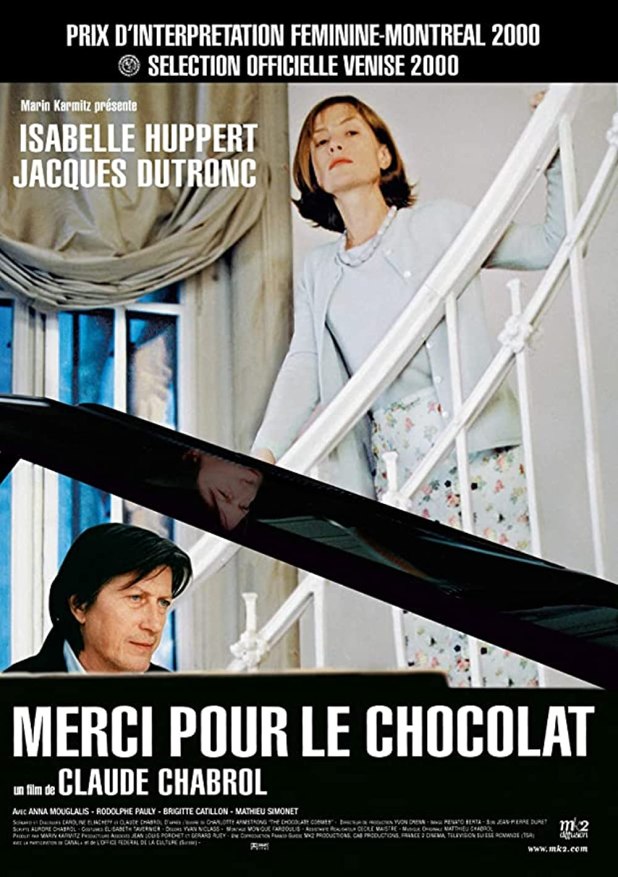
ARROW BLU RAY RELEASE: Twisting The Knife: Four Films By Claude Chabrol: Nightcap (2000)

Nightcap, also known as Merci pour le Chocolat, was based on the novel The Chocolate Cobweb by Charlotte Armstrong. It’s directed and co-written (with Caroline Eliacheff) by Claude Chabrol, whose career is being re-released by Arrow Video in several box sets.

André Polonski (Jacques Dutronc) is an internationally recognized concert pianist whose love life is interesting to say the least. He was first married to Mika Muller (Isabelle Huppert), the owner of a chocolate company before he left her for Lisbeth, the mother of his son Guillaume. When Mika dies in an automobile accident, he finds himself back in Mika’s arms and they’re soon married.

Guillaume is listless and doesn’t care for anything, while André abuses sleeping pills and ignores Mika. When a potential student Jeanne (Anna Mouglalis) arrives, she sees bad intentions in everyone. And as for her, she may be André’s daughter. And as for Mika, she may have murdered Lisbeth and is definitely poisoning Guillaume with the hot chocolate she serves him every night.

Shot in the home of David Bowie, Chabrol found himself turning to Hitchcock while making this film, if the poison-laced hot chocolate is any indication, as it’s so close to the arsenic coffee from Notorious.

John Waters selected this movie in his top ten films for 2002, saying “It’s her again. Isabelle Huppert poisons her family, and Claude Chabrol tells her how to do it with cinematic perfection.”

He’s right. If you ever need to cast a dispassionate murderess, always go with Isabelle Huppert.

Twisting The Knife: Four Films By Claude Chabrol comes with high definition Blu-ray presentations of all four films, as well as new 4K restorations of The Swindle, The Color of Lies and The Flower of Evil. You also get an 80-page collector’s booklet of new writing by Sean Hogan, Brad Stevens, Catherine Dousteyssier-Khoze, Alexandra Heller-Nicholas and Pamela Hutchinson, as well as limited edition packaging featuring newly commissioned artwork by Tony Stella.

Nightcap offers new commentary by film critic Justine Smith, a new visual essay by film critic Scout Tafoya, interviews with Isabelle Huppert and Jacques Dutronc, behind-the-scenes, a screen test for Anna Mouglalis, an introduction by film scholar Joël Magny, a trailer, an image gallery and select scene commentaries by Claude Chabrol.

You can get Twisting The Knife: Four Films By Claude Chabrol from MVD.
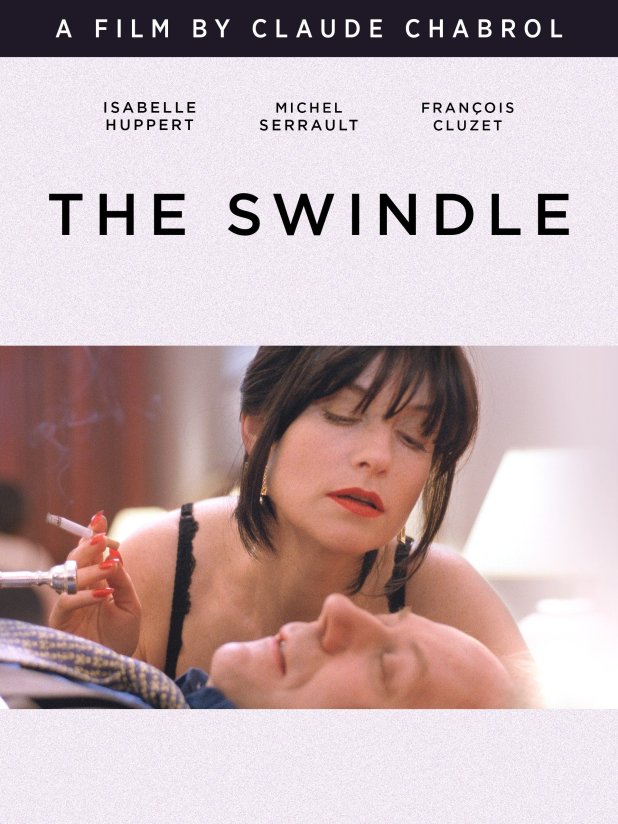
ARROW BLU RAY RELEASE: Twisting The Knife: Four Films By Claude Chabrol: The Swindle (1997)

Victor and Betty (Michel Serrault and Isabelle Huppert) have a great angle. They go to business conventions, Berry lures a man to her room and then slips him a knockout cocktail. Victor then appears and they take the cash they need.

Is there honor amongst thieves? Well, Victor lives by the rule that you should never be greedy and just take a small amount from each mark. Betty, however, wants bigger scams, so she joins up with Maurice (François Cluzet) and make a big switch that gets them all 5 million francs. But then Maurice turns up dead and the people who did it have Victor and Betty marked for their next victims.

Director and writer Claude Chabrol’s fiftieth film, The Swindle even pulls a trick on audiences, never revealing if Victor and Betty are relatives, associates or lovers. You can watch the movie multiple times and draw your own conclusion and make your own story within the game that Chabrol has created.

Twisting The Knife: Four Films By Claude Chabrol comes with high definition Blu-ray presentations of all four films, as well as new 4K restorations of The Color of Lies, Nightcap and The Flower of Evil. You also get an 80-page collector’s booklet of new writing by Sean Hogan, Brad Stevens, Catherine Dousteyssier-Khoze, Alexandra Heller-Nicholas and Pamela Hutchinson, as well as limited edition packaging featuring newly commissioned artwork by Tony Stella.

The Swindle extras include new commentary by critic Barry Forshaw and author Sean Hogan, a new visual essay by scholar Catherine Dousteyssier-Khoze, a new interview with Cécile Maistre-Chabrol, behind-the-scenes, an interview with Isabelle Huppert, an introduction by film scholar Joël Magny, a trailer, an image gallery and select scene commentaries by Claude Chabrol.

You can get Twisting The Knife: Four Films By Claude Chabrol from MVD.

ARROW BLU RAY RELEASE: Twisting The Knife: Four Films By Claude Chabrol: The Color of Lies (1999)

René Sterne (Jacques Gamblin) was once a famous painter but now lives in a small town and makes the majority of his money as a teacher. His mood is always dark, in contrast to his wife Vivianne (Sandrine Bonnaire), who is an eternally sunny optimist.

He needs that light because he’s now the main suspect in the assault and murder of a ten-year-old, which is being investigated by the new chief of police, Frédérique Lesage (Valeria Bruni Tedeschi).

What does the gossip columnist Germain-Roland Desmot (Antoine de Caunes) know about the case? Is he close to having an affair with Vivianne, who may be withdrawing from the happiness of her life and needing a change?

Director Claude Chabrol, who co-wrote this with Odile Barski, was one of the few French New Wave directors to not only keep directing for his entire life, but to make movies that were embraced by the mainstream. He generally kept to these small-town murders and how they impacted the traditional family lives of his victims in many films, variations on a theme that always remain slightly different and engaging, like a series of paintings from one period or theme.

Twisting The Knife: Four Films By Claude Chabrol comes with high definition Blu-ray presentations of all four films, as well as new 4K restorations of The Swindle, Nightcap and The Flower of Evil. You also get an 80-page collector’s booklet of new writing by Sean Hogan, Brad Stevens, Catherine Dousteyssier-Khoze, Alexandra Heller-Nicholas and Pamela Hutchinson, as well as limited edition packaging featuring newly commissioned artwork by Tony Stella.

The Color of Lies extras include new commentary by critic Barry Forshaw and author Sean Hogan, two new visual essays by film critics Scout Tafoya and David Kalat, an introduction by film scholar Joël Magny, behind-the-scenes, a trailer, an image gallery and select scene commentaries by Claude Chabrol.

You can get Twisting The Knife: Four Films By Claude Chabrol from MVD.
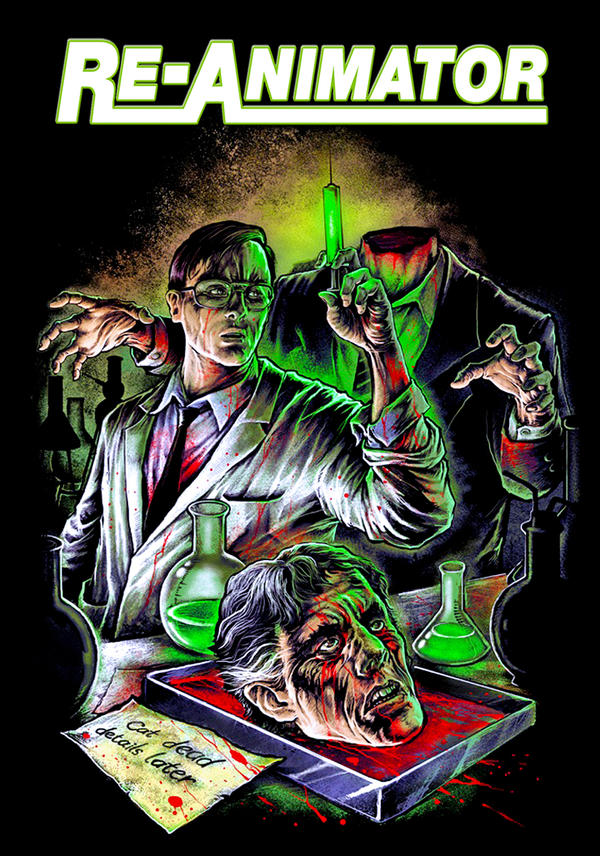
April Ghouls Drive-In Monster-Rama Primer: Re-Animator (1985)

April Ghouls Drive-In Monster-Rama is back at The Riverside Drive-In Theatre in Vandergrift, PA on April 29 and 30, 2022.

This Back to the 80s Weekend is going to be amazing!

The features for Friday, April 29 are Halloween 2Terror TrainMidnight and Effects.

Saturday, April 30 has Evil Dead 2Re-AnimatorDr. Butcher MD and Zombie 3.

Admission is still only $10 per person each night (children 12 and under free with adult) and overnight camping is available (breakfast included) for an additional $10 per person.

You can buy tickets at the show or use these links:

There is also a limited edition shirt available at the event.

Herbert West is amazing from the moment he walks into this movie. That’s all due to Jeffrey Combs, who owns every movie I’ve ever seen him in, like Castle Freak and The Frighteners.

Back when he was at the University of Zurich Institute of Medicine, he brought his dead professor, Dr. Hans Gruber (yes, the same name as Die Hard) back to life. However, the dose was too big and there were horrible side effects, he had to kill him, yelling, “I gave him life!”

He’s figured out a formula that can re-animate the dead and now he needs bodies that he can get thanks to his medical classmate Dan (Bruce Abbott, Bad Dreams). Of course, nothing is going to end up going well for anyone.

That’s because Dr. Carl Hill (David Gale) is in love with Dan’s girl, who is played by the always amazing and forever young Barbara Crampton (who is also incredibly great in Castle FreakChopping MallChannel Zero: The Dream DoorWe Are Still Here and more).

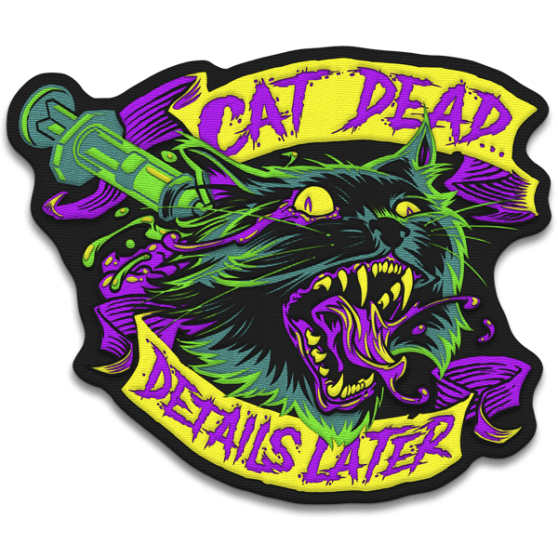
Miskatonic University is not ready for the sheer amount of gore and shenanigans that West is about to let loose. And when Rufus, Dan’s cat, is killed, well, why not bring him back to life and leave a note to explain?

You should totally buy this from https://cavitycolors.com/products/cat-dead-patch

As a result of this experiment, West and Dan get banned from the school, so they start breaking into morgues and injecting corpses with glowing liquid. Soon, the dead are violently rising to life and one of them ends up killing Megan’s dad, Dr. Halsey. So of course, they have to bring him back from the dead.

Dr. Hill ends up learning that our heroes — such as it is — have brought the dead back to life and he tries to take the formula. West will have none of that and lops off the evil scientist’s head with a shovel, then brings his head and body back from the dead.

Bad idea number, well, I’ve lost track. That’s because for some reason, the undead Dr. Hill can control the other zombies and now, he’s taken Megan for his own. If you think it’s disgusting that a zombie body places his own head in a pan between a naked woman’s legs so that he can go down on her, perhaps you should skip this.

Seriously: when David Gale’s wife first saw this scene, she stormed out shouting “David, how could you?!” They divorced soon after. For what it’s worth, Gale said that he felt “spiritually bereft” after filming the scene.

The film ends with West fighting Hill’s zombie intestines and Dan trying to bring Megan back from the dead. If you’re thinking sequel, so was everyone else, thanks to the 1990 follow-up, Bride of Re-Animator and 2003’s Beyond Re-Animator.

This whole movie is the result of a party conversation. Director Stuart Gordon was complaining that he’d seen too many Dracula and not enough Frankenstein movies, so someone asked if he had read the H.P. Lovecraft story that this movie was eventually based on. He hadn’t, he did and the rest is history. Bloody, bloody history.

The art for this article comes from MegaPlay Media on Deviant Art.

April Ghouls Drive-In Monster-Rama Primer: Evil Dead II (1987)

April Ghouls Drive-In Monster-Rama is back at The Riverside Drive-In Theatre in Vandergrift, PA on April 29 and 30, 2022.

This Back to the 80s Weekend is going to be amazing!

The features for Friday, April 29 are Halloween 2Terror TrainMidnight and Effects.

Saturday, April 30 has Evil Dead 2Re-AnimatorDr. Butcher MD and Zombie 3.

Admission is still only $10 per person each night (children 12 and under free with adult) and overnight camping is available (breakfast included) for an additional $10 per person.

You can buy tickets at the show or use these links:

There is also a limited edition shirt available at the event.

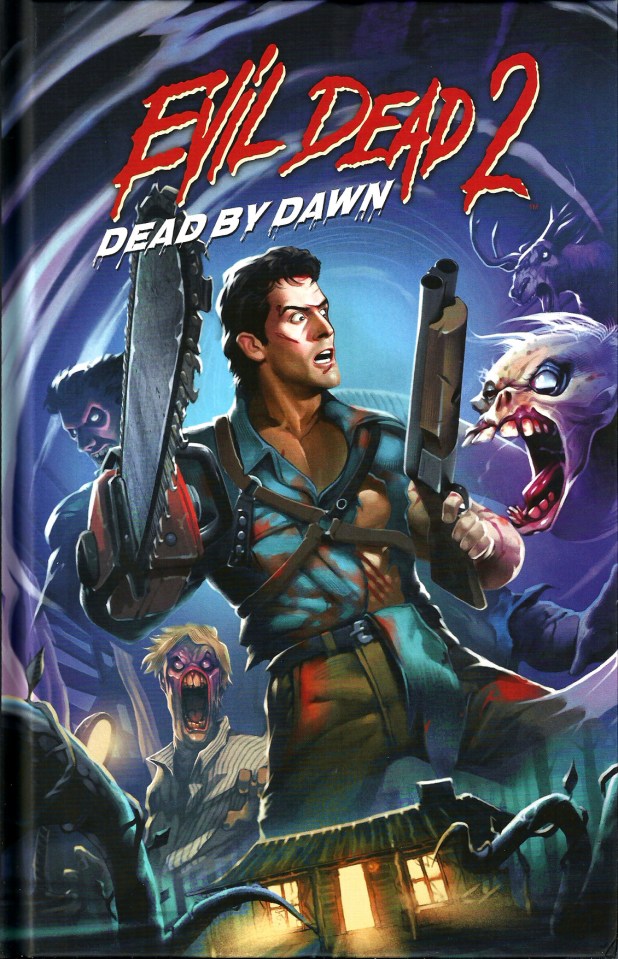
To whoever owned Prime Time Video, I am sorry that I bootlegged this VHS from your store in 1989 or so, because I was renting it so much that I wanted to watch it every single day. It was years until I saw Evil Dead and this movie formed so much of what I wanted out of movies. A camera that flew through walls, actors willing to destroy themselves to entertain you and geysers of bottomless buckets of gore.

Dino De Laurentiis put up the money and asked that the film be similar to its predecessor. Director Sam Raimi and writer Scott Spiegel must have thought, “We’ll show him,” and totally remade the first movie but whereas that one had no budget and felt like some maniacs in the woods near Detroit, this had a budget and felt like, yeah, some maniacs in the woods near Detroit.

This one replays the first one in like five minutes: Ash Williams (the returning Bruce Campbell) and his girlfriend Linda head to a cabin for the weekend, but instead of romance, they find the tapes of archaeologist Raymond Knowby and the words from Necronomicon Ex-Mortis that bring demons to their little lovers’ log cabin. Linda gets possessed, Ash decapitates her with a shovel and then proceeds to go bonkers for most of the movie.

Most of the movie is Campbell battling himself, his own hand — and later body — turning against him. It’s the kind of movie where a man can chainsaw off his on hand and then make a chainsaw appendage, say “Groovy” and it’s somehow — even years and years later — cool.

Spiegel and Raimi wrote most of the film in a house in Silver Lake that they shared with the Coen brothers, Frances McDormand, Kathy Bates and Holly Hunter, who the character of Bobby Jo is inspired by.

I’m looking forward to seeing this at the drive-in this weekend if only to feel the sheer joy I once had watching this. I’ve never seen it surrounded by others and can’t wait to see how others react to it. I know that it’s gone from a small movie to an accepted classic in the years since I watched it every day, but it’s still that movie I copied all those many, many years ago.

APRIL MOVIE THON DAY 27: Battle Fever J (1979)

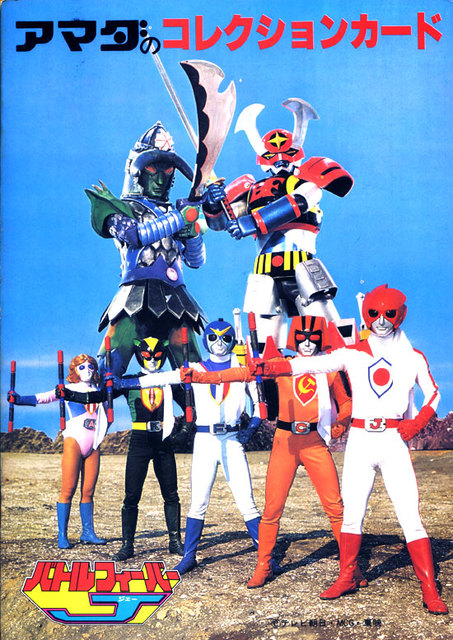
Battle Fever J was a co-production of Toei Company and Marvel Comics, inspired by Captain America and the third series in the Super Sentai series that would eventually come to America as the Power Rangers.

General Kurama has put together four young agents who have traveled the world to be trained. Along with FBI agent Diane Martin, whose father was murdered by the evil Egos, the team becomes Battle Fever J, kind of like a Japanese superhero show version of the Avengers. They are Battle France, Battle Cossack, Battle Kenya, Battle Japan and Miss America, backed up by their secret weapon Battle Fever Robo.

As for Egos, well, he works for a god named Satan Egos and has a series of monsters that he uses against the heroes, such as Death Mask Monster, Umbrella Monster, Psychokinesis Monster, Sports Monster, Anicent Fish Monster and Cicada Killer Monster.

At some point, Diane gets injured by the Dracula Monster and moves back home to the United States and is replaced by María Nagisa, another FBI agent trained by Diane’s father. She becomes Miss America II.

To prove that this is a Japanese show, death is a fact of life. Battle Cossack is killed in battle and replaced by his friend Makoto Jin, a silent cowboy who carries a trumpet into battle that he uses to taunt his enemies.

Across 52 episodes and a movie version of episode 5, the team battled evil and was popular not just in Japan but also in Hawaii. I love that Marvel has this property and doesn’t use it. Kind of like Toei’s Supaidāman show, which comes from a world where motorcycle racer Takuya Yamashiro takes the part of Peter Parker and gets his own flying car, the Spider Machine GP-7, and a giant robot named Leopardon.

You can watch this on YouTube.

APRIL MOVIE THON DAY 27: Darna (1991)

I wrote about Bruka: Queen of Evil, which this movie is related to. For example, one of Darna’s villains is her former friend Valentina, who becomes the snake-haired Serpina. That character inspired Bruka.

But who is Darna?

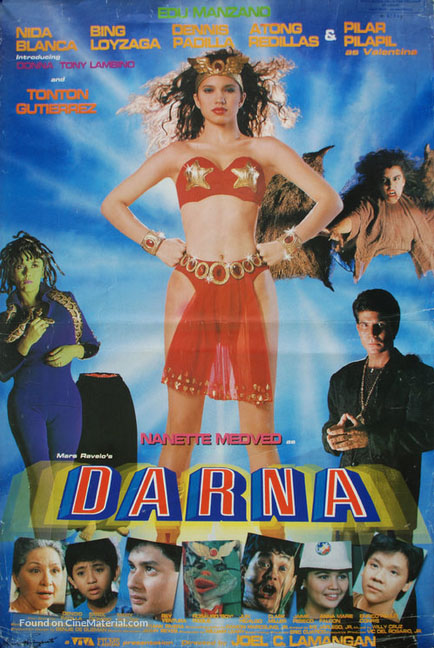
Darna is a Filipino superheroine created by writer Mars Ravelo and artist Nestor Redondo. It’s tempting, with her costume, to call her a Wonder Woman clone. She’s really a deceased extraterrestrial warrior who uses the body of an Earth woman named Narda to rescue those who can’t fend for themselves.

Fourteen different actresses have played her over 21 movies and TV shows, starting with Rosa del Rosario. The character is so famous that she’s even appeared in several ballet performances.

The 1991 version of the character was directed by Joel Lamangan and written by Frank Rivera. Darna is played by Nanette Medved. The origin is changed here so that Narda is granted a magical stone by an angel that can transform her into Darna. The enemy takes the form of a satanic conspiracy created by philanthropist Domino Lipolico and his henchwomen, the aforementioned snake goddess Valentina and the batwoman Impakta.

Where the world looks at Darna and sees Wonder Woman, you may watch this movie and see a lot of the plot of Superman with Narda leaving her small town to become a big city reporter, glasses as a disguise and all.

Valentina is over the top, which is great, as she’s played by Pilar Pilapil and seems to be a high fashion disco villainess with an anthropomorphic snake named Vibora that must be seen to be believed. As for Impakta (Bing Loyzaga), she uses a teddy bear to lure a child to her doom and kills the kid. Filipino superhero action has no idea how to pull a punch.

In How the World Remade Hollywood, author Ed Glaser suggests something pretty incredible: while in the 70s, 80s and 90s Darna looked to Diana Prince for inspiration, our Wonder Woman started to seemingly look to her Filipino sister for costume advice and finally decided to leave behind the invisible plane and learn how to fly on her own.

You can watch this on YouTube.

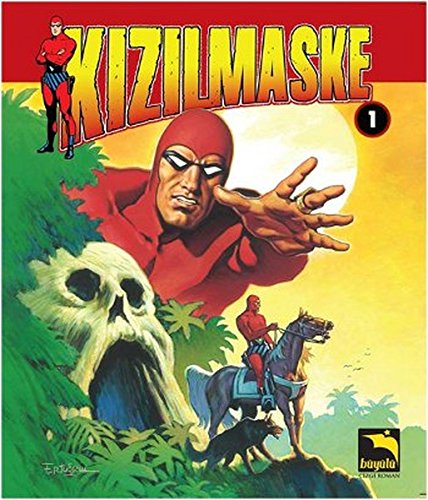
APRIL MOVIE THON DAY 27: Kizil maske (1968)

This is not the only remake of Lee Falk’s The Phantom that was made in Turkey. This version is Red Mask, which basically gives you a Street Fighter-style palette swap of the Ghost Who Walks. There’s also another Kizil maske that came out that very same year directed by Çetin Inanç. You can tell the difference because the former movie has a ripoff of the James Bond theme while the latter takes the Secret Agent Man theme. There’s also the 1971 movie Kizil Maske’nin Intikami (The Phantom’s Revenge).

The second Inanç-directed film also has a bad guy who looks like a Klan member with lightning bolts all over his hood and a Phantom that doesn’t even try to disguise that he’s completely taking the look and not caring about intellectual property. Actually, I kid, he has on a rad leather jacket and kind of looks like Dominic Fortune and there you go, that’s a reference that proves why I do a small website and am not shared out by the film Twitter universe just yet.

Also, all of these Turkish films are way better than the Billy Zane movie, which I refer to as Slam Evil! instead of its real title.

According to How the World Remade Hollywood by Ed Glaser, I learned that the Phantom was a big deal in Turkey. While he’s purple in the U.S., he was originally intended to be grey. To make things somewhat confusing, in other counties, the Ghost Who Walks shows up in different colors: blue in Scandanavia, green in Australia and red in Turkey. Hence the title of this film.

And if you’re wondering where those hooded bad guys come from in the Çetin Inanç-directed movie, Inanç’s former boss was Yilmaz Atadniz, who directed Kilink: Soy ve Oldur. That’s the very footage these characters are cut and pasted from before we get to the movie’s main villains, “Al Capone” Arif and Fu Manchu. An Arabian Fu Manchu at that.