Never Too Young To Rock (1976)

This is purely a British film steeped in nostalgia for the short-lived British glam rock movement that spawned the likes of David Bowie, T. Rex (“Bang a Gong“), and Sweet (“Little Willie“), and to a lesser extent — at least for U.S. audiences — Mud (“Tiger Feet“), Slade (“Cum on Feel the Noise“), and Suzi Quatro (of the recent document retrospective, Suzi Q).

Check out the TRAILER.

Like any Beatles flick or British Invasion film romp starring the likes of Cliff Richard and the Shadows (1966’s Finders Keepers), Herman’s Hermits (1966’s Hold On!), and Freddie and the Dreamers (1967’s The Cookoo Patrol), a rock band on tour finds itself in hijinks — with rock ‘n’ roll under attack by the establishment and a rock ‘n’ roll club in danger of being closed down.

To that end: In a “future” set in late 1970s, the establishment has banned rock ‘n roll from television. So a young rocker (British television acting mainstay Peter Denyer) leads the charge against the ban by organizing the biggest rock groups in England to perform at a benefit concert.

Of course, David Bowie, Marc Bolan (of T. Rex), Sweet, Slade, and Suzi Quatro will have none of this amateur cinematic foolishness, so we have to settle for the lesser “stars” of the glam era with the likes of Mud and the Glitter Band (Gary Glitter’s backing band, out on their own), along with the Rubettes — and guest appearances by Peter Noone of Herman’s Hermits (trying to eek a living in a post-British Invasion world) and Midge Ure (later of Ultra Vox) with his glam band, Slick.

This is the type of film with nary a plot, the “action” consists of the old slap stick standby of a food fight in a roadside diner, and lots — and LOTS — of musical numbers padding out the film for its whopping one hour fifty minute running time. The cast is rounded out by members of, get this, the prestigious Royal Shakespeare Company — and beware the bushy mutton chops and sharply-cut side burns — and of the outdated vaudevillian comedy groans presented by British comedians Freddie Jones and Max Wall (insert sad trombone “wah-wah-wah” sfx here.)

However, if you want to trip down the ’70s glam rock memory lane of your youth, or you if want to first educate yourself on the era with a glam primer, there’s not another film quite like this glittery mess of a train wreck of a film.

To say I love this movie is an understatement.

Overseas readers can stream this via Amazon Prime U.K., but we found you a free, three part upload on You Tube HERE, HERE, and HERE. Ha! It’s infectious! I got Sam the Bossman to watch: here’s his take. Yes, it depends which print you watched and where, back when: this came out in 1975 and 1976. Glam, of course, was out by 1976, and punk was on the rise. . . .

About the Author: You can learn more about the writings of R.D Francis on Facebook. He also writes for B&S About Movies.
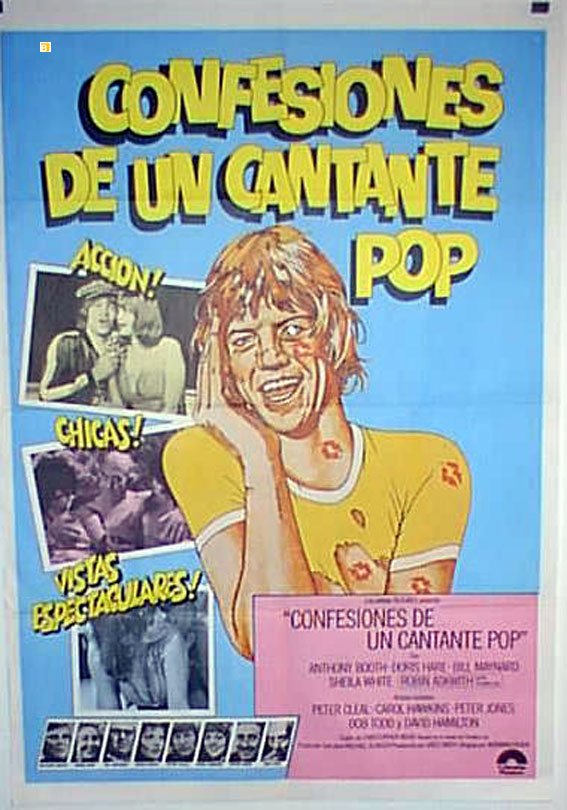
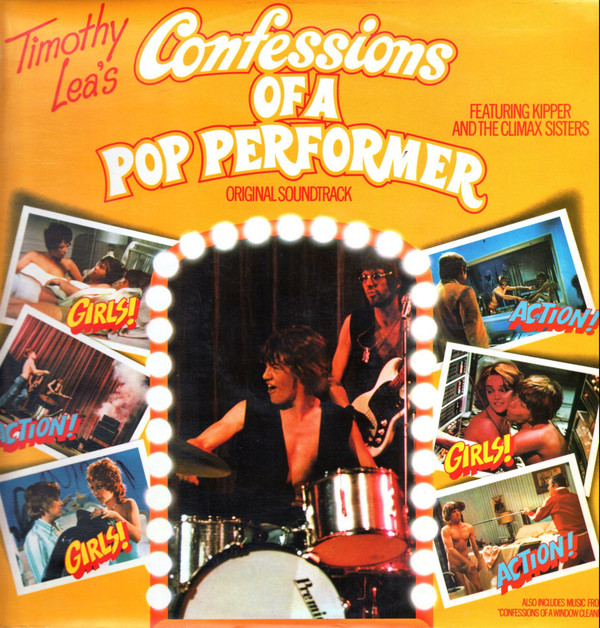
Confessions of a Pop Performer (1975)

Part of the four-part series of British Confessions sex farces, this installment focuses on Timothy Lea (Robin Askwith, Four Dimensions of Greta), who is trying to make it in the world of pop music as he joins the band Kipper while remaining a window washer.

Seriously — this movie is a Benny Hill-ish romp that I don’t think would play well with today’s audiences. You can guess how much I enjoyed it.

Keep an eye out for appearances by future Darth Vader David Prowse, Rula Lenska (Queen Kong), Benny Hill girl Helli Louise, Rita Webb (Frenzy), Richard Warwick (If….), Benny Hill and Spike Milligan straight man Bib Todd and a fake band called The Climax Sisters.

This was the only movie in the series to get a sound track record on Polydor, featuring songs from the first movie, Confessions of a Window Washer, as well as dialogue. It’s also the only original script not based on one of Christopher Wood’s books.

This movie tied another movie for Worst British Film of 1975 by Sight & Sound. That movie? The Rocky Horror Picture Show.

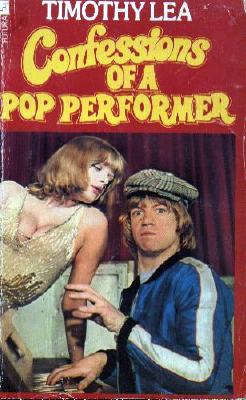
There was also a paperback, which has a great cover.

Norman Cohen took over for the first film’s director Val Guest (The Quatermass Xperiment ) after Guest’s wife wouldn’t let him on set with all the near-nude women. Cohen was a great pick, as he’d already worked on two mondos, The London Nobody Knows and London In the Raw.

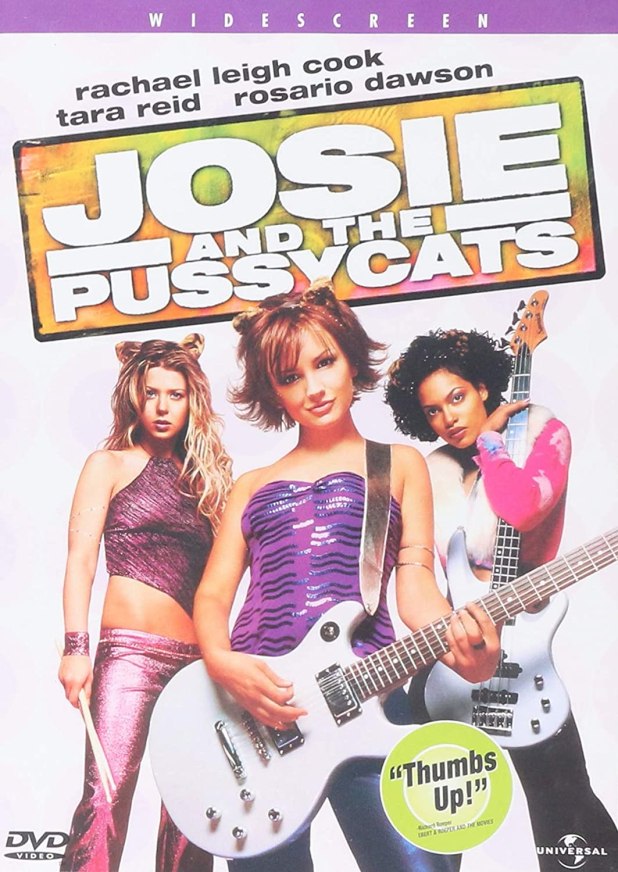
Josie and the Pussycats (2001)

Who would expect that a big budget movie based on an Archie Comic and Hanna-Barbera cartoon would end up being a movie so willing to bite the hand that feeds and presents a world where the world of pop music is all one giant conspiracy to sell you things? While it’s selling you things, of course.

Yet despite being savaged by critics back and bombing at the box office at the start of this century, this movie feels more relevant today than nearly anything else that played theaters in 2001. It’s skewering of consumerism is, if anything, even more relevant today. And man, the songs are catchy.

Josie McCoy (Rachael Leigh Cook), Melody Valentine (Tara Reid) and Valerie Brown (Rosario Dawson) are the Pussycats, who have been selected to replace DuJour, the latest and hottest band, but also one who have learned that this is all a big scam on the kids. They pay the price when their plane goes down over Riverdale.

Now, Wyatt Frame (Alan Cumming) and Fiona (Parker Posey) have promised the one world government that her new band won’t need to be killed via drug overdose and will get the job done — or else Carson Daly will wipe them out on the set of Total Request Live.

There are so many products placed in this movie that it becomes virtual overload, yet none of them were paid for by the actual companies. They were all placed there by the filmmakers and there are around 73 different products in this movie.

Those songs I mentioned — that’s Kay Hanley from Letters to Cleo singing — make this movie even better.

Deborah Kaplan (who is married to Breckin Meyer, who has a cameo in this movie) and Harry Elfont wrote and directed this movie. They’ve worked together on plenty of other films, including A Very Brady SequelCan’t Hardly WaitThe Flintstones in Viva Rock VegasSurviving ChristmasMade of Honor and Leap Year. However, this would be the last movie they’d direct.

Until the Light Takes Us (2008)

The title for this film is a translation of Burzum’s fourth album. Do you not know who Burzum is? You may walk away from this movie — with no past knowledge of black metal — believing that sole member Varg “Count Grishnackh” Vikernes is a pretty intelligent, level-headed fellow. Then you remember, “Oh yes. He stabbed his rival Øystein “Euronymous” Aarseth twenty-three times and also was broken out of jail by white nationalists. Yet — you can find plenty of photos of me wearing Burzum shirts, if you look on social media. And I own all the albums. And, well, I have no easy answers when it comes to black metal.

That’s a cop out. I get it.

If you think that gangster rap — with it’s need to prove who was real and who was fake, leading to actual murder — is crazy, you’re about to get an awakening. This film may jump around a bit to give you a balanced accounting. That said, it’s a million times better than the excoriable Lords of Chaos.

Once upon a time, in the basement of what would one day be a Benetton, a bunch of people would meet to talk about bands they liked. And that turned into a contest to see who could be legit and the most evil. As these things turn out, things went a bit far. The kind of far that involves murder, burning churches and intercine warfare, which ended up with — as we began — Varg and Euronymous proclaiming that they would kill one another.

Pretty much everyone in the scene gets a part, like Mayhem vocalist Per “Dead” Ohlin, who lived up to his nickname and whose suicide supplied a ghoulism album cover photo as well as supposed jewlery made from his skull fragments. Perhaps Fenris from Darkthrone comes off the nicest of anyone in this, as he seems like someone who genuinely just loves music.

The thing I dislike most about this movie is the sound and editing. They had the opportunity to get interviews with some people that have been very difficult to track down and yet, you can barely hear them at times and the imagery on screen rarely matches up. It’s incredibly frustrating.

That said, I was shocked that Bård “Faust” Eithun appeared, despite only being seen in shadow. After stabbing Magne Andreassen outside Lillehammer’s Olympic Park, he spent almost ten years in jail. One of his many bands, Thorns, put out several influential demos and their lone 2001 album is incredible.

Yeah. Like I said, I got no defense.

You can watch this on Amazon Prime and Tubi.

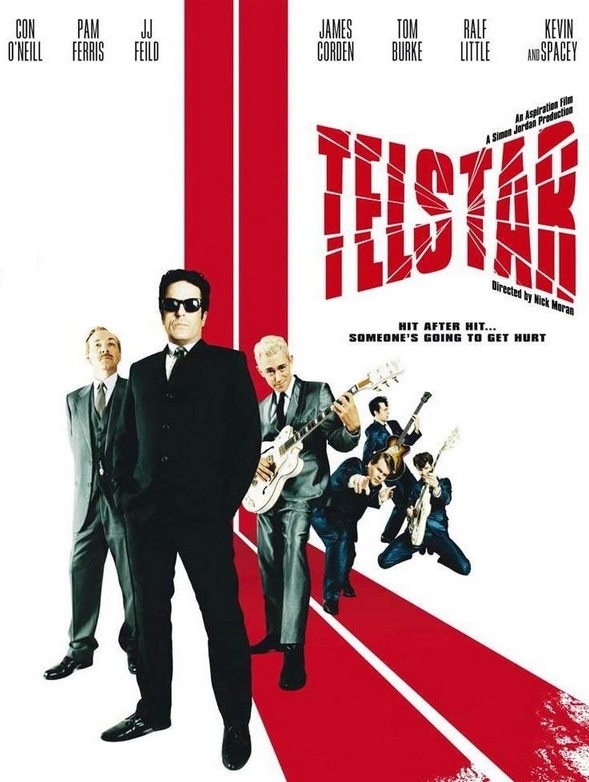
Telstar: The Joe Meek Story (2008)

As with Clint Eastwood’s 2014 film adaptation of the 2005 Tony Award-winning Broadway musical Jersey Boys chronicling the career of Frankie Valli and the Four Seasons, I equally anticipated this rock bio concerned with British record producer Joe Meek. Sadly, as with Jersey Boys, I was left empty. Granted, the production designs of both films (as with Tom’s Hanks’s love letter to ’60s one-hit wonder pop-rock ditties, That Thing You Do!) are fantastic. However, the films underneath the period accurate sets and costumes are derivative raison d’être—despite their quality, one viewing is enough. And, for U.S. audiences, the thick British accents and harsh, Royal Shakespearean moments of actor-emoting can be a bit much to handle. Yes, this is purely meant for U.K. audiences, you yank rocker.

Joe Meek was an electronics-tinkering child prodigy who developed such sound engineering innovations as multi-tracking, overdubbing, sampling and reverb (with addition kudos to guitar and recording innovator Les Paul), and was the original trailblazer in viewing the recording studio itself as “a music instrument”—an instrument Meek skillfully mastered, regardless of his being tone deaf and lacking any playing or composition skills, into “Telstar,” the 1962 worldwide #1 instrumental hit by his assembled studio band, the Tornados.

Sadly, Meek was a tortured genius who suffered from bouts of depression and paranoia that led to fits of rage fueled by his closeted homosexuality (a punishable crime in the U.K. at the time) and his addiction to amphetamines and barbiturates (to fuel his maniacal quest for perfection). As result—even with the financial backing of ex-military officer and business entrepreneur Major Wilfred Alonzo Banks (Kevin Spacey nailing the demeanor and accent of an acidic, cultured British gentleman; but opinions on his performance vary)—Meek was never able to get out of his electrical hodgepodge of a studio on a cramped, second floor flat over a luggage store (and yes, he utilized the loo for recordings).

So acidic his personality, no labels, producers, or managers of note wanted to work with him; Meek was forced out of his business concerns with the U.K.’s pre-Beatles superstar, Billy Fury, (that the Tornados backed; by 1964, it was over for both artists); when Meek received offers to record bands from the likes of the burgeoning manager Brian Epstein, Meek dismissed the Beatles as “awful”; when fan Phil Spector reached out to work with him, Meek accused the “Wall of Sound” creator of plagiarism; Meek also turned away David Bowie and Rod Stewart (and told Rod’s then band, the Moontrekkers, to fire him); he also gave up developing a career for a Welsh lad by the name of Tom Jones—who soon became a star (“It’s Unusual,” “What’s New Pussycat,” “She’s a Lady”) after leaving Meek’s stable.

Outside of his own ego and arrogance, why did Meek turn away those future superstars: for love—the bleach blonde bassist of the Tornados, Heinz (Burt), in particular, with whom he became obsessed in transforming him into a solo artist that would crush the likes Billy Fury and Gene Vincent (who Meek admired-despised).

Sadly, in the end, Meek crushed himself.

When a copyright infringement lawsuit over “Telstar” held up 3 million pounds in royalties and his business partnership with the Major soured as result, Meek was drowning in debt. And because of his arrest for a homosexual-public toilet encounter, he was under suspicion in the 1967 Tattingstone Suitcase Murder.

Meek snapped.

He murdered his rent-griping landlady and turned the shotgun (that he used to threaten musicians into submission in the studio) on himself at the age of 37.

And now for the music trivia: The Tornados backbeat was handled by the portly Clem Cattini (portrayed by U.K. comedian James Cordon; of those annoying, faux-German dubbed coffee machine commercials and his NBC-TV late night gab fest). When it comes to drummers, no other (studio) drummer has appeared on more #1 chart-topping singles (42 in all) . . . and he was almost a member of the New Yardbirds. During his Joe Meek days, Cattini shared the studio/stages with a young Ritchie Blackmore (later of Deep Purple), along with Jimmy Page and John Paul Jones who, at the time, were backing several Meek protégés (Screaming Lord Such in particular; a precursor to the likes of Alice Cooper). When the Yardbirds fell apart, with Page obligated to fulfill touring contracts, the first call he made to reform the band was to Cattini. Telling the story years later, he didn’t think much of the offer and failed to call Page back. He also turned down Paul McCartney’s request to join Wings. After he was sacked/quit the Tornados, Meek replaced Cattini in the studio with future Jimi Hendrix skinsmeister, Mitch Mitchell. Catttini published his memoirs, My Life, Through The Eye of A Tornado, in July 2019.

You can stream this as a VOD on Amazon Prime, Vudu, and You Tube Movies, but we found you a freebie rip on You Tube to enjoy. If you’d prefer a more straight ahead telling of Meek’s life, then check out British sound engineer Beth McGowan’s hour-long TV documentary, The Strange Story of Joe Meek (1991), on her You Tube page.

About the Author: You can learn more about the writings of R.D Francis on Facebook. He also writes for B&S About Movies.
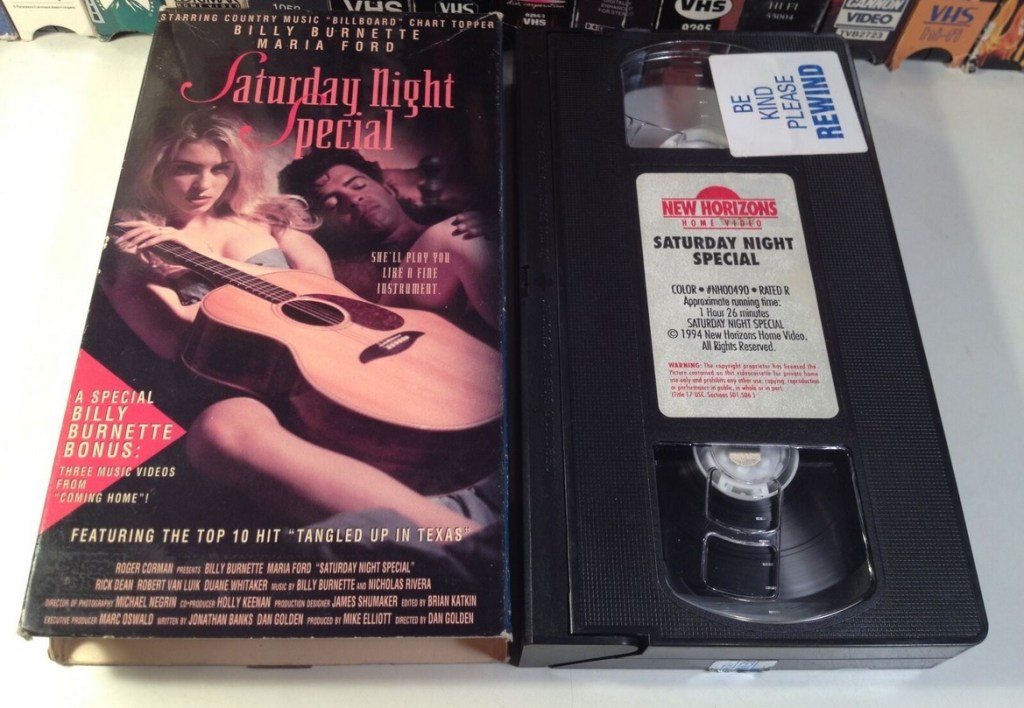
Saturday Night Special (1994)

Ah . . . the ’90s . . . the era of the cheesy erotic thrillers inspired by the likes of Lawrence Kasdan’s far superior Body Heat (1981). And for every Paul Verhoeven noir-giallo Basic Instinct (1992) blockbuster . . . there was the great Willem Dafoe struggling to salvage Madonna in Body of Evidence (1992) . . . then there’s David Caruso bombing hard with William Friedkin’s Jade (1995). And let’s not forget Joe Eszterhas and Paul Verhoeven’s abysmal reteaming with Showgirls (1995). (Did you know there were sequels to both, Basic Instinct and Showgirls? True story. Sadly.)

And then there’s Roger Corman’s take on the genre: Saturday Night Special.

Image courtesy of monsterlandmovies/eBay. Here’s the trailer.

And while Corman was never one to let a set or a special effects shot go to waste (see all of his ’80s Star Wars/Alien knock offs as examples*), he never let a script go to waste either. So he made the same movie . . . three times.

First, in 1991, the script was made as Kiss Me a Killer. If you’re a fan of Robert Beltran (Commander Chakotay on Star Trek: Voyager, Paul Bartel’s Eating Raoul, or 1984’s Night of the Comet), you’ll probably want to seek that one out concerning soft-core sexual hijinks in an L.A salsa club. Then Corman took the script and placed it into an Urban Cowboy-styled honky tonk as Saturday Night Special. Then, to capitalize on the media frenzy over Showgirls, he re-tweaked the script inside a Los Angeles strip club as 1996’s The Showgirl Murders. The upside to Saturday Night Special and The Showgirls Murders: both star Quentin Tarantino’s “favorite B actress,” Maria Ford. And of those two films, the one you want to watch is, you guess it, Saturday Night Special.

Yeah, but what does this all have to do with “Rock n’ Roll Week” at B&S About Movies? Well, this Corman noir stars country rocker Billy Burnette of Fleetwood Mac (formerly with Mick Fleeetwood’s side band, The Zoo; Burnette replaced Linsday Buckingham) in his acting debut . . . along with a cameo by Mick Fleetwood himself (remember when Mick showed up alongside Dweezil Zappa in The Running Man?).

Burnette is Travis, a ne’er-do-well drifter-cum-musician who gets a gig as the house musician at a local, dusty town honky tonky. And in typical film noir fashion, along comes Darlene (Maria Ford), the local femme fatale, who seduces Travis to kill her abusive, bar owner husband. Boobs, brawls, dead bodies, and to be honest, crappy country songs by Burnette, ensues. (Keep your eyes open for requisite low-budget screen heavy Duane Whitaker from Pulp Fiction, The Devil’s Rejects, Halloween II ’09 in an early role.)

Double Indemity or Sorry, Wrong Number, this ain’t. Hell, it ain’t even Jade. Or Showgirls. But if you’re a rock n’ roll film dog, like myself and Samuel, then there’s something here for you to watch. (A few of the other classic ’40s to ’60s film noirs we’ve reviewed are A Double Life, Black Angel, Fairwell, My Lovely, My Name is Julia Ross, The Possessed, and So Dark the Night — if you’re interested in the deeper roots that birthed Saturday Night Special. Some of the recent neo-noirs we’ve reviewed include Don Okolo’s recent Eric Roberts starrer Lone Star Deception, along with the early ’90s radio romps Dead Air, Night Rhythms, and Power 98.)

In lieu of bogging this review with Billy Burnette career trivia, his Wikipedia page will give you all you need to know . . . and You Tube will give you all you need to hear. However, in short: Aerosmith fans know the music of Billy’s dad Dorsey and his Uncle Johnny from The Rock ‘n’ Roll Trio with their cover of “Train Kept-a Rollin’“; Billy had his own early ’80s new wave hit with a cover of his dad’s ’50s hit, “Honey Hush” (but you probably know that one better for its kick ass cover by Foghat). Oh, and Billy’s cousin, Rocky Burnette (son of Johnny), had his own 1980 U.S Top 10 hit with “Tired of Toein’ The Line.”

Anyway, back to the movie . . . we all know how the uploads come and go on You Tube. So we’re giving you three links to choose from to watch Saturday Night Special HERE, HERE, and HERE. Sadly, there are no VHS rips of Kiss Me a Killer or The Showgirl Murders online, but we found the trailers for each of them HERE and HERE.

* Be sure to check out our “Ten Movies that Ripped Off Alien” and “A Whole Bunch of Alien Rip Offs at Once” featurettes. Astute Cormanites will be able to pick out his films with ease.

About the Author: You can learn more about the writings of R.D Francis on Facebook. He also writes for B&S About Movies.
Rock All Night (1957)

Based on a 25-minute television episode of The Jane Wyman Theatre from 1955 called “Little Guy” and part of a double bill with Drag Strip Girl, this is a Roger Corman attempt at capturing the feeling of rock and roll for the big screen.

In that version, Dane Clark starred. It was one of the first roles he took after a major incident in his life. During a performance of The Shrike at Los Angeles’ Carthay Circle Theater, co-star Isabel Bonner died in his arms, struck down by brain hemorrhage. Born Bernard Zanville, he was never comfortable with his new name.

Here, his role of Shorty is played by Corman regular Dick Miller. Lee Marvin’s role of Jigger is instead essayed by Russell Johnson seven years before he’d become a fixture in living rooms on Gilligan’s Island.

In order to make the story his, Corman gave it to Charles B. Griffith, who added characters like Sir Bop, who was intended for Lord Buckley. There was one instruction. Make it like Rock Around the Clock.

Songwriter and manager Buck Ram offered The Platters, The Blockbusters and Nora Hayes to AIP in return for having the sole rights for the soundtrack. Corman shot the bands on a separate set and then gave the rest of the production five days to finish.

This tale of a bar, a singer (Abby Dalton, who would later work with the aforementioned Wyman on Falcon Crest), some thugs and Dick Miller being Dick Miller is a favorite of Quentin Tarantino. The poster for the double bill of this film is what inspired Robert Rodriguez to make Grindhouse together with the director.

You can watch this on Amazon PrimeTubi or YouTube.

Bula Quo! (2013)

One’s enjoyment of this movie hinges on your knowledge of and enjoyment of the music of Britain’s Status Quo, along with your retroism for the Beatles’ movies A Hard Day’s Night or, more accurately, Help! — you know, the one where the band’s on the run (sorry) when Ringo becomes of the target of a religious cult that covets his gaudy ruby ring.

With that being said, this movie isn’t intended for U.S. audiences who came to know the boogie-rock purveyors for their 1968 psychedelic-influenced hit “Pictures of Matchstick Men“; this movie is meant for the U.K. audiences — an audience that helped Status Quo outrank the Beatles, the Rolling Stones, and Queen by placing 61 of the band’s singles in the U.K. Top 40, with 22 of those singles reaching the Top 10 — more than any other U.K. band.

AKA, Guitars, Guns and Paradise

So, in commemoration of their upcoming 30th studio album, Bela Quo!, the band shot this movie in four weeks on a three million dollar shoestring while on vacation in Fiji — along with a corresponding double soundtrack album.

The story is a simple one: Francis Rossi and Rick Parfitt of Status Quo, playing themselves, while on tour with Status Quo on the Pacific Island country of Fiji, become involved in mafia intrique after witnessing a murder. The fact that SNL’s Jon Lovitz (of the later Almost Sharkproof) serves as Rossi and Parfitt’s co-star tells you this film wears its self-deprecating humor on its sleeves — and Rossi and Parfitt play the “aging rock stars” quite well.

Also known as Guitars, Guns and Paradise in other overseas markets (the band has a rabid fan base throughout Europe, Australia and the Pacific Rim counties), the Quo’s lone film isn’t a blockbuster and it’s certainly not an Oscar winner. But it’s a fun film with plenty of action, comedy, and great music by the kings of boogie rock (honorable mentions to Savoy Brown and Foghat, of course).

If you get a chance, do check out a few of my personal .mp3 player favorites from their early ’70’s catalog, such as “Caroline,” “Down Down,” “Down the Dust Pipe,” and “Paper Plane.” Yeah, when it came to down n’ dirty jeans n’ t-shirt (and leather vests) rock ‘n’ roll, Status Quo was the shite and a bag ‘o chips. You can get all the Status Quo you need, and more, over at their official You Tube page.

Now, if only Uriah Heep would make a movie . . . or how’s about Phil Mogg and UFO thwarting a Bond-like madman from stealing a cache of missiles to start WWIII (hey, it worked for Cliff Richard and the Shadows)?

The Quo’s 100th single release!

You have a couple of online choices to watch. Overseas readers can watch Bula Quo! on Rakuten TV. In the U.S. you can watch it on Amazon Prime and in the U.K. on Amazon Prime U.K.

About the Author: You can learn more about the writings of R.D Francis on Facebook. He also writes for B&S About Movies.

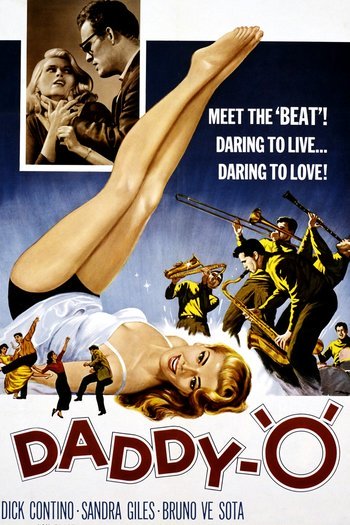
Daddy-O (1958)

Things were really swining in 1958, if Daddy-O has anything to say about things. And John Williams. Yes, the same man who scored Star Wars got his humble beginnings right here in a movie about street racing and singing under the assumed name Daddy-O.

It starts Dick Contino, who at one time was known as the world’s greatest accordion player and ended up becoming a fictional character in the books of James Elroy. No, really.

I can get why my parents worried about my music, because Venom outright told their fans that when they meant “At War with Satan,” the with meant alongside. “Rock Candy Baby,” featured in this film, seems a song that no parent should ever worry about. Ever.

Anyways, back to Dick the accordion player, who is a singing and car racing man who gets beaten easily by a tough girl played by Sandra Giles, who was discovered at Canter’s Deli and went the whole way from Hooker (as in Hooker, Oklahoma) to movie star, to quote an article about her in Life Magazine.

Bruno VeSota, who went on to direct The Brain Eaters, is also in this.

The verdict? Not enough rock. Too much crime. But hey, Sandra Giles should have been in every movie ever and been allowed to beat any man she wanted to in any car race.

Released on a double bill with Roadracers, you can spot a poster for this movie at Jack Rabbit Slims. And the aformentioned Elroy wrote a fictionalized narrative of the making of this movie, Dick Contino’s Blues

You can watch this on Amazon Prime and Tubi.

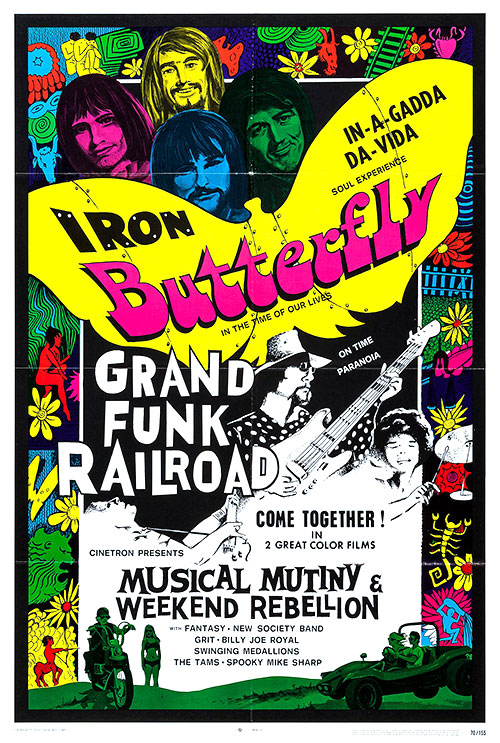
Musical Mutiny (1970)

Barry Mahon is magic. And madness, too.

After volunteering for the Canadian Royal Air Force before America entered World War II, then getting shot down, imprisoned and escaping Stalag Luft III before getting captured again, then being saved by Patton’s 3rd Army and then becoming Errol Flynn’s personal pilot and manager, Mahon’s life was already crazy. Then he started making movies like Rocket Attack U.S.A.Cuban Rebel Girls and Fanny Hill Meets Dr. Erotico

That’s all before Barry set up shop at Dania, Florida’s Pirates World theme park and started throwing concerts when he wasn’t making some of the most ludicrous movies — and I mean that as a compliment — ever made, like The Wonderful Land of Oz and perhaps his finest world, Santa and the Ice Cream Bunny.

I’ve been hunting for this movie, where a pirate’s ghost convinces the staff of the park to put on a free concert, for literally years and years. I found it. And it pleases me to no end. In fact, it is my happening and it freaks me out.

Local bands Grit, New Society and the Fantasy are happy to play for free, but Iron Butterfly is mad that this is a free show and because they aren’t getting paid, they storm off. Luckily, a rich hippy pays them to play “In-a-Gadda-Da-Vida.” I have no idea what we’re supposed to learn from this.

Facts: There are more dune buggies in this than a Filipino post-apocalyptic film. There’s a garbage truck that says, “You are what you eat.” “In-A-Gadda-Da-Vida” is sixteen minutes long and was probably better with a fistful of narcotics. The pirate also disappears when this show is over.

I have no idea why this was made or who it was made for. I can only dream that I could have gone to Pirates World because everyone —  Bowie, Sabbath, Alice Cooper, The Doors, Led Zep and Frank Zappa to name a few — played there. I hate theme parks but I love this place. Other than dying at Action Park in a blaze of blood, guts and thunder, it’s the only place of its ilk that I will ever be able to stomach.

You can watch this on YouTube.