Rod Serling is back in this episode and not just hosting as he contributes an experimental story that might not completely work, but offers something beyond the expected and the everyday.
“Midnight Never Ends” has Ruth Asquith (Susan Strasberg, Scream of Fear) and hitchhiking marine Vincent Riley (Robert F. Lyons, 10 to Midnight) returning again and again to a diner where owner Jim Emsden (Robert Hogan) and Sheriff Lewis (Robert Karnes) confront them, all as they hear the faint sounds of clicking. They’ve all been there before and yet, they have no idea why. You’ll be able to decipher what this is all about relatively quickly, yet the blackened setting and strange air make this work. This is the second Jeannot Szwarc Night Gallery story that tries this approach.
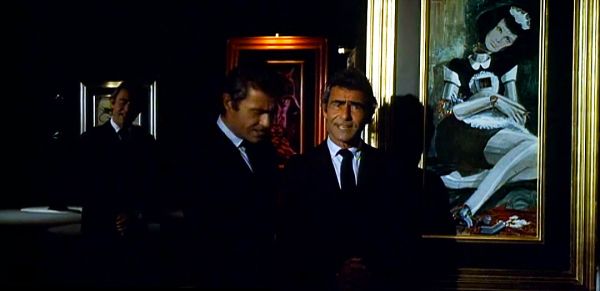
This is the only story that has a painting of Serling, which is appropriate, as it is very much about how. a writer tries to bring his story to life.
“Brenda” (Laurie Prange) is a weird and often mean little girl, knocking over sand castles and treating her friends horribly. The one friend she bonds with and understands comes from the sea and is a monster feared by everyone in the summer vacation town she’s spending a few months enjoying with her parents.
Directed by Allen Reisner, whose TV career had work on every show from The Twilight Zone and Playhouse 90 to Hardcastle and McCormick, and written by Douglas Heyes, who created the mini-series North and South from a short story by Margaret St. Clair, this has an odd monster, a strange little girl and an interesting friendship between them.
Not the greatest of episodes but definitely it’s nice to have Serling back writing one story and Laird’s influence isn’t as strong.
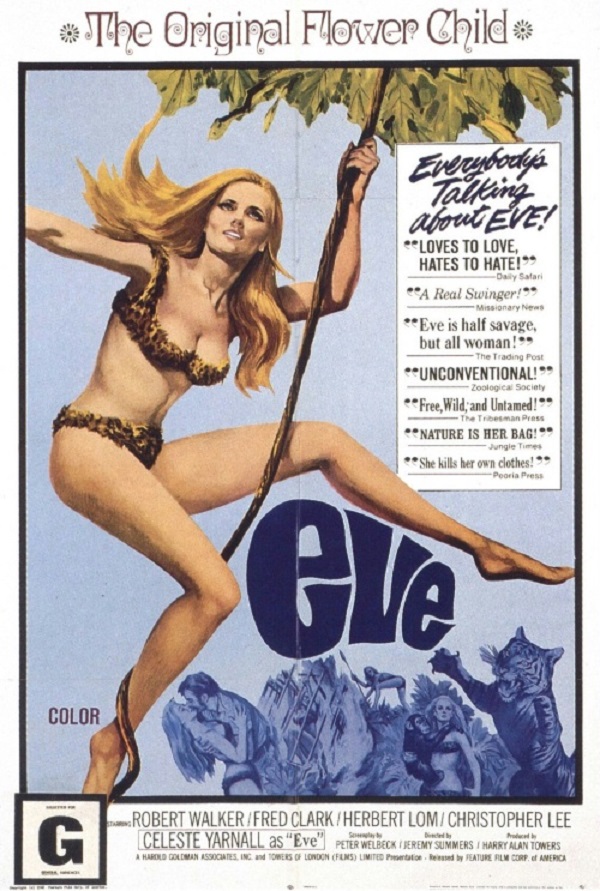
This is not the 1968 film Eva, la Venere selvaggia, also known as Kong Island, which was directed by Roberto Mauri. This is either Eve, Eva en la Selva, The Face of Eve, Eve in the Jungle or Diana, Daughter of the Wilderness. It was first directed by Jeremy Summers, who did plenty of work for British TV and written by Peter Welbeck, which explains how Jess Franco — along with Robert Lynn (the assistant director of Revenge of Frankenstein and Dracula A.D. 1972) — came to finish directing this, as Peter Welbeck is really Harry Alan Towers.
Celeste Yarnall, who plays Eve, was discovered by Ozzie and Ricky Nelson before being discovered by Towers at the Cannes Film Festival. She was also in Beast of Blood and “The Apple” episode of the original Star Trek but is best known as The Velvet Vampire.
Eve’s grandfather Colonel Stewart (Christopher Lee) has been looking for her and his business partner Diego (Herbert Lom) is working with a girl named Conchita (Rosenda Monteros, The Magnificent Seven) in a scam where she pretends to be Eve. There’s also a plane crash and a heroic pilot named Mike Yates (Robert Walker Jr., who is also famous for a Star Trek role, playing Charlie X in, well, the episode “Charlie X”) is coming in for the rescue.
There are cannibals, there is a jungle, there is an Incan treasure, there is a cabaret scene where Maria Rohm keeps on singing even though there’s a gigantic fight. It’s not great but you know, Celeste Yarnall in a bikini with a parrot and monkey as her pals. I can watch that.
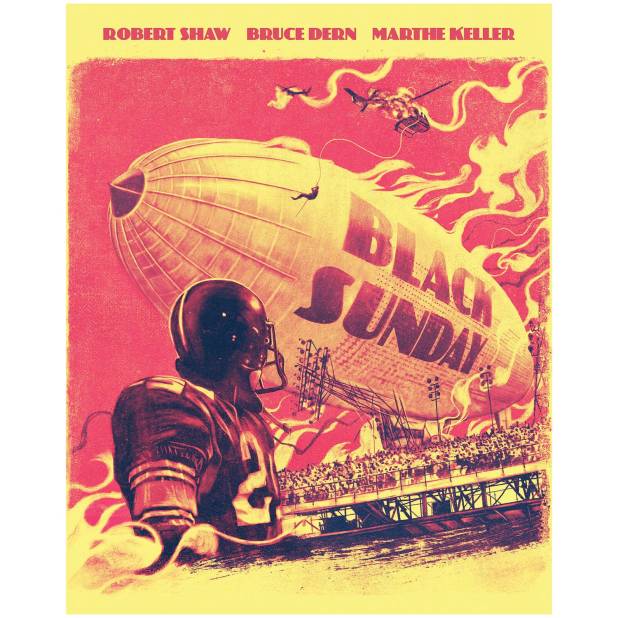
Black Sunday was an always on HBO film in my childhood — the HBO Guide from January 1978 confirms this, I would have been six years old — and it was pure childhood trauma. There were my beloved Pittsburgh Steelers under attack by a terrorist piloting the Goodyear blimp! It was too much for my young mind to handle and I had nightmares of seeing that happy little zeppelin turned into a tool of death.
Director John Frankenheimer was the only director who could make this. That’s because he had already built a relationship with Goodyear Tire and Rubber Company head Robert Lane while working on the movie Grand Prix. In fact, Lane once told the director, “You’re the only person I’ve ever worked with who has kept his word.”
The film could use Goodyear’s blimps on four conditions: the terrorists couldn’t work for Goodyear, when the blimp blew up it couldn’t show the logo, the Goodyear logo couldn’t sell the movie and the blimp itself couldn’t kill anyone.
The other part of the deal that allowed this movie to capture the Thomas Harris — yes, the same man who created Hannibal Lecter — novel. That was the National Football League. Only one man could pull off the kind of carny hustle to get camera crews the access to not only shoot all around Super Bowl X — even during the final half hour of the game as the Steelers beat the Cowboys — and bring back the teams to the Orange Bowl two weeks later to get the footage of the blimp menacing the players and crowd. That would be Robert Evans, who also got the crowd from United Way volunteers, provided that Frankenheimer would make a movie for the charity and Robert Shaw narrated it. That said, those aren’t the Cowboys and Steelers in that final scene, it’s players from the Miami Dolphins.
Bruce Dern is incredible in this film, owning every scene he’s in as Michael Lander, a pilot who flies the blimp over NFL games while seething with anger, seeing all these free people when he spent years in a tiger cage as a Vietnam War POW, a time when he was court-martialed upon his return and soon left by his wife. His dream of killing himself and as many people around him as possible and his relationship with terrorist Dahlia Iyad (Marthe Keller) may be the way that he can make it happen. They have a plan of detonating a bomb and thousands of small razor-sharp objects into the Super Bowl audience to achieve her plan of calling attention to the plight of the Palestinians and punishing the U.S. for supporting Israel.
Major David Kabakov (Robert Shaw) kills all of her Black September terrorist cell except for Ilyad, as he finds her unarmed and naked. He comes to regret sparing her life once he learns the level of death and destruction that she has planned. He, his partner Robert Moshevsky (Steven Keats) and FBI agent Sam Corley (Fritz Weaver) get on the trail of the terrorists, who remain many steps ahead of them at every turn.
Black Sunday ends with a thriller helicopter chase and the blimp literally crash landing inside the Orange Bowl before Kabakov climbs onto the blimp and attempts to stop it. You have to keep in mind that these are real stuntmen in this scene without a green screen pulling off an incredible stunt, something we rarely see in cinema these days.
In Kill Bill, Quentin Tarantino edited the scene where Elle Driver attempts to murder The Bride in the hospital as a homage to the nurse scene in Black Sunday. He also used the split screens in homage to the trailer for this film.
I definitely remember reliving this movie — as I usually did in my child years — through Mad Magazine. In issue #195, Dick DeBartolo and Mort Drucker redid the movie as Blimp Sunday.
Paramount planned for Black Sunday to be their biggest blockbuster of the year. After all, it had the highest-ever pre-release scoring films from test screenings and they thought this would make more than Jaws. A few things went wrong. It was banned in Germany and Japan. The movie Two-Minute Warning came out before it played theaters. And the movie that became the biggest story of 1977 was Star Wars.
Another theory? Comment cards during Black Sunday‘s first showings in Los Angeles discovered that 91% of the audience was disappointed that the blimp didn’t blow up the Super Bowl and kill everyone.
The Arrow Video blu ray of Black Sunday has the film in a high definition 1080p presentation, along with extras like new audio commentary by film scholar Josh Nelson; It Could Be Tomorrow, a new visual essay by critic Sergio Angelini that explores the film’s adaptation and production, and its place within the pantheon of 70s terrorism thrillers; The Directors: John Frankenheimer, an hour-long portrait of the director from 2003, including interviews with Frankenheimer, Kirk Douglas, Samuel L. Jackson, Roy Scheider, Rod Steiger and others; an image gallery, a reversible sleeve featuring original and newly commissioned artwork by Peter Strain and an illustrated collector’s booklet featuring new writing on the film by Barry Forshaw. You can get it from MVD.
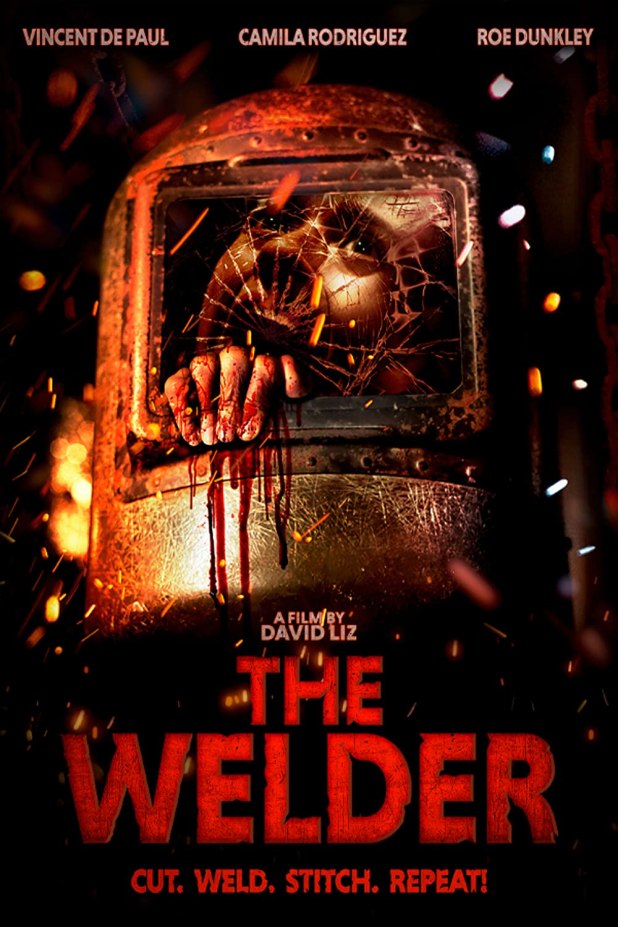
Roe (Roe Dunkley) and Eliza (Camila Rodríguez) are dealing with her PTSD from her military service, which is causing her sleepwalk and be traumatized by basic tasks. She thinks that a weekend away will fix it all. He thinks it’s going to take something else and wonders why she doesn’t just lean on him more.
So when they find the place of tranquil rest run by Dr. Godwin (Vincent De Paul), they find somewhere that look nothing like the photos and has no phone service. And the good — well, not so good — doctor has plans of ridding the world of racism through his strange experiments.
Directed by David Liz, who co-wrote this with Manuel Delgadillo, The Welder lives up to one of its lines: we’re all red inside. It’s a creepy journey that has enough differences from other films to earn your eyes. Just make sure Dr. Godwin doesn’t take anything else.
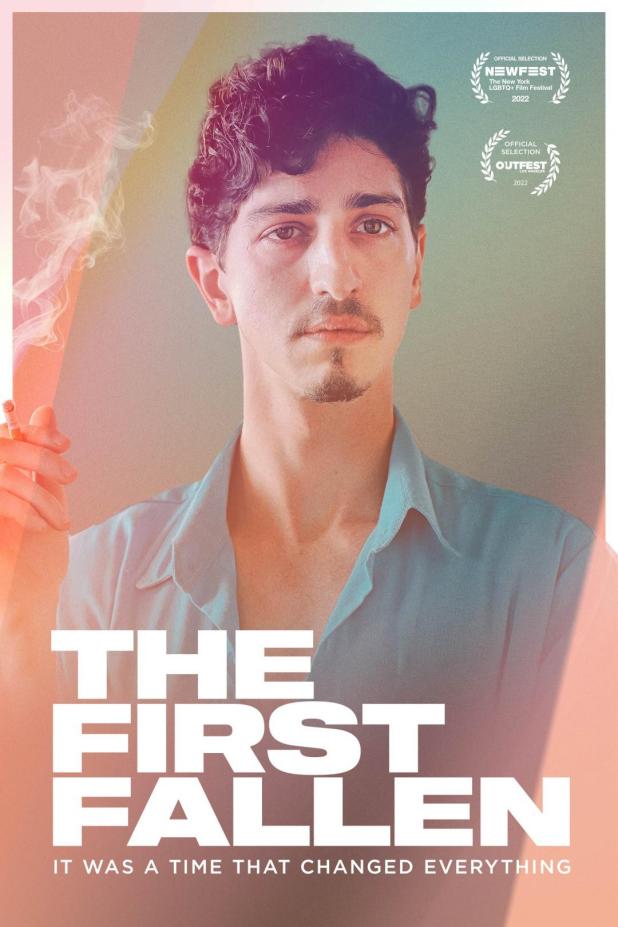
Directed and written by Rodrigo de Oliveira, this movie goes back to 1983 and a young biologist named Suzano (Johnny Massaro) coming home from studying in France and feeling like something is wrong with his body. This is the start of the AIDS crisis and he is amongst the first wave of the epidemic in his native Brazil.
The story of the film comes from his sister Maura (Clara Choveaux) and nephew Muriel (Alex Bonin) who come to terms with his death and discover how he spent his last days documenting his decline with Rose (Renata Carvalho) and cameraman Humberto (Victor Camilo). While that sounds like this is going to be a depressing film — and yes, it has moments of sheer sadness and pain — there is light inside this film.
At this point, AIDS didn’t even have a name. I remember when it was called a gay cancer and worse. This movie brought up those memories and made me thankful that we can talk about it now and that there are ways that people can survive with HIV.
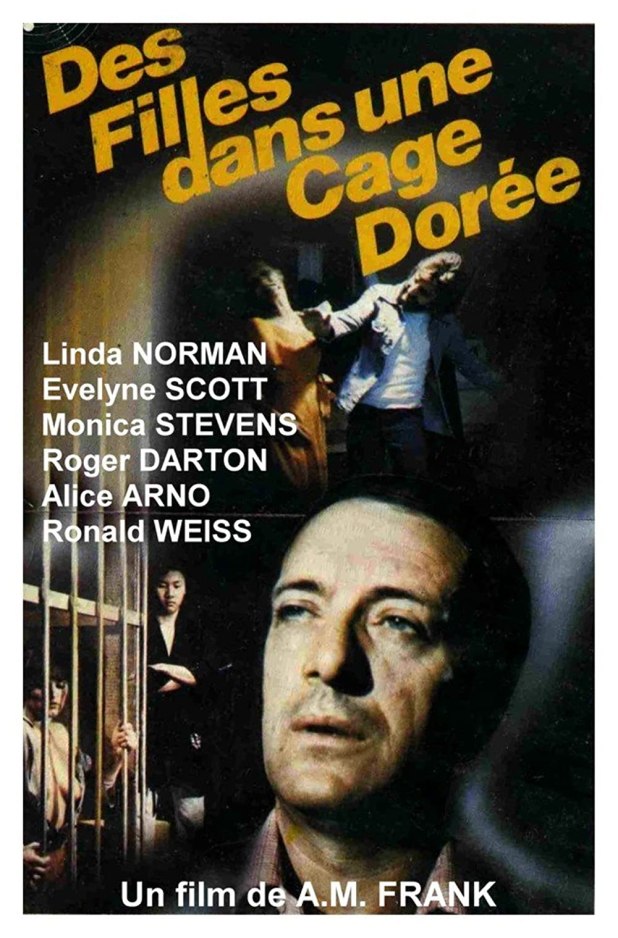
On paper, this is about a crime boss named Mr. Winter (Roger Darton) who leaves Hong Kong during a gang war and sets up a new shop in Paris where he gets busy doing what he does best: kidnapping women and getting them to become sex workers who make him money.
The strange part is figuring out how much of this movie was directed by Jess Franco and how much was by Marius Lesoeur and other Eurocine directors. There’s a scene in a cabaret with a Jess cameo which is definitely all him but the shootout that opens this movie is way too much action for him, as he often struggled with showing action movie basics in his work.
At least Alice Arno (Kiss Me Killer) is on hand as Winter’s henchwoman.
My hunt for info on this movie at. least led me to a site that — for some reason — has Jess Franco’s horoscope birth chart. What can we learn from this?
According to Robert Monell, “Franco was called in to direct some of the stage shows while footage from other Eurocine films (Paul Naschy’s Crimson) and new scenes directed by Eurocine founder Marius Lesoeur told the tale.” He used the name A.M.F. Frank, which is also a name that Lesoeur used on other movies.
Everything — Dr. Orloff, diamond thieves, longing staring moments into the scenery and the sun, jazz interludes and all the moments of male gaze — all start here. This is Jess Franco’s first film and it doesn’t even hint at the madness that the rest of his near two hundred films would unleash.
María José (Isana Medel) and Pili (Terele Pávez) are on the road and looking for adventure. Seeing as how this is the first full-length film for Jess, they are safe from face stealing mad doctors, women who kill in ecstasy, lesbian vampires and the zooming in way too close camera of the director himself.
Instead, the girls have fantasies like a man who lives in a castle just might be a vampire and the old lady who stares at their yellow car just wants to smash it. It’s light and so safe and yet, behind the camera is the eye of a thirty-year-old Franco who has not yet stared at Soledad or Lina or would someday be shooting films far from Spain. A man who one day, along with Luis Bunuel, would be condemned as the director who offered the most danger to the souls of Catholics.
Many years later, Terele Pávez would play Rosario in El Dia de la Bestia. Her acting career would last from 1954 to 2020.
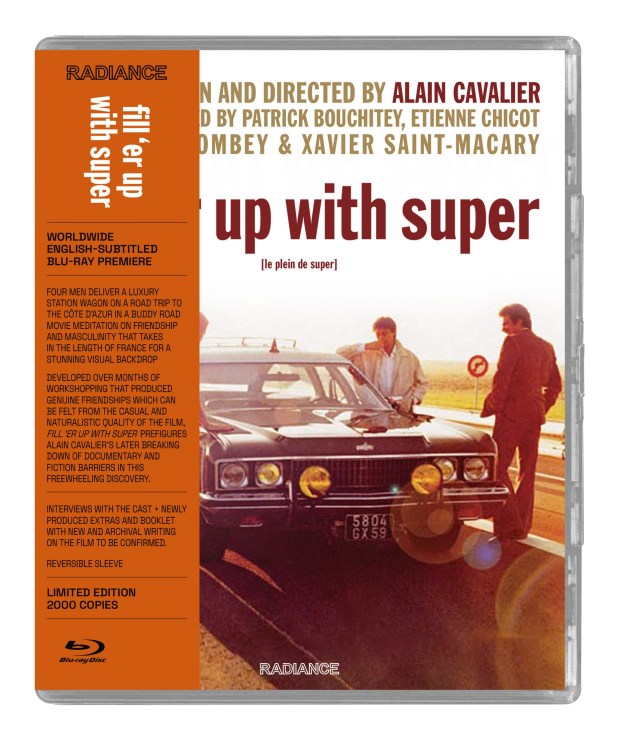
Directed by Alain Cavalier, Fill ‘Er Up with Super is the story of Klouk (Bernard Crombey), a young auto salesman who has to cancel a vacation with his wife so that he can personally deliver a Chevrolet station wagon to a rich owner on the Riviera. He decides to make it a more fun trip by inviting his friend Philippe (Xavier Saint-Macary) and picking up a two other men on the road by the names of Charles (Etienne Chico) and Daniel (Patrick Bouchitey).
All four of these actors were friends and along with Cavalier, they wrote this film and filmed it on the road, away from the studio, with the freedom to make it be about anything they wanted. The guys really aren’t going anywhere in life or on this journey, but it’s times exactly those kinds of voyages teach you who you are and where you may end up. It’s an exploration of what makes these men, well, men, as they ride inside a giant symbol of masculine American virtue, a gas guzzling car that has to seem out of place as they drive through the small towns on their way from the north to the south of France, from Lille to the Cote d’Azut.
The Radiance Films blu ray release of this movie has a 2K restoration of the film from the original negative. three short films with the cast directed by Cavalier; an interview with Bernard Crombey; an appreciation of Fill ‘Er Up with Super by Cahiers du Cinema deputy editor Charlotte Garson; newly translated English subtitles; a reversible sleeve featuring designs based on original posters and a limited Edition booklet featuring new writing on the film. You can get it from MVD.
Vampus (Saturnino García, El Dia de la Bestia) digs graves up night for bodies that he opens at night and feeds the interned remains to his pet Toby. And when he’s not doing that, he’s telling stories of horror to you, the viewer. Each of the four horror stories in Vampus Horror Tales are directed by a different first time filmmaker with the wraparound directed by Víctor Matellano and co-writers Victoria Vázquez and Diego Arjona.
“La Boda” is directed and written by Manuel Martínez and is all about the bride Marta and the best man Santi finding themselves trapped in a basement as he attempts to get her to leave the groom at the altar. “Cumpleaños” directed by Erika Elizalde and written by Ignacio López has another couple, Arlin and Daniela trapped inside a carnival ride. “Segunda Cita,” directed and written by Isaac Berrocal, has the blind Margot (Erika Sanz) being menaced by Alex (Nacho Guerreros) on a date at his county house. “Linaje,” by director and writer Piter Moreira, has Marcos (Federico Repetto) dealing with keeping his newly vampiric wife (Vicky Jorge) hidden and fed during a pandemic created by tainted hot dogs.
Inspired by Spanish horror comics and movies of the past, this isn’t perfect — no anthology is — but I was overjoyed to see Paul Naschy (Ignacio López) make an appearance as well as Franco regular Antonio Mayans. I really loved the cannibalistic and dark humored Vampus way more than the stories he tells, which seem to rely on basic horror ideas instead of the self-aware nature of the bookend segments. That said, I like the choice to have everything in black and white. This is still much better — even as it is imperfect — than so many streaming anthologies.
Vampus Horror Tales is available on demand and on digital from Uncork’d Entertainment.
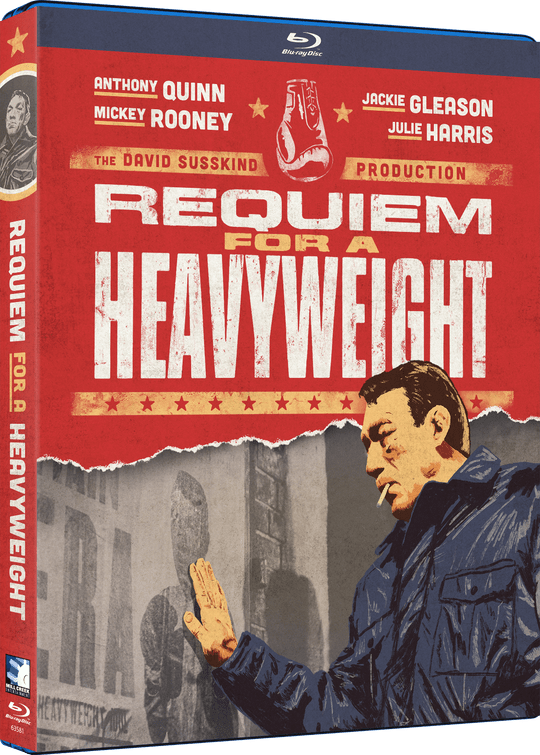
After nearly two decades years in the ring, Luis “Mountain” Rivera (Anthony Quinn) learns that one more punch could leave him permanently disabled. With the help of his trainer Army (Mickey Rooney) and an employment counselor named Grace Miller (Julie Harris), he tries to escape the fight game and work outside the ring. Yet his manager Maish Rennick (Jackie Gleason) has big debts and the only way he can pay them back is to get Rivera to become a pro wrestler, which this movie paints as the most humiliating thing ever, which seems funny today seeing as how popular sports entertainment has remained.
Originally a live telemovie that aired on Playhouse 90 with Jack Palance as Rivera, Keenan Wynn as Maish, Kim Hunter as Grace, Keenan’s father Ed as Army and a completely different ending, the original and this film were both directed by Ralph Nelson and written by Rod Serling (who had 17 matches as a boxer in the army).
Boxers Muhammed Ali and Jack Dempsey, as well as wrestlers Haystacks Calhoun and Gorgeous George, appear as themselves.
Nelson was critical of Quinn’s performance, as he wrote to Life magazine to say, “As written, the hero was a lonely, sensitive human being, a prizefighter who had worked out his hostilities in the ring. Jack Palance won an Emmy for his hauntingly gentle performance on Playhouse 90. Quinn was afraid that gentleness would reflect upon his image of masculinity, so chose to play Sonny Liston instead. I believe Palance’s concept was truer to the role and fulfilled the concept of the script more effectively than Quinn’s attempt to dominate it.”
This is a dark movie as Serling often saw the worst in humanity and often didn’t show a way out for them. Rivera has to sacrifice his own dignity to save a man who has treated him poorly and only shed tears for him once, but to him, that was enough.






 B&S About Movies
You must be logged in to post a comment.