APRIL MOVIE THON DAY 4: Arabesque (1966)

ABOUT THE AUTHOR: Clinton Rawls is an instructor at the Lamar Institute of Technology where he teaches courses on the humanities, art history, and film appreciation. As a labor of love, he translates foreign language and unofficial James Bond comics into English for the first time on his website, Comics Royale. Drop him a line and enjoy more 007 adventures!

Note: You can see also read’s Sam’s take which was posted on September 6, 2021.

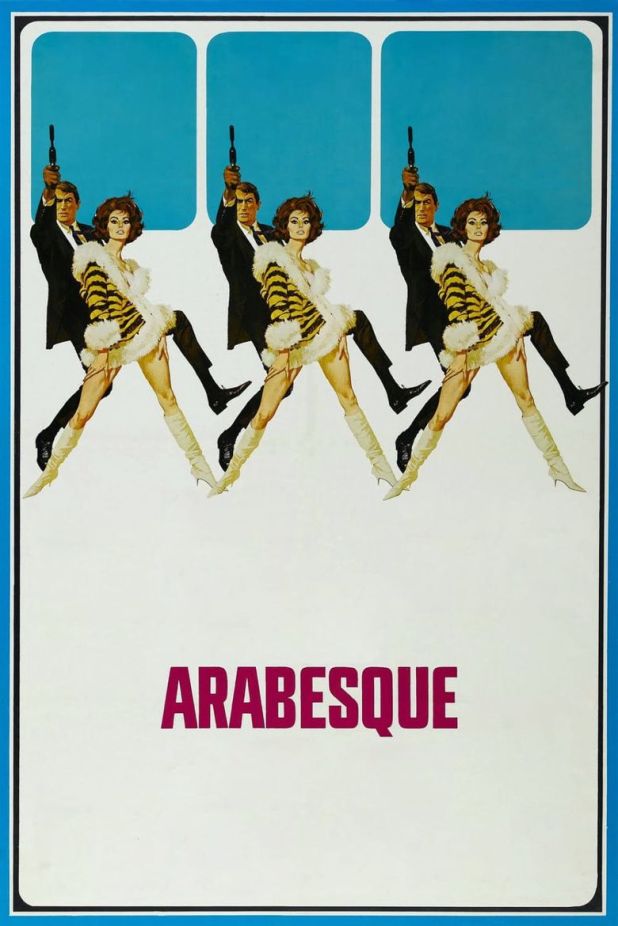
Hitchcock. Even today the name looms large. An auteur so iconic the label “Hitchcockian” still carries weight. Many filmmakers have created their own riffs on the Master of Suspense: Martin Scorsese (Shutter Island, The Key to Reserva), Brian De Palma (Obsession, Dressed to Kill, Body Double), even Mel Brooks (High Anxiety), but few have been as successful as the great Stanley Donen with back-to-back films Charade and Arabesque. While Charade is more highly regarded, Arabesque (1966) is a sumptuous visual feast which remixes Hitchcock’s tropes with a nod to the sixties spy craze and an eye toward the future.

Hitchcock rarely concerned himself with plot, preferring instead thematic tensions and cinematic devices, but his films can easily be summed up in a sentence. “The wrong man, accused of a crime he didn’t commit, goes on the run to prove his innocence,” could apply to The 39 Steps, Saboteur, The Wrong Man, Frenzy, and of course, North by Northwest. So little was Hitchcock preoccupied with the specifics of plot that he used the term “MacGuffin” as a catch-all for whatever moves the story along. Would a heist film be any different if the money were diamonds instead? Would it matter if the villain in a superhero movie wanted a bioweapon or nukes? Not really.

However, a Hitchcock film still makes sense and the same cannot quite be said about Arabesque, though it hardly matters. From the beginning, Donen and cinematographer Christopher Challis show us a man subjected to an eye exam where the lighting and camera angles shift so wildly it assaults the viewers’ senses. Just like the random letters one recites to an optometrist, the words in this film are meaningless. Donen makes his game plan clear when Gregory Peck, lecturing on Egyptian hieroglyphics to apathetic university students, awakens them by shouting, “Sex!” Strap yourself in, adjust your eyes, ignore the plot, and if you get bored… Sophia Loren!

Donen began his career as a dancer and choreographer, and those skills aid him well here. The performers hit their marks, allowing dozens of marvelous visual compositions to dazzle the eye. Like a stage performer, Loren moves gracefully through the scenery, framed within hypnotic designs and illuminated by a spotlight. Characters are distorted in reflections, and the filmmakers give us frames within frames to the point that a simple two-shot or close-up might seem base if not for the star power of Peck and Loren. Challis’s work is a testament to the power of widescreen filmmaking. Throughout the fifties and sixties, Hollywood deployed several gimmicks to compete with television: Cinerama, Cinemascope, 3D, even Smell-O-Vision all sought to peel audiences away from the typically flat, rote imagery on their TV sets. Arabesque makes the most of its Technicolor Panavision frame with dizzying delight. Eventually television would influence films for the worse as close-ups dominated coverage and more movies were shot in aspect rations that would translate well to pan-and-scan. Arabesque is a relic of a time when filmmakers had a bigger canvas to play with, and they did not waste it.

Both this and North by Northwest feature an ordinary man swept up in international intrigue with a beautiful double agent. Along the way, our hero is drugged and left for dead, and framed for murder in plain sight. Even Hitchcock’s celebrated crop-duster sequence is referenced as our heroes are victimized by a wrecking ball and later by farm combines in an alfalfa field, though the helicopter finale and romantic denouement on a gondola owe just as much to From Russia With Love. Where the film fails in comparison to Hitchcock is Alan Badel’s villain who, while a bit quirky, never conveys the icy menace as only James Mason could. In addition, Peck doesn’t have much of an arc but he’s along for the ride like the rest of us, and it’s refreshing to see him exercise his comedy chops. If you want more Hitchcock callbacks, Donen presents a scene at the racetrack courtesy of Notorious. The press conference assassination is reminiscent of Foreign Correspondent. And Peck’s surreal, drugged-out nightmare must have given him flashbacks to Spellbound.

Where Donen bests Hitchcock is in his willingness to film on location. The drugging scene feels dangerous as cars whiz past Peck mimicking a matador on a busy highway. The hallucinogenic visuals, wide-angle shots, double exposures, and trippy editing prove more effective than Cary Grant in front of a rear projection screen ever could. Loren is likewise in complete control, shifting wildly from femme fatale to damsel to action hero to love interest without ever feeling out of place. By the time the film turns into a political assassination thriller and the heroes hijack a news van to look for clues on grainy monitors, we’re reminded this was made in between the Kennedy assassinations. For a moment, the romantic lightness takes on an eerie solemnity as we witness a film made at the crossroads of history. It’s incredible to think not even a decade later, Alan Pakula’s The Parallax View would remix some of these plot elements and cinematic devices while ditching romance and spectacle for something altogether more cynical.

Unfortunately, the title is apt for all the wrong reasons. There are no Arabians in this film, only actors in brownface. The MacGuffin is an Egyptian cipher. No exotic locations in the Middle East nor Islamic architecture contribute to art design. Even the title sequence by Bond series regular Maurice Binder is mod optical illusions rather than the titular curvilinear designs. The film is in the style of the Arabs; it puts the “esque” in Arabesque.

Criticism aside, Arabesque is a terrific watch with one foot in the past, one in the present, and one in the future. Maybe a three-footed creature doesn’t make a lot of sense, but neither does the plot. Style over substance? Definitely. But when you’ve got such style, sometimes that’s all you need.

Arabesque is available on Blu-Ray from Kino Lorber.
APRIL MOVIE THON DAY 4: Fool N Final (2006)

The tagline of this movie, “Stealing stones and breaking bones,” should tell you all you need to know, as this is the Indian Hindi-language remake of Snatch and yes, such a thing is possible.

Director Firoz Nadiadwala some very loose remakes of other movies like Phir Hera Pheri being based on another Guy Ritchie movie Lock Stock and Two Smoking BarrelsWelcome Loosely inspired by Mickey Blue Eyes, Awara Paagal Deewana ripping off The Whole Nine Yards and Deewane Huge Paagal remixing There’s Something About Mary.

Career criminal Raja (Shahid Kapoor), his lover Tina (Ayesha Takia) and her uncle Choubey (Paresh Rawal) are jewel thieves when Raja isn’t also living the life of Rahul, who had been killed in an accident. However, a gangster named Moscow Chikna (Arbaaz Khan) wants to chop off Choubey’s arms. So they abduct Rocky (Chunkey Pandey), who has stolen an even bigger diamond, only to earn the wrath of his uncle Choski (Gulshan Grover), who hires Gunmaster G9 (Jackie Shroff) to cut their throats if they don’t give him back his nephew.

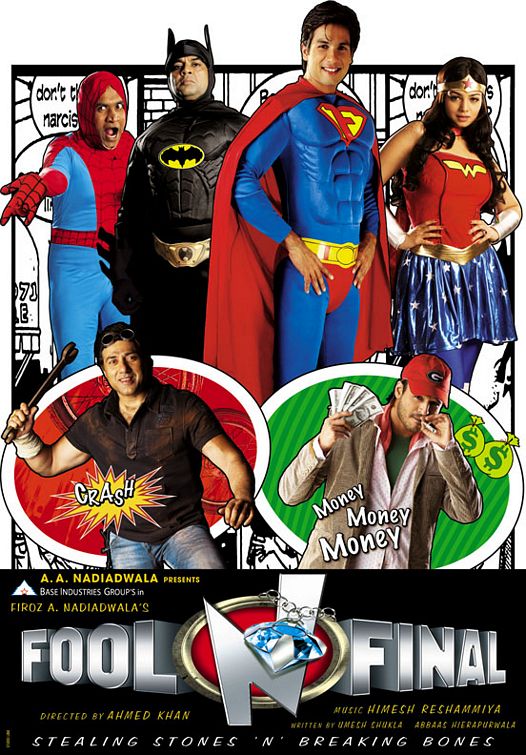
At some point, everyone dresses like Superman, Spider-Man, Batman and Wonder Woman, which is where the poster comes from, and then Mike Tyson shows up in the credits like this is one of the Hangover movies. Huh?

This did horribly with critics and audiences. That said, it’s worth a curiosity look on Tubi.

SHUDDER EXCLUSIVE: See for Me (2021)

EDITOR’S NOTE: We originally shared this movie on January 6, 2022. It’s currently playing exclusively on Shudder.

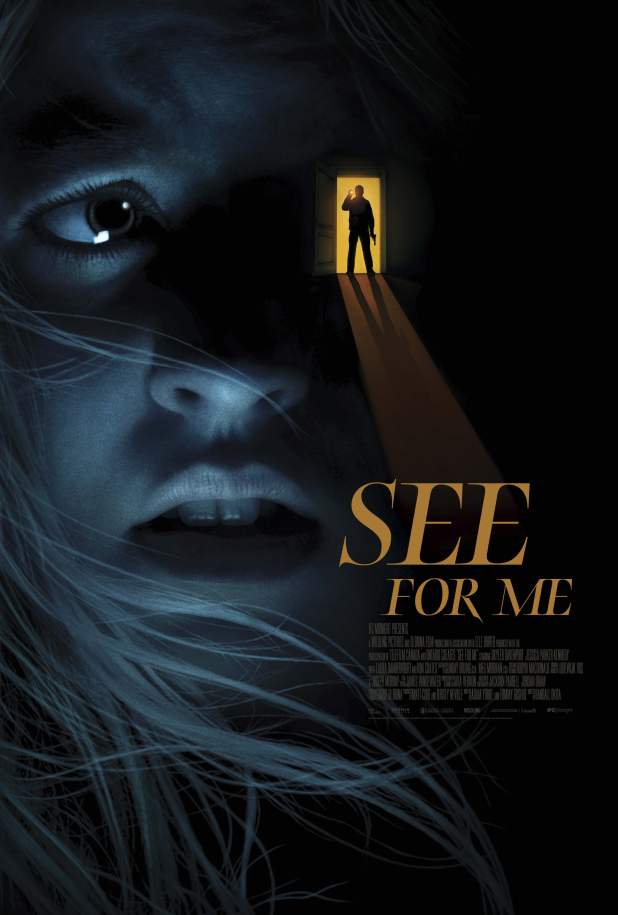
Sophie (Skylar Davenport, a visually impaired, non-binary actor who is legally blind due to a stroke and rare neurological condition; they are also known for voice work on the Final Fantasy video games) is a young blind woman house-sitting at a secluded mansion that is silently being burglarized by thieves seeking a hidden safe. Her only means of defense is a new app called See For Me that connects her to a countrywide volunteer ready to help her survive by seeing on her behalf like Kelly, an army vet who relives her past playing video games. Can a blind teenager survive against the odds?

There have been plenty of home invasion movies — I may have watched more than one just this week — but the direction by Randall Okita and the script by Adam Yorke and Tommy Gushue has some unique edges, like presenting Sophie as someone who steals small objects from the homes she watches and who rages against the world, a place that has cost her the ability to ski.

If you’re looking for something new to watch this weekend, See for Me just might be it.

APRIL MOVIE THON DAY 4: Baytekin Fezada Carpinsanlar (1967)

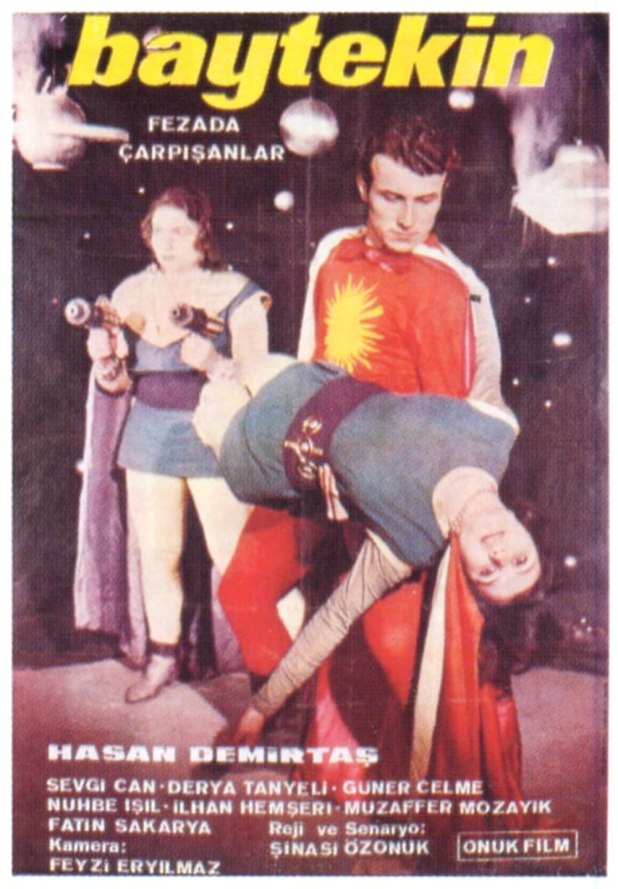
Baytekin Fezada Carpinsanlar (Flash Gordon’s Battle In Space) aired on Turkish MTV at some point and that has allowed viewers worldwide to see a much better print of this movie than anyone would imagine possible.

I remember when the Buster Crabbe serial would air late at night in the year before and after the big-budget Flash Gordon movie and my grandfather laughing at how amazing these films looked when he was young and how silly they appeared today. I didn’t agree, as I was just astounded by the world that they gave me.

This movie plays way fast and loose with Flash, who learns early that he’s one of the princes of the galaxy who has been brainwashed to forget his lineage by Ming.

Amazingly, Flash became a big deal in Turkey and his adventures were altered by Mehmet Gurtunga, who published two other Alex Raymond strips — Secret Agent X-9 and Jungle Jim — as all the adventures of Baytekin, but localized in Turkey. Even odder is that this is a Xerox of a Xerox, as Jungle Jim was created to tackle Tarzan, while Flash Gordon was the counterpart to Buck Rogers.

And then — man, I’m just loving Ed Glaser’s How the World Remade Hollywood and you will too when you buy it — Turkey remixed the Buck Rogers serial and the movies Jungle Jim and Nabonga, all of which starred Flash Gordon actor Crabbe — and made them Bayterkin films.

I should add here that Crabbe would play Brigadier Gordon in an episode of Buck Rogers which really brings this all together.

In this, there’s no Zarkov, but plenty of women for Flash to fall in love with. He does not, however, send the Dale Arden character the mental message “Oh my God, this girl’s really turning me on.”

In a perfect world, the 1980 movie would have been a huge success and we would have received numerous Italian remakes of it.

You can download this from the Internet Archive.

APRIL MOVIE THON DAY 4: Bach ke Zara (2008)

In the pages of Ed Glaser’s How the World Remade Hollywood, I learned that Evil Dead was such a huge movie in India that numerous films took its artwork and tree attack as their own, with 2007’s Bhayam (The Fear) going so far as to outright take footage in an Indian-infused bit of Bruno Mattei-esque thievery.

Bach ke Zara (Tread Carefully) may not take footage, but it’s literally the same story as Sam Raimi’s film, with director Salim Raza going all out to deliver zombie and possession action on a budget somewhat even lower than Raimi had back in 1981.

Where his film differs is that we see how the archaeologist who found the Necronomicon was dispatched — only hinted in the first two Evil Dead movies — as well as filling the movie with no small amount of crowd-pleasing sex scenes.

There’s also a music video within the movie that has nothing at all to do with the actual movie and for that, I must compliment the filmmakers. It looks exactly like something Christina Aguilera would make, what with the muscle men and mud dancing.

So yes, when Sunny, Raja, Sweety, Nicole and Sheena were warned away from this house on the lake, they should have listened. But one look at the Book of the Dead they found and you’ll think it’s more cute than sinister and you’d probably read its pages too.

Also, there’s less of a tree assault and more tree-hugging, but the reverse way that you expect it. And hey, most of their countrymen don’t do burial, so the characters in this movie were made Christian. That’s the kind of explaining that movies try to do to make sense of Van Damme speaking in his accent, you know?

You can watch this on Tubi.

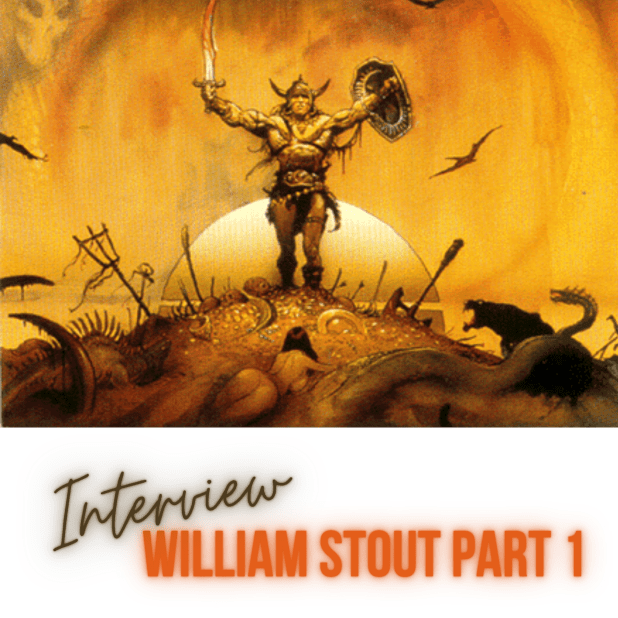
Interview with William Stout Part 1

I get the impression that if it wasn’t for William Stout, I might not love pop culture as much as I do.

From being one of the first American contributors to Heavy Metal to working on nearly seventy movies, countless posters, the world of fine art, theme parks, children’s books and so much more, I’ve been following his art before I even realized that one man was behind all of it.

It’s been beyond an honor to get to speak with Mr. Stout and learn even more. His time is more than appreciated. This was a true learning experience. 

B&S About Movies: I’m always interested in how artists got their start. What was yours?

William Stout: I attended the Chouinard Art Institute (California Institute of the Arts or CalArts) on a full California State Scholarship — not because of my art skills but due to my family’s poverty and my making perfect scores on my SATs. I was an illustration major and the school had a great policy which was if you got any real outside work, you could turn that in in lieu of your homework. I started picking up jobs my second year in art school, and by the end of the third year, nearly everything I was doing or submitting was a real job. It made the transition from Academia to the real world absolutely seamless.

First, I was taking any job that came around, like the first advertising for Taco Bell for whom my job was trying to convince people from the Midwest that Mexican food was safe for white people to eat. These jobs really informed me as to what I wanted to do and what I didn’t want to do. I started gravitating toward more stuff that I wanted to do. 

I got a call from an ad agency for whom I had been doing all kinds of miscellaneous ads and they said, “We’ve got something different for you this time. It’s a movie poster.”

“What’s the movie?,” I asked.

“It’s an animated feature called Wizards by Ralph Bakshi.” And I was like, great, show me the movie.

They replied, “It’ll be a better poster if you don’t see the film.”

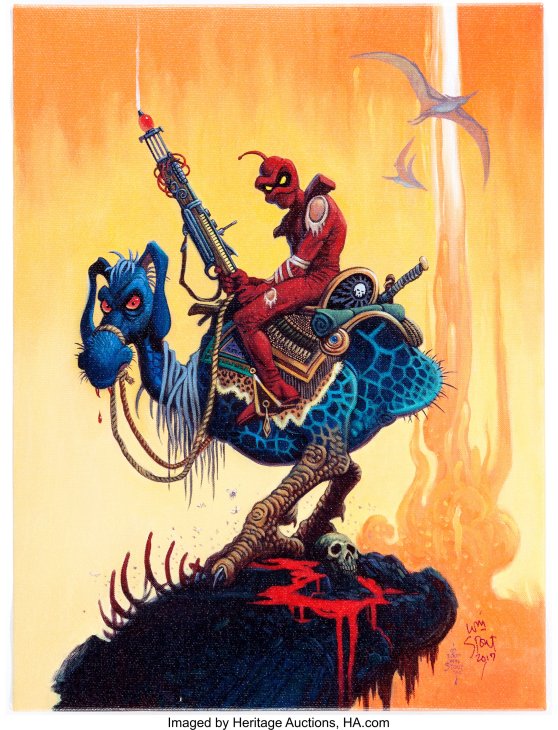
Doesn’t speak well of the film, but it became the job of jobs. And it also became one of the most iconic images of my entire career. The missing ingredient is always the audience, the public. They’re the ones that determine whether something’s going to be famous or not. 

William Stout’s poster art from Wizards. Posted from Heritage Auctions.

I didn’t really get into doing movie posters until I did the very first commercialization of Star Wars. I created 21 designs for Coca-Cola glasses for Burger King. George Lucas has got a long memory and he always throws work my way. Not long after, he demanded that the agency use me for art for the re-release of American Graffiti. They didn’t want to use me because I was an unknown quantity. They weren’t familiar with my work. They didn’t know if I could make deadlines. But Lucas insisted that I do the poster and I came through like a champ. Because of that, the advertising agency – which was doing about 90% of the movie posters in town – started to hire me on a regular basis. 

At that time, corporate annual reports and movie posters were the best paying jobs for illustrators. So, I was making a ton of dough back then. Then I sort of accidentally fell into the film business.

B&S: How do you go from the ad side to being part of the product?

Stout: Those two sides usually never meet! They’re separate industries. 

I was a big Conan fan. I loved the Robert E Howard books and the Frazetta paintings. A friend of mine, Bob Greenberg, was working as a production assistant on Conan the Barbarian. He told me the film’s production designer was Ron Cobb. 

I was shocked it was Cobb, because I only knew him from his political cartoons in the Los Angeles Free Press, which were distributed all over the world. I knew he created designs for some of the aliens in the Star Wars cantina sequence. I was really intrigued to see what this guy would do with Conan, but I was so busy doing movie posters that there was no way I could get over to their office. 

One day, I finally got a break in my schedule. Instead of going over to the Conan offices, however, I went to the American Booksellers Association, which was an annual event in New York or Los Angeles. Every single publisher and every single editor in the entire country are all in one big room, so it’s the perfect place for an illustrator like me to go booth-to-booth with my portfolio and pick up enough work for the rest of the year. So that was my plan. 

I walked into the ABA and by sheer coincidence, the first person I bumped into was Ron Cobb. He said, “You’re my first choice of who I want to work with in the Conan art department, but I have an agreement with writer-director John Milius. He has veto power over anybody I want to have in the art department. And I have veto power over anybody he wants to put in the art department. So would you mind dropping off your portfolio for John to see?”

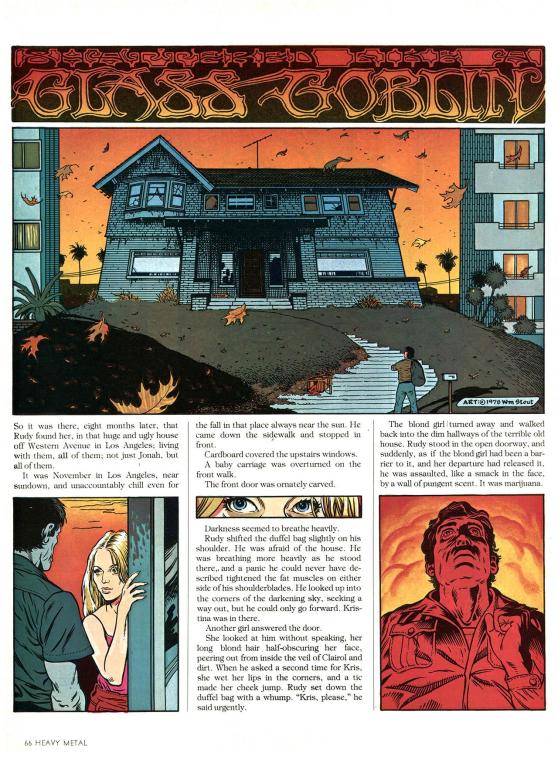
That seemed fun, getting a chance to learn how to make movies. So I went in the next day and Milius happened to be there. He remembered a Harlan Ellison story I had drawn for Heavy Metal – “Shattered Like a Glass Goblin” in vol. 2 issue 6 – that he really liked. He handed me back my book and as I walked out of the room he said – he’s a bigger than life kinda guy – really dramatically, he shouted, “Hire him!”

Stout’s incredible work on this Harlan Ellison story.

I walked into the line producer’s office – Buzz Feitshans – and when he told me what I’d be making on Conan, I nearly fell out of my chair laughing because it was about 10% of what I was making in advertising. But I was being hired for just for two weeks, so it didn’t bother me. Later, I learned that you’re always hired for two weeks because they want to find out whether or not you’re a jerk.

And if you’re a jerk, after two weeks, your job is over. No hard feelings.

But if you’re good and you deliver, well…

My two weeks on Conan turned into two years and it became my entry into the film business.

When I first got hired, Kathleen Kennedy (future President of Lucasfilm) was our receptionist. And we were sharing offices with Steven Spielberg! So, Cobb and I would work on Conan during the day and then run across the hall to Stephen’s office to kick around ideas for his next project which was Raiders the Lost Ark

I thought working in film would always be like that, but it wasn’t. (laughs) I was just incredibly lucky, a real example of right place, right time.

From William Stout’s site — https://www.williamstout.com/news/journal/2019/07/26/untold-tales-of-hollywood-21/ — and this post has an incredible Ron Cobb story.

B&S: It’s like how so many ad guys start wanting to do comics and then learn how little money they’ll make.

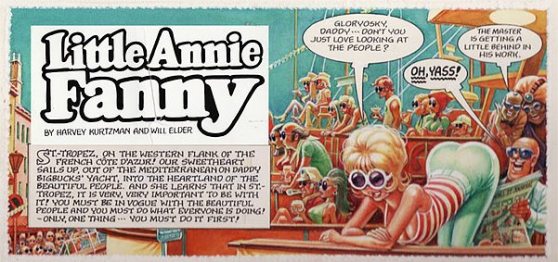
Stout: I worked with Harvey Kurtzman and Will Elder on “Little Anne Fanny”. Some years later, Kurtzman called me up and asked me to take over the strip for Playboy. I turned him down. 

“How can you turn down the best paying job in comics?” he asked.

I said, “Harvey — in comics. I work in the real world. I know how much work goes into “Annie,” because I worked on it with you. Each page takes almost a month. In that time, I could be making a hundred times what you’re paying me just by doing advertising.”

He later told me he was depressed for two months after that.

That’s why I kept trying to get him to come to Hollywood. I said, “You’re really funny. Comedy is gold in this town. You can be financially set up for the rest of your life.”

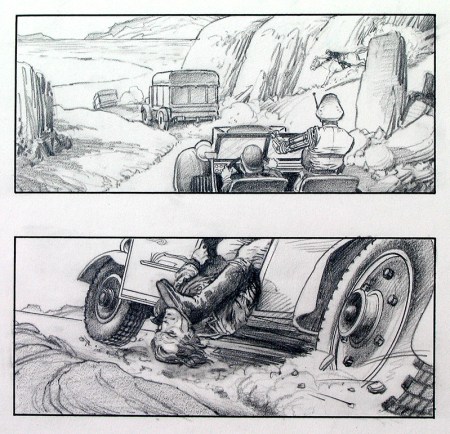
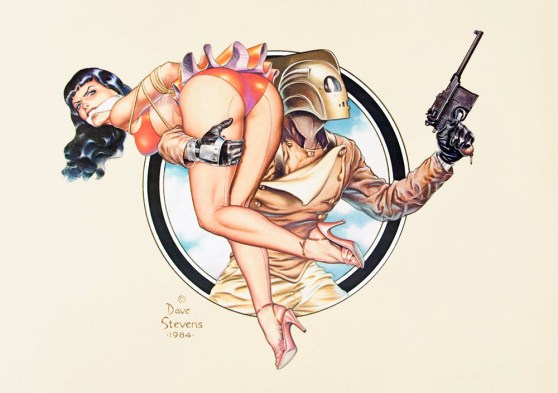
I helped out Spielberg by doing some of the boards for the sequence where Indy fights the Nazis on the truck. I knew he was trying to get me to leave Conan and work on Raiders but I didn’t want to do that. I wanted to stay loyal to Ron Cobb and John Milius for giving me such a break in my career. So, I recommended my studio mate Dave Stevens to do the boards. 

B&S: What was Dave Stevens like?

Stout: One of the nicest guys you’d ever want to meet and a really funny guy. Whenever I picture of him in my mind’s eye, he’s either laughing or smiling. He was a very private guy as well, often disappearing without telling anyone. One time, I tried for months to invite him over for dinner and never got a response. Eventually, he called back. 

I said, “Dave, I’ve been trying to get you over here for dinner and you never call me back.”

He said, “Oh. I’ve been living in Paris for the past couple months.”

B&S: The Rocketeer was my introduction to the look of the 30s. And Bettie Page.

Stout: Dave was really obsessed with the 30s. If you walked into his house, it was like stepping into 1936. And watching all this stuff emerge at my studio that he was drawing; it was just amazing to come in each day and see what he had done the previous night.

Has there ever been a better comic?

In the next chapter of our interview, we discuss the Conan follow-ups, Mr. Stout’s introduction to screenwriting and his work for Roger Corman.

Please check out The Worlds of William Stout to learn more about this legendary artist and order his work.

APRIL MOVIE THON DAY 4: Our Friend Power 5 (1989)

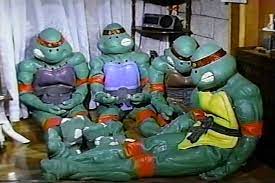
Five humanoid turtles from the planet Battlestar and Princess Yesular have crash landed on Earth after a battle with the dreaded Shark Gang, who are all rats, but it’s a cool name. So yes, this Teenage Mutant Ninja Turtles remix asks us to imagine an alternate universe where Master Splinter is the bad guy, that there are five turtles that can transform into human beings and that Go-Bots is in the same time and space as our heroes in the halfshell.

This was not the first time that Shin Hyun-hwan had teamed with Popeye Science, a toy company in South Korea, to make a movie directly based on toys. Of course, none of the toys he made movies about were unique. According to How the World Remade Hollywood, he started by reverse engineering Japanese mech toys to look close to other films that were coming out, including Space Gundam V, which has nothing to do with Gundam and instead a remix of Space Dimension Fortress Macross.

This time, the turtles are using a Bandai Machine Robo design while the Sharks have Galactic Gale Baxingar as their weapon. You have to love that level of sheer bul-al, right?

Also, this movie does not care at all about giving kids nightmares, as the moment the Sharks hit Earth, they go to the woods and outright murder some children.

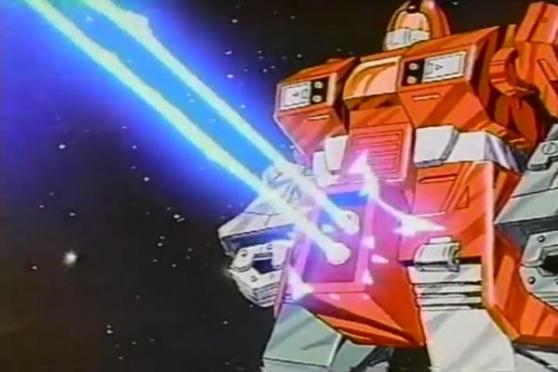
Not only does this movie jump between live action and traditional animation, it has a robot to shoots lasers out of its pelvic area, which is also a good power to have.

Imagine how strange it would be to grow up with Our Friend Power 5 and then learn that it’s all a lie. Kind of like how we played with Transformers without realizing that they were multiple lines of mechs all remixed for Western sensibilities. Kind of like Robotech, which took the aforementioned Macross and mixed that show with Southern Cross and Genesis Climber MOSPEADA, two entirely unrelated shows, to make a new narrative for U.S. audiences. Or how Voltron combined Beast King GoLion and Armoured Fleet Dairugger XV to create one Americanized cartoon continuity. 

You can watch this on YouTube.

APRIL MOVIE THON DAY 4

It’s day four of the B&S About Movies April Movie Thon and time to fire up your movie remix, remake and ripoff machine.

April 4: Ripoff — A shameless remake, remix or ripoff of a much better known movie. Allow your writing to travel the world (we recommend Italy or Turkey).

If you want to learn more about these movies, I urge you to buy How the World Remade Hollywood and read our four-part interview with author Ed Glaser.

All April long, we’ll have thirty themes as writing prompts. If you’d like to be part of it, you can just send us an article for that day to bandsaboutmovies@gmail.com or post it on your site and share it out with the hashtag #BSAprilMovieThon.

Here are some past films that we can recommend to watch today:

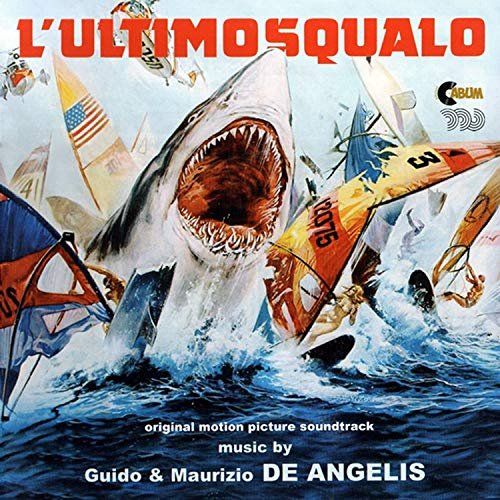
The Last Shark (1981): This movie — which outright rips off entire scenes and characters from Jaws — made $18 million in its first month of U.S. release. A month into the film’s run, federal judge David V. Kenyon ruled that it was too similar to that movie and it was banned from theaters.

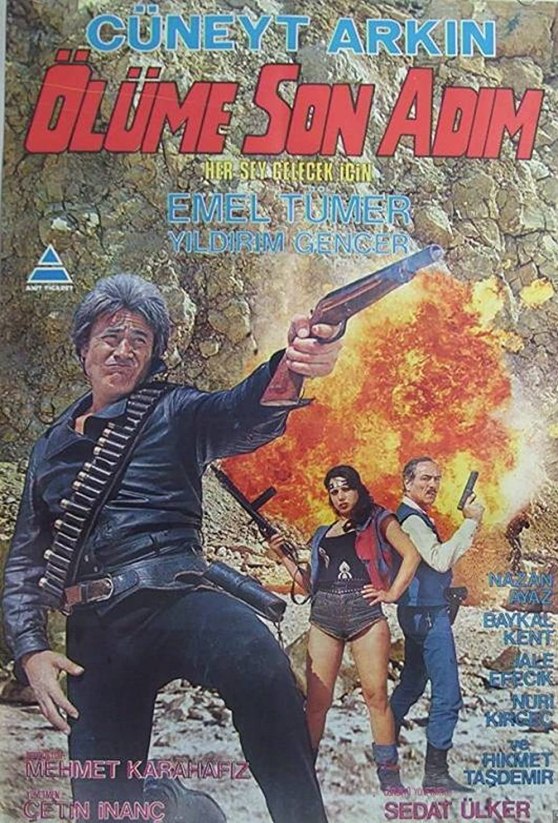
Ölüme Son Adim (1983): There are so many Cüneyt Arkin movies that I can recommend to you and this is but one of them. Every single moment of this movie is sheer joy and feels like doing drugs and then being in the best fight club ever except that every punch to the face only brings more bliss. Some call it the Turkish Mad Max. I just love it for whatever it is.

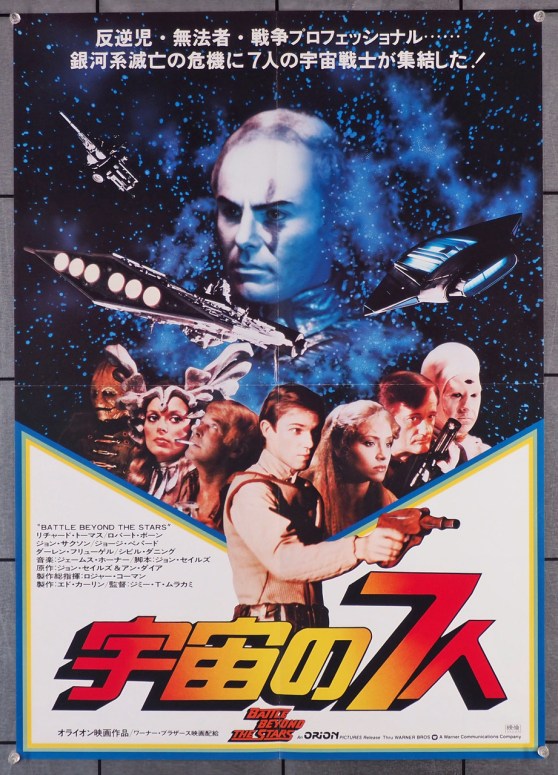
Battle Beyond the Stars (1980): While this movie remakes The Magnificent Seven, that movie was really The Seven Samurai and hey, Bruno Mattei did the same thing with Seven Magnificent Gladiators

So what are you watching today?

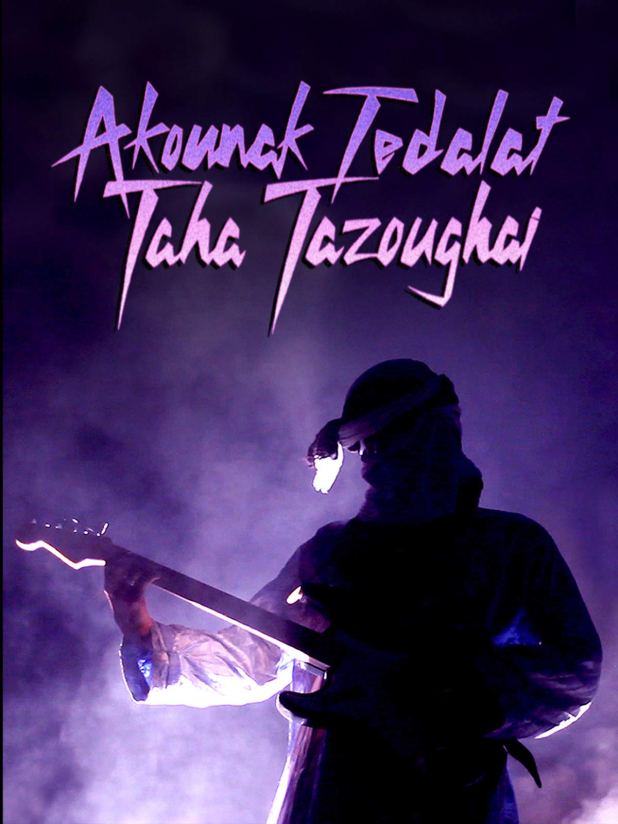
APRIL MOVIE THON DAY 4: Akounak Tedalat Taha Tazoughai (2015)

What does Akounak Tedalat Taha Tazoughai mean?

Rain the Color of Blue with A Little Red In It.

And even though Prince asked us to “reach out for something new,” this movie — based on the life of famous musician Mdou Moctar — is also a homage to Prince’s first movie. But yet it emerges as a truly unique piece of cinema all its own.

The amazing book How the World Remade Hollywood explains how the music of Sub-Saharan Africa moved from one phone at a time via MP3 and bluetooth, including the fusion of traditional Tuareg guitar music with modern amplification. In Niger, where this movie was made, this so-called desert blues found a home.

Christopher Kirkley, who traveled this region to discover its music found parallels between Moctar and Prince. This allowed him to imagine a Purple Rain that retains the family struggles while also understanding that the audience was mostly Muslim, so Prince’s sexuality would be toned down.

Made with no trained actors, this film is truly all about the music. Moctar started playing on a guitar he built out of wood and bicycle cables. If music is truly universal — I believe that it is — the sheer fact that this film can transplant Minnesota to Agadez should make you realize that we aren’t all that different.

After all, Prince also sang:

“Make believe U’re a hero, make believe U’re a star
Make believe that U’re somebody instead of who U really are
Make believe
It’s only a movie.”

DRIVE-IN ASYLUM audio commentary: Messiah of Evil

You may already know how much I love Messiah of Evil, but now Bill Van Ryn from Groovy DoomDrive-In Asylum and the weekly Drive-In Asylum Double Feature and I have teamed up to create a commentary track for the film. Plus, you get an ad gallery of the many names this film has used and a cocktail recipe, just like you’re watching the weekly show. Yet even better, you get to watch the movie with us and get to hear why we love it and lots of information on how it was made.

Check it out and please give us feedback. If you like it, please share.