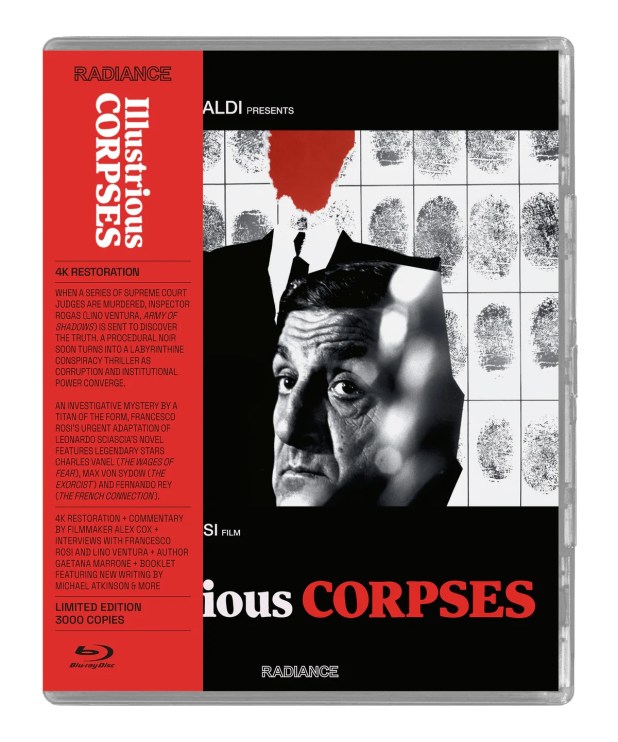
RADIANCE BLU RAY RELEASE: Illustrious Corpses (1976)

When several important judges are murdered, Inspector Rogas (Lino Ventura) is put on the case, but what starts as a simple detective story soon becomes a conspiracy thriller.

Based on Leonardo Sciascia’s book, this was directed by Francesco Rosi (The Mattei Affair, The Moment of Truth), who wrote the script along with Tonino Guerra and Lino Jannuzzi.

When three judges are killed — during the Years of Lead, the times of great political unrest in Italy — Rogas is told not to go into the crimes that the men committed and just to solve their murders. This leads to Rogas being demoted after the murders don’t stop and told to work with the political division so that the crimes can be blamed on revolutionary Leftist terrorist groups and not Cres, a man who was set up by the judges and his wife (Maria Carta). 

Or maybe it goes deeper. Even the chief of police is in on the crimes, which leads Rogas to believe that while Cres killed the first three judges, the other murders were ordered to justify the prosecution of the far-left groups. But he’s too deep, and there’s no way he can learn this much and make it out alive.

In case you’re wondering, the title of this film is based on Cadavre Exquis (Exquisite Corpse), the surrealist game invented by André Breton. It’s when players contribute words or images to a collective piece of art without seeing what others have done.

The last line of this, when the reporter asks whether people will ever know the truth, and the answer is “Truth is not always revolutionary,” sparked widespread controversy.

The Radiance release of this film has a 4K restoration of the movie by Cineteca di Bologna at L’Immagine Ritrovata and The Film Foundation, as well as audio commentary by filmmaker Alex Cox, archival interviews with director Francesco Rosi, Francesco Rosi and Lino Ventura, an interview with Gaetana Marrone, author of The Cinema of Francesco Rosi, a trailer and an image gallery. It has a reversible sleeve featuring designs based on original posters, a limited edition booklet featuring new writing on the film by Michael Atkinson, and newly translated writing by and an interview with Rosi. This is a limited edition of 3000 copies, presented in full-height Scanavo packaging with removable OBI strip leaving packaging free of certificates and markings. You can get it from MVD.
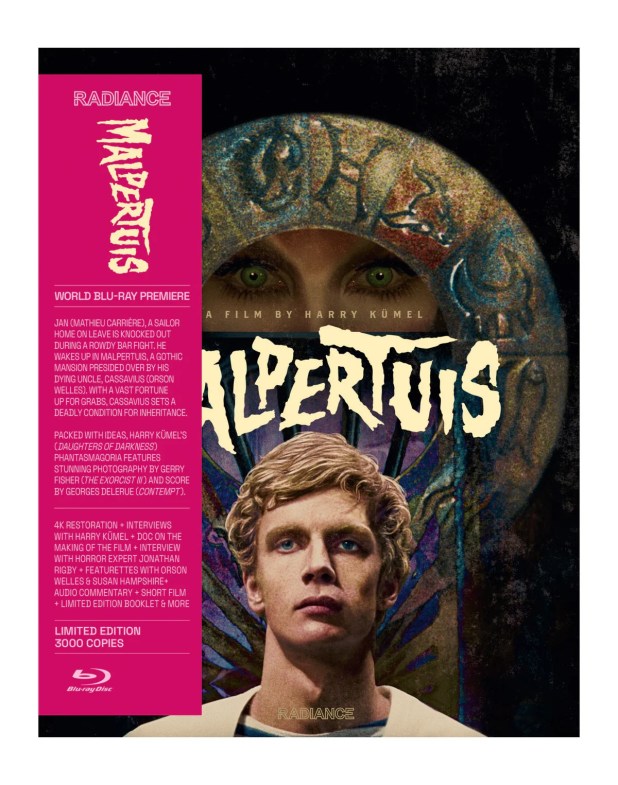
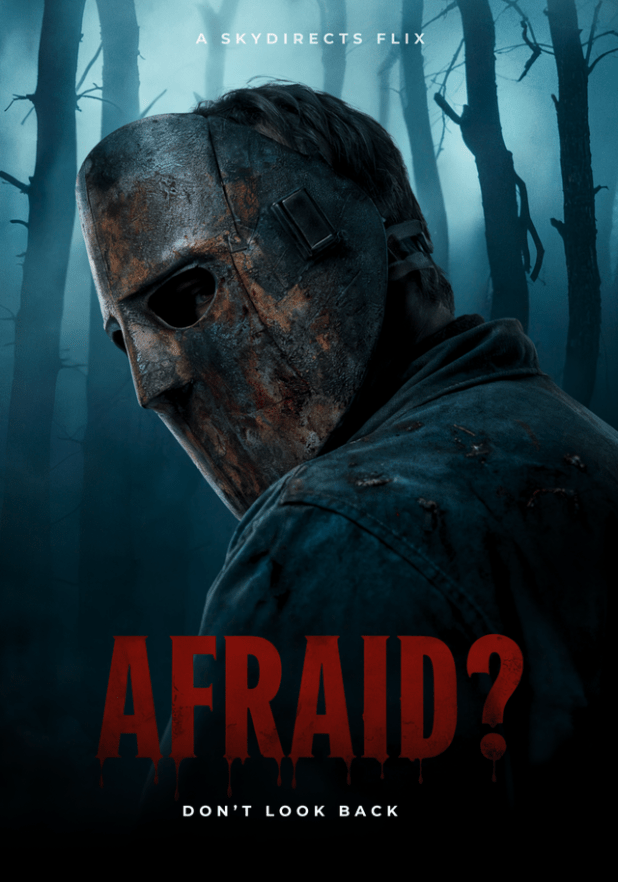
RADIANCE BLU RAY RELEASE: Malpertuis (1971)

Malpertuis was directed by Harry Kümel (Daughters of Darkness) and was based on the Jean Ray novel of the same name. It was released in the U.S. as The Legend of Doom House, which is not as classy a title, but you know me. I like the sleaze.

Jan (Mathieu Carrière) is a sailor who has decided to leave the sea and return to his childhood home. He’s abducted during his search and wakes up in a mansion called Malpertuis and surrounded by relatives like his sister Nancy (Susan Hampshire), a taxidermist named Lampernisse (Jean-Pierre Cassel) and his occultist uncle Cassavius (Orson Welles), who forces everyone to become Greek gods and never leave under penalty of death.

As for Malpertuis, it could fit into an Italian Gothic horror movie, as it’s a maze of secret rooms, long corridors, and cobwebbed staircases.

Kümel worshipped Welles, wrote the part of Cassius for him, and made sure to get him the money he asked for. As nervous as he was to meet his idol, he was greeted by a drunk and angry Welles on set. That said, they got along, even if no one else in the film did with the legendary director. People had a way of not getting along with Welles, like writer Charles Higham, whose book Orson Welles: The Rise and Fall of an American Genius used a photo of this to show the actor’s decline. Never mind that he was made up to look older than he really was, and on his deathbed.

The Radiance Blu-ray of Malpurtis has a new 4K restoration of the film overseen by director Harry Kümel, along with a new interview with the director. There’s also an archival commentary by Harry and assistant director Françoise Levie, an archival making of documentary, a featurette on Welles, an interview with author and gothic horror expert Jonathan Rigby, archival interviews with Susan Hampshire, Michel Bouquet, Harry Kümel, Jean Ray and John Flanders, Kümel revisiting locations from the film, the Cannes cut of the movie, The Warden of the Tomb (Kümel’s early film based on Franz Kafka’s play) and a trailer. It has a reversible sleeve featuring original and newly commissioned artwork by Time Tomorrow, a limited edition 80-page perfect bound booklet featuring new writing by Lucas Balbo, Maria J. Pérez Cuervo, David Flint, Willow Catelyn Maclay and Jonathan Owen and a limited edition of 3000 copies, presented in rigid box and full-height Scanavo packaging with removable OBI strip leaving packaging free of certificates and markings. You can get it from MVD.
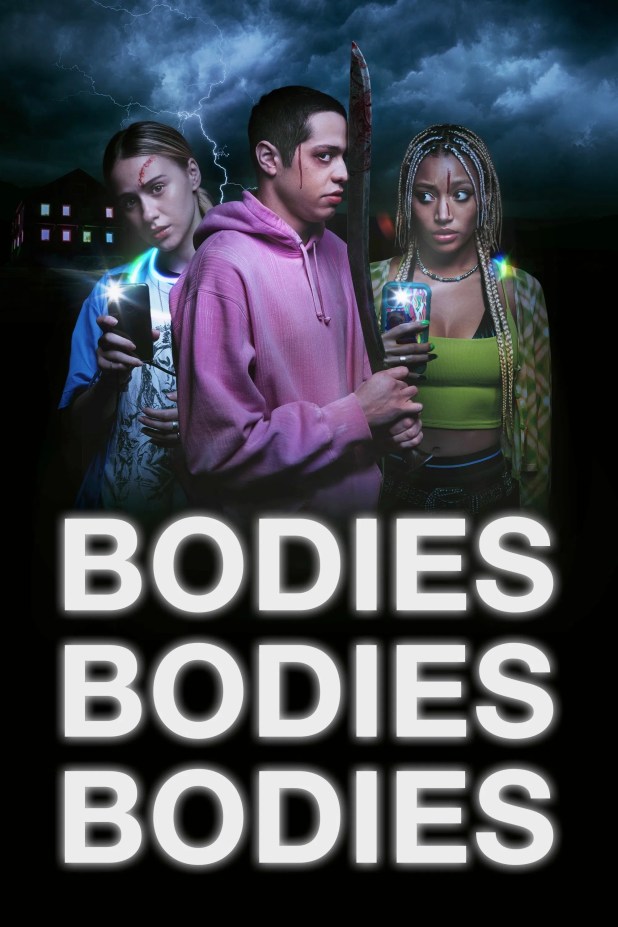
Afraid? (2026)

ABOUT THE AUTHOR: Joseph Perry writes for the film websites Gruesome Magazine, The Scariest Things, Horror FuelThe Good, the Bad and the Verdict and Diabolique Magazine; for the film magazines Phantom of the Movies’ VideoScope and Drive-In Asylum; and for the pop culture websites When It Was Cool and Uphill Both Ways. He is also one of the hosts of When It Was Cool’s exclusive Uphill Both Ways podcast and can occasionally be heard as a cohost on Gruesome Magazine’s Decades of Horror: The Classic Era podcast.

Official synopsis: From writer/director SkyDirects (Run Nixon), Afraid? follows a group of high school friends whose Halloween weekend getaway spirals into a deadly game of What Are You Afraid Of? — a chilling look at how fear manifests when trust turns to survival. The film stars Kendre Berry, Teairra Mari, and features a cameo by four-time Grammy nominee Mase.

 Director SkyDirects makes a valiant attempt at crafting a throwback-feel slasher movie with mostly Black characters at the forefront with Afraid? (AKA What Are You Afraid Of?), but the result is a film that seems to try to do too much and ends up being unfocused. Its reliance on slasher movie cliches without bringing much new to the table is also a detriment.

The cast members and their performances are the stand-out in terms of positives for the film. They put their all into their roles, although the writing gives them little to work with other than bickering, flirting, or making up with one another before the kills begin. The screenplay is also heavy on cliches, from the red herring seemingly insane local to the rednecks hassling the protagonists to the standard cabin in the woods with no cellphone reception, and beyond. Also, it takes a solid hour before the slasher first strikes.

Plot points are brought up and then dropped; for example, the “What Are You Afraid Of?” game that makes up the alternate title — shown to start the end credits — is only used long enough to set up a scene for one character. Edits are also sometimes head scratchers, including one jump from the characters to seemingly stock footage.

I wish I could offer more positives to offer for Afraid?. I would recommend it for slasher movie completists and aficionados of lower budget indie horror. 

Afraid?, from Cleopatra Entertainment, received a DVD/Digital release on December 16, 2025. For more information, visit https://www.ovid.tv/

Bodies Bodies Bodies (2022)

You may hate every single person in this movie, but hey — they won’t be around for long.

You know those scenes in 1970s Giallo where there are huge parties, where women fight one another in paper dresses (The Strange Vice of Mrs. Wardh) or where people soft-swing on couches while people pass out around them (Amuck!)? What would those parties look like today? That’s one of the things I learned from this movie.

Directed by Halina Reijn (Babygirl) and written by Sarah DeLappe and Kristen Roupenian, this movie begins with a wild party thrown during a hurricane at David’s (Pete Davidson) house. Everyone’s on drugs, they’re all entitled, they’re all gorgeous, and most of them are going to die.

Amongst this rich jet set, Sophie (Amandla Stenberg) has brought her new girlfriend, an Eastern European immigrant named Bee (Maria Bakalova). It’s not comfortable at all for her, as she gets to know Jordan (Myha’la), David’s girlfriend Emma (Chase Sui Wonders), Alice (Rachel Sennott) and her boyfriend Greg (Lee Pace). Things are so fractious already that one person, Max (Conner O’Malley), has already left.

The storm ruins everyone’s phone reception, the power goes out, and a game of (Mafia, Werewolf, Murder In the Dark) goes wrong. Bodies, Bodies, Bodies. David slaps Greg too hard, who leaves, then David gets angry about the game and starts smashing things. Then, they find his body with his throat slashed. As you can imagine, this already tension-filled night explodes, as without the internet, everyone, well, loses their minds and starts to kill one another. 

But what if there wasn’t a murderer in the first place?

Nearly an Agatha Christie story with relationship drama, this movie has taught me to never allow people to saber at my house.

In an interview with the director, she said that the sources of light each person uses symbolize their personality. Bee has her phone on her hip, which shows her selflessness. Jordan has a headlamp for confrontation. Alice has glowtubes so that she is the center of everyone’s attention. Emma is introverted, so she never has a light and neither does Greg or David. 

As happy as this ends, the underwear that Bee finds in Sophie’s car belongs to Jordan, which is a clue that they did have sex and more than just a relapse, she cheated on her.

Cinematic Void January Giallo 2026: Nothing Underneath (1985)

EDITOR’S NOTE: Cinematic Void will be playing this on Monday, January 19 at 7:00 p.m. at the American Cinematheque Los Feliz 3 in Los Angeles (tickets here). For more information, visit Cinematic Void

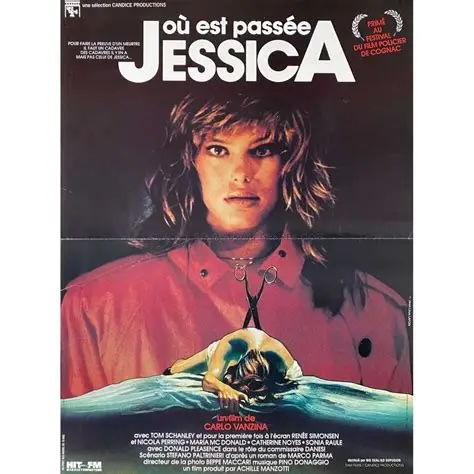
Initially intended for Michelangelo Antonioni, this film had the potential to be another Blow-Up. However, Carlo Vanzina and Enrico Vanzina created it with only a limited connection to the novel that inspired the title. The book, written by fashion journalist Paolo Pietroni under the pseudonym Marco Parma, generated significant controversy upon its release for naming prominent figures in Italy’s fashion industry.

The plot of this film, unlike any other, revolves around a serial killer prowling the streets of Milan, targeting glamorous models with a deadly pair of scissors, a weapon suggested by the renowned writer Franco Ferrini, known for his collaborations with Dario Argento. The initial choice of a gun as the killer’s weapon was quickly discarded, as it didn’t quite fit the unique essence of the Giallo genre.

Meanwhile, Yellowstone Park ranger Bob Crane (played by Tom Schanley) senses that his sister Jessica (Nicola Perring) is in distress. His journey takes him across the world, where he unexpectedly finds himself mingling with the rich and famous. Can he rescue her, or will he find himself in the crosshairs of the killer? And will Donald Pleasence ever turn down a film role?

One thing is certain: Barbara (Renée Simonsen), a model and friend of Jessica’s, is interested in Bob, but there are hints that she might also be obsessed with Jessica.

I often think about the connection between Dario Argento and Brian De Palma. This movie shares similarities with its murder scenes set in Italy and its modern American methods of death, which are reminiscent of the drill in Body Double and the psychic elements in Sisters.

Unlike many Giallo films, this one made a significant impact in Italy, sparking a small wave of comeback films set in the fashion world and the sequel Too Beautiful to Die. While I prefer that sequel and certainly think it surpasses the third film, the Vanzina brothers’ The Last Fashion Show, I’ve come to appreciate this film over time.

Never forget that this has one of the most amazing moments in Italian exploitation movies: Donald Pleasence going to town on a Wendy’s salad bar.

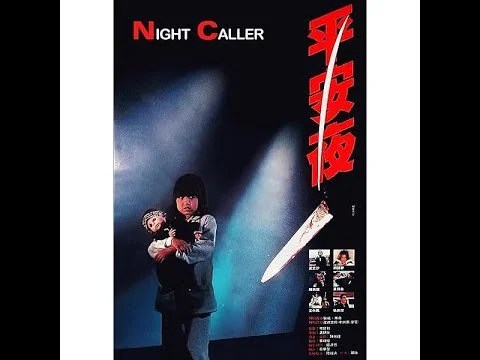
Night Caller (1985)

Directed and written by Philip Chan, this is about Detective Steve Chan (Phillip Chan! Hey — you’re doing it all!) and his new partner, Porky (Patricia Ha), who are looking for Detective Bobby Wong (Melvin Wong), Chan’s old partner, who has been taken by a serial killer.

Yet what’s exciting about this is that it begins with a black-gloved murderer who wouldn’t be out of place in a 1970s Giallo. That murdered model, Jessica, leaves behind a six-year-old daughter who watched her mother die from a closet and has since lost her ability to speak. 

Chan was a former police inspector, so at some point, we move away from the yellow influence, and it becomes a procedural drama. 

If, like me, you make strange lists of one on Letterboxd, this could fit into “Movies with a Chuck E Cheese location outside of the United States” and “Giallo movies with “Mickey” by Toni Basil on the soundtrack.” It also has movie trivia as a detective skill, and it’s a holiday movie too.

Between this and He Lives By Night, I think Hong Kong really loved Tenebre. I wish this had stayed Giallo, but it’s still a decent movie.

You can download this from the Internet Archive.

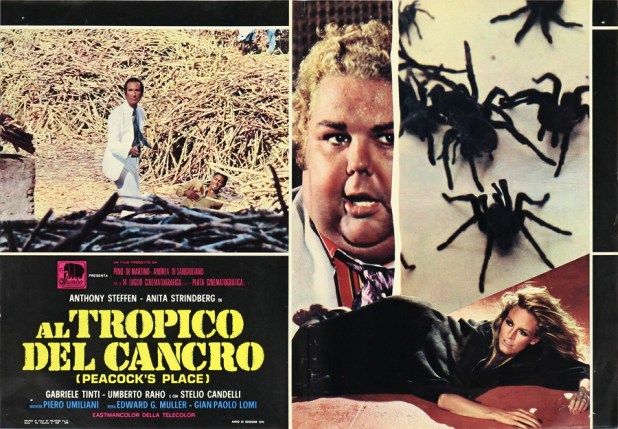
Cinematic Void January Giallo 2026: Tropic of Cancer (1972)

EDITOR’S NOTE: Cinematic Void will be playing this tomorrow at 7:00 p.m. at the Music Box Theater in Chicago (tickets here). For more information, visit Cinematic Void

Anita Strindberg is in Your Vice Is a Locked Room and Only I Have the KeyA Lizard in a Woman’s SkinThe Case of the Scorpion’s TailWho Saw Her Die?, The Two Faces of Fear, L’uomo Senza Memoria and Murder Obsession, but is never mentioned with the same devotion as Edwige Fenech or Barbara Bouchet. Well, she’s excellent in this and in nearly everything else I’ve seen her in.

In this film, she plays Grace, the wife of Fred (Gabriele Tinti, Endgame) and their vacation has led them to Haiti and Dr. Williams (Anthony Steffen, who primarily is known for Italian westerns, but also appeared in The Night Evelyn Came Out of Her GraveEvil Eye and An Angel for Satan), who has invented a new drug that can change the world. It’s so astounding that everyone from drug cartels to drug companies — which are really close to one another, when you really think about it — will kill for its formula.

There’s also a scene where the doctor takes our heroes to watch a voodoo ritual, all so this movie can have a bit of mondo* within it. Because it’s an Italian film, that means we’re about to watch a real bull really get killed and then lose its scrotum in gorgeous living color. The film then tops this with actual cows being slaughtered, so if you’re upset by the side of Italian cinema that doesn’t shy away from putting animal butchery right in your face, make a mark to avoid.

This movie leaves me with so many questions. What kind of doctor is Williams? He says he’s a veterinarian, then he makes a magical antivenom drug, and oh yeah, he’s also a meatpacking inspector. And just what kind of wonder drug has he made? And did the filmmakers realize that the Tropic of Cancer is nowhere near Haiti?**

So yeah — most of the movie is spent wondering whether Grace will succumb to the lure of the native men***. And the best character in it is Peacock (Alfio Nicolosi, who was also in Goodbye Uncle Tom), who pretty much runs the island. Also, the murders in this go from high tech to voodoo-based death and faces getting melted right off, which is different for a giallo****.

And hey — that Piero Umiliani (Orgasmo, Baba Yaga) score is perfect!

It’s not a superb giallo, but it’s certainly weird, and sometimes that’s good enough.

*One of the directors of this film, Giampaolo Lomi, was the production manager for perhaps one of the most notorious mondo films, Goodbye Uncle Tom. The other, Edoardo Mulargia, directed Escape from Hell, which was edited into the Linda Blair movie Savage Island. So with backgrounds like those, the scummy mondo nature of this film makes a bit more sense.

*Of course, we can assume that with the Henry Miller novel being such a big deal getting banned and causing controversy that the title itself seemed like a good idea to get curious folks into the theater. Better than Death In HaitiPeacock’s Place or Inferno Under the Hot Sun.

***The flower that poisons her takes her on an insane erotic fever dream that we all get to watch, and the movie is better for this scene.

****There’s just as much — if not more — male than female nudity, too.

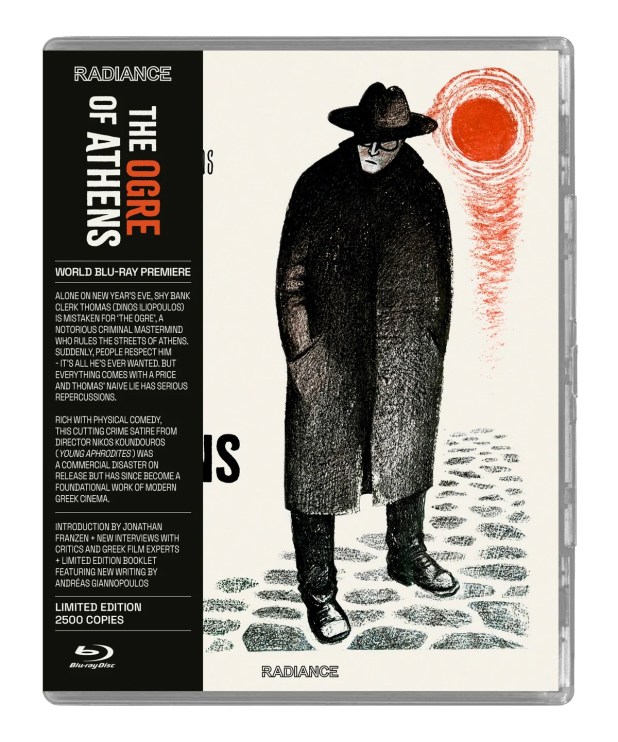
RADIANCE BLU RAY RELEASE: The Ogre Of Athens (1956)


Directed by Nikos Koundouros, this is the story of bank clerk Thomas (Dinos Iliopoulos), who struggles to keep up with the pace of modern life. On New Year’s Eve, a comedy of errors ensues when he’s confused with a crime boss named The Ogre. Now, men respect him, and women want him, but sooner or later, he’s going to pay for this.

Considered a Greek cinema classic — a mix of comedy and dark themes that initially confused audiences but later gained respect. It was the international reviews that changed how people saw it in its homeland — this may be a send-up of noir films and a slapstick comedy in parts, but wow. It ends on a really dark note. Also, some refer to this as The Dragon.

Extras include an introduction from Jonathan Franzen (2025), interviews with critic Christina Newland and Greek film expert Dimitris Papanikolaou, as well as a reversible sleeve featuring designs based on original posters, a limited edition booklet featuring new writing by Andréas Giannopoulos and extract from Jonathan Franzen’s Freedom. It’s a limited edition of 2500 copies, presented in full-height Scanavo packaging with removable OBI strip leaving packaging free of certificates and markings. You can get it from MVD.
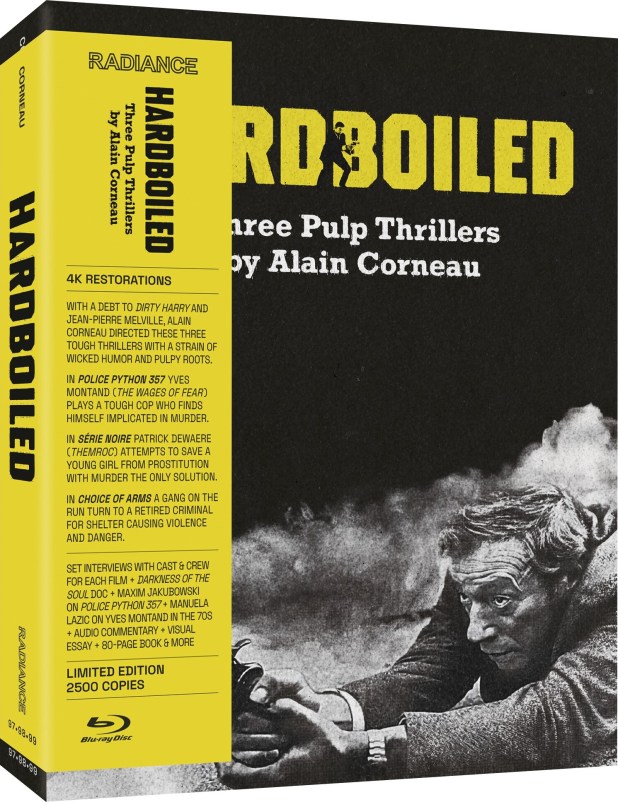
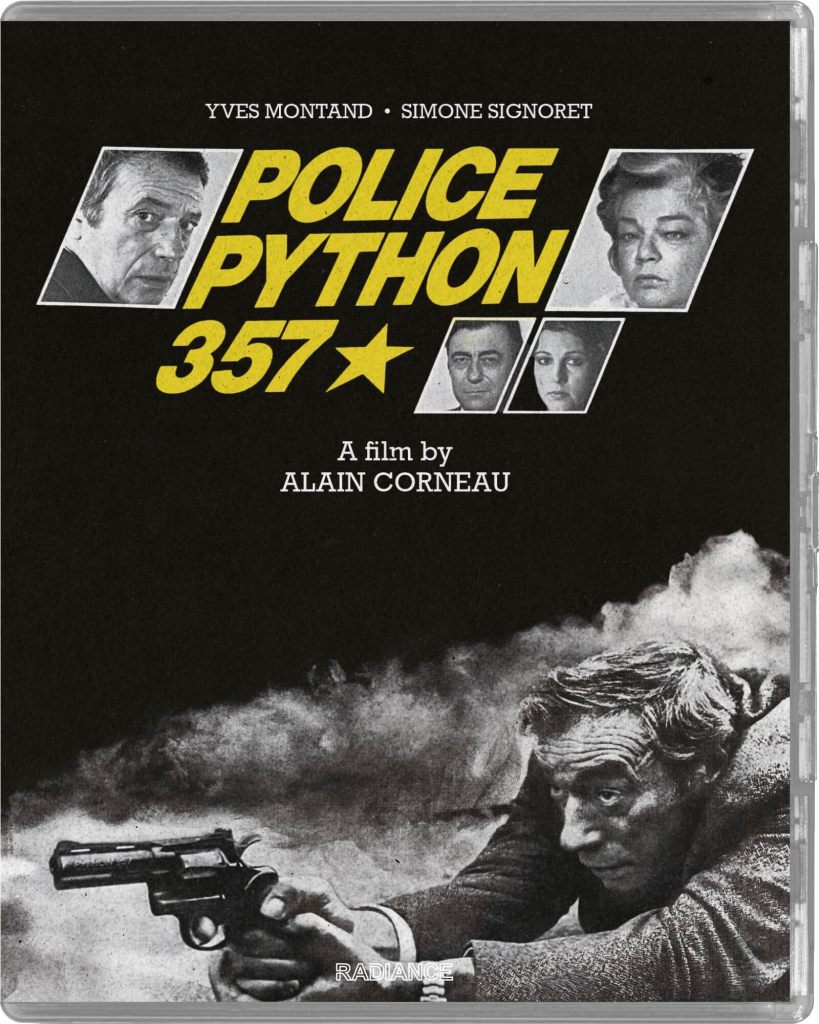
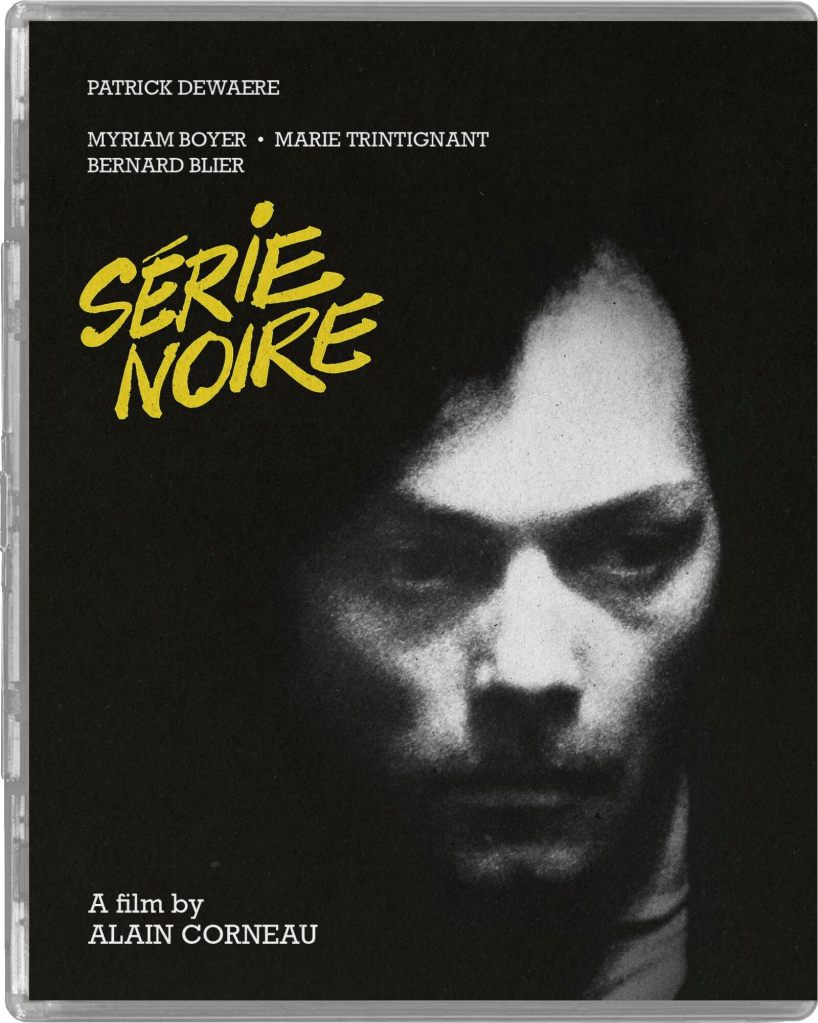
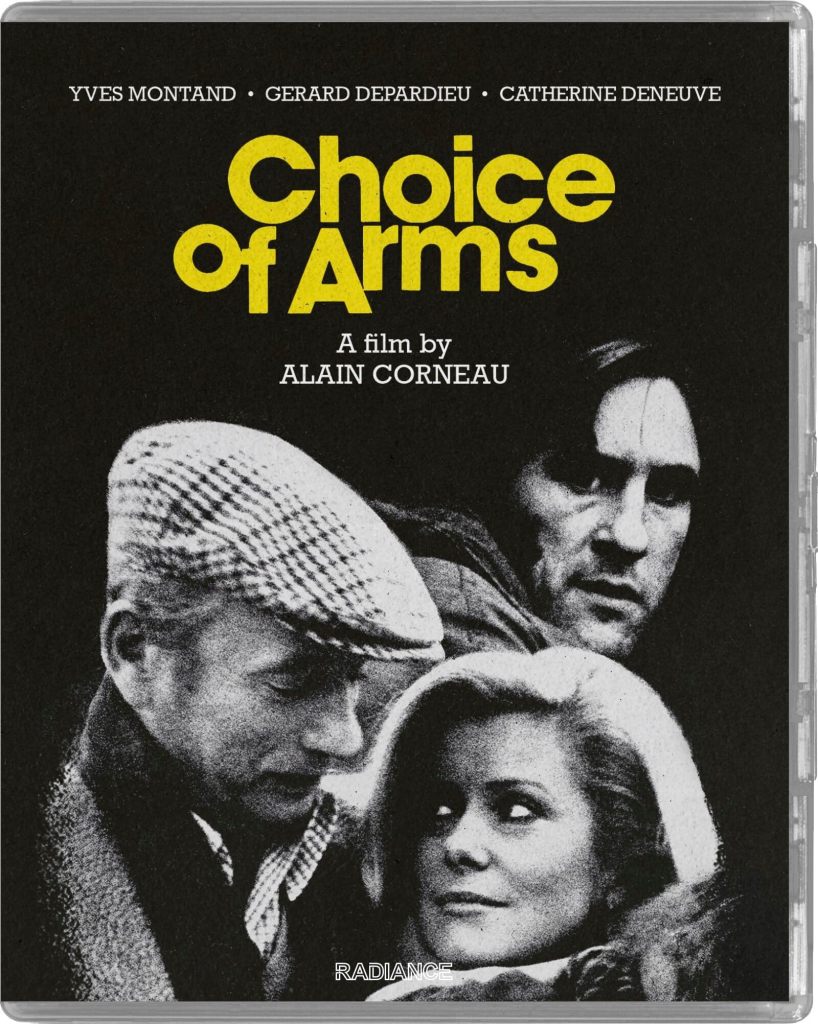
RADIANCE BLU-RAY BOX SET RELEASE: Hardboiled: Three Pulp Thrillers by Alain Corneau

Hardboiled: Three Pulp Thrillers has three pulp thrillers in the spirit of Dirty Harry from director Alain Corneau.

Police Python 357 (1976): The second screen adaptation of Kenneth Fearing’s The Big Clock — the first has Charles Laughton — this stars Yves Montand as Inspector Marc Ferrot. How close to Dirty Harry is this? The beginning is pretty much Magnum Force. Ferrot is in love with Sylvia (Stefania Sandrelli), a mysterious woman who has already been sleeping with his boss Commissaire Ganay (François Périer), despite him being married to Thérèse Ganay (Ferrot’s real-life wife Simone Signoret). That woman was killed by Ganay, and Ferrot is now the main suspect. This is very much noir, despite being influenced by early 70s violent cop movies from America.

While the box set is sold out, MVD has this by itself. You get extras like commentary by Mike White, Maxim Jakubowski on Police Python 357’s source novel and adaptation and an archival interview with Alain Corneau and François Périer about Police Python 357. 

Serie Noire (1979): An adaptation of Jim Thompson’s A Hell of a Woman, this moves the story to Paris. Franck Poupart (Patrick Dewaere) is a door-to-door salesman stuck in a dilapidated apartment and married to a depressive wife (Myriam Boyer). He’s drinking all the time as he gets over being on drugs. But when he hunts down a man who owes him money, he falls for a young prostitute named Mona (Marie Trintignant). When he’s arrested for stealing, she bails him out, and they decide to steal the money her madame has hidden. The attraction he feels for her will cause him to give up everything that matters to him: his morals, his job, even his marriage. Is it the right choice? 

While the box set is sold out, MVD has this by itself. You get extras like an interview with Alain Corneau, Patrick Dewaere, and Miriam Boyer; a making-of documentary; another interview with Alain Corneau and Marie Trintignant; and a visual essay about Jim Thompson adaptations for the screen by Paul Martinovic. 

Choice of Arms (1978): Noel Durieux (Yves Montand) is an old gangster content to be retired with his wife, Nicole (Catherine Deneuve). This all ends when an old accomplice shows up, only to die, but brings along the wild Mickey (Gérard Depardieu) with him. Two cops, Bonnardot (Michel Galabru) and Sarlat (Gérard Lanvin), start to hunt down Mickey and make life dangerous again for Noel, who just wants his wife to be safe. As this film reveals, that’s probably not possible. A life of crime is not an easy one to walk away from forever. This is less a noir than a tragedy.

While the box set is sold out, MVD has this by itself.

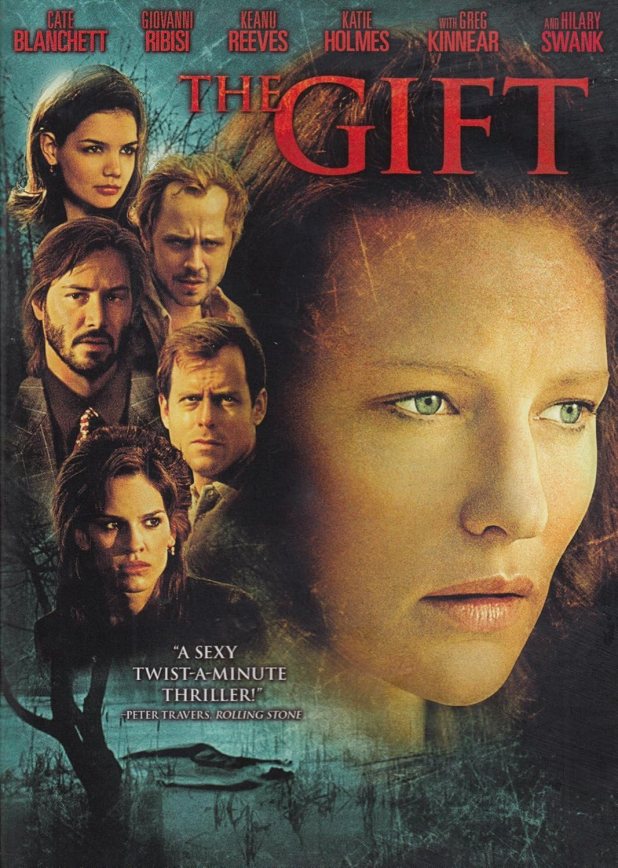
The Gift (2000)

Annie Wilson (Cate Blanchett) is psychic. While supernatural films can’t always be giallo, psychic abilities are generally alright, as seen by the inclusion of Fulci’s film of the same name. There are so many rules. Anyway, she mainly uses her powers to help people who have a rougher life than she and her three children, like Buddy (Giovanni Ribisi) and Valerie (Hilary Swank), whose abusive husband Donnie (Keanu Reeves) has threatened Annie’s life after she advises Valerie to leave him. 

Jessica King (Katie Holmes) has disappeared. The fiancée of school principal Wayne Collins (Greg Kinnear), she comes to Annie in a vision, telling her that she’s in a pond on Donnie’s property. The dream or message or whatever you believe is true, as Donnie is soon arrested. That night, Buddy, who has been upset about this murder, keeps trying to connect to Annie, who is overwhelmed by the body being found. He goes home and ties his father to a chair, setting him on fire in return for abusing him as a child.

The visions continue, as Annie believes Donnie is innocent and loved Jessica, with whom he was having an affair. She asks prosecutor David Duncan (Gary Cole) to reopen the case; he refuses, and she reminds him that she knows that he also had an affair with Jessica. This feels like Rome in the 70s, not Georgia; it’s just missing fashion, black gloves, and a better soundtrack. Actually, the Christopher Young score is good, but maybe some Morricone?

So who did it? Can Annie’s powers save her life and find the real killer? Written by Billy Bob Thornton and Tom Epperson before Sling Blade, Thornton based this on his mother’s real psychic abilities. It’s directed by Sam Raimi, who knows a little bit about suspense. Of course, Annie drives the car that is in every one of Raimi’s films, a Delta 88 Oldsmobile.