BIGFOOT WEEK: An interview with The Weirdest Movie Ever Made author Phil Hall

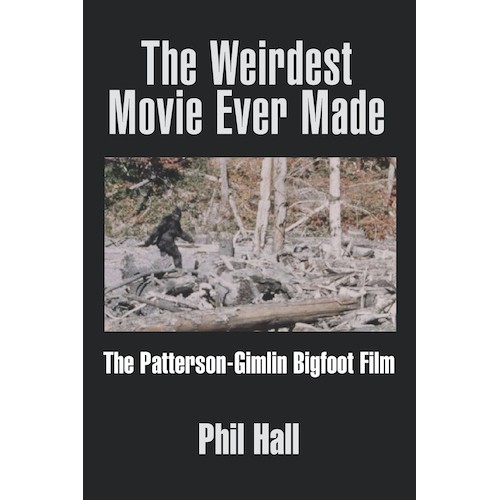
Yesterday, we reviewed The Weirdest Movie Ever Made, Phil Hall book that traces the convoluted history of how the Patterson and Gimlin film was created and impacted the scientific community and popular culture.
We had the opportunity to talk to Phil about the inspiration behind the book, a lost Bigfoot film and some thoughts on some of his favorite — or not so favorite — Bigfoot films.
B&S ABout Movies: What got you interested in Bigfoot? For me, it was the 1970’s show In Search Of…
Phil Hall: I had the great fortune of being a kid during the 1970’s, when there was a great fascination with subjects outside of the realm of established science. It seemed that you could not turn on the television, go to a movie theater, or open a publication without seeing something related to such topics as the Bermuda Triangle, ancient and contemporary extra-terrestrials and the superstars of cryptozoology, including Bigfoot. My initial interest was not in Bigfoot, per se, but in this wonderful parallel universe of funky subjects that, in many ways, helped define the happy lunacy of that decade.
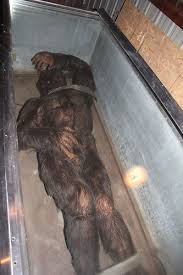
B&S: When I was a kid, there was a traveling exhibit that came to our local K-Mart parking lot that was similar to the Minnesota Iceman. Did you ever encounter one of those?
Phil: I am from the Bronx in New York City. We didn’t have K-Marts – and, somewhat more disappointingly, we never experienced any of the Bigfoot or UFO sightings that permeated that era. Trust me, growing up in an urban setting comes with disadvantages.
B&S: I really got into the sections of the book that get into the four-walled exploitation film Bigfoot: America’s Abominable Snowman. Have you had a chance to see the film? What are your feelings on it?
Phil: I have yet to see the film. While doing my research, I was afraid that the film was lost – it’s not even listed in the Internet Movie Database. Mercifully, it survives in private collections, but it cannot be released on DVD due to copyright issues.
The most striking aspect of the Patterson-Gimlin Film story is how that film managed to reach so many people. In many ways, the distribution of Bigfoot: America’s Abominable Snowman is a milestone in the distribution of independent film productions. Sadly, very few people today know about the film because it has been out of circulation for so long.
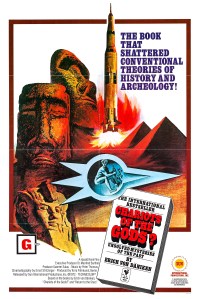
B&S: Additionally, we’ve discussed the Sunn Classic Pictures 70’s documentaries on our site. Any recollections on those?
Phil: I have very fond memories of seeing Chariots of the Gods and The Lincoln Conspiracy during their theatrical releases, and I still have the paperback tie-ins to those films. Sunn Classic Pictures was the rare company that brought documentary films to mainstream audiences. I saw Chariots of the Gods at the Dale Theater in the Bronx, which was a neighborhood movie house.
I have looked at a few of the Sunn Classic films recently and, sadly, they are not as wonderful as I remembered them some forty years ago. But, then again, how many films that we loved in childhood still resonate with us as adults?
B&S: We’ve covered the Bigfoot films A Wish for Giants and Bigfoot on our site recently. I loved how you covered the latter, it’s a real piece of 1970’s drive-in weirdness. Do you have a favorite Bigfoot related film?
Phil: The answer may be a cop-out, but I have to say that I don’t have a favorite Bigfoot related film. The beauty of the Patterson-Gimlin Film is the elusive nature of Bigfoot, who is walking away from the camera and is mostly uninterested in human contact. There is also the blink-and-you-miss-it element of the film when Bigfoot very briefly turns around to acknowledge the camera, which is still shocking no matter how many times you watch it. Bigfoot films place our favorite hominid front-and-center, often in a cartoonishly violent situation, and then the film just becomes another monster movie.
B&S: The Legend of Boggy Creek is another favorite. I’ve debated the strangeness of that film and how it moves from straight ahead narrative to an attempted documentary. Why do you think it’s so strange?
Phil: I think the film works because it was made outside of the Hollywood studio system, so the filmmakers had the freedom to shoot their production in a style that would have been hack-chopped to death by studio editors. That’s the beauty of the indie films of the 1970’s — they don’t look like anything that came before or since.
B&S: I’m so glad you brought up some of the lesser known Bigfoot films, like the bonkers Cry Wilderness. Is that the strangest one you’ve seen?
Phil: It’s not a film, but I feel that the television series Bigfoot and Wildboy was the strangest in how it presented Bigfoot. Even for the 1970s, it was utterly bizarre – a crime-fighting Sasquatch teamed with a feral child sporting a Farrah Fawcett hairdo?
B&S: We often discuss the emotion of belief in our articles here, how we want something to be true even if it obviously isn’t. Do you think that’s why the footage has been so famous for so long?
Phil: I think the Patterson-Gimlin Film continues to haunt us because it doesn’t make logical sense. We are seeing something that we should not be seeing, if only because we’ve been told that what is on the screen cannot possibly exist. But it is there, which leads to the obvious questioning of whether it is real or fake. The weird thing is that there has never been a conclusive be-all/end-all answer to the question of the authenticity of the being that is caught on camera. Some people claim they were part of the hoax, but they never presented evidence that backed that claim. And those insist that the image of Bigfoot is real also need to explain the murky circumstances on how the film was shot and processed. A half-century later, we’re still on that cryptozoological carousel — we go in circles, but never really get anywhere.
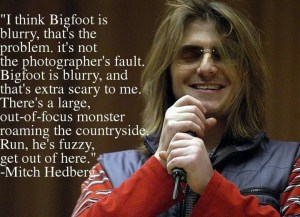
B&S: In a world where we all carry incredibly high-quality cameras with us at all times, are you shocked there are not more cryptozoological videos?
Phil: The cynical answer is: You cannot film what does not exist. The optimistic answer is: You cannot film what does not want to be filmed. Bigfoot and the other creatures of cryptozoology are not attention hogs, and sightings of these creatures were always accidental surprises.
B&S: I loved the essays from other film fans. How did you choose who would appear?
Phil: I chose filmmakers and culture journalists whose opinions I trust and enjoy. It was a completely subjective decision.
B&S: Finally, what are some of your favorite films outside the cryptozoological spectrum?
Phil: Oh, I can watch anything from the classics of Akira Kurosawa and Satyajit Ray to the knockabout of the Three Stooges. As long as the film is not boring, I will be happy to watch it.
You can buy The Weirdest Movie Ever Made directly from the publisher, BearManor Media. You can also catch Phil’s podcast  “The Online Movie Show” on SoundCloud and his weekly column “The Bootleg Files” on Cinema Crazed.
Interview with Amanda Reyes of Made for TV Mayhem part 4

This is part 4 of our interview with Amanda from Made for TV Mayhem!

Other than TV movies, what are some of your other favorite films?

I’m a slasher fanatic! That’s where my heart is. I love the golden age of slashers, and some of my favorites are He Knows You’re Alone, Prom Night, Madman, The Mutilator, and The Slayer. I love the direct to video and late entry stuff too like Happy Hell Night. My favorite though is probably Killer Party. It’s flawed, but endlessly watchable because the characters are so great. I also love the silly stuff too like Killer Workout, Blood Diner and Pieces. There’s just so much to discover, rewatch and enjoy. I’m a big Lamberto Bava fan as well. I think he’s a really underrated talent. His big popcorn movies are great, but his smaller films like Macabre, Body Puzzle and Ghost Son are really emotionally raw. Also, Blade in the Dark is so amazing. I love that man. I LOVE THAT MAN.

As for non-horror, it’s quite varied and some of my favorites are a foreign film called Twist and Shout, Weird SciencePorky’s 2 (forever!), a British movie called Letter to Brezhnev, Hal Hartley movies, David Lynch (which is arguably horror), and I adore Harry and Tonto even though I’ve only seen it once. What a beautiful film. Another favorite is Christiane F., which I’ve seen way too many times, considering the content. And I think Jackie Brown is easily one of my all-time favorites. I’ve seen it five times on the big screen. I don’t even care about the heist. Just give me that romance between Jackie and Max Cherry. So good.

Are there any actors we’d be surprised made the transition from TV to movies?

Hmmm.. that’s a good question. It’s actually really tough for actors who start on TV to find leading roles in movies. I think it’s because, as the saying goes, “Why pay for it when you can get it for free.” You’ll notice that both Don Johnson and Tom Selleck struggled a bit with starting up a theatrical career. I guess a good place to look might be soaps, because you’ll see actors like Meg Ryan, Tommy Lee Jones, Mark Hamill, etc., all started there. However, I guess one of the more surprising names to start on TV might be Crispin Glover. He’s so amazing in High School USA and appeared in everything from Happy Days to The Facts of Life. I met him recently and he told me he thought High School USA was a very good film, which pleased me immensely. He’s absolutely hilarious in it.

Are there any current movies that you’re digging?

Yes, I love a lot of what I see on the big screen. I missed the last entry, but I’m a huge supporter of Insidious and the James Wan stuff in general. Insidious is great because it’s so wonderful to see a woman in her 70s leading a horror film and kicking butt. That’s actually really subversive and I love it. It’s important. Get Out and It Follows are phenomenal. I thought Black Panther was really fantastic and I enjoy the big popcorn blockbuster franchises like Star Wars and Star Trek. I do think modern films are really good, but they don’t necessarily resonate with me like the films I first discovered at a younger age. I’m sure some of that is nostalgia, but I’m all for people’s love of modern cinema, and I’m always pleased to hear my friends talking about new films they love. I just probably don’t go as often as they do.

We just watched The Supernaturals, which isn’t necessarily a great movie but has great ideas and more importantly, has Scott Jacoby in the cast. How awesome is he? Like, in The Little Girl Who Lives Down the Lane, he’s a magician and just full of strange tics and mannerisms!

Scott Jacoby is the magic word. I love that man so much. He’s just an amazing talent. I thought The Supernaturals was really fun. It’s by the guy who did He Knows You’re Alone, and honestly, he can’t make a bad film as far as I’m concerned. I love the Little Girl Who Lives Down the Lane as well. I haven’t seen it in years, but that goes back to my statement about the edgier climate of the seventies. They’d never make that film now!

How awesome would a series of The Norliss Tapes have been? I’m obsessed with TV pilots that went nowhere, like Poor Devil, the Sammy Davis Jr./Christopher Lee show or TV movies that became short-lived series like Salvage One and The Man from Atlantis. Any you love?

Norliss Tapes is one of my all-time faves. I’m a big Roy Thinnes fan. And, speaking of pilots, he starred in Children of the Lotus Eaters, aka God Bless the Children which was the pilot for a short-lived series called The Psychiatrist. It’s amazing. I also love Poor Devil. Pilots can be a mess though. I thought Sword of Justice was fun, but all over the map. I also liked Samurai with Joe Penny, but again, all over the map… and Mandrake too. One of the best might be Fame is the Name of the Game from the sixties. Just discovered it and I’m not going back! I think Cover Girls, which is about models who are also secret agents is pretty worthy of its awesomeness!

How did I not bring up Home for the Holidays?

I love it too. John Llewellyn Moxey is my favorite telefilm director. Double Home with something like A Taste of Evil or No Place to Hide. They all have similar endings, and are all fantastic films that he directed. Oh, and see The House that Wouldn’t Die. Or anything else he’s made. If you catch his TVM Smash-Up on Interstate 5, you’ll see Scott Jacoby. Just sayin’.

Are you a fan of Murder, She Wrote? We occasionally do a podcast about it. I’m always amazed at the budgets of that show. They bring in so many people per episode!

Huge Murder, She Wrote fan. I discovered it a bit late, like maybe only a few years ago, but I’ve been through the run of the series and just adore it. Again, we’ve got this older woman kicking ass and taking names. Angela Lansbury is wonderful. And Seth Hazlett for life!

Thanks Amanda for answering so many questions! I learned a lot and also have tons of new movies to watch with Becca! Please visit her site today!

Interview with Amanda Reyes of Made for TV Mayhem part 3

This is part three of our interview with Amanda from Made for TV Mayhem. In this installment, we asked for some of her recommendations and thoughts on TV movies!

B&S About Movies: Do you have any recommendations?

AR: Sure. In the first episode of the Made for TV Mayhem Show, I go into why I love This House Possessed, Fantasies and Dark Night of the Scarecrow, so I’ll just say check that out if you’re interested. Other titles I don’t mention as much but absolutely adore would probably be Secret Night Caller, which features Robert Reed in a really dark turn as an obscene phone caller! I also love Night Terror with Valerie Harper, which is a bit of a riff on Duel and really suspenseful. Midnight Offerings is one of the best telefilms ever made. I fall more in love with it with each viewing, and sit down with it a few times a year!

Other movies I love are The House that Wouldn’t Die, The Stranger Within, the small screen remake of I Saw What You Did, and the pilot for Nick Knight. Those are the ones that come to mind. Ummm… I also really dig The Haunted, Outrage, Sandcastles (that’s a supernatural romance), and Scream, Pretty Peggy is a favorite from my childhood. There’s dozens I’m forgetting! And that’s just the horror stuff. I love all the small screen genres!

B&S: Which film is most ripe to be remade?

AR: I’m one of those people who isn’t really up on remakes. I mean, some are quite good and I really liked The Woman in Black remake. I do think remakes often shine a spotlight on the originals so I tend to be more open to TVM remakes, and there are some good ones. The Initiation of Sarah remake (which was also made for television) is a lot of fun. So was Satan’s School for Girls, which is like a feature-length episode of Charmed, basically. Hmmm… I think something like She’s Dressed to Kill would be fun because it’s basically a giallo set in the fashion world and could be pretty fabulous on a larger scale. Plus, it’s fun but flawed, so it might be worth revisiting. In an old article I wrote about telefilms that would potentially make for a decent reboot I said I thought Crawlspace’s exploration of our disconnect with society might be relevant if put into a sort of Web 2.0 space. So, I’ll go with that!

B&S: Who would be your dream team if you could film your own made for TV movie?

AR: Oh gosh! I am hoping you mean living or dead? I would love to bring on Aaron Spelling as a producer because he understood how to mainstream hot button topics, and many of his films and TV shows have an interesting subtext to them. I’d get John Llewellyn Moxey to direct, and I’d either hire Rita Lakin or Paul Playdon to write the script. Or, maybe Juanita Bartlett, because Midnight Offerings is everything. As for the cast… that’s hard. I guess Stephanie Powers, Barbara Eden, Suzanne Pleshette and Joan Hackett could lead the cast, because I love female-driven films. For their co-stars? Robert Reed, Robert Culp and maybe John Ritter. What would the story be? Who cares!

What is it about 1970s TV movies that are so doom laden? So many of the storylines — and the endings — are downbeat, even as Hollywood made the transition to blockbusters with happy endings.

I would argue that most genre films of the 1970s were downbeat, whether they be theatrical or made for television. Look at Deathdream, Let’s Scare Jessica to Death, Massacre at Central High, Don’t Look Now, and even big films like The Omen embraced a sort of nihilism or pessimism that was fairly prevalent during the decade. And moving out of the horror genre, what about the disaster movies of that era? I remember Earthquake’s ending is a little shocking! That was sort of the joy though of movies from that decade. You never knew who’d make it out alive! It was just an edgier time in terms of the willingness to go there.

Is there more? Of course! Come back for part 4 tomorrow!

Interview with Amanda Reyes of Made for TV Mayhem part 2

We’re excited to bring you the second part of our interview with Amanda from Made for TV Mayhem. In this installment, she shared her thoughts on some of the made for TV films we’ve covered here at B&S About Movies.

B&S About Movies: Here are some of the films we’ve covered. Do you mind sharing your thoughts on them?

Death Car on the Freeway

AR: I really enjoy this one. It’s surprisingly subversive. It didn’t occur to me that this was a film with really deep feminist undertones until I read the review that Jennifer Wallis submitted for Are You in the House Alone? I mean, I got it, but not to the level she did. It’s a fascinating film. Also, it has great car stunts, so you can watch it for that too!

Something Evil

AR: I hate to admit that I’ve never seen this. I’ve had a copy for forever, but it just hasn’t reached the top of my “To Watch” pile. Not sure why.

Scream, Pretty Peggy

AR: Here’s Gordon Hessler. He told me he directed this film in five days! It’s wonderful. So creepy. The artwork is amazing. And I don’t mean just the sculptures the male protagonist creates, but all of the artwork throughout the house is stunning. It’s almost distracting! This one is also pretty feminist, but it’s more overt. It’s also a lot of fun. Bette Davis is wonderful in it as well.

Crawlspace

AR: One of my favorites. This film really digs deep into the anxiety of the changing family unit in the 1970s. The childless couple and Richard, the man they take in, are both so desperate to create a traditional family unit that they end up destroying each other. It’s not a horror film in the conventional sense, but it’s extremely unsettling. The novel is just as good.

All the Kind Strangers

AR: Speaking of trying to maintain a traditional family unit! All the Kind Strangers does have some issues. Mostly with how it portrays the South as an unforgiving space clinging to a conservative ideology, which is a stereotype, but ultimately, it’s very effective. Also, John Savage is just amazing in it.

She Waits

AR: This is an oddball one. I think it’s a little too slow for its own good, but there’s something really interesting at play with the ghost. So, for me this movie is about how houses absorb our memories, but everyone in the house will remember events differently. There are so many versions surrounding the death of a young woman in the house that the ghost itself can’t actually remember who murdered her. It’s really a pretty interesting idea wrapped up in a slightly misguided film. But it is thought-provoking.

Don’t Be Afraid of the Dark

AR: Absolutely one of the best films ever, and one of the first TV movies I ever saw. I love how quietly creepy it is, and those little monsters are terrifying! Don’t Be Afraid of the Dark is a classic for a reason. The ending is… oh man, I’ve never gotten over it.

Satan’s School for Girls

AR: Oh gosh, Satan’s School for Girls is so much fun. There’s not a lot going on here, it’s just a straightforward devil worship kind of thing, and I love it. The female ensemble is amazing, and it’s so cool to see Kate Jackson and Cheryl Ladd in a movie before they were both Angels. Also, Roy Thinnes is my husband.

Gargoyles

AR: Another favorite. Gargoyles is the first movie I can remember where I wasn’t scared by the monster. I was drawn to them, and I wanted to see them survive. Those feelings of fascination and empathy would carry over when I started watching Godzilla films, but this was the first time I remember rooting for the beast. It’s a wonderful little movie. It does so much with so little, and Bernie Casey as the head Gargoyle is everything to me. This was one of those game changers I mentioned earlier. Such a gateway into horror and creature features for me.

Trilogy of Terror

AR: Oh my gosh, another classic! It’s all about that crazy Zuni Fetish doll, and it also gives Karen Black a really great arena as an actress. I think that the Millicent and Therese segment is predictable, but she’s so much fun in those roles! Still, I just go nuts for that dang doll!

Bad Ronald

AR: Such a favorite. I think Bad Ronald really goes to interesting places. It’s dark, and creepy. Plus, Scott Jacoby is amazing. He’s sympathetic but also scary. The novel makes Ronald much darker, and I appreciate the balancing act in this version, although I think the novel is really fantastic too!

The Night Stalker

AR: Confession: While I love the Night Stalker, I’m a bigger fan of The Night Strangler (and I love The Norliss Tapes even more than those two films!). I realize that The Night Stalker and its sequel are basically the same film, but there’s just something about the characters in Strangler that I’m drawn to. That said The Night Stalker is fantastic, and Skorzeny is absolutely terrifying. One of the great monsters of the small screen!

Curse of the Black Widow

AR: I’m on a bit of a James Franciosa kick. I just sat down with Fame is the Name of the Game, and I got to see Tenebre on the big screen last year. Curse is one of my escapist go-tos. James is always wonderful, and he shares the screen with some great small screen faces, including Patty Duke, Donna Mills and one of my favorite character actresses, Roz Kelly. This one just has oodles of energy. And the spider-cam is a hoot!

Believe it or not, we have even more questions for Amanda! Come back and see what she has to say tomorrow. Make sure to visit her on Twitter and Facebook, too! And you can see all of the B&S About Movies TV movies reviews right here!

Interview with Amanda Reyes of Made for TV Mayhem part 1

We’re really excited for the chance to share this interview with Amanda Reyes, who was a major inspiration in our decision to do multiple made for TV movie weeks! She was good enough to do an extended interview and shared her feelings on several of the films we’ve already covered!

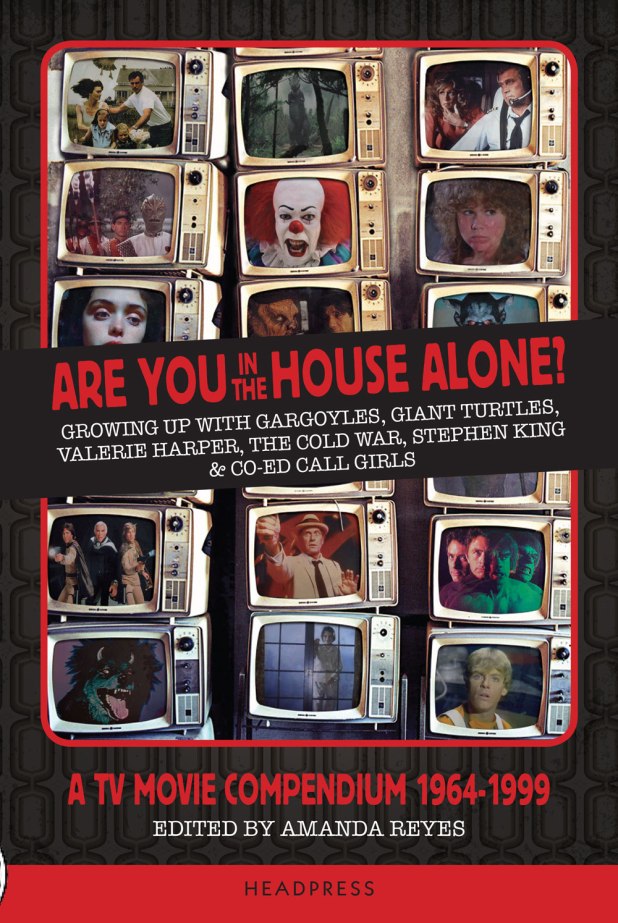
Amanda is an archivist, author and film and television historian. She edited and co-wrote Are You in the House Alone? A TV Movie Compendium: 1964-1999 (Headpress, 2017) which celebrates the made for television film, and was featured on Barnes and Noble’s Best of Horror list for 2017, and was nominated for Book of the Year at the Rondo Hatton Classic Horror Awards. The book is an expansion of her TV movie-centric blog, Made for TV Mayhem and its companion podcast. Most recently, her essay on anthology shows featuring scary holiday episodes was published in Yuletide Terror: Christmas Horror on Film and Television (Spectacular Optical, 2017).

Reyes has been a guest speaker at international film festivals, TV movie screenings, and academic conferences in such places as England, Australia, and stateside in Austin, TX, where she currently resides. She also contributed the commentary tracks for the Blu Ray release of the 1977 telefilm The Spell (Shout Factory, 2017) and the upcoming release of Last House on the Left (Arrow, 2018). And, she is the curator and co-presenter of the Alamo Drafthouse’s Made for Television Mystery Movie series, which runs quarterly as part of Terror Tuesday. She also loves slashers and soap operas, and is completely obsessed (and slightly disappointed) by how much she relates to Alison on Melrose Place.

B&S About Movies: How did you get into TV movies?

Amanda Reyes: When I was pretty young our local channel used to run a lot of telefilms as part of their weekend afternoon programming. It was such a gateway into horror because I was only four or five when I saw movies like Gargoyles, Horror at 37,000 Feet, etc. Those were game changers for me! I also saw some great dramatic telefilms like Circle of Children, and dark comedies like The Girl Most Likely To… So even though I didn’t recognize them as TV movies at the time, I was heavily exposed to several amazing small screen films at a young age.

B&S: And how did this lead to Made for TV Mayhem?

AR: As I got older, and these films began to air less and less, I got really nostalgic for them. I started buying bootlegs off of eBay, back when they allowed that. Then I wrote an article about TV movies for a fanzine called Debaser. As a lover of odd films, I found myself wanting to write more about these films, many of which seemed truly lost. That got me into blogging. I started Made for TV Mayhem about a decade ago on Livejournal! I’m still a bit of an idiot with technology, but the blog, which is now on Blogger, is popular and people don’t seem to mind the typos or sometimes hinky coding! Anyway, while I was working on the book, I wanted to expand my audience and branched out into podcasting, which is just an extension of my blog but with an even more casual vibe. I really enjoy doing both, and wish I had more time to blog!

B&S: Have you talked to any of the talents that worked on these films?

AR: I have. I guess the most important person I’ve met and spent real time with was the late director Gordon Hessler. I got to spend a day with him in his amazing home in the hills of Los Angeles. We drank cosmopolitans and talked film with the friend who brought me over to Gordon’s house! That was so exciting. Hessler is a bit of an underrated figure in the telefilm world. He’s got an amazing filmography, and his thrillers are always heavy with atmosphere. Anyway, he was a really wonderful and talented man.

Other people I’ve met are Richard Matheson, William F. Nolan, and Parker Stevenson, who was kind of blown away by how much I loved This House Possessed. He loved to tell funny stories about his work in the TV movie and was just as charming as you’d expect. I’ve also talked with John Carpenter about making Someone’s Watching Me! I’ve met several others as well, but those are the biggest names that come to mind.

I interviewed Lance Guest for my blog. It was mostly about his work in the Afterschool Special, but we did discuss some of his TV movie work. Most people that I’ve met who have some work experience with the telefilm hold it in very high regard. It’s a tough gig – short shooting schedules, little money, and lots of restrictions. They have to create these little worlds without a ton of resources, and are generally really wonderful at doing it. They really respect the work and the medium, and so I like to give that respect back.

B&S: Why do you think so few of these films have been released to DVD or are streaming?

AR: I don’t know for sure, but think it’s partially because there are rights issues. Some of these movies were co-produced between networks and studios and I think the licensing might be a little complex. Also, the people who have the rights don’t often think there’s a market for TV movies. There’s some truth to that. A lot of TV movies don’t really profit in their home video releases. That’s why the Warner Archives model is so important for the TV movie. The print on demand service is a great way to sell DVDs. They don’t have to worry about paying for thousands of copies of something that won’t sell. I was hoping more companies would take that route, but since Warner Bros. owns those films, and most companies only license titles to distribute for a finite period of time, I can see where it’s not as feasible.

Come back tomorrow to hear what Amanda had to say about the made for TV movies that we’ve recently featured! Make sure to visit her on Twitter and Facebook, too!

PAPERBACKS FROM HELL WEEK: Will Errickson from Too Much Horror Fiction

Will Errickson’s blog, Too Much Horror Fiction, collects and reviews vintage horror literature (mostly from the 1960s to the early 1990s) and celebrates its resplendent paperback cover art. And it’s where I learned about so many of the books that make up this week’s inspiration, the book Paperbacks from Hell.

Will was kind enough to sit down and answer some questions about the site, his favorite books, the movies they inspired and his hopes to get more people into paperback horror fiction.

SAM: How did you get inspired to start Too Much Horror Fiction?

WILL: The internet seemed full of horror movie blogs but very few covered vintage horror fiction. I had a small collection at the time and simply thought, why not? I’ve always loved horror paperbacks since their ’80s heyday, it was kind of an obsession, and obsessions and the internet were made for one another. I scanned a couple covers, wrote a few words, and I was off! That was in 2010, and I haven’t looked back.

SAM: So many of the books on your site — and in the book — were eventually made into movies. Do you have any favorites?

WILL: Whitley Strieber’s The Hunger and Wolfen are very good novels that made good movies. I enjoyed both of those you mention. If people enjoyed those movies I’d recommend the books, which are even better. Of course, Rosemary’s Baby and The Exorcist are the gold standard of adaptations, but other ones I’ve enjoyed (which were looser adaptations) were Angel Heart, based on William Hjortsberg’s magnificent hardboiled horror novel Falling Angel. The original novel The Howling by Gary Brandner is quite different from its movie adaptation and kinda cool. Two other big novels of the ’70s, The Manitou by Graham Masterton (a great horror novel) and The Sentinel by Jeffrey Konvitz (not a great horror novel), were made into middling but entertainingly cheesy movies. I know James Herbert’s The Rats, a vastly influential novel, was made into Deadly Eyes but I haven’t seen it. Oh, and Pin, based on Andrew Neiderman’s chilling, chilly 1981 novel. Richard Matheson’s “Prey,” was made into that Trilogy of Terror bit “Amelia” with Karen Black, is great as well.

SAM: Are there any you wished had been filmed? Why?

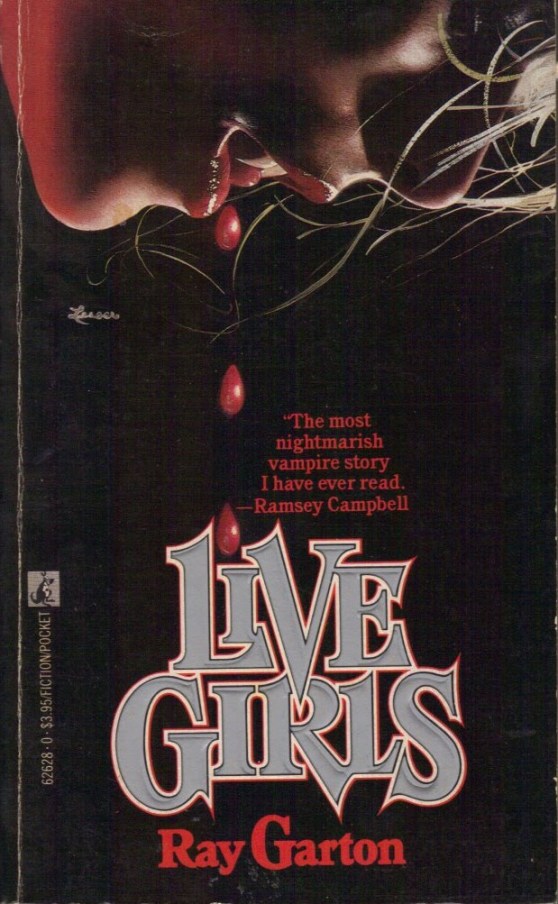
Probably Ray Garton’s Live Girls, set in the sleazy environs of NYC in the mid-1980s. I wish someone had made it back then, but today it’d work too since there is so much demand for entertainment set in that era right now (and HBO’s The Deuce is killing it with its recreation of 1970s Times Square).

SAM: The Other, Harvest Home and Burnt Offerings were HUGE books that became movies. Why do you think they’re forgotten today while the authors and films they inspired live on?

WILL: Yesterday’s bestsellers seem old and musty. Nobody cares about ’em except us hardcore horror fans! I’m doing my damnedest to get people to read those two Thomas Tryon novels!

SAM: Are there any movie novelizations that you’d recommend?

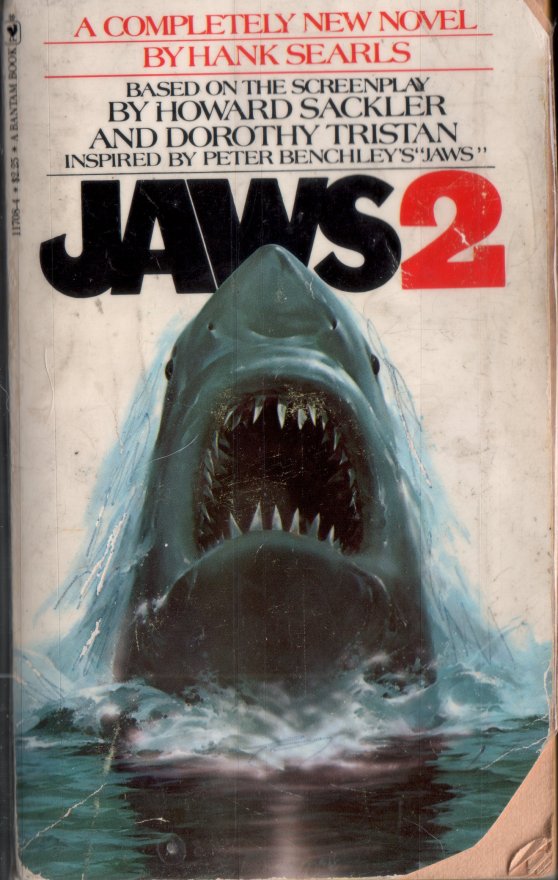
WILL: Yes: Jaws 2! It’s better than the Benchley original. The author, Hank Searls, had previously written books about the sea and you can tell. It’s a downbeat moody novel that was based on an early screenplay so it bears little resemblance to the movie. Also, The Wicker Man has some scenes and character background not in the film. I don’t read novelizations really, although I have a couple in my collection.

SAM: I keep noticing that the taboo of incest keeps popping up in 1970’s horror. Why is that?

WILL: Ugh do you wanna know really? Because I don’t. Ugh. UGH. Probably the thing I hate most about that era of horror fiction.

SAM: What’s your favorite film?

WILL: The Long Goodbye with Elliott Gould. Night Moves with Gene Hackman. Warren Beatty’s Reds. Oh, do you mean horror?! All the usual suspects like Texas Chainsaw Massacre, Rosemary’s Baby, Henry: Portrait of a Serial Killer, The Exorcist. Odds and ends like Deathdream, Possession, Daughters of DarknessThe Body SnatcherLes Yeux Sans VisageThe Reflecting Skin. Newer horror movies I’ve enjoyed are Lake MungoAbsentiaThe InvitationSnowtown and Kill List. This Halloween I watched a 1990 horror movie I’d never heard of, Mirror, Mirror, with Karen Black (again!). Don’t know how I missed it, but it was really good, and reminded me of great vintage horror writers like Ken Greenhall and Michael McDowell.

SAM: We cover a lot of TV movies, too. It seems like they go cloven hoof in hand with 70’s horror paperbacks. Do you remember any of them?

WILL: Sure do. I remember the commercials and TV Guide ads for Salem’s Lot being super unsettling. Also The Night Stalker and Trilogy of Terror and Gargoyles. I recently watched Something Evil, one of Spielberg’s earliest, and A Taste of Evil with Barbara Stanwyck. Still have to see Bad Ronald and Don’t Be Afraid of the Dark!

SAM: As part of this weeklong celebration of Paperbacks from Hell, we’re watching some of the films inspired by those paperbacks. Do you have any comments on…Pin?

WILL: Solid adaptation of a fantastic novel.

SAM: The Dark Secret of Harvest Home?

WILL: Pretty good, love the actress playing temptress Tamara Penrose and Bette Davis of course. The male lead…

SAM: Burnt Offerings?

WILL: A cool vintage movie (Karen Black *again*! and Oliver Reed!) but the book isn’t a favorite of mine.

Thanks to Will for spending the time to answer all of these questions! Please don’t forget to visit his site! It’s amazing!

PAPERBACKS FROM HELL WEEK: Interview with Grady Hendrix!

Grady Hendrix is the author of Horrorstör (“the only novel about a haunted Scandinavian furniture store you’ll ever need”) and My Best Friend’s Exorcism (“basically Beaches meets The Exorcist). But he’s here on our site because of the amazing Paperbacks from Hell, which you can purchase at Quirk Books or Amazon.

I had the great opportunity to discuss the book, as well as movies and horror itself, with Grady. Check it out!

SAM: I love the prologue to the book where you discuss the cultural reasons that led to the Paperbacks from Hell. I’ve always wondered how readers went from buying books like Peyton Place to purchasing stranger books like The Other and The Exorcist.  And the first time I remember noticing paperbacks was going through my dad’s collection of old books, which were mostly mid 60’s books on ESP, In Search of Dracula and UFO.

How much influence do you think mass-market paperback books like these, as well as even stranger stuff like Anton Lavey’s The Satanic Bible and Simon’s Necronomicon, had on horror fiction?

GRADY: A huge amount. The whole boom in horror paperback publishing was spawned by the success of Rosemary’s Baby, The Exorcist and The Other but those books came out of the society-wide fascination with the occult sparked by people like Anton LaVey and UFO believers and those flames were kept burning by shows like In Search Of…

SAM: So many of the books you mention were turned into movies (or were basically movie scripts being tweaked into novels). It seems like there became a feeding frenzy to turn these books into movies. It reminds me of how Mario Puzo’s The Godfather was optioned by Paramount Pictures before it was even a success.

Of all the Paperbacks from Hell, which unfilmed one do you think should have been made and why?

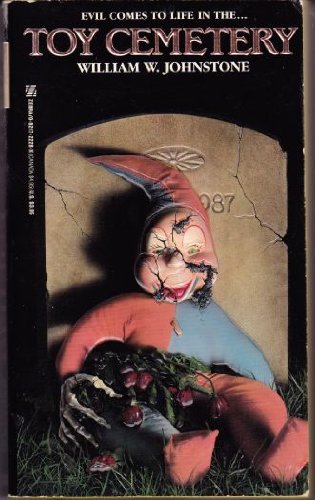
GRADY: Given their success with the Toy Story franchise, I think Pixar should jump on Toy Cemetery with all four feet. The touching tale of a small Southern town overrun by the mutant products of incest, killer toys, and pedophile Satanists who love anal sex sounds like a home run for the people who brought us Up.

SAM: Of the movies that were made from them, from The Sentinel to The Manitou and everything in between, which is your favorite and why?

GRADY: It’s a toss-up between Philip Kaufman’s 1978 Invasion of the Body Snatchers and Nicolas Roeg’s Don’t Look Now. Jack Finney had no idea when he wrote The Body Snatchers in 1955 that it would turn into this mind-melting, clammy, uneasy masterpiece. Don’t Look Now is a really strange novella that I thought could never be turned into a movie, but Roeg not only delivers a great adaptation he delivers one of the great movies of the Seventies. And of course, please don’t forget PIN, the best book (and movie) about two children having an incestual three-way relationship with a talking anatomical dummy.

SAM: How would you compare The Exorcist and The Omen films to the books?

GRADY: The Omen books are actually novelizations, the first three at least, and they sold so many millions of copies that they spawned two standalone Omen novels, Omen IV: Armageddon 2000 and Omen V: The Abomination. They’re all competent, but nothing too exciting in terms of style. Regarding The Exorcist, I think Blatty is an amazing dialogue writer and the book is terrific, but it’s hard to deny how powerful the movie is.

SAM: The Other was part of an unholy trinity, if you will, with those books. Isn’t it kind of sad that it’s barely mentioned or remembered?

GRADY: Especially considering that it was directed by Robert Mulligan who also directed To Kill a Mockingbird and Same Time, Next Year. I’ve seen it a few times and it really is an all-American gothic, a sort of natural step on the evolutionary path from Ray Bradbury’s Something Wicked This Way Comes to The Reflecting Skin.

SAM: Which of the Paperbacks from Hell do you think are basically unfilmable, whether from budget or subject matter reasons?

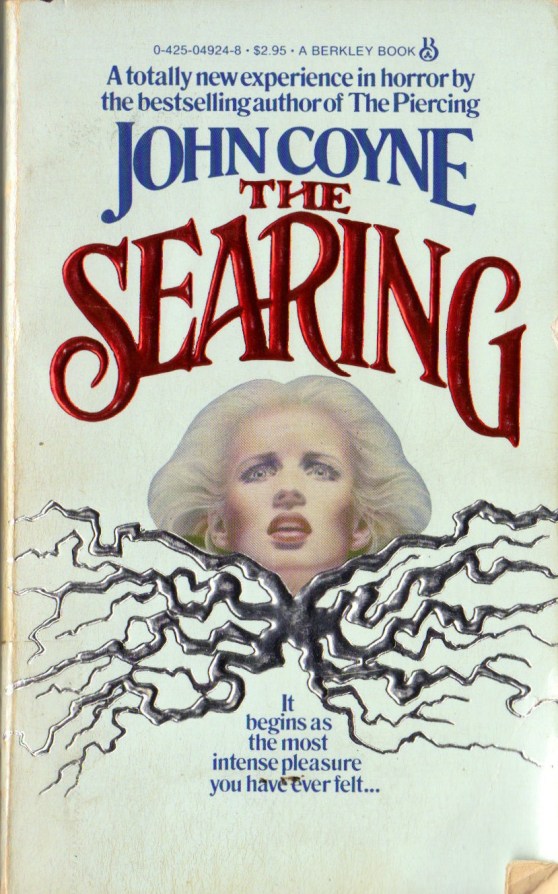
GRADY: If James Franco is out there, can he please, please, please shoot a film version of John Coyne’s The Searing? It is a totally over-the-top, mildly insane horror novel about extraterrestrials causing women to have spontaneous orgasms that cause nosebleeds and brain damage. If anyone could put this unfilmable novel onscreen it’s James Franco. I hope he’s reading.

SAM: One of my obsessions is the tie-in novelizations to films that expand on the main story or share details that the viewer didn’t know. For example, Monarch put out adaptations of Brides of Dracula and Reptilicus that have explicit sex scenes missing from their chaste inspiration. The Halloween adaption posits Michael Myers as the reincarnation of a victim of a Samhain ritual. 

Did you consider sharing these books in Paperbacks from Hell?

GRADY: Novelizations are really different from horror paperbacks, and I’ve written about them pretty extensively. This time out, I just wanted to focus on the paperbacks originals because they’re far more imaginative and wide-ranging and they aren’t limited by their source material.

SAM: That said, do you have a favorite of these novelizations?

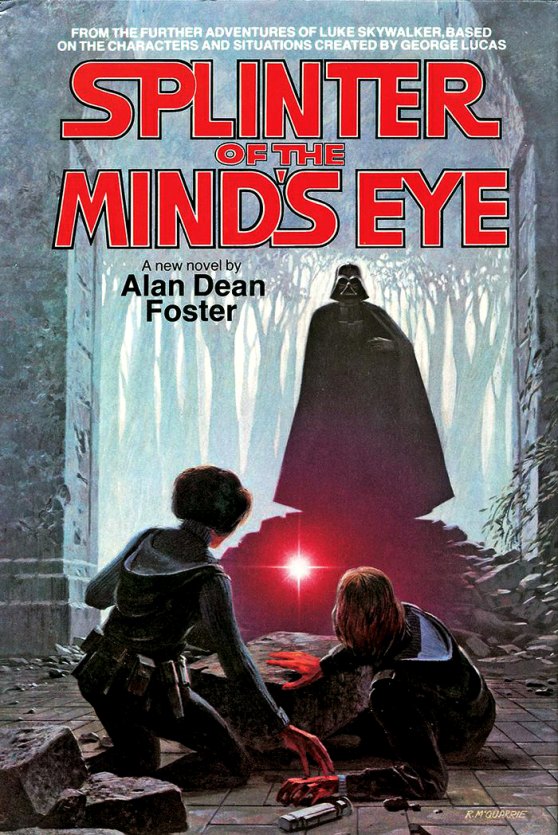
GRADY: Richard Elman’s Taxi Driver novelization has big chunks of beat poetry in it that serves as Travis Bickle’s interior monologue, and Paul Monette’s novelization of Werner Herzog’s Nosferatu is a panting, overheated beast, but the one novelization that really does it for me isn’t a novelization at all. Alan Dean Foster wrote the very first Star Wars tie-in novel, Splinter of the Mind’s Eye, in 1978 and as a kid I must have read it a dozen times, at least.

SAM: I feel like horror in film is pretty dead, pardon the pun. We have a Halloween coming up with hardly any new films in theaters. It all feels like you describe it in your prologue, as we have a real world brimming with insanity and need fiction and movies that reflect it via the horror genre.

Is there hope? Can you see horror films and fiction gaining a return to prominence after the success of Stephen King’s It in theaters?

GRADY: I think horror film is having a heyday right now, and horror fiction isn’t far behind. Since 2007, we’ve had the resurgence and fall of the found footage genre, the phrase “human centipede” has entered the public lexicon (I use it at least once a week), and movies like Cabin in the Woods, The VVitch, Attack the Block, and Black Swan have pushed horror movies in new directions. 2017 alone has delivered It and Get Out, both of which are huge hits. Fiction is coming to a slow boil. Gillian Flynn is a horror writer, even though she’s marketed as a thriller writer, and the popularity of domestic thrillers, most of which are actually modern gothics, is something that makes me really happy. And you’ve got a ton of really fantastic authors percolating just below the surface who are going to be discovered by the mainstream any minute like Paul Tremblay, John Langan, Laird Barron, and Elizabeth Hand.

SAM: In the same way that 1960s paperbacks cannibalized the past, reprinting Robert E. Howard and Dennis Wheatley, could you see producers looking through your book for inspiration?

GRADY: A few have already gotten in touch with me about just that thing, but the problem is that these books are so rooted in their times that I don’t think there’d be much point in turning them into a modern movie. But that’s just me. I feel like a bunch of people are already flipping through and marking the books they want to adapt into movies.

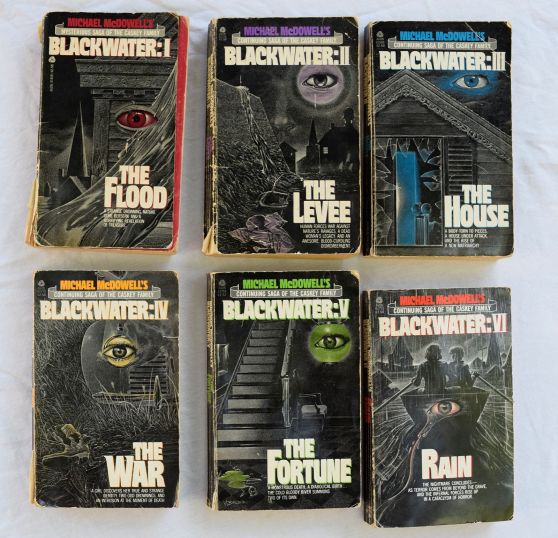
SAM: How awesome would an HBO series of Blackwater be, for example?

GRADY: Okay, now that would be amazing.

SAM: Finally, and this has just always freaked me out, why is there so much incest in 70’s and 80’s horror?

GRADY: Incest has always been a huge taboo, so I think when a horror novelist wants to be transgressive it’s the first thing they reach for. That said, V.C. Andrews really wanted to give a voice to the voiceless and let people know it’s okay to talk about these things. Incest, or sexual abuse in families, was not a very popular subject in polite company when she started writing, and she put it in her books because, as she said, “There are so many cries out there in the night, so much protective secrecy in families; and so many skeletons in the closets, that no one wants to think about, much less discuss.”

I want to thank Grady again, as he really gave some great answers and even showed me a few new movies to check out! Please grab this book — and look for three Paperbacks from Hell reviews this week!