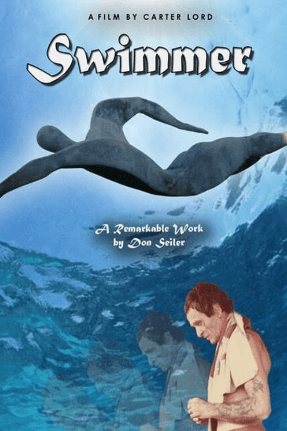
In this short, director Carter Lord sets his camera on artist Don Seiler, as he creates a 10-ton concrete sculptural commission in honor of Olympic swimmer Mark Spitz that would be placed outside the International Swimming Hall of Fame in Ft. Lauderdale, Florida. Lord would go on to direct The Enchanted, while Seiler would paint the animals that appear on the walls throughout that movie.
What’s incredible is that for all his work and the size of this sculpture, Seiler was only being paid $3,000. The most his art had sold for was $6,000 and he had given that away.
Some may find this somewhat slow, just watching a man sculpt, but to me, seeing this part of the creation process is amazing. Lord only made one other movie, other than this and The Enchanted, Lithium Springs.
You can learn more about Seiler’s life on his official web site, which even goes into the dates in which he was married, including one marriage to the heir of Molson beer.
The Swimmer is part of the new Severin box set, All the Haunts Be Ours Volume 2.
This three-minute, wordless black and white short by Edwin Rostron appears in the All the Haunts Be Ours Vol. 2 set from Severin. You can also watch it on Vimeo.
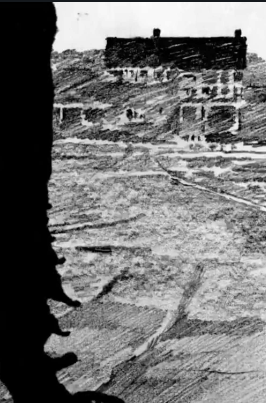
The director says of this, “Our Selves Unknown takes the book Landscape in Distress as its raw material, reconfiguring its photographic illustrations, text and cover design into pencil and ink drawings, using a working process of self-enforced rules and restrictions, obstacles and chance.
Published by the Architectural Press in 1965, Landscape in Distress was written by Lionel Brett, a British peer, architect and town-planner. The book examined 250 square miles of Oxfordshire, recording “in intimate detail the post-war changes and present state of the landscape of a typical section of…Britain.” It described the damage that had been done to the area and tried to alert the reader to “the inevitable damage that lies ahead”, drawing specific attention to the increasing homogenisation of areas on the edges of cities.”
I loved the look of this. Graphite drawings that are intersected with black splotches as bites of words from the story quickly appear. It seems as if the intrusions of man on nature are being called out, as the ruin of man rebuilding after the war leads to something even worse: the same, all over the same, the ancient and unique and mysterious now the expected.
Our Selves Unknown is part of the new Severin box set, All the Haunts Be Ours Volume 2.
Directed and written by Sean Hogan, this was made to accompany the book Yuletide Terror: Christmas Horror on Film and Television, which was edited by Kier-La Janisse.
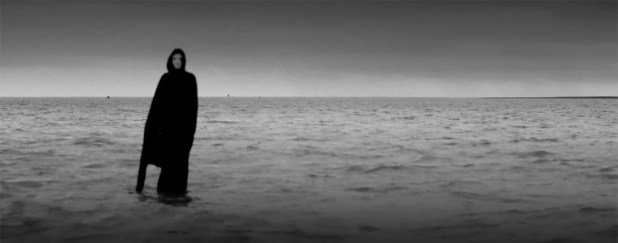
Patrick (Billy Clarke) is an older man lives in a seaside British town, a place that only sees life when the tourists are the in summer. Now it’s the bitterly cold holidays and it seems as if things will remain dreary until his long lost daughter Nina (Jamie Birkett) shows up. That seems to be better than the voices that Patrick hears from the sea (Belinda Kordic) until we start to realize that while he’s the protagonist of this story, Patrick may not be the hero.
Horror for the holidays was once a strictly British phenomena, but now that the world has become smaller through the web, we can all celebrate these dark films. Perhaps in the darkness that we find within them, we may avoid the mistakes of their characters.
We Always Find Ourselves In the Sea is part of the new Severin box set, All the Haunts Be Ours Volume 2. It has extras including commentary by director Sean Hogan and co-producers Paul Goodwin And Nicholas Harwood and a press kit.
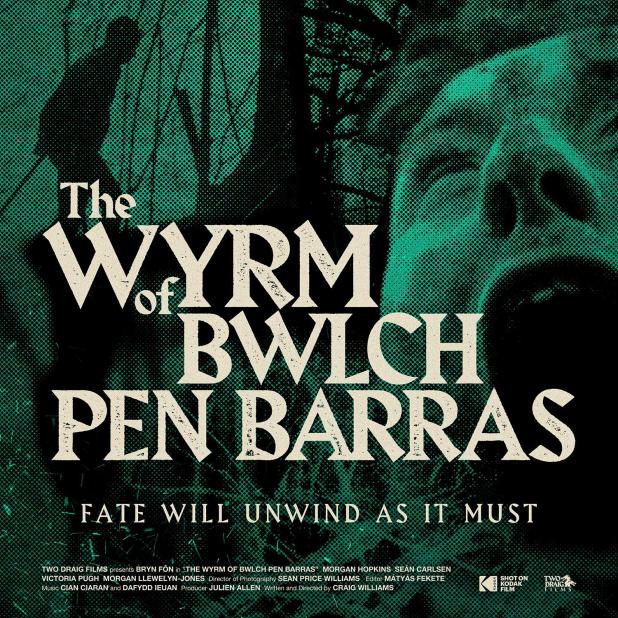
In this folk horror film shot in Rhuthun by debut director, writer and Rhuthun native Craig Williams, three men are called upon once again to carry out a terrible assignment in the quiet town of Rhuthun, North Wales.
Gwyn (Bryn Fôn), Emlyn (Morgan Hopkins) and Dai (Sean Carlsen) meet up and drive to the farm of Dafydd (Morgan Llewelyn-Jones), who they abduct against his will and throw in the trunk for the drive and hike up the hills of Bwlch Pen Barras. This has the feel of 70s British horror and while short, it delivers plenty of promise for what Williams and his crew, which includes cinematographer Sean Price Williams, have to offer in the future. There are some small moments in this that make it so deep and rich. And I loved the title card at the end, which places this even more in the look and feel of another decade.
In rural 17th century England, Squire Marlow (Mark Carlisle) offers several men double their normal wages if they carry his son’s coffin to the graveyard by night. The group includes best friend of the dead man Holt (Harry Roebuck), the drunken Ransley (James Swanton), the servant Pike (Richard Rowden) and the Squire, who wants to say goodbye to his son.
Despite the warnings and superstitions, they undertake the walk and begin to argue, as both Holt and Ransley had wronged the Squire’s son, who promises revenge. As it grows darker, they begin to see an ominous dog and spectres surrounding them.
I never heard of a corpse road before this. As England grew and churches became closer together, ministers had these highways created to connect faraway locations and mother churches with the main church having the burial rights. That means that poorer people had to transport the dead many miles through dangerous terrain. Unless they were a wealthy family, that meany that pallbearers would shoulder them by hand the whole way.
These roads were left unplowed and sometimes went near and even through homes, as changing the route was bad luck. This is also where the legends of corpse candles or fires started, as they were lights that would enlighten the pathway to the grave.
While a bit talkative and like a stage play, this was a great start to the All the Haunts Be Ours Volume Two set. Now I need to watch Sean Hogan’s other films. I’d seen his part in Little Deaths, but now I want to track down The Devil’s Business and Lie Still, as well as the fan films he made, The Thing: 27,000 Hours and Halloween:H33. I haven’t had the benefit of watching much 1970s British TV horror and I’ve read how scary it can be.
As always, I have so much homework to do.
To Fire You Come At Last is part of the new Severin box set, All the Haunts Be Ours Volume 2. It has extras including commentary by director Sean Hogan and co-producers Paul Goodwin And Nicholas Harwood; On The Lych Way in which Corpse Road Chronicler Dr. Stuart Dunn discusses the Pathways Of The Dead; a trailer and two short films, We Always Find Ourselves In the Sea and Our Selves Unknown.
18. THE EYES HAVE IT: Elect to watch one with an eye specific scene. See what I did there?
Luis Buñuel pretty much invented cinematic surrealism. He said that when he filmed, he knew “exactly how each scene will be shot and what the final montage will be.” From this film to The Exterminating Angel, Belle de jour and Tristana and so many more, his influence as a filmmaker is incalculable.
Just as dominant is his co-writer, Salvador Dali, whose is synonymous with surrealism. In fact, when he needed a dream sequence for Spellbound, Alfred Hitchcock allowed Dali to direct it. Of course, it was cut, but that’s how well-regarded he was.
Words like dream logic weren’t used yet but this is it. It begins with a woman having her eyeball sliced open, then the screen says, “Eight years later,” just in time for a boy in a nun’s habit to crash outside her home, lose his hand and appear in her the eyeless woman’s apartment as ants walk out of a hole in his hand.
That same man watches with pleasure as a woman takes that hand before being hit by a car before trying to assault the woman, then dragging around two grand pianos, several dead donkeys and the Ten Commandments.
Time keeps changing, whether it’s around three in the morning or sixteen years ago or in spring. This is all a dream of its creators, starting with Buñuel telling Dali that he had a vision of a cloud going across the moon, “like a razor blade slicing through an eye.” Dali said, “There’s the film, let’s go and make it.”
There was one rule: Do not dwell on what required purely rational, psychological or cultural explanations. Open the way to the irrational. It was accepted only that which struck us, regardless of the meaning. Buñuel also said, “Nothing, in the film, symbolizes anything. The only method of investigation of the symbols would be, perhaps, psychoanalysis.”
When this debuted at the Studio des Ursulines, Pablo Picasso, Le Corbusier, Jean Cocteau, Christian Bérard, Georges Auric and André Breton’s Surrealist group were in the audience watching. Buñuel had rocks in his pockets in case there was a riot. He had wanted to insult the intellectuals with this, saying, “What can I do about the people who adore all that is new, even when it goes against their deepest convictions, or about the insincere, corrupt press, and the inane herd that saw beauty or poetry in something which was basically no more than a desperate impassioned call for murder?”
There’s an urban legend that two women miscarried while watching this. Maybe it was the eyeball — a calf’s eye — or maybe Buñuel and Dali also invented being William Castle.
Here are the short films that I watched at this year’s Fantastic Fest.
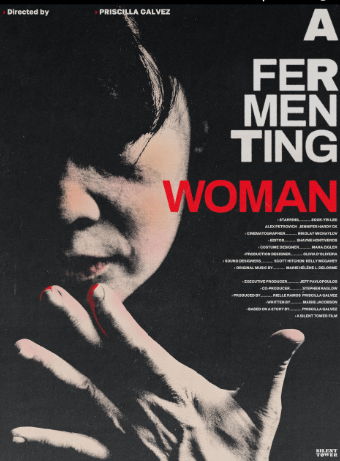
A Fermenting Woman (2024): Visionary chef and master fermenter Marielle Lau (Sook-Yin Lee) is about to be let go from the restaurant that she has given her life to. However, she has an idea to save things, as she begins to ferment a new dish that has an ingredient that truly feels like part of her. Directed by Priscilla Galvez and written by Maisie Jacobson, this puts you directly into the kitchen and all the time and energy that this dish takes. And perhaps it’s a pun to say that it has her blood and sweat in it, because Marielle uses her menstrual blood in her garden, so she decides that it should be the main ingredient in this fermented food. Marielle has taken a piece of her, perhaps the egg that she will never get to fertilize, and gives it to people who don’t pay attention to a bite of their meal, instead ignoring it as simple sustenance when she has given everything to make it into their mouths. The truest horror is that we create — whether its foods or the words you’re reading now — just so that they can be consumed and forgotten.
ATOM & VOID (2024): Gonçalo Almeida has magic here, a mixture of effects and real spider, as it watches the end of all things and perhaps the birth of a new adventure. The score, sound design and look of this film all work together to create perfection, just a true joy of watching and listening. In fact, I went back several times and saw it again, one of the few advantages of seeing this online and not in a theater. If you get the opportunity to watch it, take it. This is a short that I will think of far beyond most full length movies I see this year.
Be Right Back (2023): Ah, the worst words to say in a horror movie. In this short, Maria is left home alone while her mother goes to buy dinner. However, her mother takes way longer than she should and as the night grows dark, Maria is startled when she hears a knock on the door. Is it her mother? Or is it something else? Have you ever gone shopping when you were young and gotten lost, then looked for your parents only to find someone who you thought were them and were instead strangers? That’s the feeling that this creates and it is not one I ever thought that I would live through ever again.
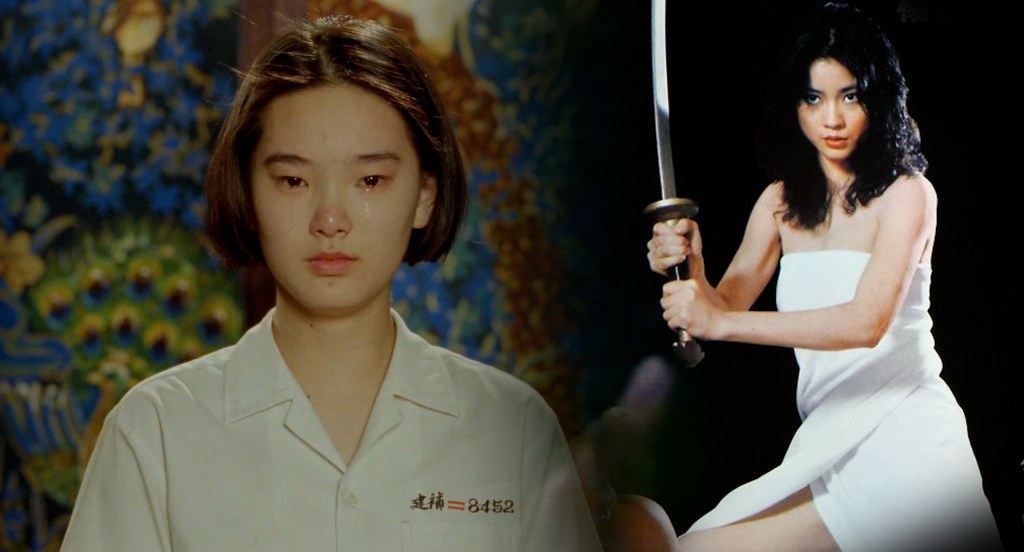
A Brighter Summer Day for the Lady Avengers (2024): As if I couldn’t love this short enough, just check out this paragraph from its creator, Birdy Wei-Ting Hung: “My first encounter with Yang Chia-Yun’s Fēng Kuáng Nǚ Shā Xīng / The Lady Avenger (1982) was an uncanny experience. I was researching Italian giallo film when a vintage newspaper movie poster grabbed my attention. The advert depicted a sensational female vigilante that visually recalled Edwige Fenech in Tutti i colori del buio / All the Colors of the Dark (Sergio Martino, 1972), only this time it was an Asian woman’s face. Her alluring body was barely covered by a white sheet, and her lustrous black hair rested on her collarbones. Standing in a martial art squat stance, the way she holds a katana (Japanese sword) is reminiscent of Meiko Kaji in Shurayuki-hime / Lady Snowblood (Toshiya Fujita, 1973) and Uma Thurman in Kill Bill(Quentin Tarantino, 2003). I had found our lady avenger Wan-Ching, who was played by Hsiao-Feng Lu—the Taiwanese “sexy goddess” of the 1980s, and Taiwanese pulp films.”
This short is a video essay that mixes “two specific female characters in Taiwan Pulp films and Taiwanese New Wave…the female protagonists in Yang’s The Lady Avenger, and in Edward Yang’s Gǔ Lǐng Jiē Shǎo Nián Shā Rén Shì Jiàn / A Brighter Summer Day.”
I love that this film puts these movies against one another, just as a young woman spends a day in the theater savoring a watermelon drink while watching several films beyond the two mentioned, as Deep Red is one of them. A sexual awakening as well as an exploration of what film tells its viewers about the path that being a woman can take, this is one of the most gorgeous shorts I’ve seen in years. I want people to just give Birdy Wei-Ting Hung as much money as she needs to create movies that will inspire us in the same way that films have motivated her.
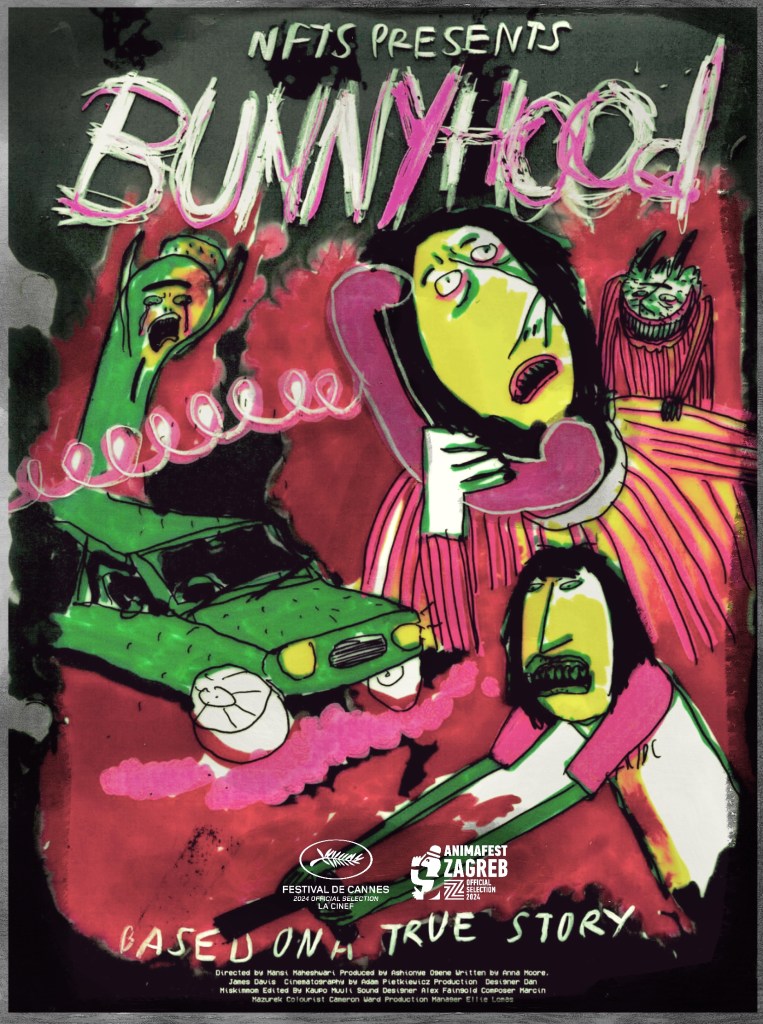
Bunnyhood (2024): “Mum would never lie to me, would she?” In this short by director Mansi Maheshwari, writers James Davis and Anna Moore, as well as several talented animators, Bobby (Maheshwari) learns the answer as he is rushed to the hospital. The frenetic style of the animation creates the worries of childhood, replicating the fears that aren’t always rooted in the rational or the real. The hospital and surgery come across as horrific places where nothing good can happen and at times, our parents will lie to us to keep us from worrying about the truth. Is that the right way to be a parent? Who can say!
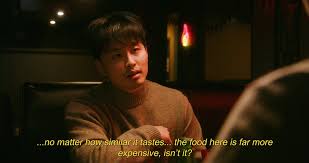
CHECK PLEASE (2024): I am a veteran of the wars of fighting for the check. The director, Shane Chung, is too. He said, “As a kid, I witnessed firsthand the quickness with which friends can turn on each other whenever my parents took me to dinner with their pals. It was all smiles until it came time to pay for the bill – then the fangs came out. “I got it!” “Don’t be ridiculous, it’s my treat!” “You can get me next time!” It got so serious for no reason. Arguing, subterfuge… it was killing with kindness taken to another level. I wondered how far someone could take fighting to pay for the bill. Inspired by my love of goofy slapstick action comedies like Drunken Master and Everything Everywhere All At Once, I thought: what if they literally fought each other? I challenged myself to write a ten-minute long action scene where two Korean-Americans fought each other with chopsticks, grill coverings, and credit cards… and CHECK PLEASE was born.”
Starring Richard Yan and Sukwon Jeong, this is a simple story but is so perfect. It gets across what it means to be a man — paying the bill — as well as the director’s attempts at getting across the feeling of assimilating to a new culture. It’s also filled with great action. I laughed really hard throughout and found joy here.
Compost (2024): Directed by Augusto and Matías Sinay, this film presents an intriguing way at looking at grief. Anastasia (Natalia di Cienzo) has just lost the love of her life, Lisandro (Maximiliano Gallo), after an accident as he builds the greenhouse where she plans on spending most of her time. How can a dream place be as such when it is filled with so much pain? And can she carry through with his last wish, which is to become compost for their plants? Can we become part of the cycle of death and rebirth when emotions are part of our equation, unlike the plants that we help bring to birth each year, only to have to watch them die in the fall?
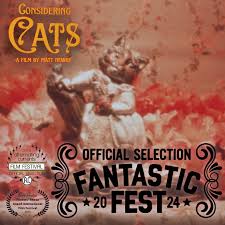
Considering Cats (2024): A short experimental documentary shot at the Long Island Pet Expo in 2023 by director Matt Newby, this short asks us to “Take a moment to consider the cat.” Seeing as how I live with two, I do this every day. This does a good job of showing the joy that people find in the small creatures that become part of our lives, if only for a short time, in an interesting lo-fi style.
Do Bangladroids Dream of Electric Tagore? (2024): Allem Hossain’s short is described as “desi-futuristic sci-fi.” Interesting. The director says that this genre is “a body of sci-fi work that dares to imagine speculative futures through a South Asian lens.”
In this, a documentarian goes into the New Jersey Exclusion Zone to meet the droids that live there and learn why they are obsessed with a subversive Bengali Renaissance poet. Featuring the poem “Freedom” by Rabindranath Tagore, which is read by Bernard White, this is AI generated but its director asks us to think of “how AI and other technology will impact us but I think we should also be thinking about our moral and ethical responsibilities towards what we create.”
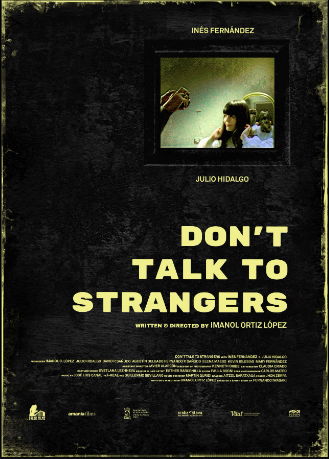
Don’t Talk to Strangers (2023): Imanol Ortiz López has created a short that looks like vintage Kodachrome and is set within a toy store that only looks bright and friendly. Even the IMDB description of this movie is somewhat scary: “Mom always told me not to talk to strangers, but Agustín is not a stranger, because whenever we go to his store he offers me treats.” A young girl is saying that and in this, she’s played by Inés Fernández, who explains how she was abducted by Agustín (Julio Hidalgo). It sounds simple and expected, but in no way does what is revealed end up that way. A really interesting short.
Down Is the New Up (2018): Directed and written by Camille Cabbabe, this is the story of how an ambitious filmmaker and his crew attempt to tell the story of the last hours of a man who plans on killing himself at dawn. To be honest, I found it kind of indulgent and wish that I had spent a bit more time watching it. Maybe it was the language barrier or honestly how many shorts I watched in a few days, but there wasn’t anything here that jumped and grabbed me. I feel I owe the filmmaker an apology and am certainly willing to try and see what was here one more time.
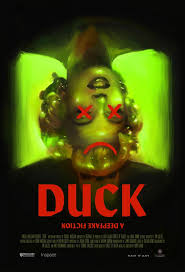
DUCK (2024): The sell copy for this promises that this is “a classic spy thriller turned on its head.” What it is is a deep fake generated film starring almost every actor to blame James Bond and Marilyn Monroe, all voiced by director and writer Rachel Maclean.
As someone who uses AI for my real job and to create music, I have no hate for it. I do, however, dislike this movie. It should be something I love, one that gets into aliens and conspiracies while using pop culture characters. Instead, it feels like robbing the graves of the cemetery at the lowest part of Uncanny Valley. It goes on and on, reminding you of the much better work of the actors who it is raising from the dead to serve as stiff actors for a plot that can be worked out in seconds. I believe AI and deep fake can create the kind of cinema that we want to see, movies that create joy. This just engendered ennui.
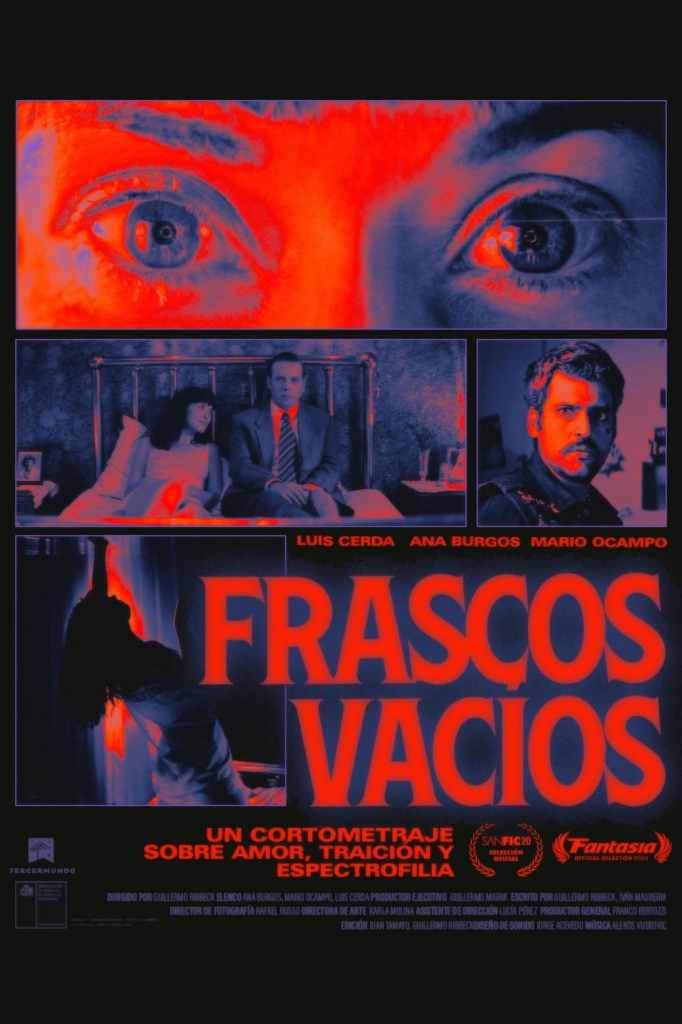
Empty Jars (2024): After the last two shorts I watched, this brought back the love I have for film. Director Guillermo Ribbeck Sepúlveda has crafted a fantasy world where a woman (Ana Burgos) deals with the loud guests at her hostel by freeing a ghost from a jar, a spirit that, well, fills her with something else, giving her an experience that she hopes to replicate again and again. Yet, as this movie shares with us, the dead are even less trustworthy than the living. What a gorgeous looking and feeling short. I can’t wait to see what else Sepúlveda can do!
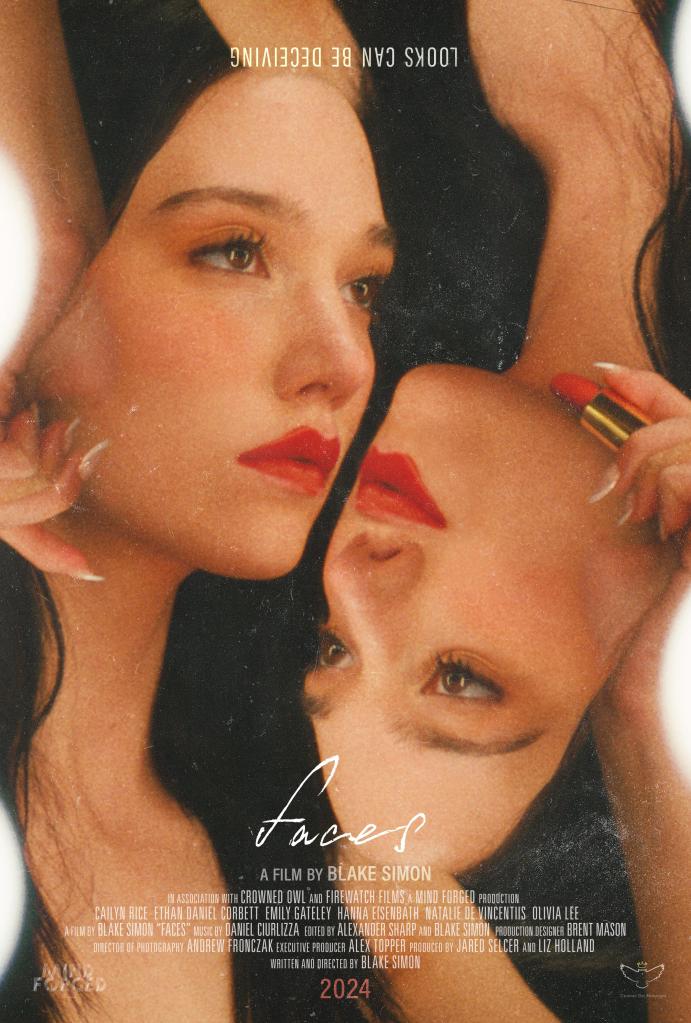
Faces (2024): Look out for Blake Simon. In this film by the director and writer, he starts with Judy (Cailyn Rice) being invited to a fraternity party by Brad (Ethan Daniel Corbett). However, in the ether all around this is a character called The Entity, a creature that has been abducting women the same age as our heroine, such as Bridget Henson. Now, as the frat party hits its height, the struggle for identity and who or what people are plays out. Faces feels like an entire film in its short running time and could easily become a full length feature. Whatever The Entity is, whatever it is looking for and why it does what it does are all unimportant. What is is that Simon seems ready to become a valued new talent in horror and this announces him so well.
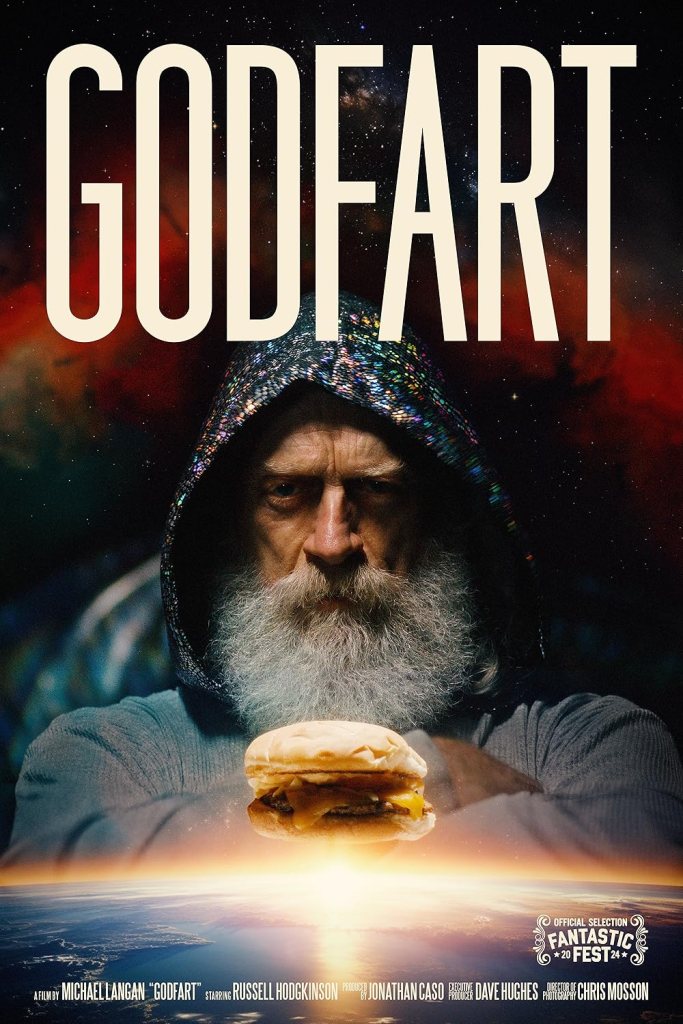
Godfart (2023): Directed and written by Michael Langan, this is “The very true story of how the universe was created.” God (Russell Hodgkinson) is looking for breakfast. This short explains it all. This is part of something called the Doxology Universe. As someone who loves breakfast, I want to know more.
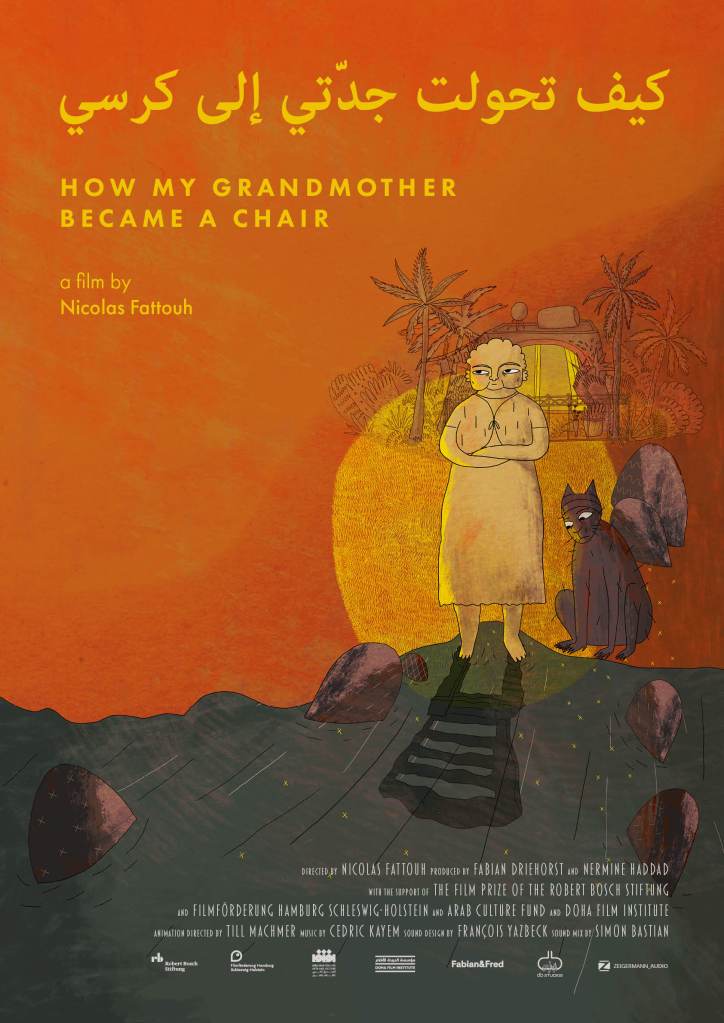
How My Grandmother Became A Chair (2020): Director and writer Nicolas Fattouh has created the perfect way of showing what it’s like to slowly lose an aging family member, something that I have gone through several times of the past years. His grandmother is losing her senses, one by one, until she — as the title lets you know early — becomes immobile furniture. There are times when it takes animation and the surreal to make life — which never makes all that much sense — something more easily explainable. This looks so wonderful and moves so perfectly that even though I knew where it was going, it still ended up as an emotional experience.
Huntsville, July 1981 (2024): In Sol Friedman’s short, four characters must deal with the ferocious attacks of a creature that is hiding in the woods. I loved the look of this, which seems like the wildest sketches the weirdest kid in school made and here they are, coming to life.
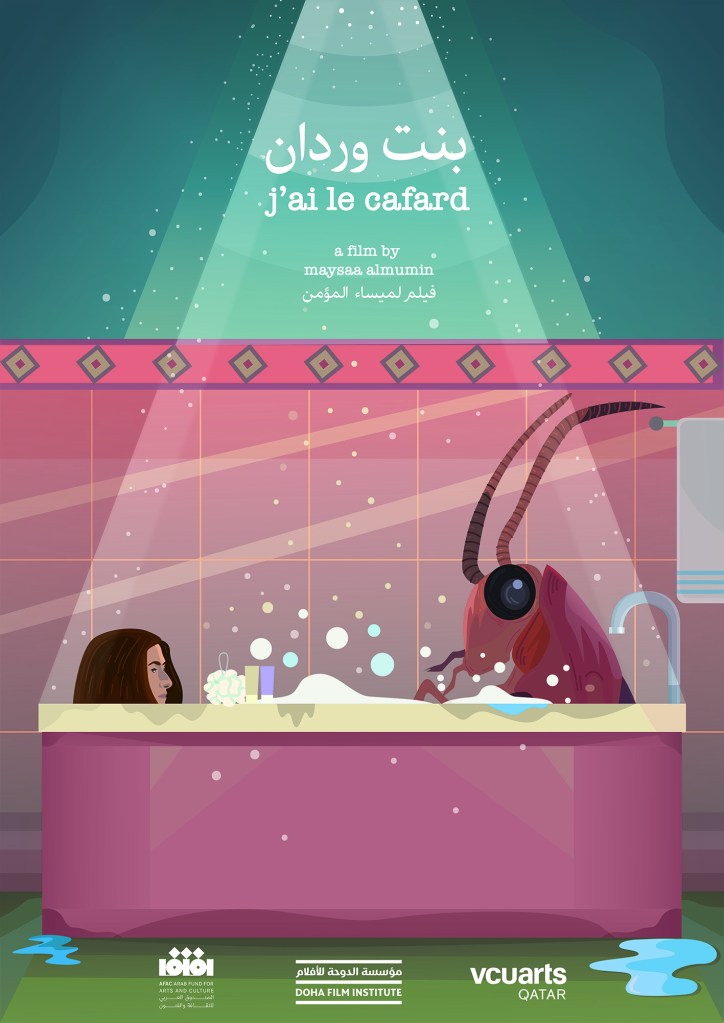
J’ai le Cafard (Bint Werdan) (2020): “J’ai le cafard” means “I have the cockroach,” yet it also means “I am depressed.” Director and writer Maysaa Almumin is followed everywhere by a dying large cockroach, which is her mental anguish. She connects more with this gigantic roach than anyone else around her until she realizes the impact that it is having on her life. I loved the puppet work and enjoyed seeing how this idea came to life. Can you be friends with an insect? This movie asks that question and I think the answer is yes, but roaches can be just as infuriating as people.
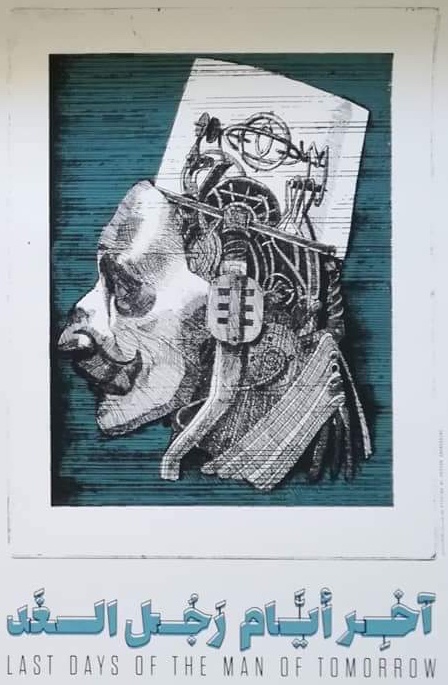
Manivelle: The Last Days of the Man of Tomorrow (2017): Directed by Fadi Baki Fdz, who wrote this with Omar Khouri and Lina Mounzer, this takes a realistic look at an unrealistic story, exploring the life of Manivelle, an automaton from Lebanon whose life seems to mirror the history of the country. His glory years were in the past, when life felt free, and today he is falling to pieces, his body failing him, reaching out in vain to people whose lives he ruined. Manivelle has been an actor, a soldier and now, he’s just a lost robot that claims to run a museum and read books, but he fails at all of that. I absolutely loved how this was shot. It’s perfect.
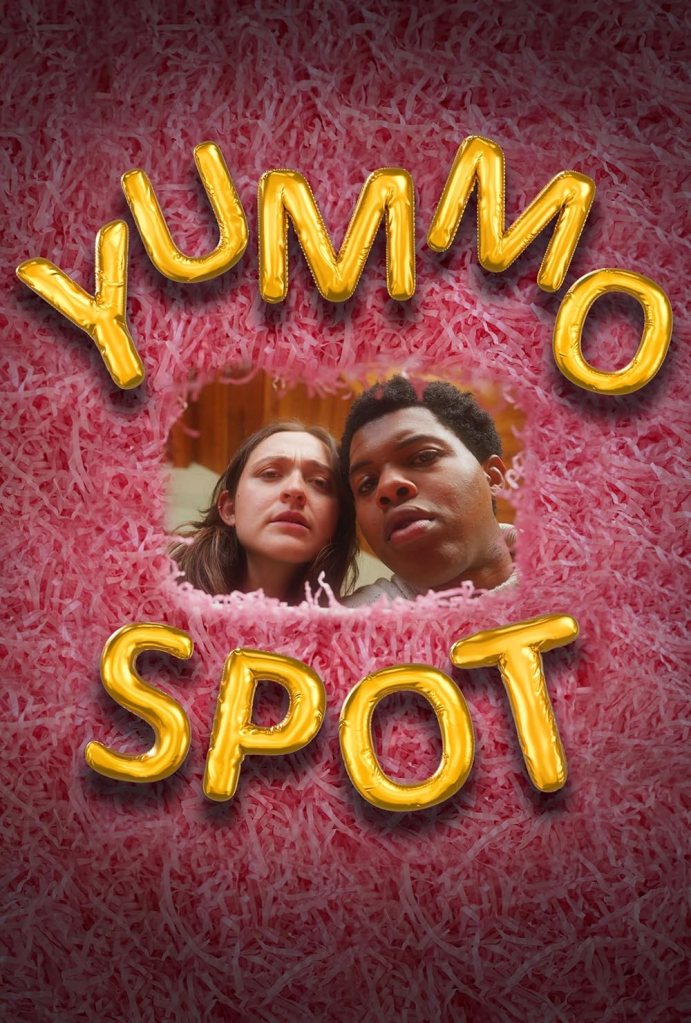
Yummo Spot (2024): Directed and written by Ashley Brandon, this is about a couple who moves to the woods and tries to start a family. Soon they learn that the Live, Laugh, Love lifestyle may be more difficult than they thought. This had a strange vibe but you may enjoy it more than me.
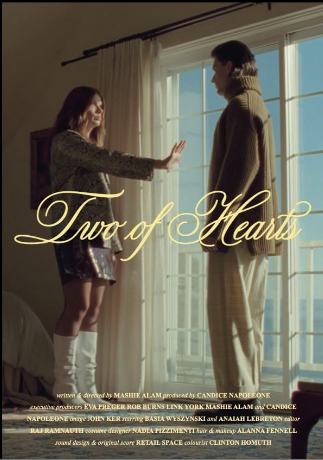
Two of Hearts (2024):Director and writer Mashie Alam places a boy (Anaiah Lebreton) and a girl (Basia Wyszynski) in a battle over some decisions, like eating a piece of pizza. Are they brother and sister? Are they a couple? Where did they get all of those great clothes? What’s happening? This is one of those times when the way something is filmed outdoes the basics of the script. Does the title refer to a Stacey Q song? Where is this house where they live? Can I visit? This movie has an amazing look and I want all of the answers to these questions and so many more. It’s good to have questions. It’s good to want to know more.
Skeeter (2024): Chris McInroy gets me every time. Actually, he’s made me physically sick a few of those times, no complaints. That’s because his movies are always fun, like this one, where someone has been raised by mosquitoes. If you’ve seen his movies Guts, We Joined a Cultand We Forgot About the Zombies, you know what you’re in for here. Thank you again, Chris, for shocking me and reminding me to never eat popcorn — or any food — during your movies.
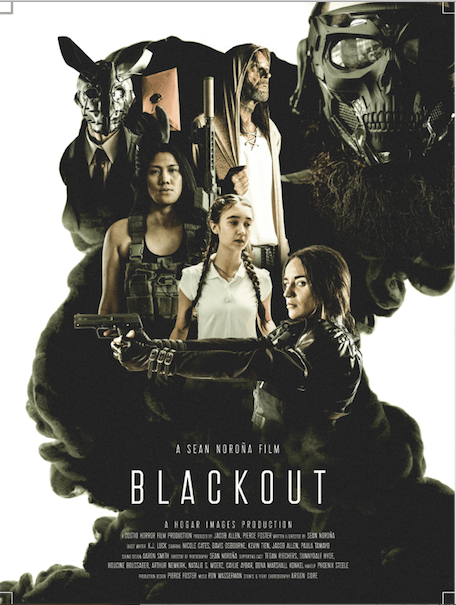
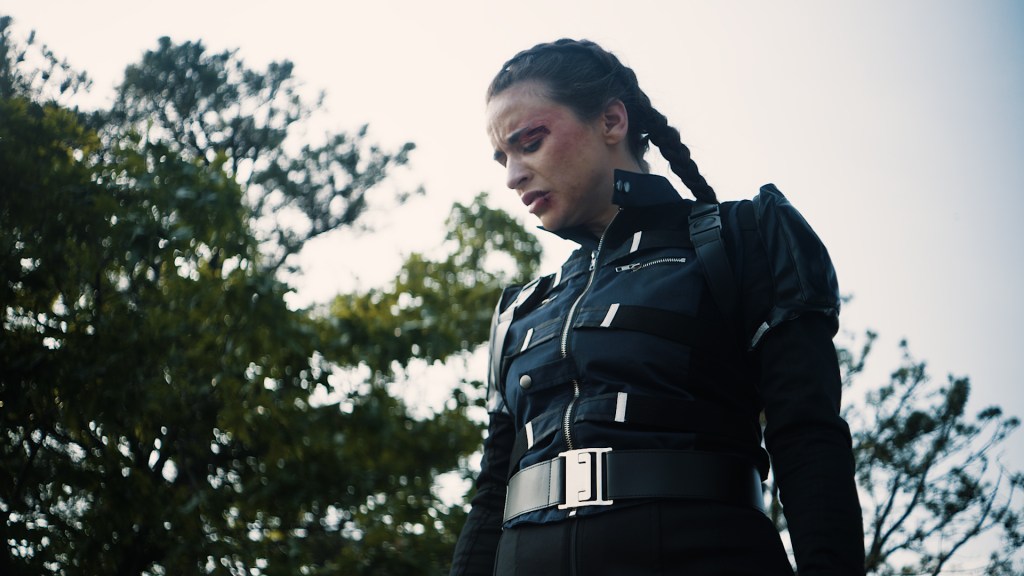
Lara Shultz (Nicole Cates) is a hitwoman with a difference — she suffers from dissociative amnesia. In Director Sean Justin Norona’s action/thriller short Blackout, Shultz goes on an existential journey she didn’t expect to take, but it’s one from which she can never turn back.
Norona, who cowrote the screenplay with Kayla Lucky, packs quite a bit into Blackout’s 19-minutes running time. Along with learning how Lara came to be a killer for hire, plenty of well-choreographed hand-to-hand combat and gunplay are on display. The short offers much more than simply action, though, as it really takes viewers inside the mind of its protagonist.
Cates makes for a strong lead, delivering solid narration and an impressive physical performance. Norona helms the short well. His choreography captures the proceedings nicely and his editing keeps the events flowing at a brisk clip.
Blackout is a super-assassin origin story that works just fine as a complete tale in short-film time, but I think the world building on display here has the potential for a highly intriguing feature film.
Blackoutis currently on the film festival circuit.
Our festival has grown in ways we never anticipated over the last eleven years and has been blessed with honors from The 25 Coolest Film Festivals in the World to our recent (and surreal AF) write-up in Money Magazine. But no matter how much we grow or how far we go, we’ll always make a place in our lineup for a selection of some of the best local and upcoming talent that’s crossed our desks that year. This year’s Salutes Your Shorts showcase features incredible student works and a selection of killer talent from right here in our backyard. As always, we’re grateful for the support of the TN Entertainment Commission, who’ve been working with us to present this block since the first year of our festival.
Analog Exorcism (2023): When three friends accidentally awaken a ghost that haunts a VHS tape, one of them becomes possessed. How can the others save their friend? Director Jim Shashaty, this reminds me of how I keep telling my wife that when I die, I’m going to put my spirit into my Jess Franco blu rays and if she wants to see me again, she has to watch the absolute filthiest in cinema. I think that’s romance. This was fun but also makes me wonder if my beta of House On the Edge of the Park has a spook inside it.
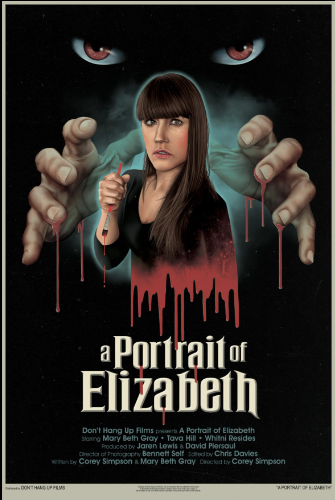
A Portrait of Elizabeth (2023): Grace (Mary Beth Gray, who wrote this with directed Corey Simpson) is trying to deal with her grief by painting a portrait of her dead wife. Then, as you can imagine, strange things start to happen to her as she becomes haunted. Filled with gorgeous camerawork and practical effects, this shows how horror can help us deal with complex emotions.
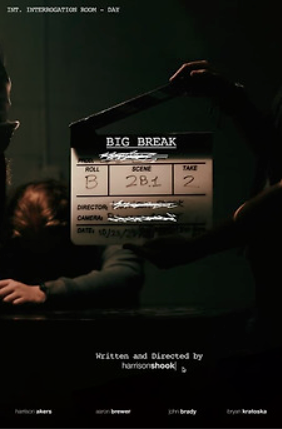
Big Break (2023): Director Harrison Shook said of this film, “The conceptualizing and writing process began when I was a student in film school, and the project was born out of my tumultuous relationship with it. While moved away from studying film formally, the ideas swirling around my head at the time continued to linger and become intertwined with interests in philosophy and theology. I was interested in the intersections between these disciples and how cinema can be used as a means of exploring questions larger about the self, autonomy, and choice. And, at that time, I was REALLY interested in film not only as a vehicle, but an allegory itself. So, I sought out to make a meta-narrative student film about making a student film. It was an audacious and perhaps arrogant attempt, and while I’ve certainly grown in my beliefs about film, art, and their purpose since that time, Big Break serves as a reflection of the complex state it was born out of.” This film is about Peter, a frustrated young screenwriter who has to deal with how far he has to go to make his dreams come true. Sometimes, life has a way of asking you if those passions are worth it.
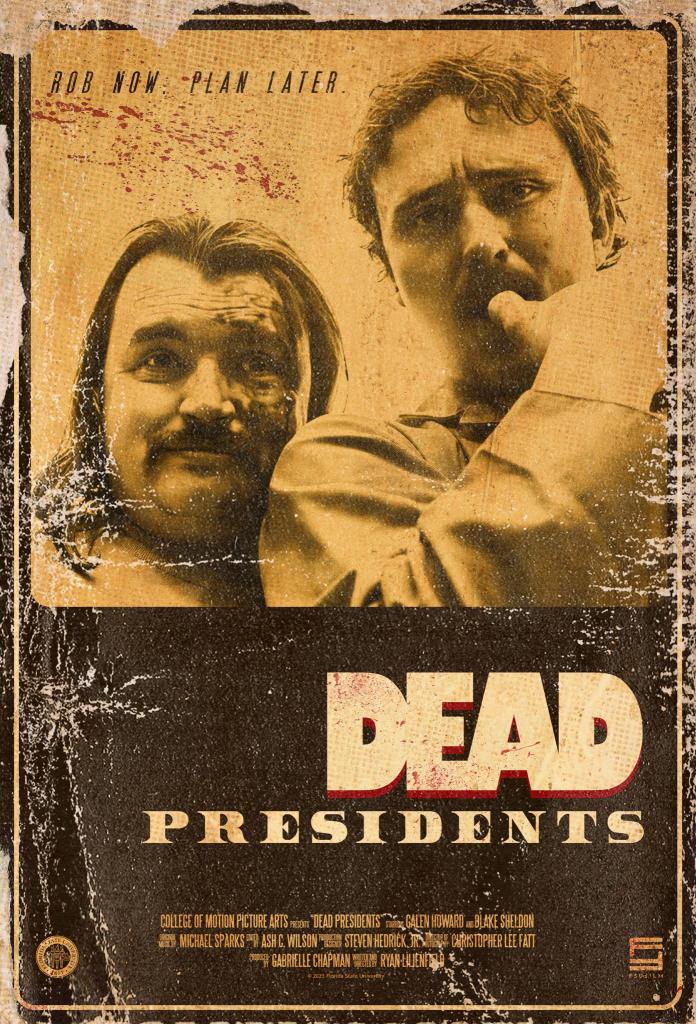
Dead Presidents (2023): With no plan and packing heat, stoner brothers Mark (Galen Howard) and Chris (Blake Sheldon) decide to rob a bank for some money. Directed and written by Ryan Lilienfield, this finds two men who may have seen Point Break too many times. Yet seeing a crime spree and being in the middle of one are two different things. Lucky for them, they’re in a film handled by a true talent. This looks and feels like the kind of caper that you want to spend hours and not minutes watching. We need more weed movies this good. Actually, we just need more movies this good. I can’t wait to see what Lilienfield does next.
Descension (2023): Riddled with guilt after the death of his mother (Andrea Pister), Gonzalo (Fernando Villegas) falls into a nightmare of his own making. Directed by Valery Garcia, whose Harmoniouswas a highlight of the Salute Your Shorts block at last year’s CFF, this was produced by Ryan Lilienfield, who made the aforementioned Dead Presidents. So much of modern horror is about dealing with loss through the genre and this takes that and runs with it. Really well shot and an intriguing premise. I also really liked how this has a great poster, which contributes to the feel of the film. The total package is something so many young filmmakers miss.
Hope Chest (2023): This was one of my favorite shorts that I saw at all of CFF. It starts with a class assignment: “An oral essay on your hopes and dreams for your future.” Eve starts her speech with this phrase: “I hope the FBI agent who finds my body is predisposed to sadness.” Directed and written by Dycee Wildman and Jennifer Bonior, this takes the dark inspirations of a moody teen and writes them large into the psyche of everyone that must sit and listen to them. Just a perfect short and so much fun.
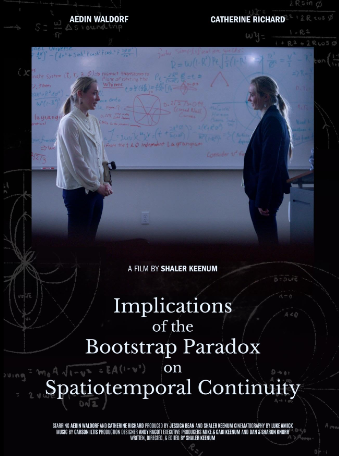
Implications of the Bootstrap Paradox on Spatiotemporal Continuity (2023): Directed and written by Shaler Keenum, this has two theoretical physicists, Rose (Catherine Richard) and Bree (Aedin Waldorf), discussing a time-travel device and changing history. It’s pretty amazing that this is such a deep and involving treatise on time paradoxes — shout out to time travel consultant Abbie Young — and also such an emotional movie, yet one made on a budget short of time and cash. While we never see time become broken, we do feel it through the performances. An intriguing film that I loved to watch. An intriguing film that I loved to watch. I’d like to watch this again knowing what I know from the end of the film, as I think I may rank it even higher.
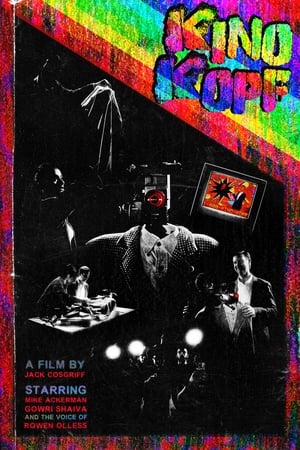
Kino Kopf (2023): Kino Kopf is the first of its kind. A sentient humanoid VHS camera, it was given life by its artist mother (Gowri Shaiva) and shown to the world by fits greedy father (Mike Ackerman). For a short time, Kino Kopf spurs a technological revolution, but is soon forgotten and alone as new machines surpass it. Does Kino Kopf have a soul? Directed and written by Jack Cosgriff. this is as strange as that description, with wild visuals and a story with heart.
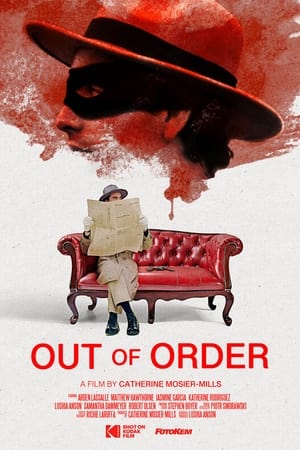
Out of Order (2023): What a gorgeous short! This parody of French new wave crime films follows a gangster through every step of his day, from the ordinary to the criminal. Directed by Catherine Mosier-Mills, this looks unlike anything else I’ve seen in some time. The director says that she based this on some of her favorite films, Jean-Pierre Melville’s Le Cercle Rouge and Le Samourai; and Claude Lelouch’s La Bonne Anne and Le Voyou. I love this statement that she uses to talk about how she got here: “When starting this project, my question was: what is this extraordinary, fascinating, rare Alain Delon, Jean-Louis Trintignant, or Yves Montand-type like when he’s not “on”? Or is he always “on”? How would he fare in the rather mundane requirements of everyday life? Is he indeed a compelling person, or just adept at finding great lighting to commit crimes? Having never been a stylish gangster myself, I worked backwards from the tropes to see what might be there.” Learn more at the director’s site.
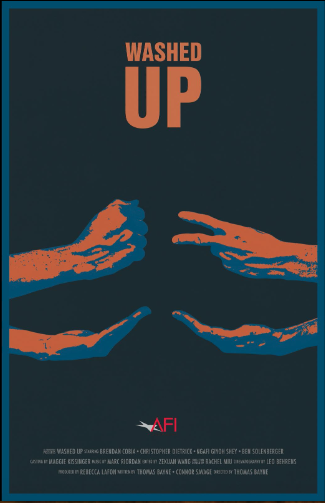
Washed Up (2023): Mike (Brendon Cobia) is about to be a father and has decided to stop being a criminal. But his friend Aaron (Christopher Dietrick) has talked him into one last job. They’ll rob a car wash, a place where no one will be, and get away with it. Except things go wrong when the handles of the bags they’ve brought break and they can’t get the money out before the cops arrive. Mike soon has to make a decision: a new life or to give up on his friend. Directed by Thomas Bayne, who wrote this short with Connor Savage, this is such a well made short and a film I have thought about several times since I watched it.
You can watch so many of the films at CFF by buying a pass on their website. I’ll be be posting reviews and articles over the next few days, as well as updating my Letterboxd list of watches.
Join CFF as we take a journey into the longer side of short cinema. One of the many joys of presenting our festival in a hybrid format is that it allows us to include so many amazing films that our time limitations during our in-person days wouldn’t allow, and it also gives us the freedom to program more short work with running times 15 minutes and above. It can be challenging for festivals to make longer short films work when space in blocks is limited, and we’re grateful that our two-volume Fun Size Epics block gives us a chance to share an exceptional group of films that pack more world-building and storytelling in their run times than some features can manage.
Spiral to the Center (2023): It feels like this movie was made just for me. Rick Danford (co-director, co-writer and musician Scott Ampleford) reviews records on his web channel. When he discovers a band he’s never heard of before called Raven’s Knowe, he soon learns that there’s an entire label of this strange music and twelve more records, as well as a history of people who have lost their minds in the search for all of this occult powered vinyl.
Ampleford created all of the music for this — which you can listen to here — saying that he “steeped myself in the music of the 1970s, listening to Prog Rock, Krautrock, New Age and beyond.” By the time the story gets to its close — with the director (Alisa Stern, who co-wrote and co-directed) of the documentary within the movie begging Rick to give up — you’ll wish this was a full-length film.
Go out of your way to find this movie. It’s incredible. If you’ve ever hunted for bands or sought out something that no one else knows, you’ll feel all of this.
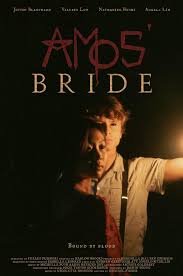
Amos’ Bride (2024): Directed by Yukako Fujimori and written by Harlow Brooks, this is the story of Rebecca (Valerie Loo), a sixteen-year-old girl who wants to escape her hometown. The difference between her and nearly every other young woman is that she was born and raised in the Chosen Colony, a cult that worships the prophet Amos. She’s in love with Amos’ son, but when she’s selected to be the prophet’s latest bride, they both decide to escape. The problem? Amos has already possessed her. This looks and plays great with a folk horror vibe that demands to be revisited with a full-length film.
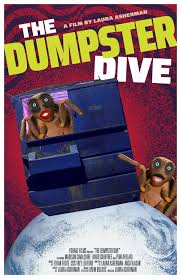
The Dumpster Dive (2023): Directed by Laura Asherman, who wrote it with Anca Vlasan, this has cockroach news hosts Howard Scourge and Madison Von Vermin reporting on how microplastics could have dire consequences for the human race. A mix between sketch comedy and documentary, this has experts reporting on how we got to where we are with microplastics, illustrated by puppets, animation and — yes, you knew it — live cockroaches. It’s a spoonful of sugar to get down the bitter pill that is the way that we’ve decimated the environment.
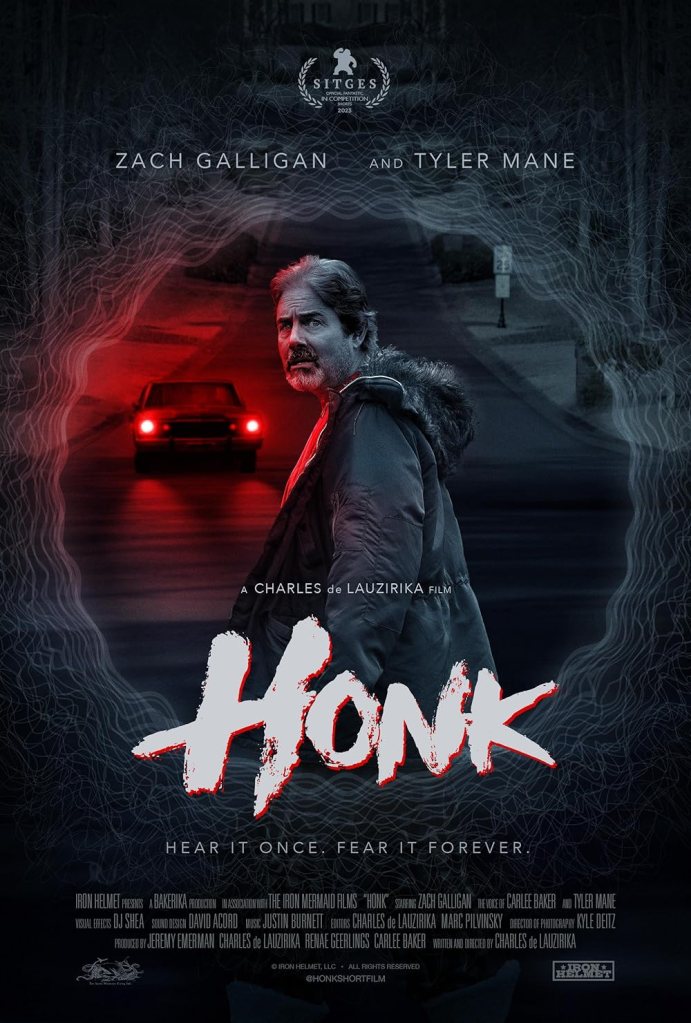
Honk (2023): Directed and written by Charles de Lauzirika, this film has Zach Galligan and Tyler Mane in it, which ups the star power. That wouldn’t matter if it didn’t tell a strong story and it totally does. Reluctant divorcee Bill (Galligan) is awakened before dawn by a mysterious car horn in his normally quiet neighborhood. He tries to find it yet starts to uncover something even more horrifying. This film — while short — gets across the power of grief and how hard it is to let go. I didn’t particularly like the ending, but when everything up until that point was of such a high quality, I didn’t dwell on it. I’d love to see how this could be expanded.
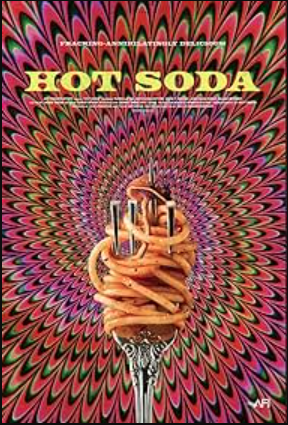
HOT SODA (2023): Outraged over the approval to double the fracking operations devastating her hometown, Meg (Tuisdi Layne) is forced by her sick father Jack (Aeron Macintyre) to serve the fracking company owners Todd and Leonard (John T. Woods and Jonathan Wiggs). Instead of letting this opportunity go, she serves them spaghetti and soda that’s been laced with drugs. Soon, the pasta has come to life and may change the future of this small town and the restaurant that has been a part of it. Directed and written by Nello DiGiandomenico, this hit home for me, literally. My small Western Pennsylvania hometown has been torn to pieces by fracking and I also grew up miles from East Palestine, OH, another small place screwed up by big business. Well made! You can learn more at the official site.
Redcoat (2023): A young, recently widowed mother-to-be named Christine (Mallory Ivy) — living in the midst of the Revolutionary War — makes a deal with the enemy to escape her abusive brother. Directed and written by Michaela Hounslow, this has such a gorgeous look and gets so much done in its twenty minute running time. I loved that this film took a time in history that hasn’t been much explored in recent film and created a female-centric story about survival and persisting in the face of male oppression. Jonathan Bouvier and Allen Harbold are quite good in this and the scenery is nearly a character in and out of itself, making this feel as if you really are part of the past.
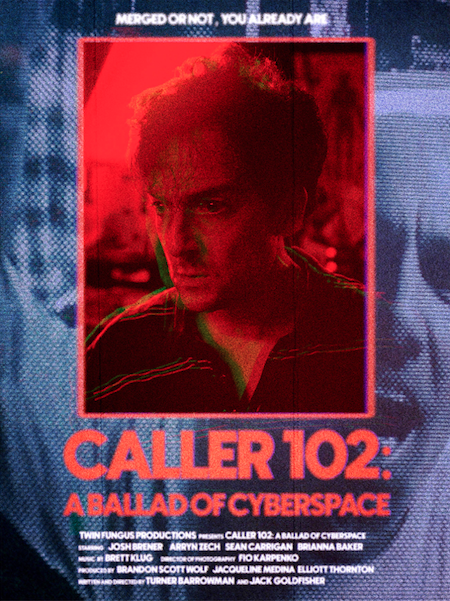
Caller 102: A Ballad of Cyberspace (2023):When Kevin (Josh Brener) hacks his way into a radio contest, he gets hit with a power surge. That isn’t an accident. He soon discovers that everything he believes about the new cyberspace world of the future (which is today) is true. Directed and written by Turner Barrowman and Jack Goldfisher, this does so much with sound design and imagination, making your mind fill in some of the gaps where the budget can’t go. I love that this starts with trivia contest and ends with near armageddon. I’d love to see more of this world. Where else can it go? I hope that this filmmakers find out and share with us.
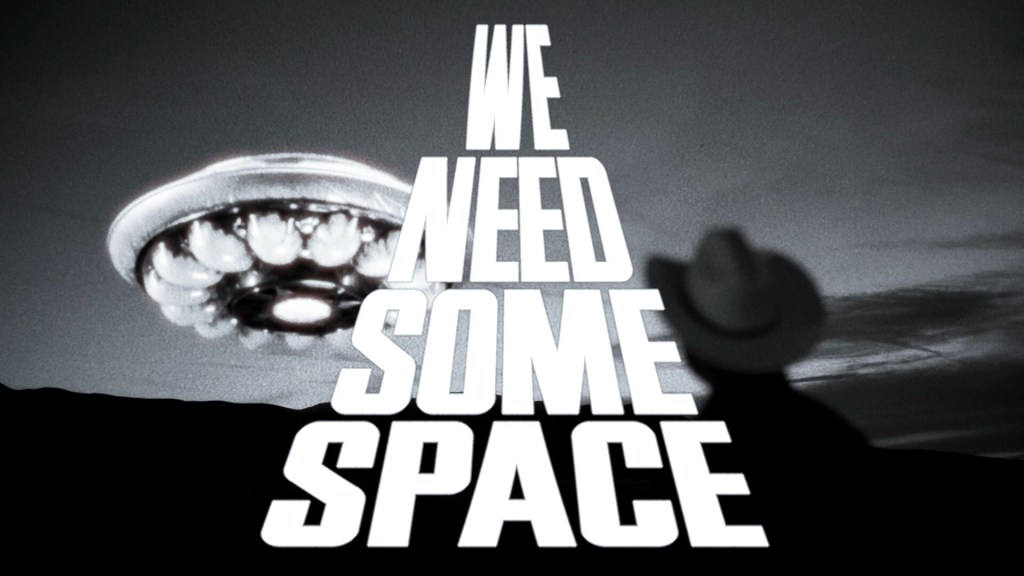
We Need Some Space (2023): Can an invasion from space be the metaphor for a breakup? This movie says absolutely. A young, dysfunctional couple struggles to define the future of their relationship — we need some space never seems to end up positive, does it? — all while being followed by a UAP. Directed and written by Ian Geatz and Antonio Zapiain Luna, this reminds me that the only thing more frightening than being probed is falling out of a relationship.
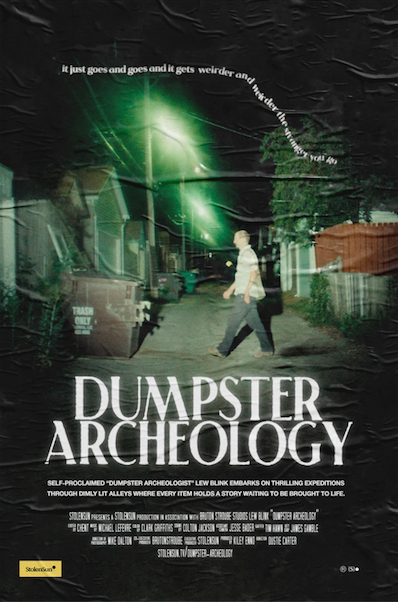
Dumpster Archaeology (2023): Self-proclaimed “Dumpster Archeologist” Lew Blink goes dumpster diving and finds the true stories that have been left in the trash. He alone is able to connect the dots and put together the puzzle in the refuse. To you, this is garbage. To him, this is a mystery made up of material possessions that people decided they no longer wanted. Directed by Dustie Carter, this doc makes me wonder how much of this is stalking or an invasion of privacy, but then when you spend a few moments with Lew through this film, you start to understand and love his outlook. I wonder what Lew would think of my life by looking through my trash? You can learn more about Lew on his official site.
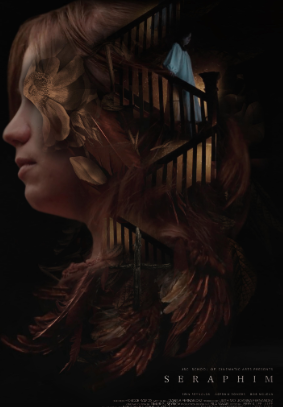
Seraphim (2022):When Jude’s (Erin Reynolds) family is chosen to carry out a suicide bombing for the biblically-accurate angel that they are harboring in their attic and her sister Gloria (Aspen K Somers) is chosen as a modern day prophet, Jude struggles with the ramifications of what it really means to be an agent of God. Directed by Oscar Ramos and written by Joanna Fernandez, this has an angel that is just as frightening in vision as the ones in the actual Bible. This is such a strong idea and I loved every moment. It’s true horror with the idea that an instrument of God doesn’t want peace but instead commands its followers to sacrifice others.
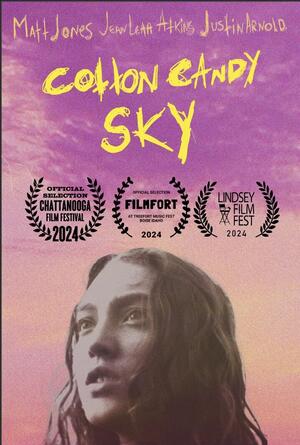
Cotton Candy Sky (2023): Directed and written by Michael Curtis Johnson, this feels like a slice out of Southern modern gothic life. It actually feels a lot like my Western Pennsylvania hometown, a place where there’s not much to do but drink, if you’re lucky, or get into drugs if you’re not. The longer I’m away, the more I see it in a much rosier way. But that’s also because I live far away and only experience it in moments and not a lifetime. This movie hit me because of that. It feels real.
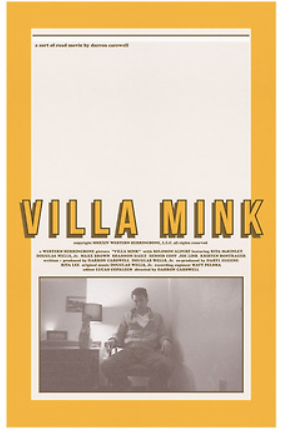
Villa Mink (2024): Directed by Darron Carswell, who wrote the script with Douglas Wells Jr., this is “at once a study of time and space, penetrating examination of distorted male identity, and visual exploration of the enduring legacies of the mythical Western frontier.” It traces Rudy Ford as he drives across the vast exteriors of the Kansas landscape, exploring the flatlands and a roadside motel, waiting to find others in dives and bring them back for a moment of some physical connection despite feeling emotionally away from the world. As Modest Mouse once said, “This Is A Long Drive For Someone With Nothing To Think About.”
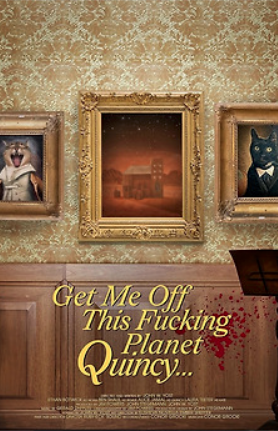
Get Me Off This Fucking Planet Quincy: A pair of land barons from 19th century Mars find themselves the brunt of a cosmic joke after the sudden suicidal Rapture of their slave workforce who has just learned that Heaven is on Earth. Shot in a way that feels like a sitcom, this short by director and writer John Yost is just plain obtuse and I mean that in a very nice way. It spends more time world building than most full length movies. But man, it’s weird for me so imagine what that entails.
CFF ended a few weeks ago and I’m still getting caught up. You can visit my Letterboxd list of watches to see what else I’ve covered.









 B&S About Movies
You must be logged in to post a comment.