This is not Maciste contre la reine des Amazones even though they have most of the same cast and crew. It is kind of a sequel or a spiritual one or inspired by or however you want to tie these together, as well as to the overall larger Jess Franco Cinematic Universe as Howard Vernon appears as Cagliostro (fromLa maldición de Frankenstein and also that same movie was repeated as cut and paste footage for Dr. Wong’s Virtual Hell) and Wal Davis also is Maciste again.
The women of this are from Atlantis and they’re led by Alice Arno (Eugénie de Sade) and have Pamela Stanford (Convoi de filles) and, of course, Lina Romay amongst their number. They’re threatened by a blind witch named Parka (Kali Hansa, The Night of the Sorcerers) who has brought along Caronte (Robert Woods) to help her.
It really feels like three different movies are at work here and that’s because it seems like there were three different shooting sequences, all united through later editing. The most basic is Maciste’s adventures on the post-Atlantis island and his love affairs and battles. Then there’s Arno dreaming of being an Atlantean queen. And further still would be the Howard Vernon footage. The last two of these were shot nearly six months later, so if nothing adds up, well, you’re probably so far into Jess Franco’s world by now that you won’t notice, although you may wonder if someone cut these movie drugs with a little Jean Rollin, what with all the beach footage and scenes of women staring out into the ether.
What is it about Franco that makes his devotees study and attempt to make sense of his output? There are so many poor direct to streaming films and directors who also had similar output, yet here I remain in my second month of nearly being obsessed with his movies and trying to make connections between them and I find the greatest satisfaction in doing so.
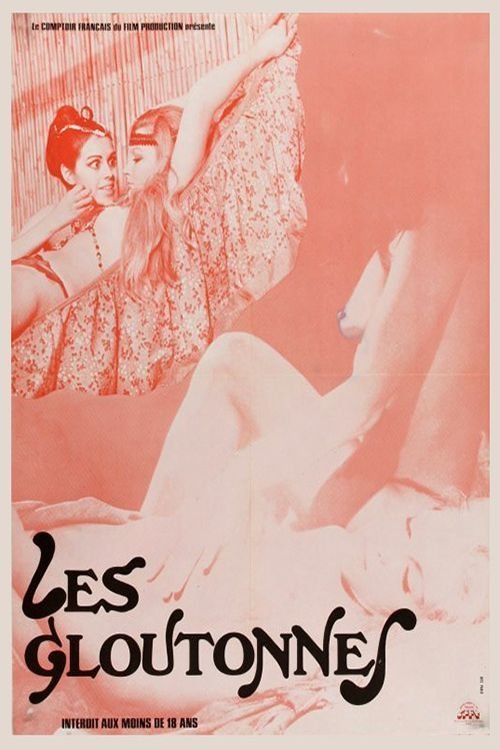
Based on the Octave Mirbeau novel Le Journal dune femme de chambre (Diary of a Chambermaid), this movie begins with Celestine (of course, Lina Romay) escaping a brothel as the police close in and end up in the country home of one of their clients, Comte de la Fraguette and, as you can imagine, they end up converting the entire home to the pleasures of, well, pleasure. Some of those folks are men, including Howard Vernon as a horny old man — go figure — and some are women, such as Franco regulars Catherine Laferriere, Pamela Stanford and Monica Swinn, a survivor of so many of Franco’s prison films.
That said, if you can get past all the lovemaking, the acts of darkness, the corking of onions, the schnoodlypooping, the unicorn pondering, the biblical knowledge seeking and the locking of legs and swapping gravy, you will discover that there’s a point in this: Celestine is here amongst the rich and pampered to preach her truth of living free.
There’s a review in Time Out of this movie that states, “An object lesson in how potentially liberating material can be manhandled into heavy-handed voyeurism treading an unresolved line between the Pasolini-inspired bawdy romp and Buñuelian subversion.”
This is someone that watched Lina Romay embodying a comedic ideal while at once being an object of sheer desire, a person that has no idea of what fun is and wanted to impress you because they read about Salo in a book.
Forget that.
I don’t think even Celestine could bonk said writer into being able to have a moment’s fun.
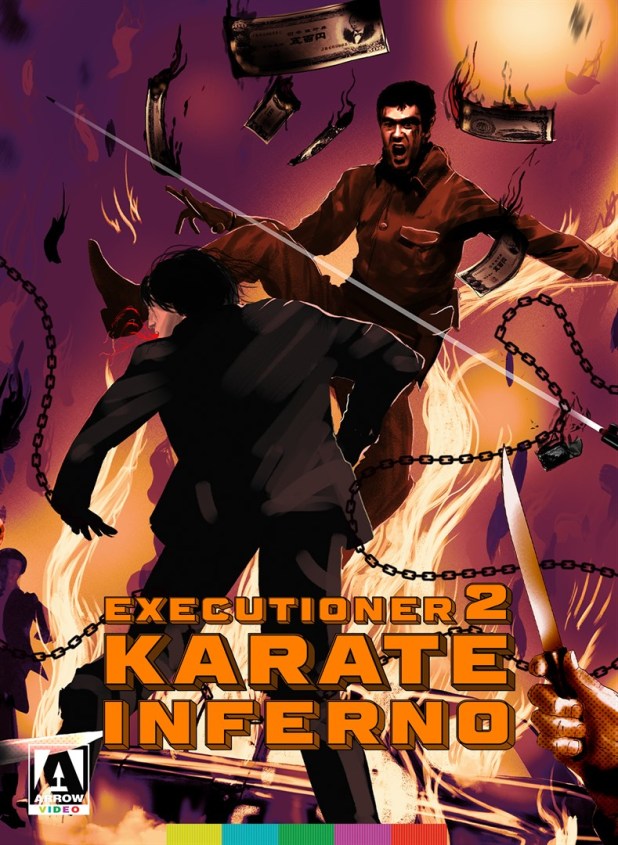
This sequel came out the same year as The Executioner and brings back Takeshi Hayato (Makoto Sato), Ichiro Sakura (Eiji Gō), Arashiyama (Ryô Ikebe), Emi (Yutaka Nakajima) and ninja bad guy working on the side of good Ryuichi Koga (Sonny Chiba) for another mission.
First, they have to find Koga, who is now a paratrooper — or the Rangers Unit of the Self Defence Forces — and then they’re off to retrieve the stolen Jewel of the Pharaohs and a rich heiress, but they discover that the jewel they’ve retrieved is a fake. And when Koga gets shorted on his pay, he decides to steal the jewel for himself.
This time around, the bickering between the three heroes — well, they’re not all that virtuous but are the heroes we have — is filled with comedy, like a scene where Koga is climbing up into a high rise and a well-endowed woman opens her window and her bosom falls directly onto his head and another where Sakura gets set on fire and Koga urinates the flames out. Then again, this is a Sonny Chiba movie, so he does get to rip a man’s heart right out of his chest and show it to him before he dies.
The Executioner II: Karate Inferno is also directed by Teruo Ishii, who wasn’t a fan of making action movies like this. To see what he liked making, track down Horrors of Malformed Men and Shogun’s Joy of Torture.
While not as well made as The Executioner, everyone seems to enjoy their roles and the silly near-Three Stooges antics between the heroes. I wish Toei had made even more of this series.
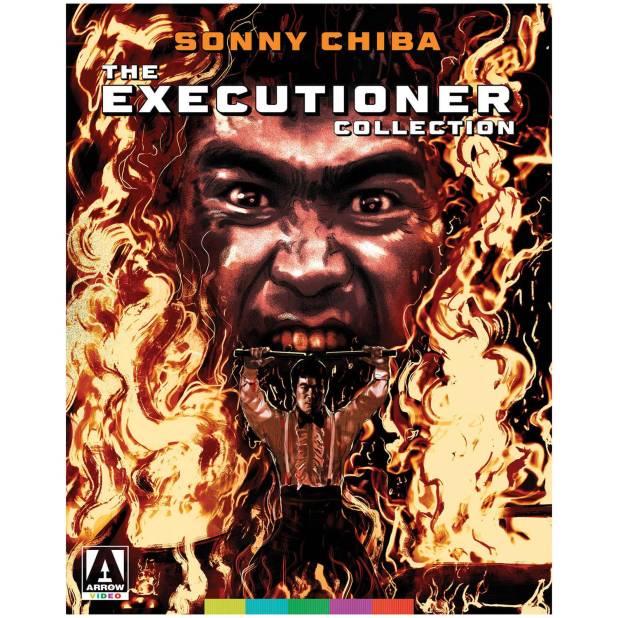
The Arrow Video release of The Executioner Collection has high definition blu ray presentations of both movies, along with brand new audio commentary by Chris Poggiali and Marc Walkow; Sonny Chiba, Karate King, a 30-minute featurette on the legendary Sonny Chiba, featuring Grady Hendrix, Tom Mes, Chris Poggiali, Marco Joachim and Seiji Anno from the band Guitar Wolf; trailers; image galleries; a reversible sleeve featuring original and newly commissioned artwork by Lucas Peverill and an illustrated collector’s booklet featuring new writing on the films by Mark Schilling. You can get it from MVD.
You can also stream this movie on the Arrow player. Visit ARROW to start your 30-day free trial. Subscriptions are available for $4.99 monthly or $49.99 yearly. ARROW is available in the US, Canada, the UK and Ireland on the following Apps/devices: Roku (all Roku sticks, boxes, devices, etc), Apple TV & iOS devices, Android TV and mobile devices, Fire TV (all Amazon Fire TV Sticks, boxes, etc), and on all web browsers at https://www.arrow-player.com.
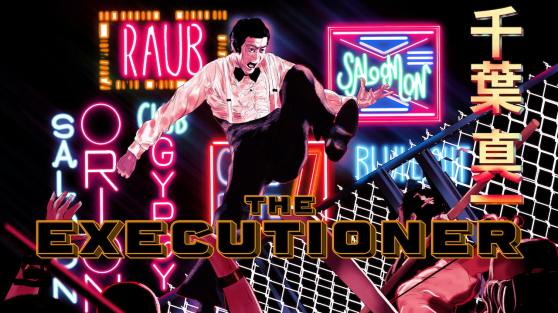
Three men have come together to destroy a drug cartel: Hayabusa (Makoto Sato), Aikido master and pervert Sakura (Eiji Gō) and Koga Ninja school descendent Ryuichi Koga (Sonny Chiba), the master of the Hell Fist. Guided by disgraced cop Arashiyama (Ryo Ikebe) and Emi (Yutaka Nakajima), they have to stay together long enough to stop druglord Mario Mizuhara (Masahiko Tsugawa).
By destroy them, I mean the last thirty minutes of this movie is one big fistfight, broken up by a car chase, then more kicking and punching. Chiba may not be the flashiest or most acrobatic martial artist, but he’s the roughest. I mean, why else would they call him the meanest man alive? Also, he’s Lucio Fulci’s favorite fighter, obviously, because he can smack someone in the head so hard their eyeball flies out of their head. He goes that one better by punching a man in the chest and pulling out one of his ribs.
This movie is absolutely hilarious, a sleazy mix of violence, nudity, wild costumes, sex and a double mannequin suicide plunge at the end that outdoes anything in Italian cinema, the world’s biggest importer of wooden dummies for the end of giallo films.
Teruo Ishii supposedly hated making kung fu and action movies — I mean, the guy did make Shogun’s Joy Of Tortureso I think there’s where his heart lies — that he made this parody so that Toei would ask him to make another. No matter. This movie is a total blast.
The Arrow Video release of The Executioner Collection has high definition blu ray presentations of both movies, along with brand new audio commentary by Chris Poggiali and Marc Walkow; Sonny Chiba, Karate King, a 30-minute featurette on the legendary Sonny Chiba, featuring Grady Hendrix, Tom Mes, Chris Poggiali, Marco Joachim and Seiji Anno from the band Guitar Wolf; trailers; image galleries; a reversible sleeve featuring original and newly commissioned artwork by Lucas Peverill and an illustrated collector’s booklet featuring new writing on the films by Mark Schilling. You can get it from MVD.
You can also stream this movie on the Arrow player. Visit ARROW to start your 30-day free trial. Subscriptions are available for $4.99 monthly or $49.99 yearly. ARROW is available in the US, Canada, the UK and Ireland on the following Apps/devices: Roku (all Roku sticks, boxes, devices, etc), Apple TV & iOS devices, Android TV and mobile devices, Fire TV (all Amazon Fire TV Sticks, boxes, etc), and on all web browsers at https://www.arrow-player.com.
Directed by Pierre Chevalier (using the name Peter Knight, the same he’d use for Panther Squad) who co-wrote this with A.L. Mariaux — but come on, we all know that that’s Jess Franco — this Eurocine film is a cut and paste marvel that uses footage from a movie made seven years before, Agente Sigma 3 – Missione Goldwather, so that explains why this starts as a sleaze film all about a house of, well, cruel dolls, and ends up a spy movie. Eurocine did it one better by taking these leftovers, warming them up and re-releasing them eight years later as Police Destination Oasis, also adding in some of Agente Sigma 3 – Missione Goldwatherand a pinch of Franco’s Two Female Spies In Flowered Panties.
In those first few moments, a regular customer falls in love with cruel doll Yvette (Magda Mundari) and helps her escape. They go to the police and…cue the Jack Taylor Eurospy footage.
Speaking of cobbling together multiple movies to make a new narrative, this was released on blu ray in the U.S. by Full Moon, the same company who often edits shortened narrative destroyed versions of their films into make no sense anthologies and had the absolute gall to rip off Bruno Mattei’s Hell of the Living Dead and turn it into Corona Zombies. Yes, Full Moon ripped off a movie that ripped off Zombie which was ripping off Dawn of the Dead and also stole footage from Yeti Giant of the 20th Century and the mondo films Des morts and Nuova Guinea, l’isola dei cannibali while also ripping off music from Buio Omega and Blood and Diamonds.
Notice how my morals are: I am perfectly fine with Franco and Mattei robbing other movies but I draw the line at Charles Band.
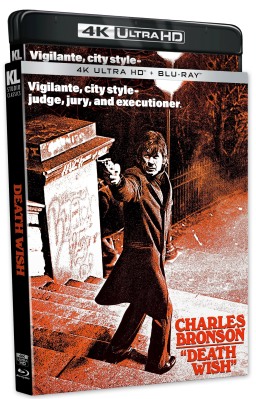
EDITOR’S NOTE: We’ve talked about Death Wish so many times on the site, but this is all about the excitement of Kino Lorber’s UHD release. It has both a UHD HDR/Dolby Vision master from a 4k scan of the 35mm original camera negative and a blu ray HD master from a 4k scan of the 35mm original camera negative. Plus, there’s also a commentary on the film by the best person to record one, Paul Talbot, the author of Bronson’s Loose! You can get it from Kino Lorber.
New York City in 1974 must have felt like the end of the world. Based on the 1972 novel by Brian Garfield, Death Wish was the answer. In fact, in many theaters, the audience stood up and cheered as Paul Kersey got his bloody revenge for the crims visited upon him and his family.
The film we’re about to discuss went through many twists and turns as it made its way to the screen. Originally, it ended with the vigilante hero confronting the thugs who attacked his family and them killing him, police detective Ochoa discovering his weapon and deciding to follow in his footsteps. And get this — the first choice to play the lead was Jack Lemmon, with Henry Fonda as Ochoa and Sidney Lumet directing.
Finally, United Artists picked the gritty action veteran Michael Winner to direct. Several studios rejected the film due to its subject matter and the difficulty of casting the lead. Winner wanted Bronson, who he’d worked with in the past, but the actor’s agent hated the message of the film and Bronson felt that the book was about a weak man, someone he would not be playing on film.
Death Wish turned Bronson, who was 53 at the time of its release, into a major star known worldwide. It’s a movie made exactly for its time. Despite its lurid subject matter and dangerous acceptance of its hero’s actions, it’s still a great exploitation film that actually explores the why behind its hero’s actions instead of just setting him loose upon people.
Paul Kersey (Bronson) starts the movie in Hawaii with his wife Joanna. When they return home to the squalid streets of New York City, it’s only days before three thugs — including Jeff Goldblum! — invade their apartment, raping their daughter Carol and beating Joanna so badly that she dies. Beyond Goldblum in this early role, keep an eye open for Christopher Guest and Olympia Dukakis as cops, as well as Sonia Manzano (Maria from Sesame Street, who was dating director Winner at the time and suggested that Herbie Hancock do the score) and Lawrence Hilton-Jacobs (Freddie “Boom Boom” Washington from TV’s Welcome Back, Kotter) in supporting roles.
As he recovers from his wife’s death, Paul is mugged. He fights back and chases off his attacker and finds new strength from the battle. An architect by trade, Paul heads to Tucson where he helps Ames Jainchill with his residential development project. After work one night, he goes to a gun club with Ames, where we learn how good of a shot Paul is. Turns out he was a conscientious objector and combat medic who was taught marksmanship by his father, but promised his mother he’d never pick up another gun after his dad was killed in a hunting accident. On the way back home, Paul discovers that Ames has given him a gun as a gift.
Now back home, Paul learns from his son-in-law that his daughter is still catatonic and would be better off in a mental hospital. That night, when walking, Paul is mugged again but he has the gun with him. He fights back and kills the mugger, but even that action causes him to grow physically sick. But soon, he’s prowling the mean streets and looking for a fight.
Before long, NYPD detective Lt. Frank Ochoa (Vincent Gardenia) begins investigating the vigilante killings and quickly narrows down his suspect list to Paul. As the manhunt gets closer and closer, Paul finally is caught after passing out from blood loss after a shootout. Instead of arresting him, the NYPD wants the case quietly solved, so they send him off to Chicago. The minute he arrives, he helps a woman who was almost mugged and stares at the criminals with a smile, his fingers in the shape of a gun.
There’s a story which may be apocryphal, but when Michael Winner told Bronson what this film would be about — a man who goes out and shoots muggers — Bronson replied, “I’d like to do that.” Winner said, “The film?” And Bronson replied, “No. Shoot muggers.”
After viewing the film, author Brian Garfield hated how the film advocated vigilantism, so he wrote a sequel called Death Sentence that was made into a movie in 2007 starring Kevin Bacon. No word on whether or not he hated that movie too, as it only keeps a little of the book.
Compared to the heights of mayhem that this series will descend to, this is a retrained meditation of a man facing an increasingly violent world. Stay tuned. Paul Kersey is just getting started.
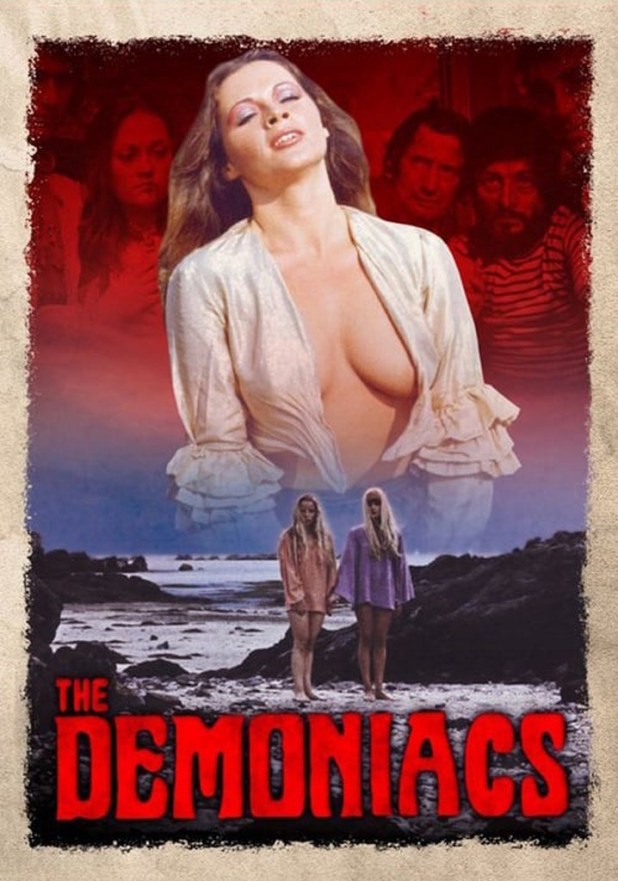
There’s a gang of wreckers who lure ships to the rocks on a foggy shore that destroys them, led by The Captain (John Rico), and including Le Bosco (Willy Braque), Paul (Paul Bisciglia) and Tina (Joëlle Coeur). The latest ship they’ve smashed has two survivors — played by Lieva Lone and Patricia Hermenier — who are dazed and damaged as they struggle down the beach and into the arms of the crew that’s already taken so much from them. They’re assaulted and left for dead as the pirates drink away their cares, but The Captain keeps seeing the girls, so they go back and trap them in a ship and set it on fire.
Yet that’s still not enough to put them away. They run to some ruins where a clown (Mireille Dargent) takes them deeper into the grounds where a demon (Miletic Zivomir) is imprisoned and if they allow him into their bodies, he will give them a limited time to have his power and gain the revenge they desire.
Jean Rollin is the only director who I could say was inspired by his childhood to make suce a strange and upsetting movie. Yes, it’s another return to the beach but there are no vampires, instead the ghostly hauntings of victims and the sheer insanity of Tina. Seriously, Coeur is an absolute force in this movie, as seductive as she is frightening, demanding more carnage and becoming sexually aroused by the death and horror that she helps create.
This is at once a film filled with sex and one desperate to destroy your desire. Rollin was challenged by how big this production was and yes, there are some pacing issues, but it’s another journey through bleak unending sadness on a beach and my feet are soaked and the sand is in every pore.
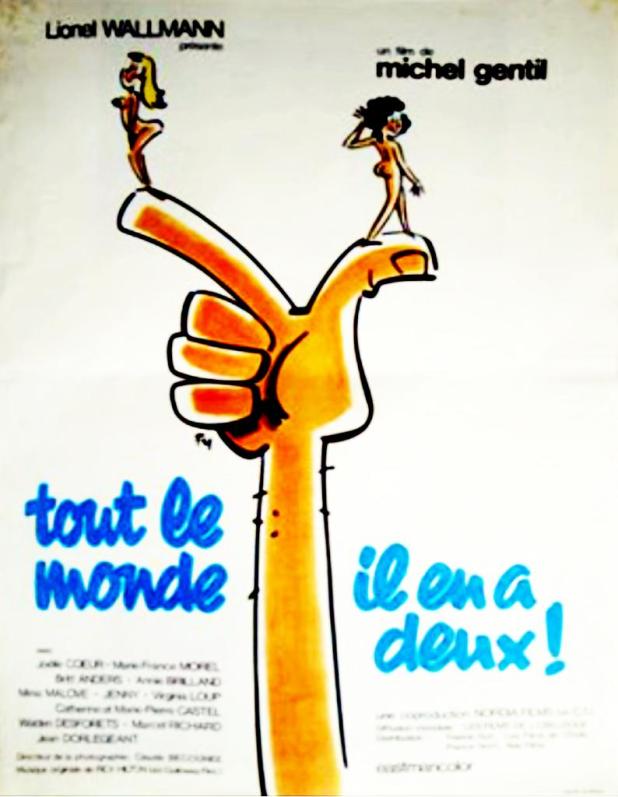
AKA Tout le monde il en a deux AKA Bacchannales Sexuelles, even Jean Rollin has to make money to pay for idiosyncratic works so why not make something a little, well, adult? And hey, if making porn is beneath him as an artist, maybe he also brings something strange to the party because, well, I don’t think he knew any other way.
Valérie (Joëlle Coeur) is crashing at her cousin’s apartment in Paris — yeah, it’s Rollin’s apartment — seems a perfect place for her to call over her friend Sophie (Marie-France Morel) who decides to climb a high bookshelf and nearly dangle from it while wearing knee boots and a skirt that can charitably be said to barely be there. What else can they do put pour vodka all over one another and tumble into the very convenient mattress on the floor, then throw on some see-through nightgowns and lie together?
Before you get used to what’s going on, two burglars (Marie-Pierre Castel and Catherine Castel) have rolled up Sophie in a rug and just walked out the front door. It’s enough to get Valérie to call her man Fred (Alain Bastin) over for protection and yes, that means another sex scene.
She’s been taken by Malvina (Brigitte Borghese), a priestess in the Cult of the Pure Flesh and the reason why Valérie’s cousin is out of town is that they are hunting him down for exposing him in an article he wrote. But now they have Sophie instead of Valérie and despite her protests, decide to whip her while cult member Karl (Marcel Richard) brings his al dente noodle to the spaghetti house of Frida (Minia Malove).
While her friend is being tortured, Valérie and Fred keep on doing two-person push-ups, which only increases when the cult sends a maid over to spy on them and she ends up in the tub with the couple. Then the real maid shows up, a fight breaks out and the plot is figured out.
This is the point where Malvina decides to own this movie, pulling off stunts like shooting well-dressed mannequins in the crotch before making out with them and donning chain mail eveningwear and getting every single person in a sex ritual all ready to go. Then everything gets all Eyes Wide Shut 15 years early before things wrap up with a happy ending.
Not that kind. Come on.
I mean, it’s a super low budget French softcore movie so I’m not going to pretend it’s art — see Just Jaeckin for that — but it’s still fun, what with sex cults, twin maids and an evil lead who’s a blast.
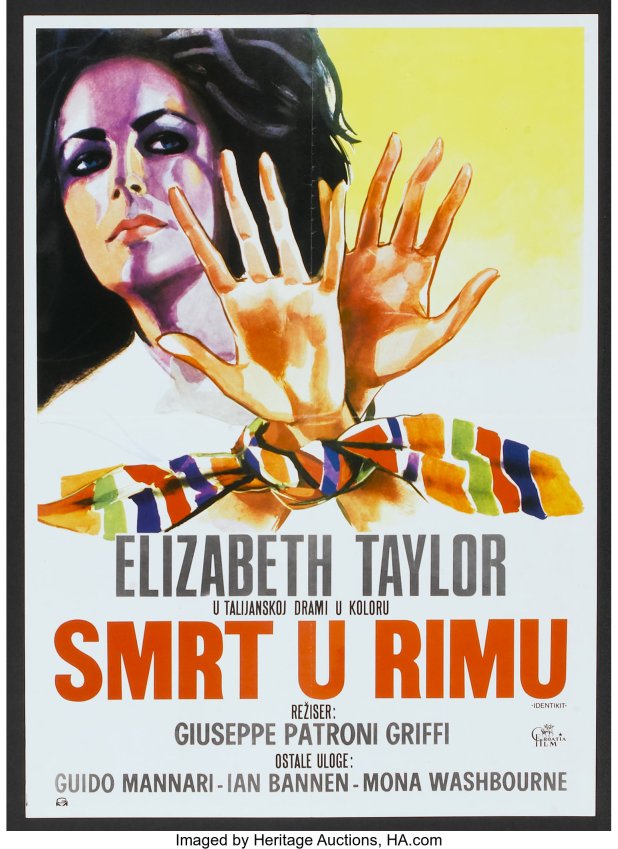
Muriel Spark sold her novel The Driver’s Seat as a whydunnit instead of a detective story. The movie that was made from it, Identikit, by Giuseppe Patroni Griffi somehow goes from a rambling narrative of a woman who has lost or is losing her mind — you knew it, f.giallo — that eventually transforms at the end into an image straight out of the form.
Griffi also made Metti, una sera a cena (Love Circle), which stars Tony Musante and giallo queen Florinda Balkan, as well as Addio, fratello crudele (‘Tis A Pity She’s a Whore), The Divine Nymph which has Tina Aumont from Torso and La Gabbia which had contributions by Fulci and is called an erotic thriller but come on we know what that means.
This was written by Griffi along with Raffaele La Capria.
What’s incredible about this movie is that it finds Liz Taylor — 45-year-old Liz, mind you — playing Lise, a lonely woman from Germany that has come to Rome to find a dangerous liaison, a fatal attraction, dare I say a strange vice to call her own.
Everyone she meets either wants to fuck her or is afraid of her, like the British businessman (Ian Bannen) who tries to pick her up on the plane and offers that he must orgasm every day on his macrobiotic diet; an Italian man (Guido Mannari) who seems perfect if distant and a would-be French lover (Maxence Mailfort).
There’s also the presence of the days of lead looming over everything, as a moment after she lands in Rome, Lise is nearly killed in the crossfire as the police open fire on a protestor and a bomb has cleared all the shoppers away from a mall except for Lise and a doddering elderly woman (Mona Washbourne) in a role that Taylor wanted Bette Davis to play, but Bette said no thanks to a film without a completed script.
Yet the true explosion is within Lise, a woman who won’t have it any way but hers, screaming at a salesgirl — while her one-time biggest star in the world breasts are exposed to the unflinching camera — that she refuses to purchase an outfit that has been treated with stain-resistant chemicals. How dare they believe she’s the type of woman to make such a mess?
This is all told in a way that is both episodic and all over the place, as detectives attempt to understand why Lise was killed along with all of the people that she’s traumatized along the way. It all looks gorgeous, though, as cinematographer Vittorio Storaro is best known for shooting The Bird With the Crystal Plumage, ApocalypseNow, The Last Emperor and Dick Tracy.
At the end, is it a giallo? Well, that fog coming from the trees as — spoiler warning — Lise directs her would-be lover and killer in how to properly bind her hands and stab her isn’t far off from the way most women have to direct their lovers so that they don’t end up penetrating the crease in their leg and never make their way inside them. Liz was just fresh off her first divorce from Richard Burton and it feels like she’s exploding all of her hatred and frustration in this role and man, I only wish that I knew more of this Liz and not the sad last days of tabloid headlines and Larry Fortensky.
One last giallo connection: Franco Mannino also did the music for Murder Obsession.
My favorite thing about this movie? Andy Warhol walks in and takes over a one-minute scene as a British lord.
I love the f.giallo because it’s not always about murder. Sometimes, as in Footprints On the Moon, a movie that this shares the new Severin House of Psychotic Women box sex with, it’s all the female heroine can do to stay sane.
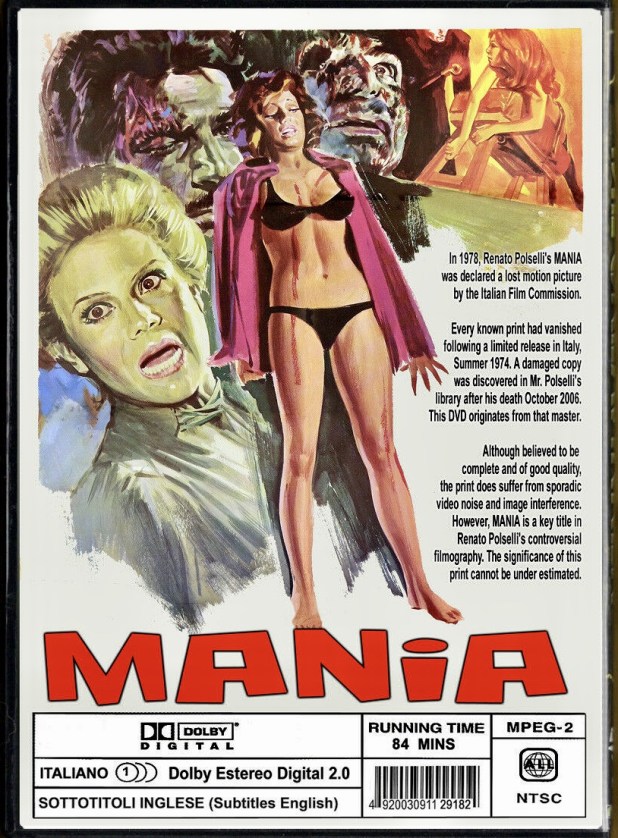
Barely released in 1974, Mania was once a lost giallo until a 35mm print surfaced in 2007 at the Cineteca Nazionale film archive in Rome, which keeps every movie submitted to censors. It’s somehow all at once a giallo, gothic horror and science fiction and refuses to make sense.
We start by meeting Lisa (Eva Spadaro) and her fiancée Lailo (Isarco Ravaiolo) as they speed along the highway with her remembering how she cheated on her husband Professor Brecht (Brad Euston, who also starred in the director’s Oscenità, a movie that is supposedly an allegory of female oppression yet contains corncob masturbation, bestiality and a lengthy lesbian orgy) with his twin brother Germano (also Euston), who is now in a wheelchair because his brother was caught in a mad scientist lab fire and his brother — not Lisa — could save him. Now she’s lost her mind and is with her twin brother-in-law but also another man but oh yeah, there’s also a ghost car chasing them and Lisa is always taking her insanity up to 11.
That very same ghost attacks the housekeeper Erina (Mirella Rossi) with a plastic bag that is filled with blood by the end, but it doesn’t kill her, just scar her and take away her voice. For some reason, this makes Germano hate her and abuse her further with his wheelchair. Someone has also dropped off a model of a coffin — the same one her husband was buried in! — and her doctor tells her that the best mental health thing to do is go back to the now haunted house and face her fears.
Oh yeah. Lisa also has another maid, Katia (Ivana Giordan), who is her secret lover and when they hook up, the camera spies Erina pleasuring herself with a bottle while she secretly watches. Just in case you needed more sleaze, I guess. This somehow turns into a catfight and ends up Erina running in terror and right into Germano, who tortures her some more before using his burned-up hands to feel her up.
If it needs to get stranger, well, Lisa is attacked by a net full of snakes in the attic, saved by Erina and then those two go at it while Katia goes out into the garden and makes love to Germano atop his wheelchair.
This involves her reading mash notes from her deceased hubby who soon arrives as a zombie because why not? This is followed by her going into his crypt and this briefly being a Hammer movie until Germano decides to torture both Lisa and the housekeeper inside a futuristic BDSM machine because, look, I don’t know, this movie is awesome.
And by awesome, I mean weird as fuck.
I hesitate to give away any more. Trust me, there’s so much more. According to Eurofever, the fumetti of this movie shows page after page of graphic sex scenes that were taken from the final print. Like, you know how Erich von Stroheim supposedly shot crazy stuff that the Hayes Commission would never allow in his films? This goes there. And then it goes so much further. I mean, this is a movie that ends with a character leaping to her death and landing in a tree that — you won’t believe it — tears all of her clothes off.
The blame — or the thanks — for this goes to Renato Polselli, who also made The Vampire and the Ballerina, The Vampire of the Opera and two movies nearly as wild as this, Delirium and Black Magic Rites AKA The Reincarnation of Isabel. He pushes everyone in this cast to just go wild, so wild that Alucardamight appear and ask them to tone down all the screaming.
Claudio Fragasso was the assistant director. Do you need more to get you to watch it? How about Euston wrote it and, according to Roberto Curti’s Italian Gothic Horror Films,1970–1979, “provided most of the money for the film himself on the condition that he was cast as the protagonist.”
This is absolute trash with a wild acid rock soundtrack that was made by a maniac, has actors overacting to a degree that they nearly destroyed reality and gorgeous women in fishnets making love just because they can. They need to invent a new galaxy for how many stars I give this movie.



 B&S About Movies
You must be logged in to post a comment.