ATTACK OF THE KAIJU DAY: The Great Buddha Arrival (2018)

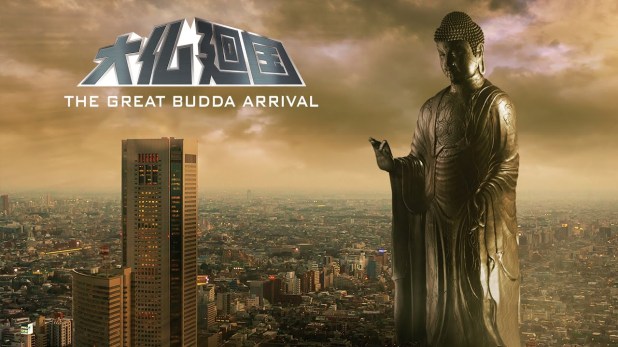
The lost 1934 film The Great Buddha Arrival holds a special place in film history, inspiring tokusatsu and kaiju movies, while intriguing fans and history buffs alike.

In 2018, director Hiroto Yokokawa created a modern reimagining of this story with the blessing of the grandson of the original director Yoshiro Edamasa. Yokokawa also made Nezura 1964, a reimagining of a 1964 Daiei movie that was canceled, connecting the past and present of kaiju filmmaking.

Nearly a mockumentary of the Great Buddha coming to life, this is filled with kaiju stars, including Yoshiro Uchida, who played Toshio Sakurai in Gamera vs. Gyaos; Peggy Neal (Terror Beneath the Sea, The X from Outer Space); Akira Kobu (Son of Godzilla); Yukijiro Hotaru (the Heisei Gamera movies); Yoshihiko Otsuki and Junichiro Nirasawa (Godzilla: Final Wars); Bin Furuya, the original Ultraman and Akira Takarada, famous for his role of Hideto Ogata in the original Godzilla.

While we may never see the original movie, this is still an interesting effort.

You can watch this on Tubi.

THE IMPORTANT CINEMA CLUB’S SUPER SCARY MOVIE CHALLENGE DAY 6: Joe Meredith

October 6. A Horror Film Directed by Joe Meredith (Not for the Faint of Heart)

Across several films, director Joe Meredith has documented the alien virus Havoc, which has been experimented on by EonCorp, and the consequences for those who have been mutated by it.

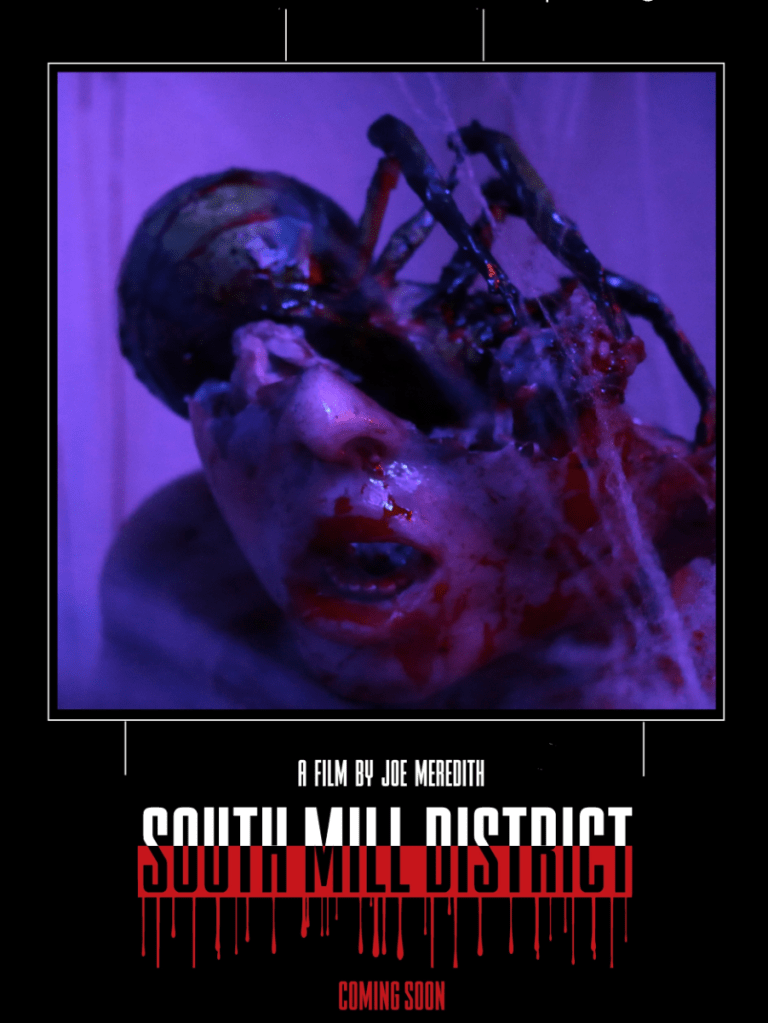
South Mill District (2018): Ten years have passed since the alien war and what was once human or alien is closer than before. Two vagrants are followed, as they are part of an experiment involving the assimilation of alien and human DNA.

As Meredith himself wrote, “Their bodies were hollowed out by oversized spiders, bio-engineered by EonCorp, a corporation with evil intentions. The spiders used their bodies as dwelling places until the assimilation process was complete, and their bodies regenerated. Now they wander around the South Mill District, waiting for the spider’s mutagenic virus to do what it was meant to do.”

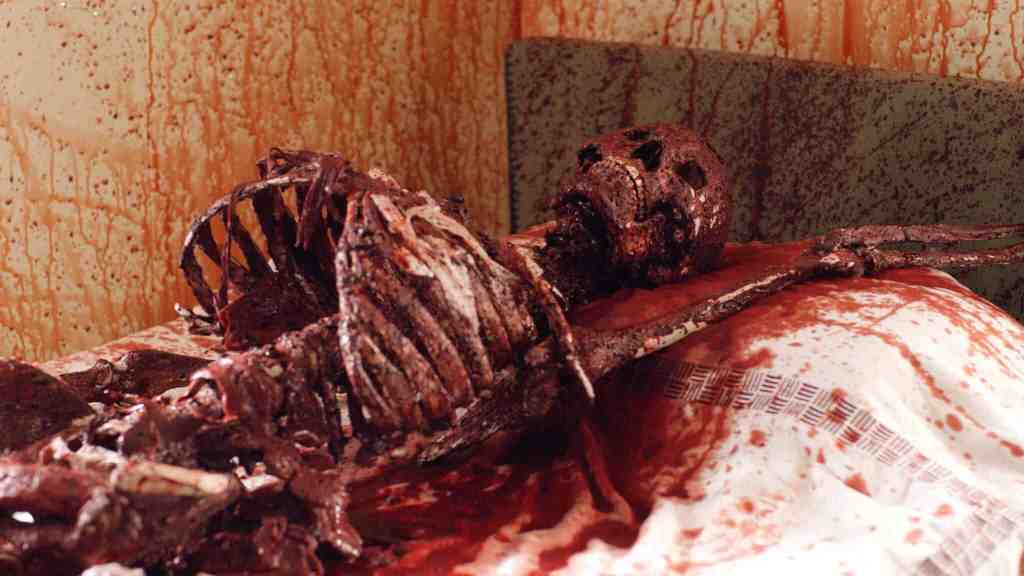
Stop-motion monsters, brain spiders, so much vomit…it’s like a drone SOV beamed from the past to now, an ambient drone that lulls you into not being ready for the next disgusting moment that is about to burn into your soul. Meredith did about everything in this movie, along with his wife Cidney and Toby Johansen.

Imagine if a smoked up stoner in the Satanic Panic made a low-fi version of District 9 but was more concerned with watching things rot than the politics of it all.

You can watch this on YouTube.

Atraxia (2025): The world is a video game and also the sketchbook of that kid in the back of your science class that barely pays attention but knows every answer. Maybe knows more than the teacher. And when you sneak a look inside his drawings, they look like someone’s been watching Cannibal Holocaust every day when they get back from school, all to analyze and memorize the crucified people.

Joe Meredith is making his own Monster Manual through these movies, as this is footage of creatures that have emerged after a major storm. I don’t even know or care what genre this is, but probably the people who came up with elevated horror as a name have an erection wondering what to call Meredith’s work. Religious video game drone horror? That’s not anywhere near succinct enough.

This goes beyond splatter, so maybe the folks that come up with those titles won’t be watching this wandering through nature and finding gory vistas just displayed in front of you, while keeping the aesthetics of a first person shooter.

You can watch this on YouTube.

You can also find Meredith’s films on the Internet Archive.

Sizzlin’ Summer of Side-Splitters 2025: Jobe’z World (2018)

Aug 18-24 indie comix week: When I was a kid, I used to read Mad Magazine and Cracked, so when I got a little older, it didn’t take much convincing to pick up Eightball and Hate. I’m an OG in the “complaining about superheroes” game, and my scars were anointed on the Comics Journal message board!

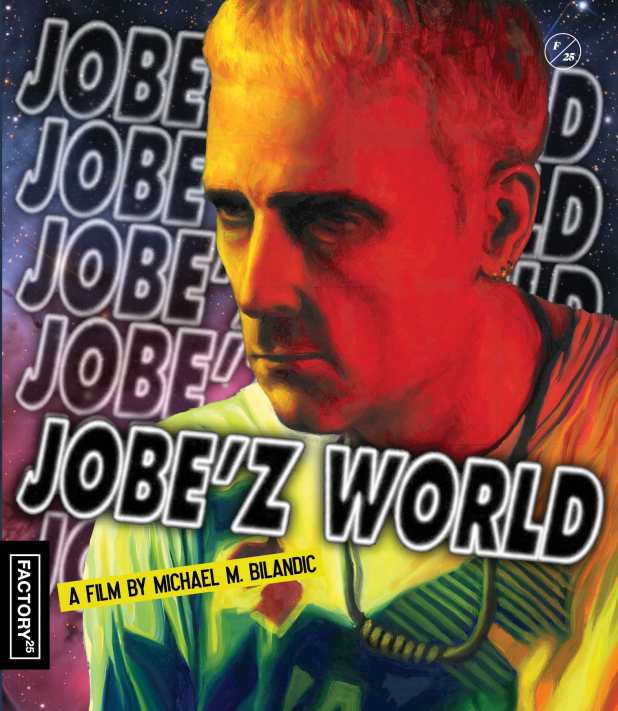
Directed and written by Michael M. Bilandic, this is the tale of Jobe (Jaspn Grisell), a rollerblader and drug deliveryman who is blamed for the overdose of A-list actor Royce (Theodore Bouloukos). He runs — skates — away into the late-night streets of New York City, trying to stay ahead of the police — from the pigs, the fuzz, the cops, the heat — plus the press and every strange person who has decided to make the city theirs tonight.

After all, his drug dealer boss Linda (Lindsay Burdge) claimed that the drugs he was bringing were “worse than what killed MJ and Prince put together.” Jobe shouldn’t be surprised, but you may be, as this is kind of After Hours but way too high to get to any set point, and I love it for that.

Make more short movies!

You can watch this on Tubi.

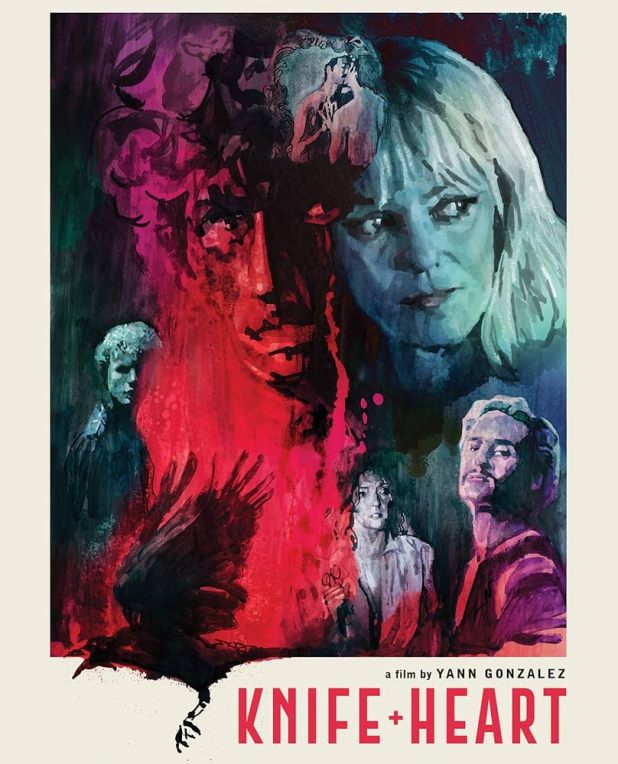
Cinematic Void January Giallo 2025: Knife + Heart (2018)

Editor’s note: Cinematic Void will be playing this movie on January 18 at 7:30 PM ET at The Sie Film Center in Denver and will be co-hosted by Theresa Mercado of Scream Screen and Keith Garcia, Artistic Director – Sie FilmCenter. You can get tickets here. For more information, visit Cinematic Void.

Knife + Heart is a true anomaly when it comes to Giallo. It’s from France, a country more given to fantastique films than Giallo, although movies like The Night CallerWithout Apparent Motive, and The Night Under the Throat exist. And its victims aren’t gorgeous women but the actors of the gay porn industry, changing the psychosexual dynamics of the form.

Instead of featuring the sounds of a band like Goblin or a score by Morricone or Orlandi, Knife + Heart has music by Anthony Gonzalez of M83, director Yann Gonzalez’s brother.

A young man is killed by a masked man whose very sex conceals his murder weapon to open the film. Then, we meet Anne (Vanessa Paradis), an adult film director recently abandoned by her girlfriend and editor, Lois. The man killed in the opening was the star of several of her films; now she must find an actor to take his place. That leads her to Nans, who agrees to be in her movie despite identifying as a straight man.

The new film — Homocidal — will be her version of the murders, which continue targeting members of her cast. The police either can’t — or won’t — help. But the movie finished, and as the group celebrates its completion with a picnic, the killer strikes again, just as Anne pretty much assaults Lois in an attempt to get her back.

The true killer is a man whose father caught him making love to another man. He killed his lover and castrated his son, who was also burned in a fire before being brought back from the dead by a blind crow — the fact that this movie isn’t called Call of the Blind Crow speaks to its non-Italian origins — and seeing one of Anne’s movies brought his memories back.

This being a giallo, there’s also a bird expert with a disfigured hand that looks like he has, quite literally, chicken fingers. Plus, the entire end of the movie is explained via voiceover. The fact that so much of this movie is given to style over substance means it lives up to the film that inspired it.

While the murders are in your face, the sex is nearly hidden from view. Anne is an intriguing protagonist — drunken and bitter instead of the normal virginal giallo and slasher ingenues that save the day. She instead brings the killer closer with each scene that she directs.

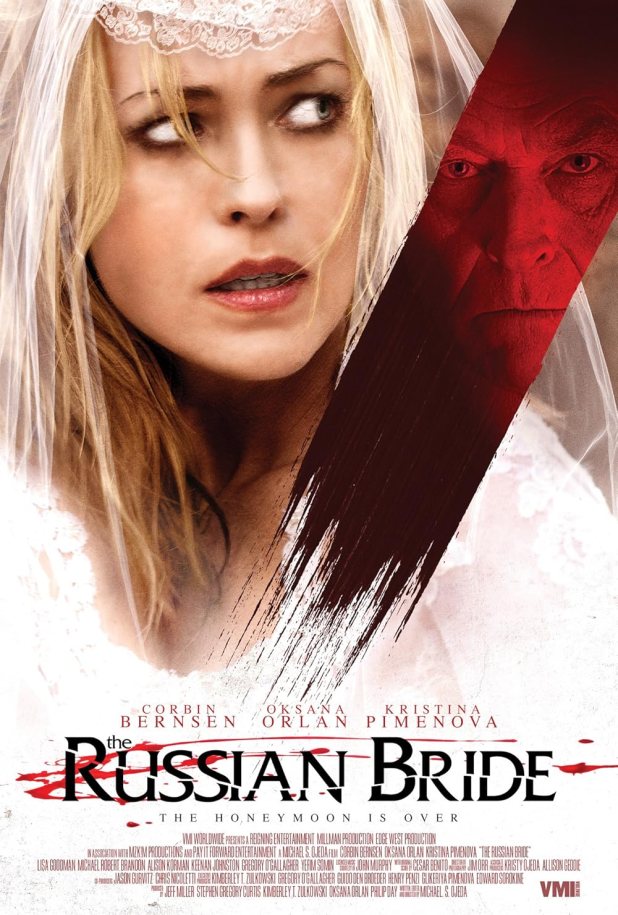
The Russian Bride (2018)

ABOUT THE AUTHOR: Joseph Perry writes for the film websites Gruesome Magazine, The Scariest Things, Horror FuelThe Good, the Bad and the Verdict and Diabolique Magazine; for the film magazines Phantom of the Movies’ VideoScope and Drive-In Asylum; and for the pop culture websites When It Was Cool and Uphill Both Ways. He is also one of the hosts of When It Was Cool’s exclusive Uphill Both Ways podcast and can occasionally be heard as a cohost on Gruesome Magazine’s Decades of Horror: The Classic Era podcast.

Writer/director Michael S. Ojeda’s The Russian Bride is bound to be a divisive film, with everything hinging on how much fun each viewer decides to have with an effort that starts out with pseudo-heavy, gothic melodrama before going all out with a third act that swings for insane, exploitation cinema fences. My interest levels went back and forth during the movie’s running time, but when it was all over, the film provided enough jaw-dropping, head-scratching moments — peppered with a few unintentional laughs — for me to give it a recommendation.

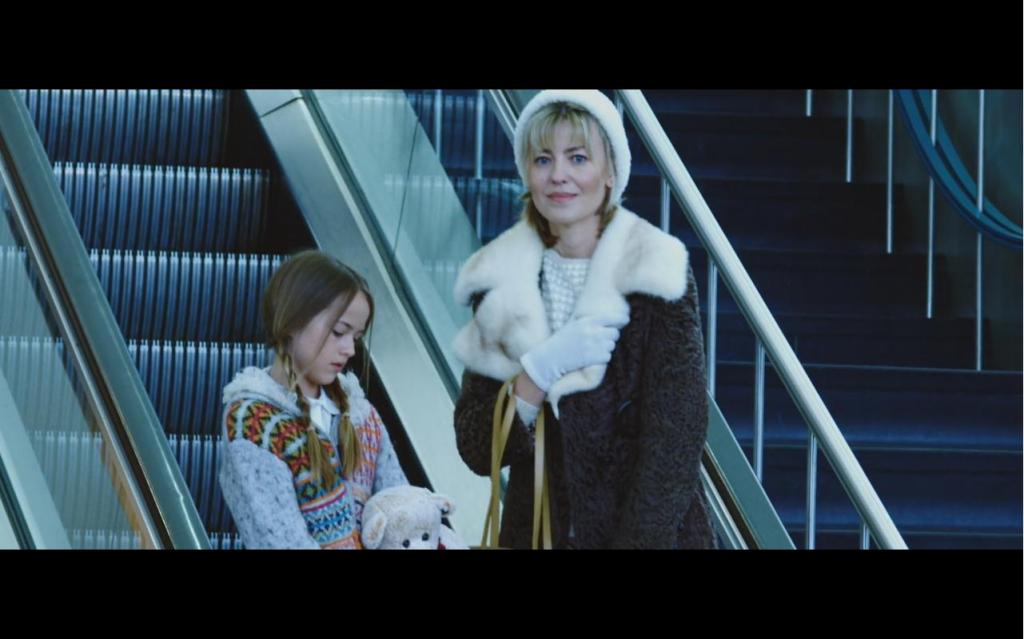
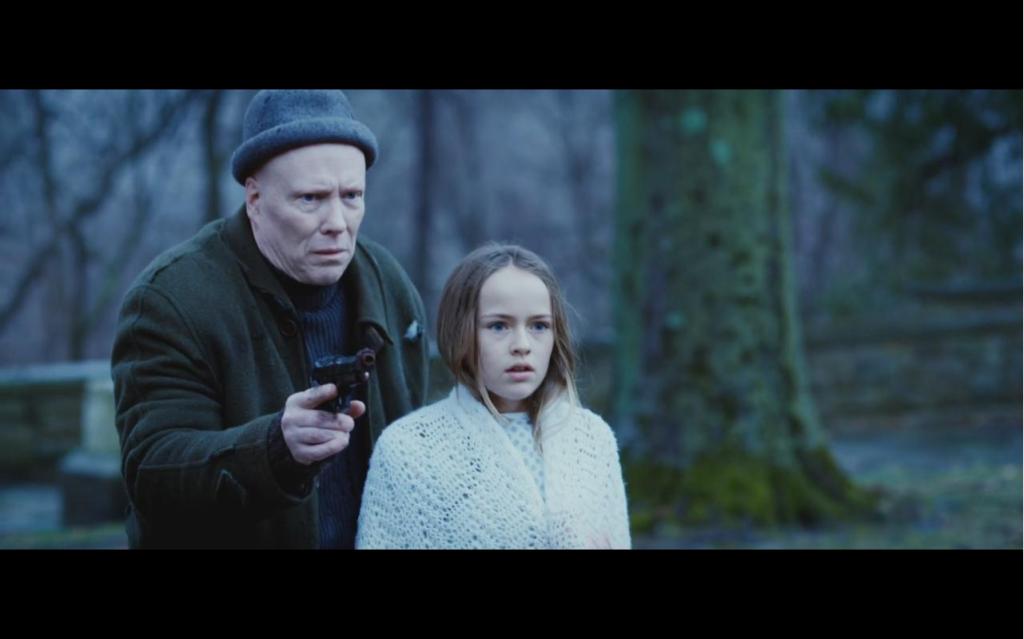
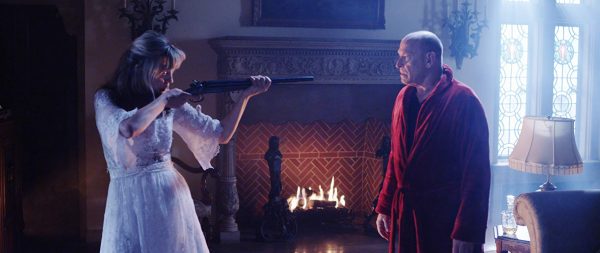
Almost everything in The Russian Bride is about as subtle as a hammer to the skull — which you are guaranteed in this outing — not the least of which is Corbin Bernsen’s scenery chewing realization of Karl Frederick, a very well-to-do retired physician living in a secluded mansion who chooses single mother Nina (Oksana Orlan) to be his titular wife. Her young daughter Dasha (Kristina Pimenova) is part of the package deal, and viewers sense that has something to do with the plot early on when Frederick sees her on his computer screen for the first time, and gives a less than subdued foreshadowing reaction.

Ojeda’s screenplay is heavy on the tropes, from red herring villainous-seeming sorts, to just-short-of-moustache-twirling baddies, to Nina’s plight going from one cocaine-addicted man to another, to the possibility of supernatural forces at play, to lightning strikes at dramatic moments, especially with a character posed for effect in that particular shot. What makes The Russian Bride worth seeking out is its absolutely nutsoid third act, when Nina, so drugged up by villainous forces that she can barely move a facial muscle, makes a heroic comeback to save her daughter from certain doom. Orlan throws her all into this insane transformation, and truly makes it a blood-soaked blast. She is terrific throughout, wonderfully portraying a loving, protective mother and a woman trying to adjust to a new life in a different set of circumstances, but her furious, frantic turn in the final third of the film is absolutely top notch.

The film is interesting in that it balances a fine line between being hokey and predictable, and being engaging and fascinating. For every negative such as occasionally bad CGI, there is something high quality such as Jim Orr’s gorgeous cinematography. When the story seems to be laying on yet another predictable element, an outré quirk comes along to grab the attention of viewers once again. Another high point of the film is the solid work by the supporting cast members, who know how far to push their characters without wandering into hamminess territory.

The Russian Bride is one to watch for fun, preferably with a theater audience or with friends at home, and not one to overanalyze. For those who wish to do the latter, though, there should be plenty to mine for discussions regarding both the immigration experience in the United States and the current wave of neoexploitation — or perhaps postexploitation? — cinema. As for me, I’m in on this one for the decidedly absurd good time it ultimately provides. 

Island Zero (2008)

ABOUT THE AUTHOR: Joseph Perry writes for the film websites Gruesome Magazine, The Scariest Things, Horror FuelThe Good, the Bad and the Verdict and Diabolique Magazine; for the film magazines Phantom of the Movies’ VideoScope and Drive-In Asylum; and for the pop culture websites When It Was Cool and Uphill Both Ways. He is also one of the hosts of When It Was Cool’s exclusive Uphill Both Ways podcast and can occasionally be heard as a cohost on Gruesome Magazine’s Decades of Horror: The Classic Era podcast.

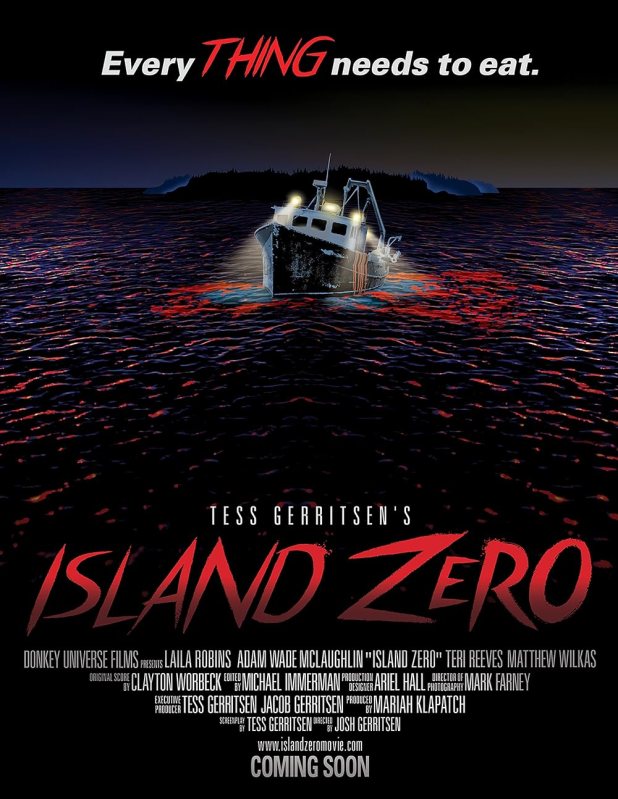
Director Josh Gerritsen delivers a fun, well-crafted creature feature in the independent offering Island Zero, a made-in-Maine movie that is destined to surprise viewers. Though elements of Stephen King, H.P. Lovecraft, and 1950s monster movies are evident, the film builds a dread-filled world all its own.

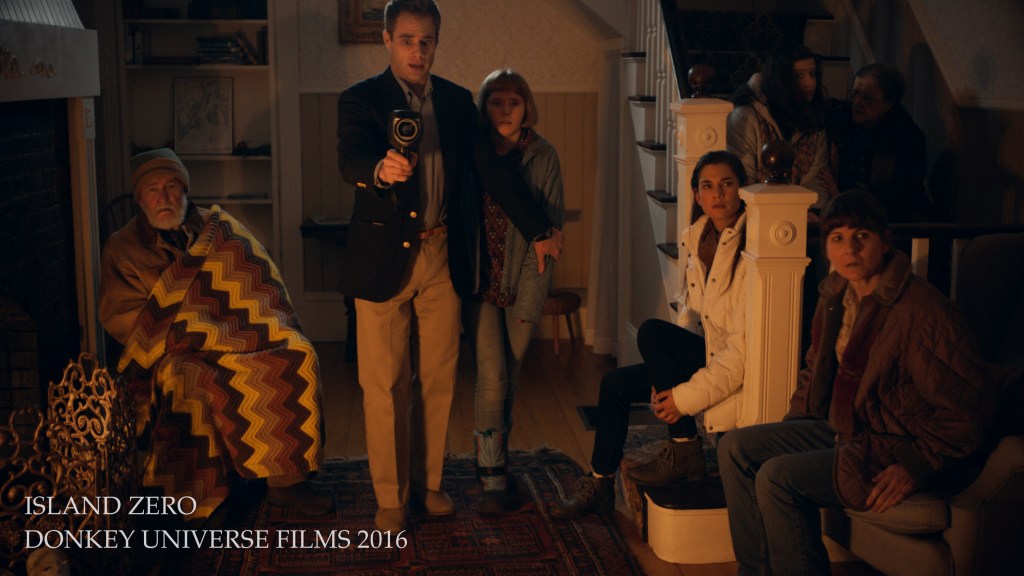
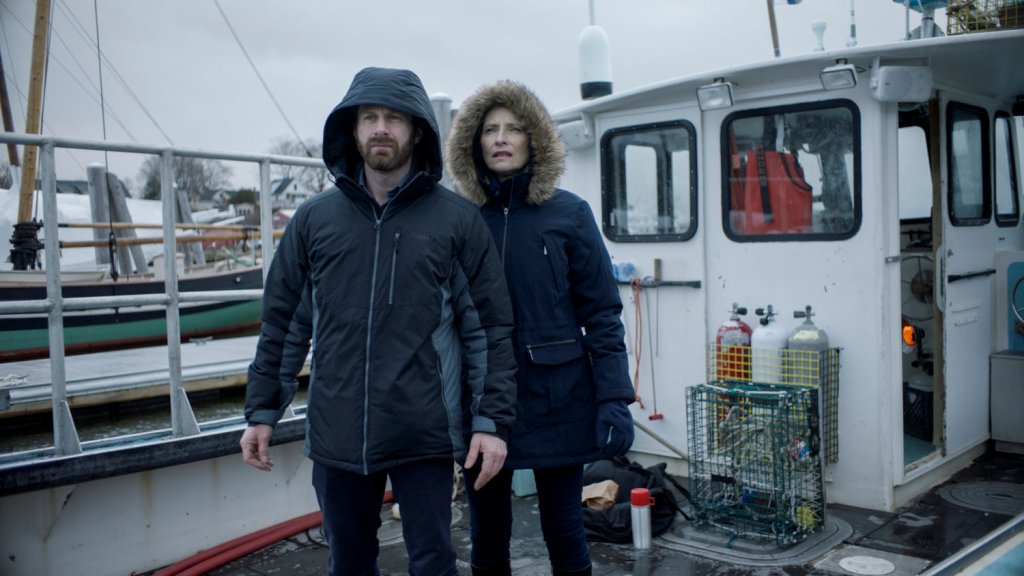
On a remote island about 40 miles off the coast of Maine, a group of locals, seasonal employees, and a visiting author prepare to return to the mainland. Unfortunately, the ferry they are waiting for never arrives, part of a mysterious pattern in which local fishermen and boaters disappear, their vessels sometimes discovered with bloodstains. As the island residents and guests are further cut off from the outside world because of power outages, the mysterious situation escalates as horrendous deaths begin occurring on land, as well.

Working from a screenplay written by his mother Tess Gerritsen, helmer Josh Gerritsen has crafted a suspenseful monster movie that offers characters and relationships in which viewers can become fully invested. The situations, dialogue, and performances feel naturalistic, so that when victims are being stalked and the ugly truth behind the incidents comes to the forefront, viewers have plenty of reason to be invested in characters and whether or not they will see the occurrences through.

The sizeable cast is solid throughout, including Adam Wade McLaughlin as marine biologist Sam, whose obsessive interest in following up on his late wife’s research is causing strife between him and his girlfriend Lucy (Terri Reeves), and Laila Robbins as Maggie, a doctor working temporarily on the island, who suppresses a tragic past that may actually help with the group’s survival. The supporting players give performances that range from spot-on to downright endearing. 

Alisha Cratty’s makeup work and Eric Anderson’s special effects are commendable, and while body parts and the red stuff are on fine display in Island Zero, the film focuses more on psychological tension and an ever-building sense of dread. Mark Farney’s cinematography captures the gloomy greys of the isolated island and its surroundings marvelously, complementing the foreboding atmosphere.

One area where monster movie fans might be disappointed is the lack of screen time for Island Zero’s beasties, but I feel that Josh Gerritsen and crew did a clever, admirable job of presenting them considering the film’s budget. What makes the attack scenes work is the investment of the actors, the dynamics between their characters, and a good story. 

Island Zero is a taut suspenser that creature-feature fans should find to be a fantastic discovery.

25 DAYS OF CHRISTMAS CHALLENGE: John Carpenter’s Christmas (2018)

Made by Rumble Dog Pictures,they described this movie in these words: “In this alternate reality of John Carpenter’s characters, Michael Myers is a patient who breaks out of a mental ward on Halloween night that’s run by the more caring yet naive Dr. Loomis. Two months later , we find Myers wrecking havoc on the days leading up to Christmas. For any die hard Halloween fans, check out this new wintery take on your favorite masked killer.”

This starts as the movie Alone In the Dark, as Dr. Dan Potter (Dwight Schultz) arrives to meet with Dr. Leo Bane, who has been clumsily edited by audio to be Dr. Loomis (Donald Pleasence). He runs a program for those with mental illness in the hopes that they can be healed, including a group of violent criminals that includes Byron “Preacher” Sutcliff (Martin Landau), Frank Hawkes (Jack Palance), child molester Ronald Elster (Erland van Lidth) and John “The Bleeder” Skagg (Phillip Clarke), who hides his face and is recast as Michael Myers.

That night, everyone escapes and we don’t see any of the characters from Alone In the Dark again, other than Dr. Bane who is now Dr. Loomis. This brings us to Black Christmas, proving that Bedford is close to Haddonfield. The movie stays in the world of the Bob Clark effort — reminding us of the urban legend that Halloween was to be a ripoff of this movie called The Babysitter Murders — yet mixing in moments such as Mister Harrison (James Edmond) going to look for his daughter at the frathouse and seeing Flick get his tongue stuck on a pole from A Christmas Story.

That’s enough fan service, as that’s at least a Bob Clark movie. I was also fine with the edit of The Shape killing Clare (Lynne Griffin), as that makes sense within this movie, as well as adding snow effects into moments from Halloween 2.

Where it gets goofy is when Michael is playing a piano for Gizmo from Gremlins or terrifying Kevin (Macaulay Culkin) by acting as the Shovel Slayer from Home Alone. The first of these scenes is so poorly animated that it breaks the good work from the rest of the movie. The needledrop music doesn’t help either, but I do enjoy hearing “Merry Xmas Everybody” by Slade.

The last shot, at least, of The Shape standing next to Clare’s dead body in the attic is pretty good. I just wish this stuck to the idea of Michael ending up in Pi Kappa Sigma house. Sometimes, just because you can do something doesn’t mean that you should.

You can watch this on YouTube.

Batman Ninja (2018)

Directed by Junpei Mizusaki and with character designs by Takashi Okazaki, Batman Ninja starts with the Bat Family and all of the rogues being taken by Gorilla Grodd’s (Fred Tatasciore) Quake Engine and placed into the past, somewhere in a Japan where modern technology still exists. Batman (Roger Craig Smith) may have the Eian (Matthew Yang King) of the Bat Clan of Hida on his side, but everyone else has become a feudal lord in the two years that have passed since he was lost in time.

This places Catwoman (Grey Griffin), Nightwing (Adam Croasdell), Red Hood (Yuri Lowenthal), Robin (Yuri Lowenthal), Red Robin (Will Friedle) and Alfred (Adam Croasdell) on the side of good, along with Batman, against the Joker (Tony Hale), Harley Quinn (Tara Strong), Bane (Kenta Miyake), Two-Face (Eric Bauze), Deathstroke (Fred Tatasciore), Poison Ivy (Tara Strong) and the Penguin (Tom Kenney).

American writers Leo Chu and Eric Garcia rewrote the film from the original Japanese script that was written by Kazuki Nakashima, ultimately making two very different versions of the same film with different voice casts.

The animation is pretty crazy, giant robots and monkeys battle and this gets pretty far from the world of Gotham City, but I enjoyed it. It definitely takes chances.

This will have a sequel next year, Batman Ninja vs. Yakuza League.

You can watch this on Tubi.

Suicide Squad: Hell to Pay (2018)

Fitting in between Teen Titans: The Judas Contract and The Death of Superman in the New 52 DC Animated Universe, Suicide Squad: Hell to Pay has Professor Zoom (C. Thomas Howell) still alive, despite being shot in the head by an alternate world Batman in Justice League: The Flashpoint Paradox. He wants a “Get Out of Hell Free” card, a magical relic that was being kept by a former Dr. Fate, Steel Maxum (Greg Grunberg), who was kicked out of the Tower of Fate when Scandal Savage (Dania Ramirez) and Knockout (Cissy Jones) stole the card.

Task Force X boss Amanda Waller (Vanessa Williams) wants that card, as she’s dying from a brain tumor. As Professor Zoom and his henchmen Blockbuster (Dave Fennoy) and Silver Banshee (Julie Nathanson) search for the relic, she assembles a Suicide Squad of Deadshot (Christian Slater), Harley Quinn (Tara Strong), Captain Boomerang (Liam McIntyre), Killer Frost (Kristin Bauer van Straten), Copperhead (Gideon Emery) and Bronze Tiger (Billy Brown) to get there first.

I really liked the way that this movie presented the Suicide Squad as criminals out to kill one another that can barely work together, other than Deadshot, who often finds himself having to become a hero. It’s way better than Suicide Squad or the sequel and feels like the closest that media has come to getting the John Ostrander comic book on screen.

You can watch this on Tubi.

SEVERIN BOX SET RELEASE: All the Haunts Be Ours: A Compendium Of Folk Horror Vol. 2: Edge of the Knife (2018)

Haida is the language of the Haida people, which is spoken only in the Haida Gwaii archipelago off the coast of Canada and on Prince of Wales Island in Alaska. This endangered language, which once had 15,000 speakers, has just 24 today. Today, nearly all Haida people use English, but there are efforts to revitalize this language before its too late.

Edge of the Knife — SG̲aawaay Ḵ’uuna in its true native tongue — was made with input from Haida Gwaii residents and University of British Columbia professor Leonie Sandercock with the goal of preserving and teaching the language. The budget was raised with the help of the Council of the Haida Nation, the Canada Media Fund and Telefilm Canada and this was created primarily by indigenous people, including the co-directors, a mostly amateur crew and the Haida cast, who were taught to speak Haida at a two-week training camp, as none of them could have a conversation in the language before making this.

Directed by Gwaai Edenshaw and Helen Haig-Brown, this is all about the legend of the Gaagiixiid, a monster who becomes consumed by hunger. As two families gather to fish, Adiitsʹii  (Tyler York) causes the death of his best friend Kwa’s (Willy Russ) son Gaas. He runs into the woods to hide, overwhelmed with guilt. Somehow, he survives the harsh winter and becomes the Gaagiixiid. The families return to try to bring his old self back, but Kwa wants retribution.

There’s nothing like this movie, which is at once an educational lesson that will preserve and teach Haida to future generations, but also a film shot with a small budget in a rough location, using words that have never been filmed before. That alone requires a watch. That it’s a well-made movie with an interesting legend in its soul makes it worth telling others about.

Edge of the Knife is part of the new Severin box set, All the Haunts Be Ours Volume 2. It has extras including commentary with directors Gwaai Edenshaw and Helen Haig-Brown, a feature on making the world’s first Haida-language feature film and two shorts, Haida Carver and Nalujuk Night.

You can order this set from Severin.