ABOUT THE AUTHOR: Joseph Perry writes for the film websites Gruesome Magazine, The Scariest Things, Horror Fuel, The Good, the Bad and the Verdict and Diabolique Magazine; for the film magazines Phantom of the Movies’ VideoScope and Drive-In Asylum; and for the pop culture websites When It Was Cool and Uphill Both Ways. He is also one of the hosts of When It Was Cool’s exclusive Uphill Both Ways podcast and can occasionally be heard as a cohost on Gruesome Magazine’s Decades of Horror: The Classic Era podcast.
Writer/director Michael S. Ojeda’s The Russian Bride is bound to be a divisive film, with everything hinging on how much fun each viewer decides to have with an effort that starts out with pseudo-heavy, gothic melodrama before going all out with a third act that swings for insane, exploitation cinema fences. My interest levels went back and forth during the movie’s running time, but when it was all over, the film provided enough jaw-dropping, head-scratching moments — peppered with a few unintentional laughs — for me to give it a recommendation.
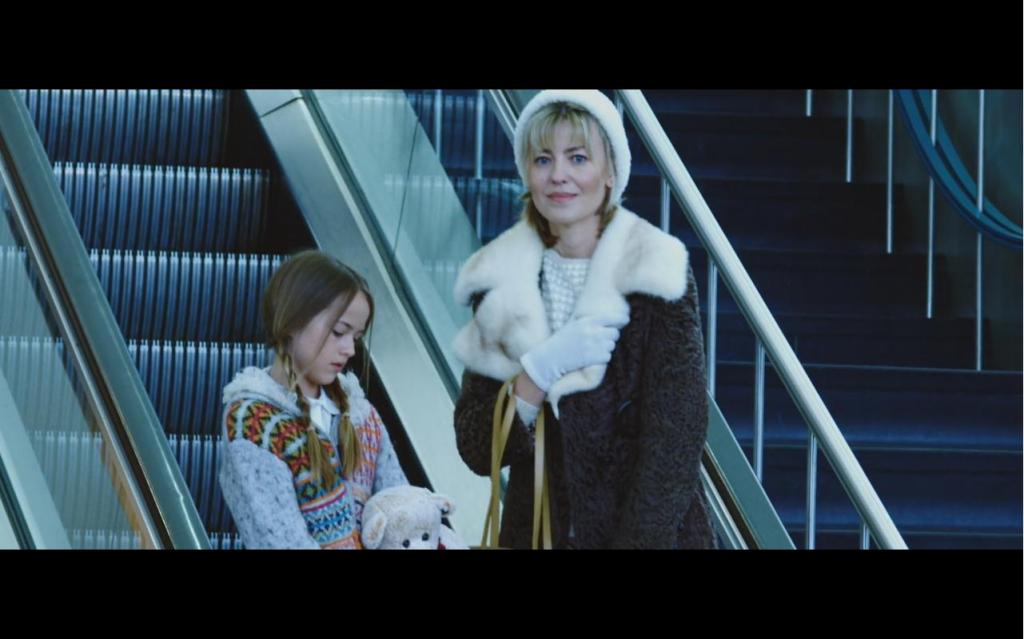
Almost everything in The Russian Bride is about as subtle as a hammer to the skull — which you are guaranteed in this outing — not the least of which is Corbin Bernsen’s scenery chewing realization of Karl Frederick, a very well-to-do retired physician living in a secluded mansion who chooses single mother Nina (Oksana Orlan) to be his titular wife. Her young daughter Dasha (Kristina Pimenova) is part of the package deal, and viewers sense that has something to do with the plot early on when Frederick sees her on his computer screen for the first time, and gives a less than subdued foreshadowing reaction.
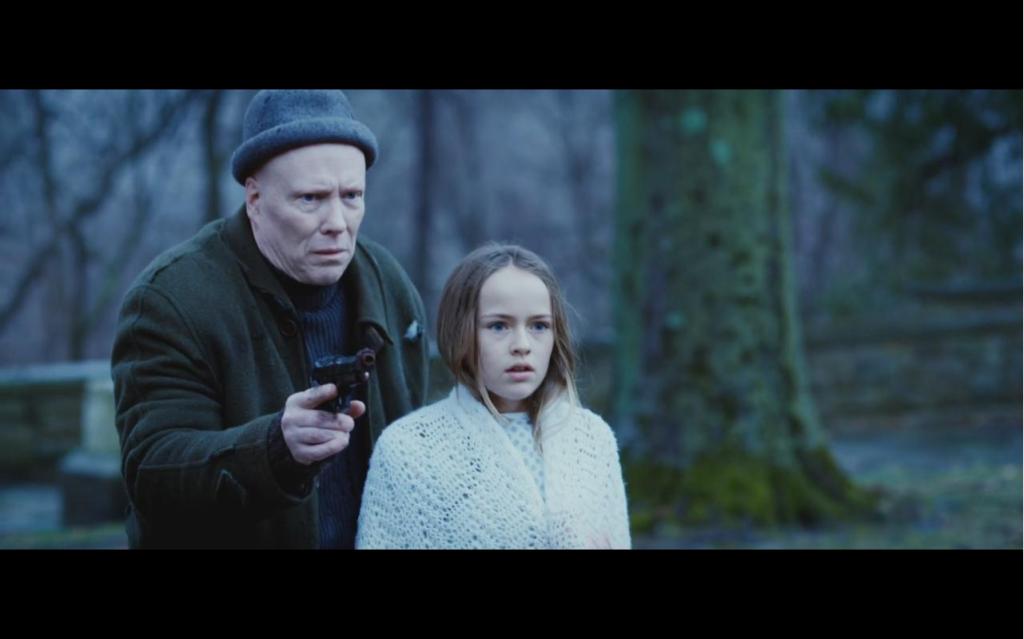
Ojeda’s screenplay is heavy on the tropes, from red herring villainous-seeming sorts, to just-short-of-moustache-twirling baddies, to Nina’s plight going from one cocaine-addicted man to another, to the possibility of supernatural forces at play, to lightning strikes at dramatic moments, especially with a character posed for effect in that particular shot. What makes The Russian Bride worth seeking out is its absolutely nutsoid third act, when Nina, so drugged up by villainous forces that she can barely move a facial muscle, makes a heroic comeback to save her daughter from certain doom. Orlan throws her all into this insane transformation, and truly makes it a blood-soaked blast. She is terrific throughout, wonderfully portraying a loving, protective mother and a woman trying to adjust to a new life in a different set of circumstances, but her furious, frantic turn in the final third of the film is absolutely top notch.
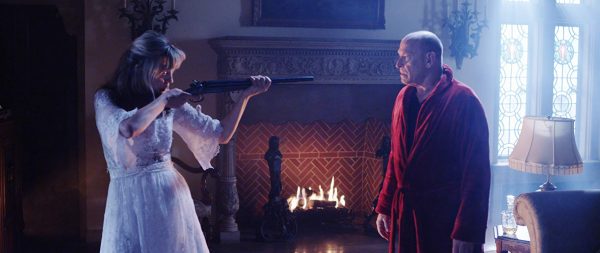
The film is interesting in that it balances a fine line between being hokey and predictable, and being engaging and fascinating. For every negative such as occasionally bad CGI, there is something high quality such as Jim Orr’s gorgeous cinematography. When the story seems to be laying on yet another predictable element, an outré quirk comes along to grab the attention of viewers once again. Another high point of the film is the solid work by the supporting cast members, who know how far to push their characters without wandering into hamminess territory.
The Russian Bride is one to watch for fun, preferably with a theater audience or with friends at home, and not one to overanalyze. For those who wish to do the latter, though, there should be plenty to mine for discussions regarding both the immigration experience in the United States and the current wave of neoexploitation — or perhaps postexploitation? — cinema. As for me, I’m in on this one for the decidedly absurd good time it ultimately provides.
 B&S About Movies
You must be logged in to post a comment.