APRIL MOVIE THON DAY 29: Watch the series: Freaky Friday (1975, 1996, 2003, 2018, 2020)

Freaky Friday started as a novel written by Mary Rodgers, based on Vice Versa: A Lesson to Fathers by F. Anstey, a story in which the protagonists are father and son. In Rodgers’ book, 13-year-old Annabel Andrews and her mother spend time in each other’s bodies. The novel was so popular that Disney as made it four times an Rodgers also mae several sequels herself, such as A Billion for Boris/ESPTV and Summer Switch (which ABC made into TV movies). The major difference between the novel and the films is that an outside influence switches the mother and daughter against their wills.

Freaky Friday (1976): “I wish I could switch places with her for just one day.” That’s all it takes to start off this crazy adventure for Ellen Harris (Barbara Harris) and her daughter Annabel (Jodie Foster).

Based on the 1972 novel by Mary Rodgers — who also wrote the screenplay — the magic that switches the mother and daughter in this movie is quite simple. In Friday the 13th, all you have to do is say, “I wish I could switch places with her for just one day” and it happens.

Actually, this whole thing reminds me of Goofy Minds the House, a 1977 Disney Wonderful World of Reading storybook that features the character Goofy and his wife switching jobs for one day and learning that they both have rough lives. That story was based on a Norwegian folktale and taught me that women were much stronger than men. Also — Goofy once had a wife named Mrs. Geef and Mrs. Goof, but now he’s thought to be dating Clarabelle the Cow, so something happened at some point. Perhaps even odder, Goofy was once called Dippy Dawg.

But I digress.

Just as much as that story is part of my childhood, so is Freaky Friday, a movie that I know for a fact that I saw at the Spotlite 88 Drive-In in Beaver Falls, PA.

Ellen Andrews and her daughter Annabel are constantly battling with one another until they switch places, which enables each of them to see life from the other side, connect better with other people and, of course, water ski.

The cast of this movie is made up of people that a five year old me would see as big stars, like John Astin, Dick Can Patten, Charlene Tilton, Marc McClure and, of course, Boss Hogg. Strangely enough, George Lucas wanted Foster for the role of Princess Leia, but her mother wanted her to complete her contract to Disney.

Disney can’t seem to stop remaking this movie. And really, no one else can either, because it’s the mother of body switch comedies, including 18 Again!All of Me, Dream a Little DreamVice Versa and Freaky, a film which combines the Friday the 13th of this story with the slasher side of the holiday.
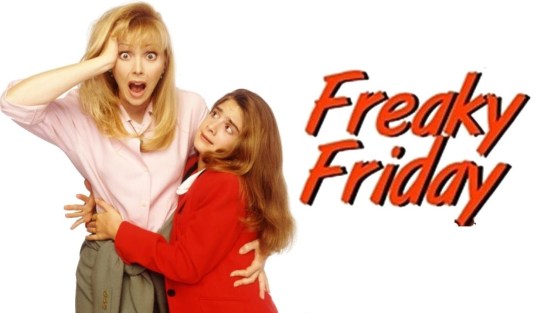
Freaky Friday (1995): This made-for-TV movie has Shelly Long as Ellen and Gaby Hoffman (the daughter of Warhol superstar Viva) as Annabelle. A pair of magical amulets causes the two of them to switch bodies in this version and waterskiing has been replaced with diving.

Ellen is also a single mother dating Bill (Alan Rosenberg) and designing clothing, which is the 90s version of being a housewife. What livens this up is a great cast with Drew Carey, Sandra Bernhard, Carol Kane and the much-missed Taylor Negron.

Writer Stu Krieger wrote The Parent Trap IIA Troll in Central ParkZenon: Girlof the 21st Century and Phantom of the Megaplex while director Melanie Mayron is probably best known for playing Melissa Steadman on Thirtysomething even though she has more than sixty directing credits on her resume.

The other big change is that when Annabelle is in Ellen’s body, she tells Bill exactly how much she dislikes him, thinking it will push him away. Instead, he proposes.

Forgive me for being weird, but…do these characters ever have to make love in these bodies? Because, well, that could be awkward.
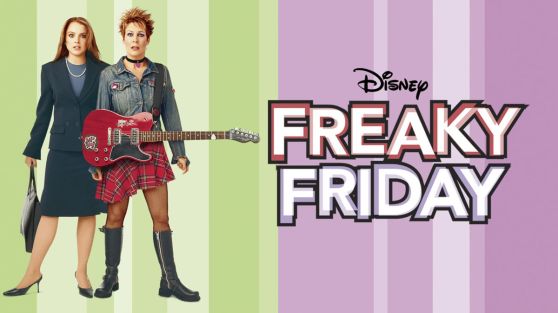
Freaky Friday (2003): I spoke too soon about the sexual side of Freaky Friday, as this movie, while chaste, does not shy away from the fact that Jake (Chad Michael Murray) has feelings for Anna (Lindsay Lohan) no matter if she’s in her body or the body of her mother, Tess (Jamie Lee Curtis). The attraction that Jake feels, while mental, is way hotter than the way Marc McClure reacted to Barbara Harris.

Written by Heather Hach (Legally Blonde: The MusicalWhat To Expect When You’re Expecting and a gym teacher in this movie) and Leslie Dixon (OverboardLoverboy, the 2007 Hairspray) and directed by Mark Walters (who worked with Dixon again on Just Like Heaven; he also directed Mean GirlsGhosts of Girlfriends Past, the gender-swapped He’s All That and Mr. Popper’s Penguins), this take on the story retains the single mother idea from the 1995 TV movie and has Mark Harmon play Ryan, the potential new father in Anna’s life.

Lohan’s character was originally written as a goth girl and she didn’t think anyone would relate to that, so she showed up dressed like a preppie. Somehow, she was convinced to play a grunge girl instead. I mean, she has a band called Pink Slip and plays guitar instead of water skiing or driving.

The McGuffin that drives this film is a pair of fortune cookies mixed with an earthquake switches bodies for Anna and Tess, which leads to Anna lecturing teachers and Tess being more loud and wild.

As for the casting, it really works. The original idea was for Jodie Foster to play Tess, but she didn’t like the stunt casting. Then, Annette Bening and Kelly Osbourne were going to be the leads — with Tom Selleck as Ryan — but Bening dropped out and Osbourne’s mother got cancer.

Probably the only downside is that this movie falls back on that Hollywood cliche of Asian people being able to magically change lives.

Is it weird that I know that the band Orgy taught Jamie Lee how to play guitar? Why do I have these facts inside my head? And how weird is it to hear “Flight Test” by the Flaming Lips in a Disney movie? Or Joey Ramone covering “What A Wonderful World?”

Freaky Friday (2018): It’s wild that Steve Carr made Next Friday and a Freaky Friday sequel. And this time, I had no idea I was getting into a musical. Cozi Zuehlsdorff from the Dolphin Tale movies is Ellie Blake and her mother Katherine is played by Heidi Blickenstaff, who played the role on stage. Seriously, this is a full-blown bing singing musical and also a version of the story that leans in on Ellie being a total slob with a filthy room, a girl who always wears the same clothes every day and who would totally be the kind of arty disaffected young girl who I’d be too shy to talk to and leave mixtapes in her locker. Or maybe text her Spotify links now, I guess, right?

A magical hourglass — given to Ellie by her late father, a Freaky Friday story beat retained from the last few versions — is the storytelling device that switches the daughter and mother. There’s also a scavenger hunt that an entire school is absolutely obsessed by, making this also an updating of Midnight Madness.

This was the first Disney movie made from one of their stage plays and it didn’t get great ratings. It’s fine — obviously there are a ton of different versions of Freaky Friday for you to watch. I’d place it slightly ahead of the Shelley Long version, but way behind everything else.

Freaky (2020): By all rights, I should hate this movie, a semi-remake of Freaky Friday that instead subverts the source material by turning it into a slasher. But you know, it ended up hitting me the right way and I was behind it pretty much all the way.

Directed by Christopher Beau Landon — yes, the son of Michael — who wrote Disturbia — that’s not even a word — and several of the Paranormal Activitymovies before directing the Happy Death Day films. If you liked those, well, this will definitely give you more of what those movies offered, this is set in the same universe — Landon said that, “They definitely share the same DNA and there’s a good chance Millie and Tree will bump into each other someday” — and was originally titled Freaky Friday the 13th.

Millie Kessler (Kathryn Newton, Big Little Lies) is a teenager who has been tormented by bullies, both of the teenager and teacher* varieties. Meanwhile, the urban legend of the Blissfield Butcher continues, as he keeps killing her classmates. Now that he possesses a McGuffin called La Dola — an ancient Mayan sacrificial dagger — he looks to gain even more power. But when he runs into our heroine — her mother (Katie Finneran, who is great in this) has left her behind at a football game where all she gets to do is wear a beaver mascot costume — she battles the Butcher and when he stabs her, they end up switching bodies.

So yeah — this turns into a body swap comedy and you’d think, after the gory as hell open, this is where they lose you. But no — if anything, this gets way more fun.

Millie’s friends make for some of the best scenes in the film. Nyla (Celeste O’Connor) and Josh (Misha Osherovich) have been with her through the worst parts of high school, so having their best friend in the body of a killing machine is just another trial to be endured.

Speaking of that killer, Vince Vaughn shines in this. There’s plenty of silly physical comedy, but also some really nice scenes like when he admits to the love interest that she left the note he treasures (body swap pronouns are a little hard) or when he has a moment with her mother while hiding in a changing room.

Landon — who wrote the movie along with Michael Kennedy — said that the film was influenced by the Scream series, along with Cherry FallsFright NightJennifer’s BodyThe Blob and Urban Legend. There’s also a fair bit of Halloween in here, particularly the opening series of murders, and references to Heathers, Child’s Play, Creepshow, Galaxy Quest, Carrie, The Faculty, The Craft and Supernatural. There’s also a bottle down the throat kill that came directly from the 2009 slasher remake Sorority Row.

I had fun with this. Here’s hoping you do the same.

*The funny thing is that the teacher that is the worst to her is Alan Ruck, who knows a thing about bring bullied, what with playing Cameron in Ferris Bueller’s Day Off.
APRIL MOVIE THON DAY 29: Friday Foster (1975)

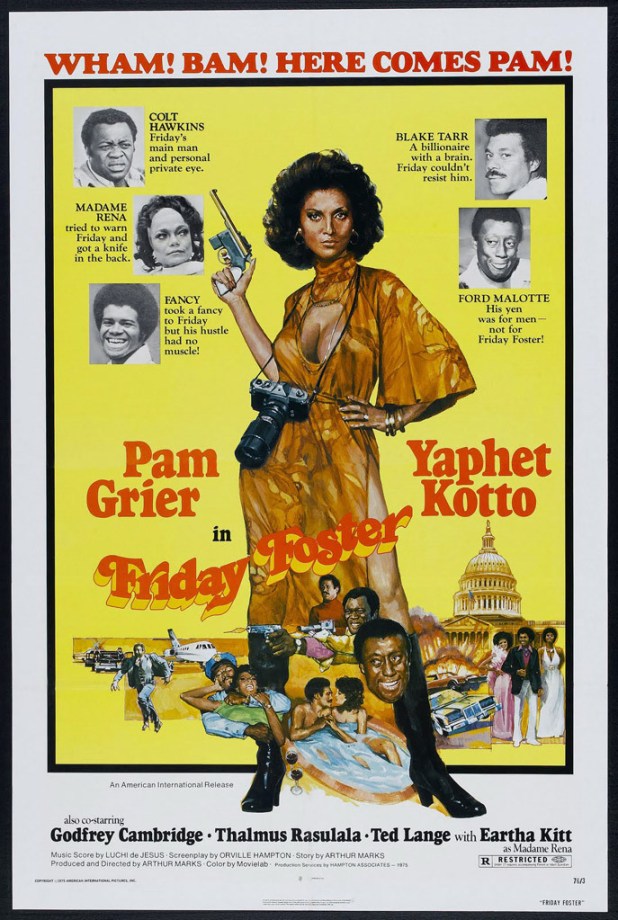
Not just a blaxploitation, not just a comic strip movie, not just a Pam Grier movie, this is also her last movie for AIP that ties in race identity, being a woman and, most essentially, Pam Grier kicking ass for 90 minutes.

Friday Foster comes from an American newspaper comic strip, created and written by Jim Lawrence — who wrote the James Bond strip — and illustrated by Jorge Longarón that ran from January 18, 1970, to February 17, 1974. She was one of the first African-American women characters to star in her own strip with only Jackie Ormes’ Torchy Brown coming before it (that strip ran in the Pittsburgh Courier, which makes me quite happy to know that my hometown sometimes does things ahead of the rest of the world). Friday started as an assistant to high-fashion photographer Shawn North, but soon became an international supermodel leaving her troubled life in Harlem behind her. Since her strip ended, Friday has shown up in Dick Tracy.

Foster (Grier) has witnessed an assassination attempt on the wealthiest African American, Blake Tarr (Thalmus Rasulala) and then her best friend Cloris Boston (Rosaline Miles) is murdered. Soon, not listening to her boss’ warning to stay out of her stories, she finds herself targeted for death.

Arthur Marks already had some comic strip experience, directing three episodes of the Steve Canyon TV series. He also directed Bonnie’s KidsDetroit 9000BucktownA Women for All MenJ.D.’s RevengeClass of ’74The Roommates and the “Find Loretta Lynn” episode of The Dukes of Hazzard. Writer Orville H. Hampton worked on everything from Rocketship X-M and Mesa of Lost Women to The Four Skulls of Jonathan DrakeJack the Giant Killer and episodes of FlipperPerry MasonSuper FriendsFantasy Island and The Dukes cartoon.

There are some great people in this, like Yaphet Kotto as private detective Colt Hawkins, Earth Kitt as fashion designer Madame Rena, Scatman Crothers, Godfrey Cambridge, Ted Lange and Jim Backus as a racist Senator. There’s even a scene with a young Carl Weathers as one of the bad guy’s goons.

The real joy of this film is the agency it affords Friday. She’s gorgeous, sure, but she can easily best any man. And when she beds more than one over the running time of the film, she’s never judged. Best of all, her blackness is central to who she is and not an afterthought.

Supposedly Marks was trying to turn this into a TV series. I wish that had happened because one Friday Foster adventure is nowhere near enough.

You can watch this on Tubi.

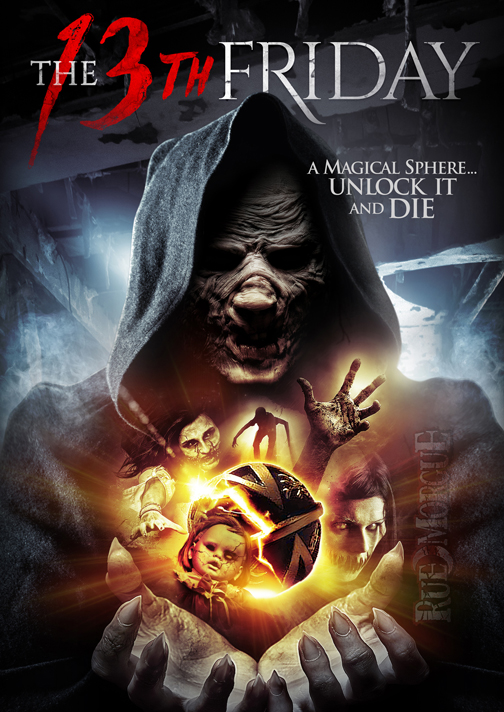
APRIL MOVIE THON DAY 29: The 13th Friday (2017)

Justin Price also directed The Mummy Rebirth, AbominableElvesWrong Place, Wrong Time and more, all direct to streaming or the shelves of WalMart films that you may not have noticed.

The movie starts with these words: “Somewhere in Texas is a house said to be so haunted that a church was built on the property and the family that lived on the house was never heard from again.”

Sounds good, right?

Then a puzzle globe shows up, plus monsters in a cave, plus a grim reaper-dressed villain and the idea that if the kids gathered in that very same Texas house years later — which looks totally clean with no dust at all — must sacrifice 13 people or they themselves will die.

That said, as much as this movie takes from every possession movie and tries to be a Hellraiser movie — a good idea, because a lot of movies that didn’t intend to be Hellraiser movies ended up being Hellraiser movies, so hey let’s try and be a Hellraiser movie and see what happens —   but man, that onepossessionn scene is really great looking and has some awesome effects. If that energy existed for the entire movie, I would have loved this.

There are two IMDB facts for this movie: “It’s been said that Justin Price is very difficult to work with” and “Deanna Grace Congo regrets doing the movie.” I’m willing to bet that Deanna Grace Congo supplied those facts. Then again, she’s been in multiple Price-directed projects after this.

You can watch this on Tubi.

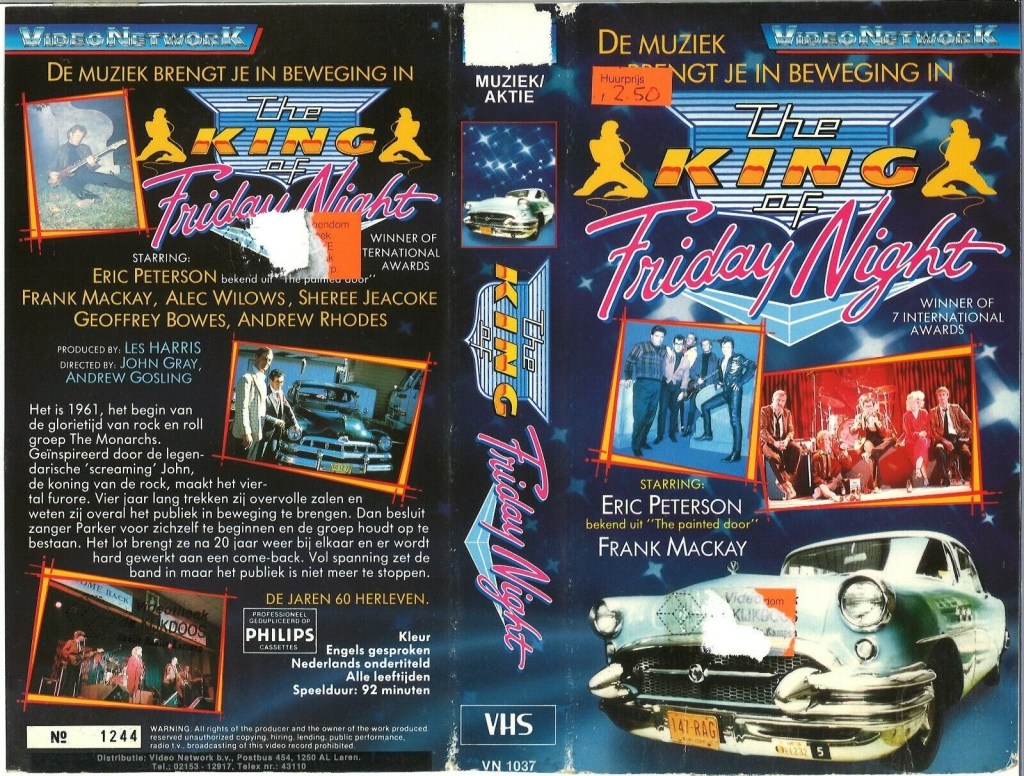
April Movie Thon Day 29: The King of Friday Night (1985)

April 29: Movies with Friday in the Title — TGIF. So pick a Friday movie and share it with everyone. Click the image for our full list of reviews for the month!

The Monarchs — like Eddie and the Cruisers and the Wonders before them — went from Nova Scotia obscurity to a Canadian chart-topping hit, until, as it usually does, it all fell apart. Unlike the Wonders, who never regrouped, and like Eddie and the Cruisers, who eventually did (sort of via the ‘ol Part Duex), the Monarchs reunite for a performance — as the story flashes back to their bygone days of troubled fame.

Hey, what did I know back then: Cannon has their logo on this video-taped spooler and that studio’s rock anthems for the retarded home video rental population: The Apple and Playing for Keeps (okay, the latter is Miramax, but you get the point) worked out okay. Well, not really. But really: this is worse. Way worse. And yes, Incident at Channel Q — which is padded with rock videos spun by a controversial VJ whose TV stations is under seige by the Christian Right — is better. For what’s it’s worth: let that be your critical barometer.

This Canadian television production made its way to U.S. home video shelves for unsuspecting rockers like this writer to rent. So, yeah. There goes another three bucks, wasted, that would have been better spent on a Ron Marchini flick (if only Arctic Warriors had been released to U.S. shores back then) or any Philippines war romp (Hey, did you enjoy our two-part “Philippine War Week” blow out)?

So, yeah. This won seven international awards — including The Banff TV Festival “Best Picture” award?

So, uh. Okay, then.

Courtesy of meps69/eBay. The Cannon U.S./U.K. version is preserved at videocollectoruk.

Well, maybe The King of Friday Night is better than my opinion dictates. “Critics’ opinions are divorced from those of the public,” so it has been said. Look, back in my youthful days of yore, “rock flicks,” for me, were analog horror slabs like Rocktober Blood and Blood Tracks and other “No False Metal” ditties that assured me that I was one Iron Maiden-spin away from eternal damnation (that any member of the public with a lick of common sense or quality, wouldn’t like).

Anyway, this “award winning” production is based on writer John Gray’s hit, Canuck stage play, Rock ‘n’ Roll, which tells the story of the real life, Truro, Nova Scotia, band, the Lincolns. Yes. They are a real band. Sadly, this filmed-stage play doesn’t do their career justice. Perhaps the stage play did. Maybe that theatre piece was a grand production like Broadway’s Jersey Boys*, you know, the one concerned with the career of Frankie Valli and the Four Seasons. While the Seasons made their Billboard chart bones with “Sherry” and “Big Girls Don’t Cry,” the Lincolns — well, the Monarchs, had theirs: “The King of Friday Night” topped the Canadian charts. (*Remember that Clint Eastwood brought us the artistically successful, but box office bombing, 2014 film adaptation of that 2005 Tony Award-winning Broadway musical. Maybe if the story of the Lincolns was under the eye of Clint or the group was given the dramatic-treatment of Telstar: The Joe Meek Story, we’d have a more engaging narrative.)

However, like Eddie and the Cruisers, there’s no memorable rockin’ rave-up like “On the Dark Side” (or the Wonders’ “That Thing You Do!”) to hold our interest: just lots of doo-wopin’ and finger snapping and synced dance steps that could be entertaining — but then there’s that pesky, odd special effects-film tinting to the ambitious shot-on-video proceedings that capture cardboard stage-production set dressing back drops. Yes. This wasn’t shot on location, but on television blue-screened sets mixed with theatrical backdrops.

It’s all very odd in a dreamy, French ’60s surrealist kind of way — only not as good as a French ’60s surrealist film, even though Canada’s roots are back in France.

The whole reason for this review — besides it having “Friday” in the title, is to expose you to a well-made, out-the-way You Tube rabbit hole discovery (back in November 2021) of award-winning author A. J. B. Johnston’s micro-documentary companion piece to his book, The Kings of Friday Night: The Lincolns.

You can learn more about the Lincolns with their entry at Nova Scotia Classic Rock. There’s more with these 2018 articles at Saltwire and CVT News. Sadly, according to this CBC News obituary, we lost the Lincolns’ founder, Frank Mackay, in 2019.

Hey, don’t go, yet!

I just remembered another ’80s rockin’ doo-wop’er made by the guy who made our October 2020 “Slasher Month” entry, Don’t Go in the House (1979), itself a “U.K. Section 2 Video Nasty” entry.

No. This is a true story from the days of incessant HBO replay: After riding the ’80s Slasher wave surfed by John Carpenter and Sean S. Cunningham with his own, twisted in version of Hitchcock’s Psycho, Manhattan writer-director Joseph Ellison, for his second — and what would be his final — effort, decided to reminisce his rock ‘n’ roll roots with Joey (1986): a tale about an ’80s rockin’ teen (per the soundtrack, he’s into Scandal, E.L.O, the Polecats, and the Ramones; there’s an Elvis Costello poster on the wall) at odds with his washed-up, ’50s rocker dad (per the soundtrack, “real music” is the Ad Libs, the Cleftones, the Coasters, the Devotions, the Duprees, the Elegants, the Limelights, and the Skyliners). They finally discover common ground when Joey, Jr. helps Joey, Sr. regroup his old band, Yesterday’s Today, for a retread of their big hit, “Moonlight Love,” which isn’t that bad of a faux-hit — but it’s still no “On the Dark Side” or “That Thing You Do” to wow you to doo-wop your sweet bippy into a 23 Skidoo.

So, if you have a doo-wop hankerin’, there’s your double feature: The King of Friday Night and Joey. Yes, Joey is the better movie, courtesy of solid performances by Neill Barry (from the awesome O.C and Stiggs) and James Quinn (who reminds of James Remar — and should have done more films) in the Jr. and Sr. roles. Hey, make it a triple: Martin Davidson, who directed Eddie and the Cruisers, returned the genre with Armand Assante as a washed-up doo-wop’er wallowing in the past in Looking for an Echo (2000).

There’s no rips of The King of Friday Night, but there’s a ten-part rip of Joey on You Tube.

As you can see from the banner, above, there’s more rock flicks to be had with our three-part “Rock ‘n’ Roll Week” series. And there’s more shot-on-video films to be discovered under our SOV tag.

About the Author: You can read the music and film reviews of R.D Francis on Medium and learn more about his work on Facebook. He also writes for B&S About Movies (links to a truncated teaser-listing of his reviews).

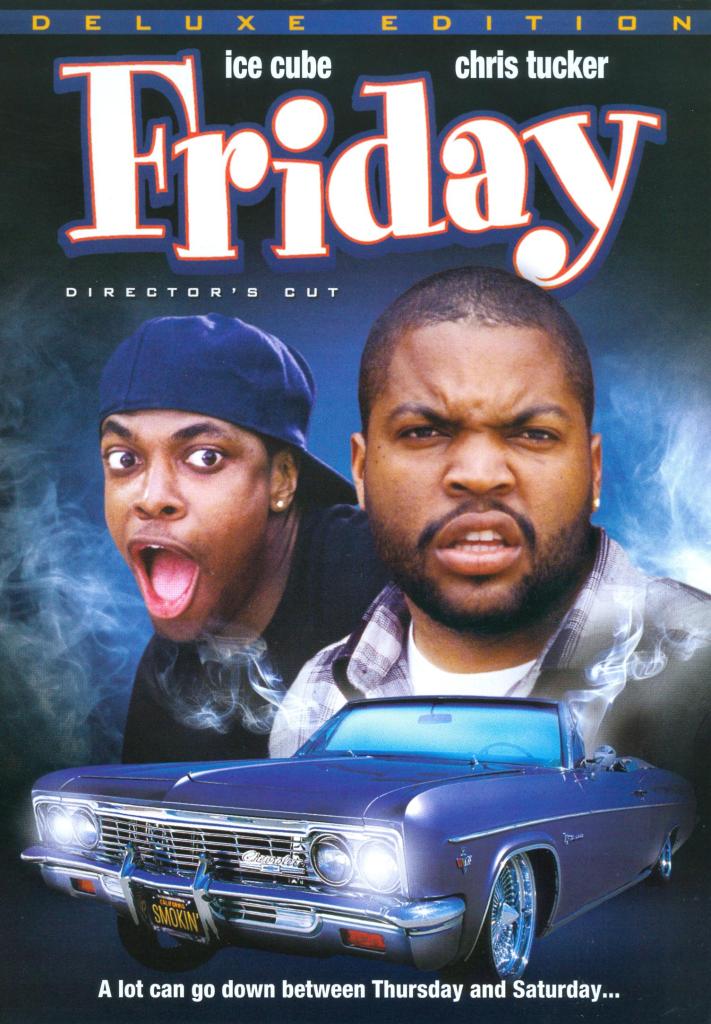
APRIL MOVIE THON DAY 29: Watch the series: Friday (1995, 2000, 2002)

Ice Cube and DJ Pooh felt that movies only showed the dark side of the urban experience. Cube had the vision of making a “hood classic” that would be rewatched over and over again and based much of the script — only the third he had written — on his life. They got New Line interested in the film — the studio had made House Party — and Cube hired video direct F. Gary Grey.

His only worry? Doing comedy when up until then, he was considered a dangerous thug.

Grey said, “Ice Cube was the toughest man in America, and when you take someone (who) delivers hard-hitting social issues in hardcore gangsta rap, and who has a hardcore view on politics, you would never think comedy.”

Friday (1995): Craig Jones (Ice Cube) just got fired on his day off (this actually happened to one of Cube’s cousins), giving him the entire Friday to spend with his best friend, Smokey (Chris Tucker, a comedian whose first audition didn’t go well but who trained, came back and won the part). They smoke Smokey’s stash — $200 worth of weed — and if they can’t pay Big Worm (Faizon Love) by 10 p.m., they’re dead.

The episodic movie finds Craig and Smokey trying to get that money, whether through borrowing, begging or stealing. They also run into Deebo (Tiny Lister Jr.), a gigantic maniac who forces Smokey to break into a house, after which he steals the money that Smokey has ripped off.

Friday seems like a modern day take on Cheech and Chong in the best of ways, while keeping more focus. It also has time for plenty of great cameos, like the sadly long gone Bernie Mac as a preacher, John Witherspoon as Craig’s father, Regina King as his sister and DJ Pooh as Red.

Shot in Grey’s actual home block in the homes of his friends, you can even see some members of the neighborhood show up that refused to move from the spot they were in. Grey just filmed around them as well as he could. Additionally, the cast and crew not to wear anything red during filming, as 126th Street between Halldale and Normandie was Crips territory.

Friday made more than eight times what it cost to make. Ice Cube and DJ Pooh had the right idea.

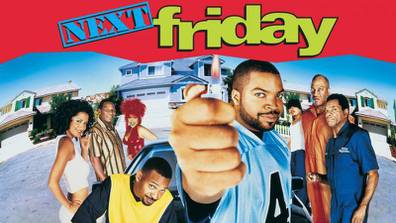
Next Friday (2000): Written by Ice Cube and directed by Steve Carr, who also worked with Cube on Are We There Yet?Next Friday made $60 million off an $11 million budget, defying critics who hated the films — again, much lilke Cheech and Chong.

When Deebo escapes from prison to get revenge on Craig, Craig’s father Willie moves him to Rancho Cucamonga to live with his uncle Elroy (Don D.C. Curry), who has just won the lottery, and cousin Day-Day (Mike Epps). Day-Day makes a decent replacement for Smoky, as Chris Tucker didn’t come back for the second movie as he became a born again Christian.

Beyond dealing with the threat of an escaped Deebo, now Craig and Day-Day must avoid baby mamas, a gang called the Jokers and try to keep Day-Day’s record store job. While the move to the suburbs offers some fun joke, Tucker’s prescence is definitely missed. Then again, I find myself loving that Ice Cube is so loveable in these films, particularly after albums like “AmeriKKKa’s Most Wanted” in which he unleashed venomous hatred on nearly every ethnicity and human being within the reach of his booming voice.

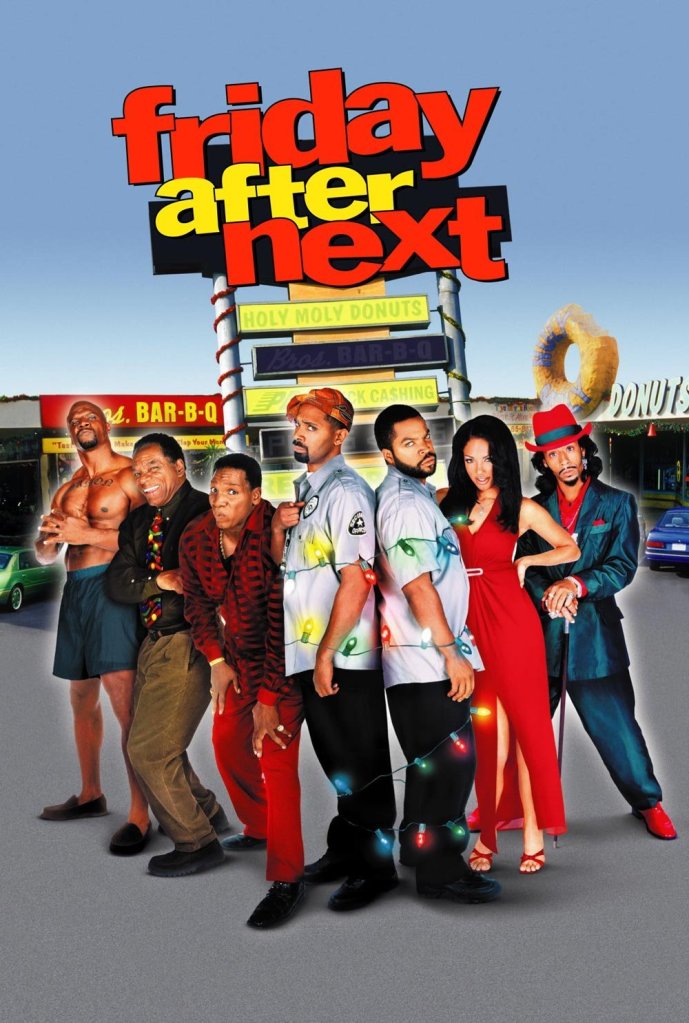
Friday After Next (2002): Written by Ice Cube and directed by Marcus Raboy, the third Friday movie again was rejected by critics and embraced by the audience that it was made for. It starts on Christmas Eve as a thief breaks into the home of Craig (Cube) and Day-Day (Mike Epps), stealing everything they’ve bought for their family and friends. Also — the rent is due and if they don’t get it soon, their landlady is going to unleash her just released from jail son Damon (Terry Crews) on them and in a violently loving fashion, if you get what I’m saying.

The setting in this sequel moves from the suburbs to a strip mall, a place where their fathers — Willie (John Witherspoon) and Elroy (Don D.C. Curry) — have started a BBQ place so good you’ll slap your mother. It’s also where Money Mike (Katt Williams) and his main girl Donna (K.D. Aubert) have started the store Pimps and Hoes.

Obviously, by the third movie you’re just hoping for more hangout time with the leads and less expecting a groundbreaking effort. That said, this is a goofball bit of harmless fun, a good holiday movie to throw on if you’re sick of the same films every December and makes me hope that we get one more of these movies.

Somehow, I never saw a single one of these movies before, but I must confess, they made a nice break this week, a breezy bit of fun and light laughs in the midst of dark times.

APRIL MOVIE THON DAY 29

We’re almost done!

April 29: Movies with Friday in the Title — TGIF. So pick a Friday movie and share it with everyone.

Here’s what you can watch today:

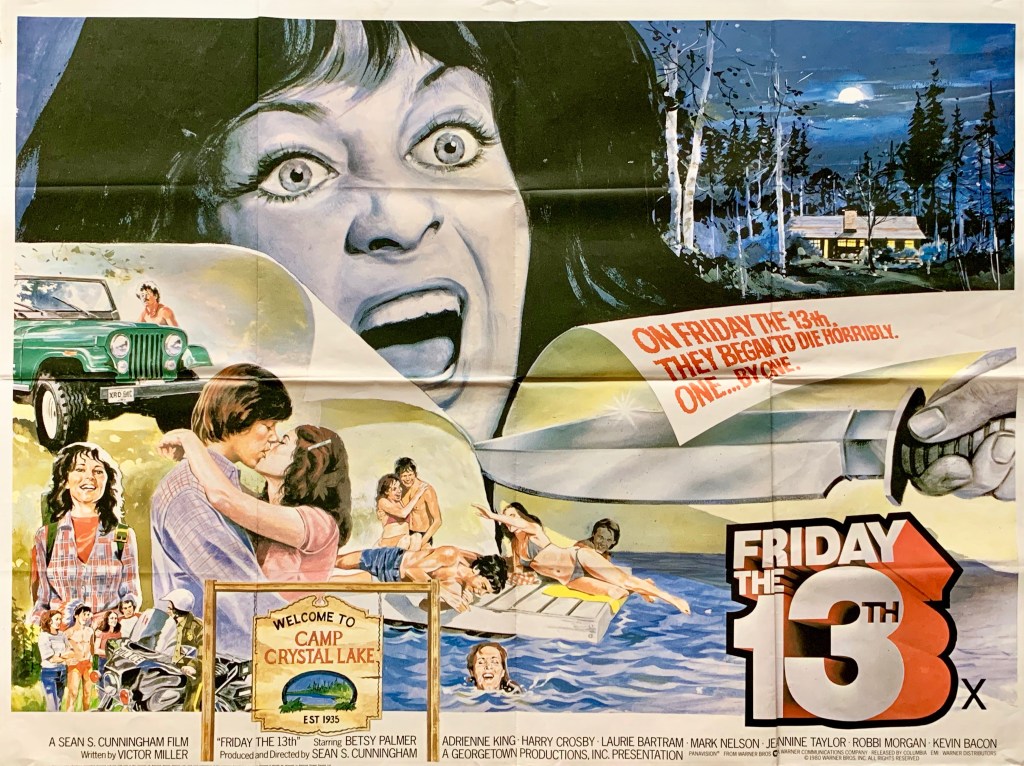
Friday the 13th (1980): Oh, good Lord! …So young…So pretty. Oh, what monster could have done this?

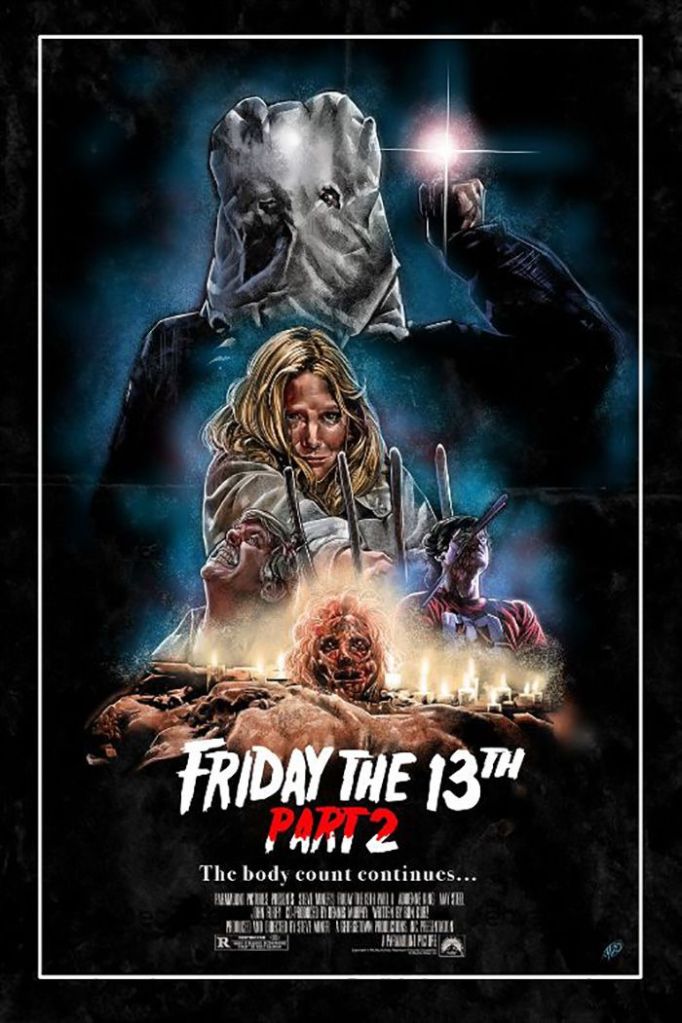
Friday the 13th Part II (1981): Take the look of the Phantom of The Town that Dreaded Sundown, two murders shot for shot from Mario Bava’s A Bay of Blood and you get a big hit.

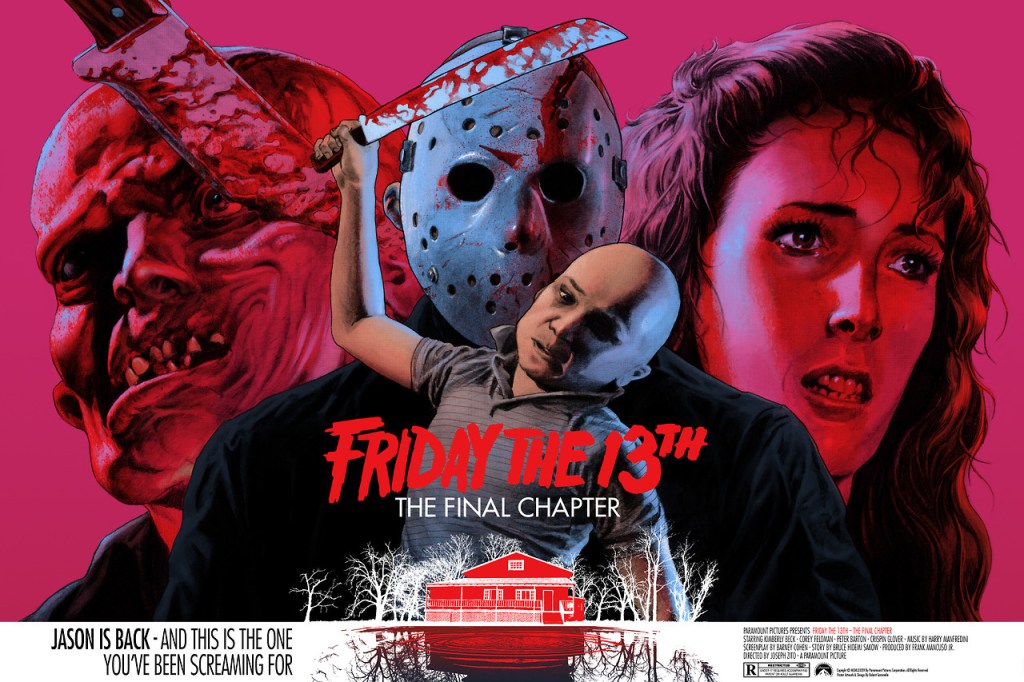
Friday the 13th Part 4: The Final Chapter (1984): This Joe Zito film is really everything that people think of when they think of a Jason movie. It’s also pretty great.

What are you watching?

APRIL MOVIE THON DAY 28: Catchfire (1990)

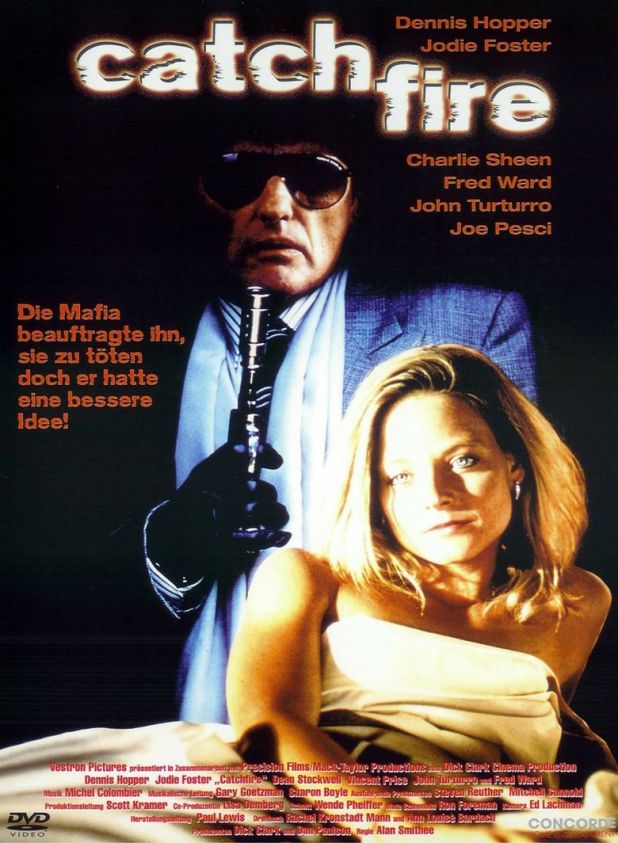
This Alan Smithee-directed film really belongs to Dennis Hopper, who had a rough time for a variety of reasons. There were issues between Jodie Foster and Hopper from the first day of shooting, as Foster yelled “cut” which angered the directing side of Hopper.

She may have been upset by the shower scene, which is pretty gratuitous and she assumed would be edited. It isn’t. Neither is the long scene where she’s wearing lingerie that is more Frederick’s than Victoria’s.

A few years later, Foster generalized a bad experience she had on a movie by saying, “I worked with an actor-director who was a major pain. It was very difficult for me. Very difficult.”

This was that movie.

A crime thriller in which Foster plays an artist named Anne Benton who makes art signs — which were made for the movie by Jenny Holzer and say things like “Murder has its sexual side” — and falls asleep at the wheel and a hitman named Milo (Hopper) kidnaps her instead of killing her and she goes all Patty Hearst.

Was this movie made for me?

Well, it is a mess.

Vestron, who was makin actual movies in theaters before going out of business, took over the edit. And Hopper got angry: “They had taken an hour out of my movie, and they’d taken a half-hour of stuff I’d taken out of the movie and put it in. Then they took all my music out and threw it away. They put in great violin love themes beside Jodie and me — this is a hit man and an artist, and it’s certainly not a violin romance. This is not a film by Dennis Hopper. This is not directed by Dennis Hopper. This is directed by some idiots at Vestron.”

I mean, I love it. How can you not love a movie where Dennis Hopper and Jodie Foster make out on a bed of pink Hostess Sno Balls?

In the article “Abuse of Power,” writer Chris Randle spoke with this film’s original screenwriter, Ann Louise Bardach, who said, “He (Hopper) directed me to make a really tight, taut thriller and in the end what he shot was a…vaudevillian caper. Working with Dennis was completely insane.”

However, she did concede a point: “He had a beautiful eye. Dennis was not a narrative artist, he was a visual artist.”

So when a writer’s strike happenen, Alex Cox — yes, the man who made Repo Man — came on set to write when needed and play the ghost of D. H. Lawrence.

Did I mention this is a movie made for weird people like me?

Anyways…

Back to Anne happening to watch a mafia hit supervised by Leo Carelli (Joe Pesci, who asked for his name to be removed from this movie), who spots her. So even through our heroine gets to the police first, Greek (Tony Sirico) and Pinella (John Turturro) are able to track her down and kill her boyfriend (Charlie Sheen) just as he eats an entire frozen pizza directly out of the box.

FBI agent Pauling (Fred Ward) has been after these mobsters forever and wants to palce Anne in Witness Protection Program, but when she sees Carelli’s lawyer John Luponi (Dean Stockwell) at the police station, she goes on the run. To make sure she stays quiet, mob boss Lino Avoca (Vincent Price, who introduced Hopper to art when he was blackballed from Hollywood in the late 50s to eary 60s; this is one of his last roles) hires Milo to kill Anne.

All it takes are some dirty Polaroids of her — yes, that was Charlie Sheen — to have him fall in love.

Anne runs to Seattle and becomes a copywriter, which allows Milo to find her when a line from one of her art installations shows up in a lipstick ad: “Protect me…from what I want.” He tracks her down and promises to protect her if she does everything he asks. After all, by saving her, he’s doomed himself.

The cast of this is more than enough reason to watch. How about Dean Stockwell, Julie Adams (who was also in Hopper’s The Last Movie), Tony “Paulie Walnuts” Sirico, Helena Kallianiotes from Kansas City Bomber, Sy Richardson (who wrote Posse), Catherine Keener, Toni Basil and Bob Dylan wearing shin guards as he makes an art installation.

Hopper’s version is called Backtrack and has a longer ending but is in no way easier to understand.

This movie does, however, have a scene where Hopper plays saxophone and gets so upset that he repeatedly throws it at a plexiglass window and that’s what I want out movies. It also has Foster saving a lamb a year before she’d tell that story in a movie that she doesn’t want to forget about.

Hopper also brings a burrito to a gun fight.

Like I said, this movie is for me.

You can watch Hopper’s version on Tubi.

APRIL MOVIE THON DAY 28: Ghost Fever (1987)

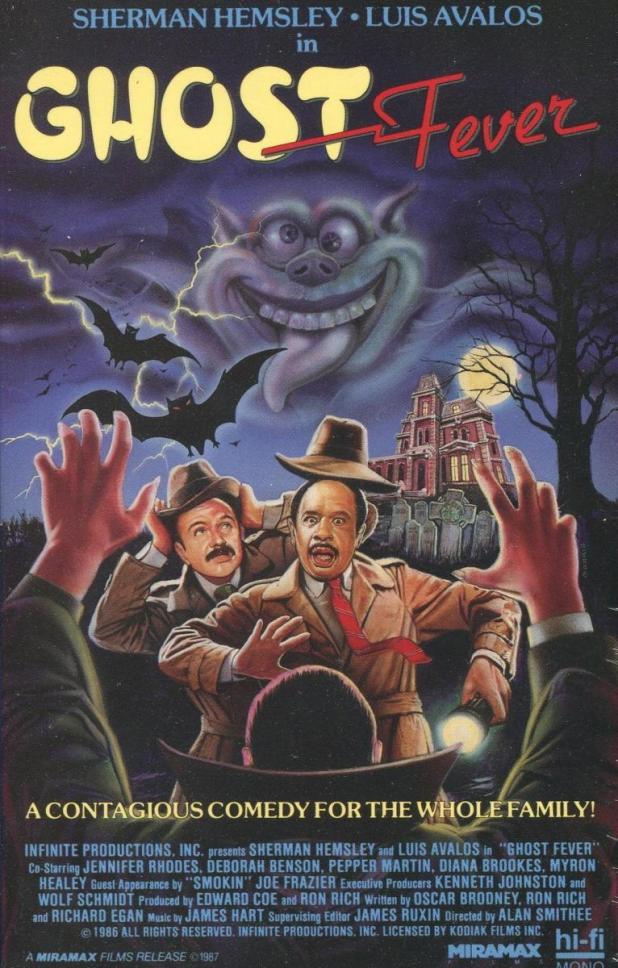
Sherman Hemsley from The Jeffersons is Buford Washington. Luis Ávalos from The Electric Company is Benny Alvarez. And they’re Greendale County, GA — yes, a black man and a Latino in the South! — police officers sent to serve an eviction notice to a plantation when the ghosts of the former slavemaster that owned the house, Andrew Lee (Monogram Pictures star Myron Healey), and one of his slaves named Jethro (also Hemsley), defend the home from beyond. Yes, a black man and his owner working together!

There’s also a torture room that neither Lee nor Jethro know about. That’s because it was the super racist grandfather vampire who did it all and his granddaughters — Linda (Deborah Benson) and Lisa (Diana Brookes) — need help.  Cue the scary music, bring in Madame St. Esprit (Jennifer Rhodes) and the ill-fated seance. Meanwhile, zombies pop up and Buford has to win the house from the bank in a boxing match against Joe Fraizer.  Smoking Joe isn’t the only combat sports veteran in this, as former pro wrestler Pepper Gomez is in the cast.

Then, the ghosts kill Benny and Buford, keeping the house — and the girls — all for themselves. If this seems like a narrative shift in a slapstick comedy, then you’re correct.

Screenwriter Oscar Brodney hadn’t written a movie in 16 years before this, but he did write Harvey, which does not translate into making this movie a success. The Alan Smithee credited for this film is really Lee Madden, who made Hell’s Angels ’69, The ManhandlersAngel UnchainedThe Night God Screamed and Night Creature. He hadn’t made a movie in eight years, but that could be because he was busy making commercials for car lots.

This was filmed in 1985 but not released until 1987 due to extensive re-shooting and re-editing, resulting in Madden demanding that his name be removed from the credits. It was produced by Hemsley and he lost most of the money he’d made in his career on this.

Oddly enough, Hemsley was super into prog rock and allegedly worked with Yes’s Jon Anderson on a funk-rock opera by the name of Festival Of Dreams about the “spiritual qualities of the number 7.” Daevid Allen from Soft Machine and GONG claimed that Hemsley had an LSD lab in his basement and had a room named the “Flying Teapot room,” named for the GONG song, with “…darkened windows and “Flying Teapot” is playing on a tape loop over and over again. There were also three really dumb-looking, very voluptuous Southern gals stoned and wobbling around naked. They were obviously there for the guys to play around with.

They used to call PCP Sherman Hemsley because it made people rude, just like his character. I believe that maybe he was making it!

Here’s the man dancing to Nektar’s “Show Me the Way.”

Let’s therefore forget this movie and enjoy the magical world we live in, where Yes and George Jefferson make music together.

You can watch this on YouTube.

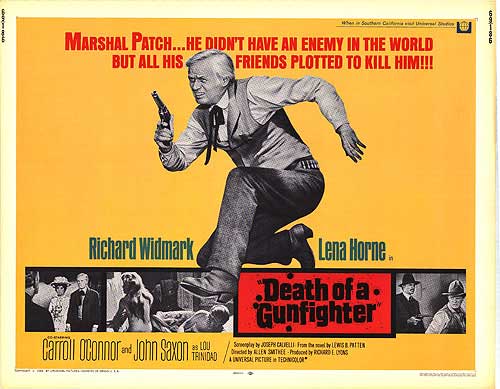
APRIL MOVIE THON DAY 28: Death of a Gunfighter (1969)

Death of a Gunfighter was originally directed by Robert Totten, who directed the original The Quick and the Dead, as well as plenty of TV like Gunsmoke and Mystery In Dracula’s Castle. Despite a year of work, he couldn’t get along with star Richard Widmark and lost that battle, getting replaced by Don Siegel (Invasion of the Body SnatchersDirty Harry and John Wayne’s last movie, The Shootist).

Siegel had been the original choice to direct, but was overworked, according to the Chicago Tribune. However, in Siegel’s memoirs, he wrote that Widmark pushed from day one to get Totten kicked off the film and replaced by the unwilling Siegel. Finally, three and a half weeks into making the movie, Widmark got Universal boss Lew Wasserman to personally get involved.

When Siegel looked at Totten’s footage, he thought it was great and even made sure his own footage matched. In fact, he didn’t reshoot a single scene, only finishing off the film’s opening and closing sequences, as well as some pick-up shots. In the end, he didn’t think he had done enough work to take directing credit.

However, Totten wanted nothing to do with the film. Siegel didn’t want his name on the film, which upset Widmark even more. Finally, an agreement was made with the Directors Guild of America for the pseudonym Alan Smithee to be used.

In fact, this was the first Alan Smithee-directed film.

Here’s where it gets weird: critics loved the film and the new director. The New York Times claimed that it had sharp direction and that Smithee “has an adroit facility for scanning faces and extracting sharp background detail.” Roger Ebert said that it was “an extraordinary western by director Allen Smithee, a name I’m not familiar with, allows his story to unfold naturally.” I wonder if Ebert was aware what was going on and was having fun with his review. I’d like to think so.

Based on Death of a Gunfighter by Lewis B. Patten, this movie feels like Hollywood realizing that some of the better Westerns were coming from other countries, mostly Italy, at this point. Marshall Frank Patch (Widmark) is an Old West-style lawman in Cottonwood Springs, Texas, a town determined to be modern and, as such, conveniently forget its numerous sins and just whitewash the past.

“What would happen,” the mayor says, “if an Eastern businessman came to town and saw old Patch there, wearing that shirt he probably hasn’t washed in a week?”

Patch shoots a drunk in self-defense, which the town leaders use as a way to get him out. Knowing that the town is about to murder him with their own gunfighters — he knows too much — the old lawman settles his affairs, including marrying brothel owner Claire Quintana (Lena Horne), an interracial relationship that is a fact of life, something bold for 1969.

This is a film rich with character actors that I love — Carroll O’Connor, Royal Dano, John Saxon — and a town unlike many other Westerns, one made up of all races, a place where a lone car causes worry, where the trains must get ever closer, where the past — and Patch — must die to move progress ever forward, no matter what.

APRIL MOVIE THON DAY 28

Who is Alan Smithee?

Created in 1968 and used until it was formally discontinued in 2000, there is no Alan Smithee. Instead, it was the pseudonym used by members of the Directors Guild of America (DGA) when they were dissatisfied with the final product. In order to use the name, it had to be voted on to the satisfaction of a guild panel that they had not been able to exercise creative control over a film. The director was also required by guild rules not to discuss the circumstances leading to the movie or even to acknowledge being the project’s director.

One of the movies that we’ll cover today, Death of a Gunfighter, was the reason why Smithee was invented. Actor Richard Widmark was unhappy with director Robert Totten and wanted him replaced with the director he wanted in the first place, Don Siegel. Siegel believed that he had spent 9 to 10 days filming, while Totten had spent 25 days. Each had roughly an equal amount of footage in the final edit, but Siegel stated that Widmark had effectively been in charge the entire time, so he didn’t want the credit. Totten refused to take credit in his place. The DGA panel agreed that the film did not represent either director’s creative vision — the DGA believes in the auteur theory that the director is the singiular creative voice behind a movie — so the name Alan Smithee took their place.

After a few decades, people started catching on and some directors violated the embargo on discussing their use of the name. In 1997, the An Alan Smithee Film: Burn Hollywood Burn was made, a movie in which Alan Smithee (Eric Idle) can’t take his name off a movie because he will have to still have his name on it. It was directed by Arthur Hiller and ironically, he used the Alan Smithee title because Joe Eszterhas had too heavy of a hand.

April 28: Alan Smithee — IMDB has 115 movies credited to the Alan Smithee pseudonym, which was created by the Directors Guild of America for use when a director doesn’t want their name on a movie.

Here are some movies to get you started:

Twilight Zone: The Movie (1983): One of the few times an assistant director is listed as Alan Smithee, due to Anderson House being upset over the death of Vic Morrow and two child actors.

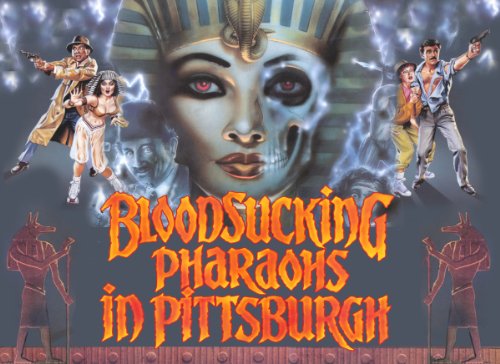
Bloodsucking Pharaohs In Pittsburgh (1991): Director and co-writer Dean Tschetter’s name was listed as Alan Smithee to indicate his dissatisfaction with the final film.

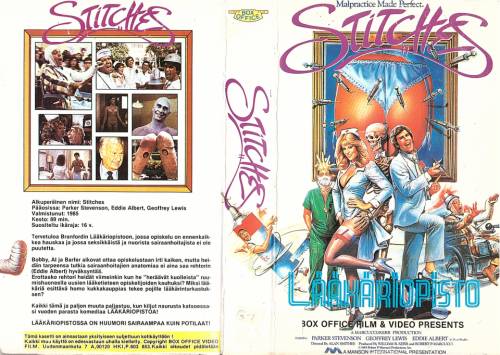
Stitches (1985): Rod Holcomb was unhappy with this and asked for his name to be taken off of it.

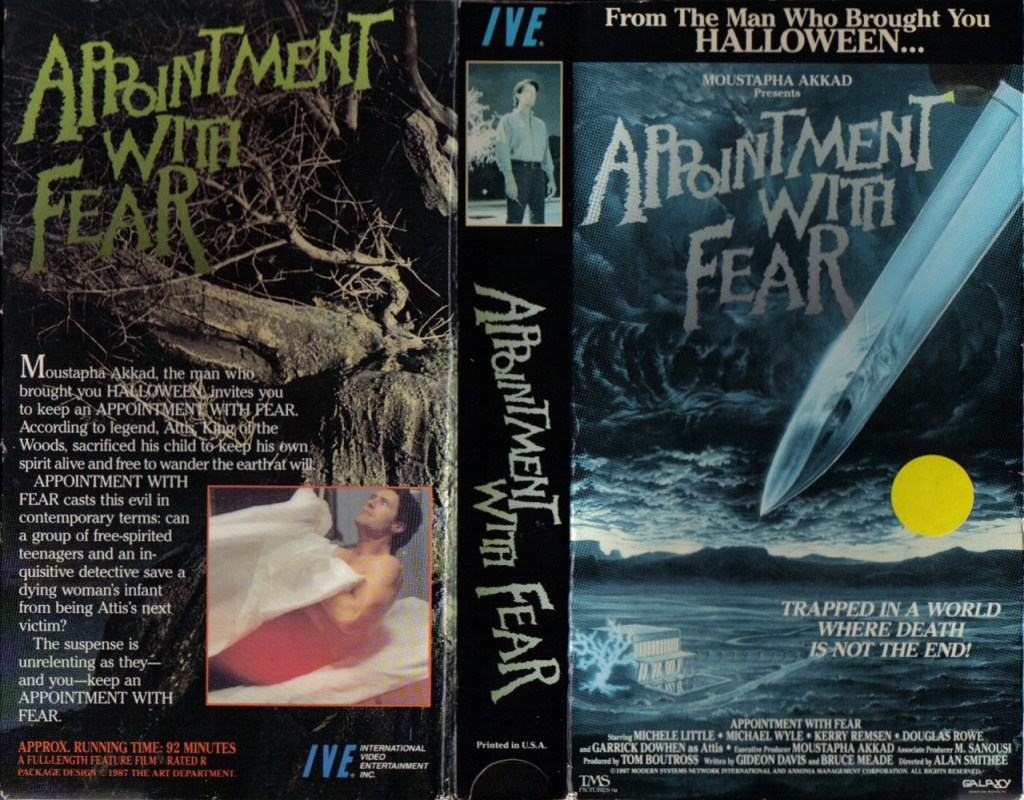
Appointment with Fear (1985): Directed by Ramsey Thomas for Moustapha Akkad — who was the producer behind Halloween — as Deadly Presence. After Akkad saw the director’s cut, he fired director Thomas and re-shot a considerable amount of new footage and re-edited the movie himself. Thomas declined to be credited as director.

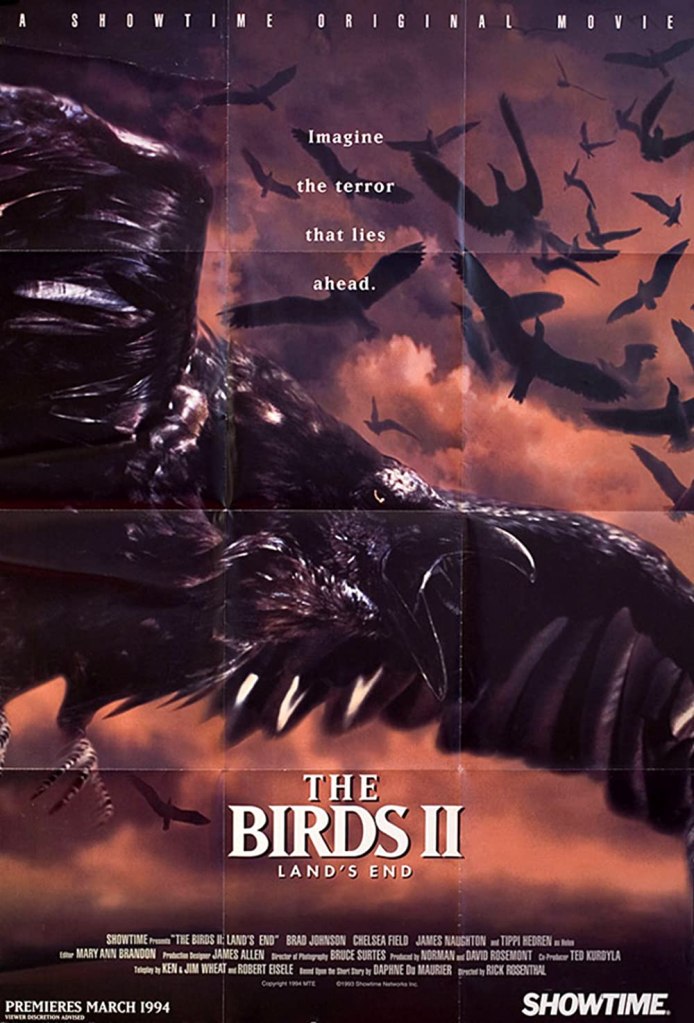
The Birds II: Land’s End (1994): This is not the first — or the last — sequel that Rick Rosenthal would make, what with being part of the best Halloween sequel and the worst. He made sure his name was not on this movie, as Alan Smithee is credited.

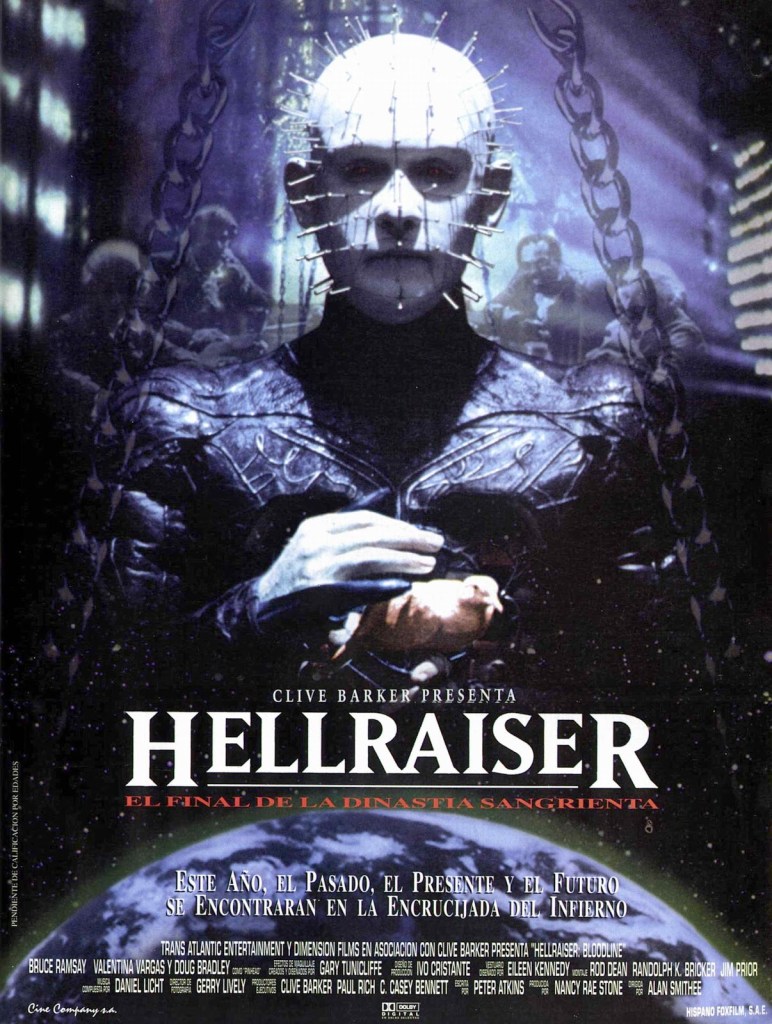
Hellraiser: Bloodline (1986): Kevin Yagher left the production after Miramax demanded new scenes be shot. The new scenes and re-shoots changed several characters’ relationships, gave the film a happy ending, introduced Pinhead earlier and cut 25 minutes of the director’s cut — so many changes that he was able to use the Alan Smithee credit.

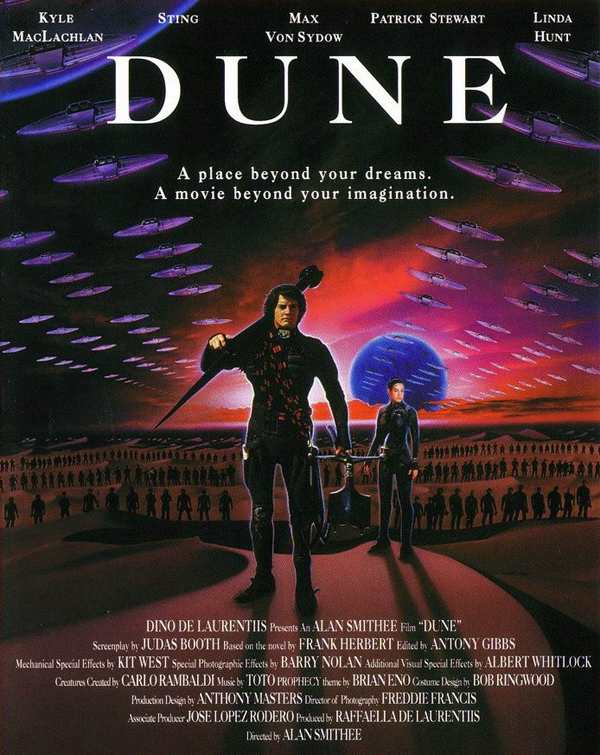
Dune (1984): David Lynch refuses to have anything to do with this movie. A television version was aired in 1988 that replaced the opening monologue with a much longer description of the setting that used concept art stills. Lynch disavowed this version and used Alan Smithee as his credit. For the extended and television versions, Lynch used the credit Judas Booth — a combination of Judas Iscariot and John Wilkes Booth — for his screenwriting credit.

What are you watching today?